Loading page
Vibratory deburr (tumbling)
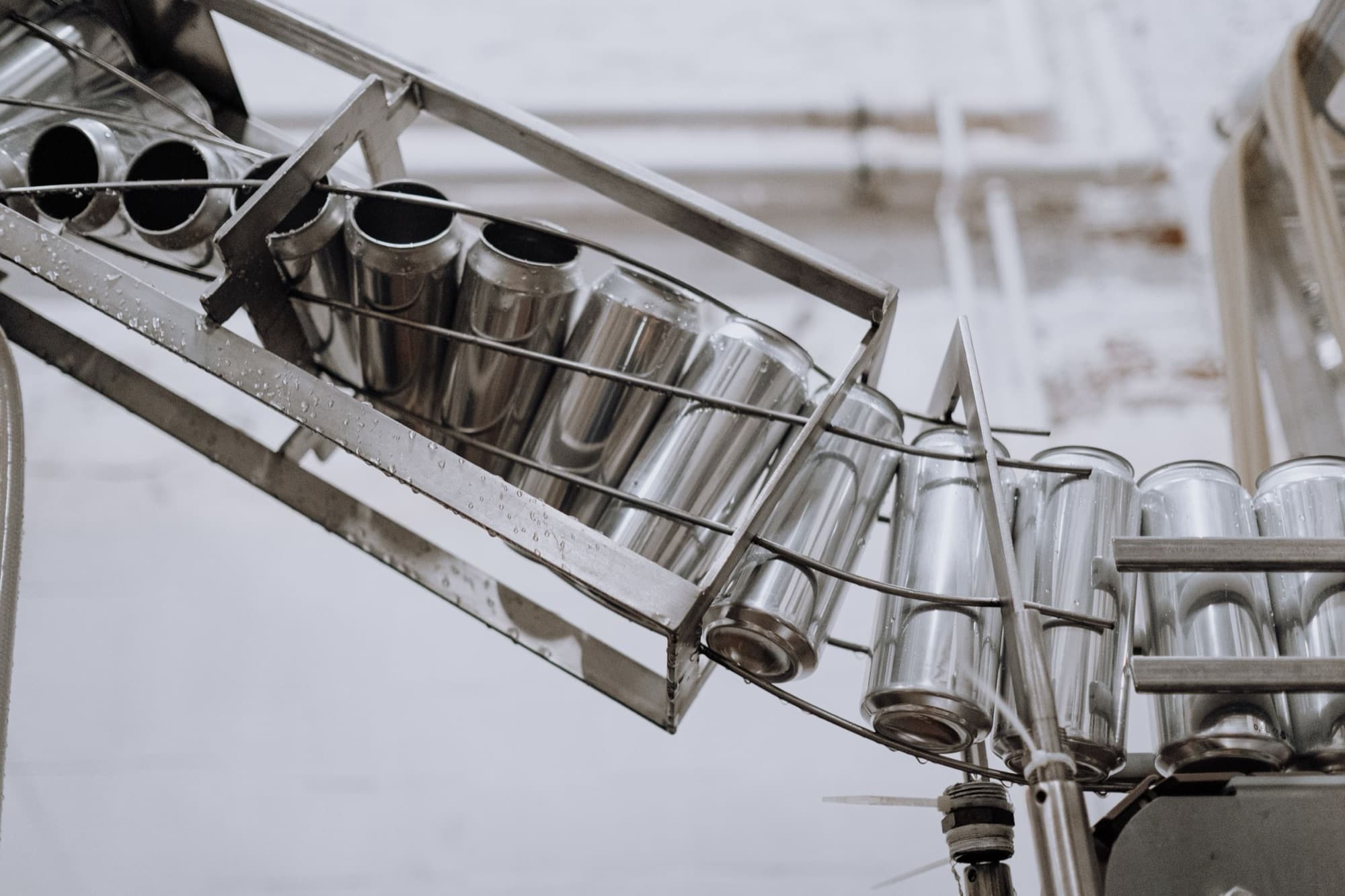
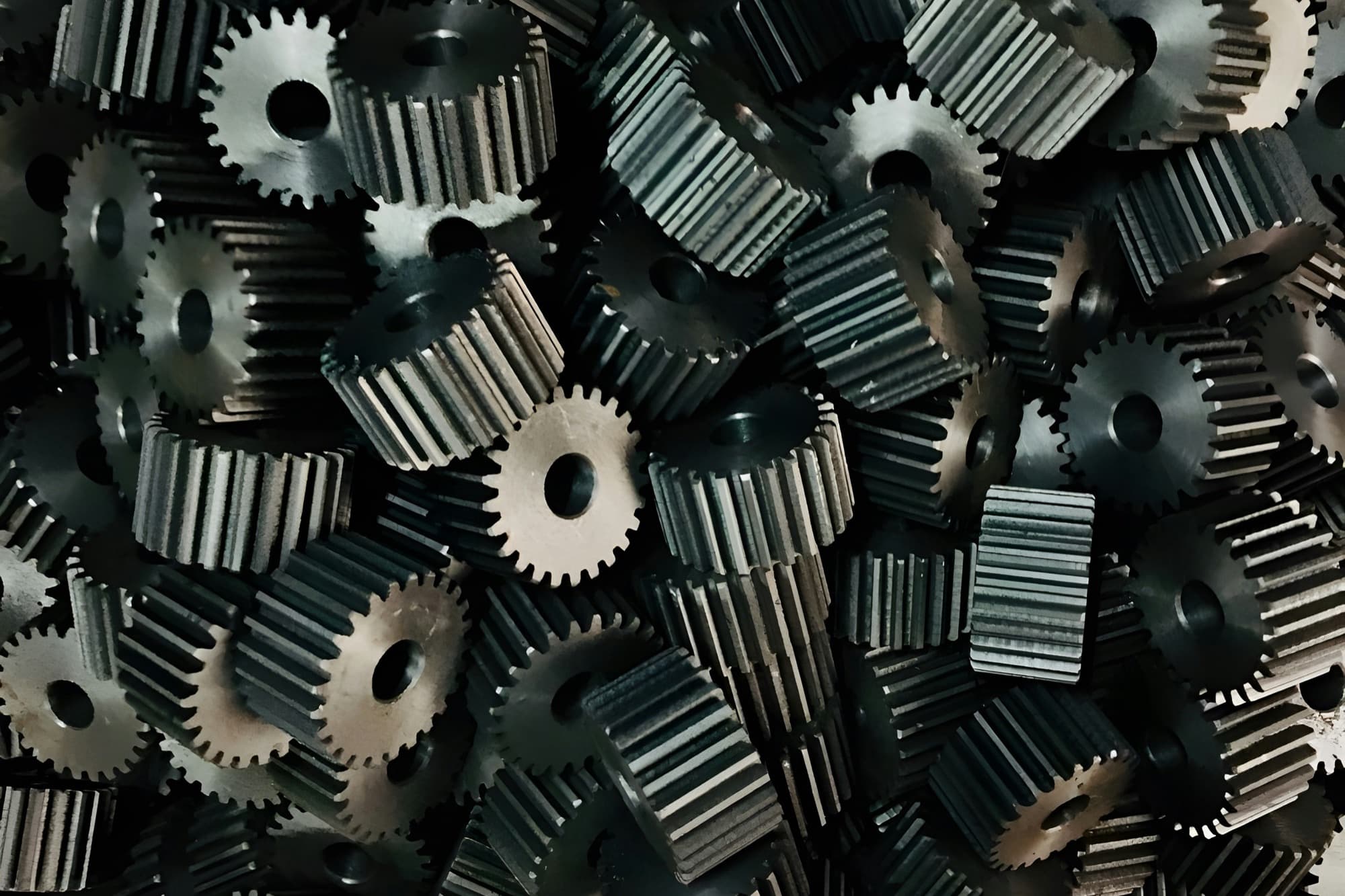
Vibratory deburring, or tumbling, places parts in a vibrating bowl or tub with abrasive ceramic, plastic or steel media and a liquid compound. The media rubs off burrs, breaks sharp edges to about 0.003–0.010 in (0.08–0.25 mm) and leaves a uniform satin surface. It runs hundreds or thousands of parts per batch, so cost per piece is low. It is standard for stampings and PM parts.
- Applies to
- Stampings, machined parts, powder metal parts, die castings, and 3D-printed metal and nylon parts
- Adds
- 1 days
- Cost
- Low

Specs
| Edge radius | About 0.003–0.010 in (0.08–0.25 mm) typical |
|---|---|
| Cycle time | 30 minutes to several hours per batch |
| Media | Ceramic (cutting), plastic (soft metals, finer finish), steel (burnishing) |
| Batch size | Hundreds to thousands of small parts |
| Surface result | Uniform satin; fine media can lower roughness on flat faces |
| Watch-outs | Part-on-part impingement and media lodging in holes |
Call out on the drawing
- ISO 13715 (edges of undefined shape)
- Drawing edge-break notes, e.g., 'Break edges 0.005–0.015 in; tumbling acceptable'
Materials it suits
 Structural aluminum6061-T6
 Aerospace aluminum7075-T6
 Marine aluminum5052-H32
 Die-cast aluminumA380
 Die-cast zincZamak 3
 High-strength zincZamak 5
 Cold-rolled steel1008 CRS
 Mild steel1018
 Carbon steel1045
 Machining steel12L14
 Alloy steel4140
 Structural steelA36
 Machining stainless303 SS
 Everyday stainless304 SS
 Marine stainless316 SS
 Magnetic stainless430 SS
 Hardened stainless17-4 PH
 Machining brassC360 brass
 Pure copperC110 copper
 Phosphor bronzeC510
 TitaniumTi-6Al-4V
 PM copper steelFC-0208
 PM nickel steelFN-0205
 PM stainlessPM 316L
 3D-print nylonPA12
Questions
Will tumbling damage threads or tight tolerances?
It can round thread crests and sharp edges slightly, and parts can nick each other. Precision faces and fine threads may need fixtures, separators or a gentler plastic media. Tell the supplier which features are critical.
Can tumbling media get stuck in holes?
Yes. Media sized close to a hole or slot width lodges in it. Suppliers choose a media shape and size that either passes through or cannot enter, so flag small holes and slots on the drawing.
Vibratory deburring vs hand deburring?
Tumbling is far cheaper per part at volume and gives consistent edges. Hand deburring suits internal cross holes, large parts, and features media cannot reach. Many parts use both.
Other finishes on these processes


Price it with this finish.
The builder adds lot charges, per-part cost and lead time for the finish you pick.