Loading page
Core line, represented 25+ years
Zinc and aluminum die casting
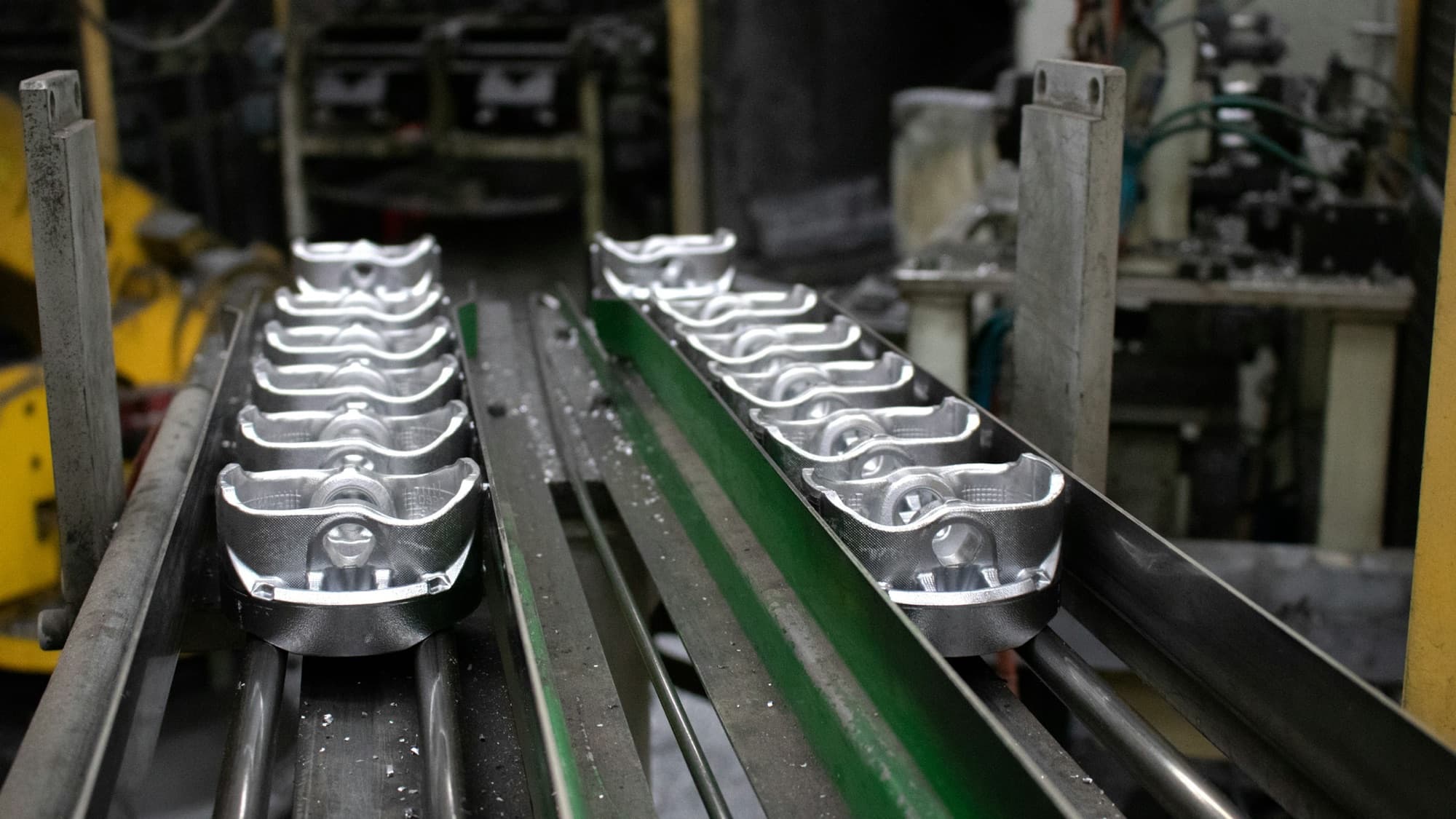
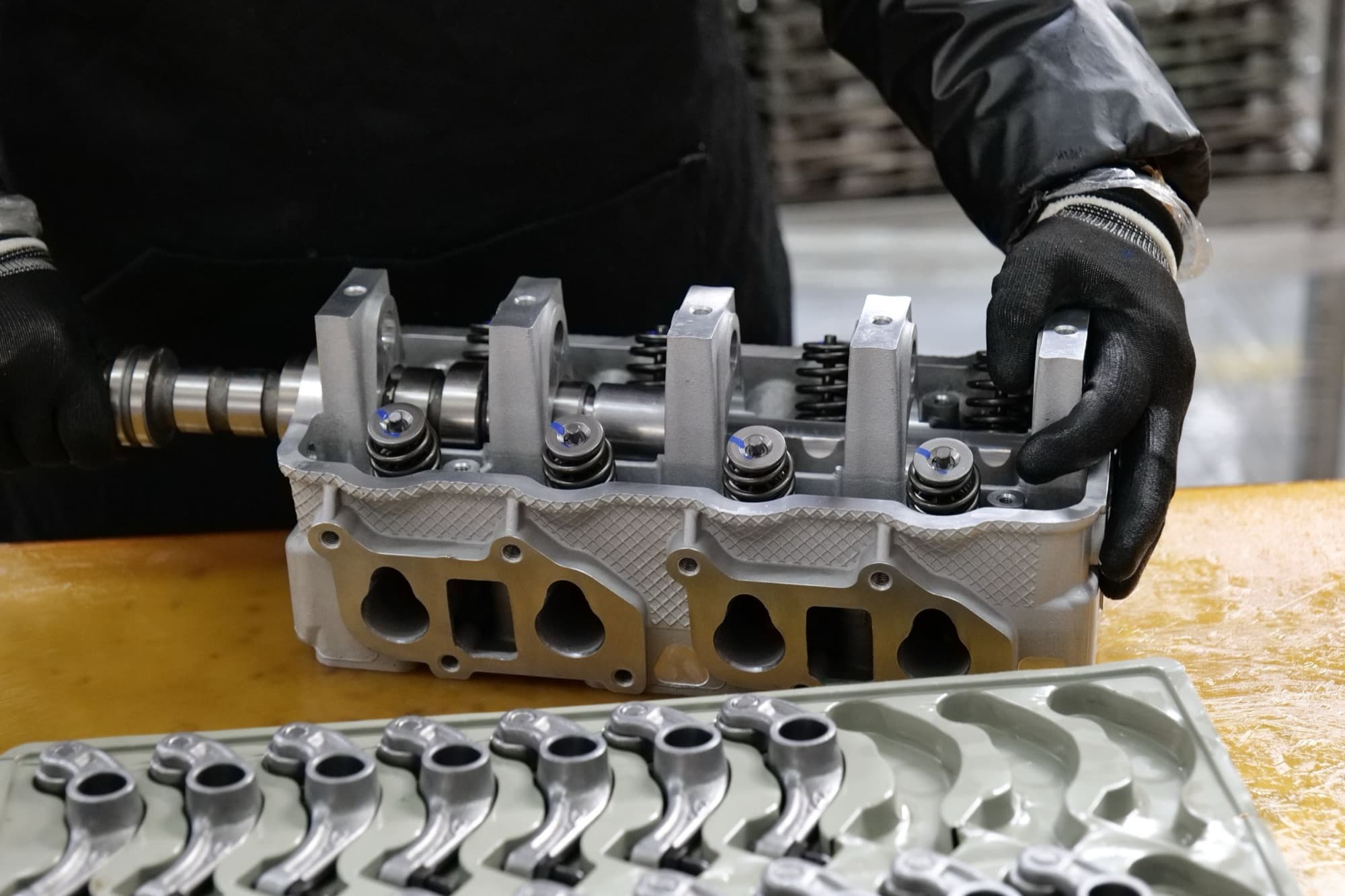
Die casting is a process that injects molten aluminum or zinc into a hardened steel die at high pressure, typically 1,500–25,000 psi (10–170 MPa), to make near-net-shape metal parts with thin walls and fine detail. Because the die is a large upfront cost, die casting becomes economical above roughly 2,500 parts a year.
Where it pays off
1101001k10k100k1M+
At a glance
Zinc dies last many times longer than aluminum dies, which favors zinc for small, high-volume parts. Aluminum wins on weight and larger sizes.
- Linear tolerance
- ±0.002–0.010 in (±0.05–0.25 mm) on the first inch, plus about ±0.001 in per added inch (NADCA precision to standard)
- Minimum wall
- Zinc 0.020–0.040 in (0.5–1.0 mm); aluminum 0.040–0.080 in (1.0–2.0 mm)
- Part size
- Most parts 0.1–25 lb (0.05–11 kg); machines range 100–4,000+ tons
- Draft
- Zinc about 0.5–1°; aluminum about 1–2°
- As-cast surface finish
- Ra about 32–125 µin (0.8–3.2 µm); zinc is smoother than aluminum
- Die life
- Aluminum about 100,000–150,000 shots; zinc 1,000,000+ shots
- Cycle time
- Zinc hot-chamber 5–30 seconds; aluminum cold-chamber 30–120 seconds
- Common alloys
- Aluminum A380, A383, ADC12; zinc Zamak 3, Zamak 5, ZA-8
- Tooling cost
- $10,000–$100,000+ depending on size, cavities, and slides
Lead time
- Tooling
- 8–14 weeks
- First article
- 1–3 weeks after die tryout
- Production
- 3–6 weeks per release
What would it cost?
The builder's estimator on a representative housing. Change a size, the quantity or the material and the price updates.
Housing · Die casting
Order total $34,062
- Tooling
- $21,823
- one-time, spread over the order
- Piece price
- $2.33
- before setup + tooling
- Lead time
- 8–12 weeks
- to first production
Size
Drag a row to adjust · click to type
Length140140 mm
Width90.090.0 mm
Wall2.202.20 mm
Quantity
Price per part falls as volume rises
Exact quantity50005000 pcs
Material
Design checks pass
Open in builderBudgetary estimate for a representative part. Firm quotes come from principals after drawing review.
How does it work?
5 steps from drawing to production parts.
- 1
Die design
Gates, runners, overflows, and vents are laid out, and flow simulation is often run to predict fill and porosity.
- 2
Die build
Die halves are machined from H13 tool steel, heat treated, and fitted with slides, ejector pins, and cooling lines.
- 3
Injection
Zinc runs in hot-chamber machines with the injector submerged in the melt. Aluminum is ladled into a cold-chamber shot sleeve and injected each cycle.
- 4
Solidify and eject
The metal freezes in seconds under pressure. The die opens and ejector pins push the casting out.
- 5
Trim and finish
A trim die removes gates, overflows, and flash. Parts are then deburred, machined, impregnated, plated, or painted as required.
When is die casting the right call?
Best for
- Housings, covers, brackets, and heat sinks
- Thin-walled metal parts with complex shapes
- Volumes from 2,500 to hundreds of thousands a year
- Small, detailed zinc parts that will be plated
- Replacing machined or fabricated assemblies with one casting
Pick something else when
- Fewer than about 1,000 parts: use CNC machining or sand or investment casting
- Highly stressed or weld-critical parts: forging or machined wrought alloy is stronger
- Steel or stainless parts: die casting is limited to nonferrous alloys, so consider forging or powdered metal
Materials
3 materials principals run in die casting. Pick one for design rules, finishes and an estimate in that material.


Design rules that keep the price down
Aluminum 0.060–0.150 in (1.5–3.8 mm); zinc 0.040–0.100 in (1.0–2.5 mm)
Keep walls uniform
Thick sections trap shrinkage porosity, and thin ones may not fill.
Aluminum about 1° outside and 2° inside; zinc about 0.5° outside and 1° inside
Add draft
Castings shrink onto cores, so inside walls need more draft to eject cleanly.
Inside radius at least 0.040 in (1 mm)
Radius corners and fillets
Sharp corners slow metal flow, create hot spots, and crack dies.
Rib base about equal to nominal wall
Stiffen with ribs, not mass
Ribs add stiffness without porosity or weight.
Leave 0.010–0.030 in (0.25–0.75 mm) on machined surfaces
Minimize machining stock
The dense skin is near the surface; heavy cuts expose porosity.
Zinc at least 0.040 in (1 mm) diameter; aluminum at least 0.100 in (2.5 mm); depth no more than about 4× diameter
Size cored holes
Small, deep core pins bend, break, and solder to the casting.
Add about ±0.004 in (±0.10 mm) or more across the parting line or slides
Keep critical dimensions in one die half
Die closure and slide movement add variation to dimensions that cross them.
Call out leak test and impregnation per MIL-STD-276 if required
Specify pressure tightness explicitly
Die castings contain some porosity, so leak-tight parts need a defined process.
What drives the cost?
In order of impact.
- 1
Die cost and complexity
Slides, cores, and cavity count drive die cost. Die cost spread over lifetime volume often decides zinc versus aluminum versus machining.
- 2
Part weight and alloy
Metal is bought by the pound. Zinc is about 2.4× denser than aluminum, so a zinc part weighs more for the same volume.
- 3
Machine size
Projected area sets clamp tonnage and the hourly rate. Larger machines also run longer cycles.
- 4
Secondary machining
Tight bores, threads, and sealing faces are machined after casting. Reducing machined features is often the next-biggest lever after the die.
- 5
Impregnation, finishing, and scrap
Pressure-tight parts may need vacuum impregnation. Porosity scrap and cosmetic finishes add cost.
Variants
- Hot-chamber die casting
- The injection system sits in the molten metal, giving fast cycles. Used for zinc and other low-melting alloys.
- Cold-chamber die casting
- Metal is ladled into a shot sleeve for each cycle. Required for aluminum, which would attack a submerged injector.
- Multi-slide zinc die casting
- Small zinc parts are cast in compact dies with up to four slides at high rates, often net shape with no trimming.
- Vacuum-assisted die casting
- Air is evacuated from the cavity before injection to reduce gas porosity in heat-treatable or pressure-tight parts.

Die casting questions
How much does a die casting die cost?
Small, simple zinc dies typically cost $10,000–$25,000. Aluminum dies commonly run $20,000–$100,000, and large dies with multiple slides or cavities can cost more. Size, slides, cavities, and expected shot life set the price.
Is zinc or aluminum better for die casting?
Zinc casts thinner walls, holds tighter tolerances, plates well, and its dies can last 1,000,000 shots or more. Aluminum is about 58% lighter and better for larger parts and heat sinks, but its dies last about 100,000–150,000 shots. Small, detailed, plated parts favor zinc; large or weight-sensitive parts favor aluminum.
What tolerances can die casting hold?
Linear tolerances on the first inch typically range from about ±0.002 in (±0.05 mm) for precision work to ±0.010 in (±0.25 mm) as a standard allowance, plus about ±0.001 in per added inch, following NADCA guidelines. Dimensions across the parting line or slides need extra allowance. Critical bores are usually machined.
What is the minimum order for die cast parts?
Die casting usually needs at least 1,000–2,500 parts a year to pay back the die. For lower volumes, CNC machining, sand casting, or investment casting is usually cheaper.
Are die castings pressure tight?
Die castings contain some gas and shrinkage porosity, so leak-tight parts often need vacuum impregnation after machining. Good gating, vacuum assist, and uniform walls reduce porosity at the source.
How long does die casting tooling take?
Die builds typically take 8–14 weeks, followed by sampling and first article approval in 1–3 weeks. Production releases usually ship 3–6 weeks after order.
Related processes
 CNC machining
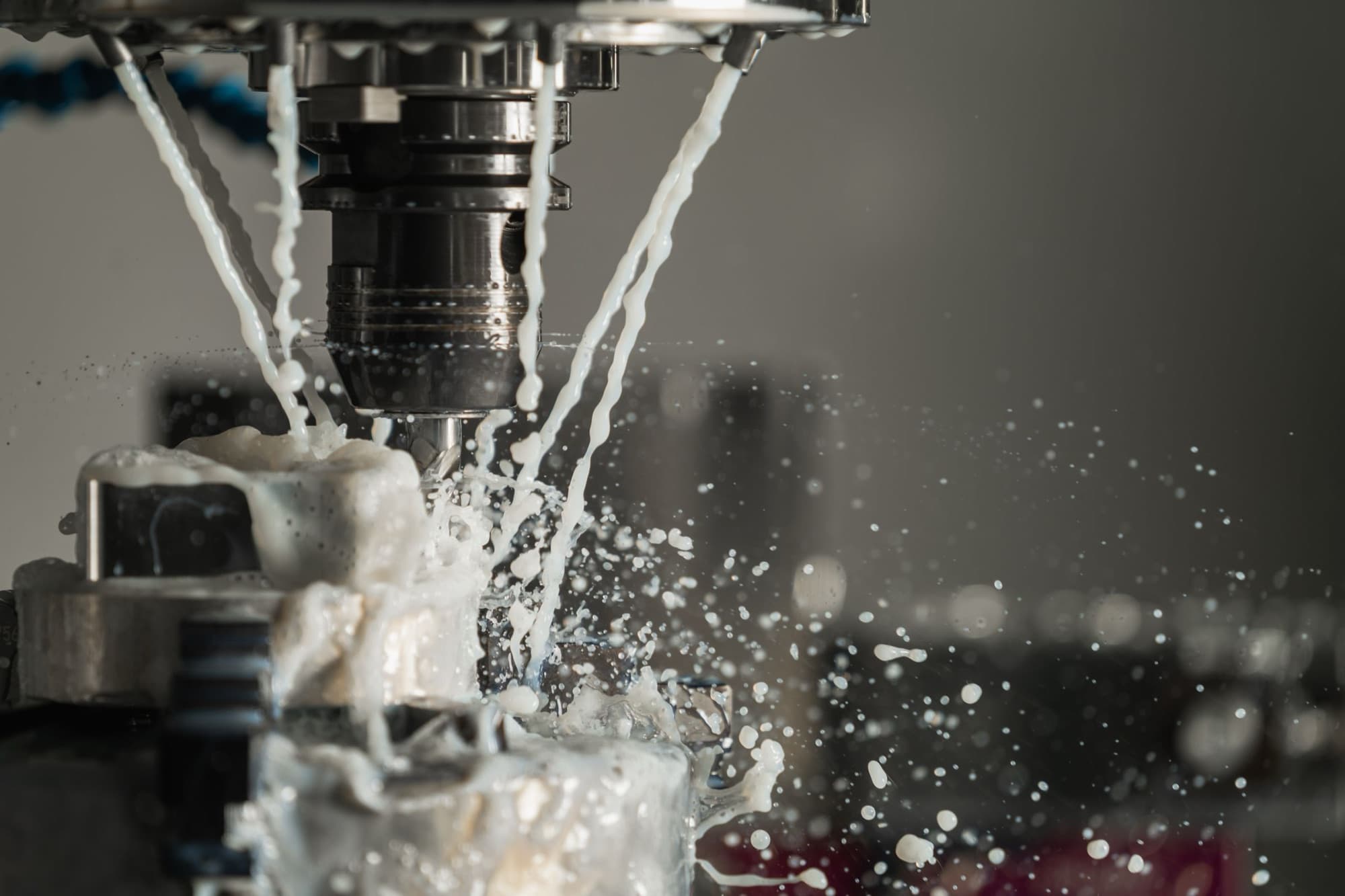
CNC milling, turning, and production sawing from bar, plate, castings, and forgings, from prototype to production.
 Forging
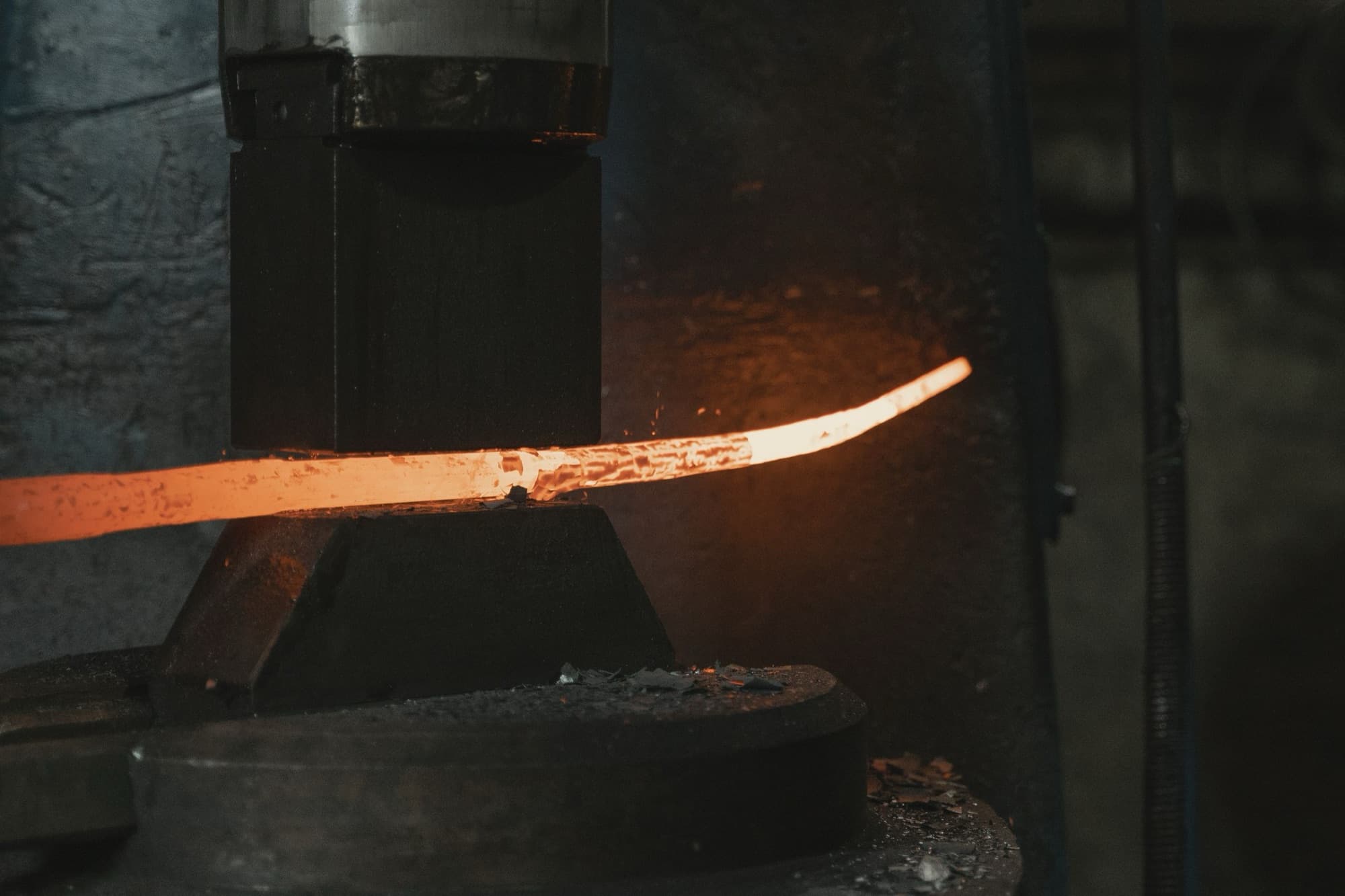
Closed-die and open-die forgings in carbon, alloy, and stainless steel and aluminum, with grain flow for strength.
 Injection molding
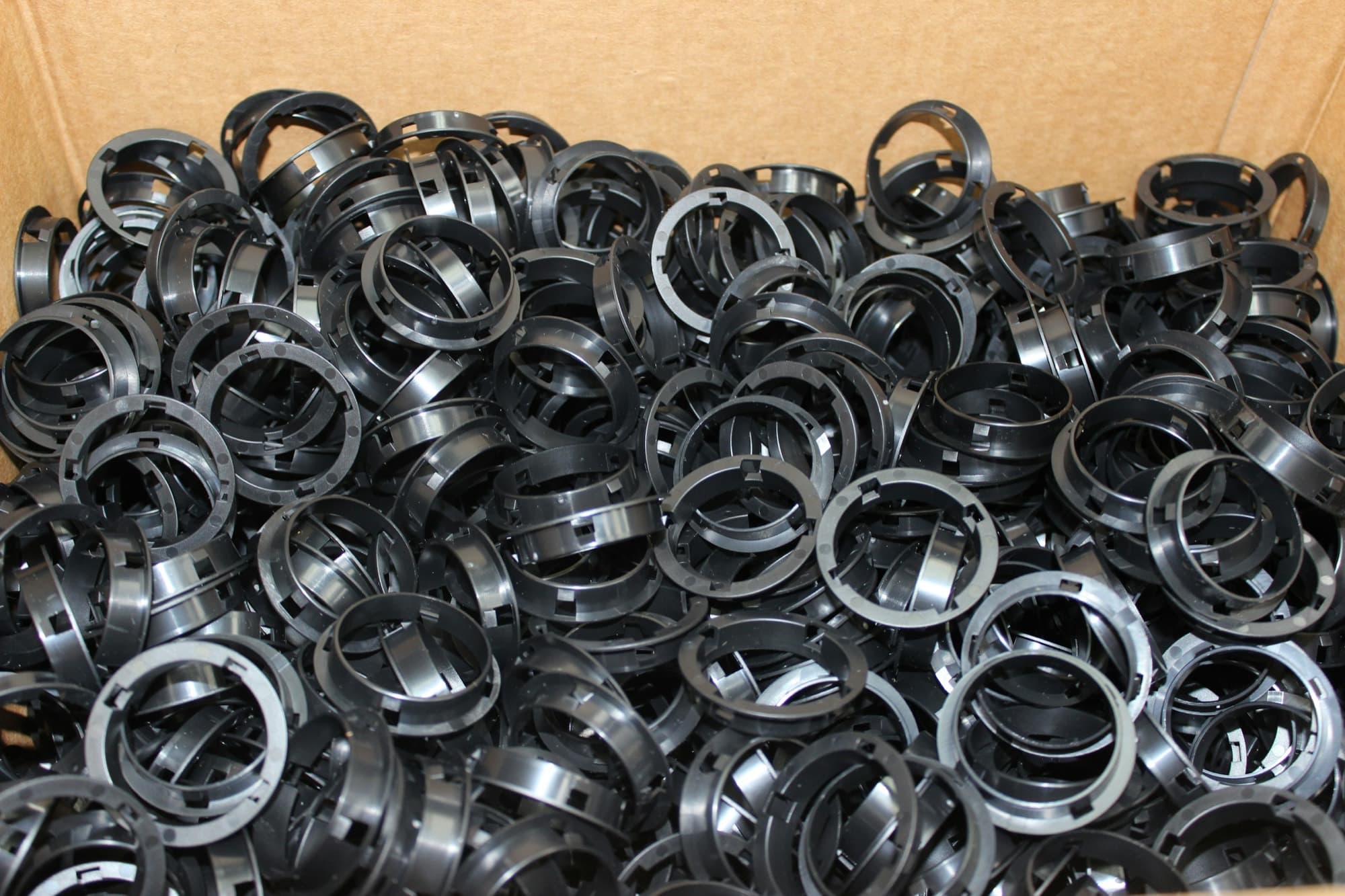
Molten thermoplastic injected into a steel or aluminum mold. Lowest piece price for plastic parts at 5,000+ a year.
 Powdered metal
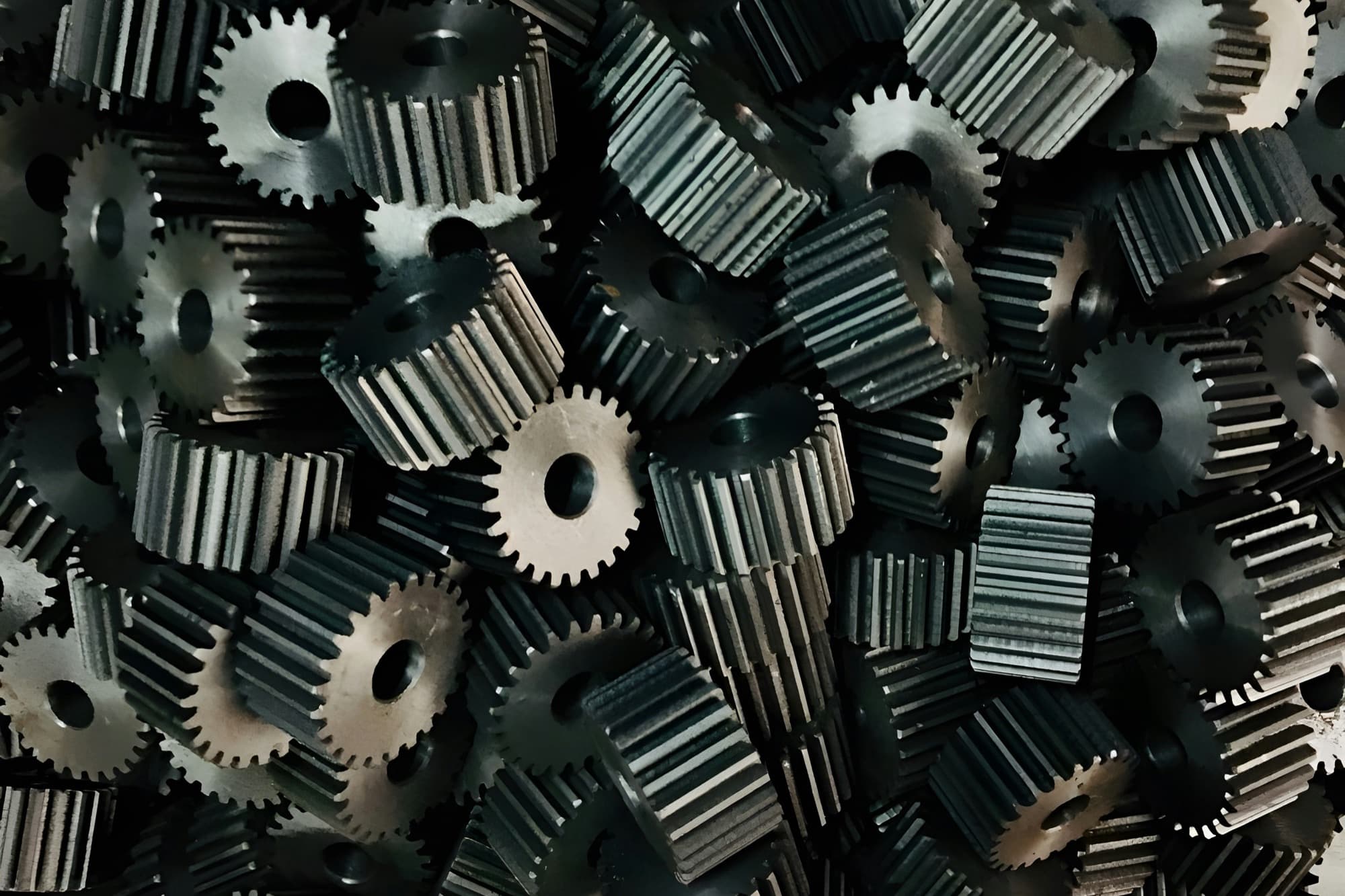
Net-shape gears, bushings, and structural parts pressed from metal powder and sintered, with little or no machining.
Quote die casting today.
Drop a STEP file for an instant estimate and DFM check. A rep routes the RFQ to principals who run this process every day.