Loading page
Core line, represented 25+ years
How do building products manufacturers source hardware and components?
Building products manufacturers source door hardware as zinc die castings and forged brass, structural connectors and hinges as stampings, weatherstrip and glazing seals as EPDM extrusions, and springs for window balances and closers from spring principals. Parts are held to BHMA, fenestration, and building code standards. SSG matches each part to principals set up for that process.
- Part families
- 12
- Processes
- 8
- Materials
- 10
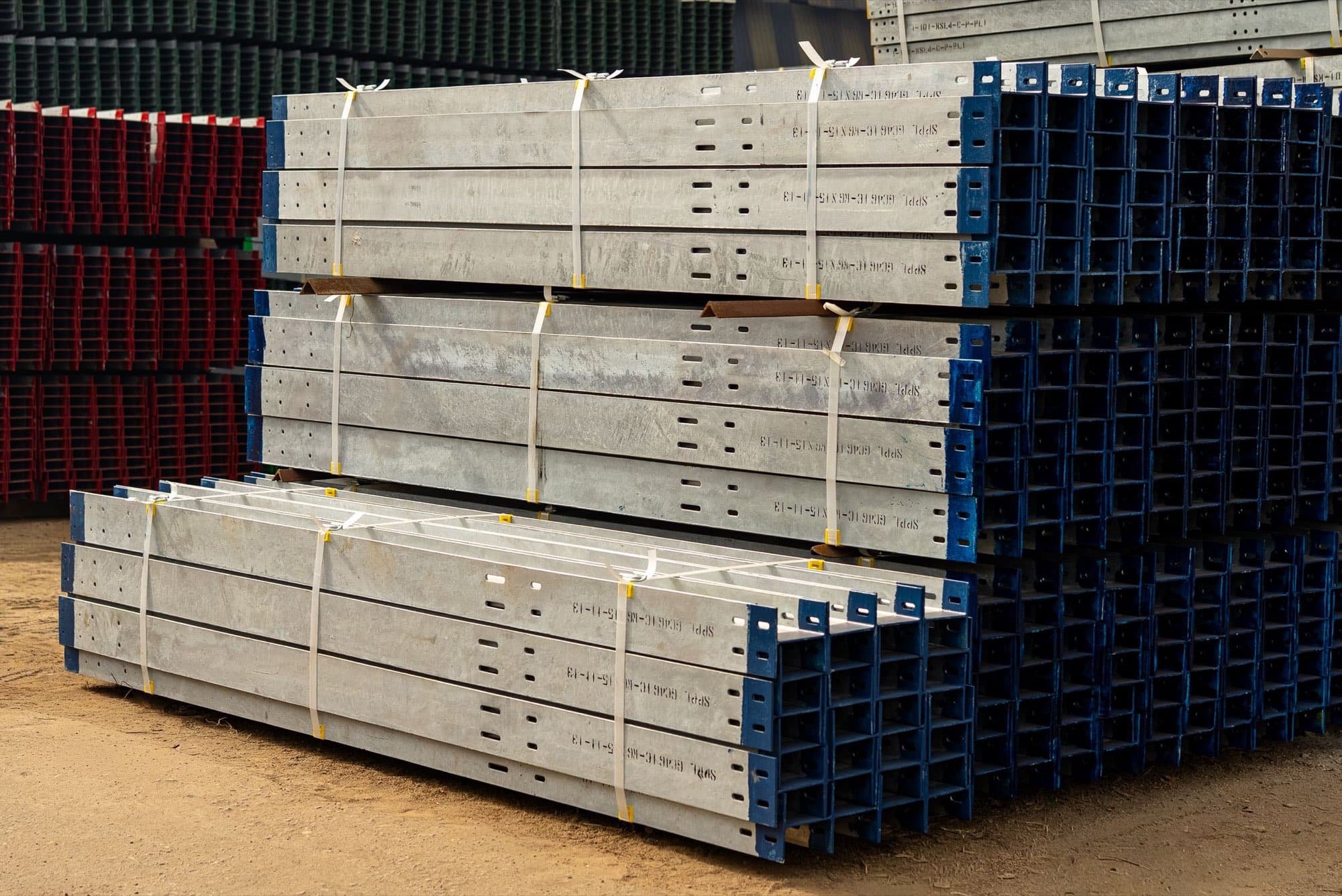
Parts we source for this industry
- 01Die cast zinc lever handles and roses
- 02Forged brass knobs and escutcheons
- 03Stamped joist hangers and framing connectors
- 04Stamped cabinet and door hinges
- 05EPDM weatherstrip and glazing gaskets
- 06Window balance springs
- 07Powder metal lock cams and gears
- 08Molded window operator and vent components
- 09HVAC register louvers and dampers
- 10Deep drawn faucet and fixture trim
- 11Machined door closer pistons and bodies
- 12Wire forms and anchor clips
How these parts are made
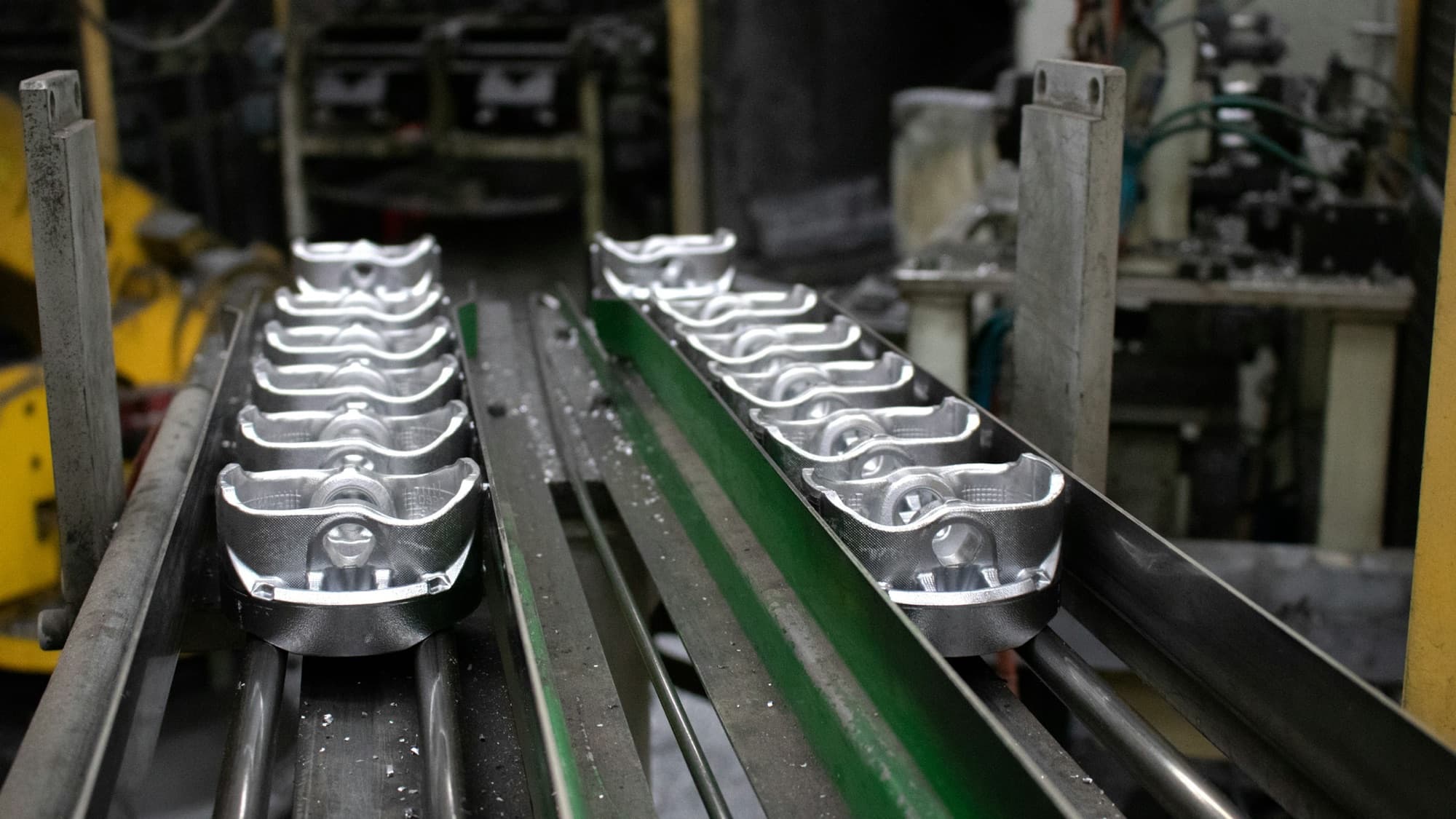 Die casting
Molten zinc or aluminum injected into steel dies at high pressure. Thin walls and net shape at 2,500+ parts a year.
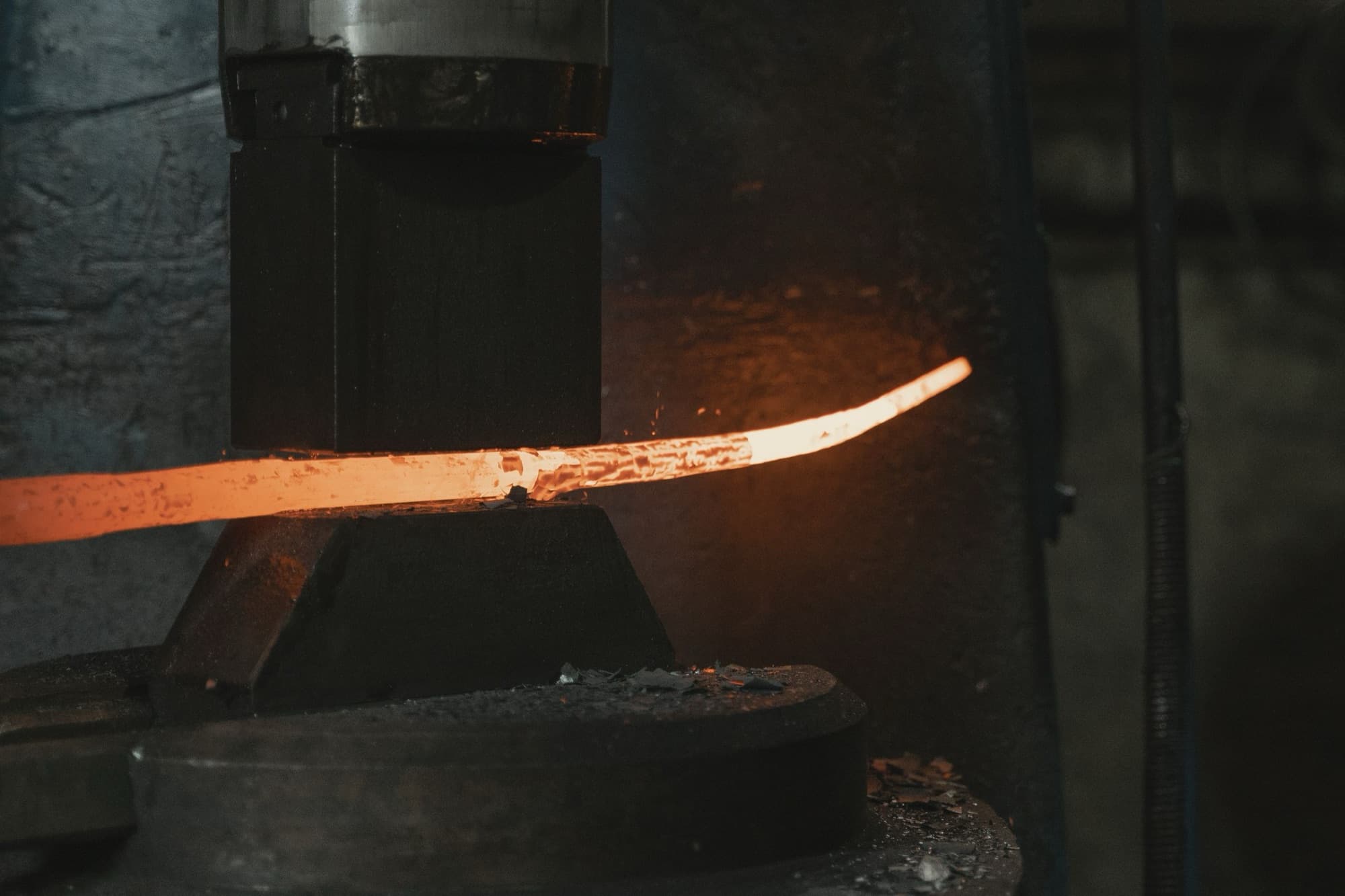 Forging
Closed-die and open-die forgings in carbon, alloy, and stainless steel and aluminum, with grain flow for strength.
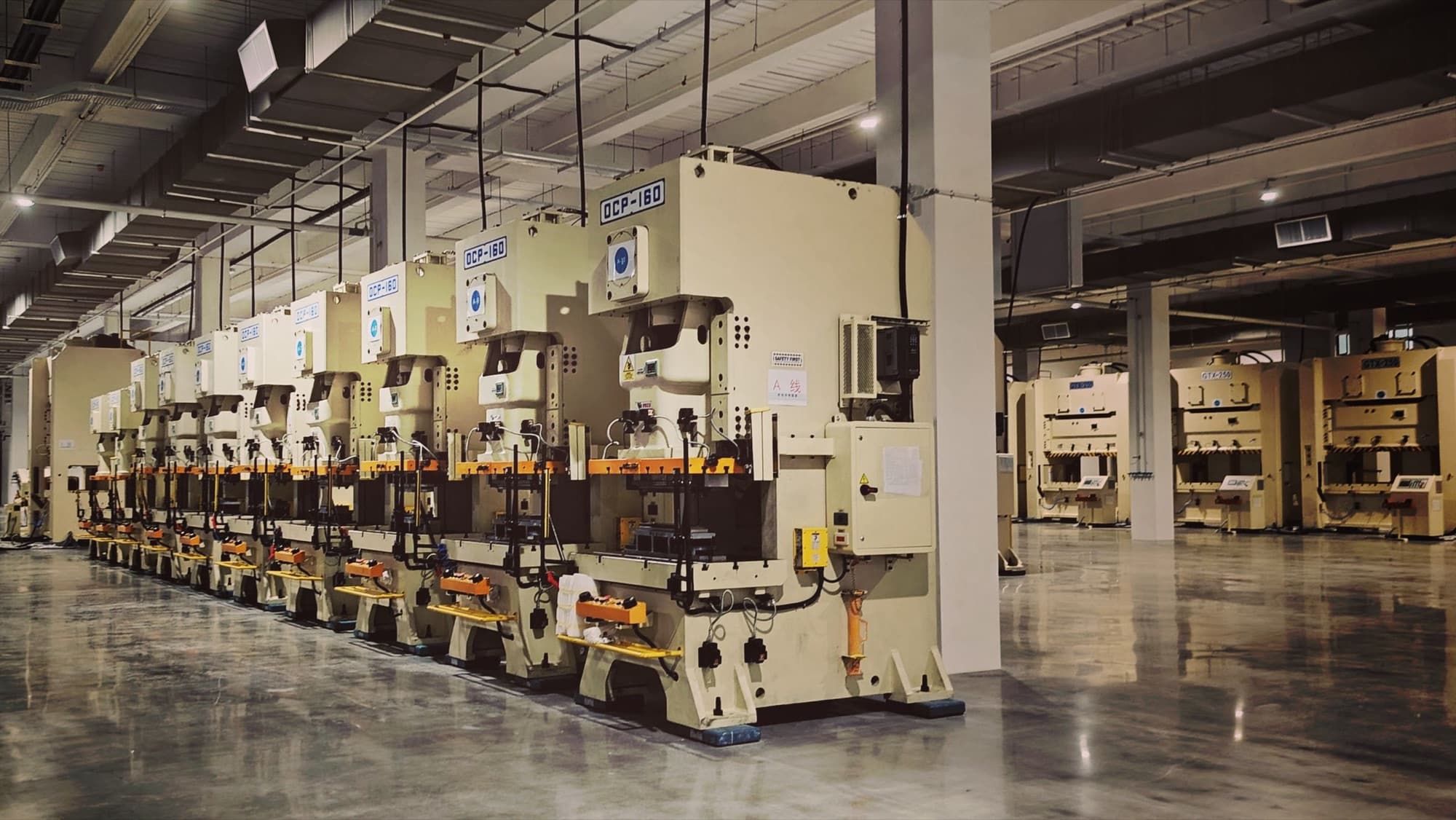 Stamping
Short- to medium-run stampings: brackets, clips, shields, and plates cut and formed from sheet or coil in a press.
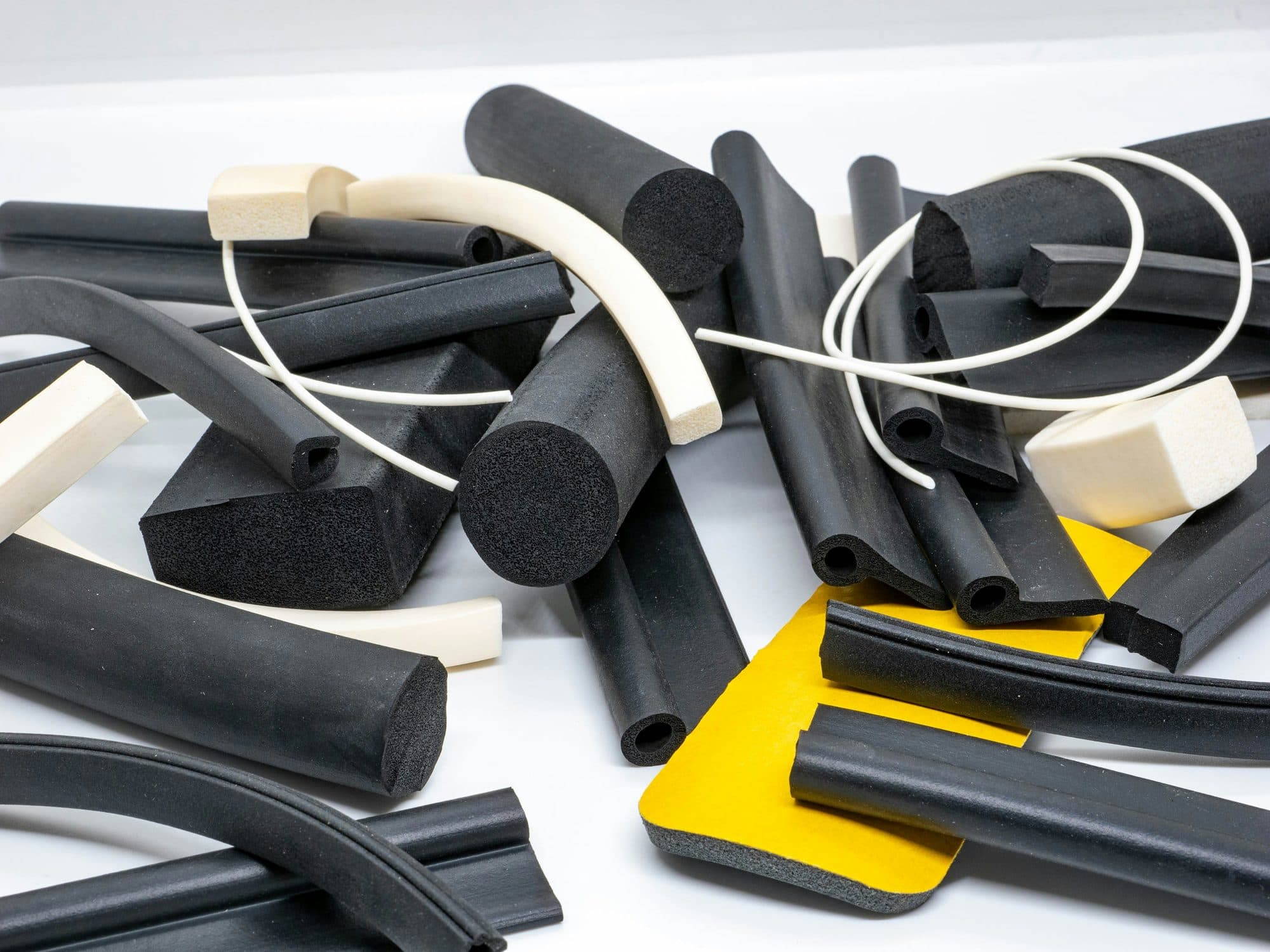 Rubber
Seals, gaskets, grommets, and profiles extruded or molded in EPDM, silicone, nitrile, neoprene, FKM, and TPE.
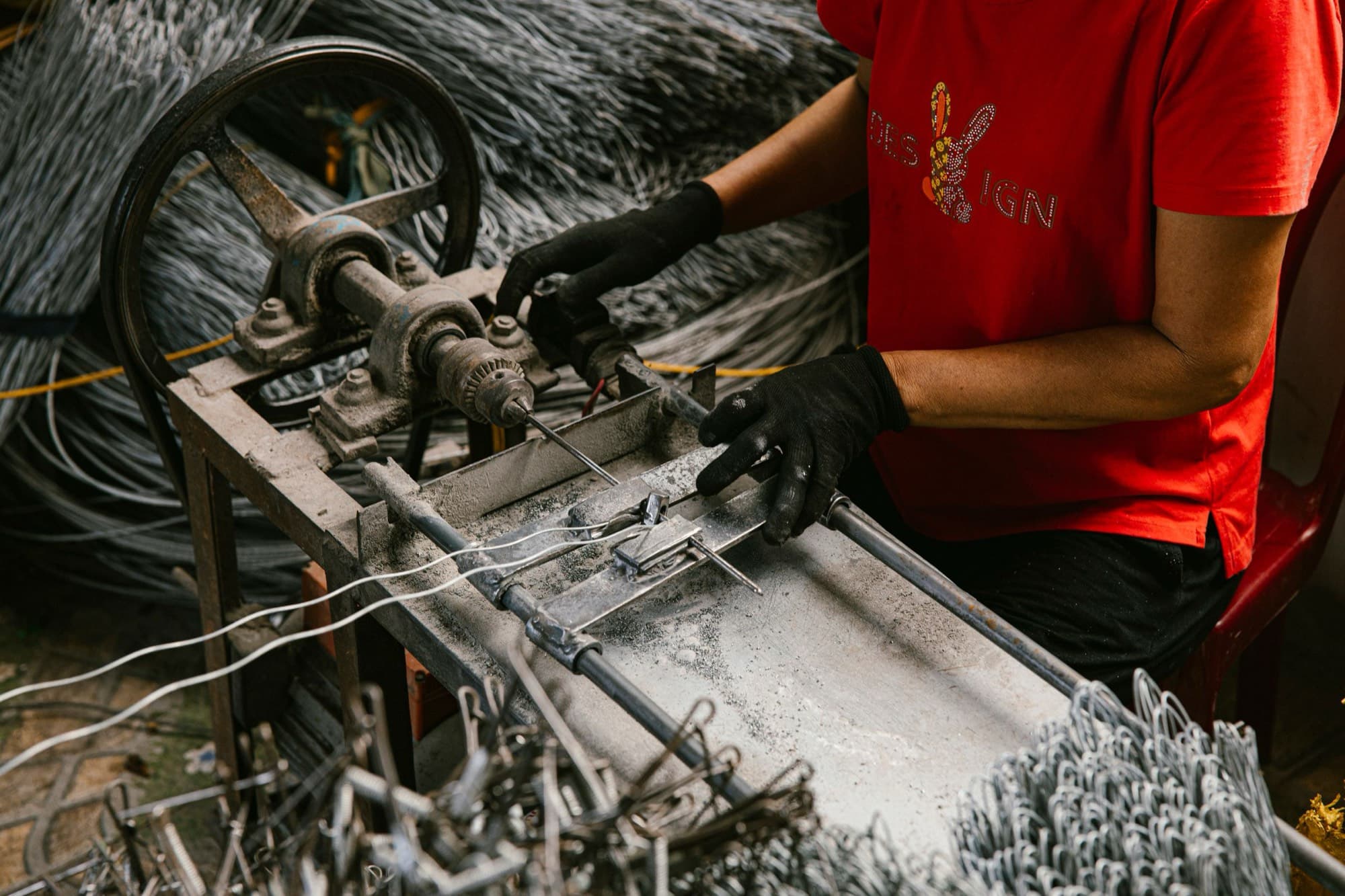 Springs & wire forms
Compression, extension, and torsion springs, wire forms, and fourslide clips made from round wire and flat strip.
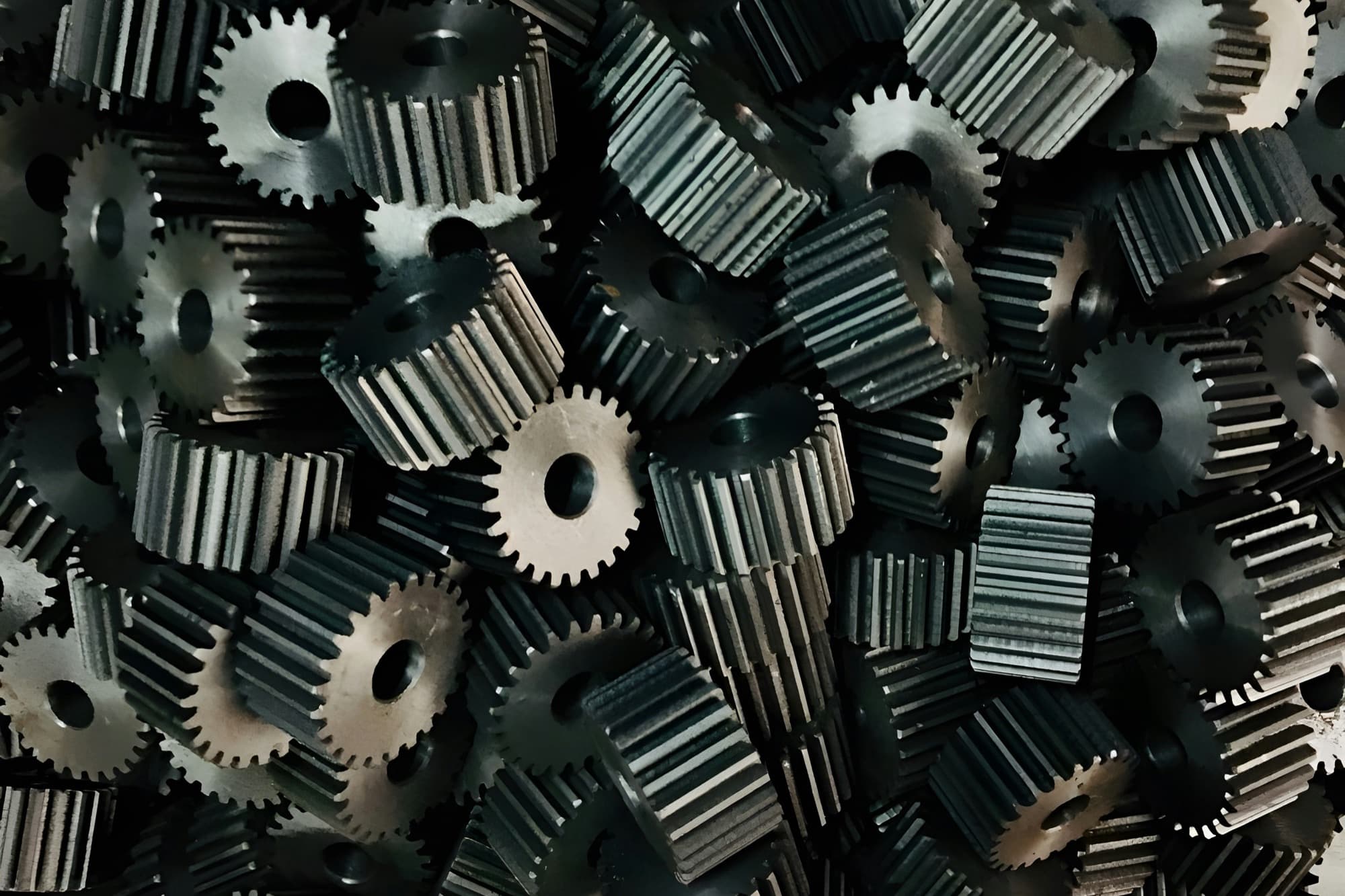 Powdered metal
Net-shape gears, bushings, and structural parts pressed from metal powder and sintered, with little or no machining.
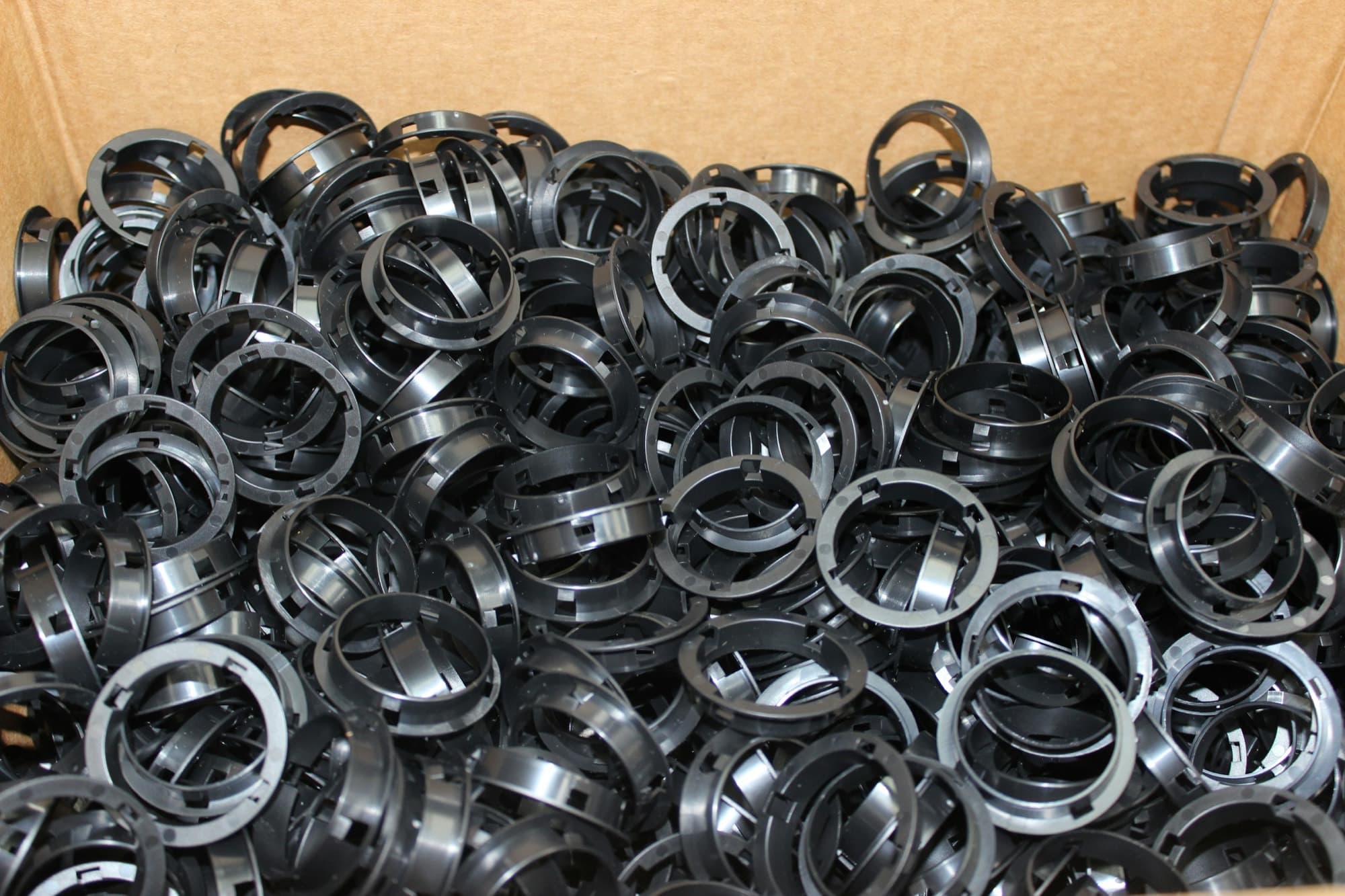 Injection molding
Molten thermoplastic injected into a steel or aluminum mold. Lowest piece price for plastic parts at 5,000+ a year.
 Sheet metal
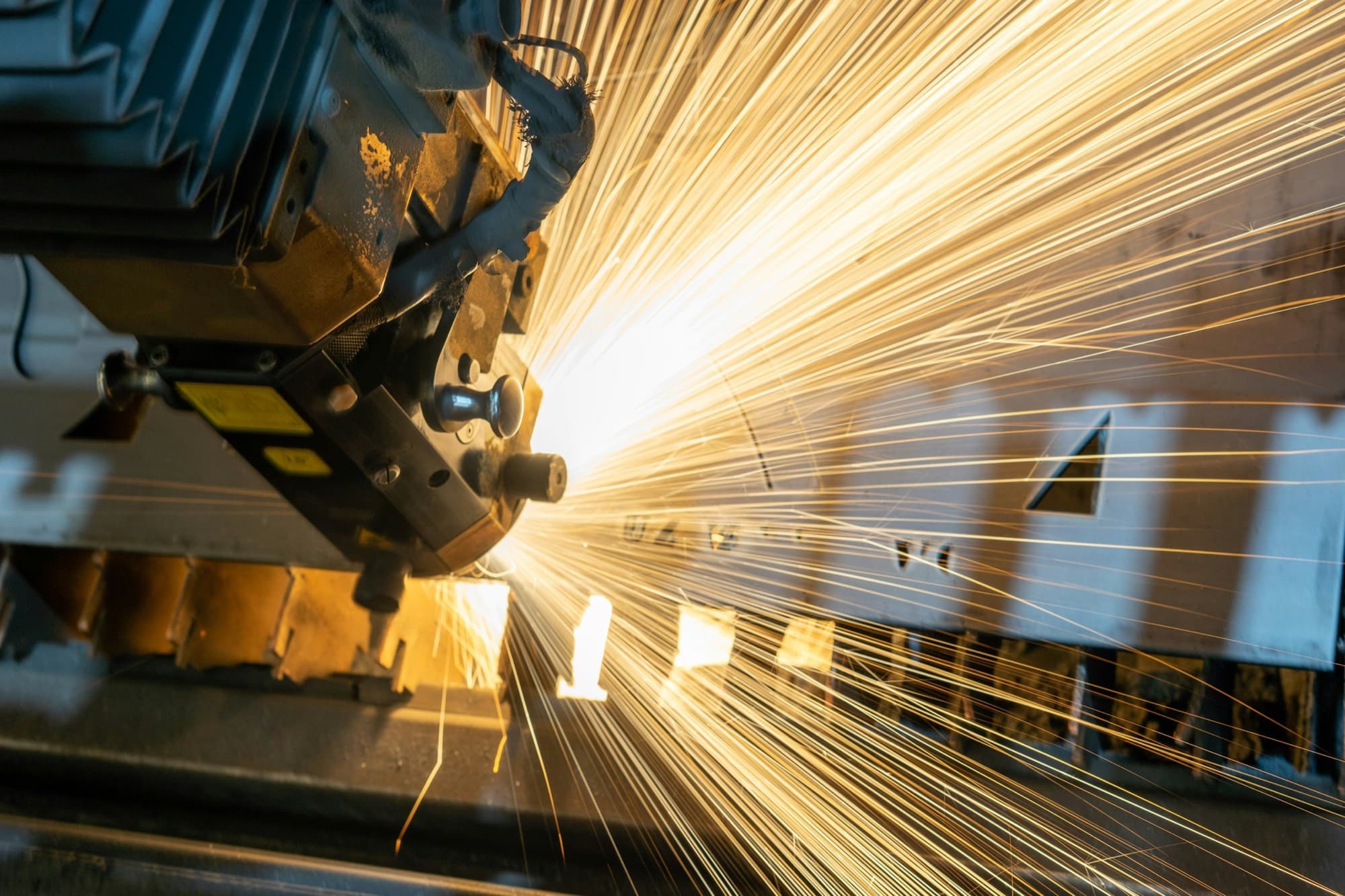
Laser-cut, punched, bent, and welded sheet metal enclosures, brackets, and chassis with no hard tooling.
Which of these pays off at your quantity?
Parts per order
6 processes are at their best at this quantity, and 2 more can do it.
Drag to your quantity
Materials
 Die-cast zincZamak 3283 MPa
 High-strength zincZamak 5331 MPa
 Machining brassC360 brass400 MPa
 Cold-rolled steel1008 CRS330 MPa
 Everyday stainless304 SS505 MPa
 Marine stainless316 SS580 MPa
 Extrusion aluminum6063-T5186 MPa
 Weatherproof rubberEPDM12 MPa
 Glass-filled nylonPA66-GF30190 MPa
 Spring steel wireMusic wire2070 MPa
What suppliers are held to
Door hardware standards
Locks and door hardware are graded to the ANSI/BHMA A156 series, with Grade 1 the highest. Fire-rated openings require hardware listed to UL 10C and installed per NFPA 80.
Windows and doors
Windows and exterior doors are rated to AAMA/WDMA/CSA 101/I.S.2/A440. Seals, balances, and operators must hold performance through air, water, and structural load tests.
Structural connectors
Joist hangers and framing connectors carry ICC-ES evaluation reports. Connectors for preservative-treated lumber need heavier galvanizing, such as G185 per ASTM A653, or stainless steel.
Accessibility and origin
ADA requires operable hardware to work with no more than 5 lbf (22.2 N) and without tight grasping or twisting, which drives lever designs. Federally funded projects may require Build America, Buy America compliance.
Questions
Zinc die casting or brass for door hardware?
Zinc die casting for most residential and light commercial levers and roses, because it casts detailed shapes at low cost and plates well. Forged brass costs more, resists corrosion, and is used for premium and high-traffic hardware.
What do BHMA Grades 1, 2, and 3 mean?
They are performance grades under the ANSI/BHMA A156 standards. Grade 1 passes the highest cycle, strength, and security tests and suits commercial doors. Grade 2 suits light commercial and residential doors, and Grade 3 is residential.
What corrosion protection do framing connectors need?
G90 galvanizing suits dry interior use. Connectors in contact with preservative-treated lumber or exposed outdoors typically need G185, hot-dip galvanizing per ASTM A123 or A153, or stainless steel.
Related industries


Send us the part.
Build it or upload a drawing. A rep routes it to principals already making parts for this industry.