Loading page
Core line, represented 25+ years
How do plumbing manufacturers source lead-free faucet and valve components?
Plumbing manufacturers source wetted parts, such as valve bodies, stems, and cartridges, in low-lead brass, stainless, or certified plastics that meet NSF/ANSI/CAN 61 and 372. Non-wetted parts like handles and escutcheons are often die cast zinc or deep drawn and plated. SSG matches programs to principals that already make certified plumbing components.
- Part families
- 12
- Processes
- 8
- Materials
- 9
Parts we source for this industry
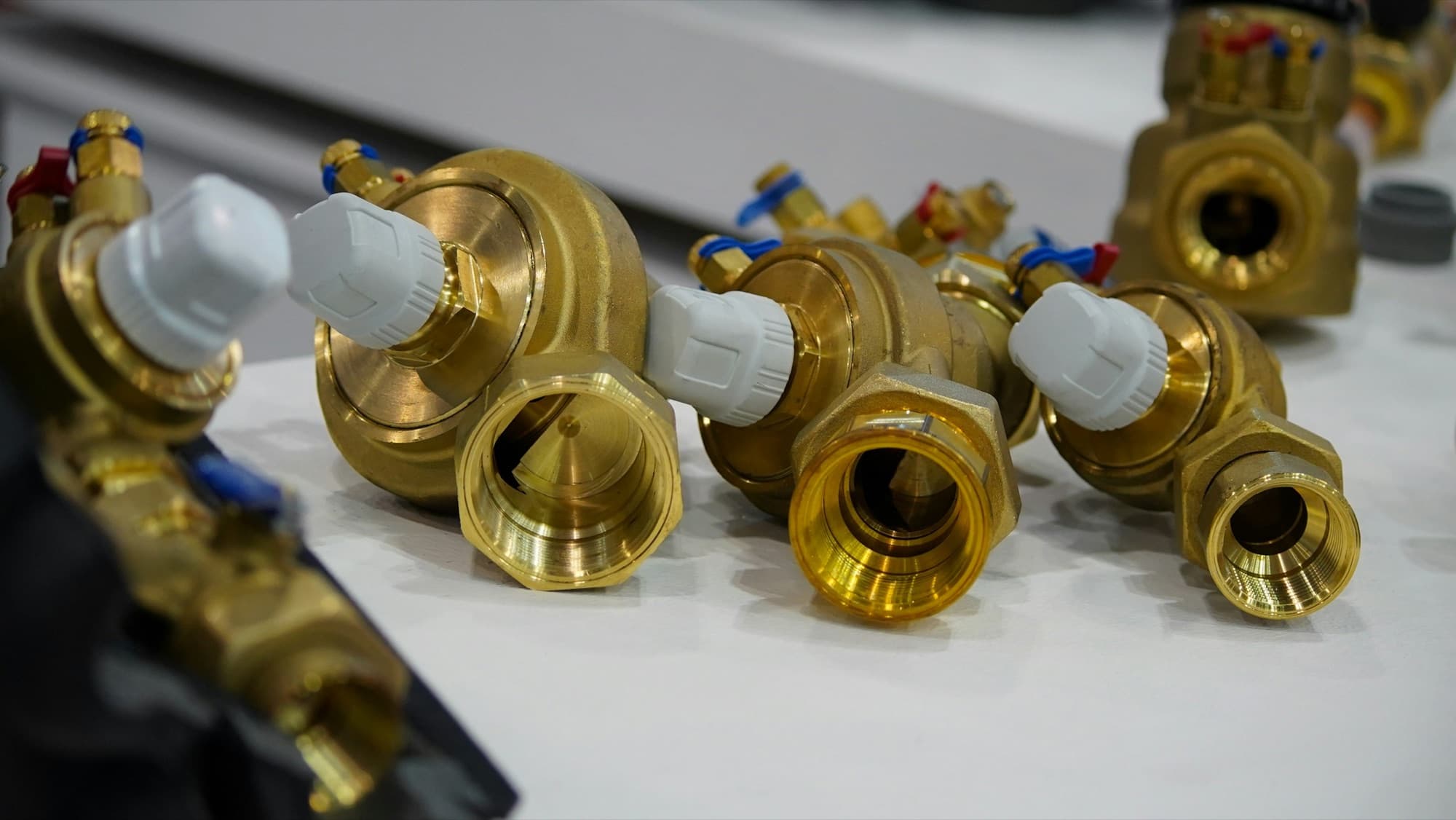
- 01Forged brass faucet and valve bodies
- 02Screw machined valve stems and seats
- 03Cartridge housings and discs
- 04Die cast zinc faucet handles
- 05Deep drawn escutcheons and drain bodies
- 06Aerator and shower head housings
- 07EPDM washers, O-rings, and flapper seals
- 08Check valve springs
- 09Supply line ferrules and nuts
- 10Stainless toilet and drain hardware
- 11Molded fill valve and flush valve parts
- 12Investment cast stainless fixture fittings
How these parts are made
 Forging
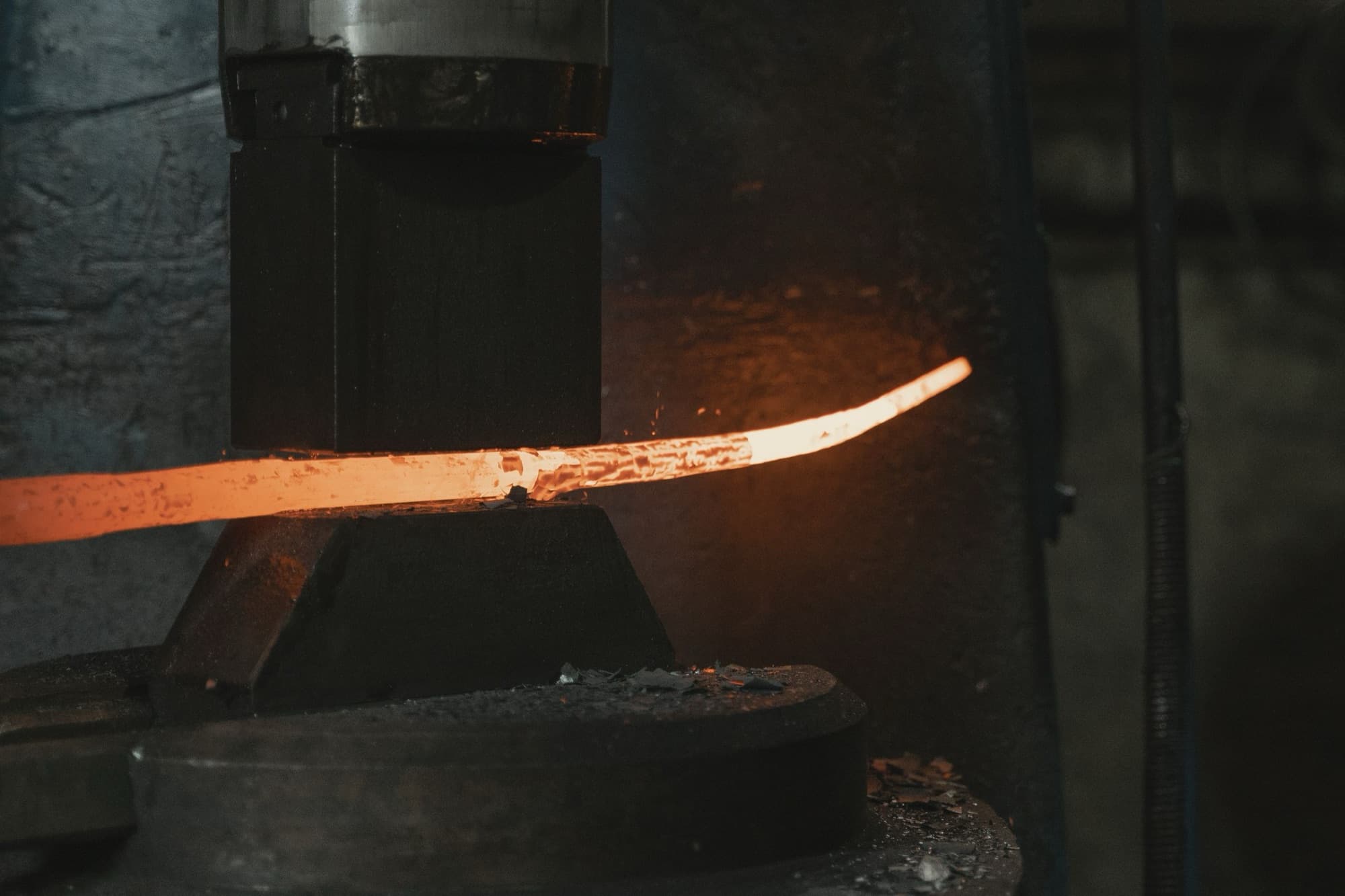
Closed-die and open-die forgings in carbon, alloy, and stainless steel and aluminum, with grain flow for strength.
 Screw machining
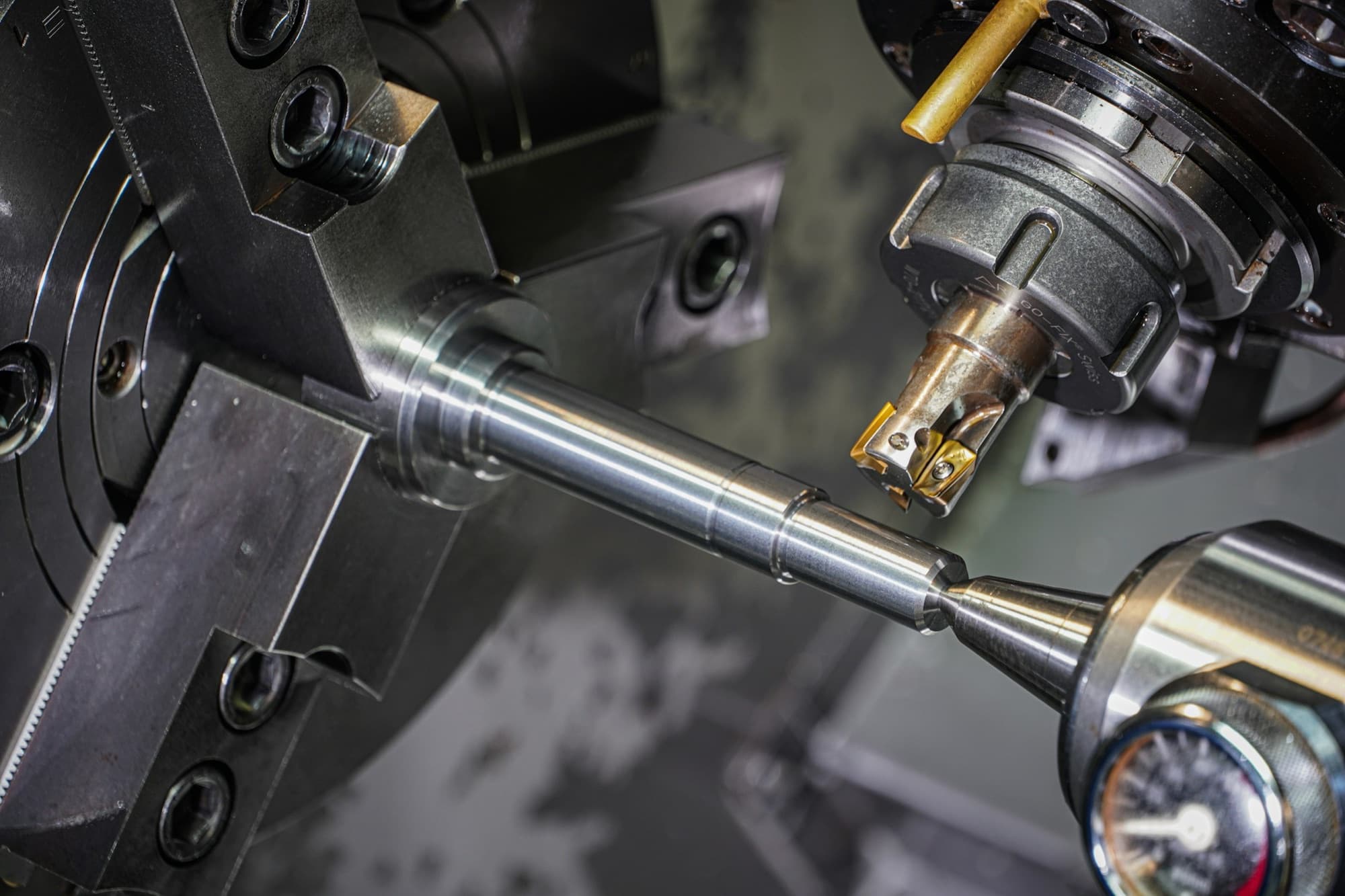
Turned pins, fittings, shafts, and bushings made from bar stock on multi-spindle and Swiss screw machines at volume.
 CNC machining
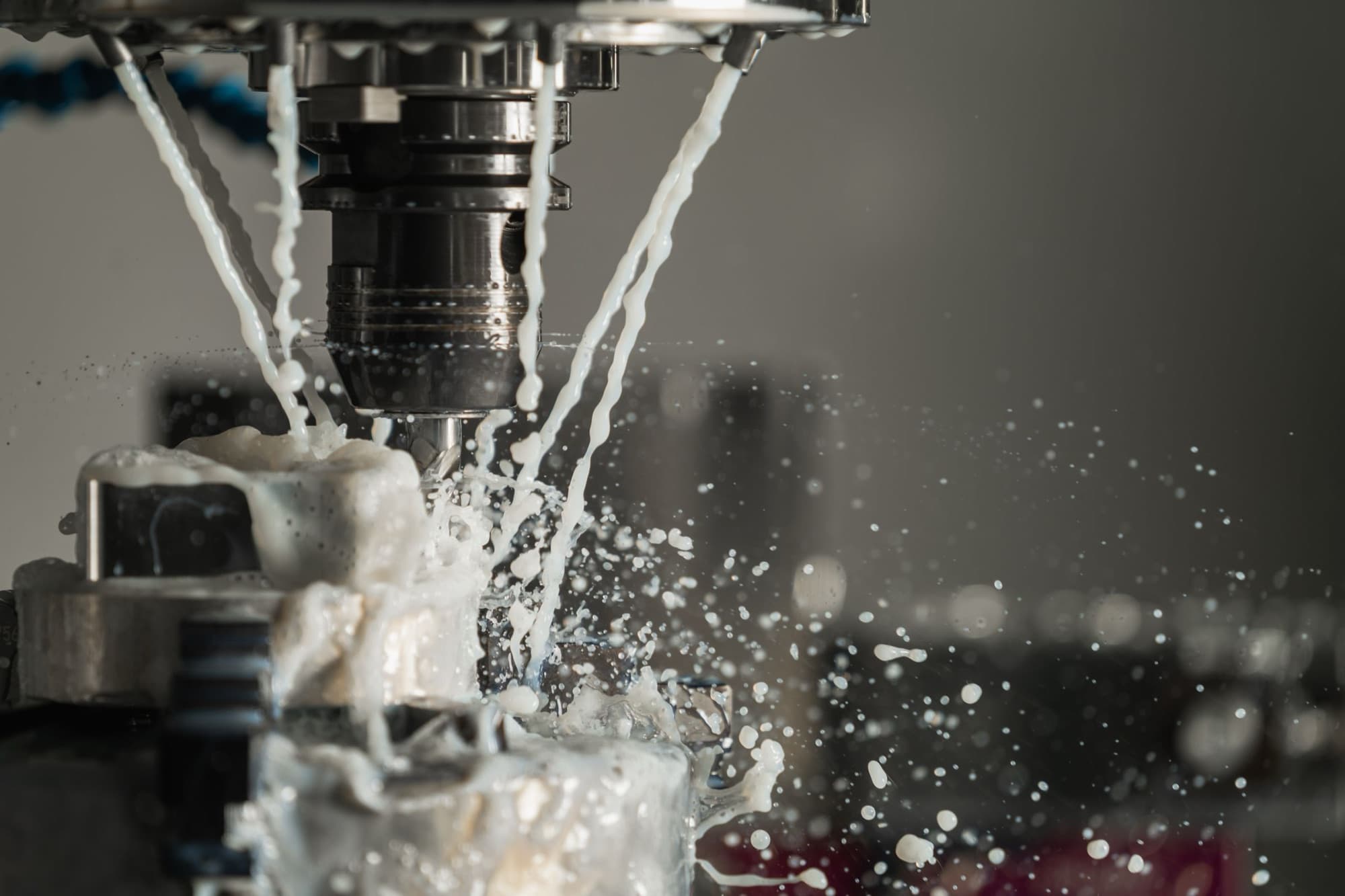
CNC milling, turning, and production sawing from bar, plate, castings, and forgings, from prototype to production.
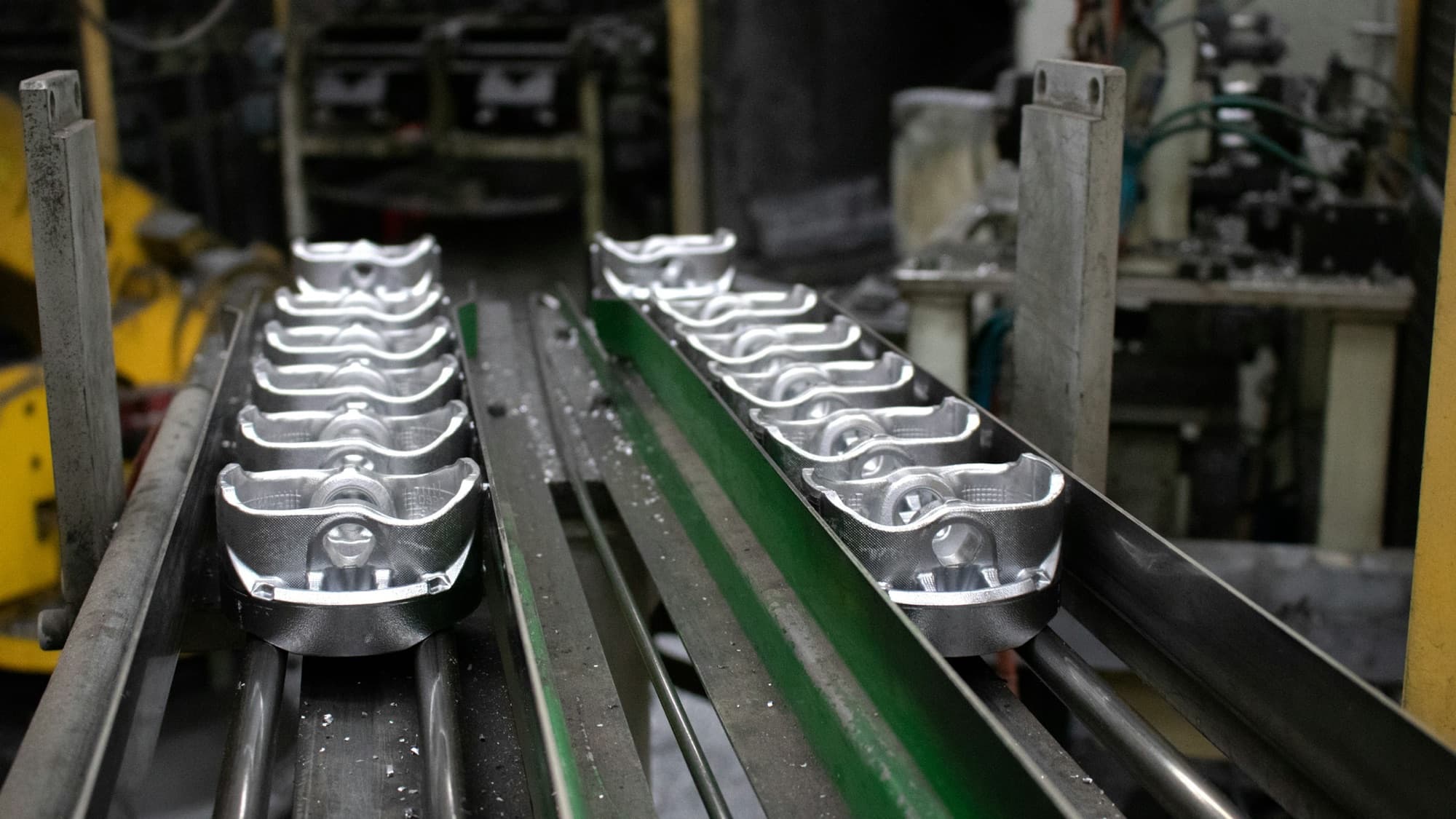 Die casting
Molten zinc or aluminum injected into steel dies at high pressure. Thin walls and net shape at 2,500+ parts a year.
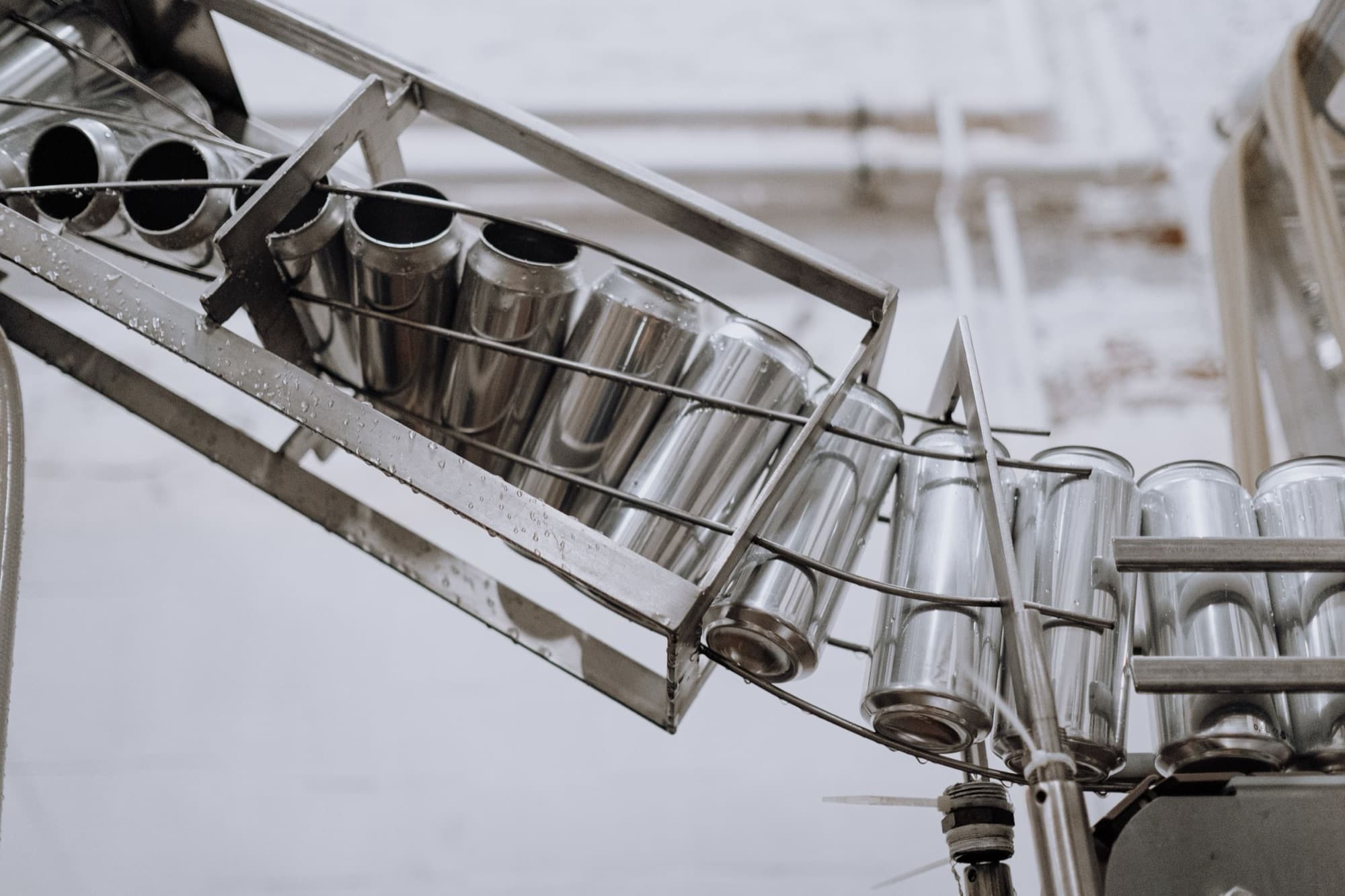 Deep draw
One-piece cups, cans, shells, and housings drawn from flat blanks, with depth that can exceed the diameter.
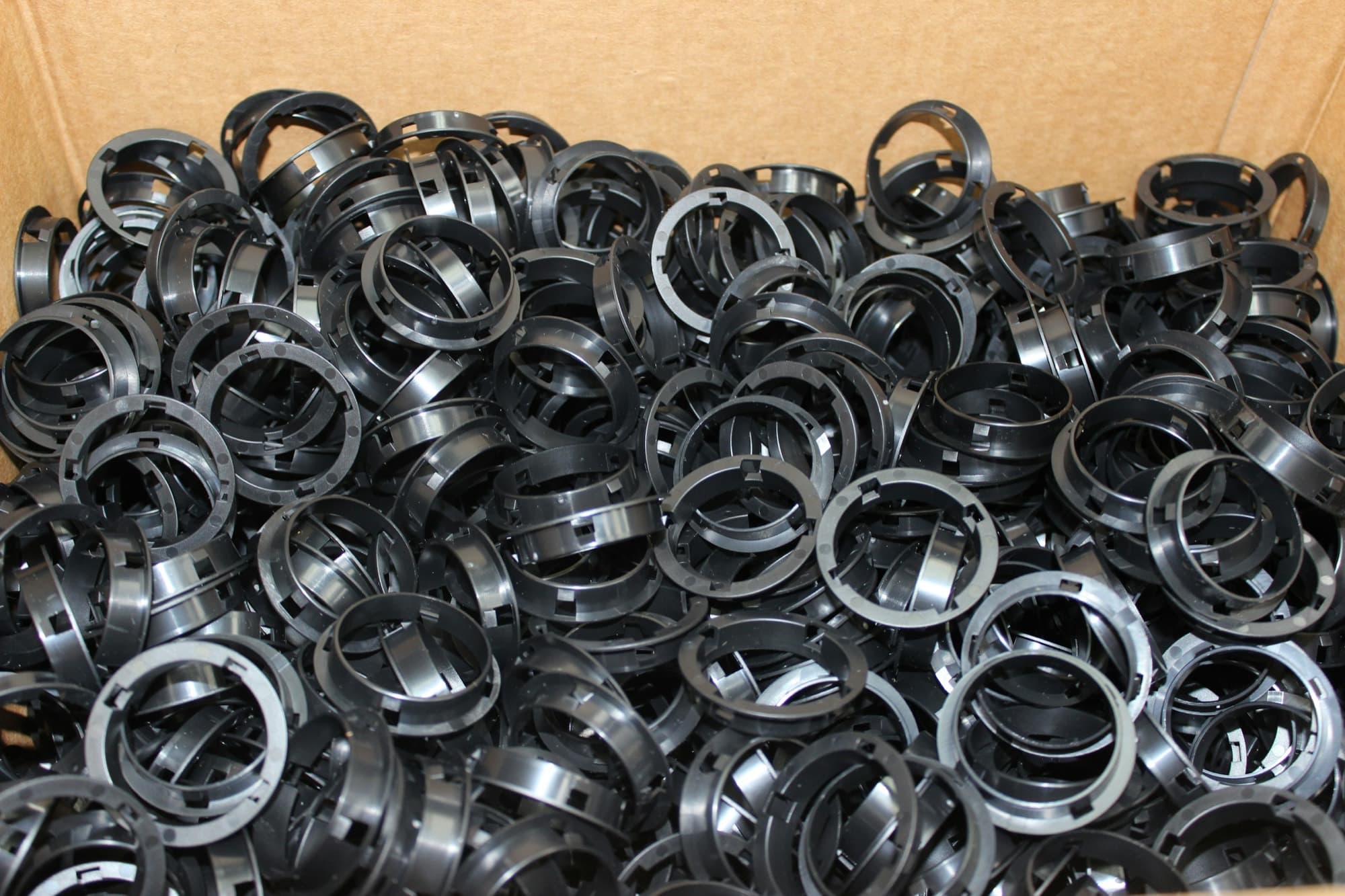 Injection molding
Molten thermoplastic injected into a steel or aluminum mold. Lowest piece price for plastic parts at 5,000+ a year.
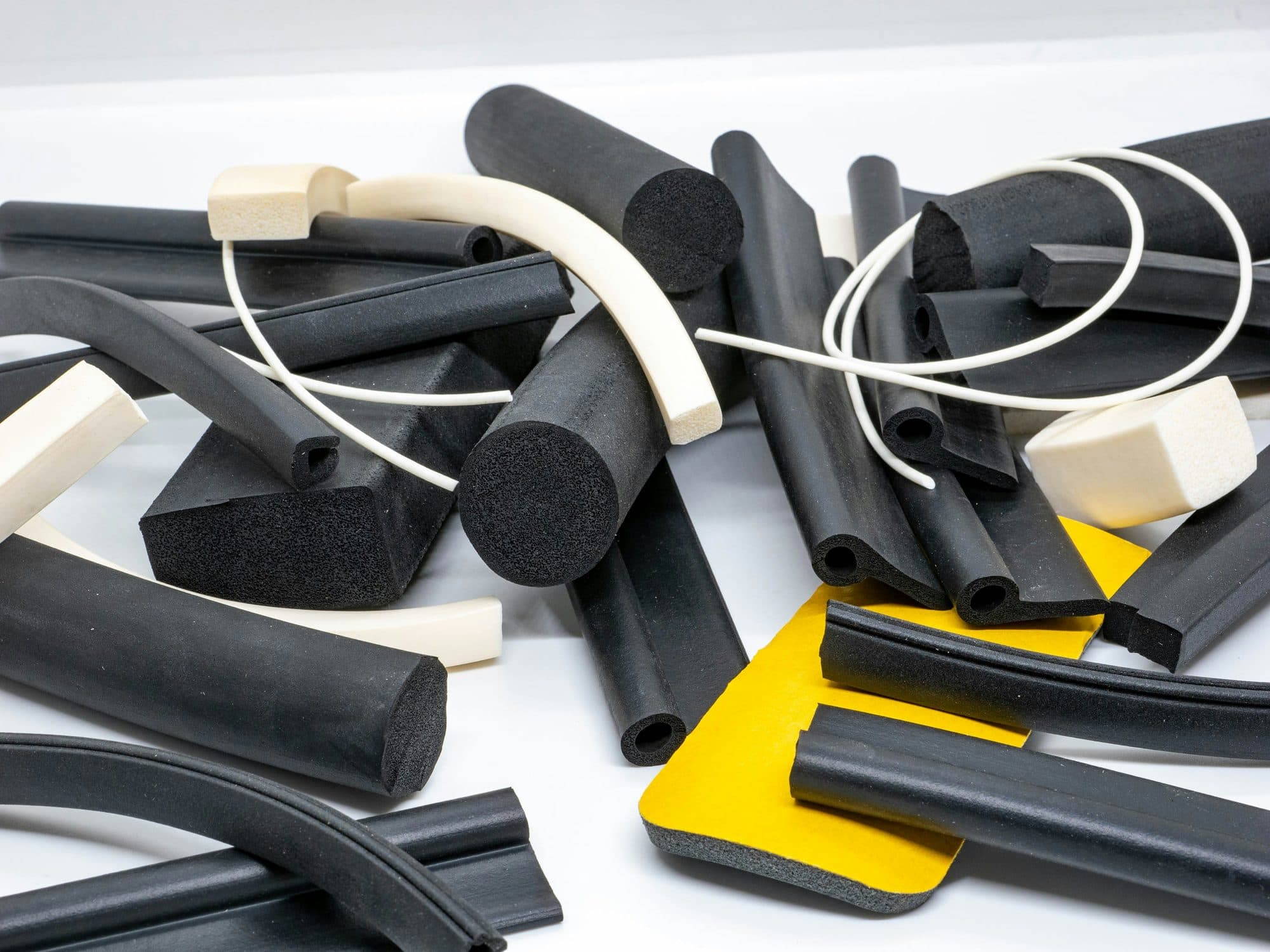 Rubber
Seals, gaskets, grommets, and profiles extruded or molded in EPDM, silicone, nitrile, neoprene, FKM, and TPE.
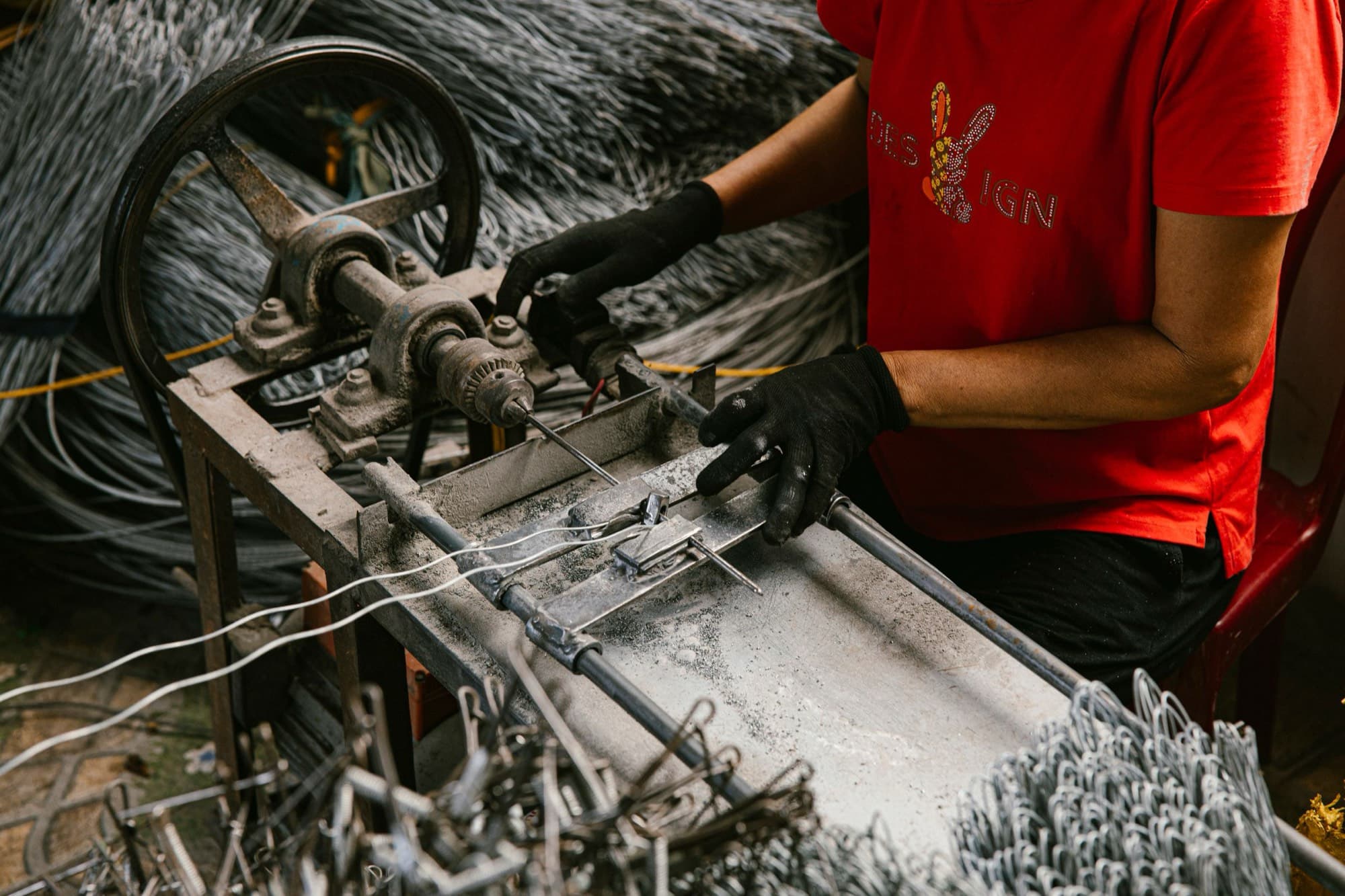 Springs & wire forms
Compression, extension, and torsion springs, wire forms, and fourslide clips made from round wire and flat strip.
Which of these pays off at your quantity?
Parts per order
5 processes are at their best at this quantity, and 3 more can do it.
Drag to your quantity


What suppliers are held to
Lead-free and health effects
Wetted parts in drinking water products must meet NSF/ANSI/CAN 372, which limits weighted average lead to 0.25% across wetted surfaces, and are typically certified to NSF/ANSI/CAN 61 for health effects. Leaded C360 brass is limited to non-wetted parts.
Fitting performance
Faucets, showerheads, and supply fittings are tested to ASME A112.18.1/CSA B125.1 for pressure, durability, and flow. Toilets and other ceramic fixtures follow ASME A112.19.2/CSA B45.1.
Flow limits
Federal law caps showerheads at 2.5 gpm (9.5 L/min) and lavatory faucets at 2.2 gpm (8.3 L/min). EPA WaterSense labeling requires 2.0 gpm (7.6 L/min) or less for showerheads and 1.5 gpm (5.7 L/min) or less for lavatory faucets.
Finish durability
Plated and PVD finishes are tested for corrosion and adhesion, commonly with CASS testing per ASTM B368 or neutral salt spray per ASTM B117. Die cast zinc handles need a copper strike and nickel underlayer for durable chrome.
Questions
Is C360 brass lead-free?
No. C360 free-machining brass contains about 2.5–3.7% lead, far above the 0.25% weighted average limit for wetted surfaces. Wetted parts use low-lead alloys such as C27450 or C69300, bismuth brasses, stainless steel, or certified plastics.
Does every plumbing component need its own NSF certification?
The finished product is certified, but every wetted material must pass the standard's extraction testing. Using materials and components already certified to NSF/ANSI/CAN 61 shortens product certification and lowers retest risk.
Die cast zinc or brass for faucet handles?
Zinc for handles and trim that never touch water. It casts thin, detailed shapes at low cost and plates well. Brass is used where the part is wetted or where the brand wants the weight and feel of solid brass.

Send us the part.
Build it or upload a drawing. A rep routes it to principals already making parts for this industry.