Loading page
Core line, represented 25+ years
Screw machine products
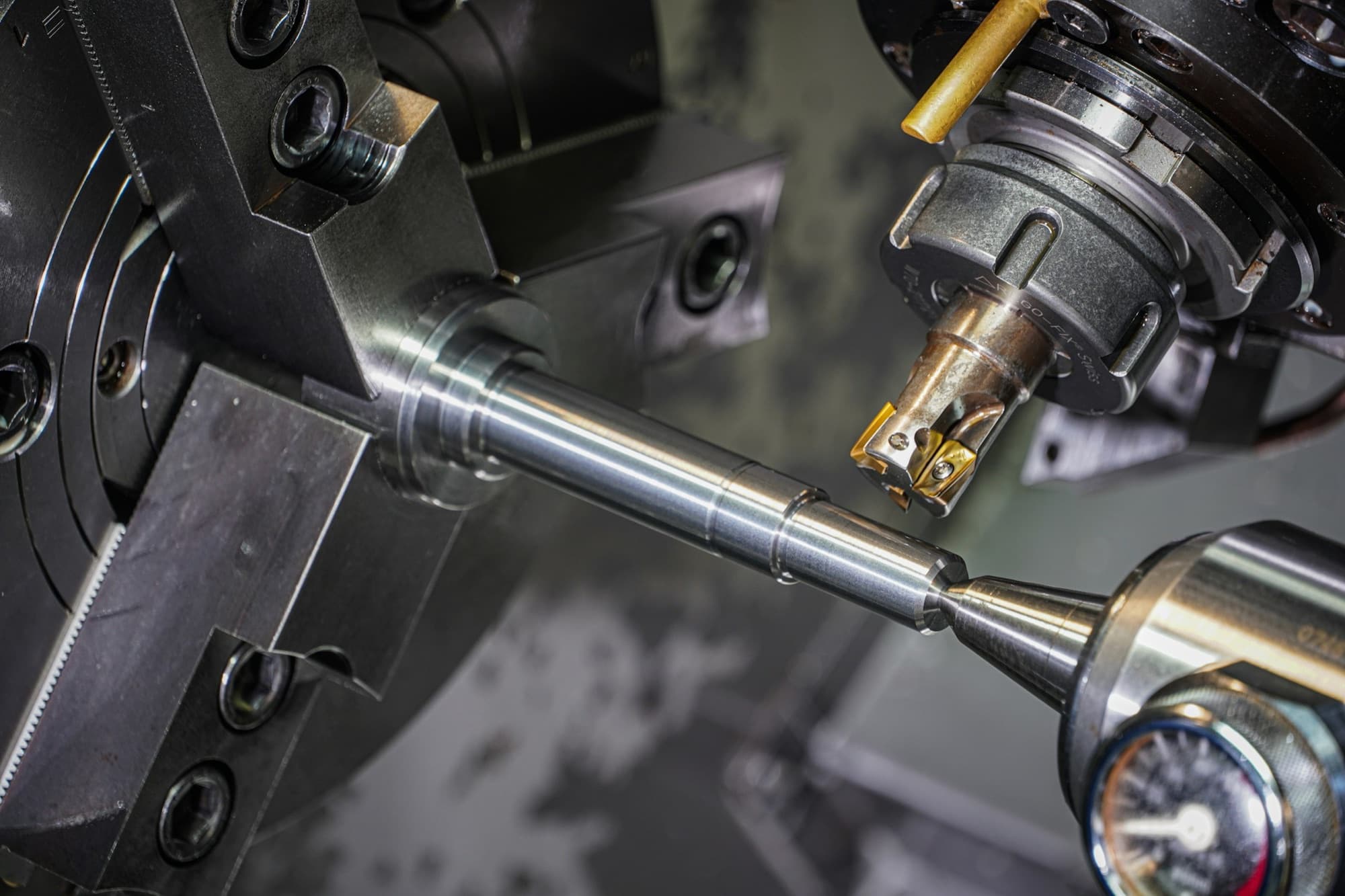
Screw machining is high-volume turning of small parts from bar stock on cam-driven or CNC multi-spindle and Swiss-type screw machines. It makes pins, bushings, fittings, fasteners, and shafts from under 0.040 in (1 mm) to about 2.5 in (64 mm) in diameter, with cycle times measured in seconds and diameters commonly held to ±0.001 in (±0.025 mm).
Where it pays off
1101001k10k100k1M+
At a glance
Cam multi-spindle setups take hours, so they pay back on long runs. CNC Swiss machines are competitive from about 1,000 parts.
- Diameter range
- About 0.020–1.25 in (0.5–32 mm) on Swiss; up to about 2.5 in (64 mm) on multi-spindle
- Typical tolerance
- ±0.001 in (±0.025 mm) standard; ±0.0002–0.0005 in (±0.005–0.013 mm) on critical diameters
- Concentricity
- About 0.0005–0.001 in (0.013–0.025 mm) TIR on features cut in one chucking
- Surface finish
- Ra 32–63 µin (0.8–1.6 µm) as turned; 16 µin (0.4 µm) or better with finishing
- Length-to-diameter
- Swiss handles slender parts over 10:1
- Cycle time
- Typically 5–90 seconds per part
- Bar stock
- Round, hex, and square bar in 12 ft (3.7 m) lengths
- Tooling cost
- Form tools and cams typically $500–$5,000 per job; CNC Swiss needs little dedicated tooling
Lead time
- Tooling
- 1–4 weeks for form tools and cams
- First article
- 1–3 weeks
- Production
- 3–6 weeks per release
What would it cost?
The builder's estimator on a representative turned shaft. Change a size, the quantity or the material and the price updates.
Turned shaft · Screw machining
Order total $14,757
- Tooling
- $1,800
- one-time, spread over the order
- Piece price
- $1.17
- before setup + tooling
- Lead time
- 4–6 weeks
- to first production
Size
Drag a row to adjust · click to type
Major diameter16.016.0 mm
Overall length60.060.0 mm
Step diameter10.010.0 mm
Quantity
Price per part falls as volume rises
Exact quantity1000010000 pcs
Material
Design checks pass
Open in builderBudgetary estimate for a representative part. Firm quotes come from principals after drawing review.
How does it work?
5 steps from drawing to production parts.
- 1
Bar selection
Bar stock, often free-machining 12L14 steel, C360 brass, or 303 stainless, is ordered in 12 ft (3.7 m) lengths at the needed diameter and shape.
- 2
Tooling and setup
Form tools, drills, and threading tools are set at each spindle position, with cams or CNC programs controlling the motion. Multi-spindle setups can take a full shift.
- 3
Machining
Bar feeds through the spindle while tools turn, drill, form, thread, and knurl in sequence. On multi-spindle machines every spindle cuts at once and one part finishes per index.
- 4
Cutoff and back-end work
Finished parts are cut from the bar. Cross holes, slots, or back-end features are added on a secondary spindle or in a second operation.
- 5
Cleaning, inspection, and finishing
Parts are washed of cutting oil, checked by SPC sampling, and heat treated or plated as required.
When is screw machining the right call?
Best for
- Pins, shafts, bushings, spacers, and standoffs
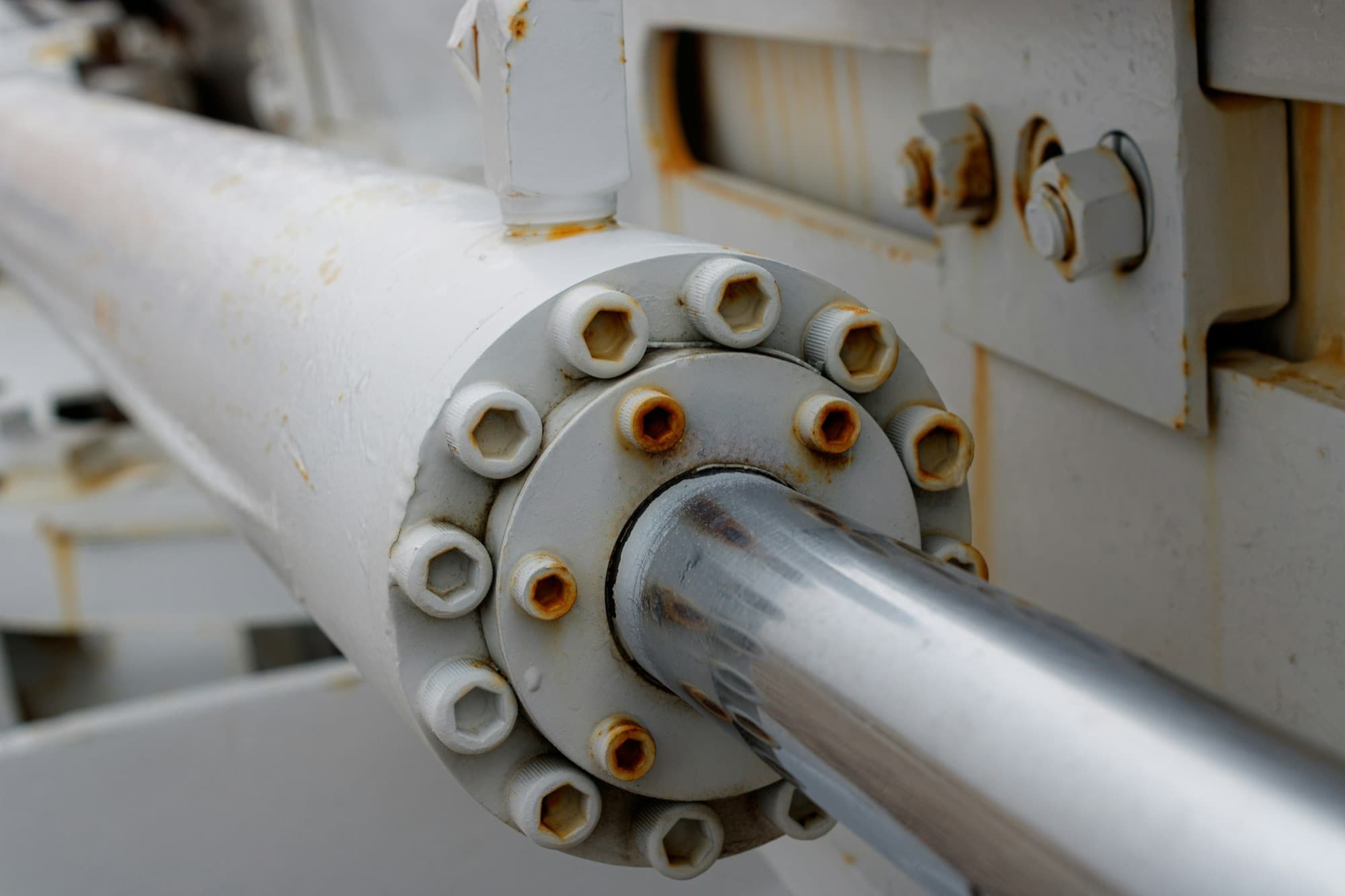
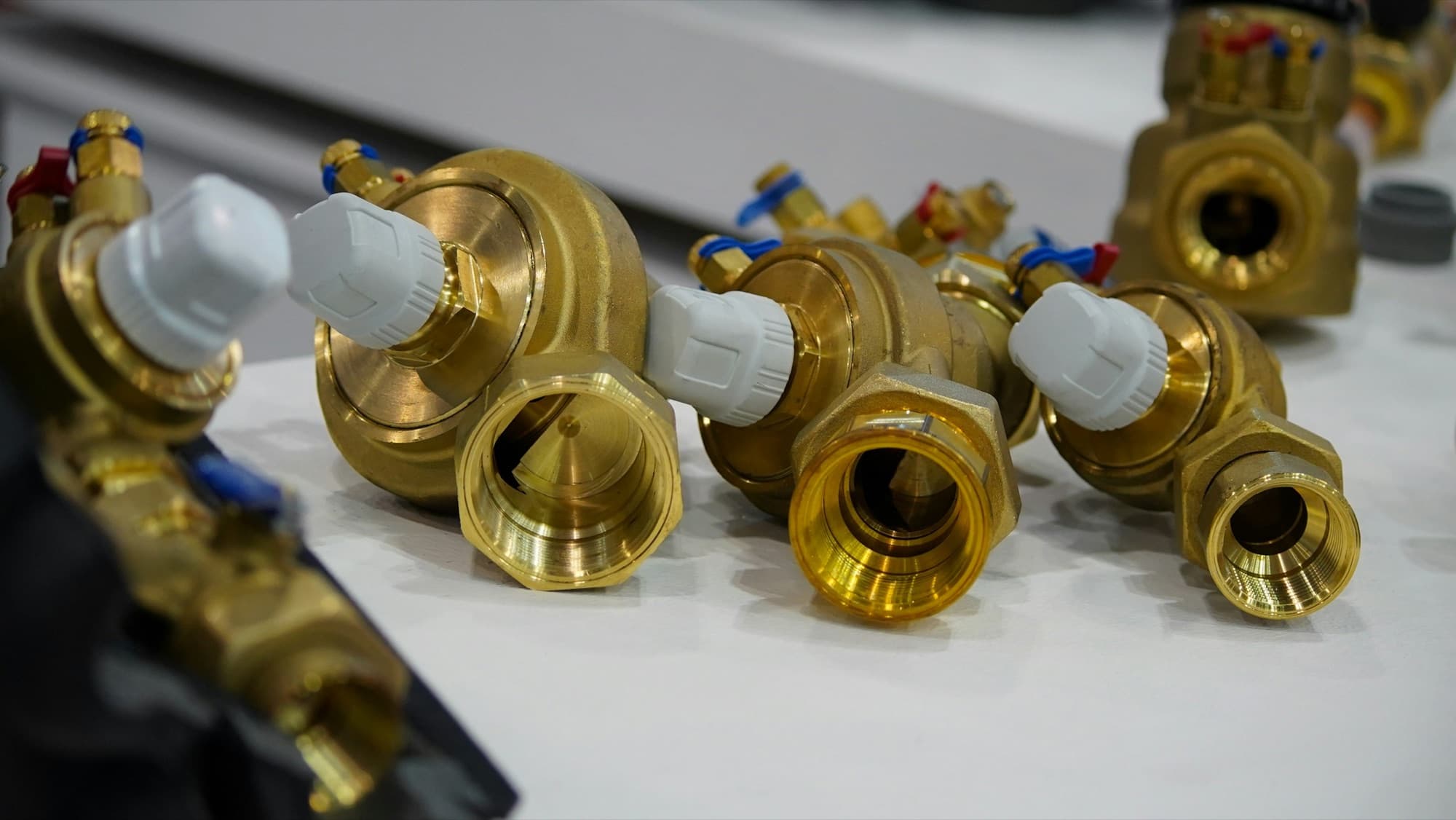
- Hydraulic and pneumatic fittings and valve components
- Custom fasteners and threaded inserts
- Long, slender, precise parts on Swiss machines
- Runs from 5,000 to millions of turned parts
Pick something else when
- Prismatic or milling-heavy parts: use CNC machining
- Runs under about 1,000 parts or larger diameters: CNC turning centers set up faster
- Gears and non-round profiles at high volume: powdered metal may cost less
Materials
12 materials principals run in screw machining. Pick one for design rules, finishes and an estimate in that material.
 Structural aluminum6061-T6310 MPa
 Mild steel1018440 MPa
 Carbon steel1045625 MPa
 Machining steel12L14540 MPa
 Alloy steel4140655 MPa
 Machining stainless303 SS620 MPa
 Everyday stainless304 SS505 MPa
 Marine stainless316 SS580 MPa
 Hardened stainless17-4 PH1379 MPa
 Machining brassC360 brass400 MPa
 TitaniumTi-6Al-4V950 MPa
 AcetalPOM62 MPa
Design rules that keep the price down
12L14, 1215, C360 brass, 303 stainless
Use free-machining alloys
Free-machining grades break chips cleanly and allow faster feeds, cutting cycle time.
Set the largest OD at a standard bar size, such as 0.500 or 0.750 in
Design to stock bar sizes
Turning down from the next size up adds cycle time and scrap.
Inside corner radius of 0.005–0.015 in (0.13–0.38 mm)
Allow a tool nose radius
Sharp internal corners need special tools and concentrate stress.
No more than about 6× diameter
Limit drilled hole depth
Deeper holes need peck cycles or gun drilling and slow the cycle.
Allow at least 2 thread pitches of relief or runout
Provide thread runout
Threading tools need room to exit without a special undercut.
0.010–0.020 in × 45°
Chamfer edges
Chamfers deburr on the machine and ease assembly.
Expect 0.0005–0.001 in TIR within one chucking
Hold concentric features in one setup
Re-chucking for a second operation loses concentricity.
Default to ±0.001 in or looser on non-critical diameters
Tolerance only what matters
Tighter limits add grinding or inspection to every part.
What drives the cost?
In order of impact.
- 1
Material
On small turned parts, bar stock is often the largest cost. Free-machining 12L14 and C360 brass cut fastest; stainless and titanium cut slower and cost more per pound.
- 2
Cycle time
Every second on the machine counts at volume. Features that need extra tools or slower speeds add directly to piece price.
- 3
Setup and run length
Multi-spindle setups can take a full shift. Longer runs spread that setup across more parts.
- 4
Tolerance and finish
Holding ±0.0002 in instead of ±0.001 in may add grinding, slower feeds, or 100% inspection.
- 5
Secondary operations
Cross drilling, milled flats, heat treating, and plating add handling unless they are done on the machine.
Variants
- Cam-driven multi-spindle
- Classic Davenport, Acme-Gridley, and similar machines run 4–8 spindles at once for the lowest cost per part on very long runs.
- CNC multi-spindle
- Servo-controlled multi-spindle machines keep multi-spindle output with faster setups and tighter process control.
- Swiss-type (sliding headstock)
- The bar slides through a guide bushing so every cut happens close to support. Ideal for long, slender, precise parts.
- Single-spindle automatics and bar-fed CNC lathes
- Faster changeovers for shorter runs and larger diameters.


Screw machining questions
What is the difference between Swiss and multi-spindle screw machines?
Swiss machines support the bar in a guide bushing next to the cut, so they excel at long, slender, tight-tolerance parts up to about 1.25 in (32 mm) diameter. Multi-spindle machines cut 4–8 parts at once and win on cost for high-volume, shorter parts up to about 2.5 in (64 mm).
What tolerances can screw machines hold?
Standard turned diameters commonly hold ±0.001 in (±0.025 mm). Swiss machines with in-process gauging reach ±0.0002–0.0005 in (±0.005–0.013 mm) on critical diameters. Tighter work usually adds centerless grinding.
What is the minimum order for screw machine parts?
CNC Swiss work is often practical from about 1,000 pieces. Cam multi-spindle jobs usually need 10,000 or more to justify setup. Many shops quote a minimum lot charge instead of a strict piece count.
Can I still use 12L14 leaded steel?
12L14 contains lead, which gives excellent machinability. Leaded machining steel is covered by a RoHS exemption, but some customers ban it outright, so 1215 is the common lead-free substitute.
How long does it take to get screw machine parts?
Production typically ships in 3–6 weeks, depending on bar availability and machine loading. First articles often ship in 1–3 weeks when material is in stock.
Should I choose screw machining or CNC turning?
Choose screw machining for small-diameter parts at high volume, where cycle time dominates cost. Choose CNC turning for lower volumes, larger diameters, or designs that change often, where setup time dominates.
Related processes
 CNC machining
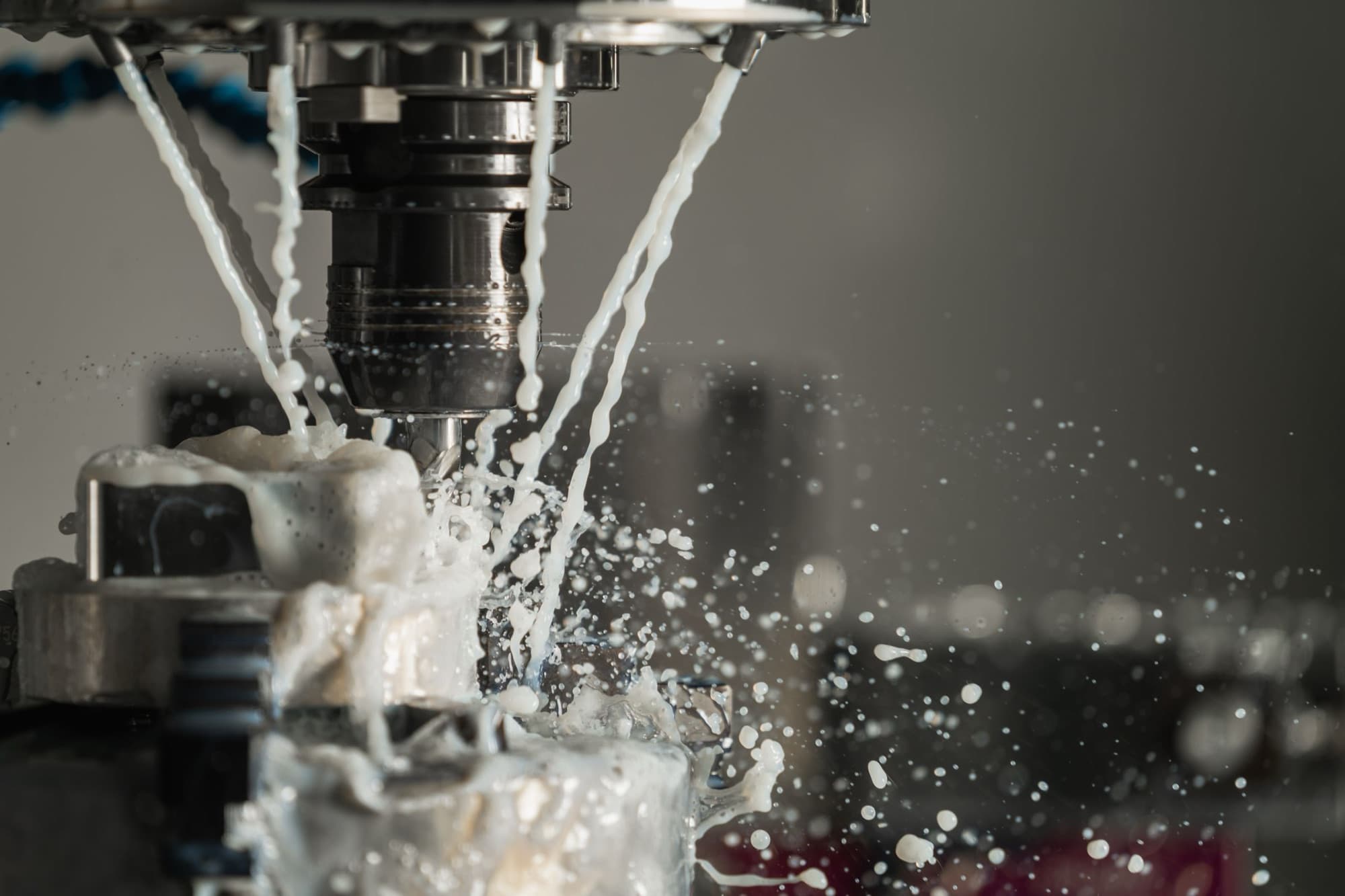
CNC milling, turning, and production sawing from bar, plate, castings, and forgings, from prototype to production.
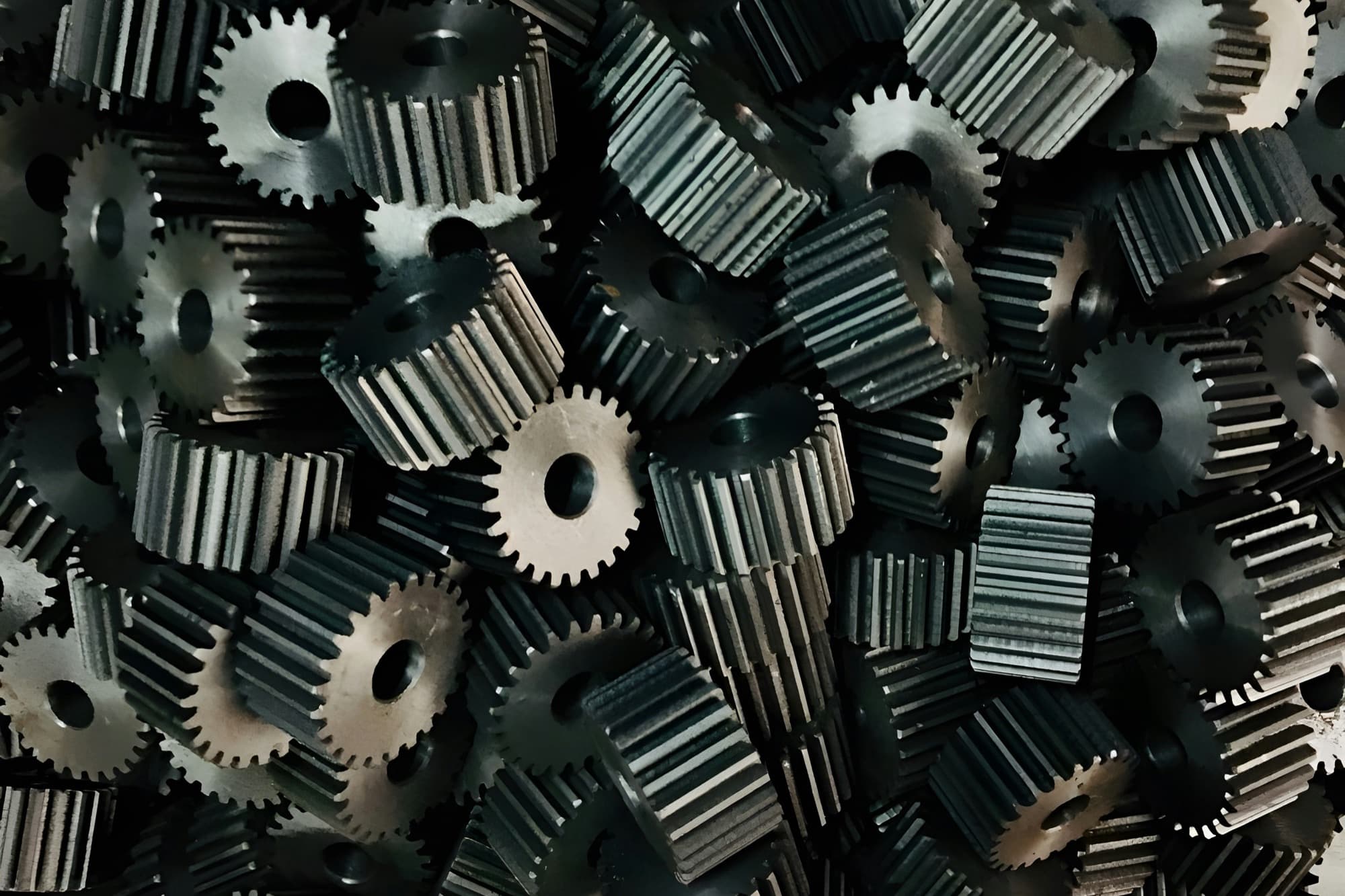 Powdered metal
Net-shape gears, bushings, and structural parts pressed from metal powder and sintered, with little or no machining.
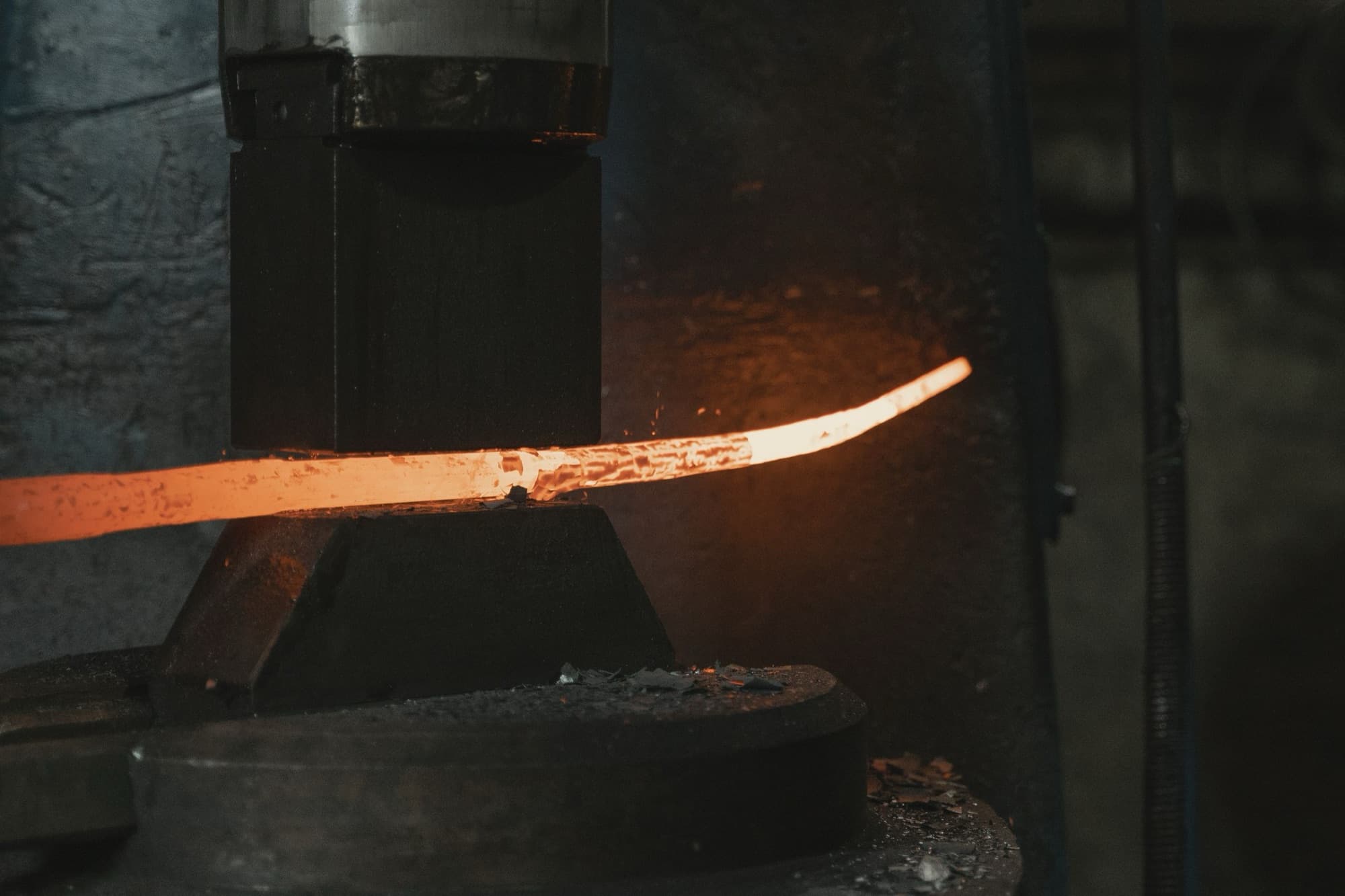 Forging
Closed-die and open-die forgings in carbon, alloy, and stainless steel and aluminum, with grain flow for strength.
Quote screw machining today.
Drop a STEP file for an instant estimate and DFM check. A rep routes the RFQ to principals who run this process every day.