Loading page
Manufacturing services and methods
SSG's services are the specific methods behind its process lines, such as CNC milling, Swiss turning, progressive die stamping and insert molding, plus assembly and secondary operations quoted with the part. Principals in the network run the work. Each page shows how the method works, typical tolerances and lead times, what drives cost, and when a sibling method is the better call.
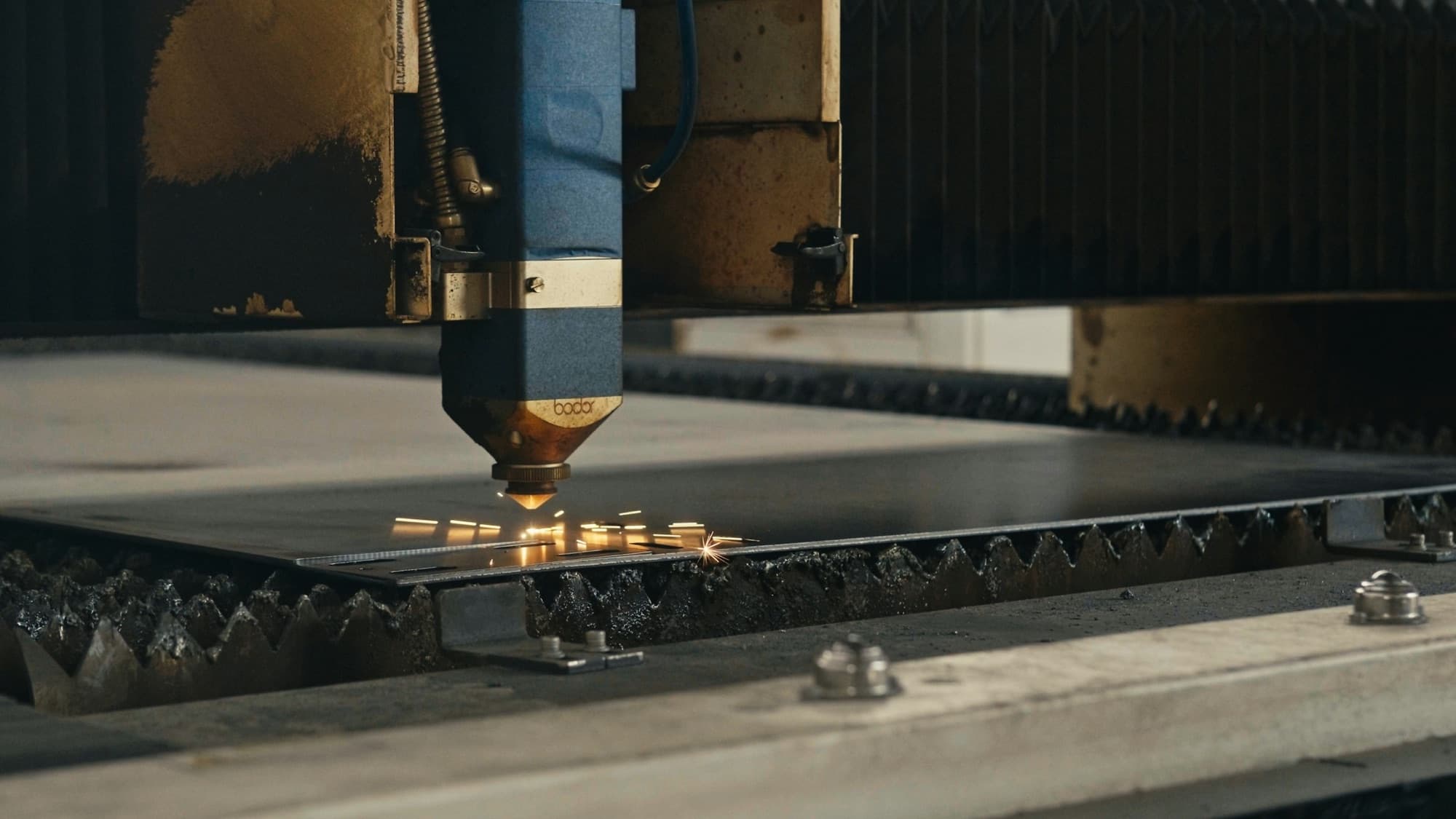
Which method fits my part?
10 methods under 7 process lines. Point at one to watch how it works; the times on the right are typical lead times.
- Sheet metal fabricationnetwork line
- Additive manufacturingnetwork line
- Tolerance
- ±0.003–0.005 in (±0.08–0.13 mm) to the insert
- Volume
- 5,000 parts and up
- Lead time
- 5–12 weeks for tooling
What happens after the part is made?
Threads, heat treat, plating, printing, assembly and packaging. Principals that offer them do the work in house or manage outside processors, and quote it with the part. SSG does not run these operations; your rep keeps them on one purchase order.
- Assembly and kittingMechanical assembly, fastener and insert installation, sub-assemblies, kitting, packaging and labeling, quoted with the parts.
- Secondary operationsTapping, deburring, heat treat, plating and finishing hand-off, pad printing, ultrasonic welding and inspection, quoted with the part.
How do I choose between sibling methods?
Start with the part and the annual volume. The second column is where the part usually moves as volume grows.
If the part isStart withThen consider
- A block with pockets, faces and hole patterns, 1–5,000 pieces
- CNC milling
- Die casting past about 5,000 a year
- A small, slender turned part with tight diameters
- Swiss turning
- Cam multi-spindle for simple parts over 50,000 a year
- A flat profile in sheet, any shape, under 5,000 pieces
- Laser cutting
- A blanking or progressive die past about 25,000 a year
- A bent bracket or enclosure, 1–10,000 pieces
- Press brake forming
- Progressive die stamping at high annual volume
- A plastic part with metal threads, pins or contacts
- Insert molding
- Heat-set inserts after molding at low volume
- Functional nylon parts, 1–5,000 pieces, no tooling
- Multi Jet Fusion
- Injection molding once the design is stable
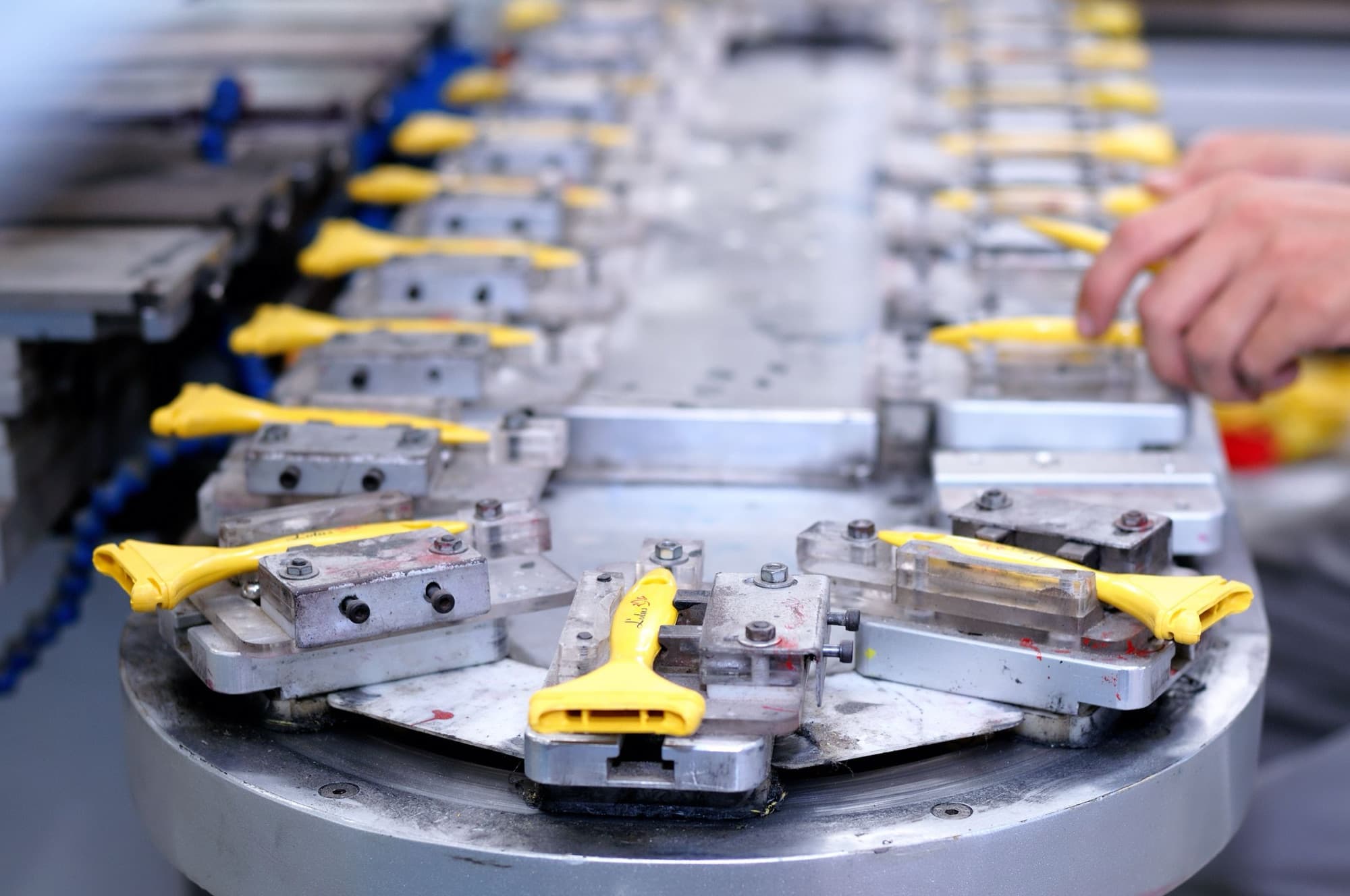
Molded plastic handles held in toggle-clamp fixtures on a rotary assembly table. Fixtured assembly like this is often quoted by the same principal that molds or stamps the parts. Assembly and kitting
Questions about services
What is the difference between a process and a method?
A process is a line SSG represents, such as metal stamping or production machining. A method is one way of running it, such as progressive die stamping or CNC turning. Methods under the same process compete with each other on tolerance, volume and tooling, so the right one depends on the part.
Does SSG make parts or run these services?
No. SSG is an independent manufacturers' representation firm. Principals in the network make the parts and run the services. SSG routes each RFQ to principals that run the method, negotiates, and manages the program through first article and production.
Can one quote cover the part, the finish and the assembly?
Yes, when the principal offers them. Put secondary operations, finishes and assembly on the drawing and the RFQ. The principal quotes the finished part and manages any outside processors, so you issue one purchase order.
What does 'network line' mean on a page?
It marks a method whose parent process SSG is adding through its network, such as sheet metal fabrication and additive manufacturing. SSG is onboarding principals for these lines now, alongside the core lines it has represented for 25+ years.
Are the numbers on these pages quotes?
No. Tolerances, lead times and tooling costs are typical industry ranges, and the estimator shows budgetary numbers. Firm prices come from principals once they review your drawing, material and quantities.
Not sure which method fits?
Send the drawing and your annual volume. A rep routes it to principals that run the right method and brings back firm quotes.