Loading page
Network line, now onboarding principals
Urethane casting
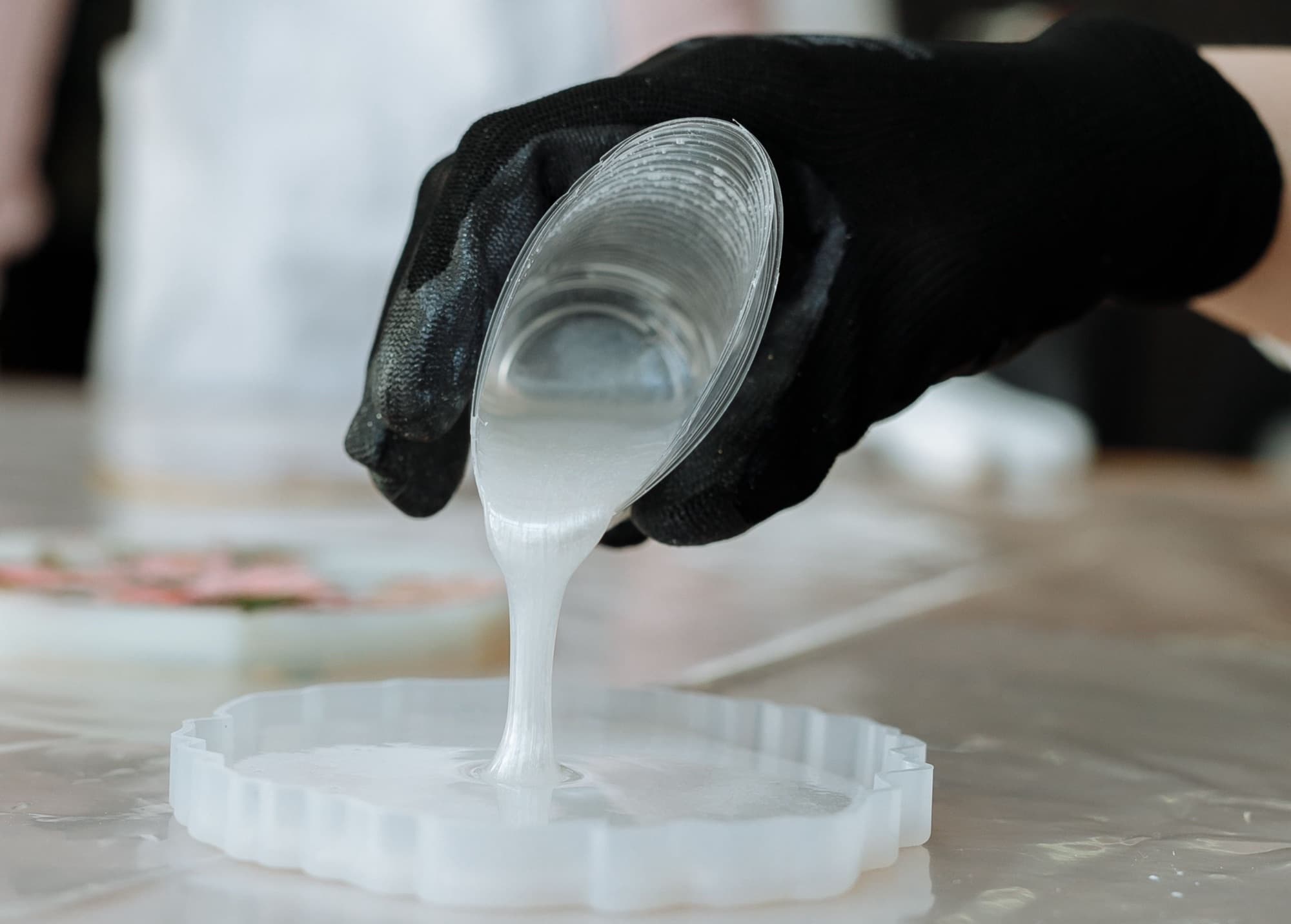
Urethane casting is a low-volume process that pours two-part polyurethane resin into a silicone rubber mold made from a 3D-printed or machined master pattern. Each mold yields about 20–25 parts, and resins simulate ABS, polycarbonate, polypropylene, and rubber from 30 Shore A to 85 Shore D. It suits runs of 10–200 parts before injection molding pays off.
Where it pays off
1101001k10k100k1M+
At a glance
Mold cost is low, but each mold makes only about 20–25 parts, so cost per part stays flat. Aluminum injection tools usually win above a few hundred parts.
- Typical tolerance
- About ±0.010 in (±0.25 mm) on features under a few inches; about 0.15% shrink
- Wall thickness
- 0.060–0.120 in (1.5–3 mm) preferred; about 0.040 in (1 mm) minimum
- Part size
- Up to about 24–36 in (600–900 mm), limited by mold and vacuum chamber
- Mold life
- About 20–25 parts per silicone mold
- Hardness range
- About 30 Shore A to 85 Shore D
- Surface finish
- Replicates the master, from high gloss to textured
- Tooling cost
- About $500–$2,500 for master and silicone mold, size dependent
- Typical volumes
- 10–200 parts
Lead time
- Tooling
- 3–7 days for master and silicone mold
- First article
- 1–2 weeks
- Production
- 2–3 weeks for up to about 200 parts
What would it cost?
The builder's estimator on a representative housing. Change a size, the quantity or the material and the price updates.
Housing · Urethane casting
Order total $7,138
- Tooling
- $3,644
- one-time, spread over the order
- Piece price
- $34.90
- before setup + tooling
- Lead time
- 1–2 weeks
- to first production
Size
Drag a row to adjust · click to type
Length140140 mm
Width90.090.0 mm
Wall2.202.20 mm
Quantity
Price per part falls as volume rises
Exact quantity100100 pcs
Material
Design checks pass
Open in builderBudgetary estimate for a representative part. Firm quotes come from principals after drawing review.
How does it work?
5 steps from drawing to production parts.
- 1
Make the master
A master pattern is printed by SLA or machined, then sanded and finished to the final surface.
- 2
Make the silicone mold
The master is suspended in a box and liquid silicone is poured around it and cured. The mold is cut along a parting line to remove the master.
- 3
Cast
Two-part urethane is mixed, degassed, and poured or vacuum cast into the closed mold, often with pigment for color.
- 4
Cure and demold
Parts cure in an oven, usually for 1–2 hours, and are demolded. Each mold makes about 20–25 parts before replacement.
- 5
Finish
Gates and flash are trimmed, and parts are sanded, painted, or textured as needed.
When is urethane casting the right call?
Best for
- Pilot runs, beta units, and trade-show builds of 10–200 parts
- Parts that need a molded surface finish and color
- Soft-touch and overmolded prototypes
- Bridge production while injection tooling is built
- Clear parts and color-matched housings
Pick something else when
- Over about 200–500 parts: plastic injection molding with an aluminum tool is cheaper
- Parts that must be tested in the exact production resin: use an aluminum prototype injection mold
- One to five functional parts: additive manufacturing is faster
Materials
2 materials principals run in urethane casting. Pick one for design rules, finishes and an estimate in that material.


Design rules that keep the price down
0.060–0.120 in (1.5–3 mm) preferred; 0.040 in (1 mm) minimum
Wall thickness
Thin walls fill poorly and tear during demold.
None required; about 0.5° helps on deep walls
Draft
Flexible silicone releases straight walls that would need draft in a steel mold.
Moderate undercuts are acceptable
Undercuts
The silicone mold flexes to release them.
Keep sections under about 0.5 in (13 mm)
Avoid thick sections
Heat from the curing reaction and shrink cause voids and sink in thick sections.
Rib thickness 50–60% of the adjoining wall
Size ribs like a molded part
Keeps the design ready to move to injection molding.
Cast in or press in threaded inserts
Use inserts for threads
Cast urethane threads wear quickly under repeated assembly.
What drives the cost?
In order of impact.
- 1
Part size
Larger parts need more resin, bigger molds, and longer cures. Size drives cost more than complexity.
- 2
Quantity and mold count
Each silicone mold makes about 20–25 parts, so every 20–25 parts adds a new mold.
- 3
Master quality
A master sanded to high gloss or textured to match production takes more finishing labor.
- 4
Resin and color
Clear, flame-retardant (UL 94 V-0), and high-temperature resins cost more than standard ABS-like grades.
- 5
Overmolding and inserts
Multi-material and insert-cast parts need extra mold steps and labor.
Variants
- Vacuum casting
- Resin is mixed and poured under vacuum to remove bubbles, giving clean, dense parts.
- Overmolded urethane
- A soft urethane is cast over a rigid cast part or insert for grips, seals, and bumpers.
- Clear and color-matched casting
- Pigments are mixed into the resin to match Pantone or RAL colors without paint, and clear resins can be polished.
- Reaction injection molding (RIM)
- Fast-reacting urethane is injected at low pressure into aluminum or composite molds for larger parts at higher volumes than silicone molds allow.

Urethane casting questions
How many parts can a silicone mold make?
A silicone mold typically makes 20–25 parts before detail and dimensions degrade. Simple shapes and soft resins can get more; complex parts with thin features get fewer.
How much does urethane casting cost?
Typical costs are about $500–$2,500 for the master and silicone mold, plus per-part costs that depend on size and resin. It is usually cheaper than injection molding below about 200 parts.
How strong are cast urethane parts?
Rigid urethanes simulate ABS or polycarbonate with tensile strengths of about 6,000–10,000 psi (40–70 MPa). They are close to, but not identical to, the production thermoplastic, so certification testing should use molded parts.
What tolerances can urethane casting hold?
Typical tolerance is about ±0.010 in (±0.25 mm) on features under a few inches, with about 0.15% shrink. Master accuracy sets the limit, so critical features may need machining.
How long does urethane casting take?
The first 20–25 parts typically ship in 1–2 weeks, including the master and silicone mold. Larger quantities add a few days per mold set.
Is urethane casting better than 3D printing?
3D printing is faster for one to about ten parts. Urethane casting is better for 10–200 parts that need a molded look, color, clear or rubber-like material, or a production-like surface finish.
Related processes
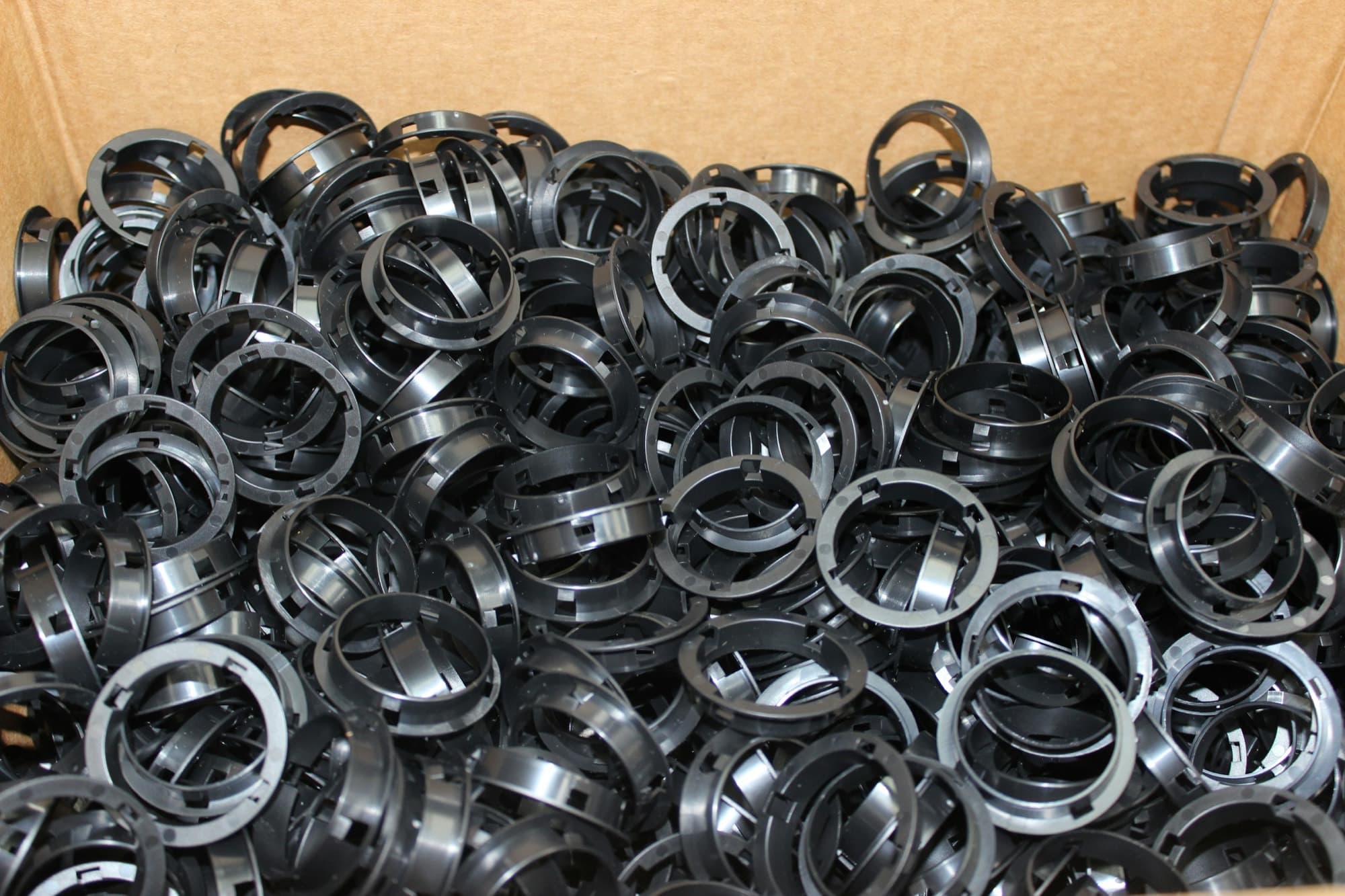 Injection molding
Molten thermoplastic injected into a steel or aluminum mold. Lowest piece price for plastic parts at 5,000+ a year.
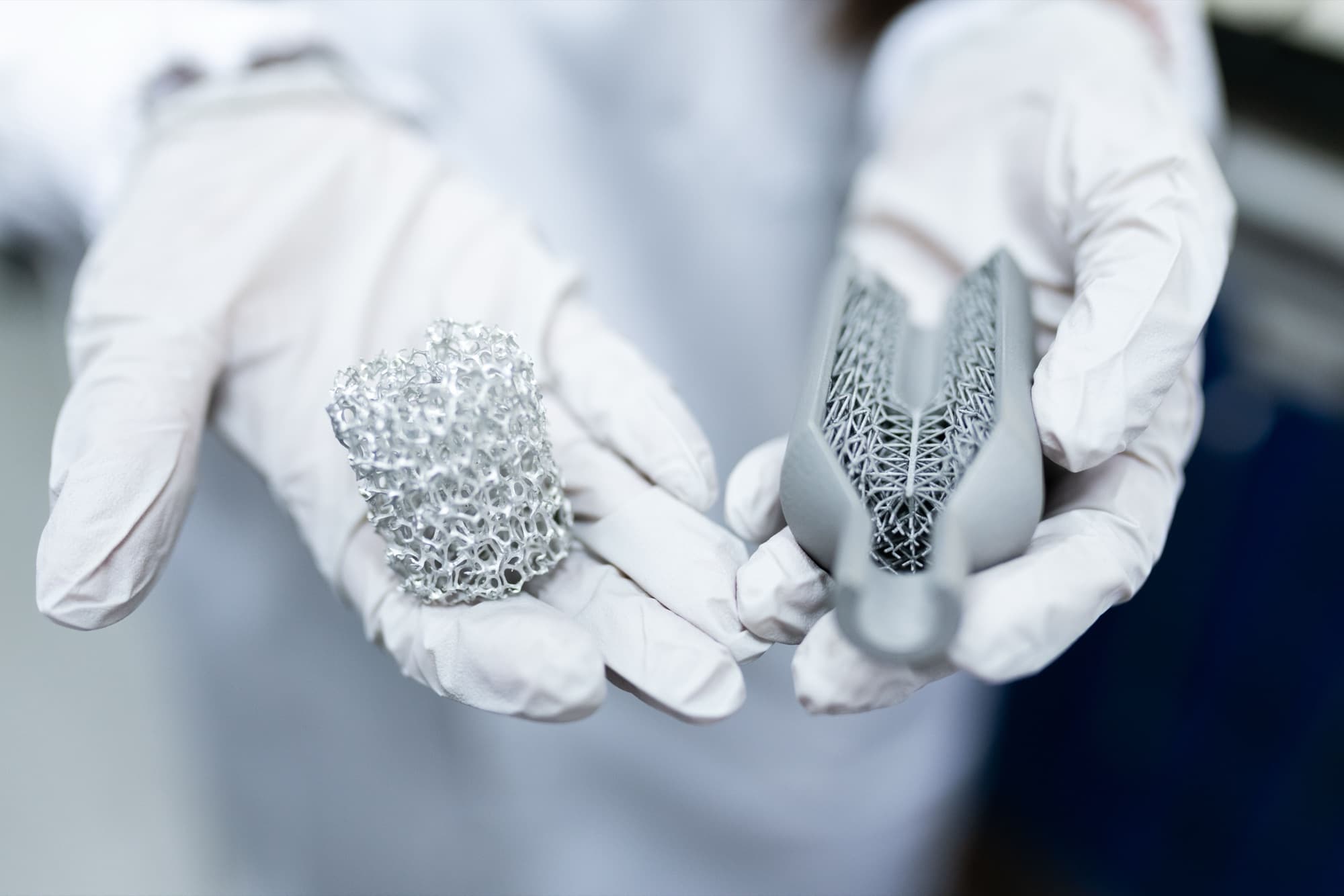 3D printing
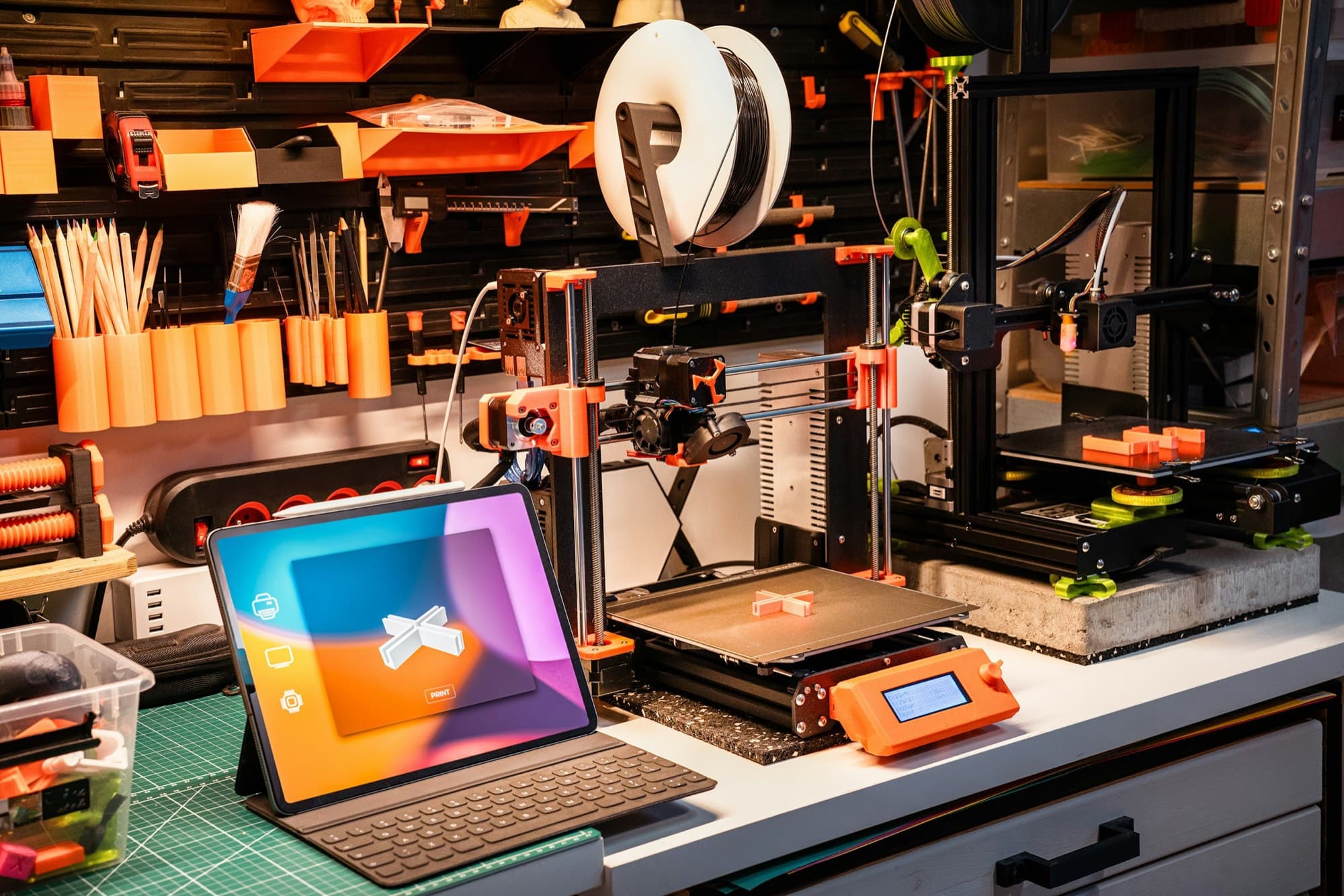
SLS, MJF, SLA, FDM, and metal printing for prototypes, fixtures, and low-volume production parts.
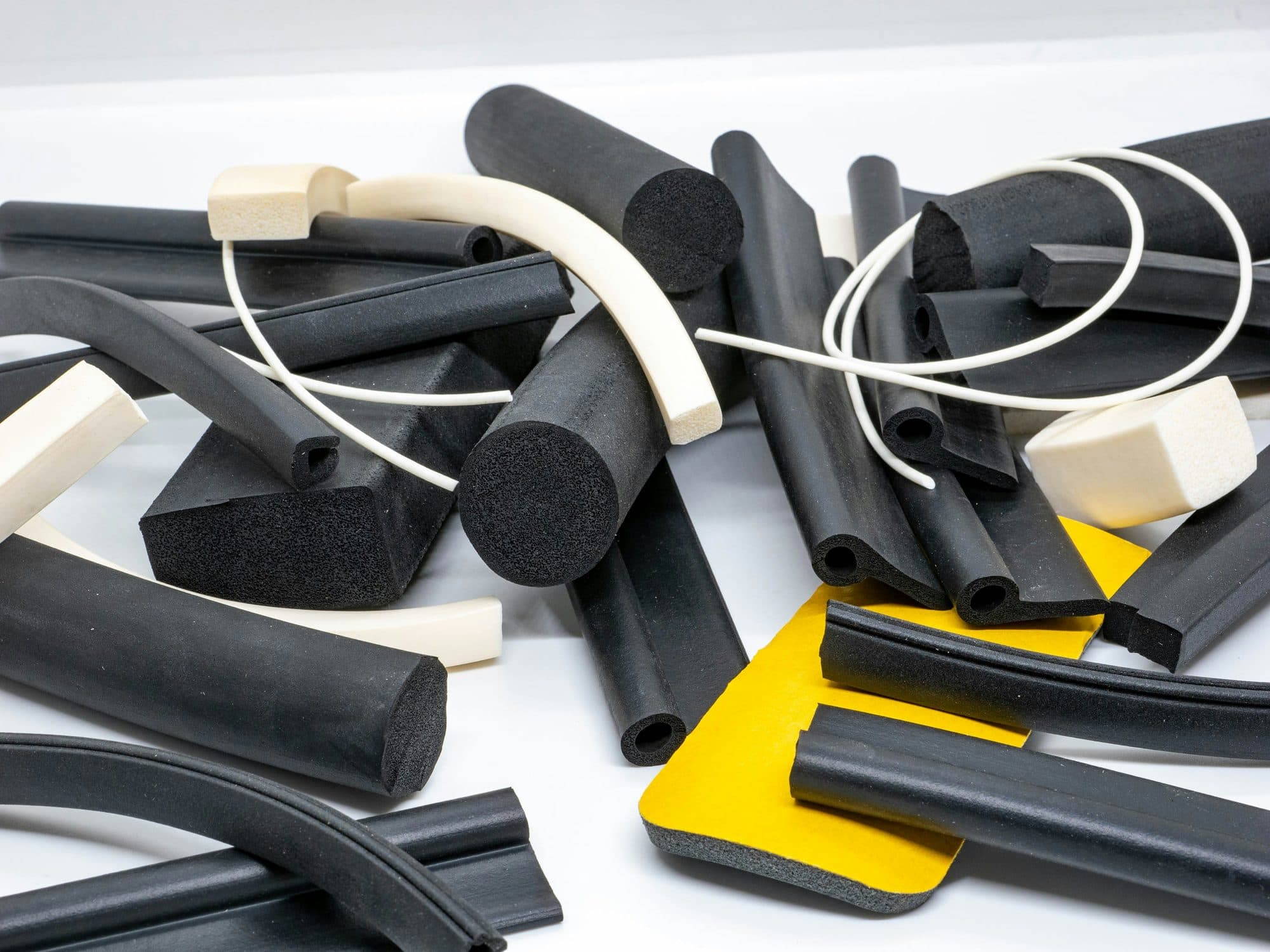 Rubber
Seals, gaskets, grommets, and profiles extruded or molded in EPDM, silicone, nitrile, neoprene, FKM, and TPE.
Quote urethane casting today.
Drop a STEP file for an instant estimate and DFM check. A rep routes the RFQ to principals who run this process every day.