Loading page
Network line, now onboarding principals
How does a hardware startup go from prototype to its first production run?
A hardware startup goes from prototype to production in stages: DFM review before tooling, bridge tooling or low-volume processes for pilot builds, then production tooling once the design is stable. Plan for MOQs, sampling rounds, and 8–14 weeks of production tooling lead time. SSG connects you with principals that take early-stage programs and quote each stage.
- Part families
- 12
- Processes
- 8
- Materials
- 10
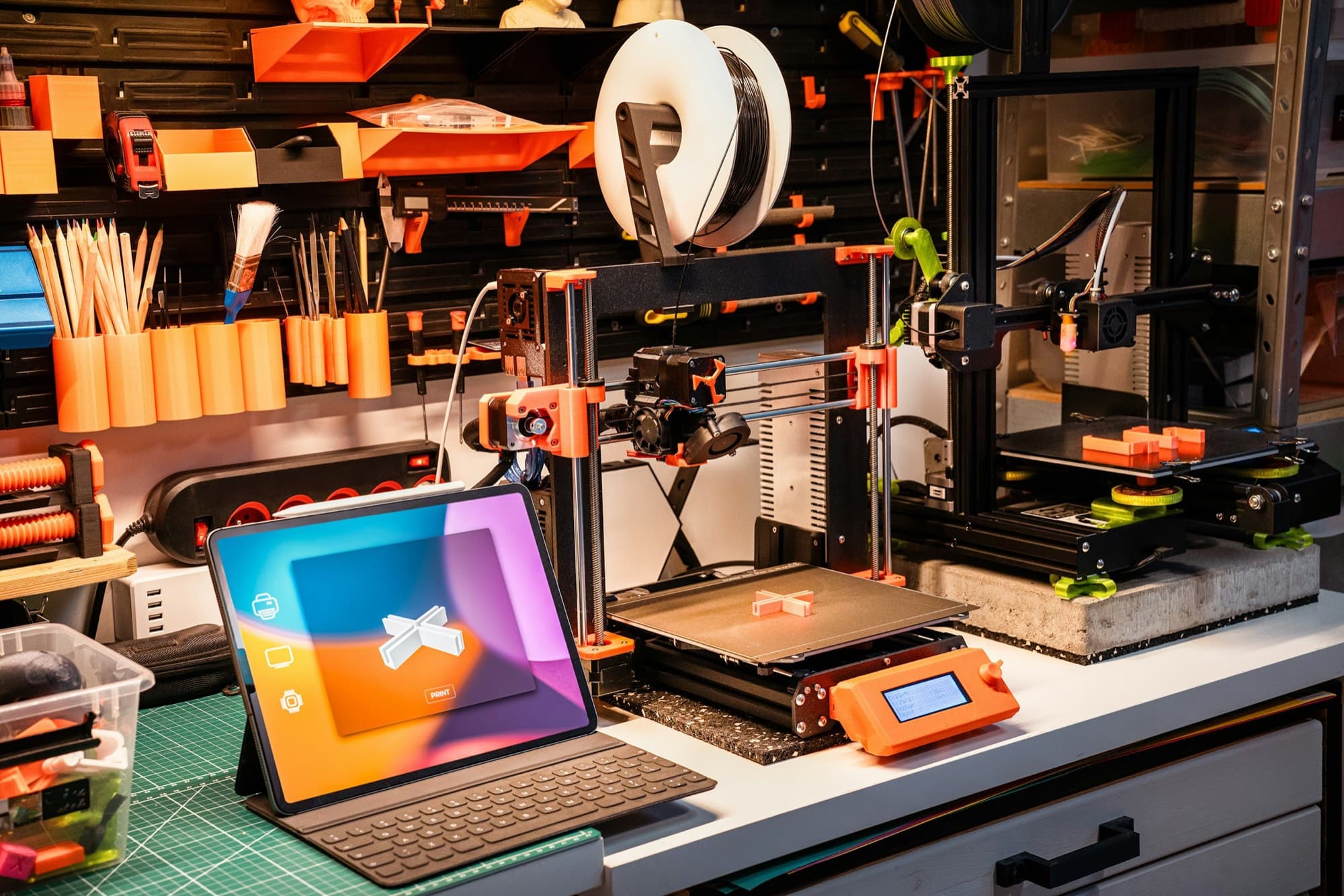
Parts we source for this industry
- 01Injection molded enclosures and bezels
- 02Sheet metal chassis and brackets
- 03Machined aluminum frames and heat sinks
- 04Die cast housings for rugged products
- 05Silicone buttons, gaskets, and seals
- 06Overmolded cable strain reliefs
- 07Battery contacts and springs
- 08Cast urethane pilot-run parts
- 09Robot arm links and gripper parts
- 10Sewn cases and straps
- 11Stamped EMI shields and brackets
- 12Molded light pipes and lenses
How these parts are made
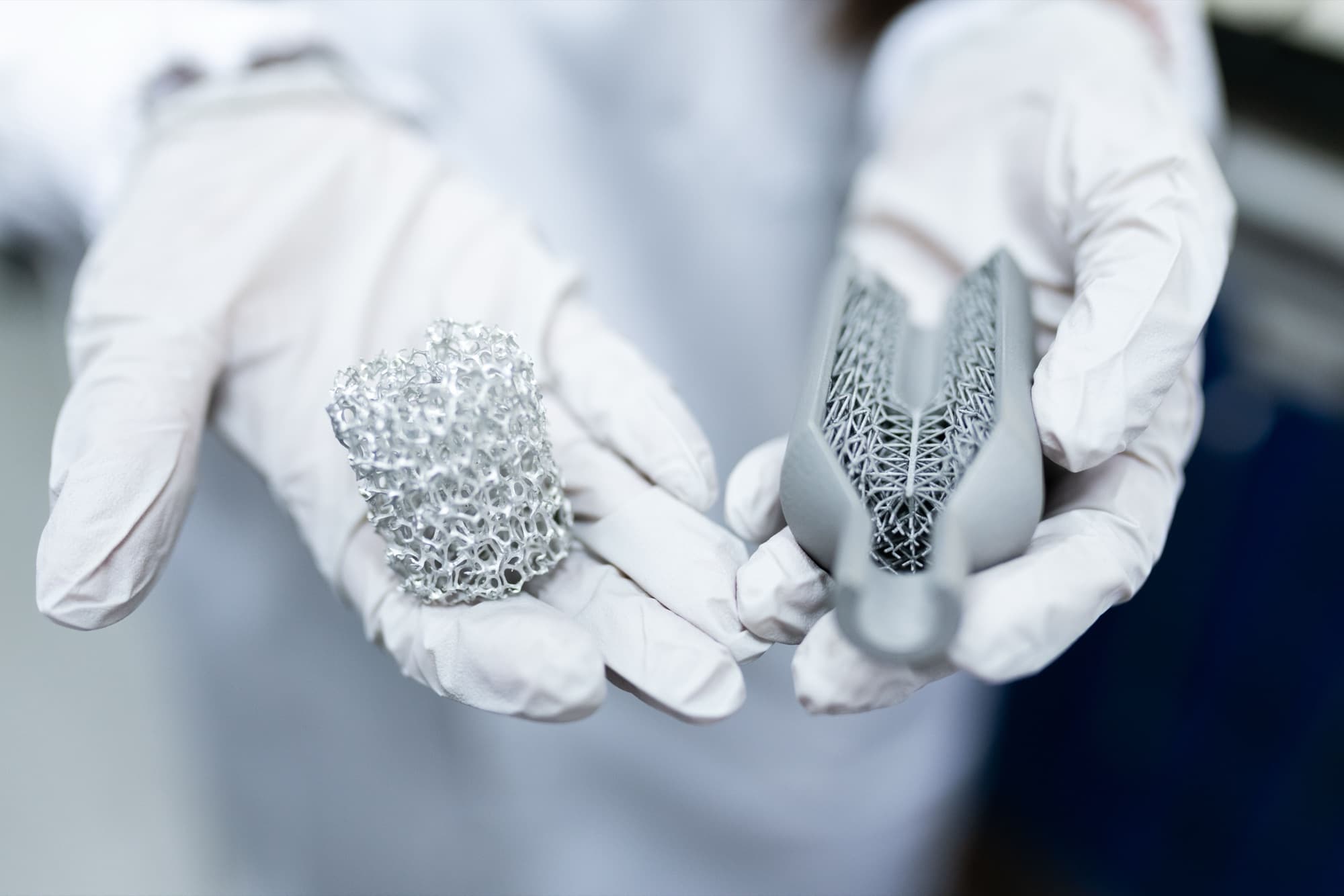 3D printing
SLS, MJF, SLA, FDM, and metal printing for prototypes, fixtures, and low-volume production parts.
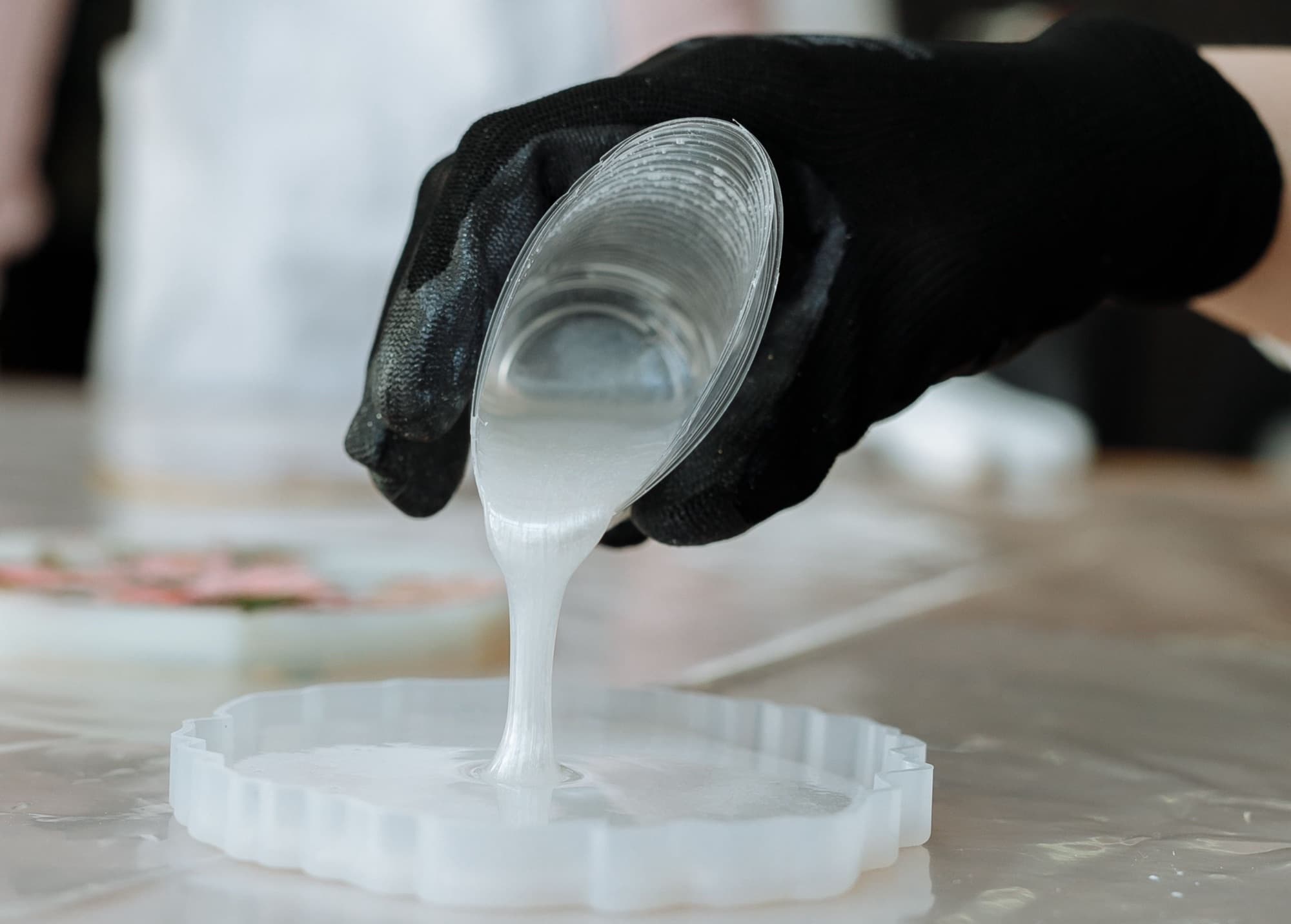 Urethane casting
Production-like plastic and rubber parts cast in silicone molds, typically 10–200 parts in one to two weeks.
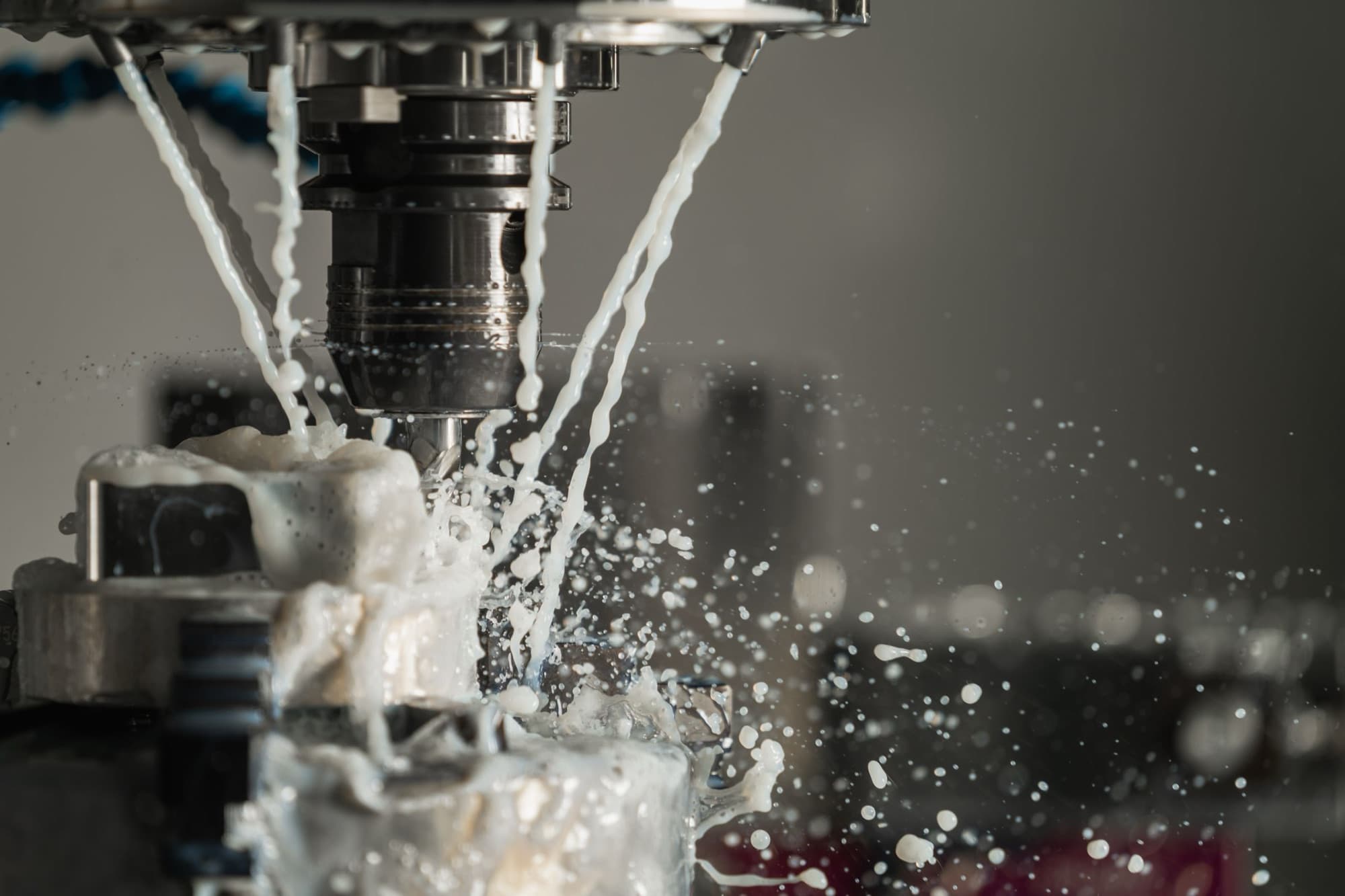 CNC machining
CNC milling, turning, and production sawing from bar, plate, castings, and forgings, from prototype to production.
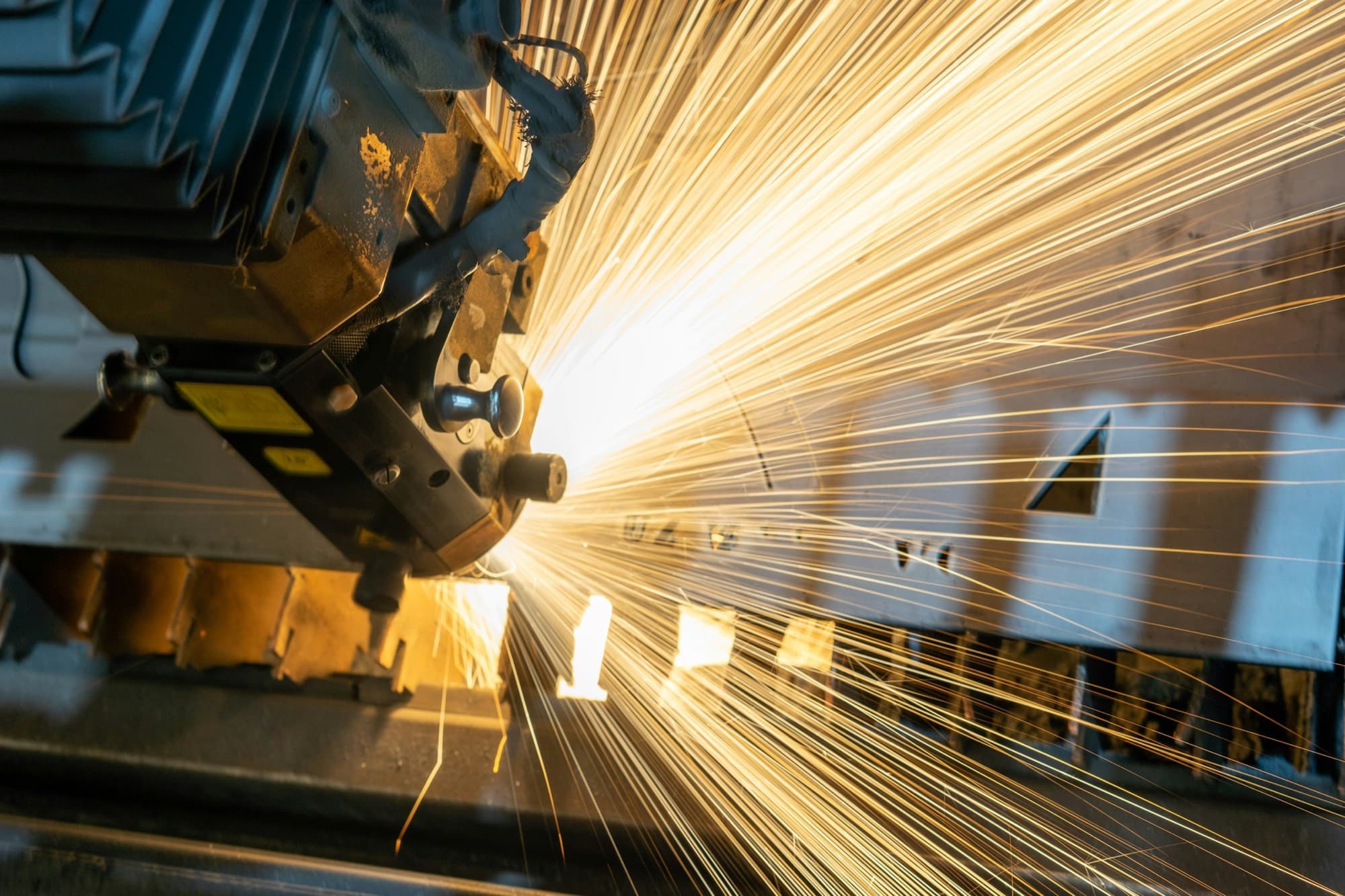 Sheet metal
Laser-cut, punched, bent, and welded sheet metal enclosures, brackets, and chassis with no hard tooling.
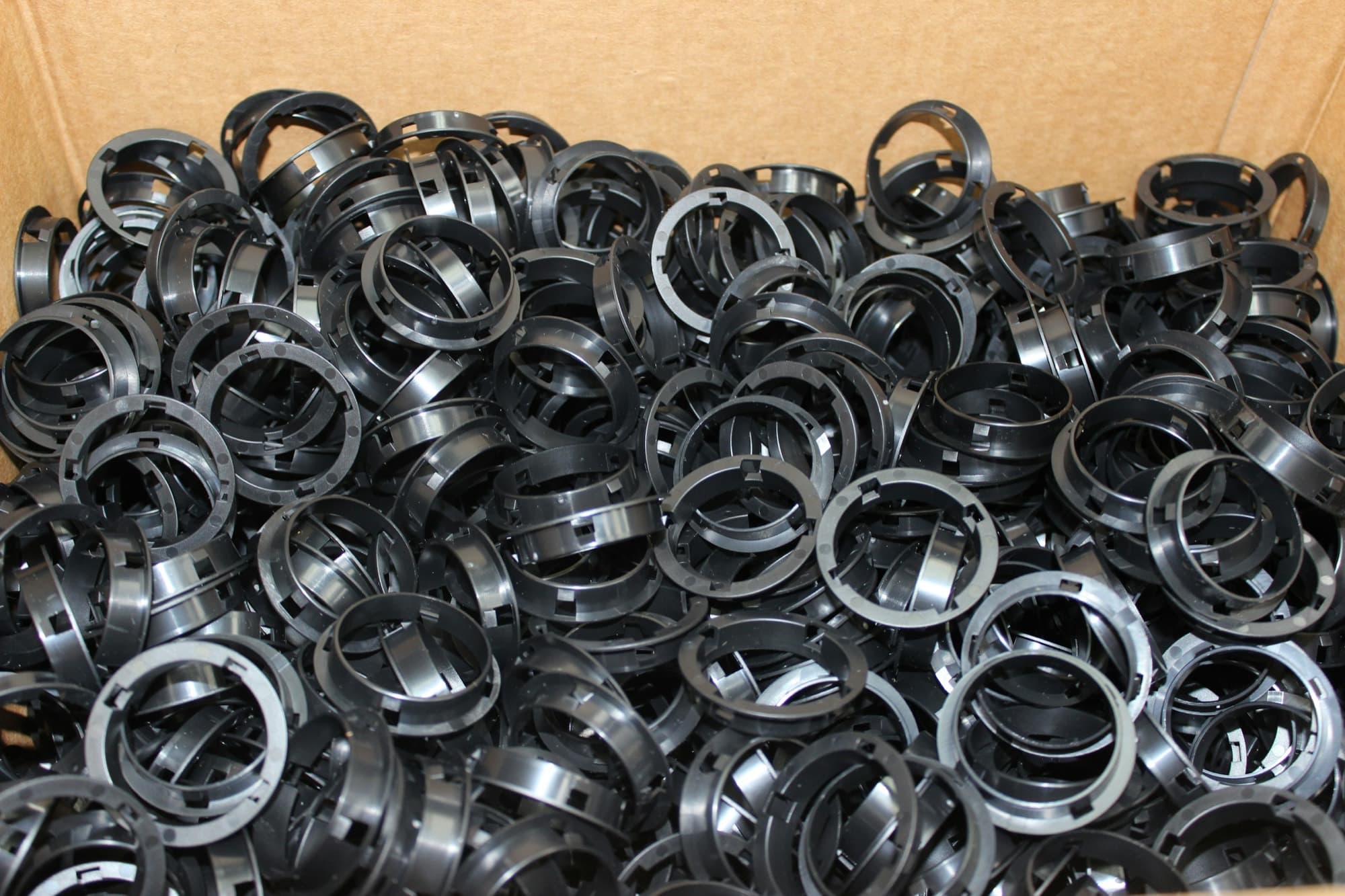 Injection molding
Molten thermoplastic injected into a steel or aluminum mold. Lowest piece price for plastic parts at 5,000+ a year.
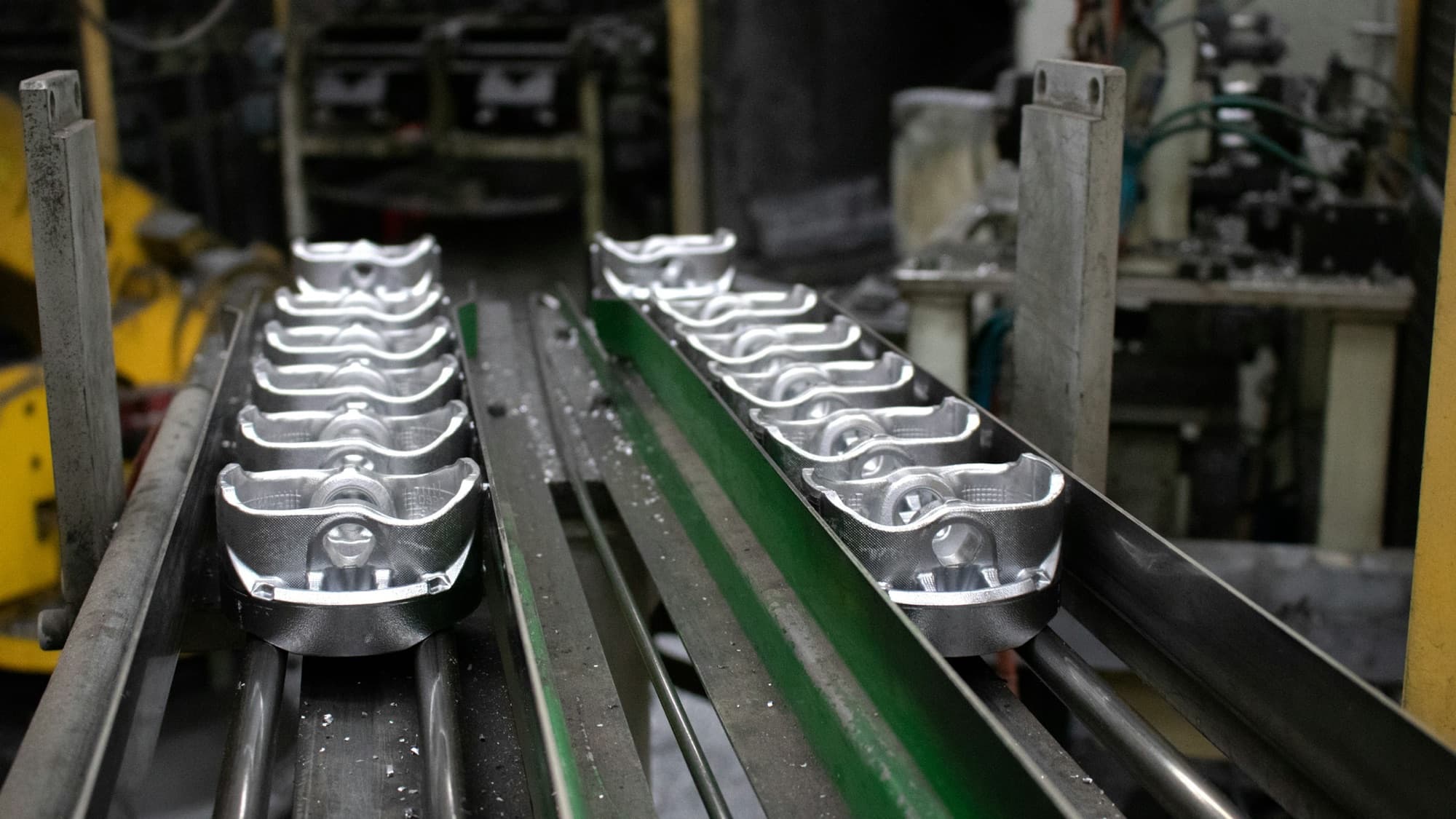 Die casting
Molten zinc or aluminum injected into steel dies at high pressure. Thin walls and net shape at 2,500+ parts a year.
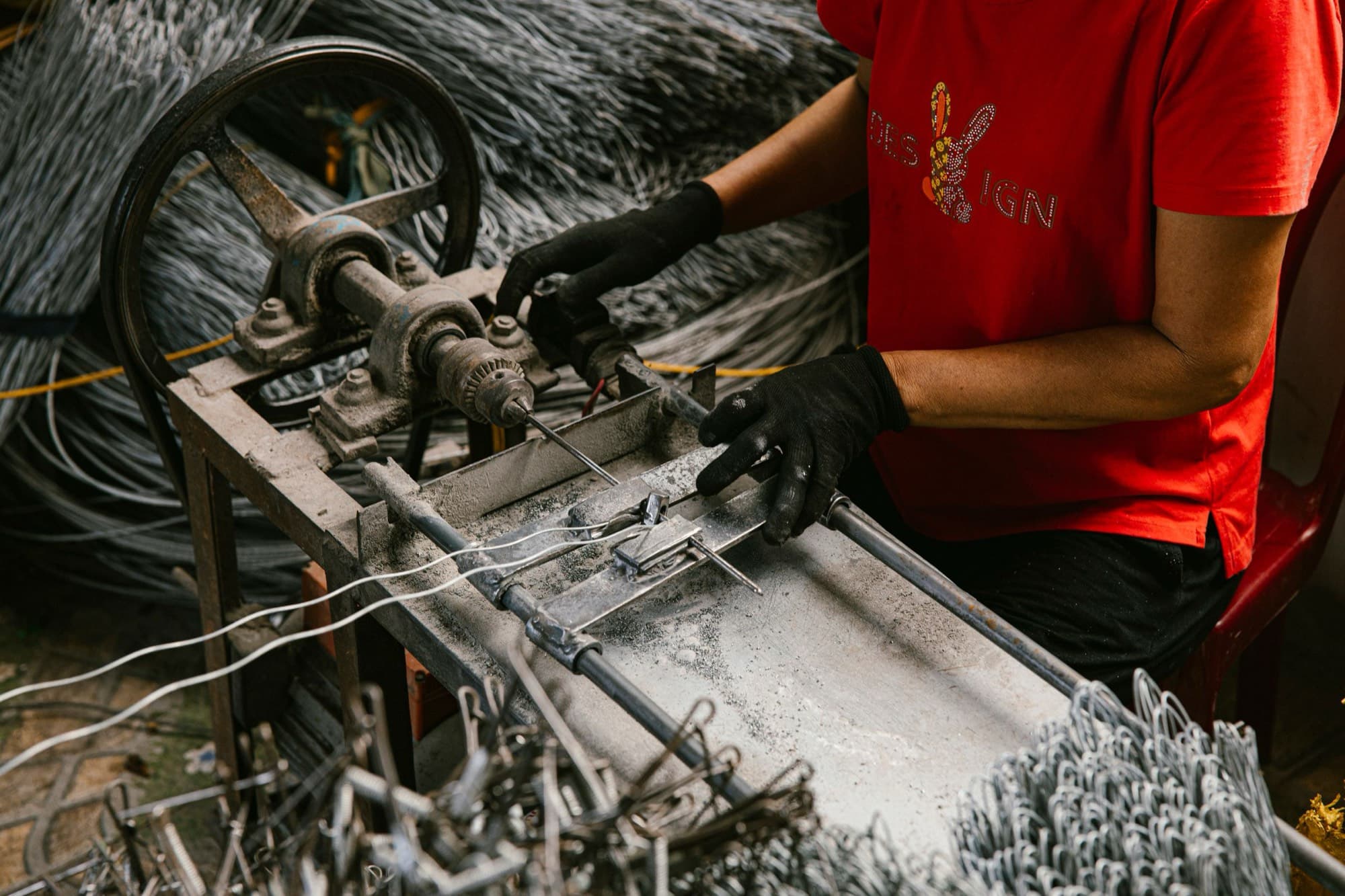 Springs & wire forms
Compression, extension, and torsion springs, wire forms, and fourslide clips made from round wire and flat strip.
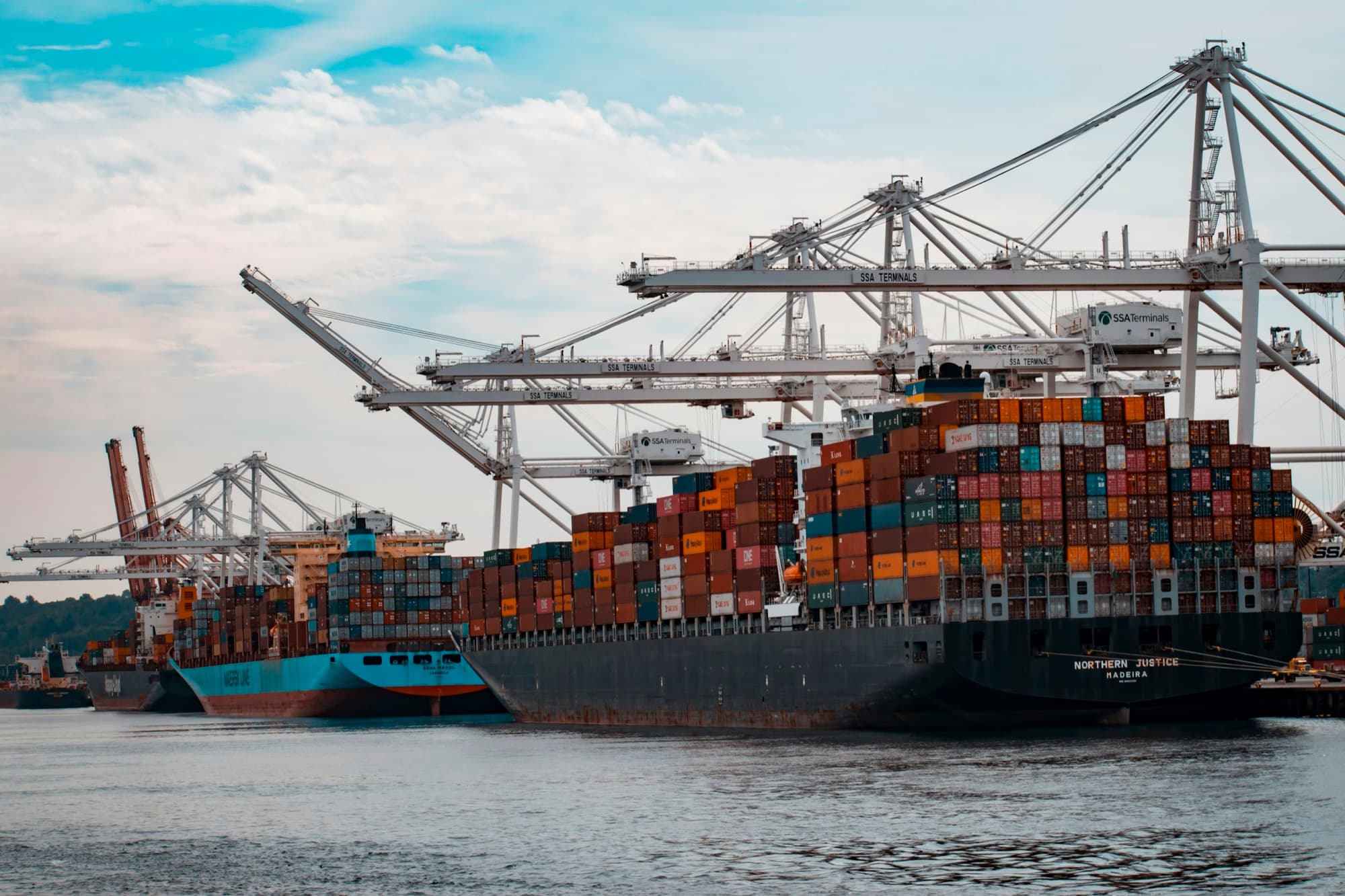 Offshore sourcing
Parts made by vetted overseas manufacturers, with landed-cost analysis, quality control, and logistics managed.
Which of these pays off at your quantity?
Parts per order
5 processes are at their best at this quantity, and 1 more can do it.
Drag to your quantity


What suppliers are held to
DFM before tooling
Get a DFM review before steel is cut. Uniform walls, 1–2° of draft, and generous radii are cheap to change in CAD and expensive to change in a mold. Keep late changes steel-safe, so the toolmaker removes metal rather than adding it.
Bridge tooling for pilot builds
Aluminum or P20 bridge molds cost a fraction of hardened production steel and typically ship in 3–6 weeks. They cover EVT, DVT, and PVT builds and early sales, and they run thousands to tens of thousands of parts.
MOQ realities
Suppliers set minimums around setup time, material lots such as a full bag of resin or a coil of steel, and finishing lot charges. Expect a higher piece price on your first runs, and ask each supplier what drives its MOQ.
Certifications on your side
Your product may need FCC Part 15, UL 62368-1, CE marking, and UN 38.3 for lithium batteries. Part suppliers support those with material data, such as UL-listed resin grades, so name them in the RFQ.
Tooling ownership
If you pay for tooling, you should own it. Put ownership, maintenance, and transfer rights in writing before the first tool is built.
Questions
How many units justify injection mold tooling?
As a rule of thumb, cast urethane or 3D printing wins below a few hundred parts, aluminum bridge molds from a few hundred to about 10,000, and hardened steel beyond that. Part size, cosmetic needs, and how settled the design is move those lines.
What is bridge tooling and when should we use it?
Bridge tooling is faster, lower-cost tooling, usually aluminum or soft steel, that makes production-quality parts while production tooling is built or the design settles. Use it for pilot builds and first sales when time to market matters more than piece price.
Can SSG work with a startup that has no production history?
Yes. Send CAD, drawings if you have them, target volumes by stage, and your timeline. SSG matches you with principals that take early-stage programs and can carry the part into production.
What should our first RFQ include?
STEP files, 2D drawings for critical features, material and finish, quantities for pilot and production, target dates, and required certifications. Quantities for each stage let suppliers quote bridge and production tooling side by side.
Related industries
Send us the part.
Build it or upload a drawing. A rep routes it to principals already making parts for this industry.