Loading page
Aluminum 5052-H32
5052-H32 is a non-heat-treatable aluminum-magnesium alloy, strain-hardened and stabilized, and the standard aluminum for formed sheet metal. Typical tensile strength is 33 ksi (228 MPa). It bends to tight radii without cracking, welds easily, and resists salt water better than 6061. Use it for enclosures, brackets, panels, tanks and marine parts.
- UNS
- A95052
- EN 573-3
- EN AW-5052 (AlMg2.5)
- ASTM
- B209 (sheet and plate)
- JIS
- A5052

How does it compare?
Typical room-temperature values for 5052-H32, against all 48 materials in the library.
- Tensile strength
- 228 MPa44th pct
- Yield strength
- 193 MPa10th pct
- Density
- 2.68 g/cm³45th pct
- Max service temp
- 150 °C55th pct
- Elongation
- 12 %22th pct
- Relative cost
- $$$$$
Bars are relative to the strongest, densest or hottest material in the SSG library. Percentile vs all 48 materials.
- Density
- 2.68 g/cm³ · 0.0968 lb/in³
- Tensile strength
- 228 MPa · 33.1 ksi
- Yield strength
- 193 MPa · 28.0 ksi
- Elongation
- 12%
- Elastic modulus
- 70.3 GPa · 10.2 Msi
- Hardness
- 60 HB
- Max service temperature
- 150 °C · 302 °F
- Melting point
- 607 °C · 1125 °F
- Thermal conductivity
- 138 W/m·K
- Machinability
- 200% of 1212 steel
When should you use 5052-H32?
Strengths
- Bends to an inside radius of about 1× thickness or less in gauges up to 0.125 in (3.2 mm)
- Resists salt water and marine atmospheres better than 6061
- Welds with 5356 filler without losing temper strength the way heat-treated alloys do
- Higher fatigue strength than most aluminum sheet alloys
Watch for
- Cannot be heat-treated for more strength
- Gummy to machine; a poor choice for machined bar parts
- Anodized color can differ slightly from 6061; avoid mixing alloys in color-matched assemblies
- Mostly available as sheet and plate, not bar
Typical parts
- Electronics enclosures and chassis
- Marine hardware and boat components
- Fuel and fluid tanks
- Formed brackets and panels
- Appliance panels
- Truck and trailer body parts
How 5052-H32 is made into parts
Cost, finishes and design rules for each process in this material.
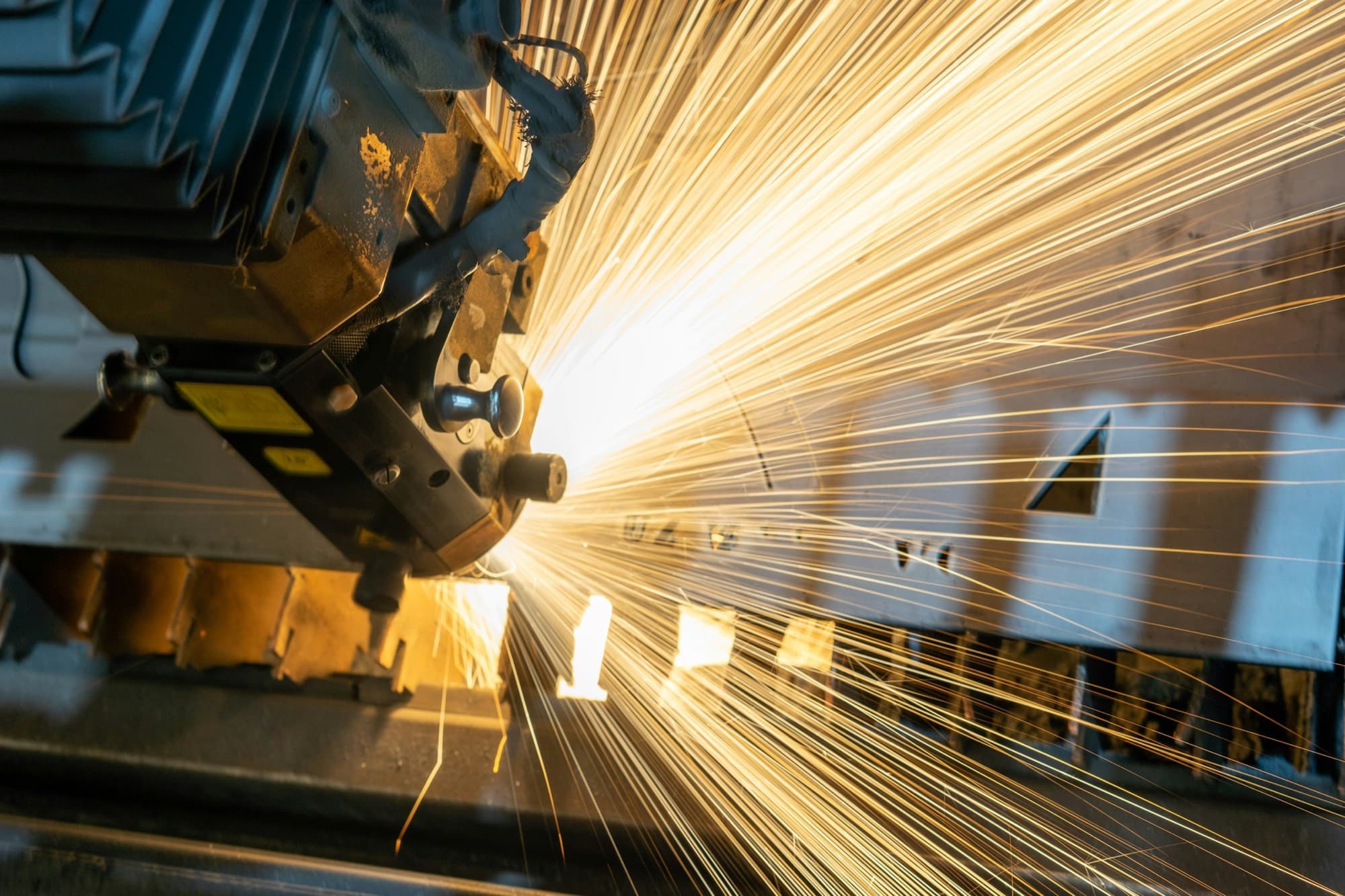 Sheet metal in 5052-H32
Laser-cut, punched, bent, and welded sheet metal enclosures, brackets, and chassis with no hard tooling.
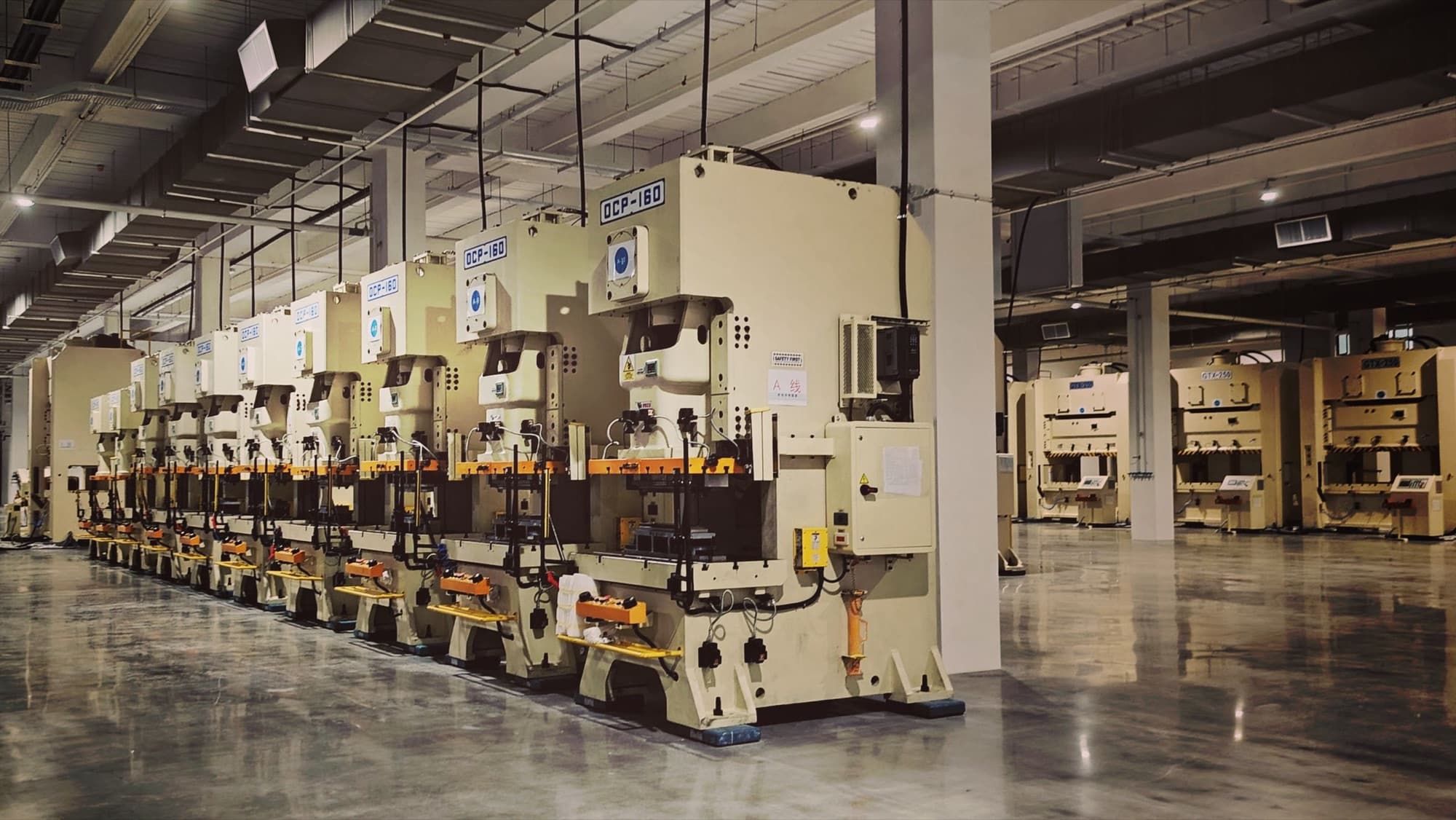 Stamping in 5052-H32
Short- to medium-run stampings: brackets, clips, shields, and plates cut and formed from sheet or coil in a press.
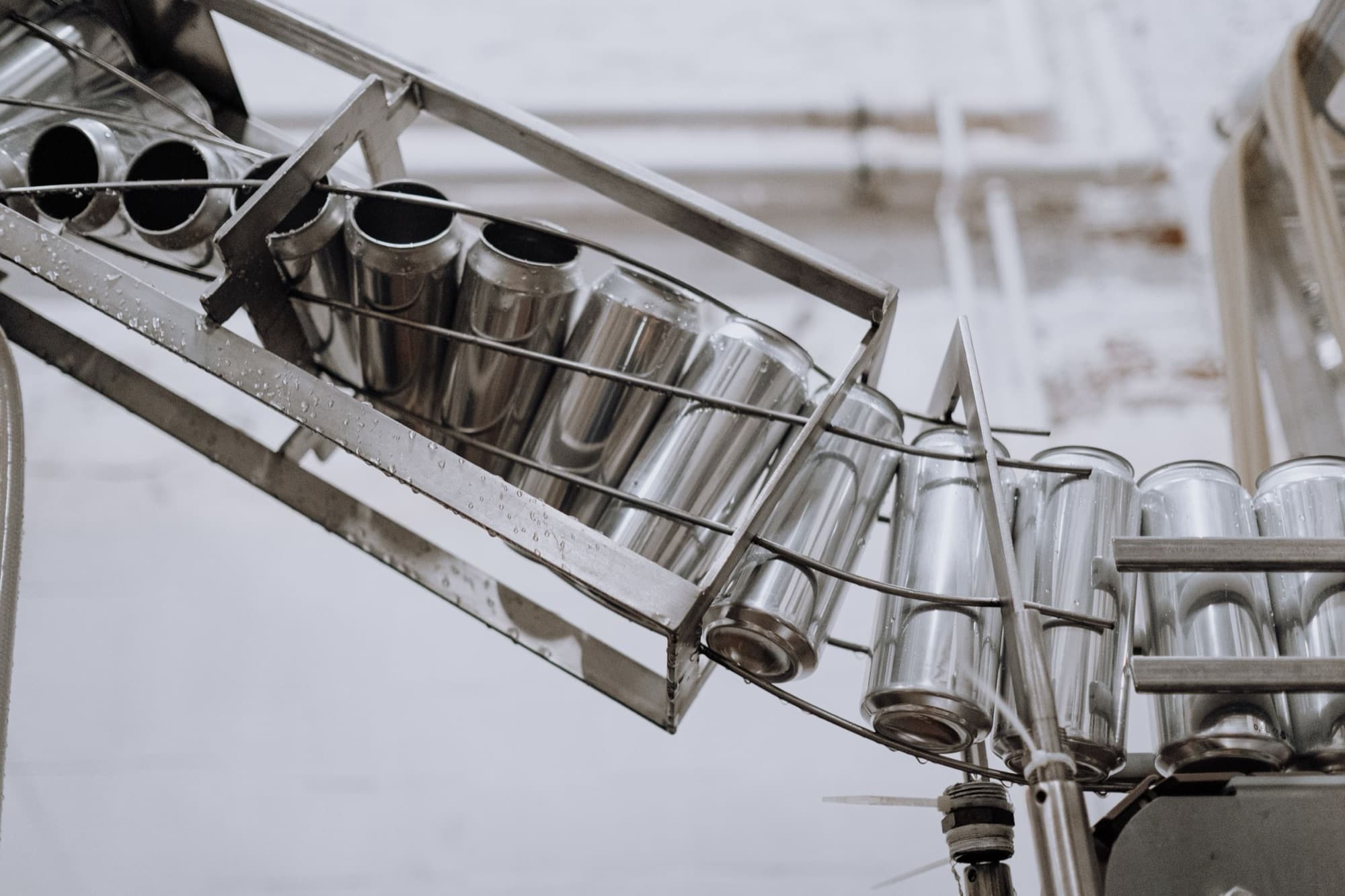 Deep draw in 5052-H32
One-piece cups, cans, shells, and housings drawn from flat blanks, with depth that can exceed the diameter.
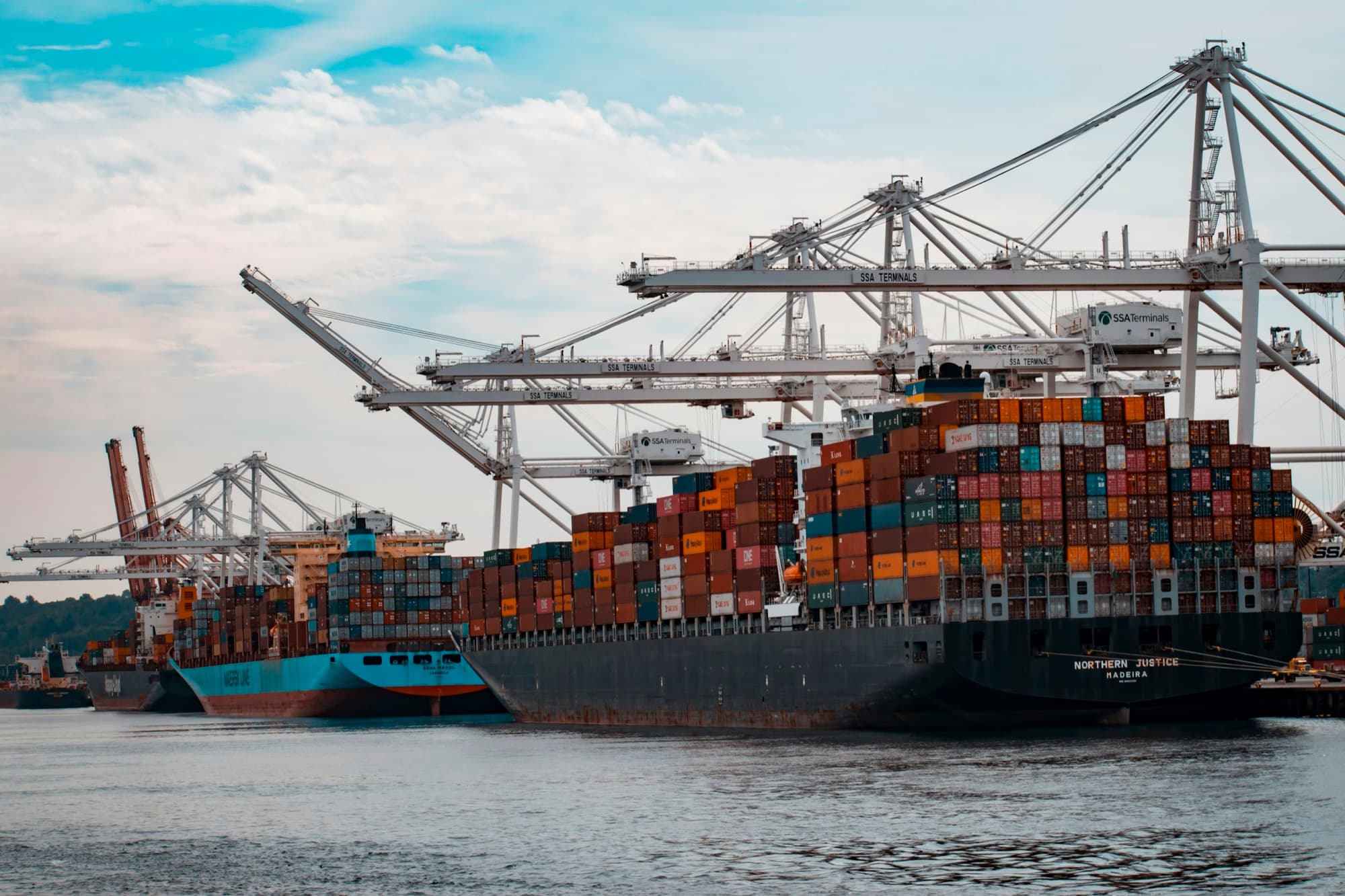 Offshore sourcing in 5052-H32
Parts made by vetted overseas manufacturers, with landed-cost analysis, quality control, and logistics managed.
What does a part in 5052-H32 cost?
A representative part, sheet metal. Raw material at about $6.00/kg is one line of it; process time and tooling usually matter more.
Bracket · Sheet metal
Order total $488
- Tooling
- None
- no hard tooling
- Piece price
- $3.68
- before setup + tooling
- Lead time
- 5–12 days
- to first production
Size
Drag a row to adjust · click to type
Width60.060.0 mm
Leg A (vertical)50.050.0 mm
Thickness2.002.00 mm
Quantity
Price per part falls as volume rises
Exact quantity100100 pcs
Material
Aluminum 5052-H32
Design checks pass
Open in builderBudgetary estimate for a representative part. Firm quotes come from principals after drawing review.


Compared head to head
5052-H32 questions
5052 vs 6061 for sheet metal?
Use 5052-H32 for anything bent. It forms tight radii without cracking where 6061-T6 needs 1.5–3× thickness. 6061-T6 is stronger (45 vs 33 ksi, 310 vs 228 MPa) and machines better, so it suits flat or machined plate parts.
What does H32 mean?
H32 means strain-hardened to quarter-hard and then stabilized with a low-temperature heat to prevent age softening. It balances strength and formability. H34 is harder; O temper is fully soft for deep drawing.
Is 5052 aluminum good for saltwater?
Yes. It is a marine-grade alloy with better salt-water resistance than 6061. For hulls and long-term immersion, 5083 and 5086 are the heavier-duty marine alternatives.
Can 5052 be anodized?
Yes. Type II clear and dyed colors work well. Color can shift slightly versus 6061, so anodize matching parts in the same alloy.
Similar materials


Quote it in 5052-H32.
Upload CAD or start from a template. The builder prices it in this material and the alternatives.