Loading page
Network line, now onboarding principals
Sheet metal fabrication
Sheet metal fabrication is the cutting, bending, and joining of flat metal sheet into parts using laser or punch cutting, press brake forming, welding, and hardware insertion. It needs no hard tooling, holds about ±0.005 in (±0.13 mm) on cut features and ±0.010 in (±0.25 mm) across bends, and suits one part to a few thousand a year.
Where it pays off
1101001k10k100k1M+
At a glance
No hard tooling, so prototypes and production use the same method. Above about 5,000–10,000 parts a year, a stamping die usually pays back.
- Material thickness
- 0.020–0.250 in (0.5–6.4 mm) typical
- Cut feature tolerance
- ±0.004–0.005 in (±0.10–0.13 mm) laser or punch
- Bend tolerance
- ±0.010–0.015 in (±0.25–0.38 mm) per bend; ±1° angle
- Sheet size
- Standard 48 × 96 in and 60 × 120 in (1.2 × 2.4 m and 1.5 × 3.0 m)
- Bend length
- Up to about 10 ft (3 m) on typical press brakes
- Minimum flange
- About 4× material thickness
- Minimum hole diameter
- About 1× material thickness
- Welding codes
- AWS D1.1 structural steel, D1.2 aluminum, D1.3 sheet steel, D1.6 stainless
Lead time
- First article
- 1–2 weeks
- Production
- 2–4 weeks per release, including finishing
What would it cost?
The builder's estimator on a representative bracket. Change a size, the quantity or the material and the price updates.
Bracket · Sheet metal
Order total $488
- Tooling
- None
- no hard tooling
- Piece price
- $3.68
- before setup + tooling
- Lead time
- 5–12 days
- to first production
Size
Drag a row to adjust · click to type
Width60.060.0 mm
Leg A (vertical)50.050.0 mm
Thickness2.002.00 mm
Quantity
Price per part falls as volume rises
Exact quantity100100 pcs
Material
Design checks pass
Open in builderBudgetary estimate for a representative part. Firm quotes come from principals after drawing review.
How does it work?
5 steps from drawing to production parts.
- 1
Flat pattern
The 3D model is unfolded into a flat pattern using the shop's bend allowances, and parts are nested on the sheet.
- 2
Cutting
A fiber laser or CNC turret punch cuts the blank, holes, and features from sheet.
- 3
Forming
CNC press brakes bend flanges in sequence using standard punches and V-dies.
- 4
Hardware and joining
Self-clinching nuts and studs are pressed in, and parts are MIG, TIG, or spot welded or riveted into assemblies.
- 5
Finish and assemble
Parts are deburred, cleaned, and powder coated, plated, or anodized, then assembled and inspected.
When is sheet metal the right call?
Best for
- Enclosures, chassis, panels, and brackets
- Prototype through low-to-medium production volumes
- Designs that change often, with no tooling to rework
- Welded frames and assemblies with self-clinching hardware
- Powder-coated finished assemblies
Pick something else when
- Above about 5,000–10,000 parts a year: metal stamping is cheaper per part
- Deep cups and cans: use deep drawn stamping
- Thick, complex 3D shapes: use die casting or CNC machining
Materials
8 materials principals run in sheet metal. Pick one for design rules, finishes and an estimate in that material.


Design rules that keep the price down
About 1× material thickness, or the shop's standard tooling radius
Use a standard inside bend radius
Standard radii avoid custom tooling and cracking.
Use the same inside radius on every bend
Keep one radius per part
Each radius change is a tool change.
At least 4× material thickness
Minimum flange length
Shorter flanges cannot span the V-die and slip during bending.
At least 2.5× thickness plus the bend radius
Hole-to-bend distance
Holes closer to a bend distort into ovals.
At least 1× material thickness
Minimum hole diameter
Smaller holes are slow to laser cut cleanly and break punches.
Relief width at least 1× thickness; length at least bend radius plus thickness
Add bend relief
Prevents tearing where a bend meets an edge.
Follow the fastener maker's minimum distance to edge and to bend
Respect hardware spacing
Hardware placed too close bulges the sheet or pulls out.
Stitch weld long seams and use tab-and-slot joints to self-fixture
Control weld distortion
Continuous welds on thin sheet warp panels.
What drives the cost?
In order of impact.
- 1
Cutting and bending time
Laser time scales with cut length and pierce count. Each bend adds a press brake hit and possibly a tool change.
- 2
Welding and assembly
Welding, grinding, and assembly are labor-heavy and often cost more than the cut and formed parts.
- 3
Material
Stainless and heavier gauges cost more per pound and cut more slowly than mild steel or aluminum.
- 4
Hardware
Each self-clinching insert is a pressing operation plus the cost of the hardware.
- 5
Finishing
Powder coat, plating, and masking add an outside step and several days.
Variants
- Laser cutting
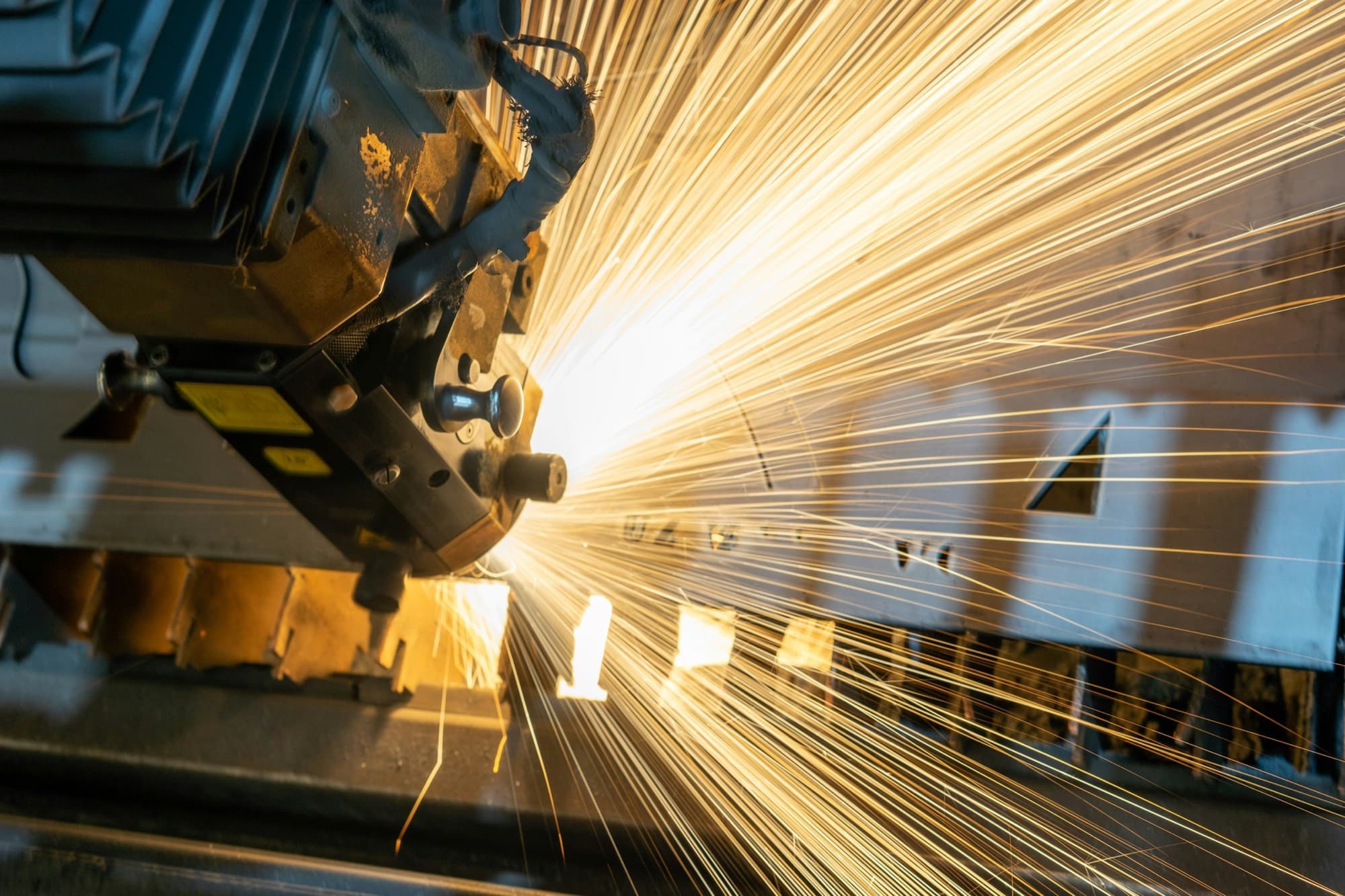
- Fiber lasers cut steel, stainless, and aluminum blanks directly from CAD files with no tooling.
- Turret punching
- CNC turrets punch holes and form louvers, extrusions, and embosses at high speed.
- Press brake forming
- CNC press brakes bend flanges with standard tooling, typically to ±1° of angle.
- Welding
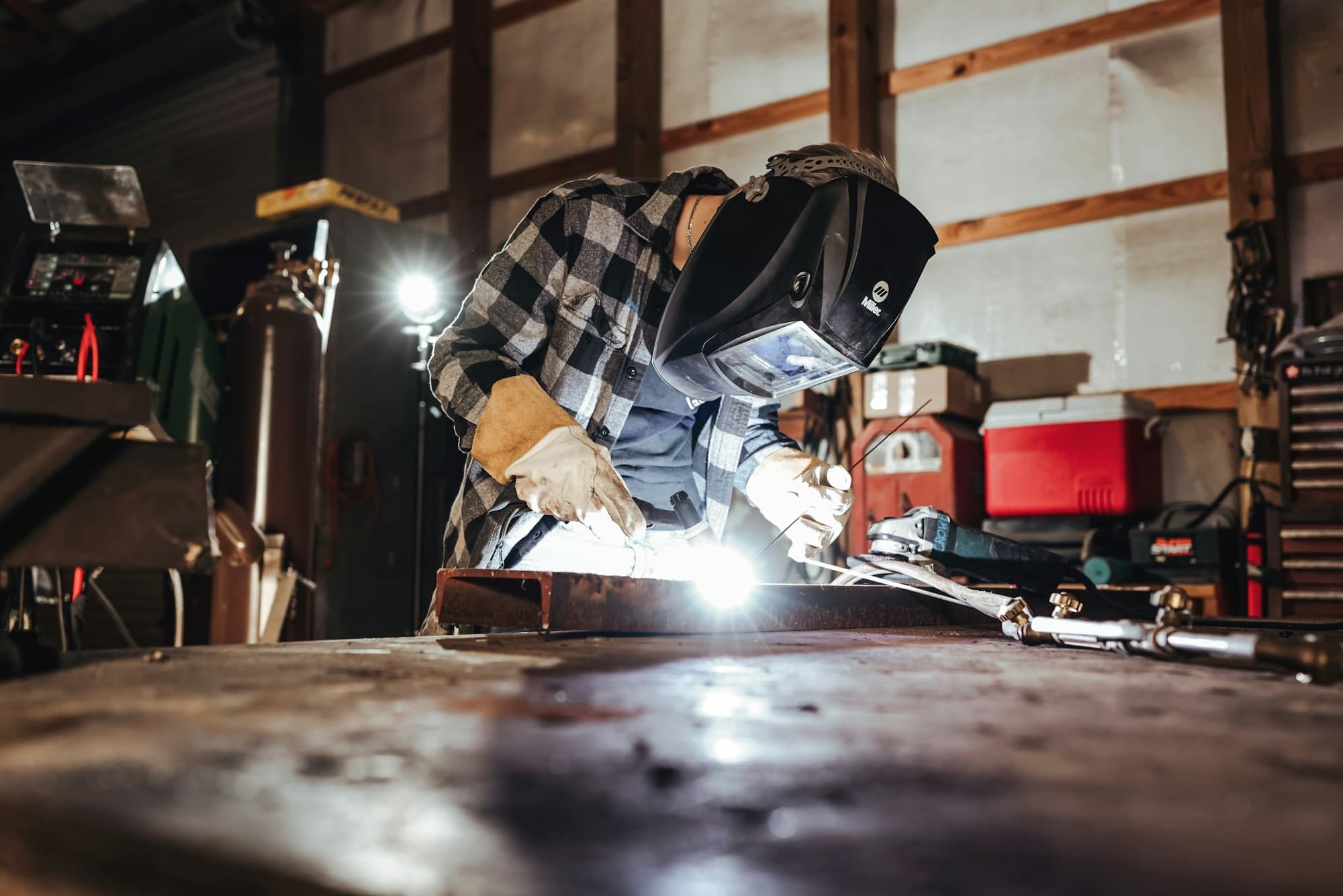
- MIG, TIG, and spot welding join parts into frames, enclosures, and brackets.
- Hardware insertion
- Self-clinching nuts, studs, and standoffs are pressed in to add threads to thin sheet.




Sheet metal questions
When should I use sheet metal fabrication instead of stamping?
Use fabrication for prototypes, low volumes, and designs still changing, because there is no tooling. Move to stamping when annual volume passes roughly 5,000–10,000 parts and the design is stable, since a die cuts piece price sharply.
What tolerances can sheet metal fabrication hold?
Laser-cut features typically hold ±0.005 in (±0.13 mm). Dimensions across a bend usually hold ±0.010–0.015 in (±0.25–0.38 mm), and bend angles ±1°. Tolerances stack with each bend.
What thickness can be fabricated?
Most shops work 0.020–0.250 in (0.5–6.4 mm), roughly 24 gauge to 1/4 in plate. Thicker plate is cut and formed on heavier equipment.
How long does sheet metal fabrication take?
Simple parts often ship in 1–2 weeks. Welded, finished assemblies typically take 2–4 weeks, including powder coat or plating.
What is the minimum bend radius for sheet metal?
For mild steel, an inside radius equal to the material thickness is a safe default. Aluminum 5052-H32 bends at about 1× thickness in common gauges, but 6061-T6 needs about 1.5–3×, more in thick gauges, to avoid cracking.
Related processes
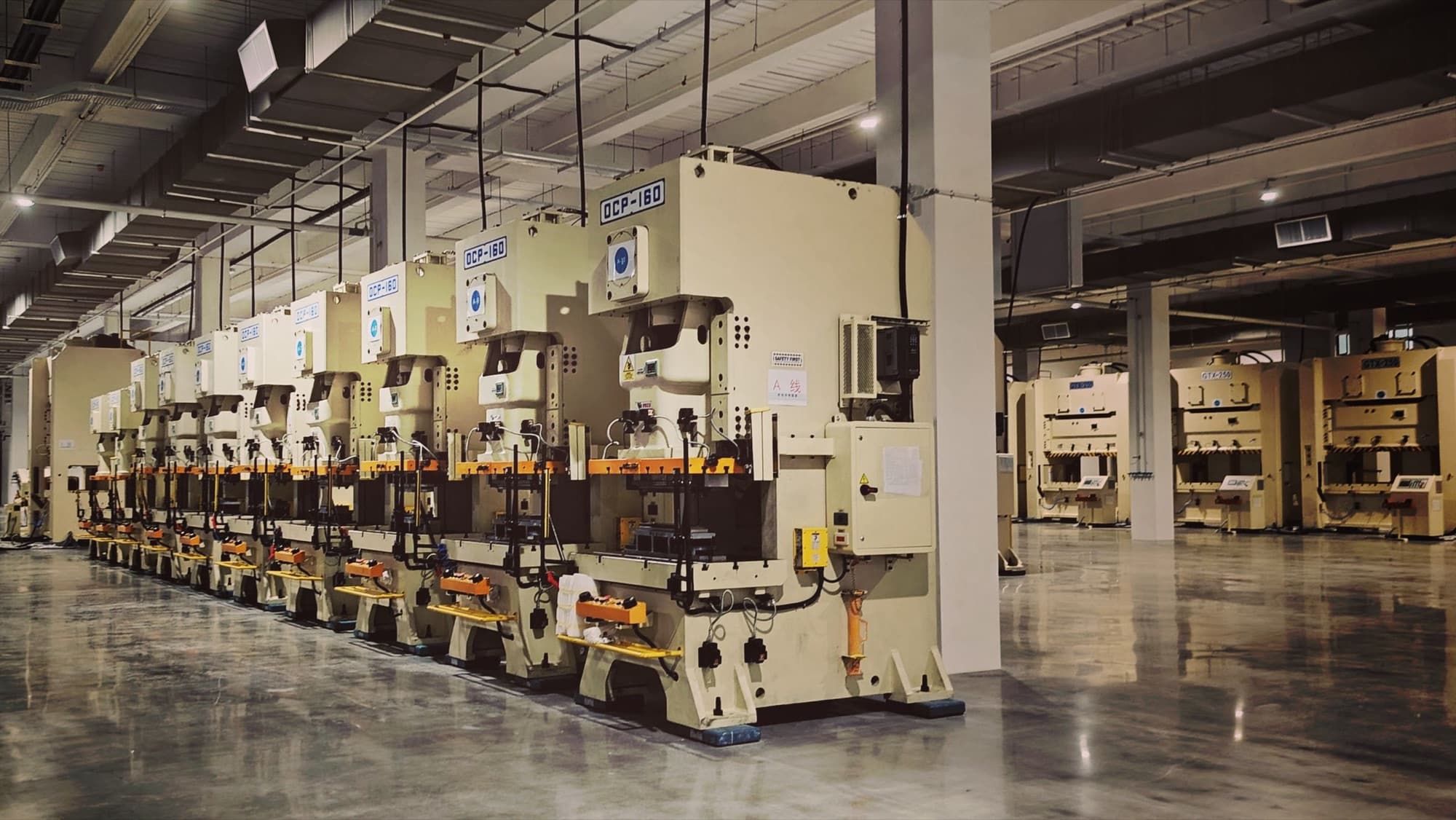 Stamping
Short- to medium-run stampings: brackets, clips, shields, and plates cut and formed from sheet or coil in a press.
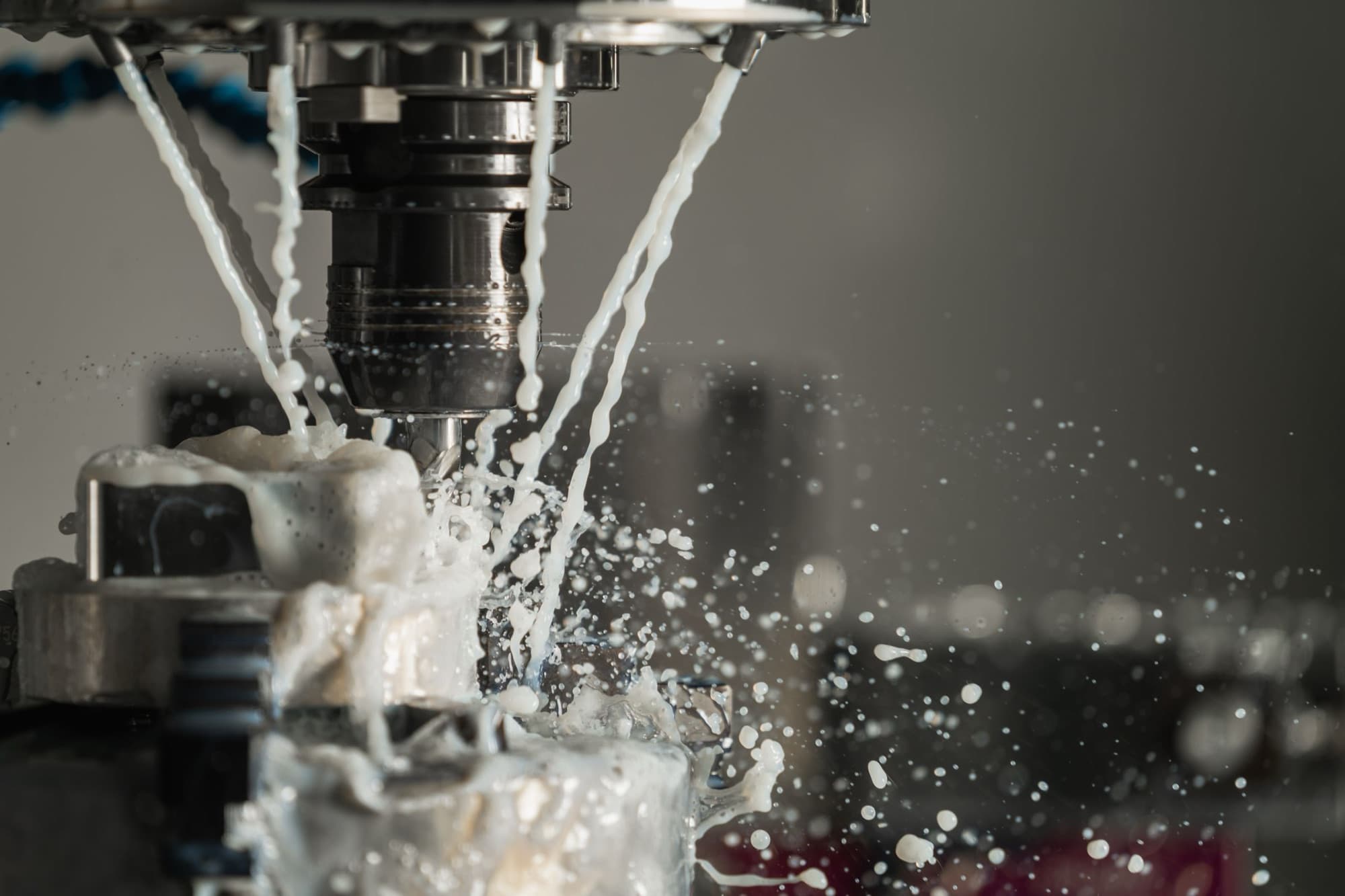 CNC machining
CNC milling, turning, and production sawing from bar, plate, castings, and forgings, from prototype to production.
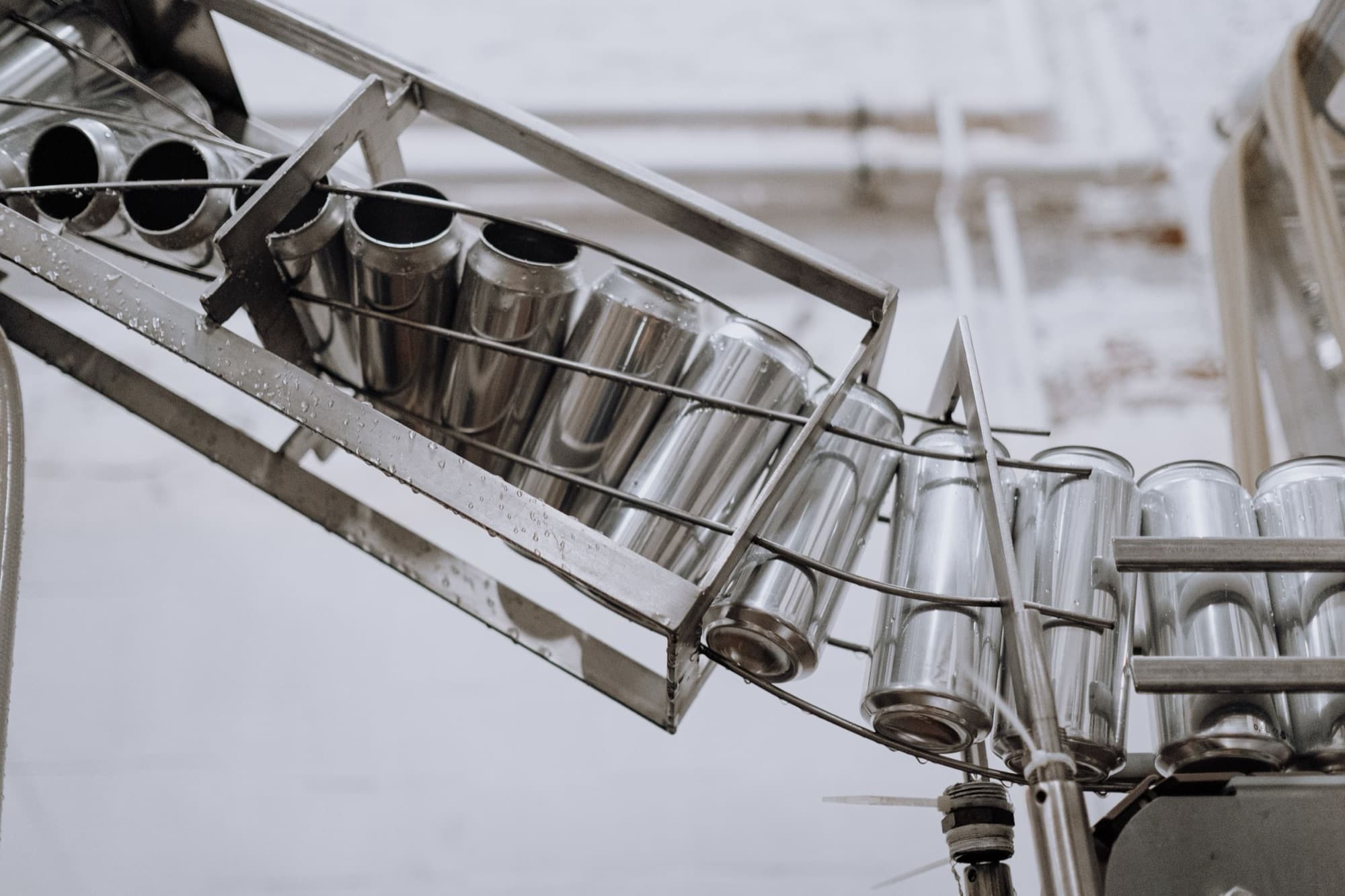 Deep draw
One-piece cups, cans, shells, and housings drawn from flat blanks, with depth that can exceed the diameter.
Quote sheet metal today.
Drop a STEP file for an instant estimate and DFM check. A rep routes the RFQ to principals who run this process every day.