Loading page
Core line, represented 25+ years
Soft goods design and manufacturing
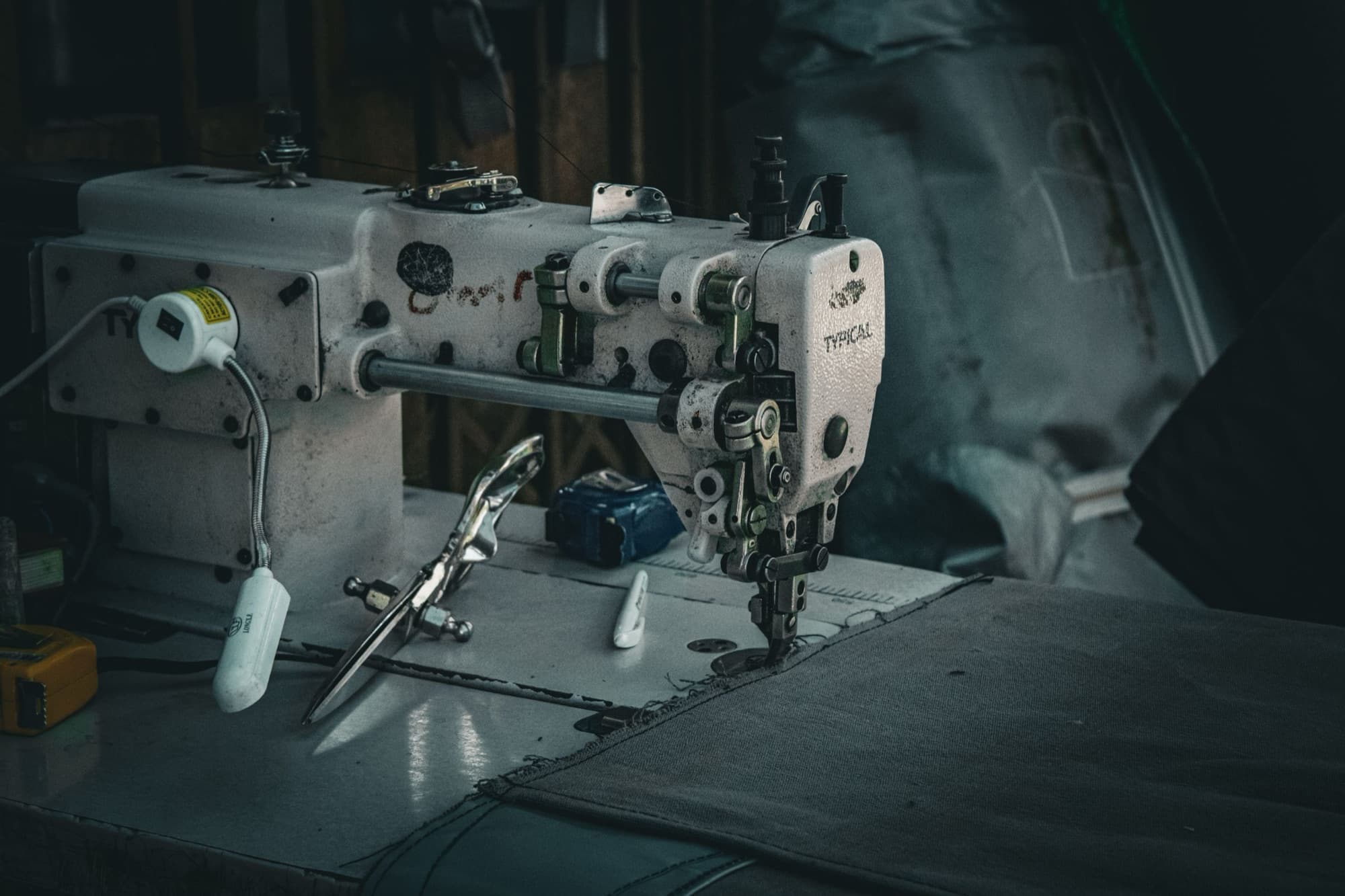
Soft goods manufacturing is the design, cutting, and sewing of fabric, webbing, foam, and vinyl into finished products such as equipment covers, bags, cases, straps, and cushions. Patterns are digitized, material is cut by die, knife, or laser, and panels are sewn or welded. Tooling is minimal, so domestic runs from about 100–500 pieces are practical.
Where it pays off
1101001k10k100k1M+
At a glance
Little tooling means short runs are practical. Labor is the main cost, so very high volumes of simple items often move offshore.
- Sewn dimension tolerance
- ±0.125–0.25 in (±3–6 mm) typical
- Cut panel tolerance
- ±0.03–0.06 in (±0.8–1.5 mm) for die- or laser-cut panels
- Seam allowance
- 0.375–0.5 in (10–13 mm) typical
- Stitch density
- 6–10 stitches per inch (about 2.5–4 per cm)
- Thread
- Bonded nylon or polyester, Tex 70–135 common for bags and covers
- Fabric weights
- 200D–1000D coated nylon and polyester; vinyl-coated polyester 10–22 oz/yd² (340–750 g/m²)
- Panel size
- Up to about 60 in (1.5 m) wide from standard rolls; larger by seaming
- Tooling cost
- Steel-rule dies about $200–$1,500 each; none for knife or laser cutting
- Inspection
- ANSI/ASQ Z1.4 sampling; AQL 2.5 major and 4.0 minor common
Lead time
- Tooling
- 1–2 weeks for steel-rule dies, if used
- First article
- 2–4 weeks for a first sample
- Production
- 4–8 weeks per release
What would it cost?
The builder's estimator on a representative soft case. Change a size, the quantity or the material and the price updates.
Soft case · Soft goods
Order total $34,320
- Tooling
- $1,070
- one-time, spread over the order
- Piece price
- $33.00
- before setup + tooling
- Lead time
- 4–6 weeks
- to first production
Size
Drag a row to adjust · click to type
Width320320 mm
Height220220 mm
Depth9090 mm
Quantity
Price per part falls as volume rises
Exact quantity10001000 pcs
Material
Design checks pass
Open in builderBudgetary estimate for a representative part. Firm quotes come from principals after drawing review.
How does it work?
5 steps from drawing to production parts.
- 1
Design and patterning
The product is sketched or modeled, and flat patterns are drafted and digitized. Fabric, thread, and hardware are specified.
- 2
Prototype sample
A sample is cut and sewn, fit-checked on the equipment or product, and revised.
- 3
Marker making and cutting
Patterns are nested into a marker to reduce waste. Fabric is spread and cut by steel-rule die, automated knife, or laser.
- 4
Sewing and assembly
Panels are joined with lockstitch, bartack, and binding operations. Zippers, buckles, and grommets are attached.
- 5
Finishing and inspection
Threads are trimmed and seams checked. Lots are inspected to an AQL sampling plan before packing.
When is soft goods the right call?
Best for
- Equipment and machine covers, dust covers, and boots
- Tool bags, carrying cases, and pouches
- Straps, harnesses, and webbing assemblies
- Seat cushions, pads, and upholstered components
- Industrial textiles such as curtains, guards, and wraps
- Branded accessories packed with OEM products
Pick something else when
- Hard cases that must stack or resist crushing: use plastic injection molding
- Molded seals and boots that must be watertight: use rubber extrusion and molding
- Very high volumes of simple, labor-heavy items: offshore sourcing usually lands lower
Materials
5 materials principals run in soft goods. Pick one for design rules, finishes and an estimate in that material.


Design rules that keep the price down
0.375–0.5 in (10–13 mm)
Allow enough seam allowance
Too little allowance frays out, and too much adds bulk and fabric cost.
6–10 stitches per inch
Set stitch density
Too few stitches weaken seams; too many perforate and tear coated fabrics.
Bartack or box-X stitch every strap and handle attachment
Reinforce load points
Handles and straps concentrate load at the seam ends.
About Tex 70 for light fabrics; Tex 135 for heavy webbing and 1000D
Match thread to fabric
Thread that is too light fails before the fabric, and thread that is too heavy puckers seams.
0.25–0.5 in (6–13 mm) over the equipment dimensions
Add ease to covers
Covers need clearance to fit over the part and allow for sewing tolerance.
Stock #5, #8, or #10 zippers and 1–2 in (25–50 mm) webbing
Use standard hardware
Custom hardware adds minimum orders and weeks of lead time.
RF welding or seam tape; no needle holes on the wet side
Weld or tape waterproof seams
Every stitch hole is a leak path.
UV-stabilized or solution-dyed polyester with polyester or PTFE thread
Specify UV-resistant materials outdoors
Nylon fabric and thread lose strength faster in sunlight.
What drives the cost?
In order of impact.
- 1
Sewing labor
Labor minutes per unit usually drive price. Every panel, seam, and hardware attachment adds time.
- 2
Fabric and yield
Technical fabrics such as 1000D Cordura cost more per yard, and pattern nesting decides how much of each roll is used.
- 3
Hardware and trims
Zippers, buckles, snaps, and custom-molded hardware can cost more than the fabric on small items.
- 4
Waterproofing and special construction
RF welding, seam taping, binding, and foam lamination add equipment and steps.
- 5
Branding and packaging
Screen printing, embroidery, woven labels, and retail packaging add cost per unit.
Variants
- Cut and sew
- Fabric panels are cut and stitched on industrial lockstitch and specialty machines. The standard method for bags, covers, and cases.
- RF and heat welding
- Radio-frequency or hot-air welding fuses vinyl, TPU, and coated fabrics into waterproof seams with no needle holes.
- Die cutting and laser cutting
- Steel-rule dies, CNC knives, or lasers cut fabric, foam, and felt panels. Lasers also seal synthetic edges.
- Webbing assemblies
- Webbing is cut, hot-knife sealed, and sewn with buckles, D-rings, and hooks into straps and harnesses.
- Foam lamination and upholstery
- Foam is cut, laminated, and covered to make cushions, pads, and seats.



Soft goods questions
What is the minimum order for custom soft goods?
Domestic cut-and-sew shops often start at 100–500 units per style. Offshore factories commonly require 500–1,000 or more per style and color. Samples come first, usually 1–5 units.
How long does it take to develop a custom bag or cover?
Pattern development and a first sample typically take 2–4 weeks, and each revision adds 1–2 weeks. Production then runs 4–8 weeks domestically, or 8–14 weeks offshore including ocean freight.
What is the difference between 600D and 1000D fabric?
Denier (D) is yarn weight in grams per 9,000 meters. 1000D nylon is heavier and more abrasion resistant than 600D polyester, which is lighter, cheaper, and more UV resistant.
Can sewn products be waterproof?
Coated fabrics such as vinyl-coated polyester or TPU-laminated nylon are waterproof, but stitched seams leak. Waterproof products use RF-welded seams, or seam tape over stitching.
What do I need to get a soft goods quote?
A sketch or 3D model with overall dimensions, the fabric and hardware you want, and the quantity is enough for a budgetary quote. A physical sample or flat patterns speed up a firm quote.
Is soft goods tooling expensive?
Usually not. Knife and laser cutting need no tooling, and steel-rule dies typically cost $200–$1,500 each. Custom-molded hardware or printed fabric adds setup cost.
Related processes
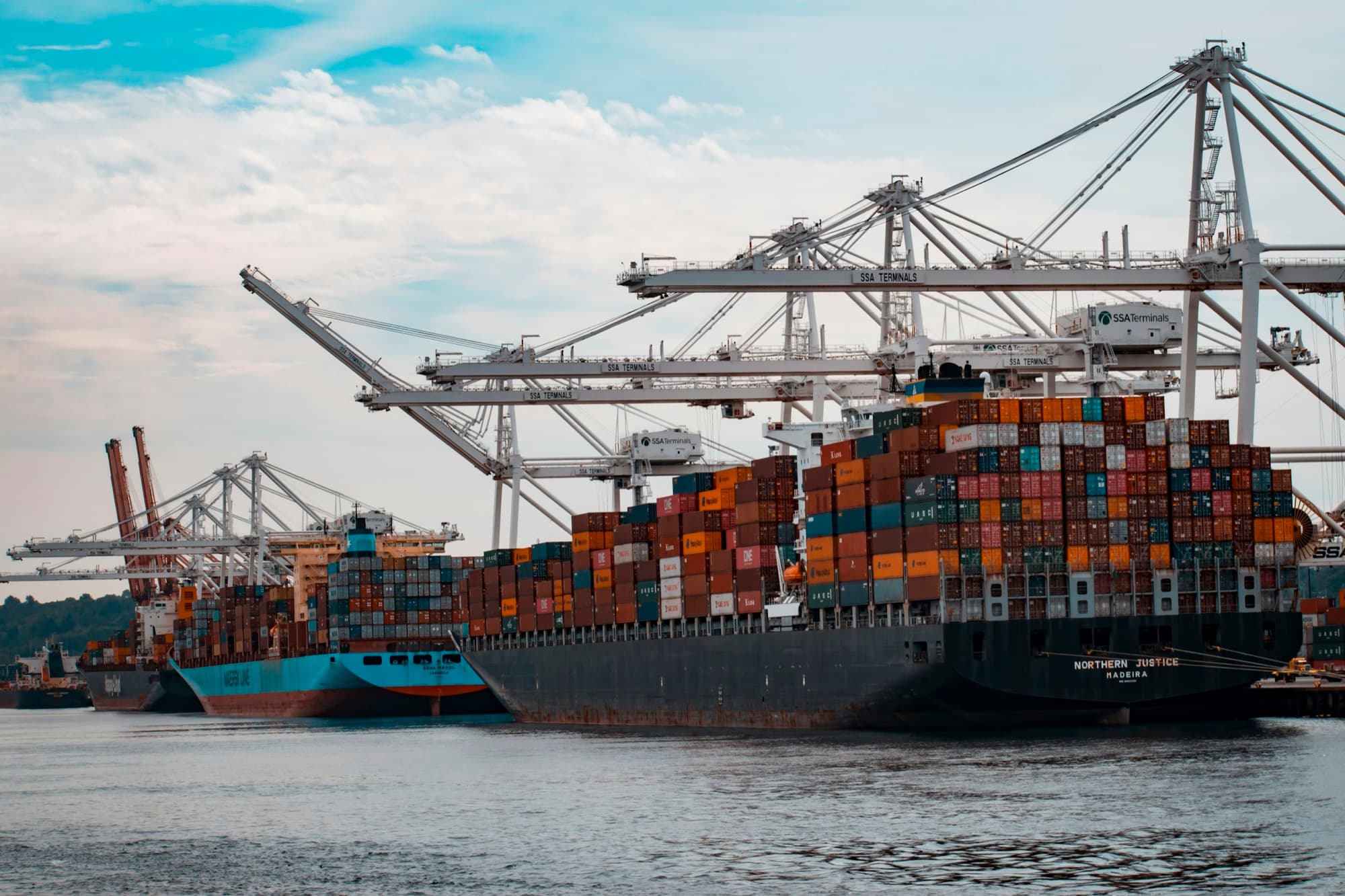 Offshore sourcing
Parts made by vetted overseas manufacturers, with landed-cost analysis, quality control, and logistics managed.
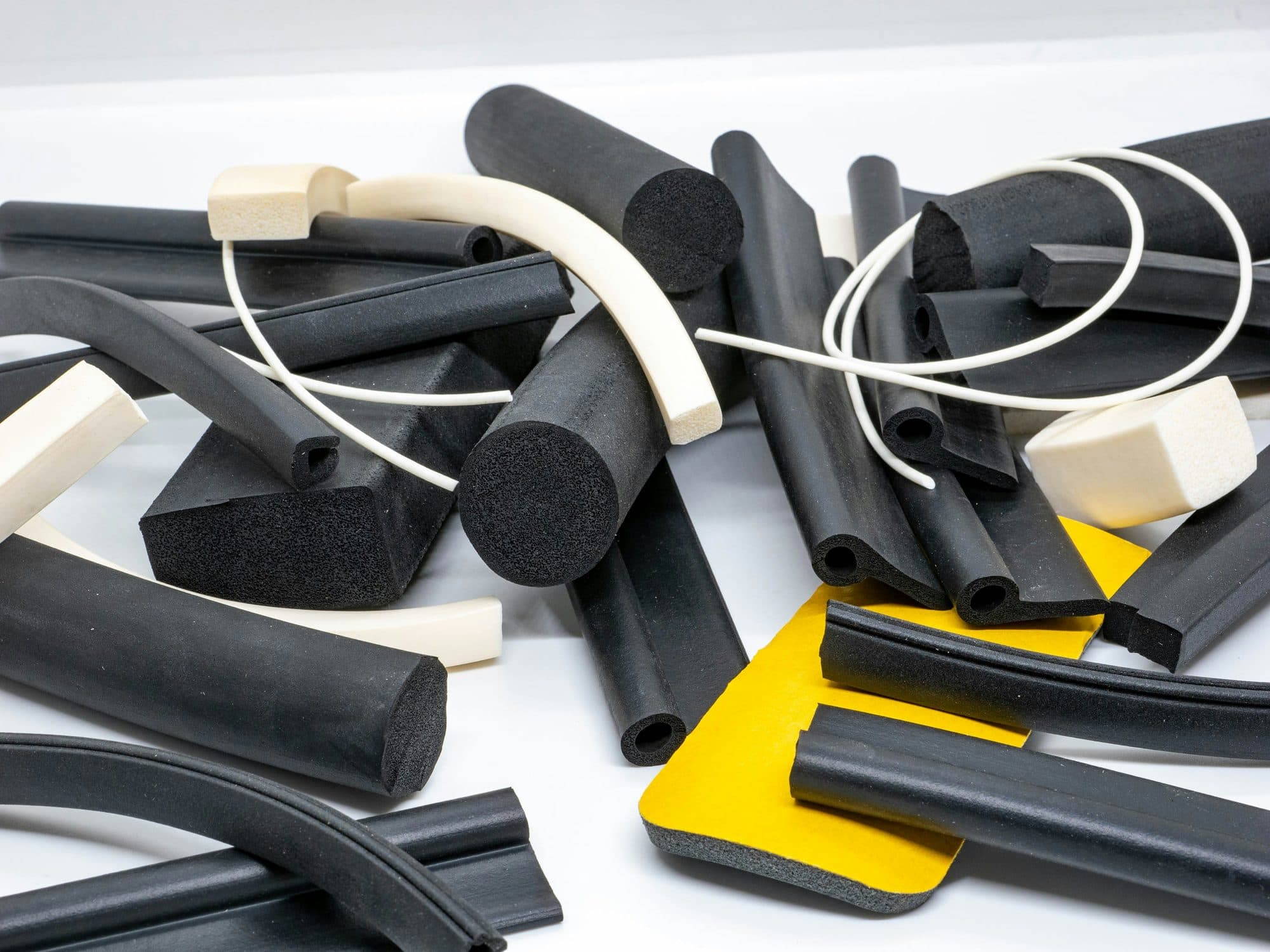 Rubber
Seals, gaskets, grommets, and profiles extruded or molded in EPDM, silicone, nitrile, neoprene, FKM, and TPE.
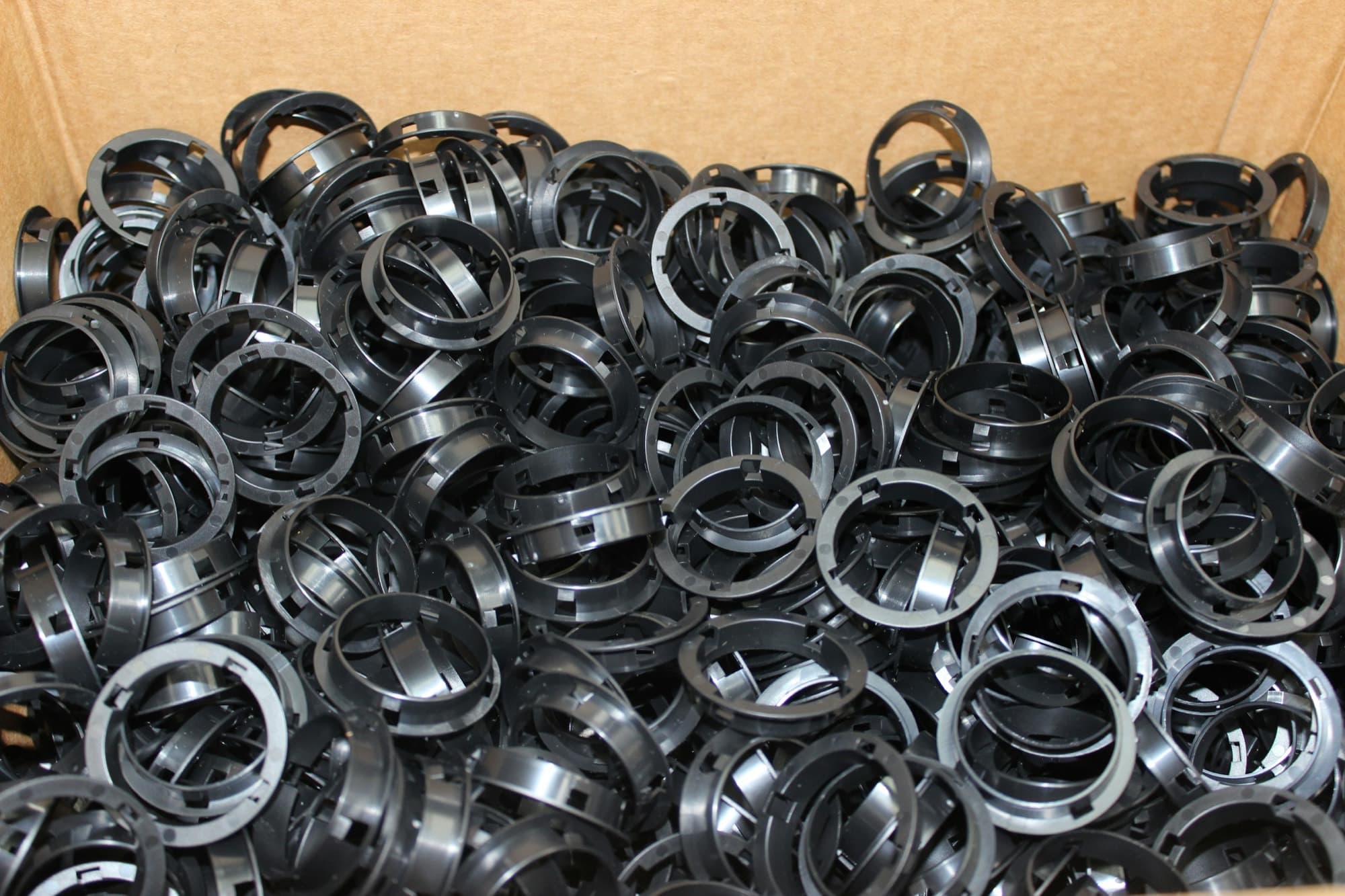 Injection molding
Molten thermoplastic injected into a steel or aluminum mold. Lowest piece price for plastic parts at 5,000+ a year.
Quote soft goods today.
Drop a STEP file for an instant estimate and DFM check. A rep routes the RFQ to principals who run this process every day.