Loading page
Network line, now onboarding principals
How do robotics and automation companies source precision parts at low to mid volume?
Robotics and automation companies source arm links, end effectors, and gearbox housings as machined aluminum and steel, enclosures as sheet metal, and covers as molded or cast urethane parts, often moving to die casting and powder metal as volume grows. Designs change often, so revision control matters. SSG is adding principals for this work through its network.
- Part families
- 12
- Processes
- 8
- Materials
- 10
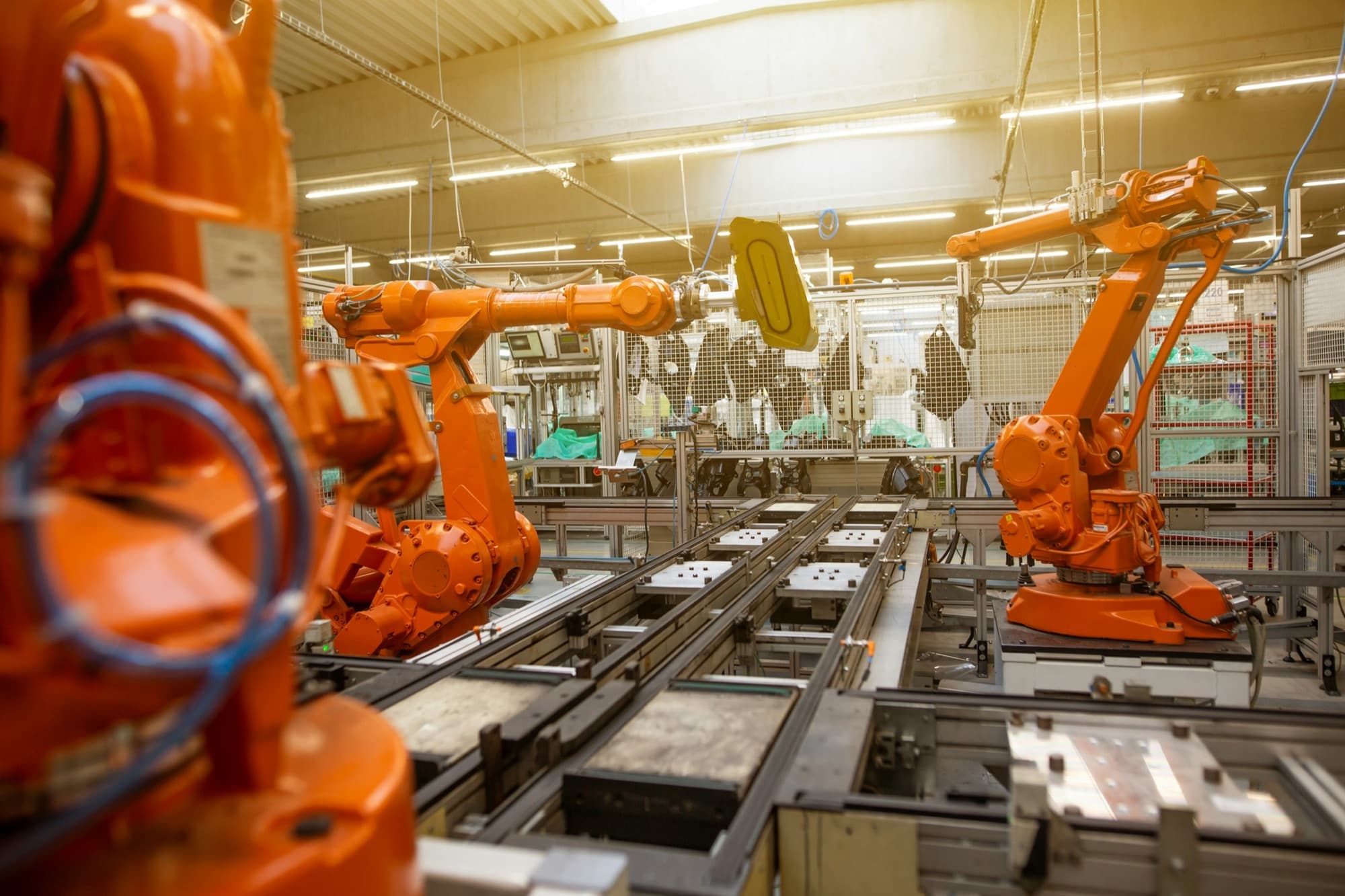
Parts we source for this industry
- 01Machined aluminum arm links and end effector plates
- 02Gearbox and joint housings
- 03Swiss turned precision shafts and spacers
- 04Powder metal planetary gears
- 05Sheet metal enclosures, guards, and control cabinets
- 06Gripper fingers and tooling plates
- 07Molded and cast urethane covers
- 08Compliance and return springs
- 09TPE and silicone boots and bellows
- 10Stamped sensor brackets and mounts
- 11Cable carrier links and brackets
- 12Die cast servo motor housings
How these parts are made
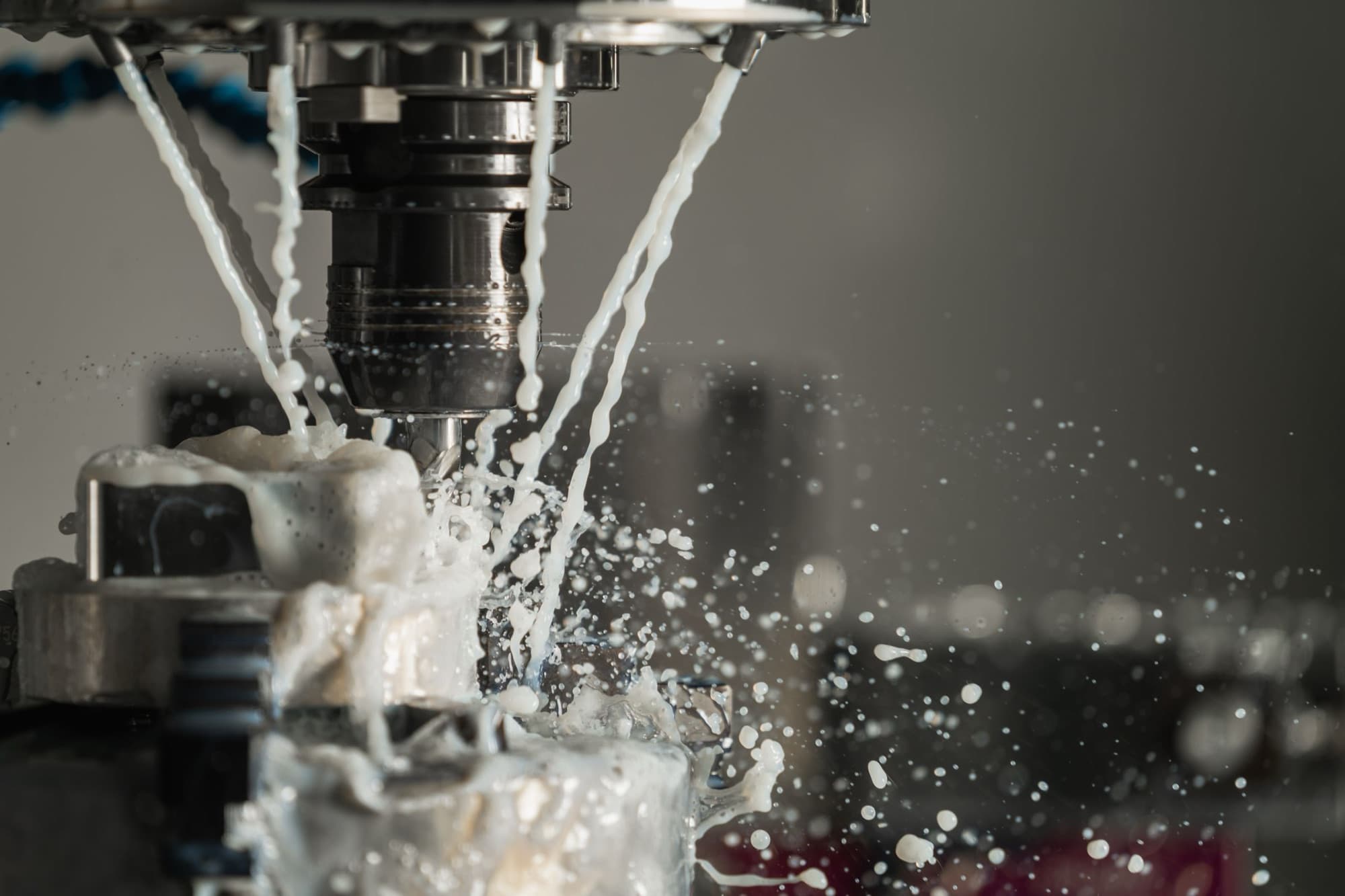 CNC machining
CNC milling, turning, and production sawing from bar, plate, castings, and forgings, from prototype to production.
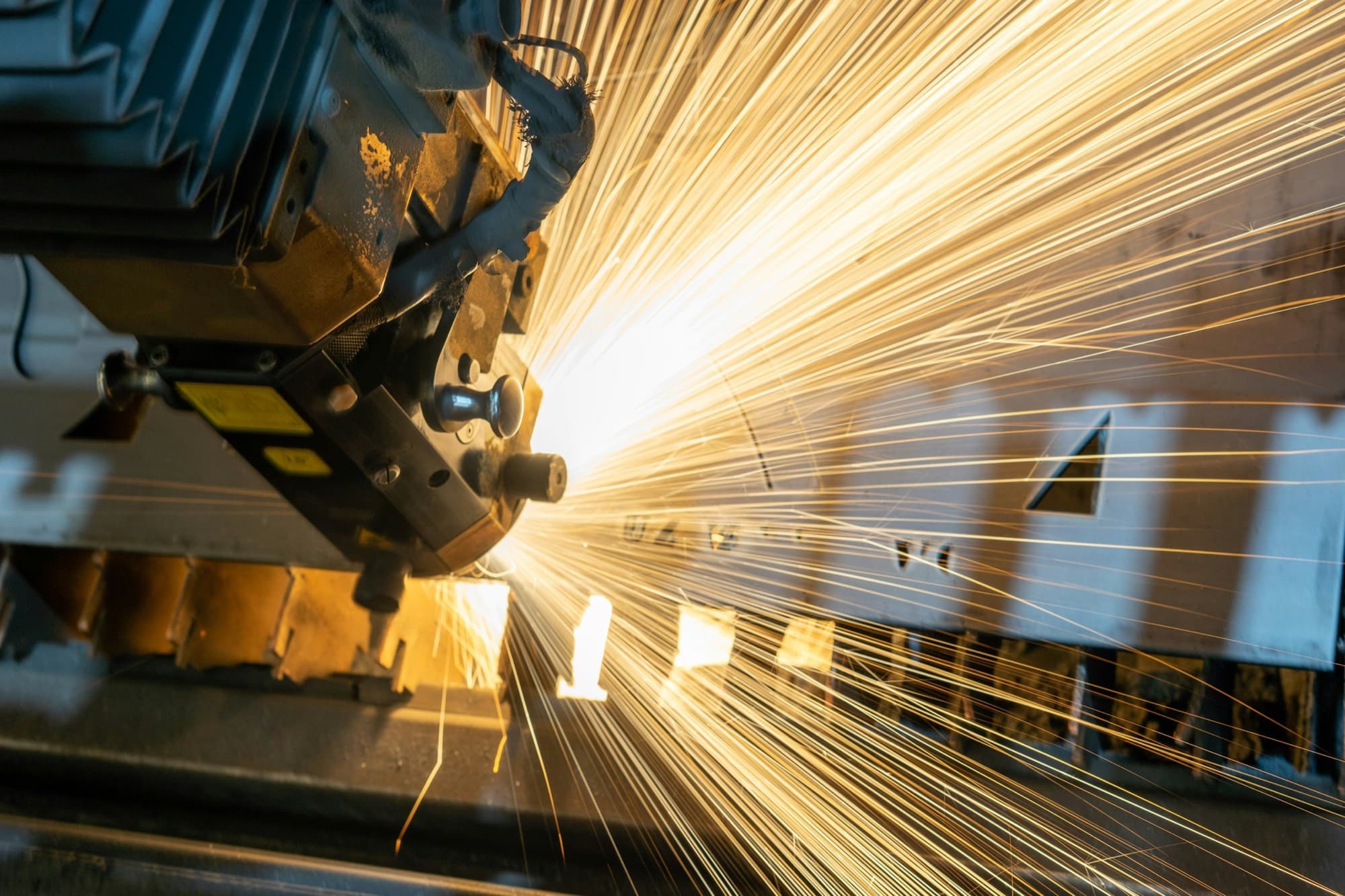 Sheet metal
Laser-cut, punched, bent, and welded sheet metal enclosures, brackets, and chassis with no hard tooling.
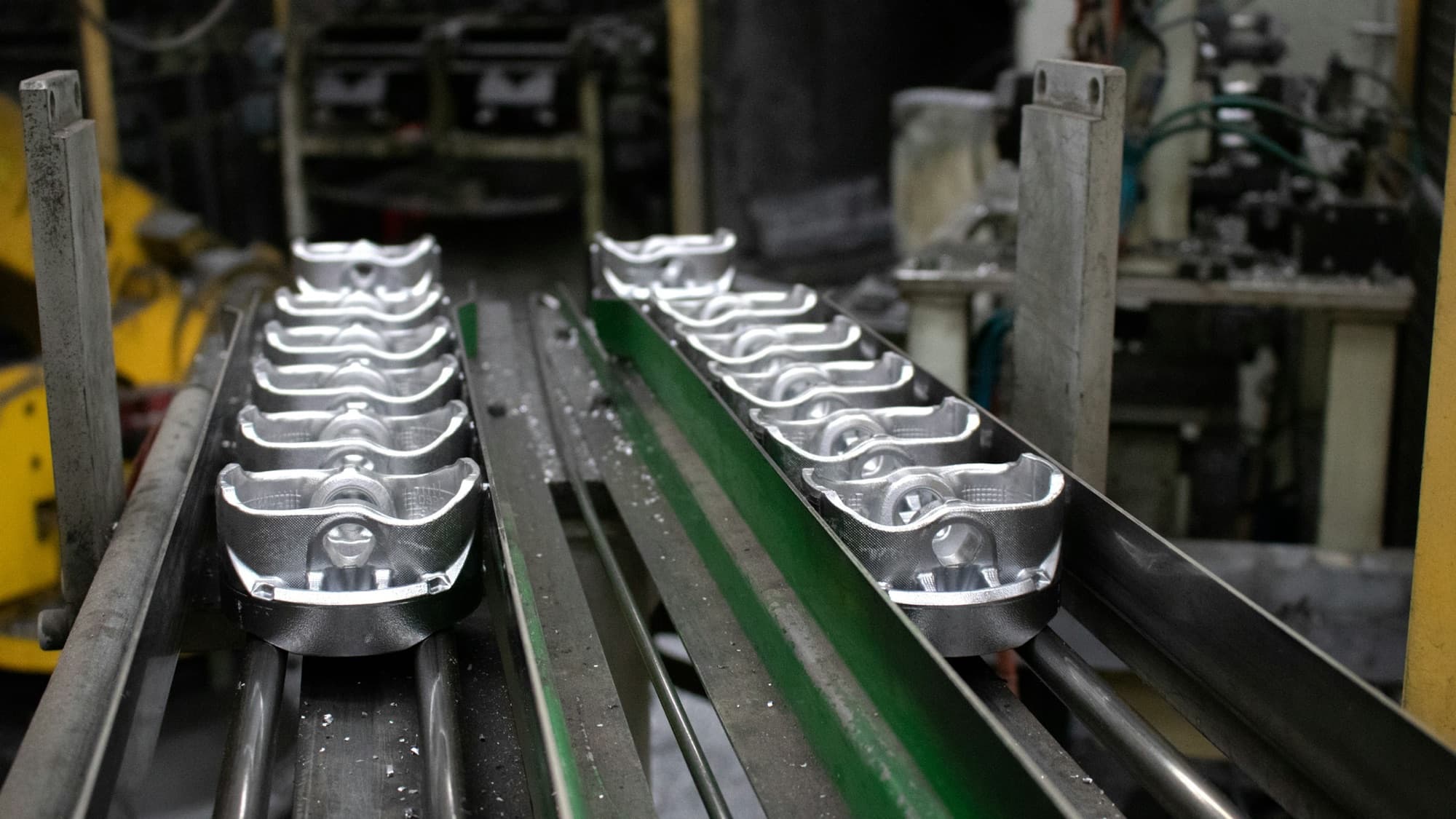 Die casting
Molten zinc or aluminum injected into steel dies at high pressure. Thin walls and net shape at 2,500+ parts a year.
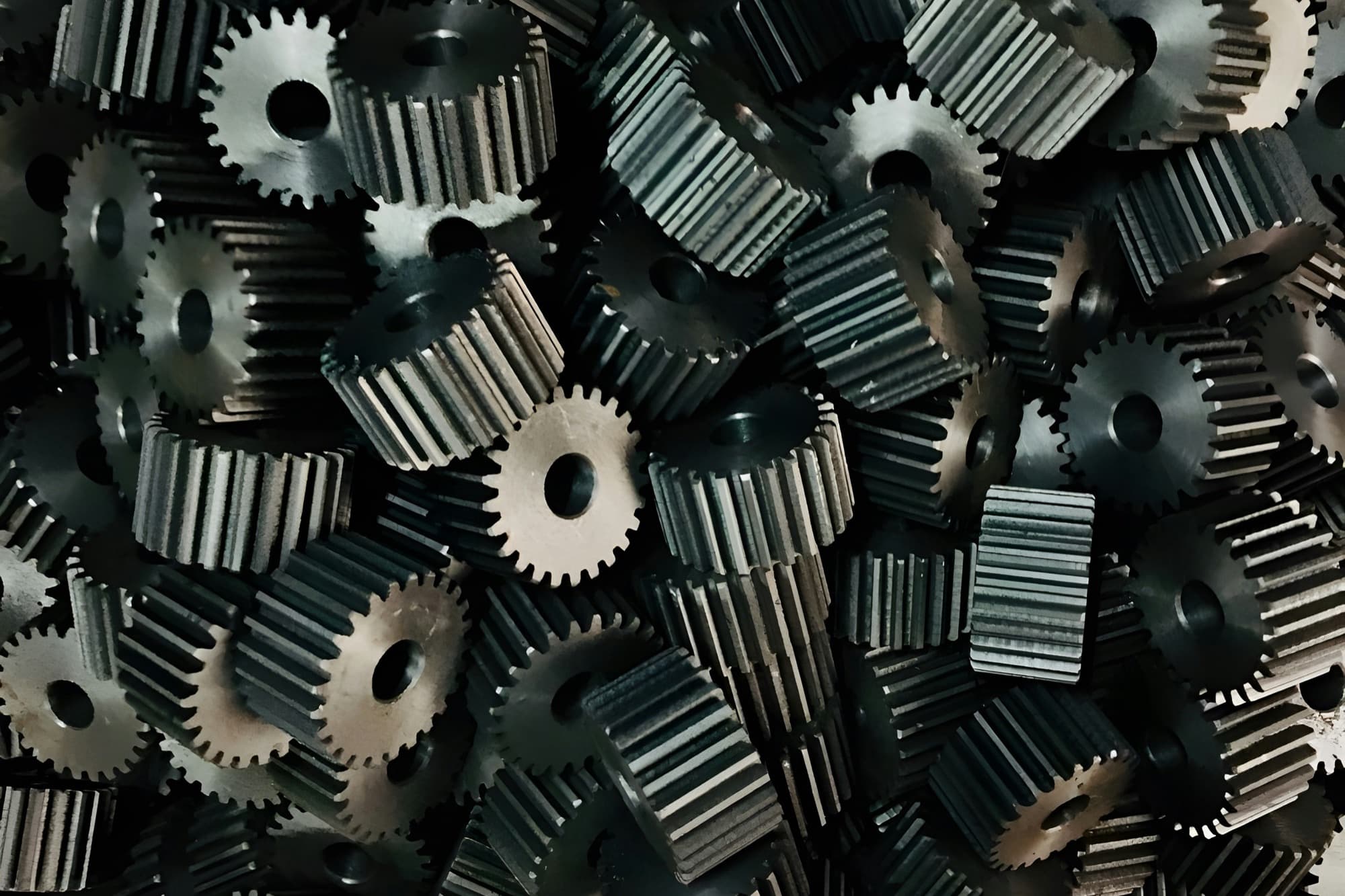 Powdered metal
Net-shape gears, bushings, and structural parts pressed from metal powder and sintered, with little or no machining.
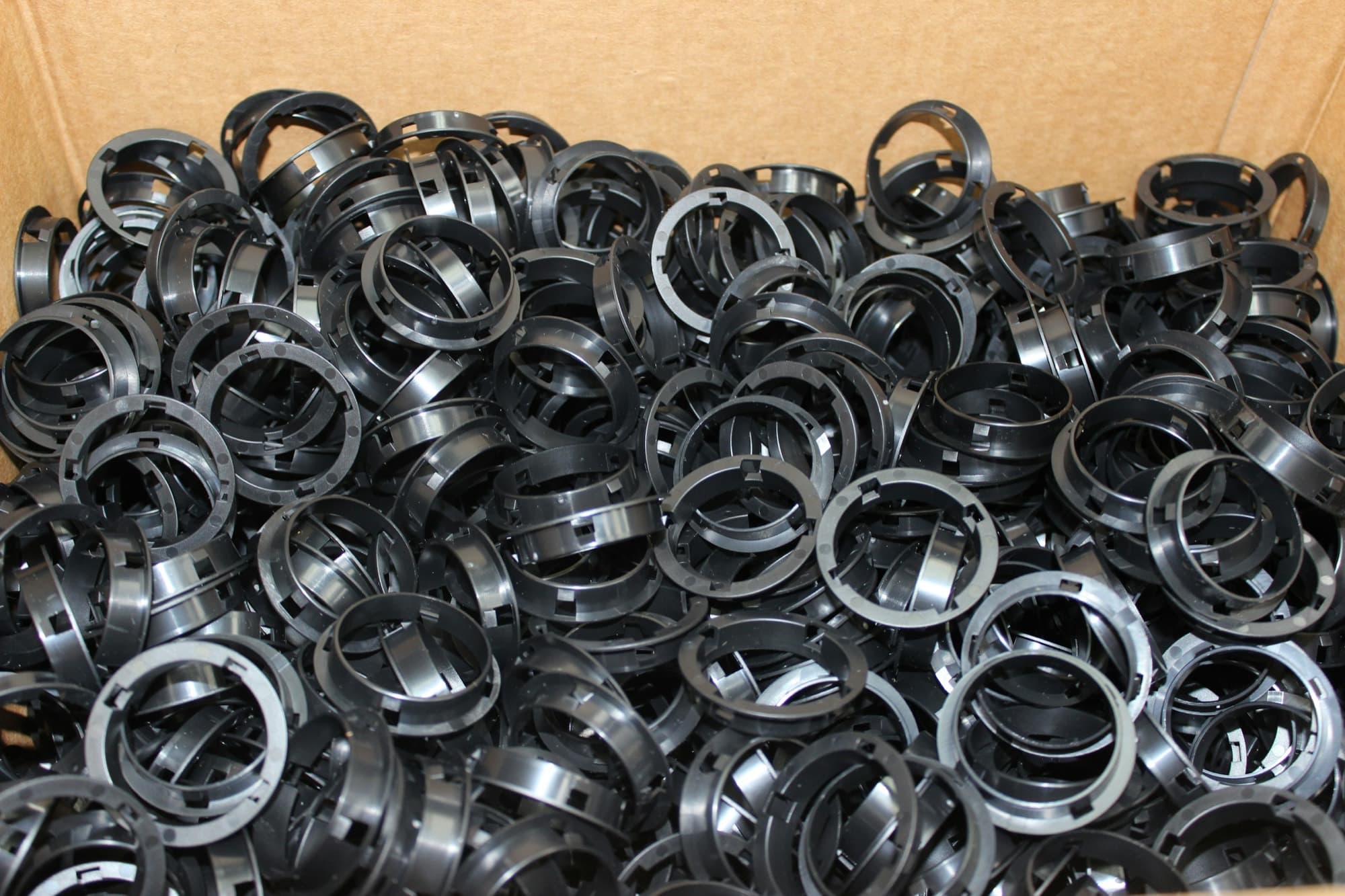 Injection molding
Molten thermoplastic injected into a steel or aluminum mold. Lowest piece price for plastic parts at 5,000+ a year.
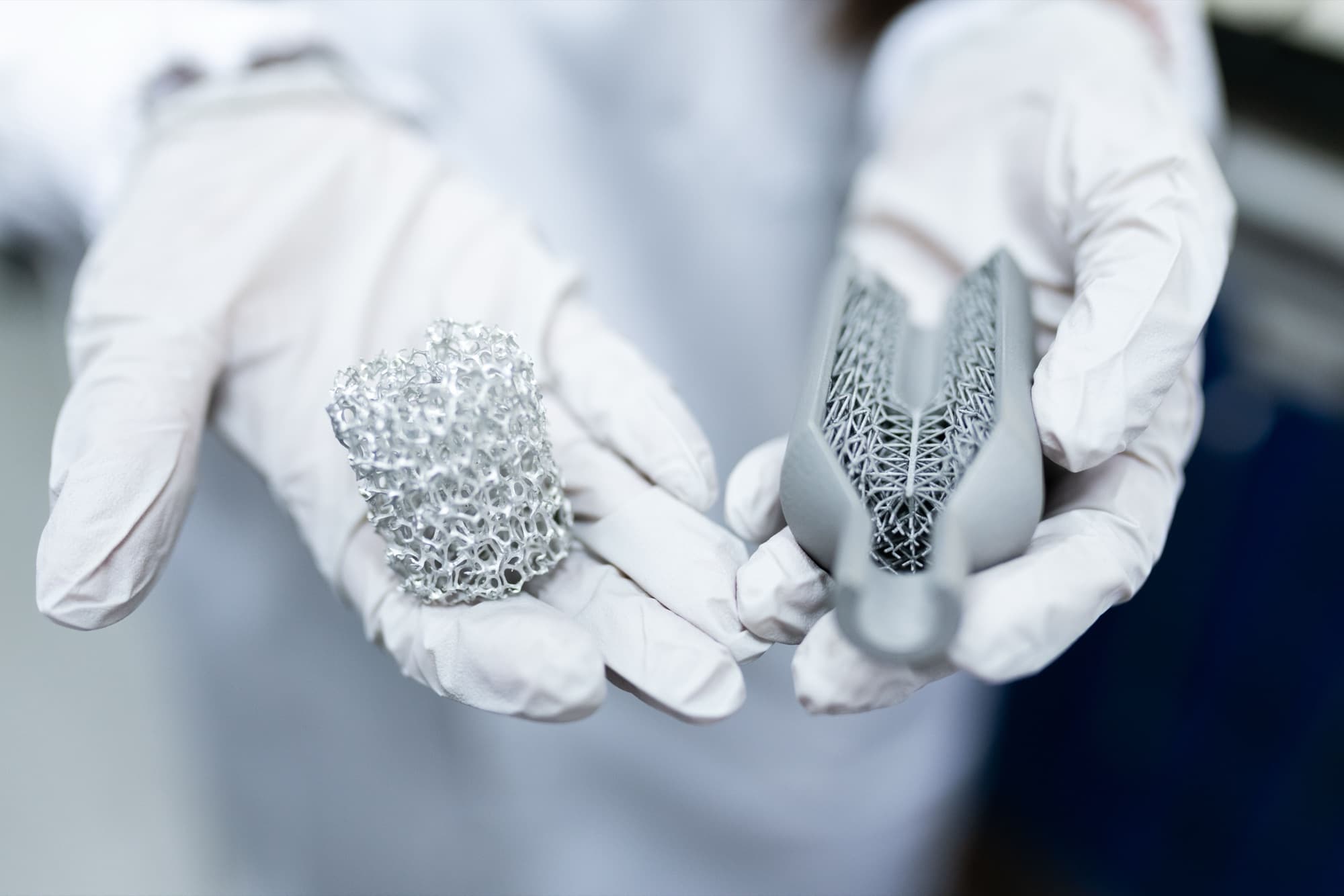 3D printing
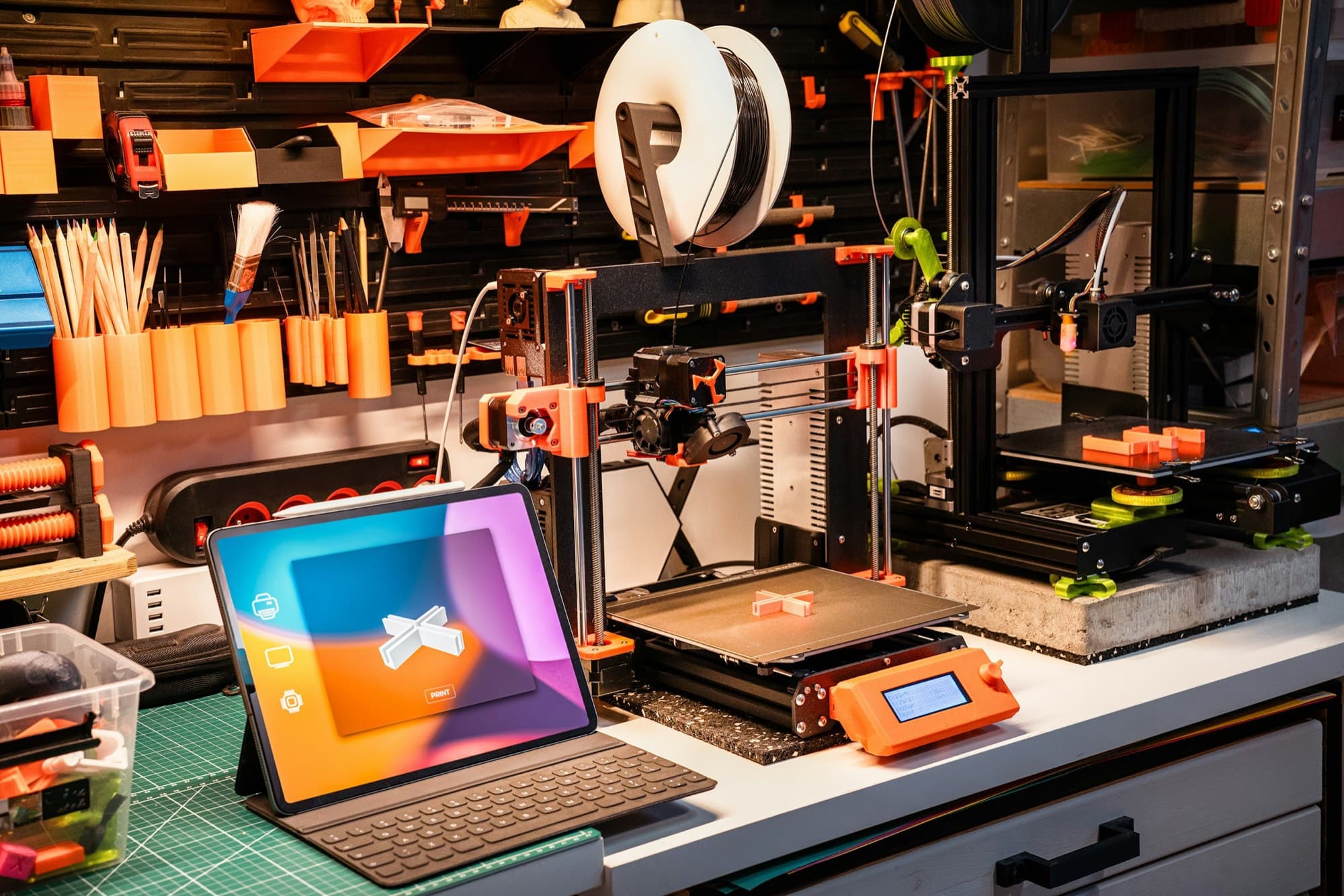
SLS, MJF, SLA, FDM, and metal printing for prototypes, fixtures, and low-volume production parts.
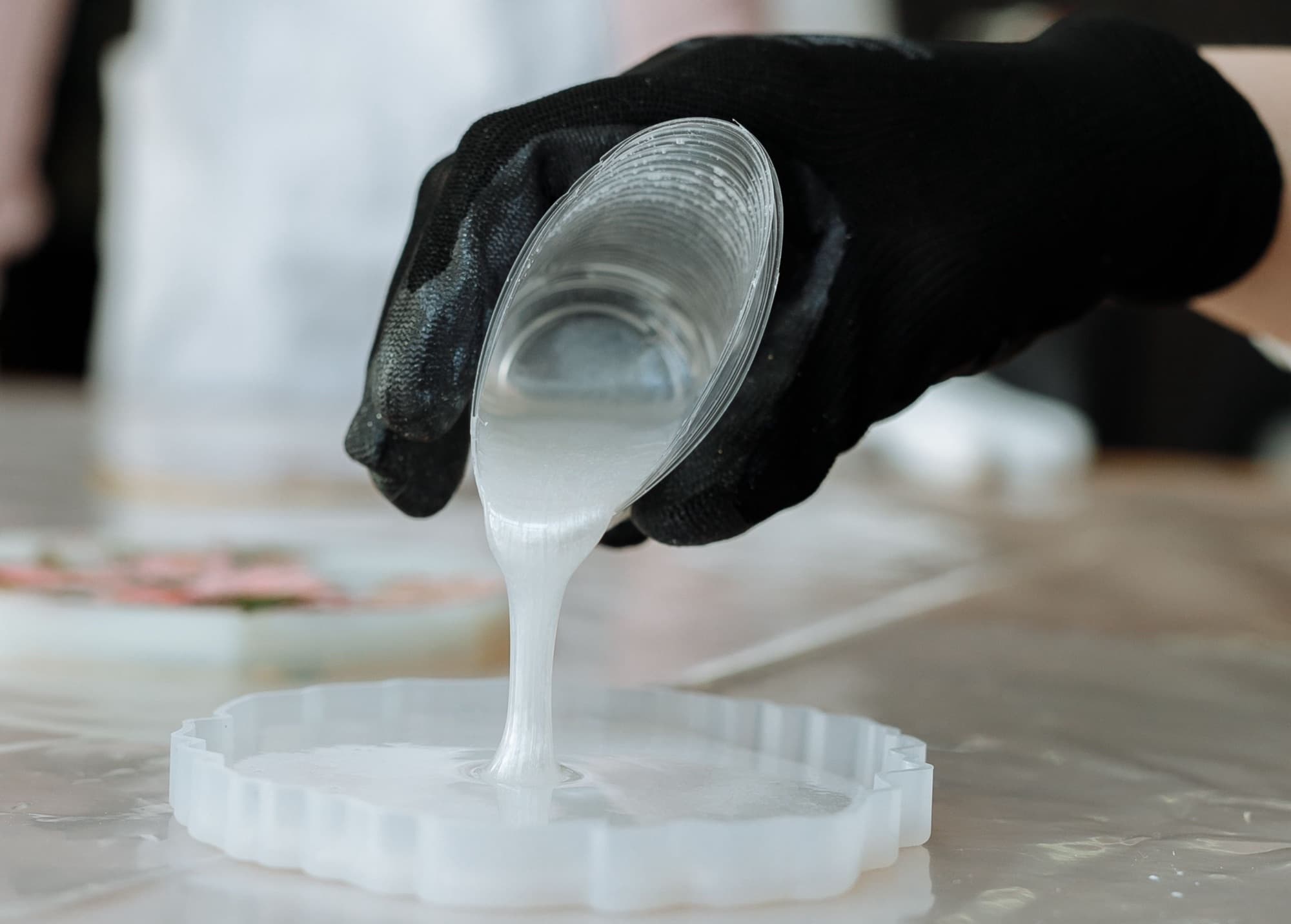 Urethane casting
Production-like plastic and rubber parts cast in silicone molds, typically 10–200 parts in one to two weeks.
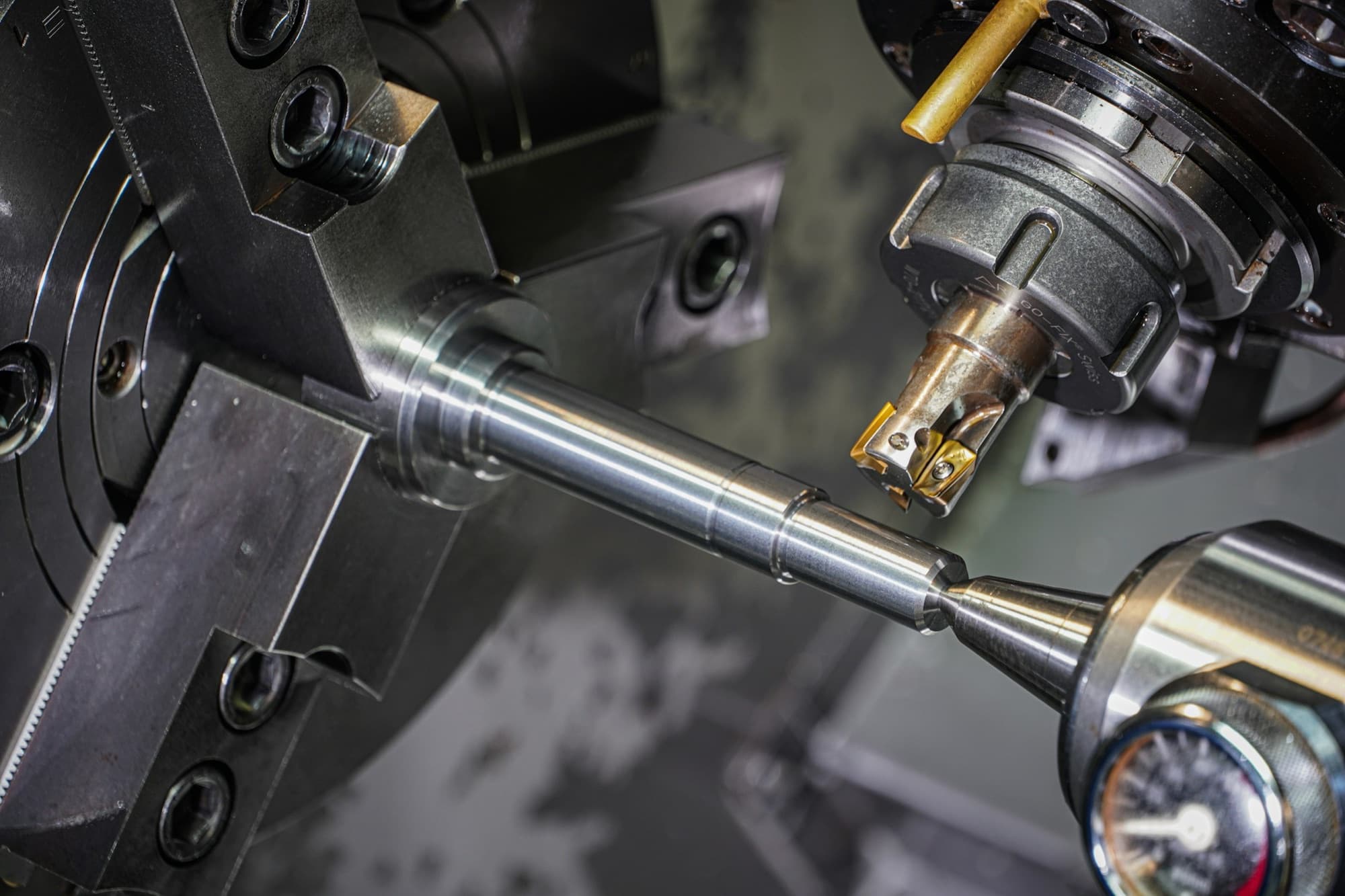 Screw machining
Turned pins, fittings, shafts, and bushings made from bar stock on multi-spindle and Swiss screw machines at volume.
Which of these pays off at your quantity?
Parts per order
3 processes are at their best at this quantity, and 3 more can do it.
Drag to your quantity


What suppliers are held to
Robot and machine safety
Industrial robots are built to ISO 10218-1 and -2, adopted in the US as ANSI/A3 R15.06, and collaborative applications also draw on ISO/TS 15066. Guarding follows ISO 14120, and safety-related controls follow ISO 13849-1.
Precision fits
Bearing seats, gear centers, and locating features typically hold ±0.0005 in (±0.013 mm) or tighter, with GD&T per ASME Y14.5. Flatness and true position on mounting faces set arm accuracy.
Revision control
Designs change between builds. Every RFQ and PO should carry a drawing revision, and principals need a clear process for superseding old revisions and scrapping obsolete stock.
Material and environment
Food and pharma automation needs FDA-compliant materials under 21 CFR Part 177 and washdown-rated designs, often IP69K. Cleanroom robots need low-outgassing, low-particle materials.
Questions
When should a robotics company move from machined to cast or molded parts?
When the design is stable and volume passes the tooling break-even, often between a few hundred and a few thousand units a year depending on part size. Until then, machining and 3D printing keep design changes cheap.
Can one RFQ cover machined, sheet metal, and molded parts?
Yes. Send the full bill of materials. SSG routes each part to principals for its process, so machined, sheet metal, and molded parts are quoted under one RFQ.
What tolerances do robot joints need?
Bearing bores and shaft fits are typically held to ±0.0005 in (±0.013 mm) or tighter, with position and perpendicularity controls between bearing seats. Non-functional features can open to ±0.005 in (±0.13 mm) to save cost.
Send us the part.
Build it or upload a drawing. A rep routes it to principals already making parts for this industry.