Loading page
Core line, represented 25+ years
Deep drawn stamping
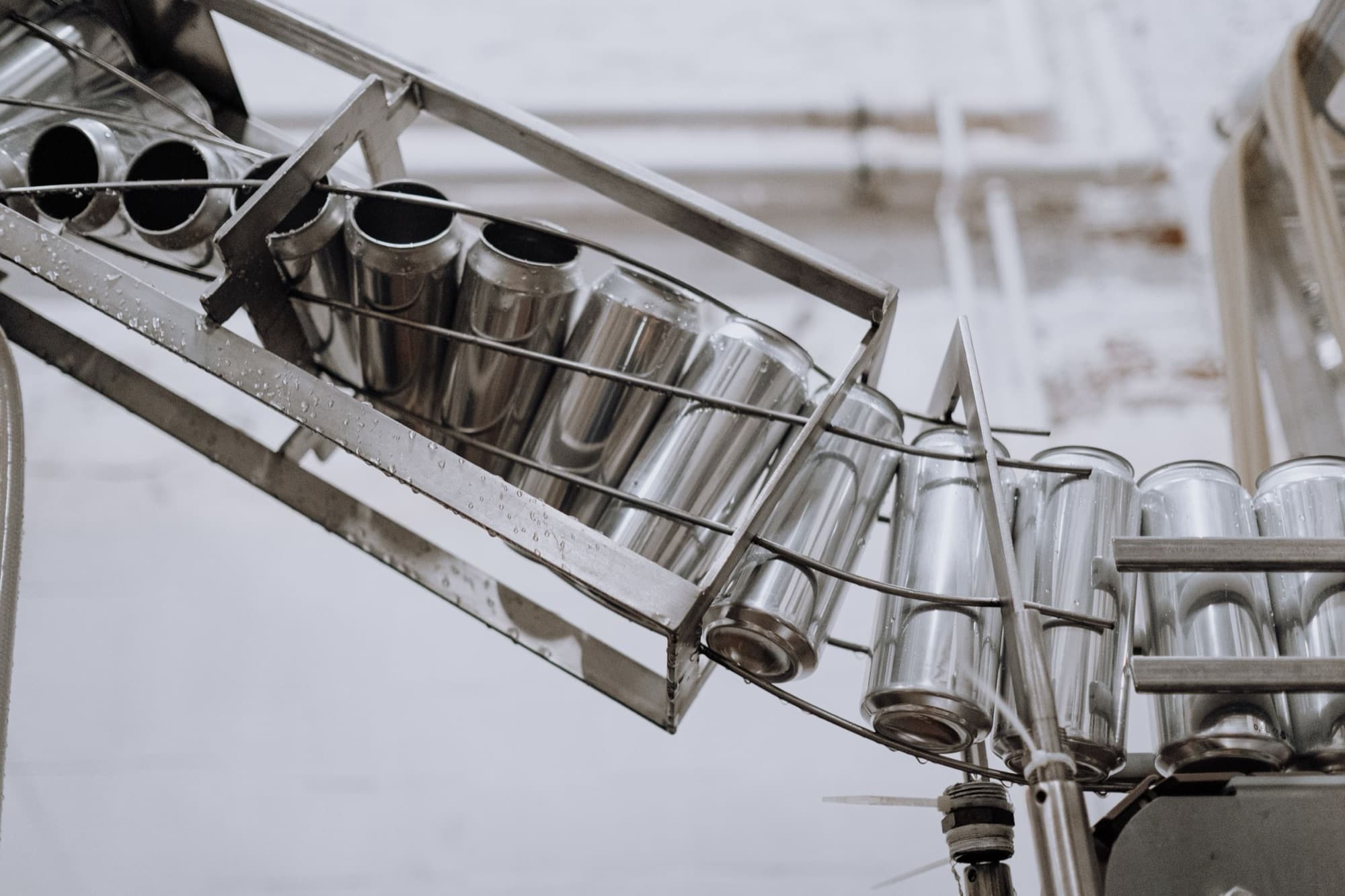
Deep drawn stamping is a forming process that pulls a flat metal blank into a die with a punch to make a one-piece hollow part, such as a cup, can, or housing, whose depth equals or exceeds its diameter. The first draw typically reduces diameter by up to 40–45%, so taller parts run through several redraw stations. It suits volumes above about 10,000 parts.
Where it pays off
1101001k10k100k1M+
At a glance
Multi-station tooling needs volume to pay back. Below about 5,000 parts, machined tube or spun parts often cost less.
- Diameter tolerance
- ±0.002–0.005 in (±0.05–0.13 mm) typical
- Height tolerance
- ±0.005–0.010 in (±0.13–0.25 mm) on trimmed height
- Material thickness
- 0.005–0.125 in (0.13–3.2 mm) typical
- Depth-to-diameter ratio
- 3:1 to 5:1 common; higher with redraws and intermediate anneals
- Diameter range
- About 0.125 in (3 mm) on eyelet presses to 12 in (305 mm) or more on transfer presses
- Draw reduction
- About 40–45% on the first draw; 20–30% on each redraw
- Wall thinning
- About 10–20% near the punch radius without ironing
- Tooling cost
- $15,000–$100,000+ depending on stations and part size
Lead time
- Tooling
- 8–14 weeks
- First article
- 1–3 weeks after tooling
- Production
- 3–6 weeks per release
What would it cost?
The builder's estimator on a representative drawn cup. Change a size, the quantity or the material and the price updates.
Drawn cup · Deep draw
Order total $42,215
- Tooling
- $30,903
- one-time, spread over the order
- Piece price
- $0.22
- before setup + tooling
- Lead time
- 6–10 weeks
- to first production
Size
Drag a row to adjust · click to type
Inside diameter42.042.0 mm
Depth55.055.0 mm
Material thickness0.800.80 mm
Quantity
Price per part falls as volume rises
Exact quantity5000050000 pcs
Material
Design checks pass
Open in builderBudgetary estimate for a representative part. Firm quotes come from principals after drawing review.
How does it work?
5 steps from drawing to production parts.
- 1
Blank
A round or shaped blank is cut from coil. Blank size is calculated from the surface area of the finished part.
- 2
First draw
A punch pushes the blank into the die while a blank holder controls metal flow to prevent wrinkles. The result is a shallow cup.
- 3
Redraws
Successive stations reduce the diameter and increase the depth. Stainless and harder alloys may need annealing between draws.
- 4
Ironing and forming
Ironing thins and straightens the wall where needed. Beads, steps, and flanges are formed in later stations.
- 5
Trim, pierce, and finish
The uneven top edge is trimmed and holes are pierced. Parts are cleaned, deburred, and plated or passivated.
When is deep draw the right call?
Best for
- One-piece cups, cans, shells, and housings
- Sensor, motor, and filter housings
- Parts that must be leak-tight without welds
- Round, oval, or rectangular shells at 10,000+ parts
- Replacing machined tube or welded assemblies
Pick something else when
- Shallow parts with depth under about half the diameter: standard metal stamping is simpler
- Under about 5,000 parts: CNC machining from tube or bar is usually cheaper
- Thick or varying wall sections: consider die casting or forging
Materials
6 materials principals run in deep draw. Pick one for design rules, finishes and an estimate in that material.


Design rules that keep the price down
At least 4× material thickness
Bottom (punch) radius
Smaller radii thin the wall excessively and tear.
5–10× material thickness
Flange (die) radius
Controls metal flow into the die and prevents splitting.
First draw no more than 40–45% diameter reduction; redraws 20–30%
Limit reduction per draw
Exceeding the limiting draw ratio, about 2.0 for drawing steel, splits the cup.
At least 3× material thickness; larger is cheaper
Rectangular corner radius
Tight vertical corners concentrate strain and need extra stations.
Expect 10–20% thinning near the bottom radius
Allow for wall thinning
Design strength and fit around the thinnest wall, not the starting gauge.
ASTM A1008 DS or DDS steel, or annealed stainless
Specify drawing-quality material
Commercial-quality steel may split on deep draws.
Hold diameter to ±0.002–0.005 in; allow ±0.005–0.010 in on trimmed height
Separate diameter and height tolerances
Drawn diameters are die-controlled, while trimmed height varies with earing and trim.
What drives the cost?
In order of impact.
- 1
Draw depth and station count
Each redraw adds a station to the tooling and a step to tryout. Depth-to-diameter ratio is the biggest cost lever.
- 2
Material
Stainless costs more per pound than cold-rolled steel and work-hardens faster, which can require anneals between draws.
- 3
Tooling type
Eyelet, transfer, and progressive tooling differ widely in cost. Part size and volume decide which pays back.
- 4
Shape
Round parts draw most easily. Rectangular shells with tight corner radii need more stations and careful blank development.
- 5
Secondary operations
Trimming, piercing, threading, and passivation add cost unless they are built into the tooling.
Variants
- Eyelet press drawing
- A multi-station press with transfer fingers moves small parts through up to about 20 stations. Suits small cans, ferrules, and sensor housings.
- Transfer press drawing
- Larger blanks move between separate die stations on a transfer system. Suits housings and shells too large for an eyelet press.
- Progressive deep drawing
- Parts stay attached to the carrier strip through each draw station. Suits shallower draws at high volume.
- Ironing
- The wall is squeezed between punch and die to thin it and even it out. Produces straight walls and tight wall-thickness control.
- Reverse drawing
- The cup is redrawn in the opposite direction to take a larger reduction in one station.

Deep draw questions
What is the difference between deep drawing and stamping?
Deep drawing is a type of stamping in which part depth equals or exceeds its diameter. Standard stamping mostly cuts and bends, while deep drawing stretches metal into a one-piece cup over several stations.
How deep can a part be drawn?
Depth-to-diameter ratios of 3:1 to 5:1 are common with multiple redraws. Higher ratios are possible with intermediate anneals and ironing, at added cost. Material ductility and grade set the practical limit.
How much does deep draw tooling cost?
Multi-station deep draw tooling typically costs $15,000–$100,000 or more, depending on the number of draws, part size, and press type. Simple single-draw tools cost less.
What materials can be deep drawn?
Low-carbon drawing steel, 300-series and 430 stainless, 5052 aluminum, copper, and brass draw well. Stainless work-hardens and may need annealing between draws. Heat-treated alloys such as 6061-T6 and 7075-T6 are poor choices.
What tolerances can deep drawn parts hold?
Diameters typically hold ±0.002–0.005 in (±0.05–0.13 mm). Trimmed height is usually ±0.005–0.010 in (±0.13–0.25 mm). Ironed walls allow tighter thickness control.
What is the minimum order for deep drawn parts?
Most deep draw programs make sense above roughly 5,000–10,000 parts because of multi-station tooling. For smaller quantities, machined tube, spun parts, or welded assemblies are usually more economical.
Related processes
 Stamping
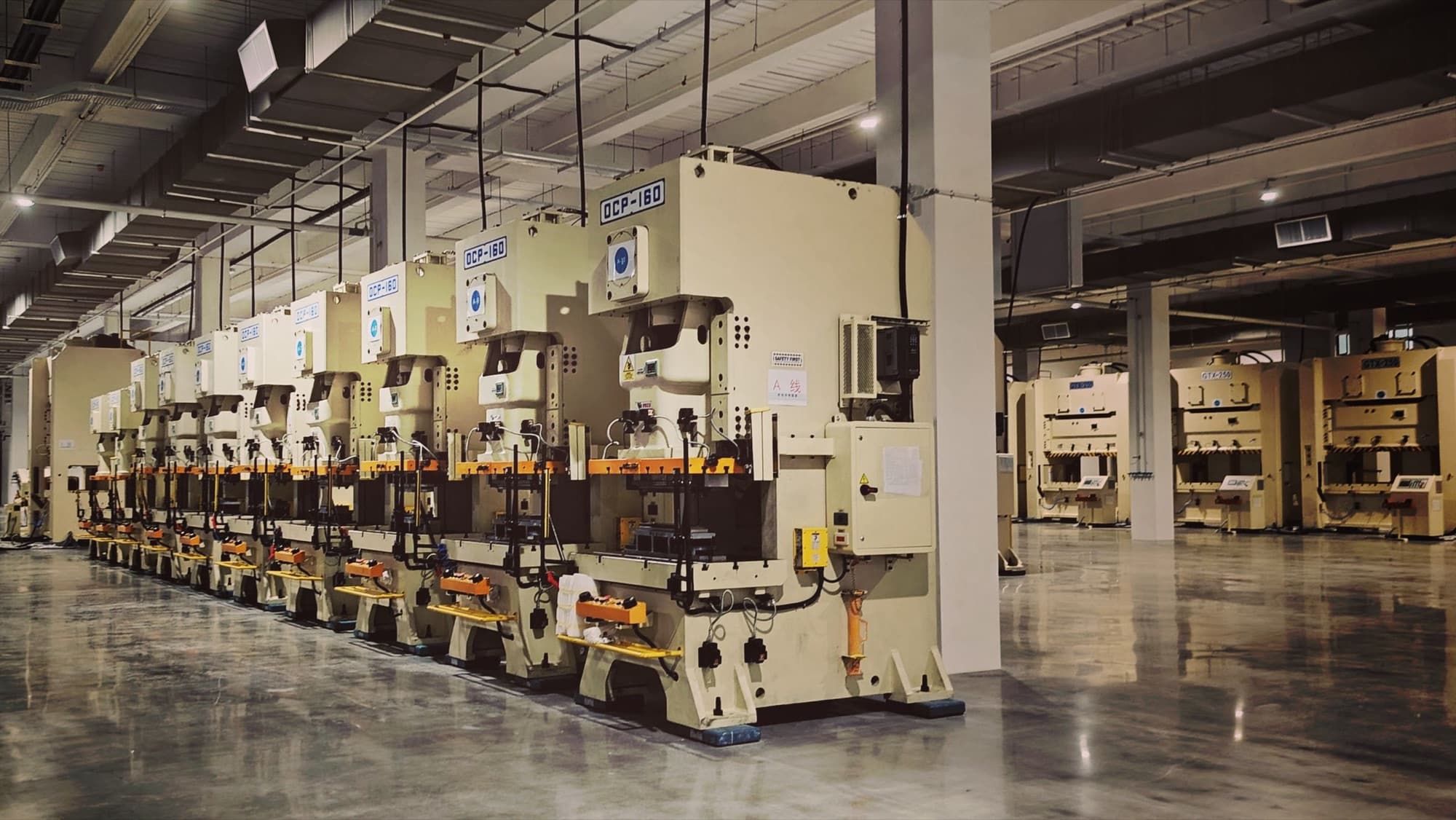
Short- to medium-run stampings: brackets, clips, shields, and plates cut and formed from sheet or coil in a press.
 CNC machining
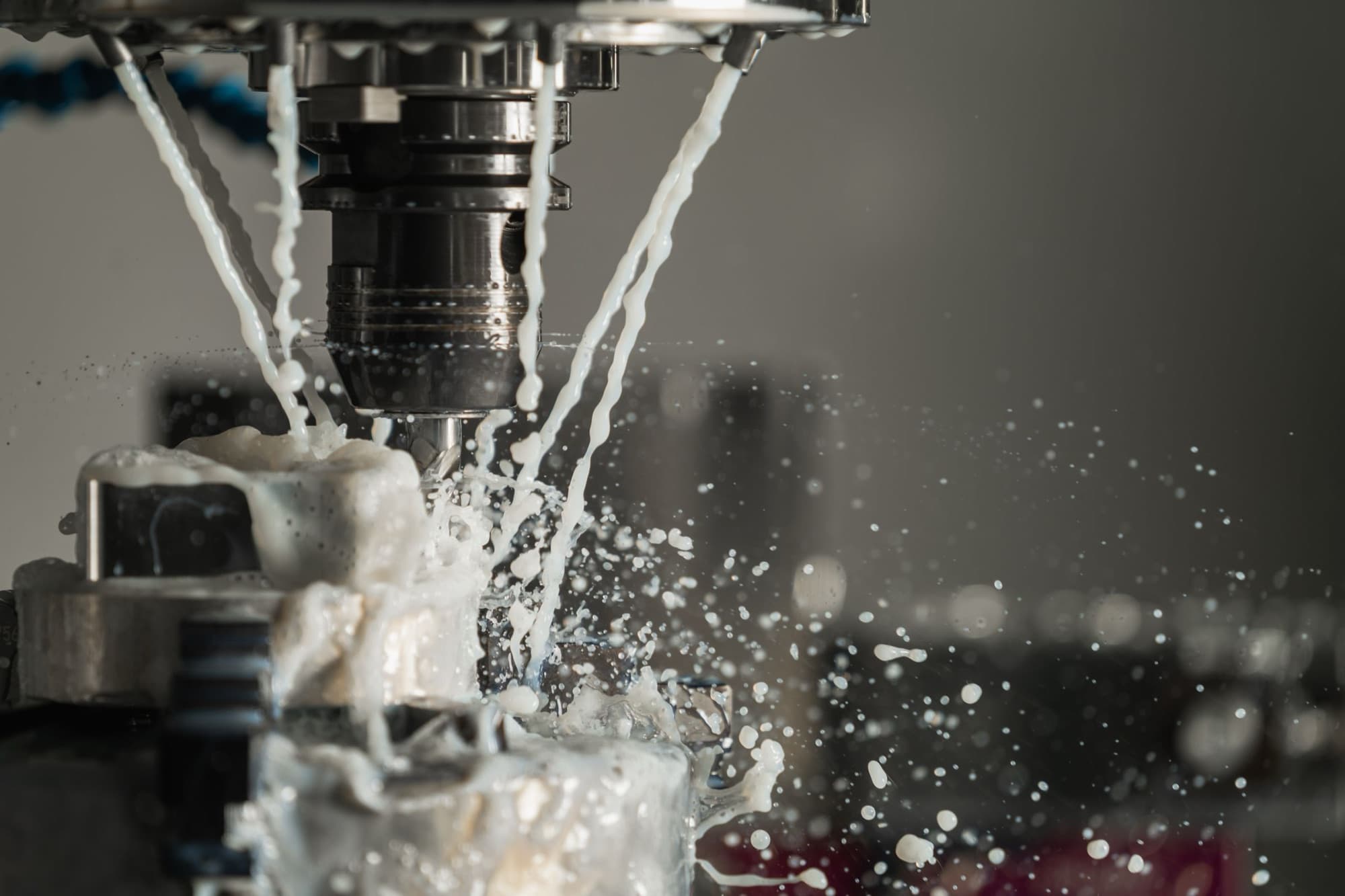
CNC milling, turning, and production sawing from bar, plate, castings, and forgings, from prototype to production.
 Sheet metal
Laser-cut, punched, bent, and welded sheet metal enclosures, brackets, and chassis with no hard tooling.
Quote deep draw today.
Drop a STEP file for an instant estimate and DFM check. A rep routes the RFQ to principals who run this process every day.