Loading page
Core line, represented 25+ years
How do heavy-duty truck and trailer manufacturers source components?
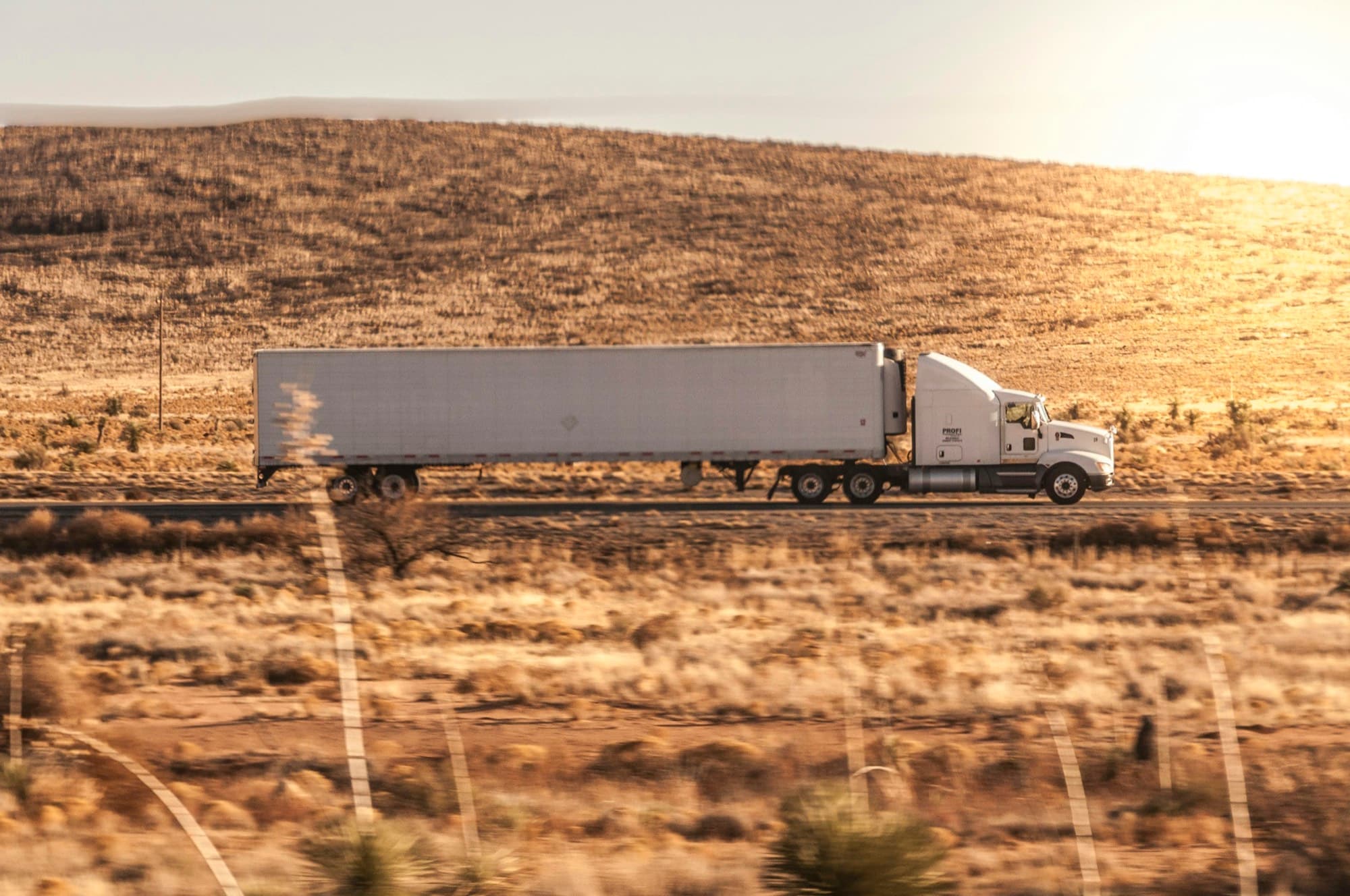
Heavy-duty truck and trailer manufacturers source forged steering and suspension parts, die cast housings, stamped brackets, air brake fittings, and rubber mounts at volumes well below passenger cars but with longer service lives. Parts must survive vibration, road salt, and high mileage. SSG matches truck programs to principals that meet the OEM's PPAP and certification requirements.
- Part families
- 12
- Processes
- 8
- Materials
- 10
Parts we source for this industry
- 01Forged steering arms and suspension brackets
- 02Die cast aluminum air dryer and valve housings
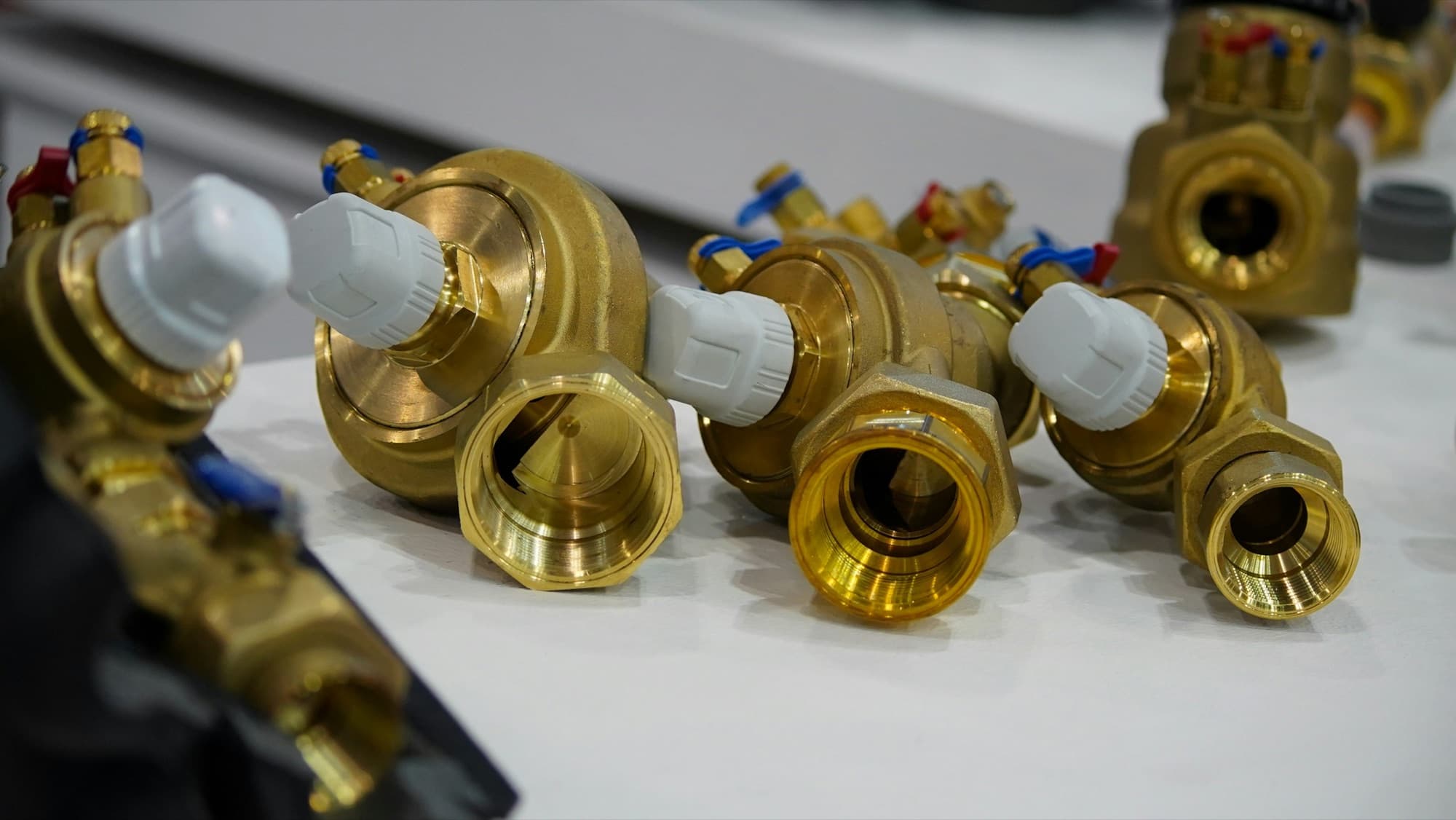
- 03Brass air brake fittings
- 04Stamped cab and hood mounting brackets
- 05Rubber cab mounts and bushings
- 06Trailer light housings and lenses
- 07Hood hinge and latch springs
- 08Machined spring pins and bushings
- 09Mud flap and fender brackets
- 10Deep drawn air tank end caps
- 11EPDM door and hatch seals
- 12Powder metal brake adjuster gears
How these parts are made
 Forging
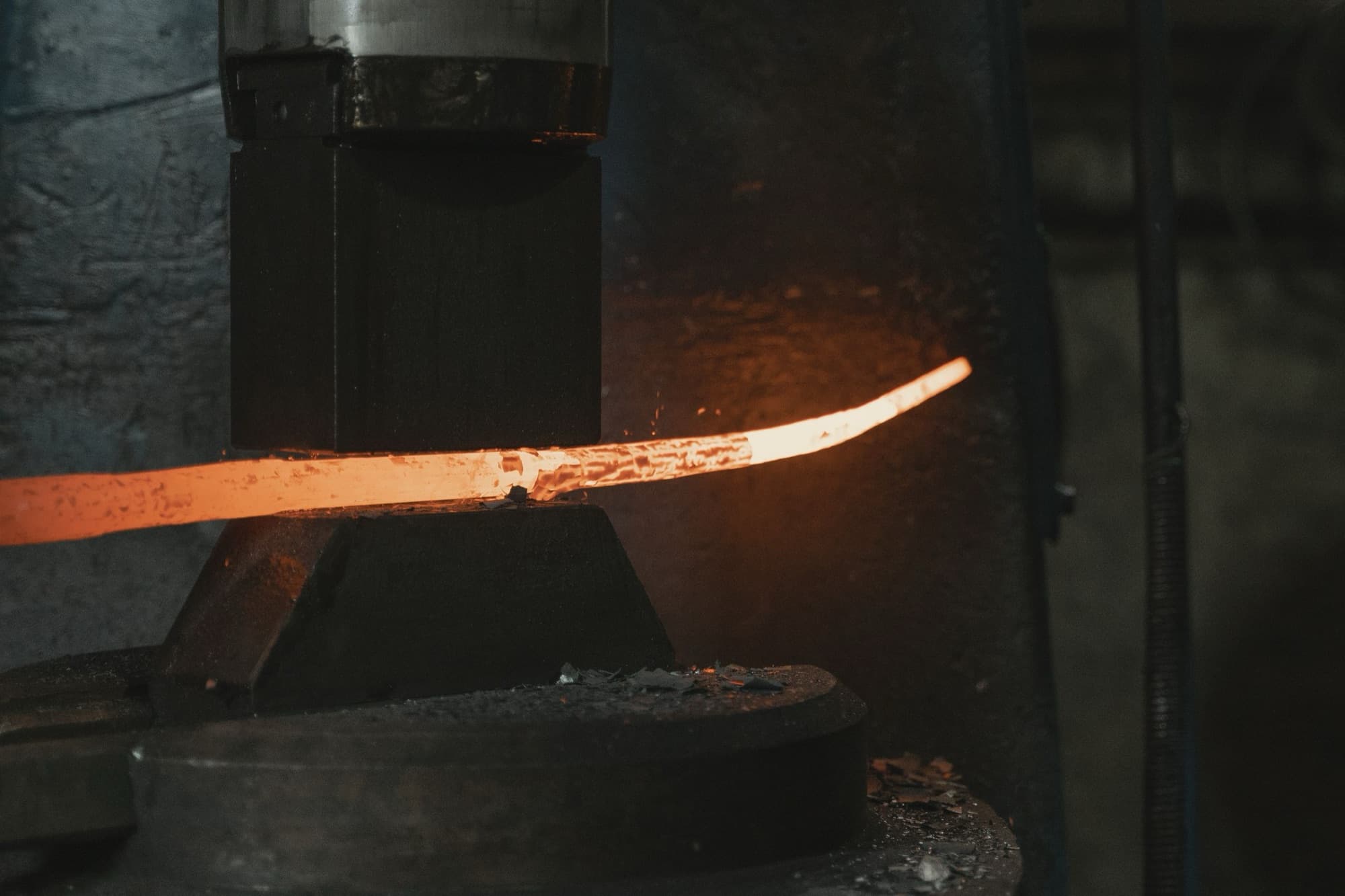
Closed-die and open-die forgings in carbon, alloy, and stainless steel and aluminum, with grain flow for strength.
 Die casting
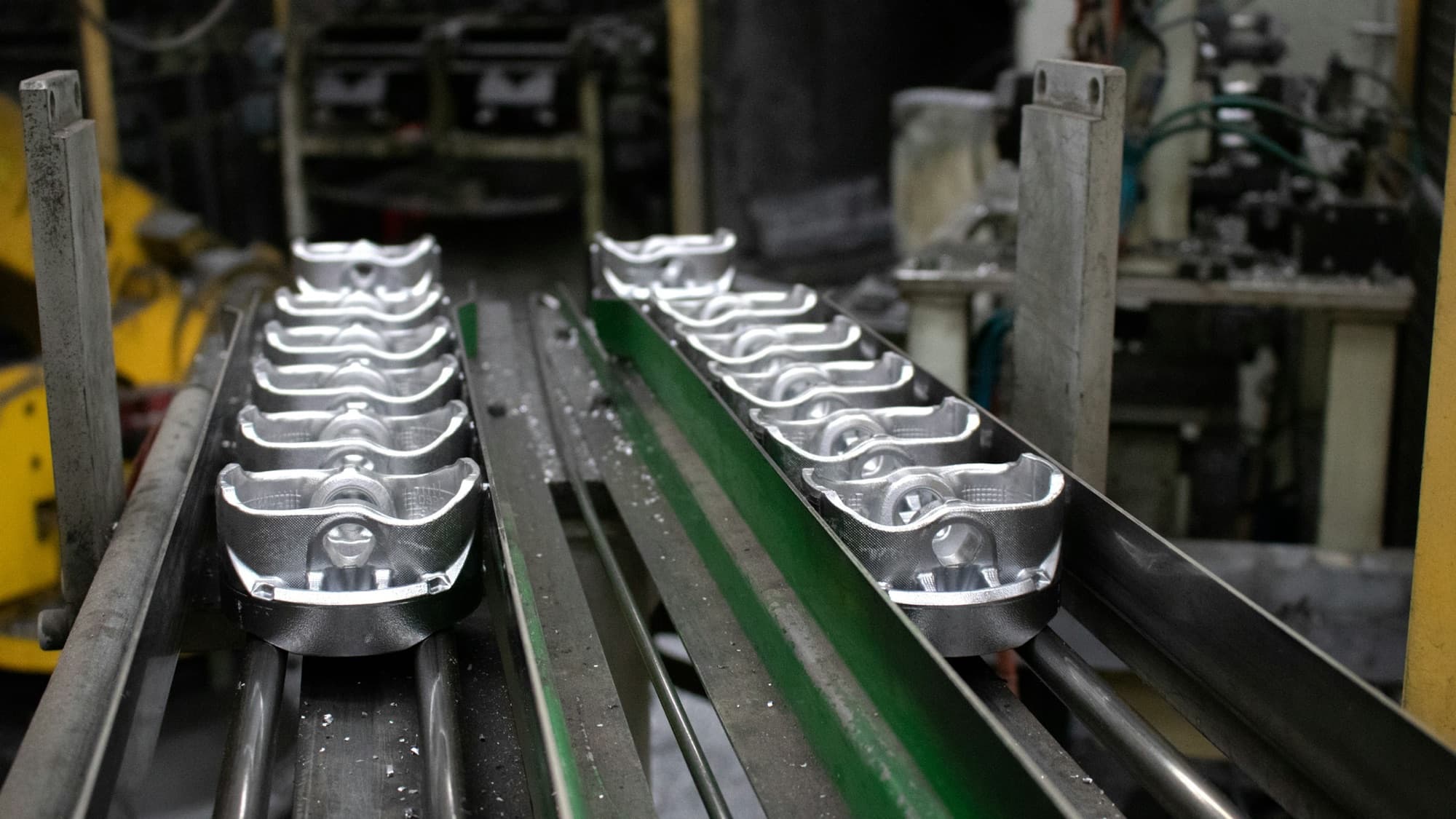
Molten zinc or aluminum injected into steel dies at high pressure. Thin walls and net shape at 2,500+ parts a year.
 Stamping
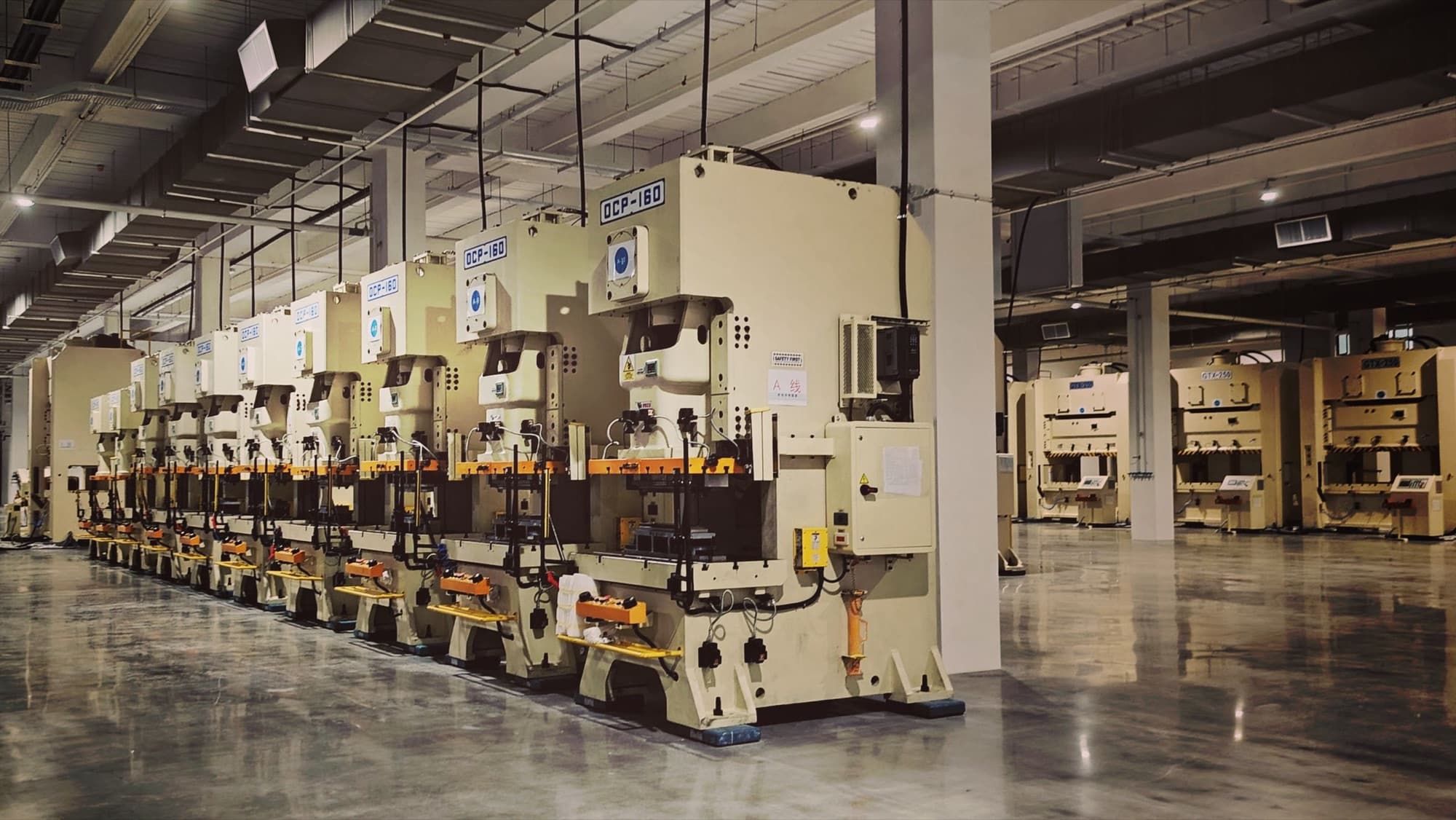
Short- to medium-run stampings: brackets, clips, shields, and plates cut and formed from sheet or coil in a press.
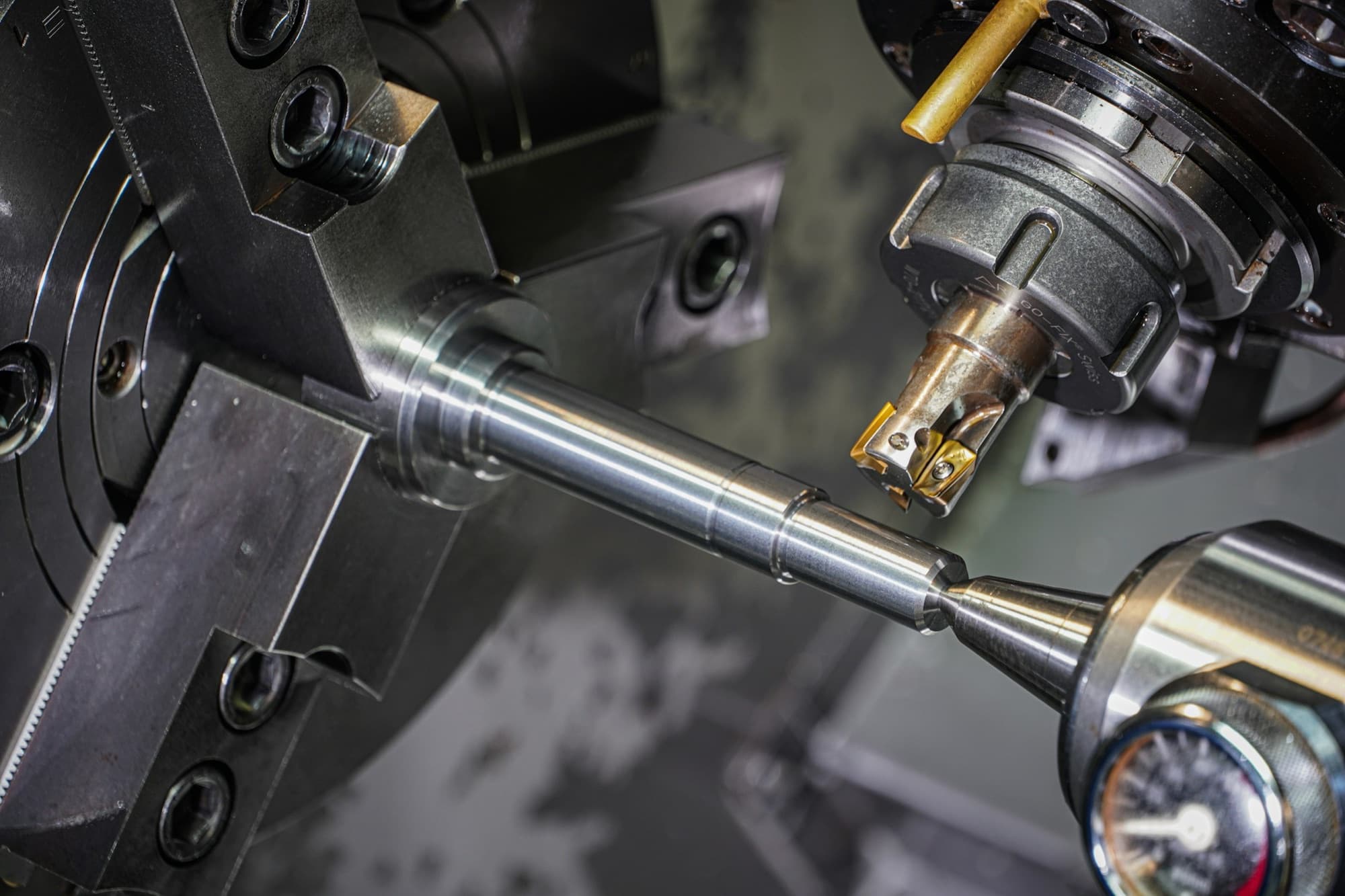 Screw machining
Turned pins, fittings, shafts, and bushings made from bar stock on multi-spindle and Swiss screw machines at volume.
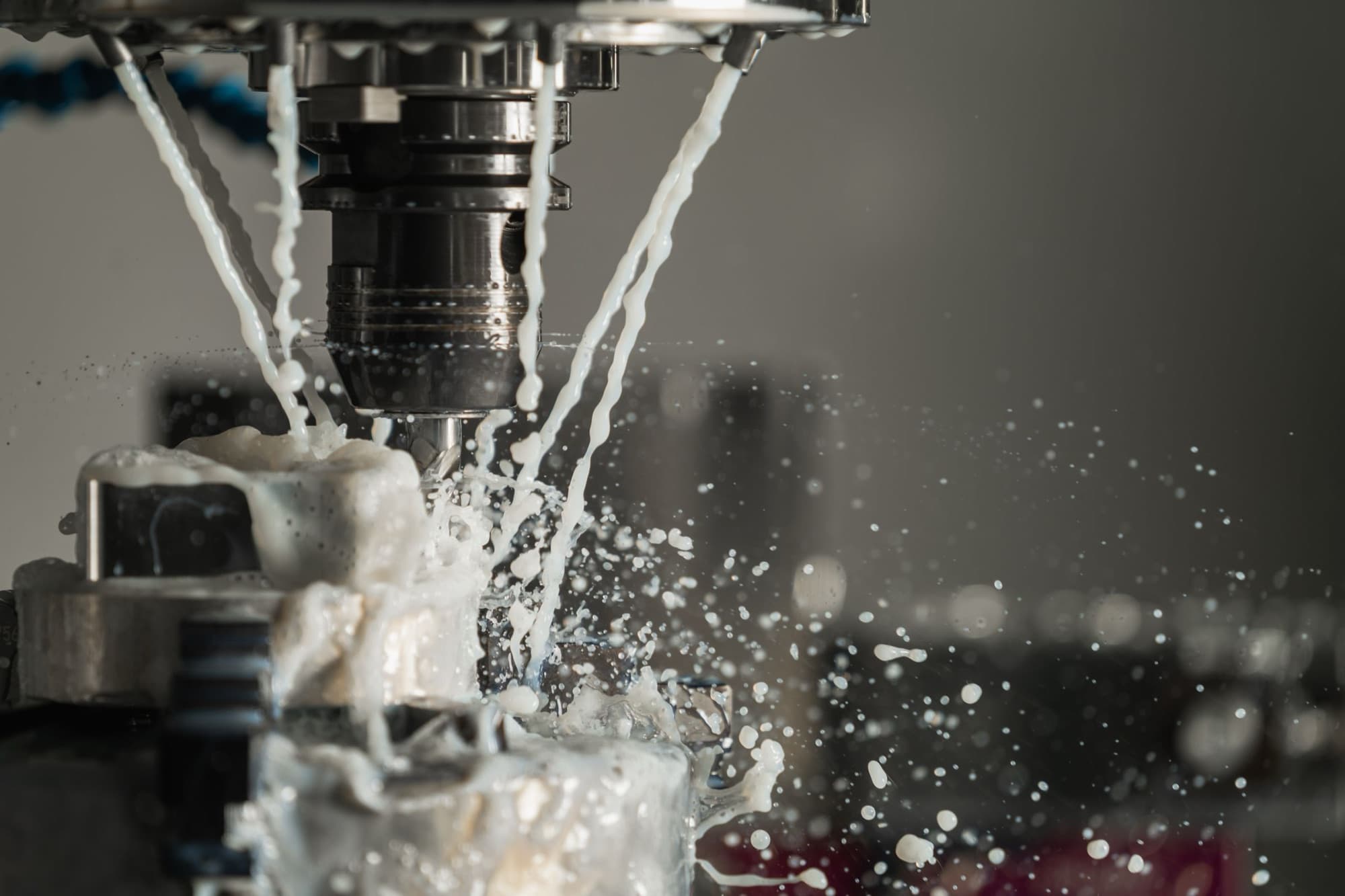 CNC machining
CNC milling, turning, and production sawing from bar, plate, castings, and forgings, from prototype to production.
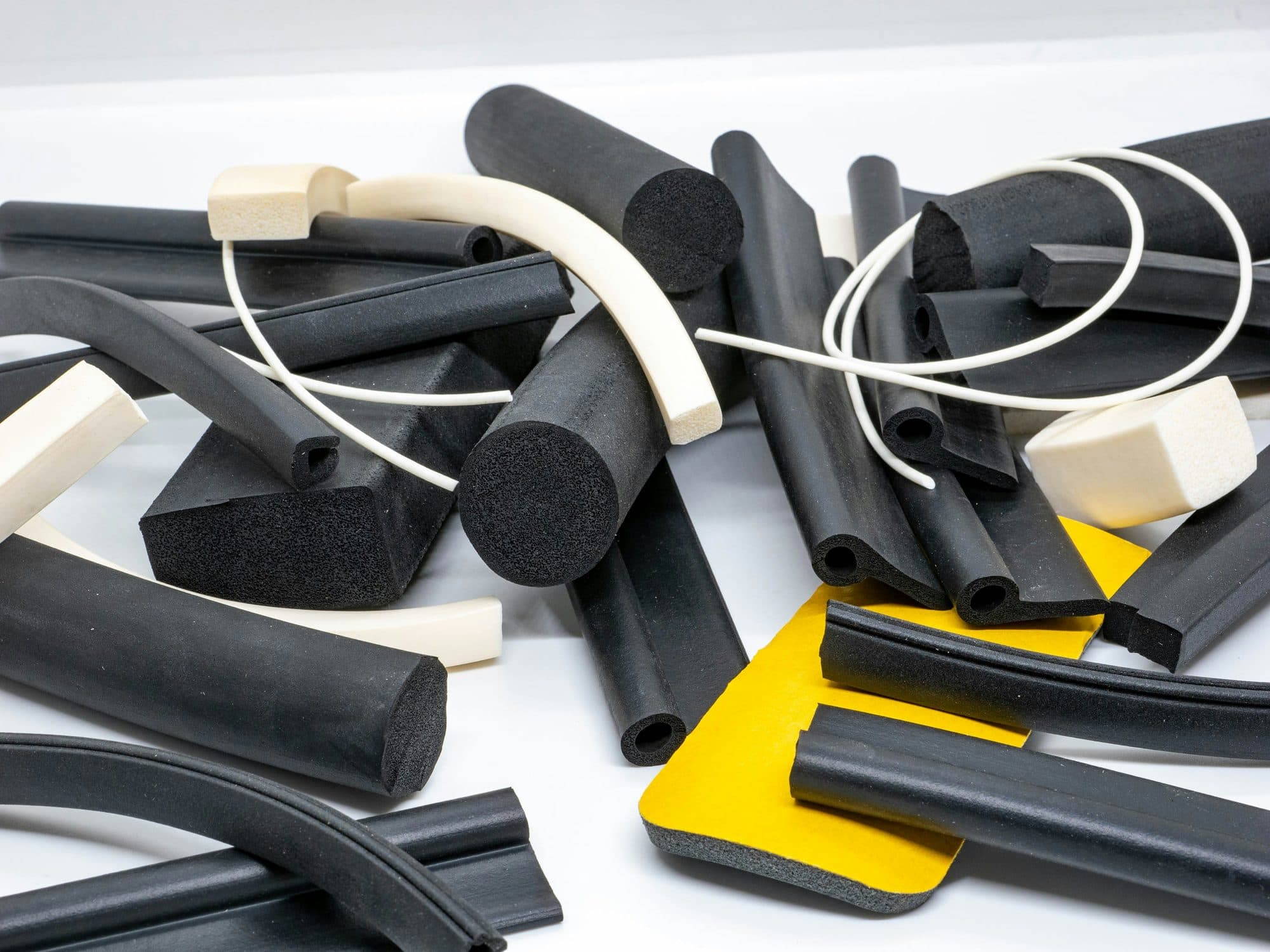 Rubber
Seals, gaskets, grommets, and profiles extruded or molded in EPDM, silicone, nitrile, neoprene, FKM, and TPE.
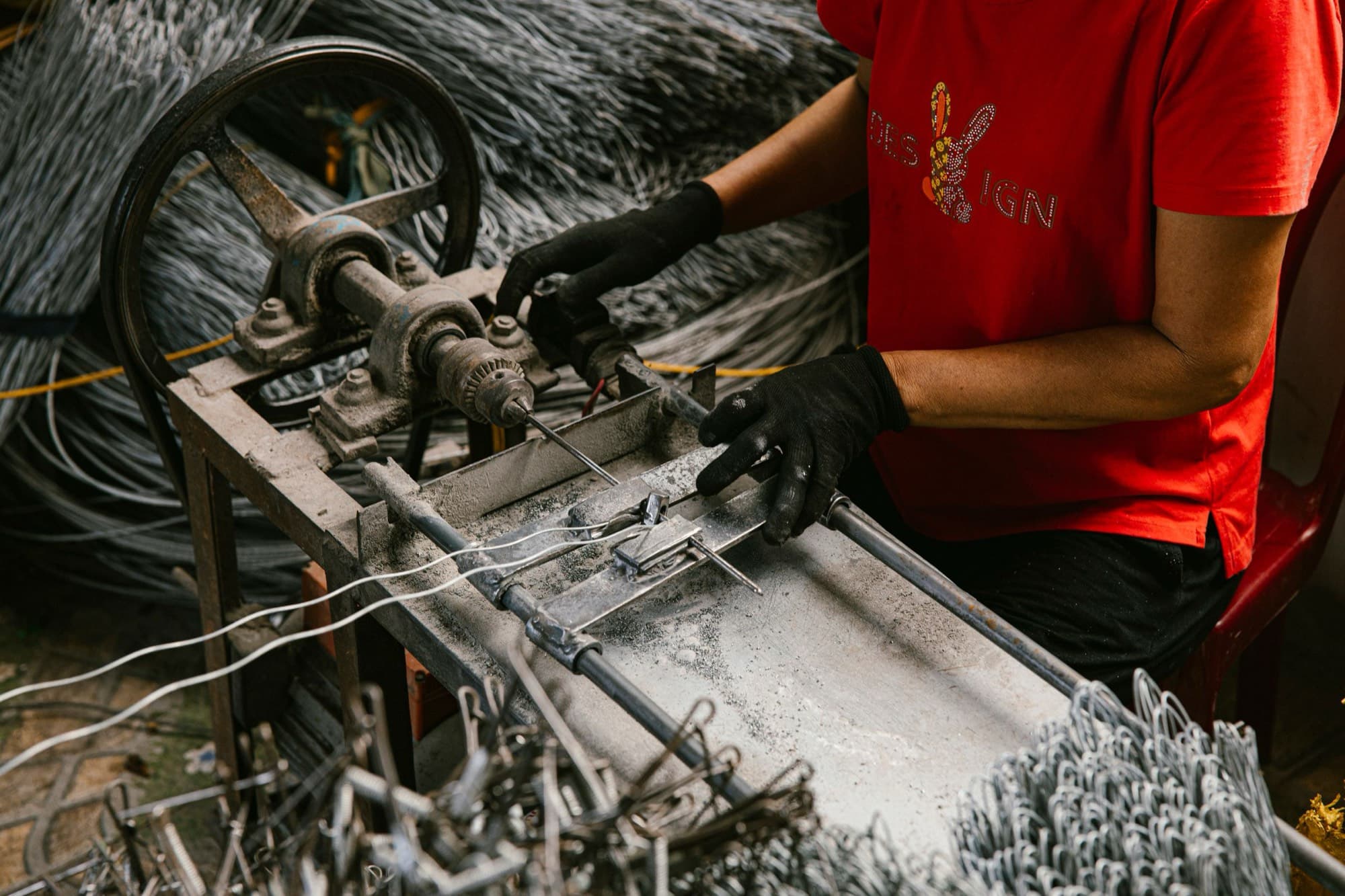 Springs & wire forms
Compression, extension, and torsion springs, wire forms, and fourslide clips made from round wire and flat strip.
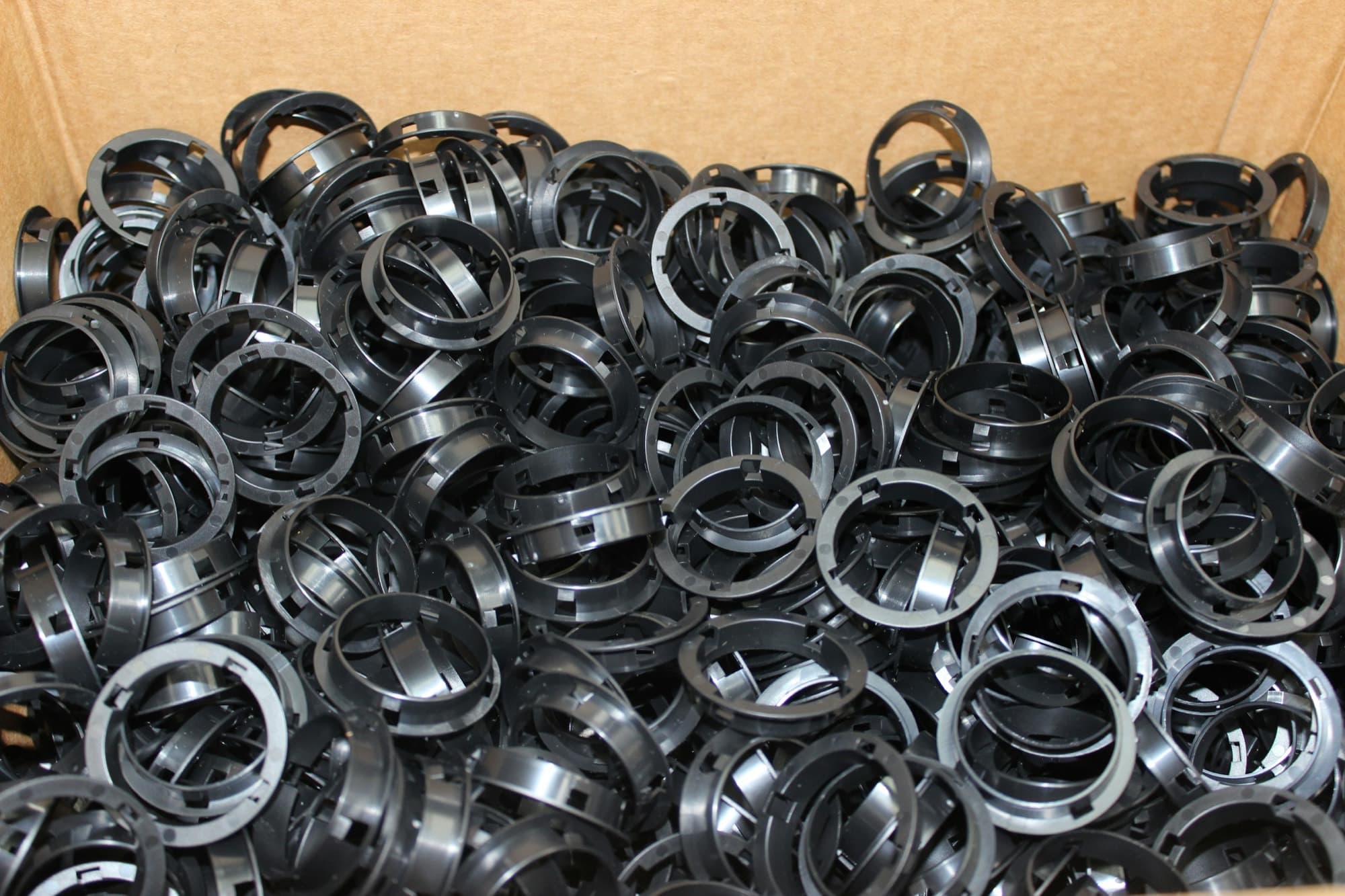 Injection molding
Molten thermoplastic injected into a steel or aluminum mold. Lowest piece price for plastic parts at 5,000+ a year.
Which of these pays off at your quantity?
Parts per order
6 processes are at their best at this quantity, and 2 more can do it.
Drag to your quantity


What suppliers are held to
Federal brake standards
Air brake systems must meet FMVSS 121, and brake hoses and end fittings fall under FMVSS 106, which requires manufacturer registration and DOT marking. Air brake hose assemblies and push-to-connect fittings are typically built to SAE J1402 and SAE J2494.
SAE J standards
Truck drawings reference SAE J standards throughout, such as SAE J429 for bolt grades, SAE J844 for nylon air brake tubing, and SAE J1455 for environmental testing of electronics.
Corrosion and durability
Chassis parts see road salt and magnesium chloride deicers. Coated parts are commonly held to several hundred hours of ASTM B117 salt spray, and zinc-nickel plating and e-coat are common finishes.
Quality and service life
Truck OEMs typically require ISO 9001 or IATF 16949 and PPAP for new parts. Service parts are supported for years after production ends, so tooling storage and low-volume reruns matter.
Questions
Do heavy truck OEMs require PPAP?
Most do, usually following the AIAG PPAP manual with customer-specific requirements. The submission level and required documents are set in the OEM's supplier quality manual.
Should steering and suspension parts be forged or cast?
Forgings are the usual choice for steering arms, knuckles, and suspension brackets under high cyclic loads, because grain flow gives better fatigue life. Ductile iron castings cost less for complex, lower-stress shapes.
Can low-volume service parts be sourced economically?
Yes, if tooling is kept and runs are planned. Principals typically quote a minimum run based on setup cost, so combining service demand into fewer, larger runs lowers the piece price.


Send us the part.
Build it or upload a drawing. A rep routes it to principals already making parts for this industry.