Loading page
Core line, represented 25+ years
Production machining, turning, and sawing
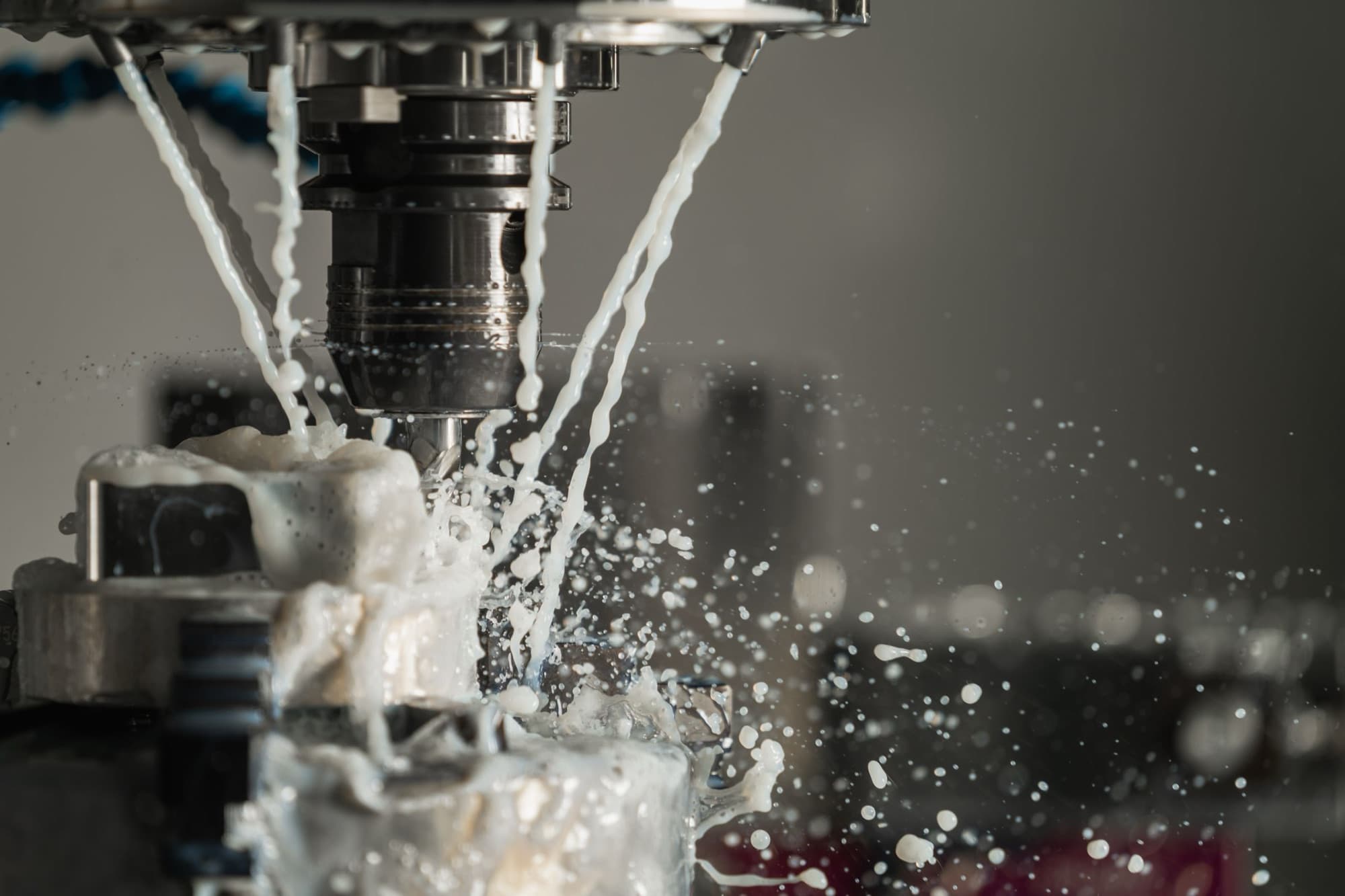
CNC machining is a subtractive process in which computer-controlled mills, lathes, and saws cut metal or plastic parts from bar, plate, tube, castings, or forgings. It needs no hard tooling, holds ±0.005 in (±0.13 mm) as standard and ±0.001 in (±0.025 mm) on critical features, and suits quantities from one prototype to thousands of production parts a year.
Where it pays off
1101001k10k100k1M+
At a glance
No hard tooling, so a single part is possible. Above about 5,000–10,000 parts a year, a near-net process plus finish machining usually costs less.
- Standard tolerance
- ±0.005 in (±0.13 mm), or ISO 2768-m
- Precision tolerance
- ±0.0005–0.001 in (±0.013–0.025 mm) on critical features
- Surface finish
- Ra 63–125 µin (1.6–3.2 µm) as machined; 16–32 µin (0.4–0.8 µm) with finishing passes
- Milling envelope
- About 40 × 20 × 20 in (1,000 × 500 × 500 mm) on typical vertical mills; larger on horizontal and gantry machines
- Turning capacity
- Diameters to about 16 in (400 mm) on typical production lathes
- Sawing tolerance
- Bandsaw ±0.010–0.030 in (±0.25–0.8 mm); precision cold saw ±0.002–0.005 in (±0.05–0.13 mm)
- Minimum wall
- About 0.030 in (0.8 mm) in metal; 0.060 in (1.5 mm) in plastic
- Typical volumes
- 1 to about 10,000 parts a year
Lead time
- First article
- 1–3 weeks
- Production
- 2–6 weeks per release
What would it cost?
The builder's estimator on a representative plate. Change a size, the quantity or the material and the price updates.
Plate · CNC machining
Order total $2,193
- Tooling
- None
- no hard tooling
- Piece price
- $33.10
- before setup + tooling
- Lead time
- 5–10 days
- to first production
Size
Drag a row to adjust · click to type
Length120120 mm
Width80.080.0 mm
Thickness6.006.00 mm
Quantity
Price per part falls as volume rises
Exact quantity5050 pcs
Material
Design checks pass
Open in builderBudgetary estimate for a representative part. Firm quotes come from principals after drawing review.
How does it work?
6 steps from drawing to production parts.
- 1
Quote and DFM review
The model and drawing are reviewed for tool access, setups, and tolerances that drive cost.
- 2
Programming and fixturing
A CAM programmer writes toolpaths and designs fixtures or soft jaws that hold the part repeatably.
- 3
Saw and prep stock
Bar, plate, or tube is saw cut to blank length, or castings and forgings are received and staged.
- 4
Machining
Mills, lathes, and multi-axis centers remove material in one or more setups. Probing and in-process checks hold critical features.
- 5
Deburr and inspect
Edges are deburred, and parts are measured with a CMM, gauges, or optical systems against the drawing.
- 6
Finish
Parts are anodized, plated, heat treated, or passivated as specified, then packed.
When is cnc machining the right call?
Best for
- Prototypes and production runs without hard tooling
- Tight-tolerance bores, faces, and threads
- Finish machining of castings and forgings
- Cut-to-length bar, tube, and structural blanks by production sawing
- Metals and engineering plastics such as acetal and PEEK
Pick something else when
- Small round parts over about 10,000 a year: screw machining is cheaper
- Plastic parts over about 5,000 a year: use plastic injection molding
- Complex metal housings at volume: die casting plus finish machining costs less
- Thin sheet enclosures and brackets: use sheet metal fabrication
Materials
23 materials principals run in cnc machining. Pick one for design rules, finishes and an estimate in that material.
 Structural aluminum6061-T6310 MPa
 Extrusion aluminum6063-T5186 MPa
 Aerospace aluminum7075-T6572 MPa
 Die-cast aluminumA380324 MPa
 Mild steel1018440 MPa
 Carbon steel1045625 MPa
 Machining steel12L14540 MPa
 Alloy steel4140655 MPa
 Structural steelA36450 MPa
 Machining stainless303 SS620 MPa
 Everyday stainless304 SS505 MPa
 Marine stainless316 SS580 MPa
 Hardened stainless17-4 PH1379 MPa
 Machining brassC360 brass400 MPa
 Pure copperC110 copper290 MPa
 TitaniumTi-6Al-4V950 MPa
 ABS43 MPa
 PolycarbonatePC65 MPa
 NylonPA6683 MPa
 PolyethyleneHDPE26 MPa
 AcetalPOM62 MPa
 AcrylicPMMA70 MPa
 PEEK98 MPa
Design rules that keep the price down
At least 1/3 of cavity depth; 0.030 in (0.8 mm) minimum
Radius internal corners
Round tools cannot cut sharp inside corners, and larger radii allow larger, faster tools.
Depth no more than about 4× pocket width
Limit pocket depth
Deep pockets need long tools that chatter and cut slowly.
0.030 in (0.8 mm) in metal; 0.060 in (1.5 mm) in plastic
Minimum wall thickness
Thin walls vibrate, deflect, and lose tolerance.
About 4× diameter standard; up to 10× with peck drilling
Limit hole depth
Deep holes need special drills and slow cycles.
About 1.5× diameter for most tapped holes
Limit thread depth
Engagement beyond about 1.5× diameter adds little strength and costs cycle time.
Match standard drill, reamer, and tap sizes
Use standard hole sizes
Nonstandard sizes need interpolation or special tools.
Default to ±0.005 in (±0.13 mm) or ISO 2768-m
Tolerance only what matters
Tight general tolerances raise cost on every feature.
Put features on as few faces as possible
Minimize setups
Every added setup adds labor and stacks tolerance.
What drives the cost?
In order of impact.
- 1
Machine time
Cycle time is usually the largest cost. Deep pockets, small tools, and hard materials slow it down.
- 2
Setups
Each time a part is flipped or refixtured adds setup labor and a chance for error. Five-axis machines can cut the number of setups.
- 3
Tolerances and finish
Tighter tolerances and lower Ra need slower passes, extra operations, and more inspection.
- 4
Material
Stainless and titanium cost more per pound and cut several times slower than aluminum.
- 5
Quantity
Programming and first-article costs are fixed per job, so unit price drops quickly from 1 to 100 parts.
- 6
Secondary operations
Anodizing, plating, heat treat, and outside inspection add cost and calendar time.
Variants
- 3-axis milling
- Vertical machining centers cut prismatic parts from one side per setup. The workhorse for plates, brackets, and housings.
- 5-axis milling
- Tilting and rotating axes reach five sides in one setup for complex geometry and fewer fixtures.
- CNC turning
- Lathes and turn-mill centers make round parts from bar or chucked blanks, with live tooling for flats and cross holes.
- Swiss turning
- Sliding-headstock lathes machine long, slender parts with high precision. See screw machining for high-volume Swiss work.
- Production sawing
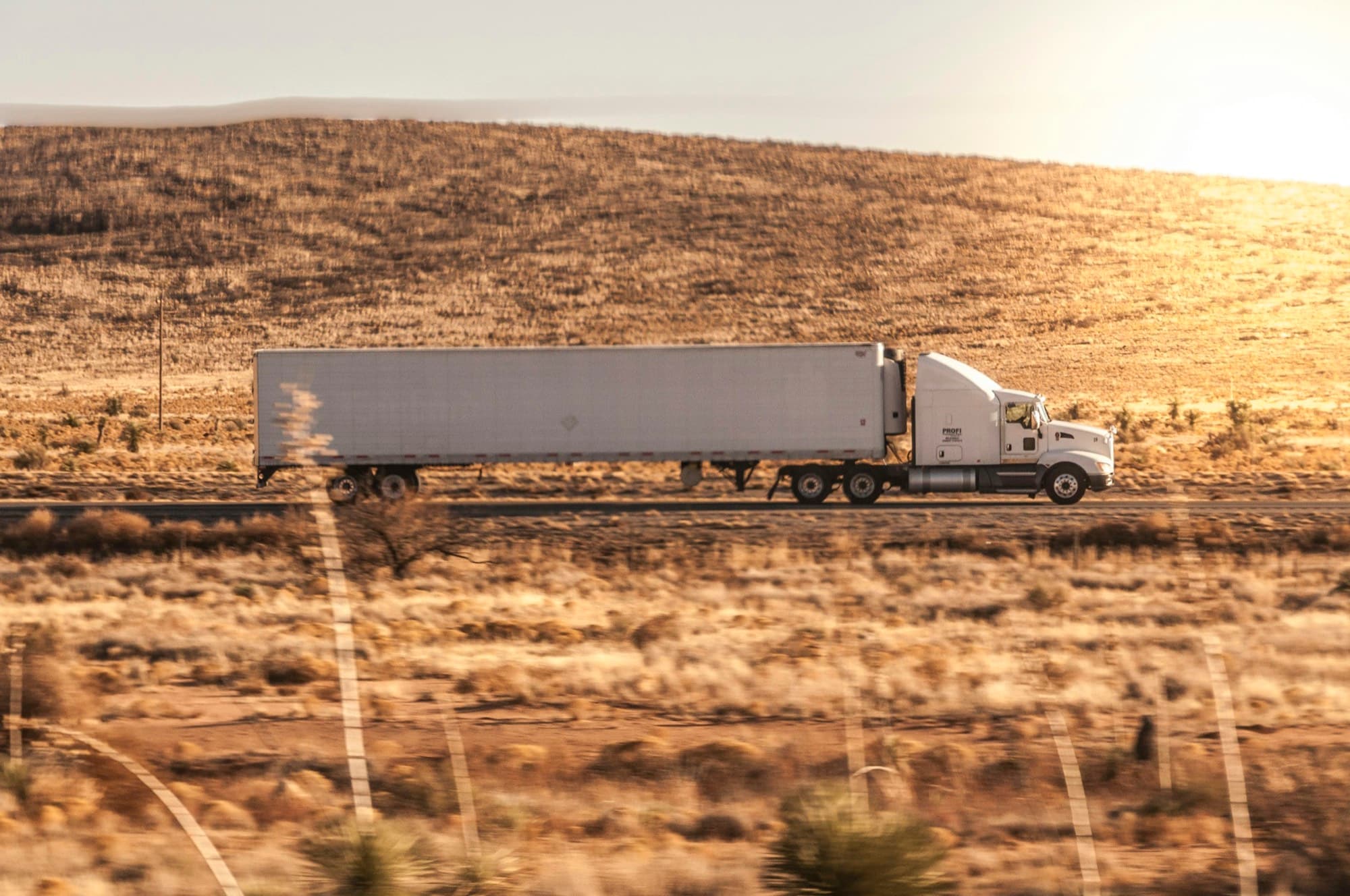
- Automatic band saws and circular cold saws cut bar, tube, and structural shapes to length as blanks or finished parts.
- Finish machining of castings and forgings
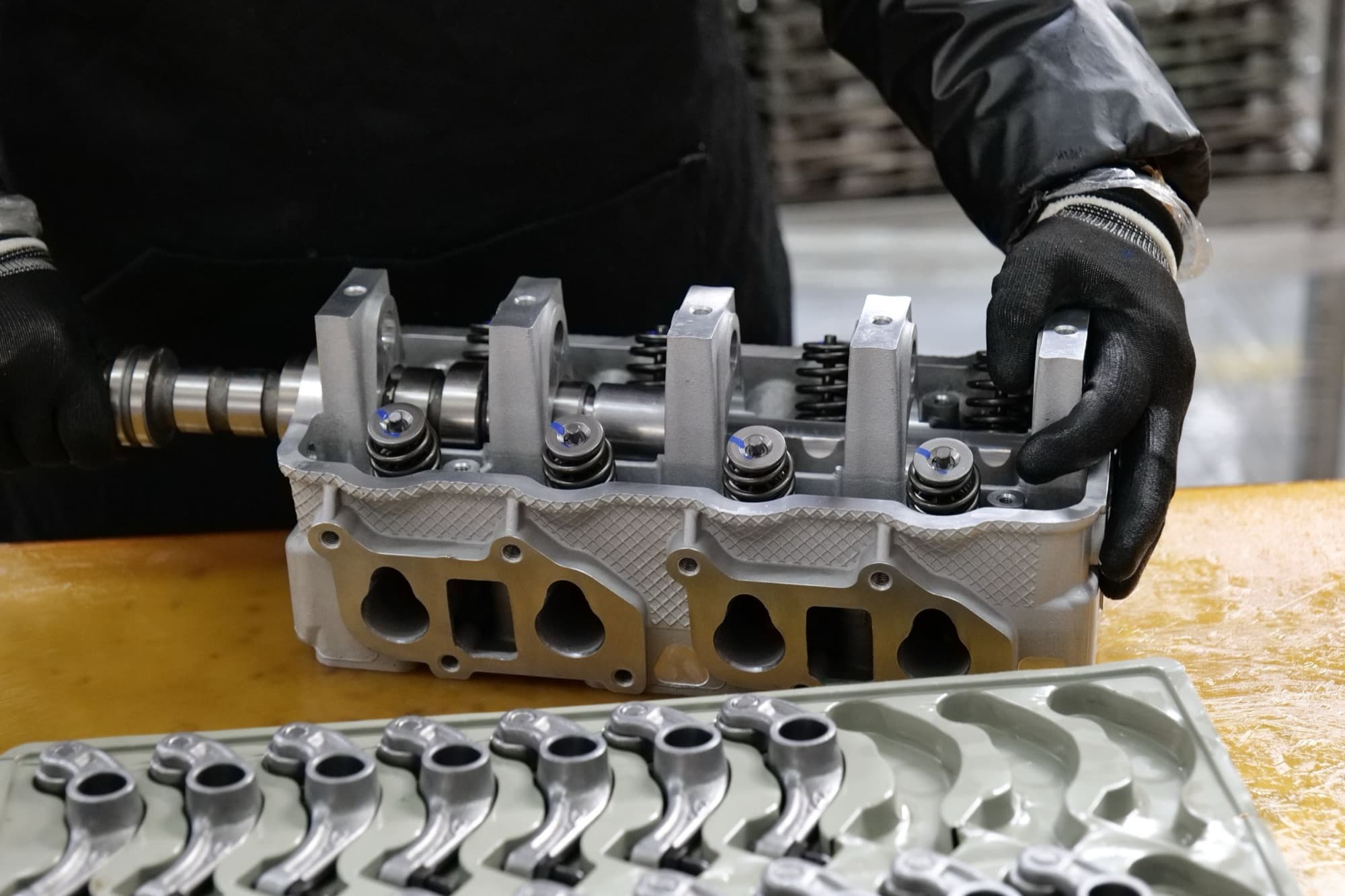
- Near-net castings and forgings are machined on critical faces, bores, and threads.


Go deeper
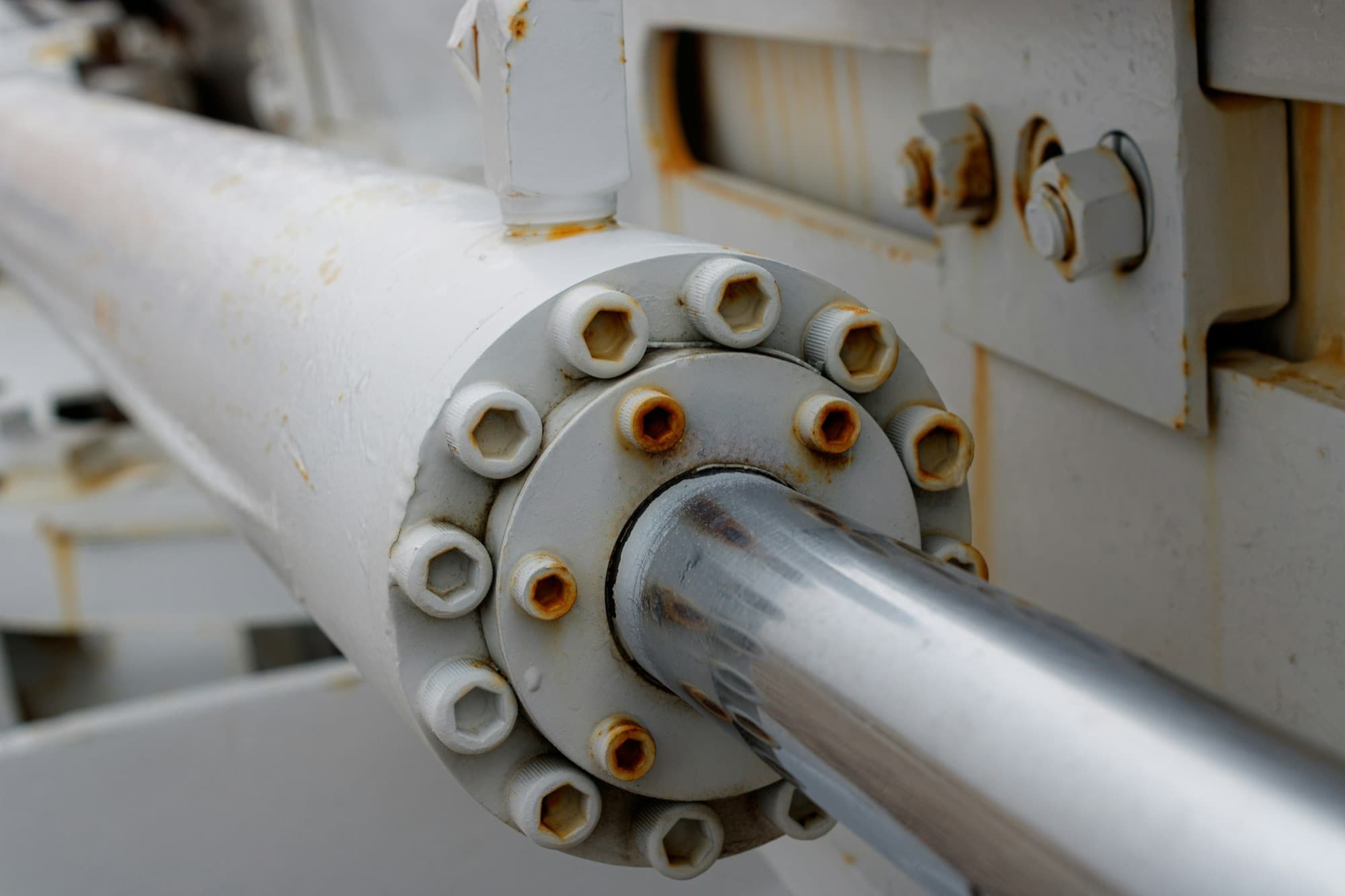
- CNC production machining: cost, fixturing, cycle time5 min
How production CNC machining differs from prototype work: cost per part by quantity, fixturing, cycle time drivers, ISO 2768 tolerances, and RFQ contents.
 Manufacturing tolerances: standard vs precision7 min
Standard and precision tolerances by process, the ISO 2768 f, m, c, and v table, what tight tolerances cost, GD&T basics, and how to tolerance a drawing.
CNC machining questions
How much does CNC machining cost?
Cost is mostly machine time plus setup and programming. Typical US shop rates run about $75–$150 per hour for 3-axis milling and more for 5-axis. A single prototype carries all the setup cost, so unit price usually drops sharply by 25–100 pieces.
What tolerances can CNC machining hold?
Most shops hold ±0.005 in (±0.13 mm) as a standard tolerance. Critical features commonly hold ±0.001 in (±0.025 mm), and ±0.0002 in (±0.005 mm) is possible with grinding or temperature-controlled finishing. Each tighter step adds cost.
What is the minimum order for CNC machined parts?
There is no tooling, so one part is possible. Most production shops quote better per-part pricing from 25–100 pieces, where setup and programming spread out.
How long does CNC machining take?
Simple prototypes can ship in 1–2 weeks. Production runs typically take 2–6 weeks, depending on material, finishing, and machine loading.
When should I switch from machining to casting or forging?
When annual volume passes a few thousand parts and much of the stock is being cut away, a near-net casting or forging plus finish machining usually costs less. The breakeven depends on tooling cost, material removal, and tolerance needs.
What is production sawing?
Production sawing is cutting bar, tube, and structural shapes to precise lengths on automatic band saws or circular cold saws. It supplies blanks for machining, forging, and fabrication, or finished cut-to-length parts.
Related processes
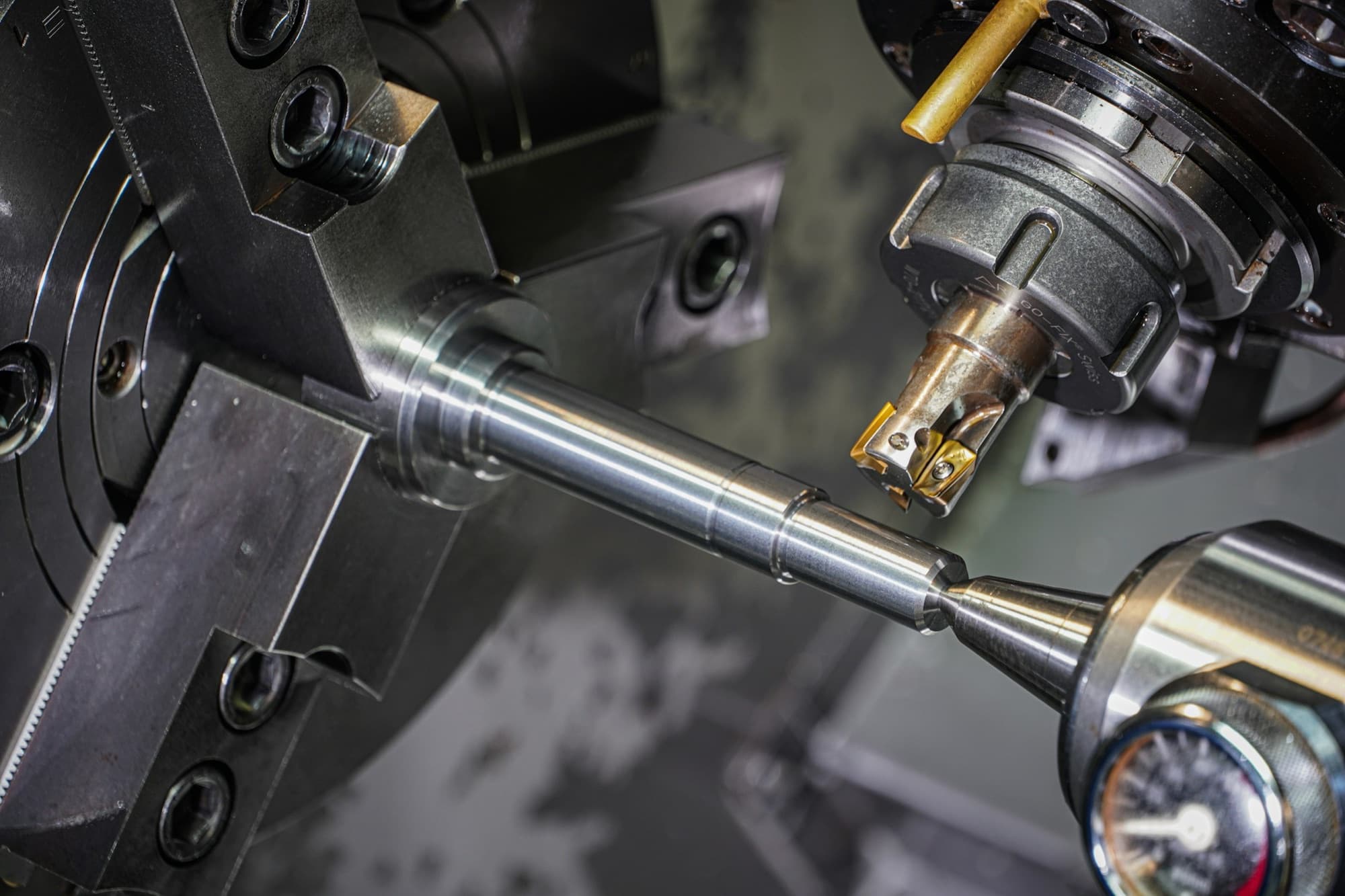 Screw machining
Turned pins, fittings, shafts, and bushings made from bar stock on multi-spindle and Swiss screw machines at volume.
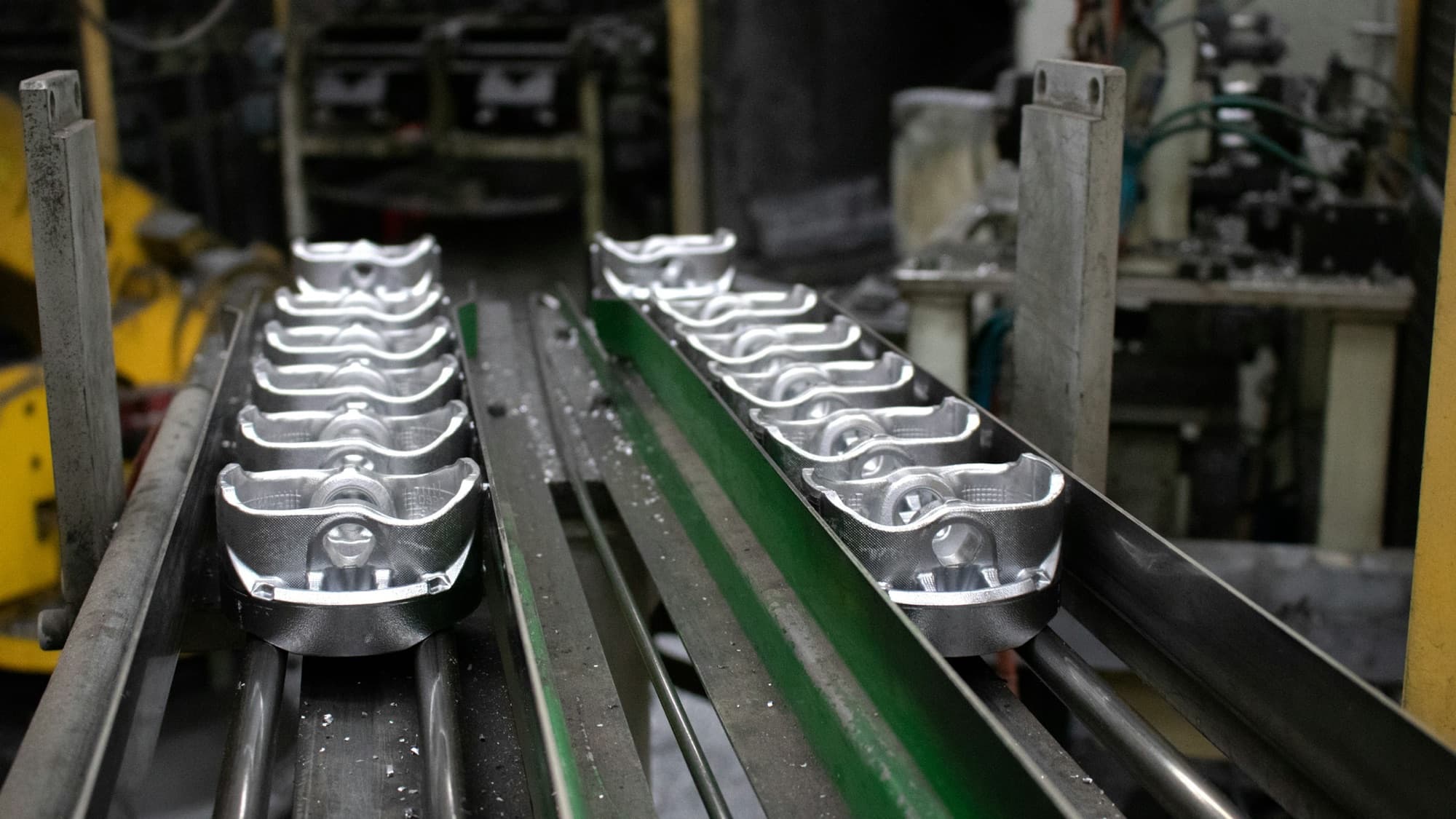 Die casting
Molten zinc or aluminum injected into steel dies at high pressure. Thin walls and net shape at 2,500+ parts a year.
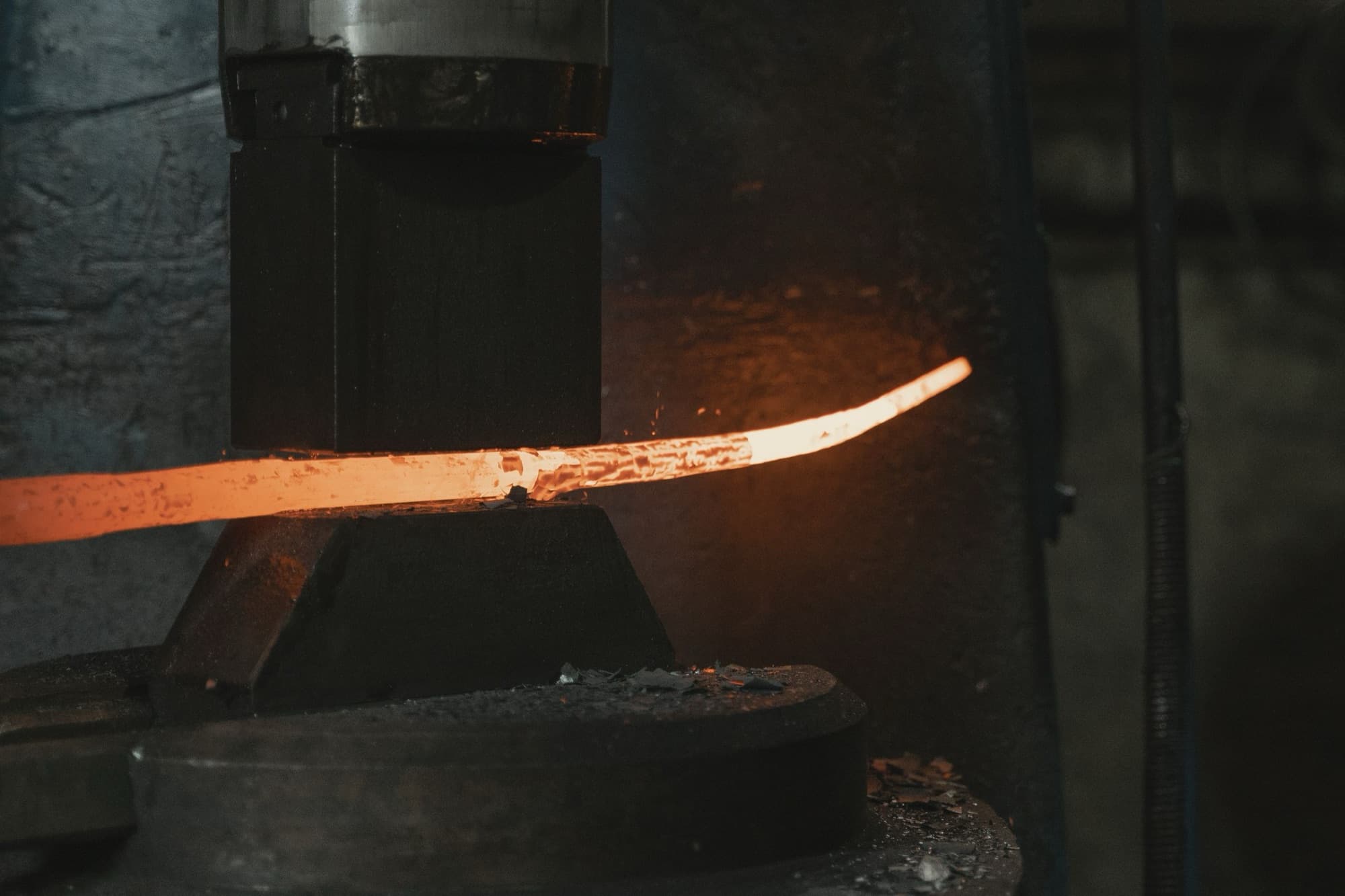 Forging
Closed-die and open-die forgings in carbon, alloy, and stainless steel and aluminum, with grain flow for strength.
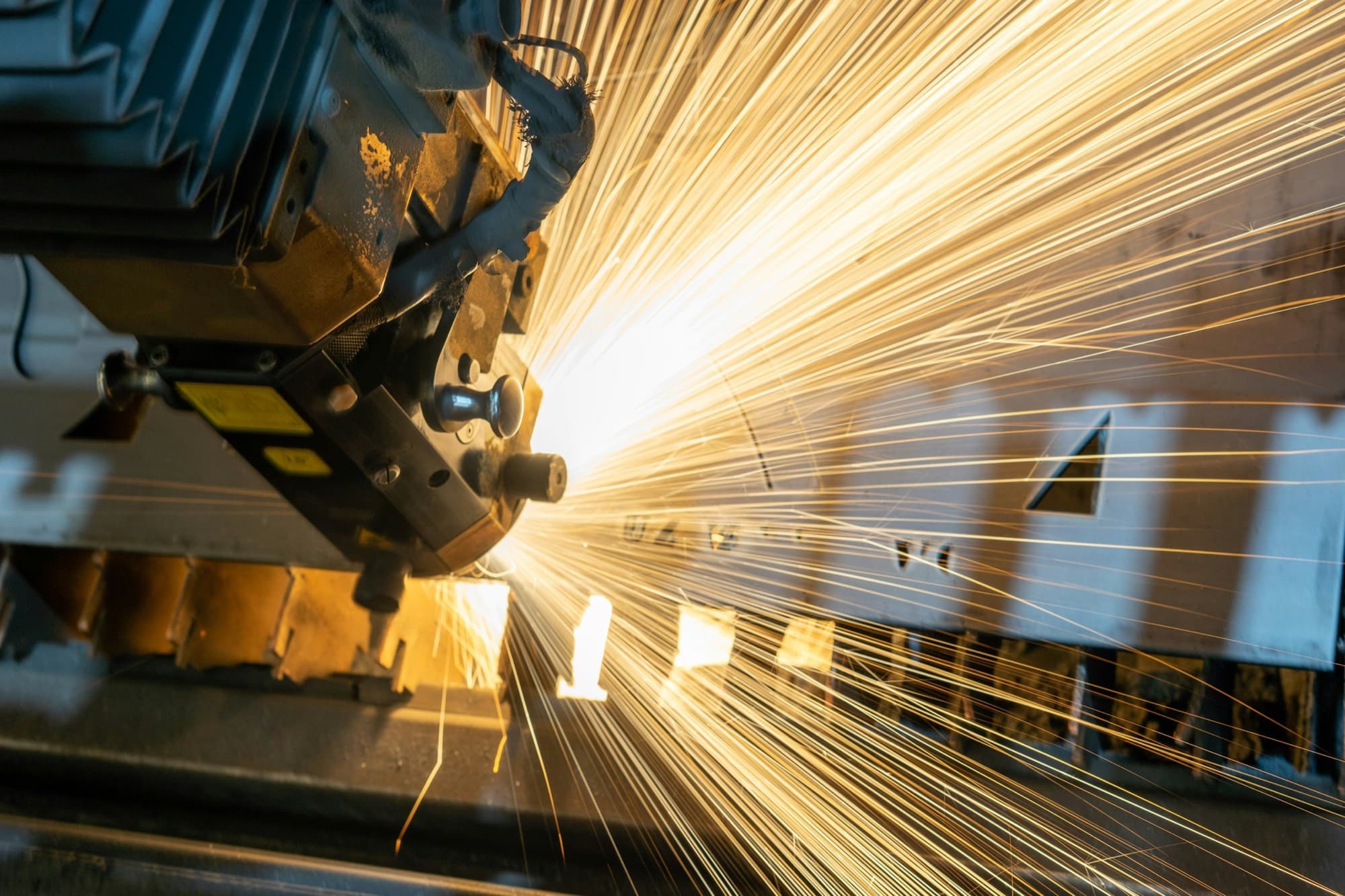 Sheet metal
Laser-cut, punched, bent, and welded sheet metal enclosures, brackets, and chassis with no hard tooling.
Quote cnc machining today.
Drop a STEP file for an instant estimate and DFM check. A rep routes the RFQ to principals who run this process every day.