Loading page
Network line, now onboarding principals
Additive manufacturing
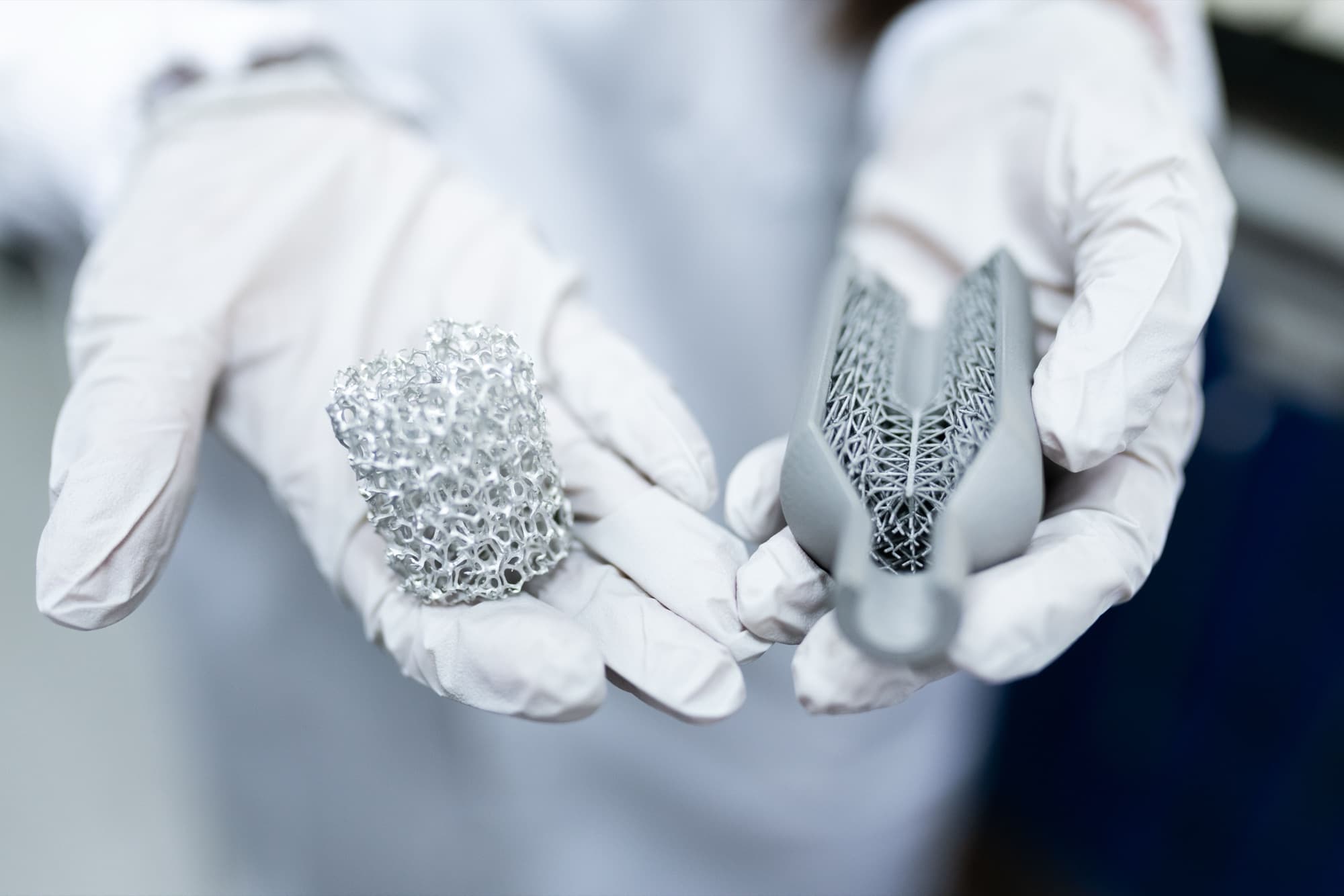
Additive manufacturing, or 3D printing, is a process that builds parts layer by layer from a 3D model using polymer powder, resin, filament, or metal powder, with no tooling. It suits prototypes, fixtures, and low-volume production from 1 to about 1,000 parts. Industrial powder-bed processes such as SLS and MJF typically hold ±0.3%, with a floor of about ±0.012 in (±0.3 mm).
Where it pays off
1101001k10k100k1M+
At a glance
No tooling, so cost per part stays nearly flat with quantity. Injection molding usually wins somewhere between a few hundred and a few thousand parts, depending on size.
- Tolerance
- SLS/MJF ±0.3% (±0.012 in / ±0.3 mm minimum); SLA about ±0.005 in (±0.13 mm) over the first inch; FDM about ±0.010 in (±0.25 mm)
- Build volume
- Polymer powder beds about 15 × 11 × 15 in (380 × 285 × 380 mm); metal powder beds about 10 × 10 × 12 in (250 × 250 × 300 mm)
- Minimum wall
- SLS/MJF about 0.030 in (0.8 mm); SLA about 0.020 in (0.5 mm); metal about 0.016 in (0.4 mm)
- Layer thickness
- 0.002–0.012 in (0.05–0.3 mm), process dependent
- Surface finish
- SLS/MJF Ra about 250–500 µin (6–13 µm) as printed; SLA under 63 µin (1.6 µm)
- Metal part density
- Over 99% for laser powder bed fusion
- Common materials
- PA12, PA11, TPU, SLA resins; ABS, PC, and PEEK filament; 316L, 17-4PH, Ti-6Al-4V, AlSi10Mg
- Typical volumes
- 1 to about 1,000 parts
Lead time
- First article
- 2–7 days for plastic; 1–3 weeks for metal
- Production
- 1–3 weeks per release
What would it cost?
The builder's estimator on a representative housing. Change a size, the quantity or the material and the price updates.
Housing · 3D printing
Order total $938
- Tooling
- None
- no hard tooling
- Piece price
- $37.50
- before setup + tooling
- Lead time
- 3–7 days
- to first production
Size
Drag a row to adjust · click to type
Length140140 mm
Width90.090.0 mm
Wall2.202.20 mm
Quantity
Price per part falls as volume rises
Exact quantity2525 pcs
Material
Design checks pass
Open in builderBudgetary estimate for a representative part. Firm quotes come from principals after drawing review.
How does it work?
5 steps from drawing to production parts.
- 1
Prepare the model
The CAD model is exported as STL or 3MF, checked for wall thickness, and oriented and nested in the build volume.
- 2
Slice
Software slices the model into layers, typically 0.002–0.012 in (0.05–0.3 mm) thick, and adds supports where the process needs them.
- 3
Print
The machine builds each layer by fusing powder, curing resin, or extruding filament, then indexes and repeats.
- 4
Post-process
Parts are depowdered, washed, cured, or removed from supports. Metal parts are stress relieved and cut from the build plate.
- 5
Finish
Parts are bead blasted, dyed, vapor smoothed, painted, or machined on critical features.
When is 3d printing the right call?
Best for
- Prototypes and fit checks in days
- Jigs, fixtures, and assembly aids
- Low-volume production under about 1,000 parts
- Internal channels and lattices that cannot be machined or molded
- Bridge parts while injection molds are built
Pick something else when
- Over about 1,000 plastic parts: plastic injection molding is cheaper per part
- 10–200 cosmetic parts in production-like materials: urethane casting gives a molded finish
- Tolerances tighter than ±0.005 in (±0.13 mm): use CNC machining
- Large, simple metal parts: casting or machining costs far less than metal printing
Materials
10 materials principals run in 3d printing. Pick one for design rules, finishes and an estimate in that material.


Design rules that keep the price down
About 0.030 in (0.8 mm) for SLS/MJF; 0.020 in (0.5 mm) for SLA
Minimum wall thickness
Thinner walls warp, break during cleaning, or fail to form.
At least two holes, about 0.2 in (5 mm) for powder or 0.14 in (3.5 mm) for resin
Add escape holes to hollow parts
Trapped powder or resin adds weight and can crack parts.
About 0.020 in (0.5 mm) for printed-in-place SLS/MJF assemblies
Leave clearance between mating parts
Tighter gaps fuse together.
At least 45° from horizontal for FDM, SLA, and metal
Design self-supporting overhangs
Shallower overhangs need supports that add cost and leave marks.
Holes and pins at least 0.060 in (1.5 mm) diameter
Size holes and pins
Small holes fill with fused powder, and small pins break.
Load FDM parts in the X–Y plane where possible
Orient for load
FDM parts are weakest between layers.
About 0.010–0.020 in (0.25–0.5 mm) for finish machining
Leave stock on critical metal features
As-printed metal surfaces are rough and may distort during stress relief.
What drives the cost?
In order of impact.
- 1
Build volume and height
Powder-bed processes price by the space a part occupies and the build height. Nesting many parts in one build lowers cost per part.
- 2
Material
PA12 is inexpensive per part; PEEK, titanium, and specialty resins cost far more.
- 3
Supports and orientation
SLA, FDM, and metal printing need supports that add material and removal labor. Metal supports are cut off by hand or EDM.
- 4
Post-processing
Vapor smoothing, dyeing, painting, heat treatment, and machining can equal or exceed the print cost.
- 5
Quantity
Setup is small, so price falls only modestly with quantity compared with molding.
Variants
- Selective laser sintering (SLS)
- A laser fuses nylon powder without supports, making durable functional parts in PA12, PA11, and TPU.
- Multi Jet Fusion (MJF)
- A powder-bed process that fuses PA12 with inkjet agents and heat, suited to production batches with consistent properties.
- Stereolithography (SLA)
- A UV laser cures liquid resin in thin layers for smooth, detailed parts and master patterns for urethane casting.
- Fused deposition modeling (FDM)
- Extruded thermoplastic filament builds parts and fixtures in ABS, PC, nylon, and PEEK at low cost.
- Metal laser powder bed fusion (LPBF)
- A laser melts metal powder into dense parts in stainless, titanium, and aluminum alloys, usually followed by stress relief and machining.


3D printing questions
How much does 3D printing cost per part?
Small SLS or MJF nylon parts often cost about $10–$100 each, and SLA parts are similar. Metal printed parts commonly run from hundreds to thousands of dollars each. Size, material, and post-processing drive price more than complexity.
When is 3D printing cheaper than injection molding?
3D printing is usually cheaper below a few hundred to about 1,000 parts, because it needs no mold. Above that, molding's lower piece price outweighs its tooling cost. The crossover comes sooner for large parts and later for small ones.
How accurate is 3D printing?
SLS and MJF typically hold about ±0.3%, with a minimum of about ±0.012 in (±0.3 mm). SLA holds about ±0.005 in (±0.13 mm) over the first inch. Features that need better are machined after printing.
Are 3D printed parts strong enough for production?
Many are. SLS and MJF PA12 have tensile strength around 7,000 psi (48 MPa), close to molded unfilled nylon 12, and metal powder bed parts reach over 99% density. FDM parts are weaker between layers, so orientation matters.
What file format do I need for 3D printing?
STEP is best for quoting and for any later machining. STL or 3MF is used for the print itself. Include units and put critical dimensions on a drawing.
How fast can I get 3D printed parts?
Plastic prototypes often ship in 2–7 days. Metal parts typically take 1–3 weeks, including stress relief and support removal.
Related processes
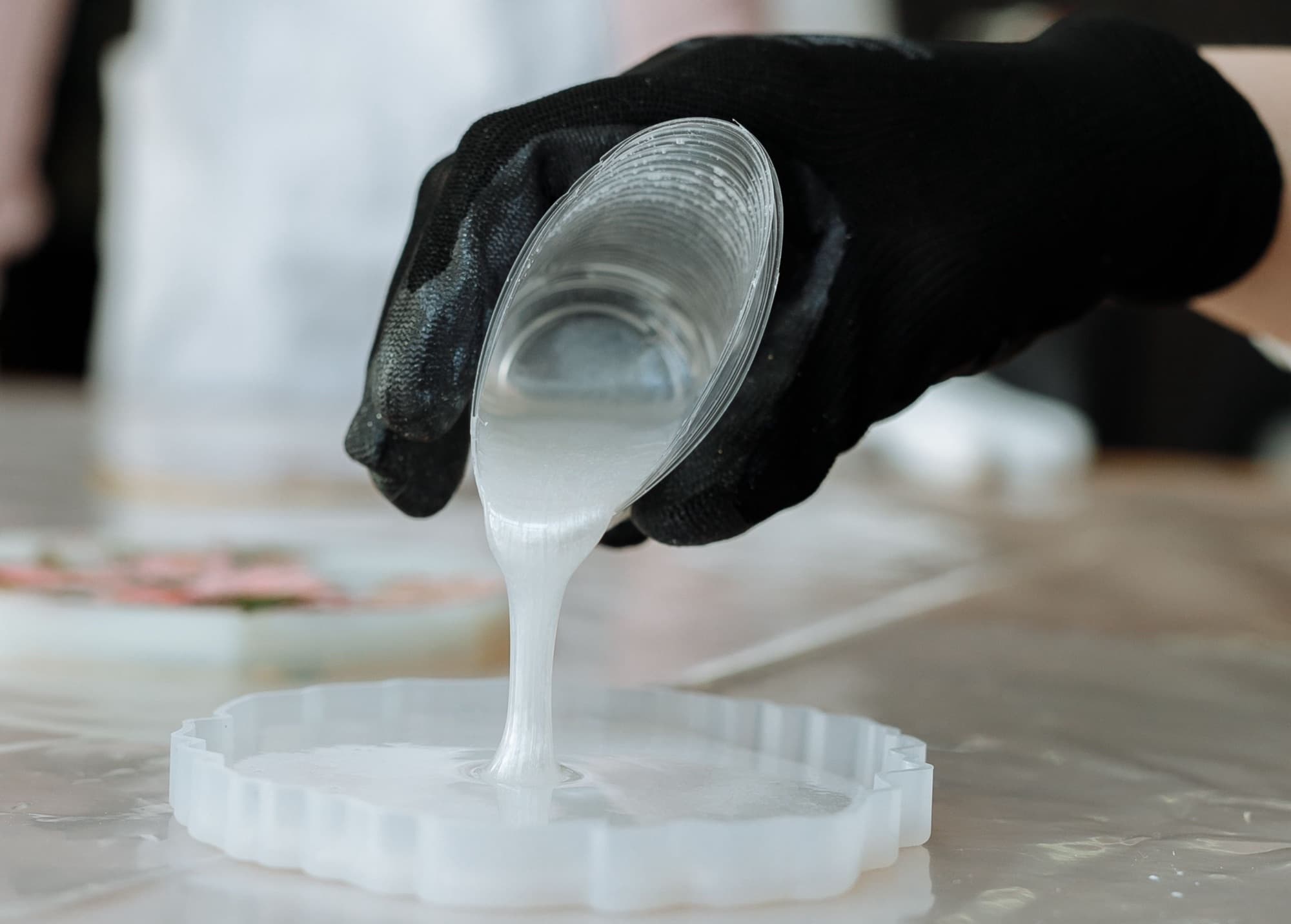 Urethane casting
Production-like plastic and rubber parts cast in silicone molds, typically 10–200 parts in one to two weeks.
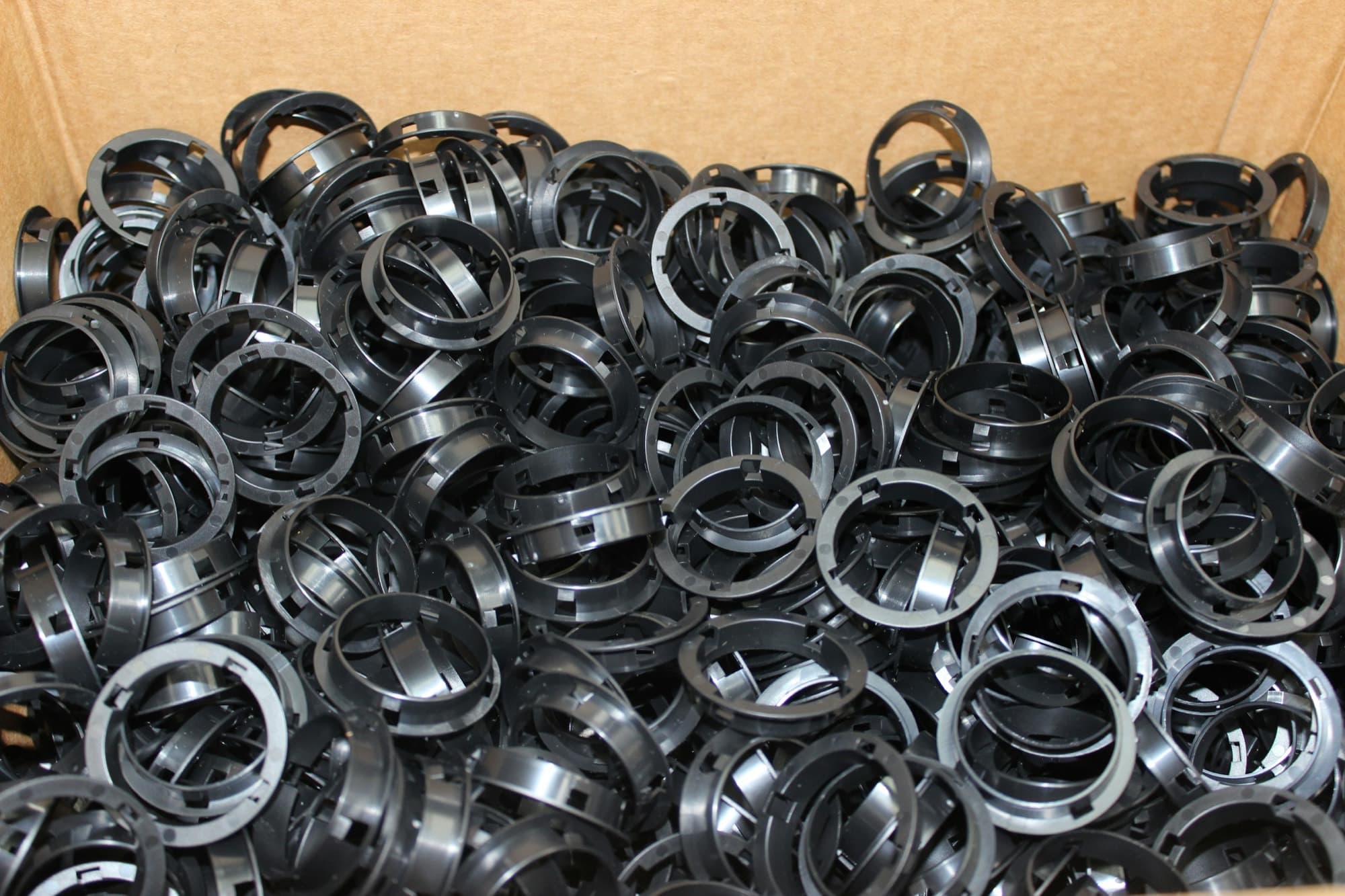 Injection molding
Molten thermoplastic injected into a steel or aluminum mold. Lowest piece price for plastic parts at 5,000+ a year.
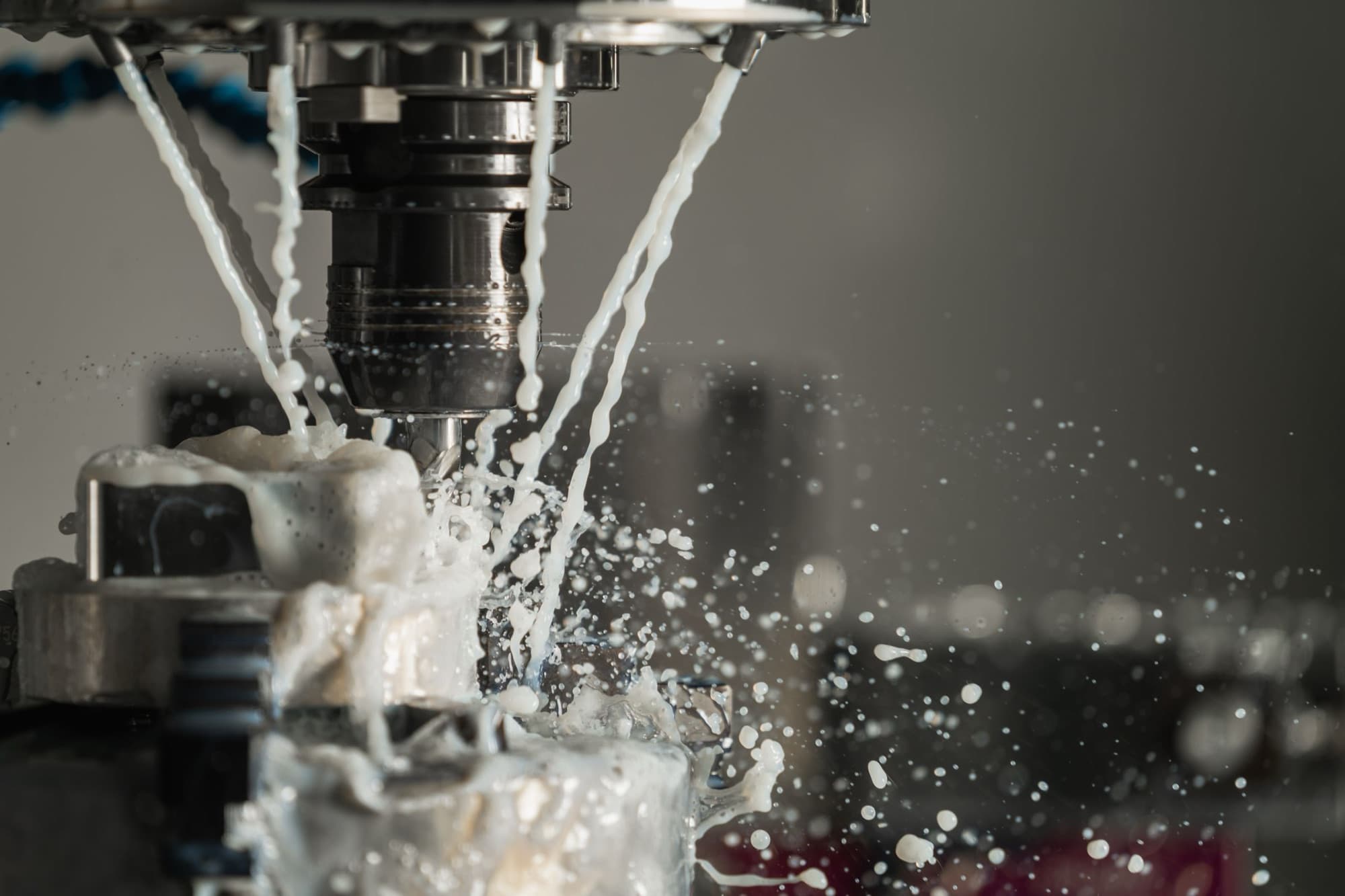 CNC machining
CNC milling, turning, and production sawing from bar, plate, castings, and forgings, from prototype to production.
Quote 3d printing today.
Drop a STEP file for an instant estimate and DFM check. A rep routes the RFQ to principals who run this process every day.