Loading page
Core line, represented 25+ years
How do computer accessory brands source cosmetic plastic and metal parts?
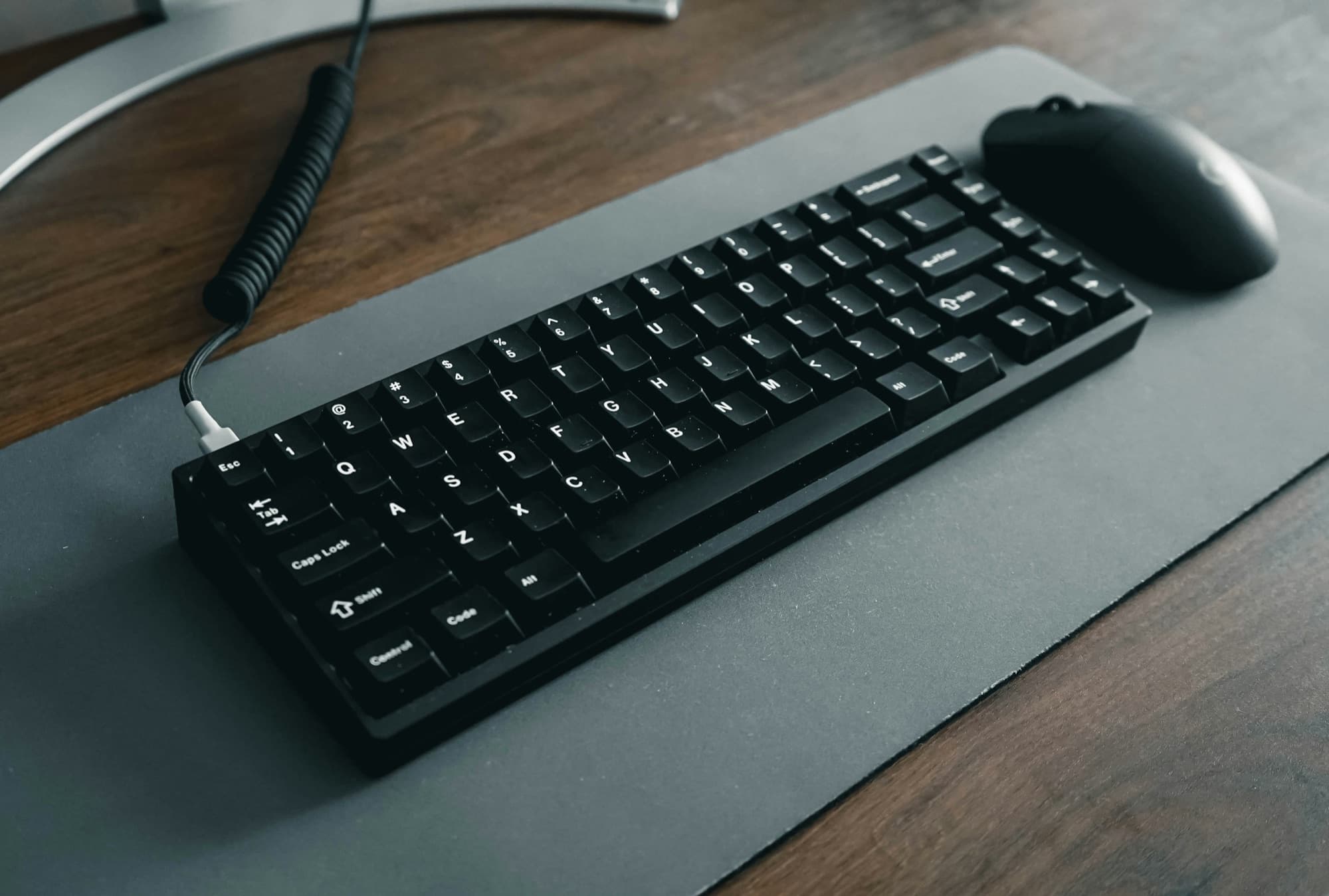
Computer accessory brands source cosmetic housings from multi-cavity injection molds, stands and weighted bases from zinc or aluminum die casting, shields and brackets from progressive dies, and keypads from silicone molders. Cosmetic surfaces, texture, and color are inspected as closely as dimensions. SSG sends one RFQ to domestic and offshore principals for these parts.
- Part families
- 12
- Processes
- 8
- Materials
- 10
Parts we source for this industry
- 01Keyboard and mouse housings
- 02Die cast monitor stand bases and arm joints
- 03Stamped EMI shield cans and keyboard plates
- 04Machined aluminum hub and dock enclosures
- 05Silicone keypads and rubber feet
- 06Overmolded cable strain reliefs
- 07Hinge and tilt mechanism springs
- 08Sewn laptop sleeves and carrying cases
- 09Injection molded docking cradles and trays
- 10Die cast zinc counterweights
- 11Powder metal hinge cams
- 12Molded TPE cable organizers and clips
How these parts are made
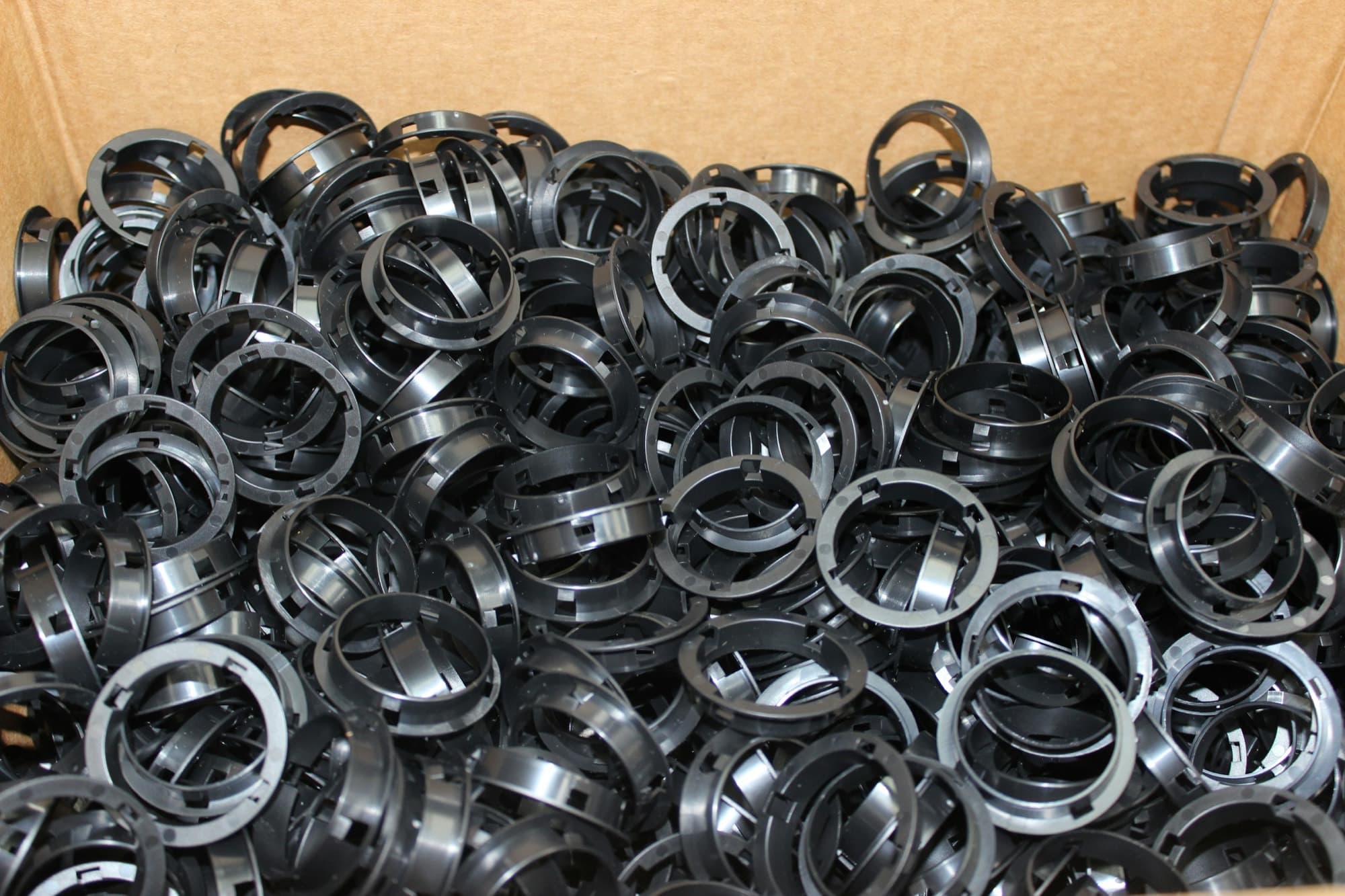 Injection molding
Molten thermoplastic injected into a steel or aluminum mold. Lowest piece price for plastic parts at 5,000+ a year.
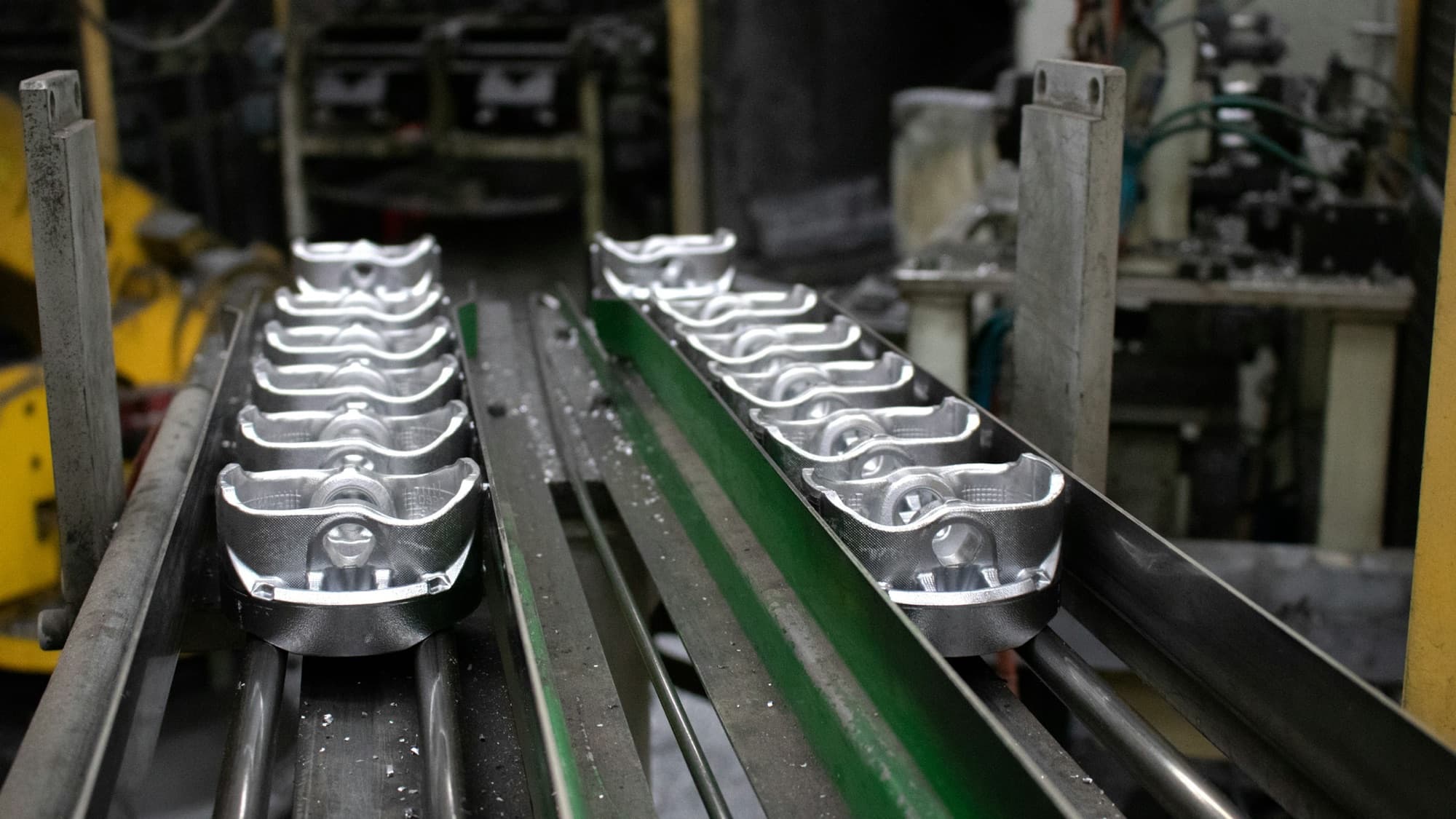 Die casting
Molten zinc or aluminum injected into steel dies at high pressure. Thin walls and net shape at 2,500+ parts a year.
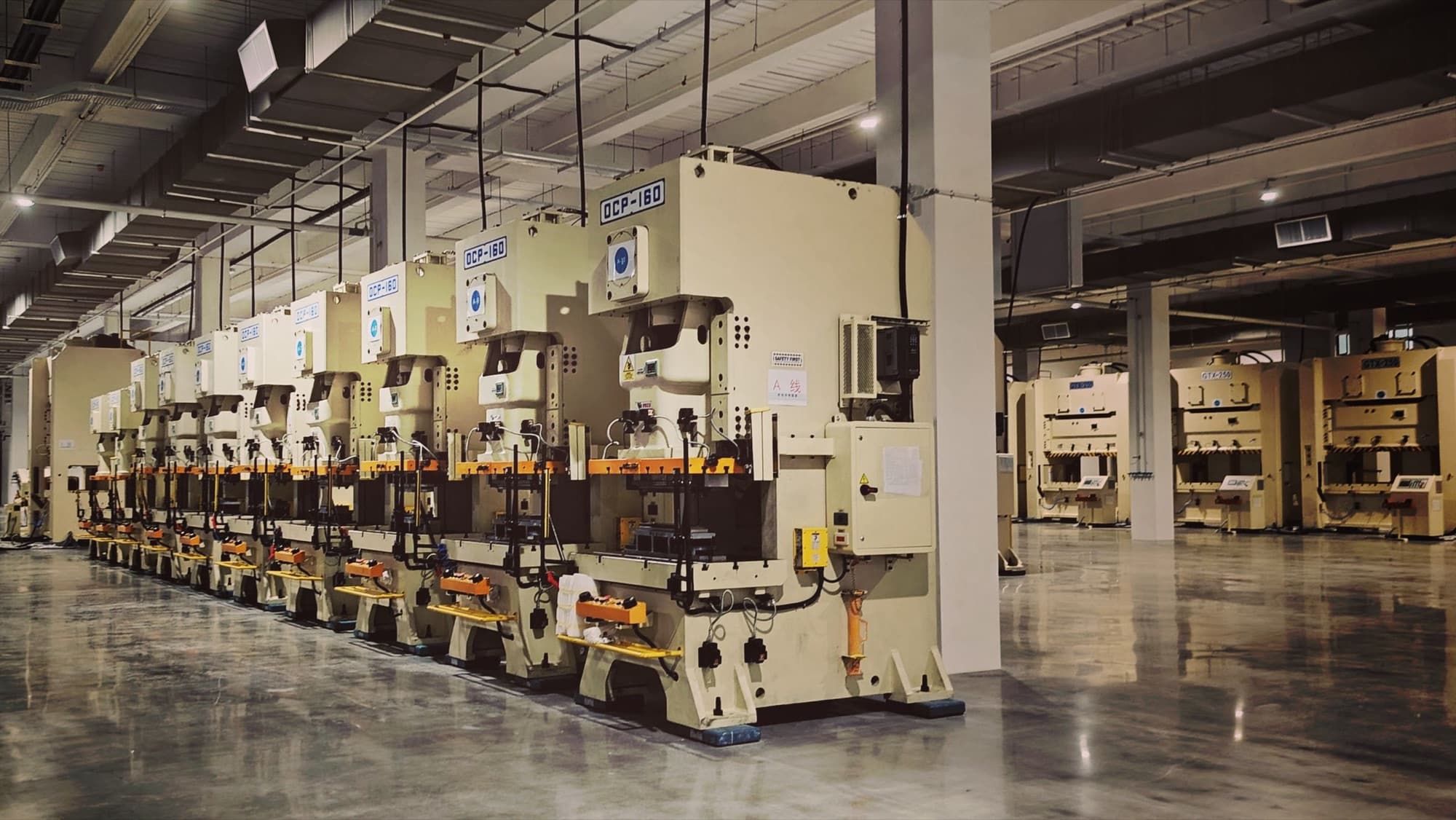 Stamping
Short- to medium-run stampings: brackets, clips, shields, and plates cut and formed from sheet or coil in a press.
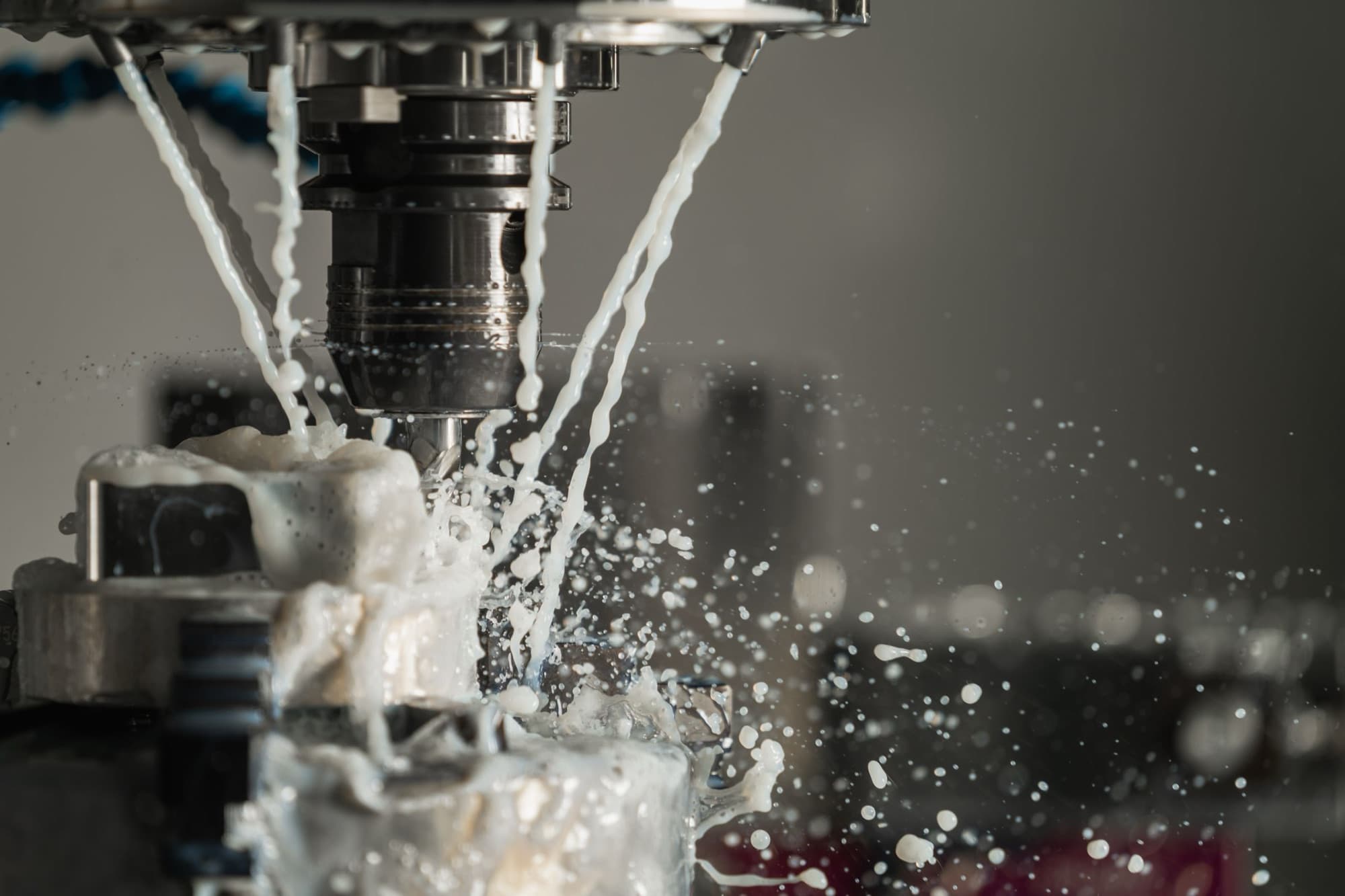 CNC machining
CNC milling, turning, and production sawing from bar, plate, castings, and forgings, from prototype to production.
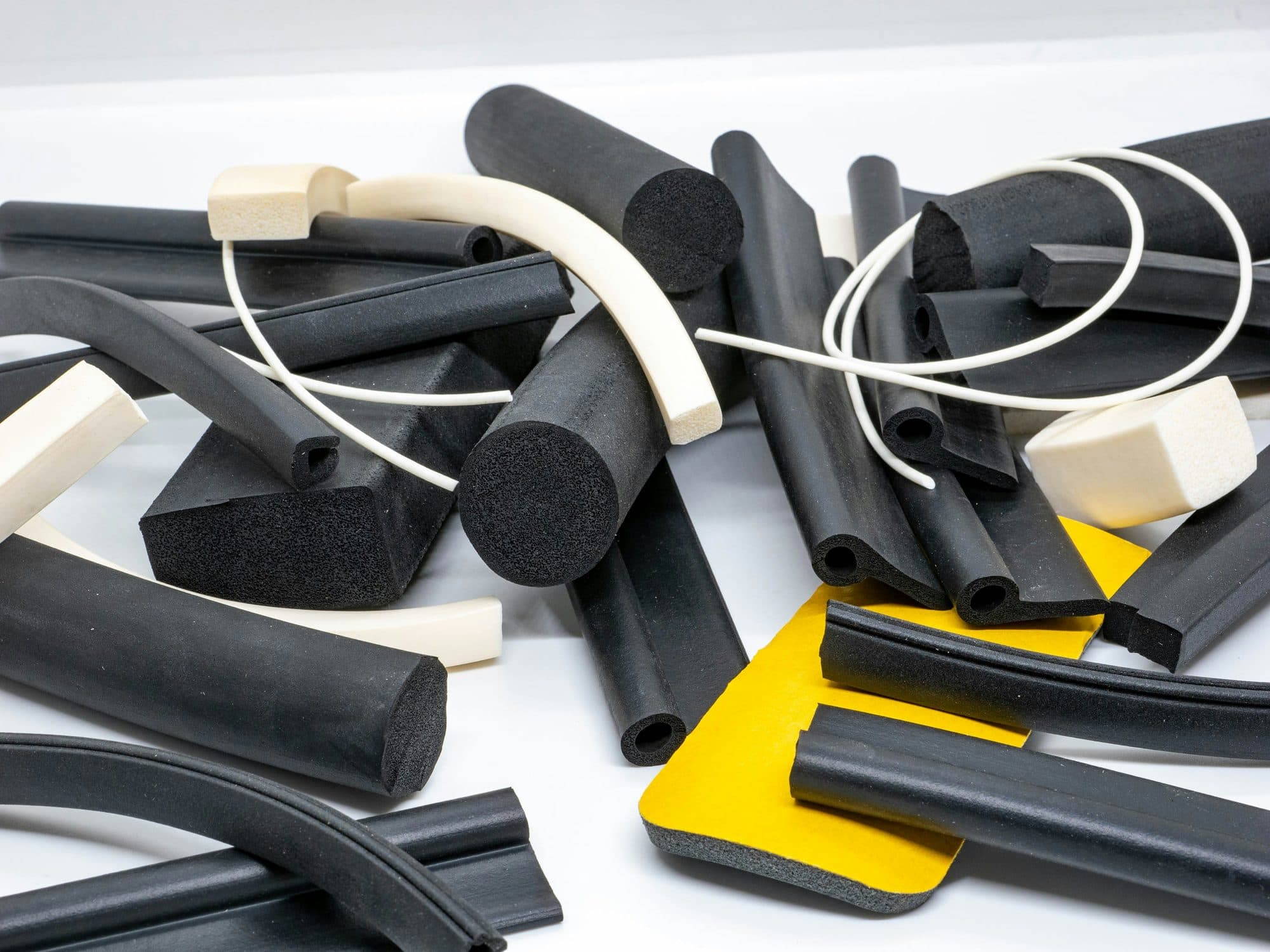 Rubber
Seals, gaskets, grommets, and profiles extruded or molded in EPDM, silicone, nitrile, neoprene, FKM, and TPE.
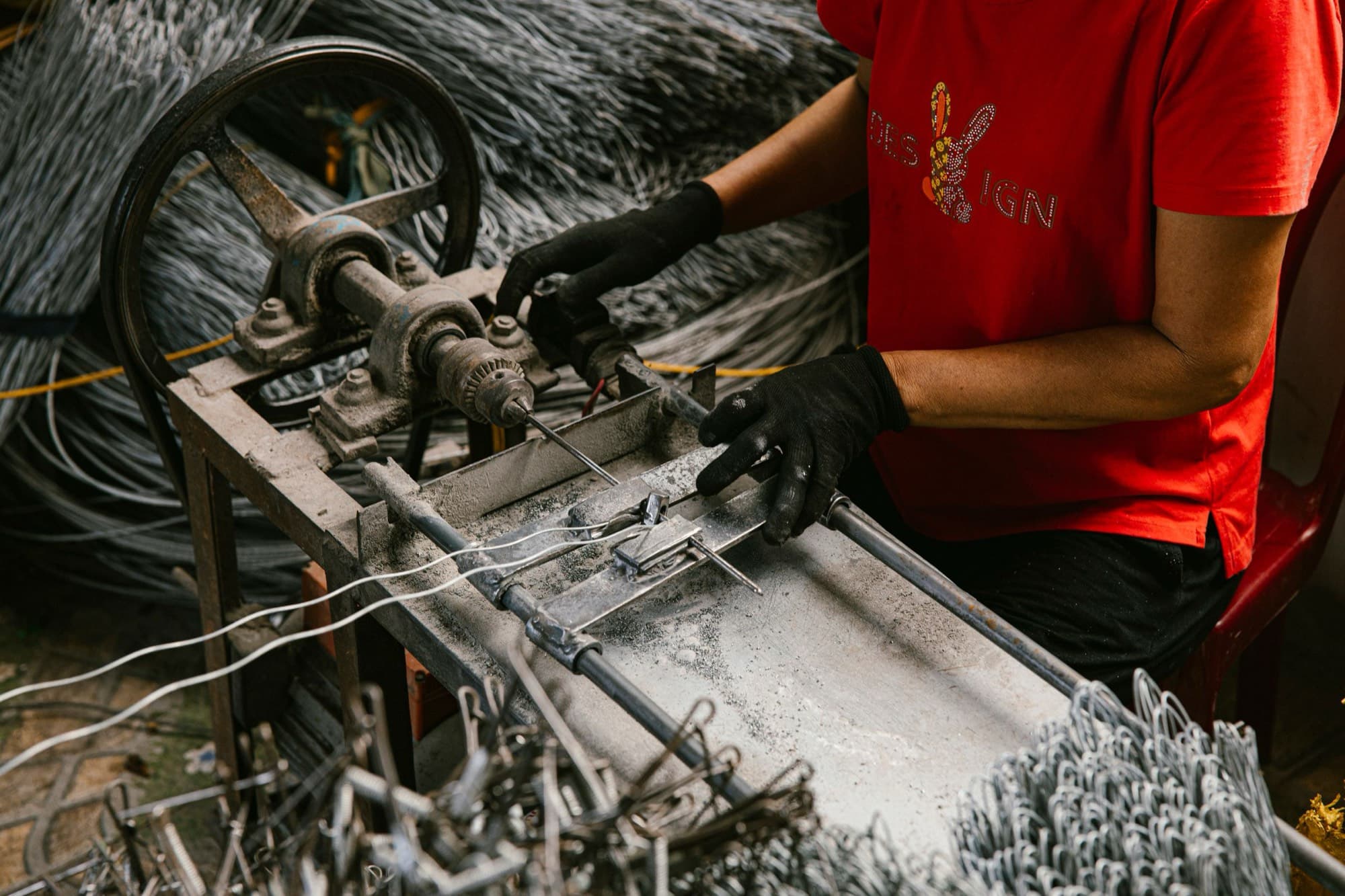 Springs & wire forms
Compression, extension, and torsion springs, wire forms, and fourslide clips made from round wire and flat strip.
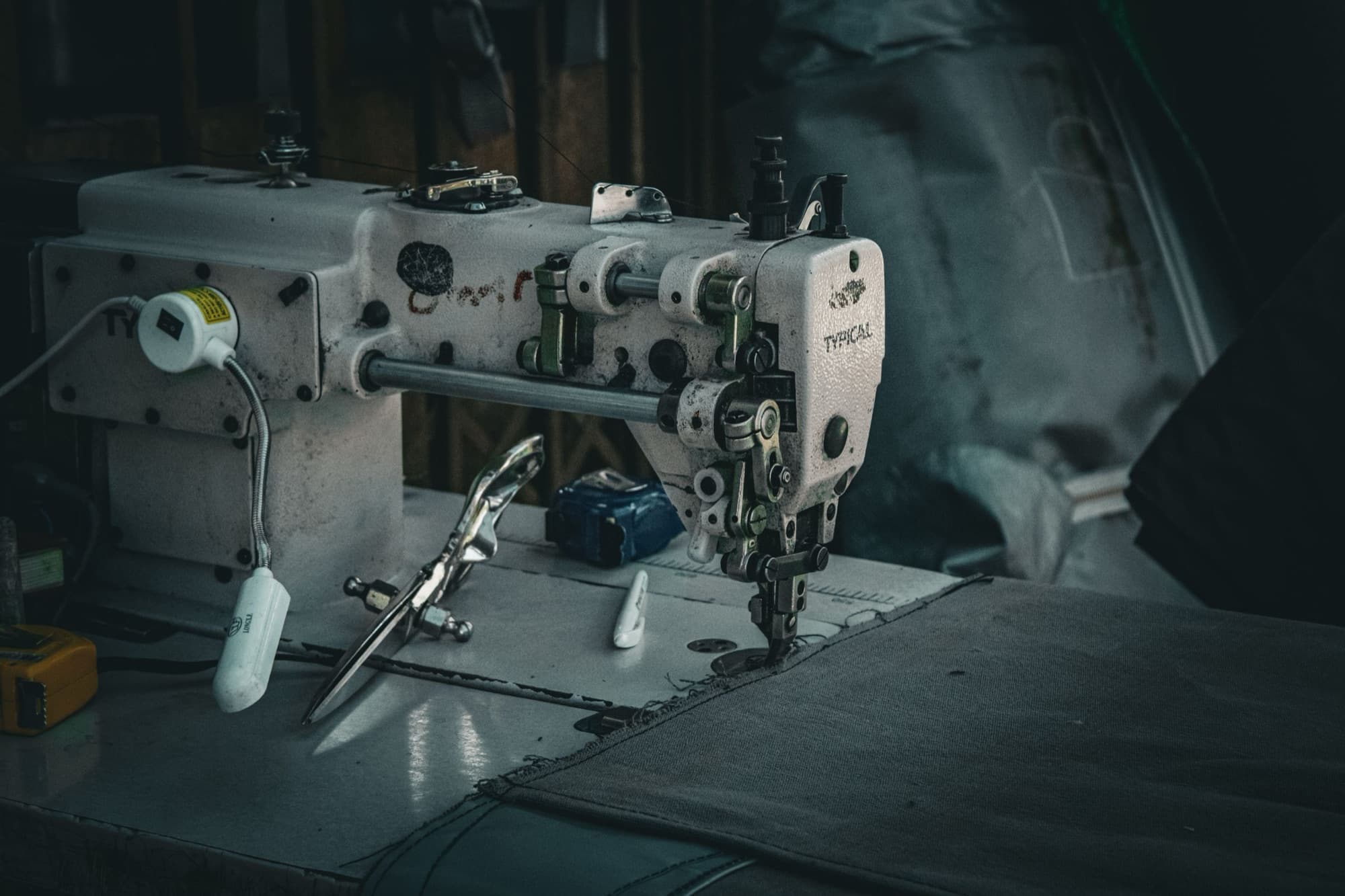 Soft goods
Cut-and-sewn covers, bags, cases, straps, cushions, and industrial textiles, from pattern development to production.
 Offshore sourcing
Parts made by vetted overseas manufacturers, with landed-cost analysis, quality control, and logistics managed.
Which of these pays off at your quantity?
Parts per order
7 processes are at their best at this quantity, and 1 more can do it.
Drag to your quantity


What suppliers are held to
Product safety
Powered accessories are evaluated to UL 62368-1, which replaced UL 60950-1 for IT equipment. Enclosure resins carry UL 94 ratings, and suppliers provide UL yellow card data for the exact grade.
Restricted substances
Accessory brands selling globally require RoHS and REACH SVHC declarations and a California Prop 65 review. Material declarations are expected from every part supplier, including platers and colorant suppliers.
Cosmetic standards
Drawings define A, B, and C surfaces, texture by Mold-Tech or VDI reference, gloss, and color by ΔE. Parts are inspected at a set distance and light level, and gate, ejector, and parting line locations are approved before steel is cut.
EMC
Products must meet FCC Part 15 emission limits. Stamped shields, conductive gaskets, and plated or painted enclosures are designed around that test.
Questions
Zinc or aluminum die casting for monitor stand bases?
Zinc for weighted bases and fine cosmetic detail. It is about 2.5 times as dense as aluminum, casts thinner walls, and plates well. Aluminum is lighter and cheaper by volume for large arms and brackets.
What surface texture should cosmetic housings use?
A light Mold-Tech or VDI 24–27 texture hides flow lines, scratches, and sink better than gloss. Each texture needs added draft, usually 1–1.5° per 0.001 in (0.025 mm) of texture depth.
Can a mold be built in one country and run in another?
Yes, with a written tooling agreement. A mold can run elsewhere if press size, ejector layout, and hot runner controls match. Plan a new sample run and first article inspection after any move.
Related industries




Send us the part.
Build it or upload a drawing. A rep routes it to principals already making parts for this industry.