Loading page
ABS
ABS (acrylonitrile butadiene styrene) is an amorphous thermoplastic and the default material for molded housings, covers and consumer parts. It combines good impact strength, stiffness near 330 ksi (2.3 GPa), and a surface that paints, plates and textures well. Typical tensile strength is 6,200 psi (43 MPa), and it molds with low shrink, about 0.5%. It yellows and weakens outdoors without UV protection.
- ISO 1043
- ABS
- ASTM
- D4673 (ABS molding materials)
- Trade names
- Cycolac, Lustran, Terluran

How does it compare?
Typical room-temperature values for ABS, against all 48 materials in the library.
- Tensile strength
- 43 MPa18th pct
- Density
- 1.05 g/cm³9th pct
- Max service temp
- 80 °C0th pct
- Elongation
- 25 %51th pct
- Relative cost
- $$$$$
Bars are relative to the strongest, densest or hottest material in the SSG library. Percentile vs all 48 materials.
- Density
- 1.05 g/cm³ · 0.0379 lb/in³
- Tensile strength
- 43 MPa · 6.2 ksi
- Elongation
- 25%
- Elastic modulus
- 2.3 GPa · 0.3 Msi
- Hardness
- Rockwell R105
- Max service temperature
- 80 °C · 176 °F
- Thermal conductivity
- 0.17 W/m·K
When should you use ABS?
Strengths
- Good impact strength and stiffness for the cost
- Low, uniform shrink of 0.4–0.7% for flat, stable parts
- Paints, plates, bonds and ultrasonically welds well
- Takes high-gloss or textured finishes
- Flame-retardant UL 94 V-0 grades available
Watch for
- Poor UV resistance; yellows and embrittles outdoors unless stabilized, painted or replaced with ASA
- Attacked by acetone, many solvents and some cleaners
- Heat deflection about 185–205 °F (85–95 °C) at 264 psi; not for hot environments
- Lower chemical and fatigue resistance than semi-crystalline plastics such as PP or nylon
Typical parts
- Electronics and appliance housings
- Keyboard keycaps and computer accessories
- Automotive interior trim
- Power tool housings
- Toys and consumer products
- Chrome-plated faucet handles and trim
How ABS is made into parts
Cost, finishes and design rules for each process in this material.
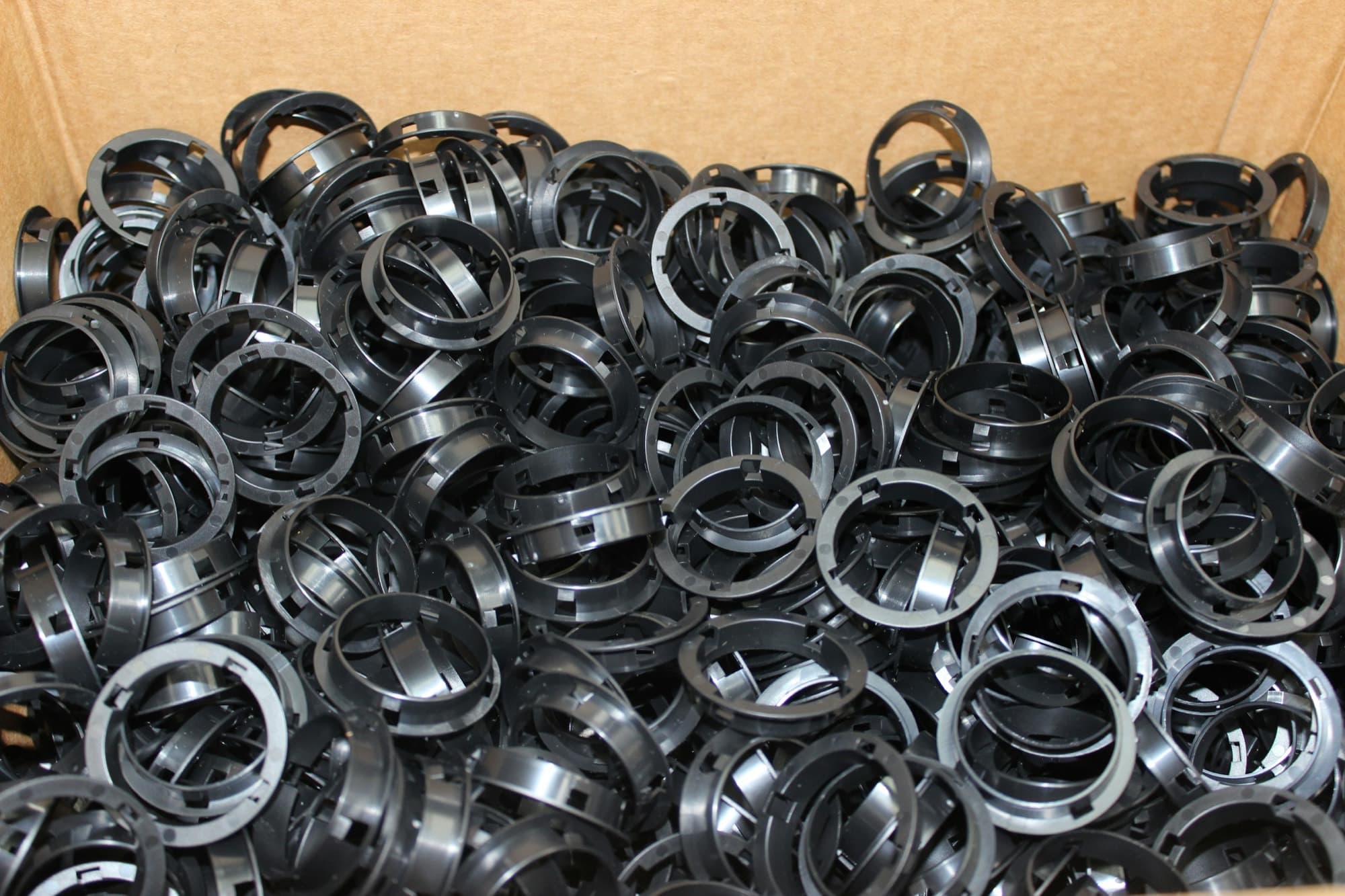 Injection molding in ABS
Molten thermoplastic injected into a steel or aluminum mold. Lowest piece price for plastic parts at 5,000+ a year.
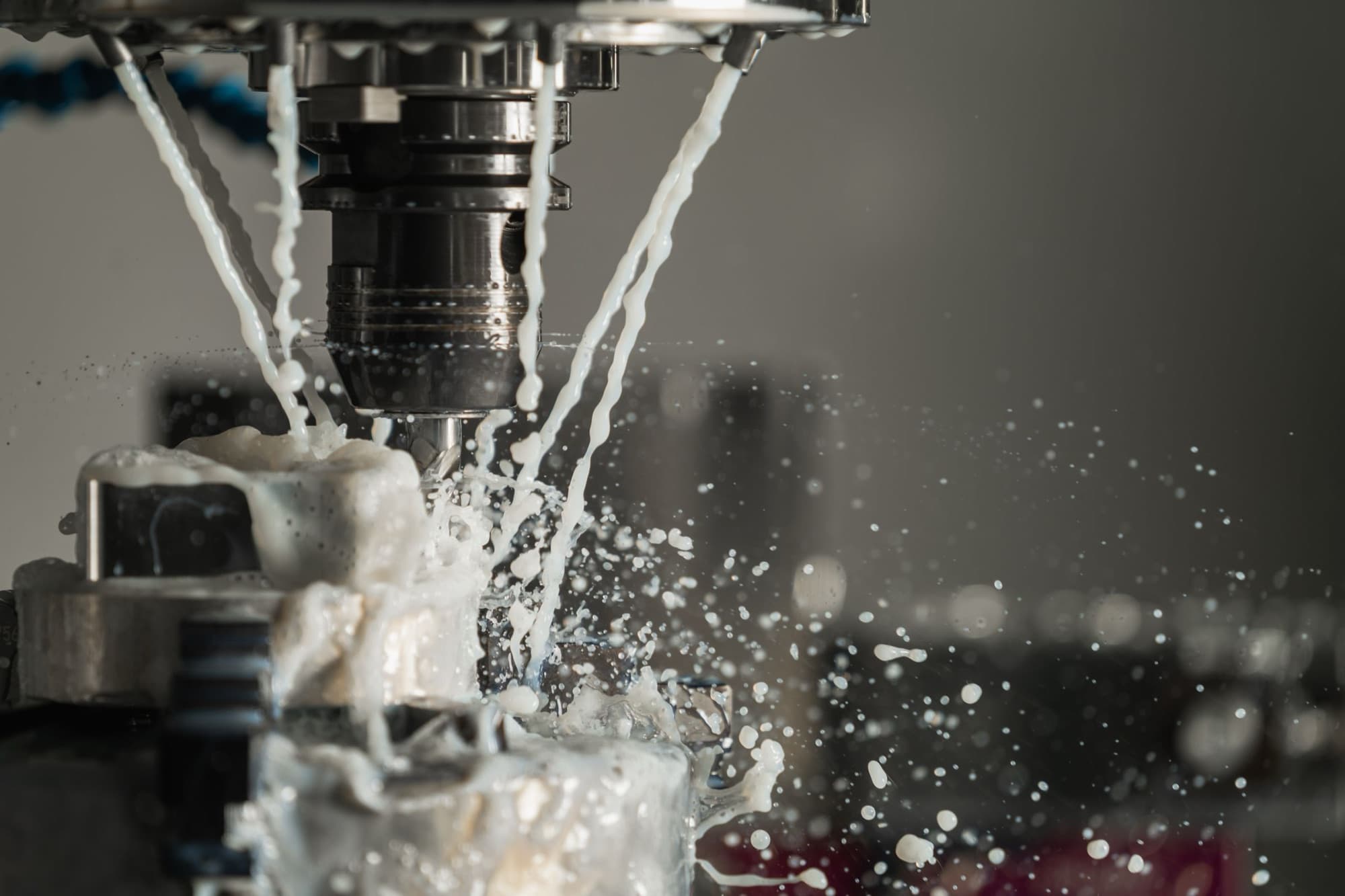 CNC machining in ABS
CNC milling, turning, and production sawing from bar, plate, castings, and forgings, from prototype to production.
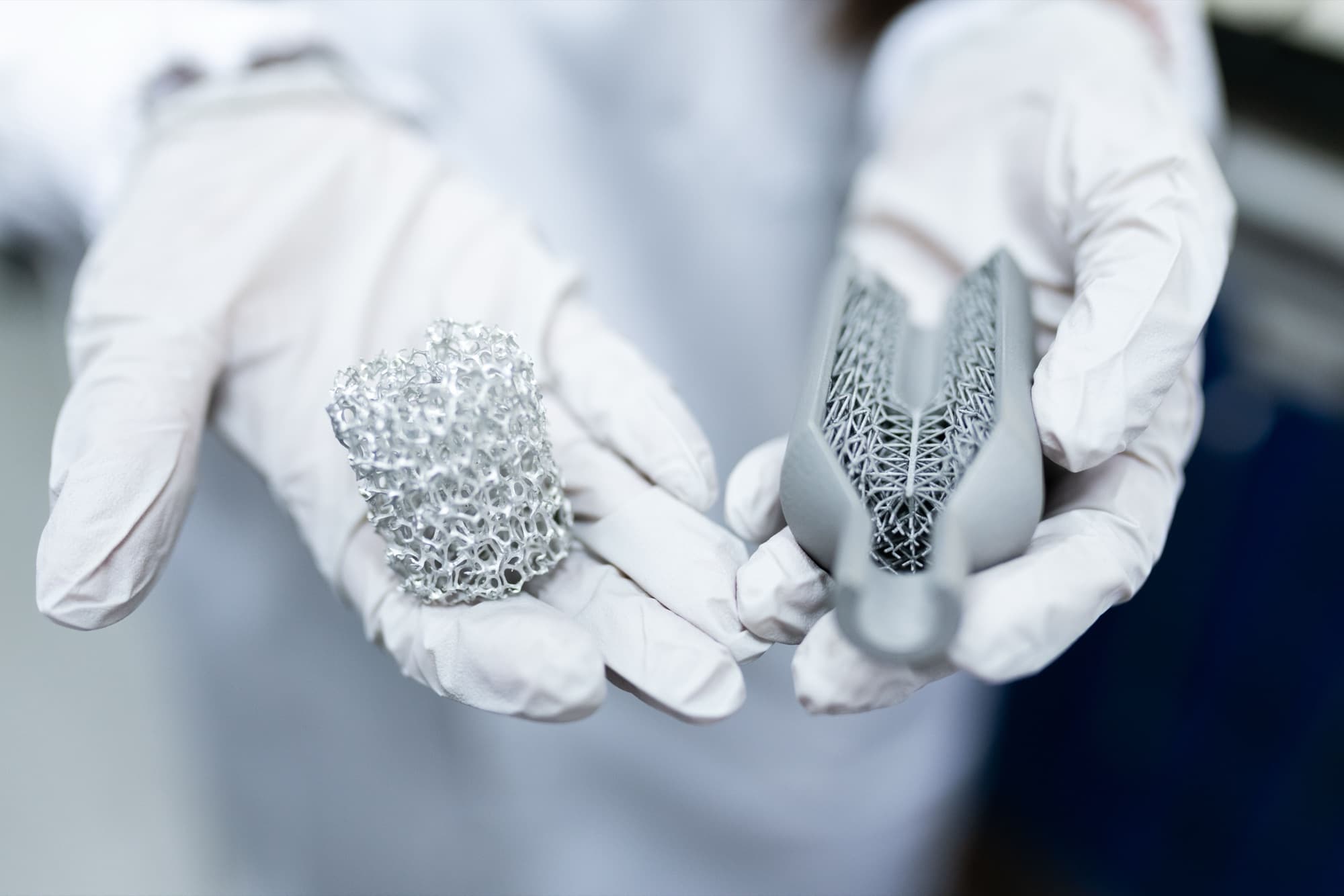 3D printing in ABS
SLS, MJF, SLA, FDM, and metal printing for prototypes, fixtures, and low-volume production parts.
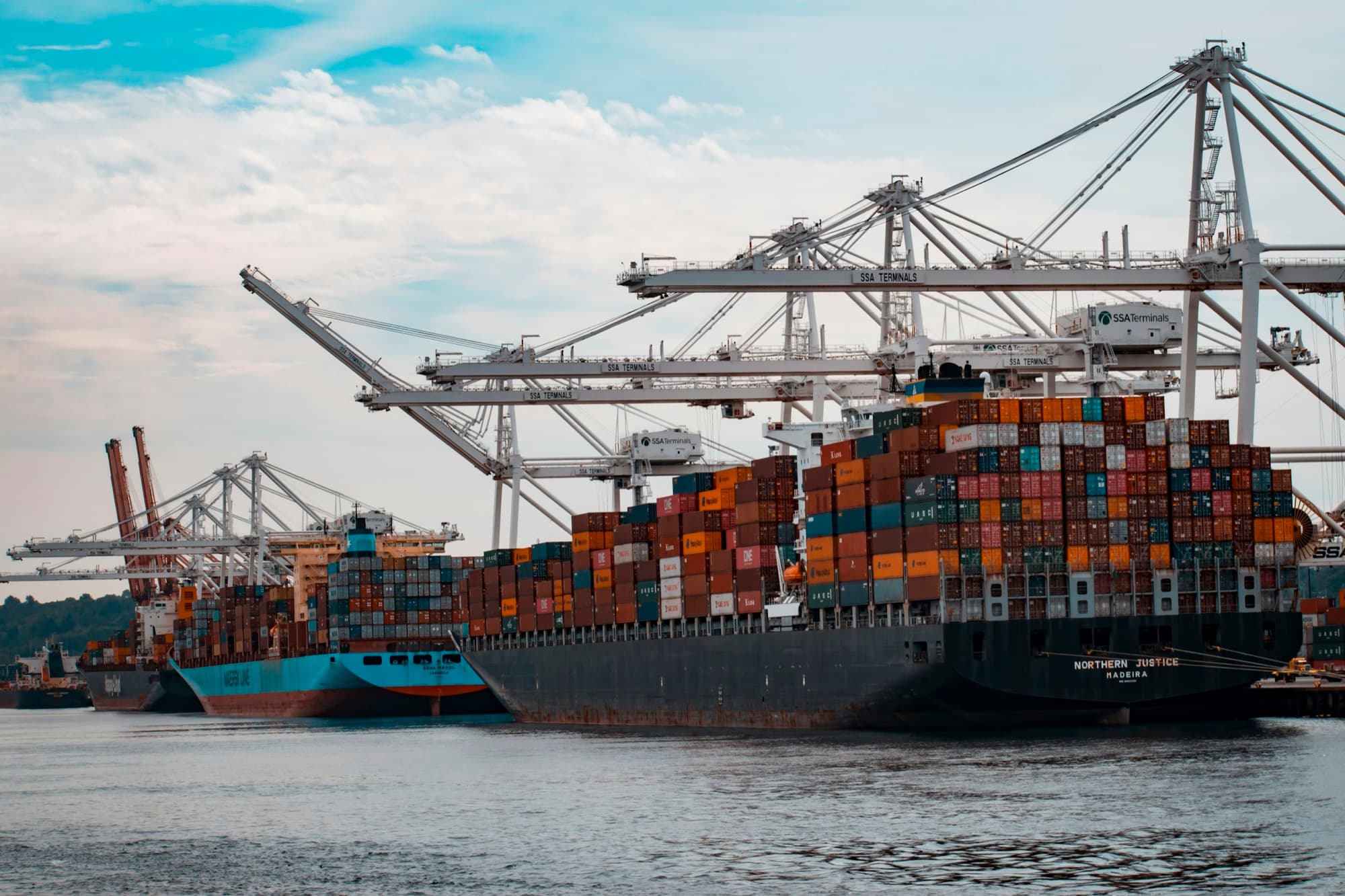 Offshore sourcing in ABS
Parts made by vetted overseas manufacturers, with landed-cost analysis, quality control, and logistics managed.
What does a part in ABS cost?
A representative part, injection molding. Raw material at about $3.00/kg is one line of it; process time and tooling usually matter more.
Housing · Injection molding
Order total $23,628
- Tooling
- $17,029
- one-time, spread over the order
- Piece price
- $0.62
- before setup + tooling
- Lead time
- 6–9 weeks
- to first production
Size
Drag a row to adjust · click to type
Length140140 mm
Width90.090.0 mm
Wall2.202.20 mm
Quantity
Price per part falls as volume rises
Exact quantity1000010000 pcs
Material
Design checks pass
Open in builderBudgetary estimate for a representative part. Firm quotes come from principals after drawing review.


ABS questions
Is ABS UV resistant?
No. Unprotected ABS yellows, chalks and loses impact strength in sunlight within months. For outdoor parts use ASA, which molds like ABS with good weathering, or paint or UV-stabilize the ABS.
ABS vs polycarbonate?
Polycarbonate is roughly 2–4× tougher in notched impact, has about 60 °F (35 °C) higher heat deflection, and comes clear. ABS costs less, molds more easily, and paints and plates better. PC/ABS blends split the difference.
What is the shrink rate of ABS?
Typically 0.004–0.007 in/in (0.4–0.7%). Low, uniform shrink is why ABS holds flatness and fits well in snap-together housings.
Can ABS be chrome plated?
Yes. Plating-grade ABS is etched so electroless copper or nickel bonds to the surface, then copper-nickel-chrome builds on top per ASTM B604. It is the most common plated plastic, used on faucets, trim and appliance knobs.
Similar materials


Quote it in ABS.
Upload CAD or start from a template. The builder prices it in this material and the alternatives.