Loading page
Polypropylene (PP)
Polypropylene is a low-cost semi-crystalline thermoplastic with a density of 0.90–0.91 g/cm³, lighter than water. It resists most acids, bases and solvents, molds fast, and is the standard material for living hinges. Homopolymer runs about 4,800 psi (33 MPa) tensile; copolymer grades trade some stiffness for impact at low temperatures. It is hard to paint or bond.
- ISO 1043
- PP-H (homopolymer), PP-B and PP-R (copolymers)
- ASTM
- D4101 (PP molding materials)
- Trade names
- Pro-fax, Moplen

How does it compare?
Typical room-temperature values for PP, against all 48 materials in the library.
- Tensile strength
- 33 MPa16th pct
- Density
- 0.905 g/cm³0th pct
- Max service temp
- 100 °C10th pct
- Elongation
- 150 %84th pct
- Relative cost
- $$$$$
Bars are relative to the strongest, densest or hottest material in the SSG library. Percentile vs all 48 materials.
- Density
- 0.905 g/cm³ · 0.0327 lb/in³
- Tensile strength
- 33 MPa · 4.8 ksi
- Elongation
- 150%
- Elastic modulus
- 1.5 GPa · 0.2 Msi
- Hardness
- Rockwell R95
- Max service temperature
- 100 °C · 212 °F
- Melting point
- 165 °C · 329 °F
- Thermal conductivity
- 0.22 W/m·K
When should you use PP?
Strengths
- Lowest density of common plastics, about 0.9 g/cm³
- Excellent resistance to acids, bases, detergents and most solvents
- Living hinges that survive hundreds of thousands of flexes when designed correctly
- Low cost and fast molding cycles
- Food-contact and medical grades widely available
Watch for
- High shrink, 1.0–2.5%, and warp with uneven walls
- Low surface energy; hard to paint, print or bond without flame or plasma treatment
- Homopolymer turns brittle near 32 °F (0 °C); use impact copolymer for cold service
- Degrades in UV without stabilizer and creeps under sustained load
Typical parts
- Living-hinge caps and closures
- Containers and housewares
- Automotive interior trim and fan shrouds (talc-filled)
- Lab ware and medical disposables
- Appliance parts and washer tubs
- Battery cases
How PP is made into parts
Cost, finishes and design rules for each process in this material.
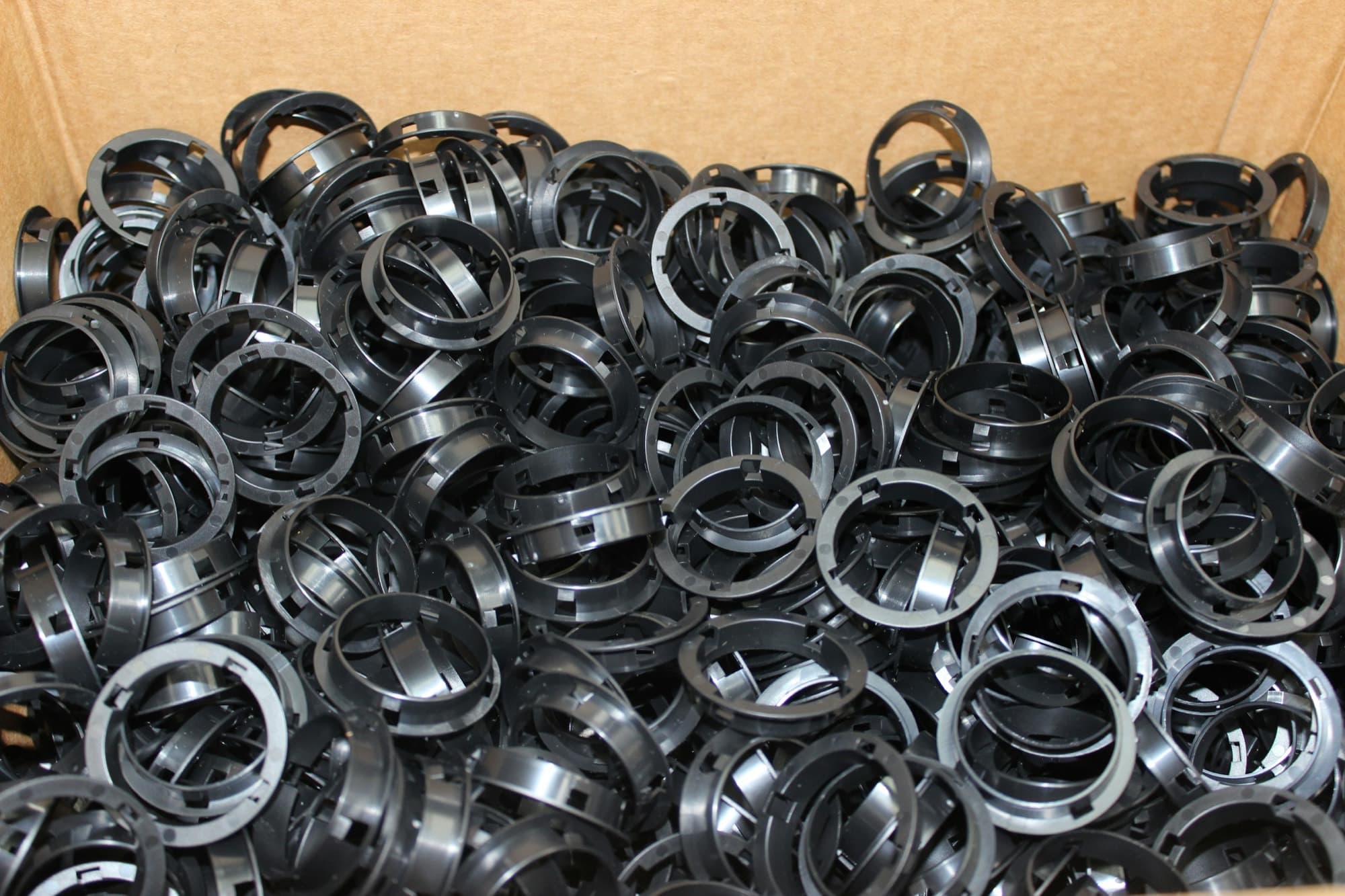 Injection molding in PP
Molten thermoplastic injected into a steel or aluminum mold. Lowest piece price for plastic parts at 5,000+ a year.
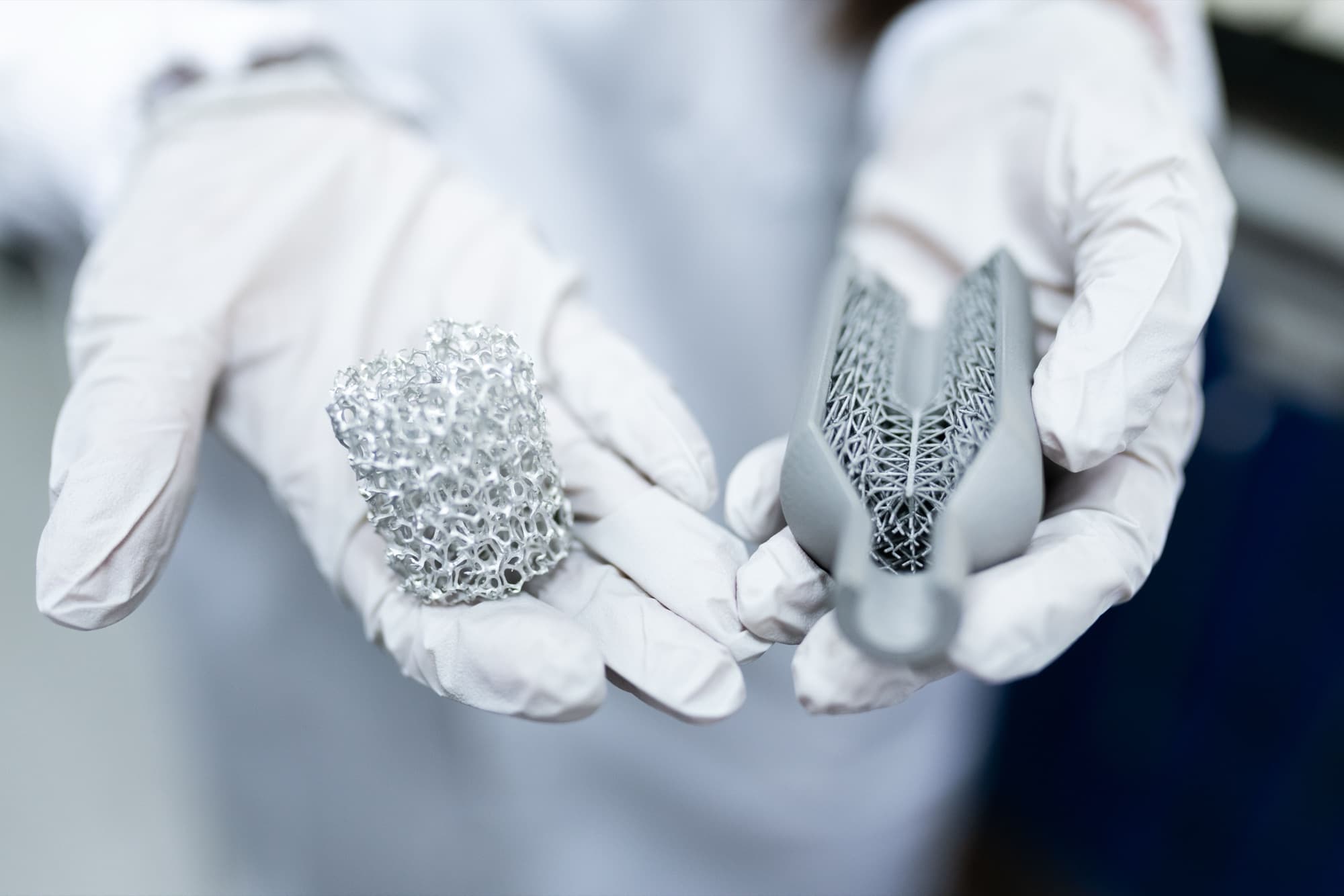 3D printing in PP
SLS, MJF, SLA, FDM, and metal printing for prototypes, fixtures, and low-volume production parts.
 Offshore sourcing in PP
Parts made by vetted overseas manufacturers, with landed-cost analysis, quality control, and logistics managed.
What does a part in PP cost?
A representative part, injection molding. Raw material at about $1.50/kg is one line of it; process time and tooling usually matter more.
Housing · Injection molding
Order total $22,368
- Tooling
- $17,029
- one-time, spread over the order
- Piece price
- $0.50
- before setup + tooling
- Lead time
- 6–9 weeks
- to first production
Size
Drag a row to adjust · click to type
Length140140 mm
Width90.090.0 mm
Wall2.202.20 mm
Quantity
Price per part falls as volume rises
Exact quantity1000010000 pcs
Material
Design checks pass
Open in builderBudgetary estimate for a representative part. Firm quotes come from principals after drawing review.


Compared head to head
PP questions
Why use polypropylene for living hinges?
A living hinge is a thin flexible web, typically 0.008–0.015 in (0.2–0.4 mm) thick, joining two rigid sections of one molded part. PP's fatigue resistance lets it flex hundreds of thousands of times. Flow should cross the hinge in one direction, and hinges should be flexed right after molding.
Homopolymer vs copolymer polypropylene?
Homopolymer is stiffer, stronger and slightly clearer. Impact copolymer adds ethylene rubber for toughness below freezing. Random copolymer improves clarity. Use copolymer for parts that get dropped or used cold.
Can polypropylene be painted or glued?
Not easily. Its low surface energy rejects paint and adhesives. Flame, plasma or corona treatment, or an adhesion promoter, is needed. Snap fits, heat staking or welding are often simpler than bonding.
Is polypropylene food safe?
Many PP grades comply with FDA 21 CFR 177.1520. Compliance depends on the grade and colorant, so get the resin supplier's compliance letter.
Similar materials


Quote it in PP.
Upload CAD or start from a template. The builder prices it in this material and the alternatives.