Loading page
Core line, represented 25+ years
Metal stamping
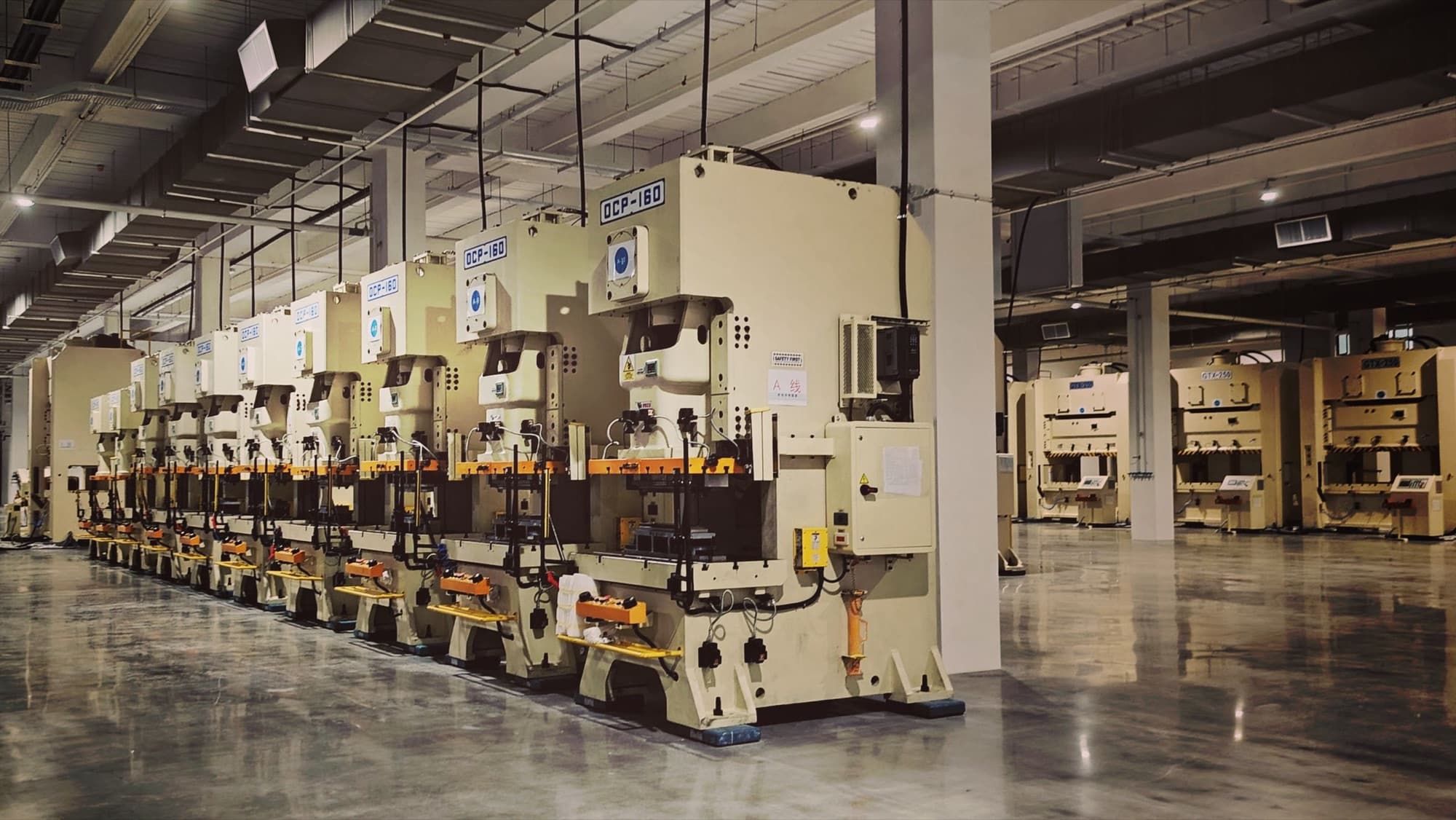
Metal stamping is a cold-forming process that cuts and forms flat sheet or coil into finished parts with a die in a mechanical or hydraulic press. Short-run dies make 500–25,000 part orders practical, and progressive dies running 30–200 strokes per minute give the lowest piece price for brackets, clips, and shields at higher volume.
Where it pays off
1101001k10k100k1M+
At a glance
Short-run and compound dies suit 500–25,000 parts. Progressive dies usually pay back above 25,000–50,000 parts a year.
- Typical tolerance
- ±0.002–0.005 in (±0.05–0.13 mm) on pierced features; ±0.010 in (±0.25 mm) across bends
- Material thickness
- 0.005–0.250 in (0.13–6.4 mm) typical
- Minimum hole diameter
- 1× material thickness for mild steel; 1.5–2× for stainless
- Part envelope
- Up to about 24 in (610 mm) on typical short- and medium-run presses
- Press range
- 20–600 tons typical
- Production rate
- Progressive dies 30–200 strokes per minute; hand-fed short-run dies much slower
- Burr height
- Typically 10% of material thickness or less
- Tooling cost
- $1,500–$15,000 short-run and compound dies; $15,000–$100,000+ progressive dies
Lead time
- Tooling
- 3–12 weeks
- First article
- 1–2 weeks after die tryout
- Production
- 2–4 weeks per release
What would it cost?
The builder's estimator on a representative bracket. Change a size, the quantity or the material and the price updates.
Bracket · Stamping
Order total $41,451
- Tooling
- $32,890
- one-time, spread over the order
- Piece price
- $0.33
- before setup + tooling
- Lead time
- 6–10 weeks
- to first production
Size
Drag a row to adjust · click to type
Width60.060.0 mm
Leg A (vertical)50.050.0 mm
Thickness2.002.00 mm
Quantity
Price per part falls as volume rises
Exact quantity2500025000 pcs
Material
Design checks pass
Open in builderBudgetary estimate for a representative part. Firm quotes come from principals after drawing review.
How does it work?
5 steps from drawing to production parts.
- 1
Strip layout
The flat blank is nested on the coil or sheet and each pierce, form, and cutoff is sequenced. Material utilization is set here.
- 2
Die build
A toolmaker builds the die from tool steel such as D2 or A2, with punches, die buttons, strippers, and pilots.
- 3
Die tryout
The die is set in a press and first hits are measured. Forms are adjusted for springback until parts meet the print.
- 4
Production stamping
Coil feeds through the die one progression per stroke, or blanks are loaded by hand on short-run dies. Each stroke pierces, forms, and cuts off parts.
- 5
Secondary operations and finishing
Parts are deburred, tapped, heat treated, or plated as required. They are then inspected and packed.
When is stamping the right call?
Best for
- Brackets, clips, shields, washers, and mounting plates
- Flat and formed parts from 0.005 to 0.250 in (0.13–6.4 mm) thick
- Short runs of 500–25,000 parts on short-run or compound dies
- Medium to high volumes on progressive dies
- Parts with holes, tabs, embosses, and bends made in one die
Pick something else when
- Cups and cans deeper than about half their diameter: use deep drawn stamping
- Under about 500 parts or designs still changing: use sheet metal fabrication
- Thick, solid 3D shapes: use forging, die casting, or CNC machining
Materials
8 materials principals run in stamping. Pick one for design rules, finishes and an estimate in that material.


Design rules that keep the price down
At least 1× material thickness; 1.5–2× for stainless
Minimum hole diameter
Smaller punches deflect and break.
Hole to edge at least 1.5× thickness; hole to hole at least 2× thickness
Hole and edge spacing
Thin webs bulge, tear, or distort during piercing.
At least 2.5× thickness plus the inside bend radius
Hole-to-bend distance
Holes closer to a bend stretch into ovals.
At least 1× thickness for mild steel and 5052-H32 aluminum; 1.5–3× for 6061-T6 and harder tempers
Inside bend radius
Tighter radii crack the outer surface, especially when bending parallel to the grain.
At least 2.5× thickness plus the inside bend radius
Minimum flange length
Short flanges do not form consistently and may not hold angle.
Relief width at least 1× thickness; depth at least thickness plus bend radius
Bend relief
Prevents tearing where a bend meets a flat edge.
Width at least 1.5× material thickness
Narrow slots and tabs
Narrow punches and tabs are fragile and wear quickly.
Note the burr side on the drawing; expect burr up to 10% of thickness
Call out burr direction
Burr side affects fit, handling safety, and mating parts.
What drives the cost?
In order of impact.
- 1
Tooling type
A short-run or compound die can cost a tenth of a progressive die. The right choice depends on annual volume, not the first order.
- 2
Material and utilization
Material is often half or more of the piece price at volume. Nesting and strip layout decide how much of the coil becomes scrap.
- 3
Press size and speed
Larger blanks and heavier gauges need higher-tonnage presses with higher hourly rates. Strokes per minute set labor per part.
- 4
Forms and features
Every added form, pierce, or station adds die cost and tryout time. Tight tolerances across bends add more.
- 5
Secondary operations
Tapping, hardware insertion, welding, and plating add handling. At higher volume, many of these can move into the die.
Variants
- Progressive die stamping
- Coil advances through a series of stations and one finished part drops per stroke. Highest tooling cost, lowest piece price.
- Compound and blanking dies
- Pierces and blanks in a single stroke for flat parts with tight hole-to-edge relationships. Costs less than a progressive die.
- Short-run stamping
- Simpler, often modular dies perform one or two operations per hit, with parts moved between dies. Suits 500–25,000 part runs and designs that may change.
- Transfer die stamping
- Blanks are cut first, then moved between stations by fingers or robots. Used for larger parts and deeper forms that cannot stay on a carrier strip.
- Fine blanking
- A triple-action press shears parts with a nearly full sheared edge and flatness close to machined. Used for gears, sprockets, and lock components.


Stamping questions
How much does a stamping die cost?
Simple short-run or compound dies typically cost $1,500–$15,000. Progressive dies usually run $15,000–$100,000 or more, depending on station count, part size, and material. Annual volume should decide the die type.
What tolerances can metal stamping hold?
Features pierced in the same station commonly hold ±0.002 in (±0.05 mm). General tolerances of ±0.005 in (±0.13 mm) are typical, and dimensions across bends usually need ±0.010 in (±0.25 mm) because of springback.
What is short-run metal stamping?
Short-run stamping uses simpler, lower-cost dies to make runs of roughly 500 to 25,000 parts. Parts may move between two or three dies instead of running in one progressive tool. It fills the gap between laser-cut fabrication and full production tooling.
When should I switch from laser cutting to stamping?
The crossover is often a few thousand parts a year, depending on part complexity. Laser cutting and press brake forming carry no tooling cost but more labor per part. A short-run die often pays back within the first one or two orders at 2,000 or more parts.
How long does it take to build a stamping die?
Short-run and compound dies typically take 3–6 weeks. Progressive dies usually take 6–12 weeks, plus 1–2 weeks of tryout before first article approval.
What thickness of metal can be stamped?
Most stamping shops run 0.005–0.250 in (0.13–6.4 mm). Thinner foils and heavier plate are possible on specialized equipment.
Related processes
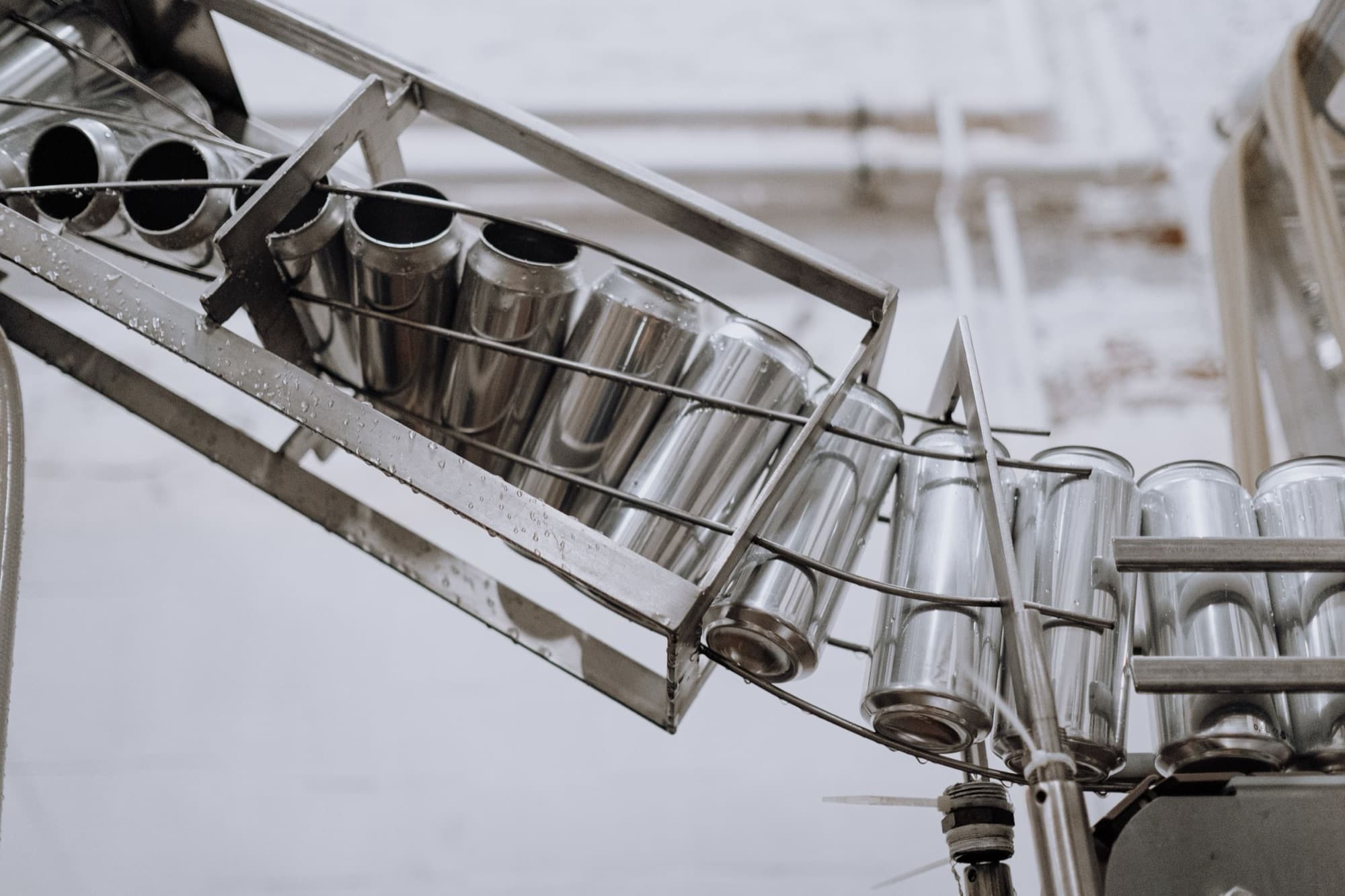 Deep draw
One-piece cups, cans, shells, and housings drawn from flat blanks, with depth that can exceed the diameter.
 Sheet metal
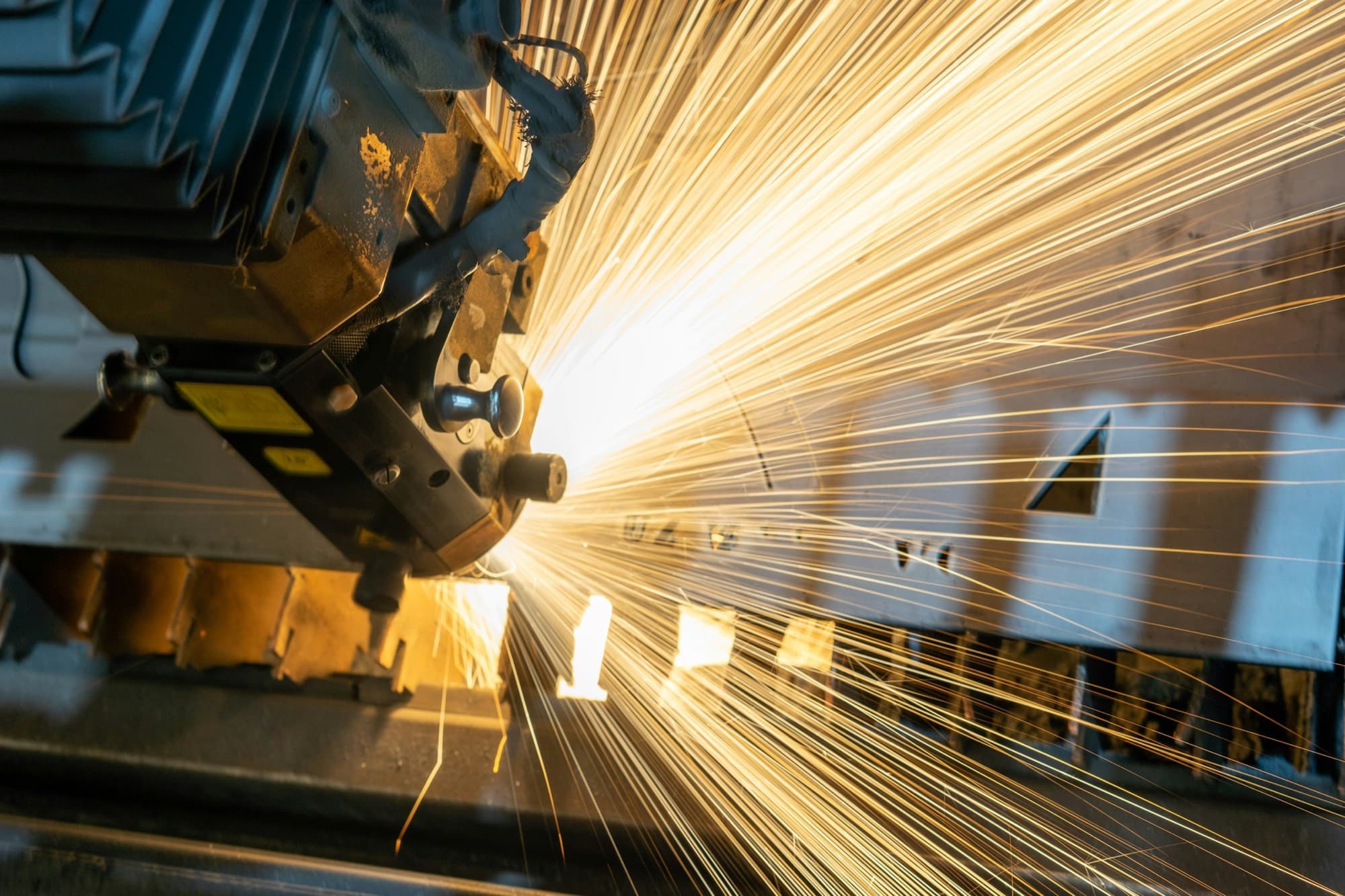
Laser-cut, punched, bent, and welded sheet metal enclosures, brackets, and chassis with no hard tooling.
 Springs & wire forms
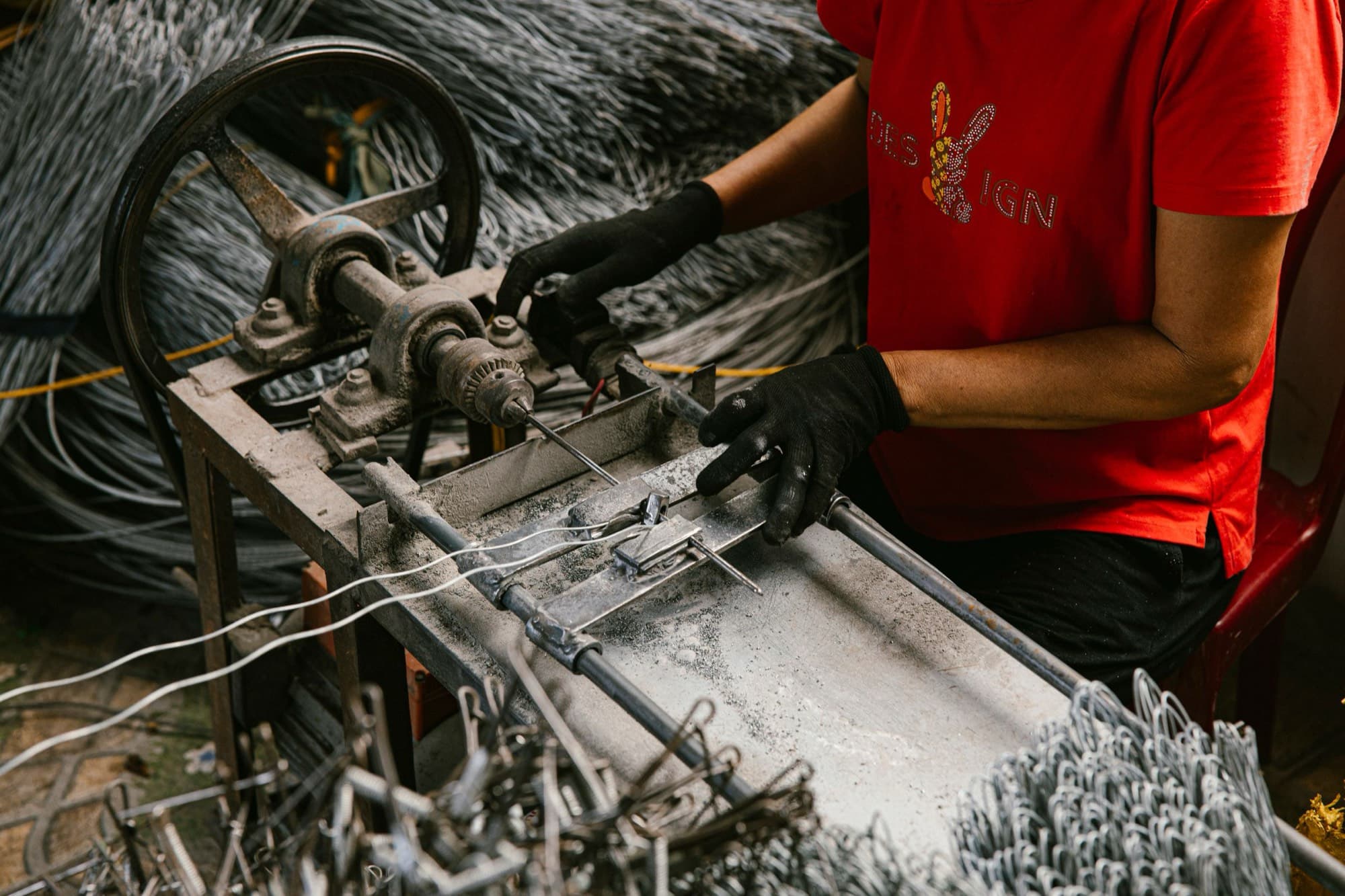
Compression, extension, and torsion springs, wire forms, and fourslide clips made from round wire and flat strip.
 Powdered metal
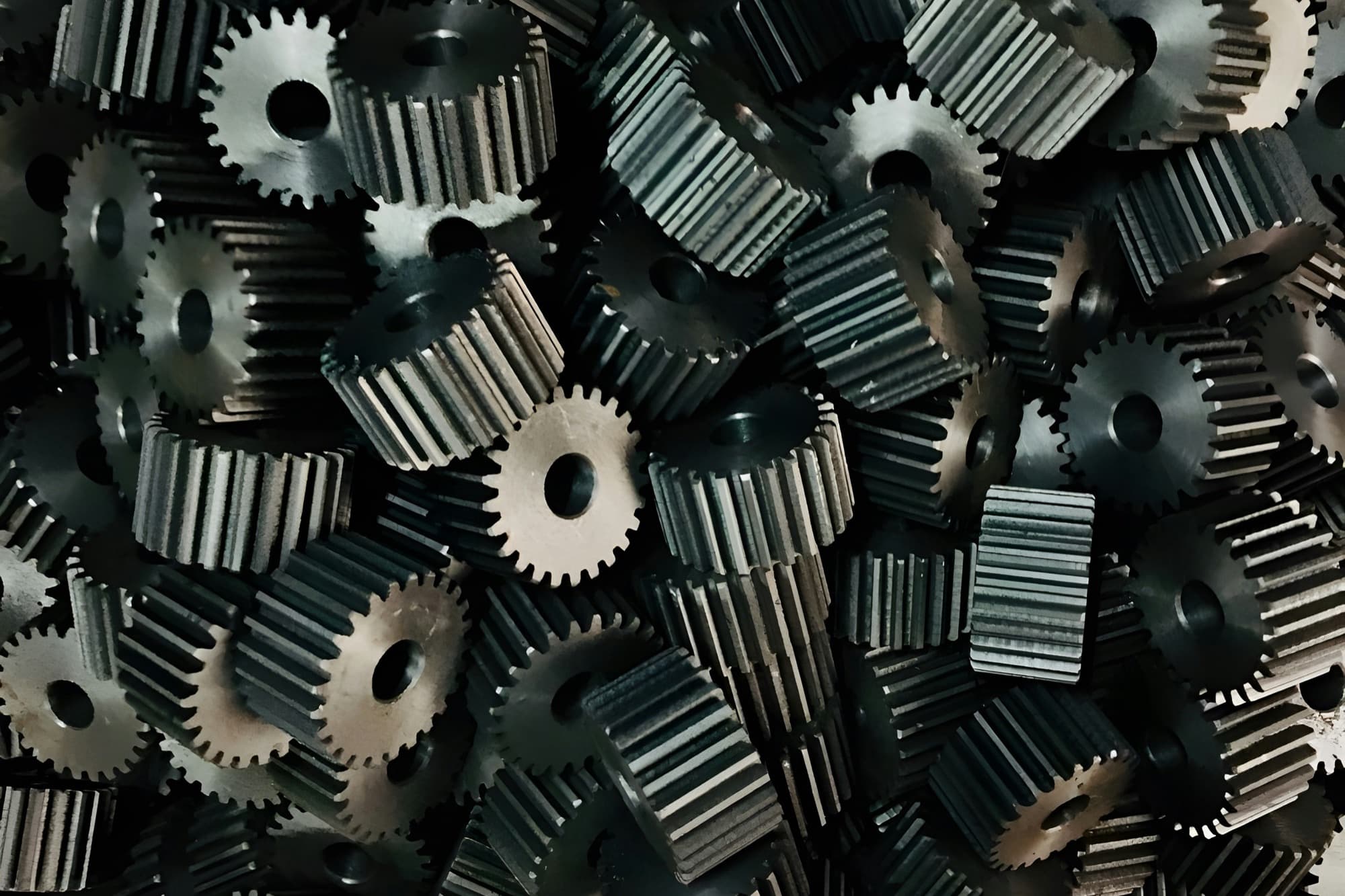
Net-shape gears, bushings, and structural parts pressed from metal powder and sintered, with little or no machining.
Quote stamping today.
Drop a STEP file for an instant estimate and DFM check. A rep routes the RFQ to principals who run this process every day.