Loading page
Core line, represented 25+ years
How do furniture manufacturers source metal, plastic, and upholstered components?
Furniture manufacturers source chair bases as die cast aluminum or glass-filled nylon, seat mechanisms as stamped steel with springs, frames as formed and welded tube, and upholstery from sewing principals. Parts are tested to BIFMA load and cycle standards. SSG sends furniture RFQs to domestic and offshore principals across casting, stamping, molding, and soft goods.
- Part families
- 12
- Processes
- 8
- Materials
- 9
Parts we source for this industry
- 01Die cast aluminum five-star chair bases
- 02Glass-filled nylon chair bases and arms
- 03Stamped seat plates and tilt mechanism parts
- 04Tilt tension and torsion springs
- 05Formed and welded tube frames
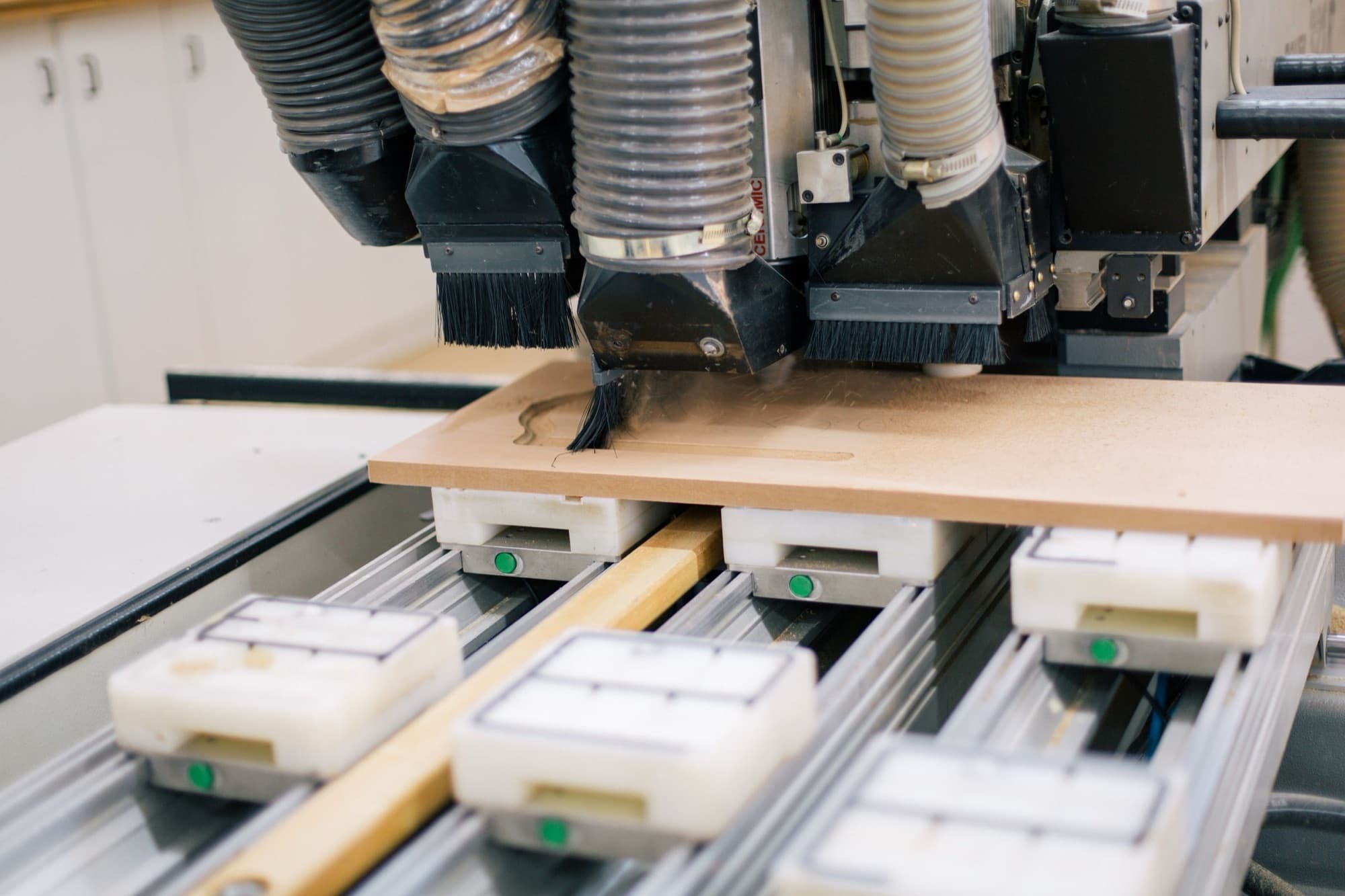
- 06Molded casters, glides, and leveler feet
- 07Stamped drawer slides and hinges
- 08Die cast zinc pulls and handles
- 09Sewn upholstery covers and cushions
- 10Gas lift cylinder brackets
- 11Molded armrest pads and caps
- 12Machined height adjustment components
How these parts are made
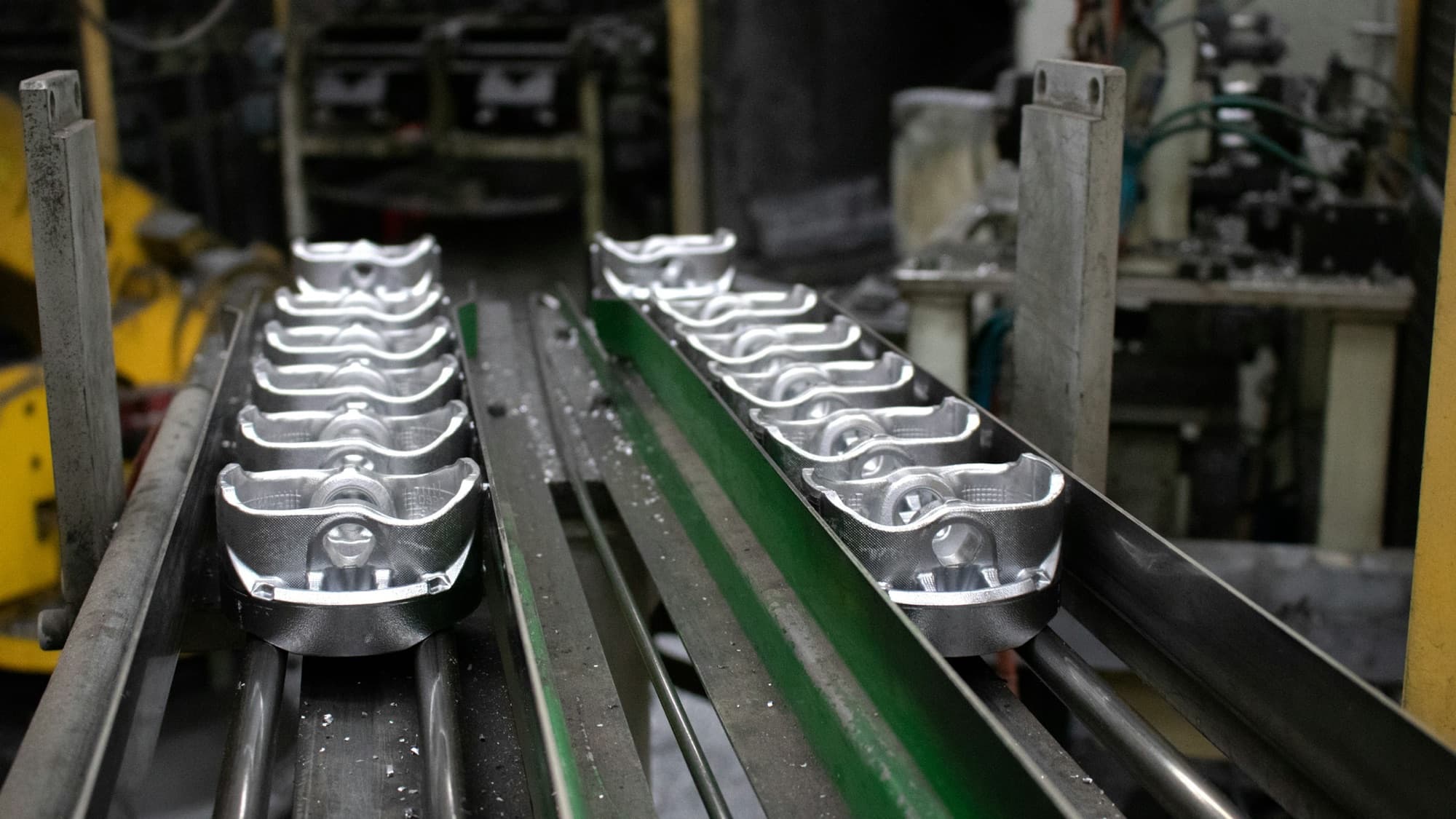 Die casting
Molten zinc or aluminum injected into steel dies at high pressure. Thin walls and net shape at 2,500+ parts a year.
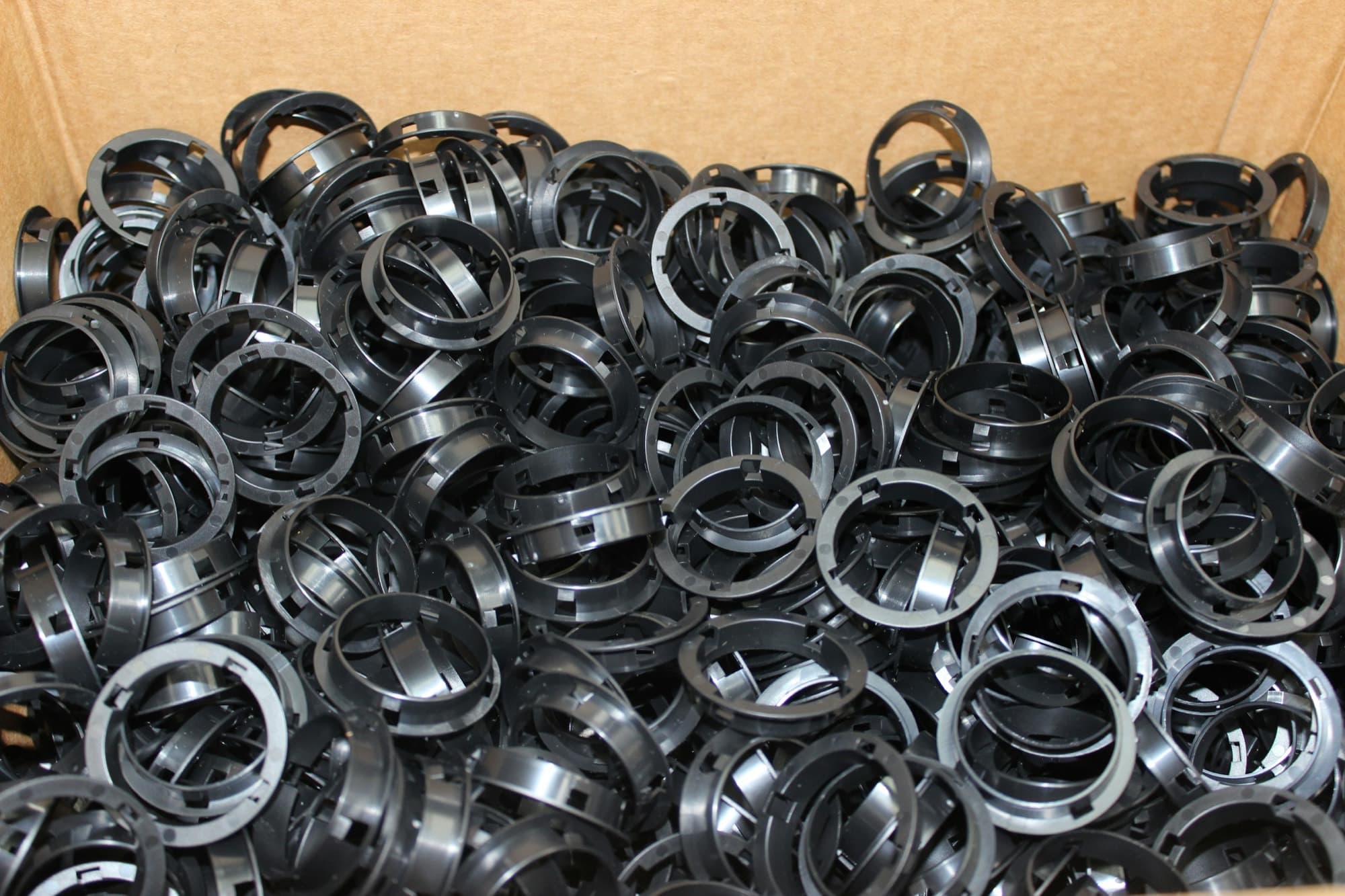 Injection molding
Molten thermoplastic injected into a steel or aluminum mold. Lowest piece price for plastic parts at 5,000+ a year.
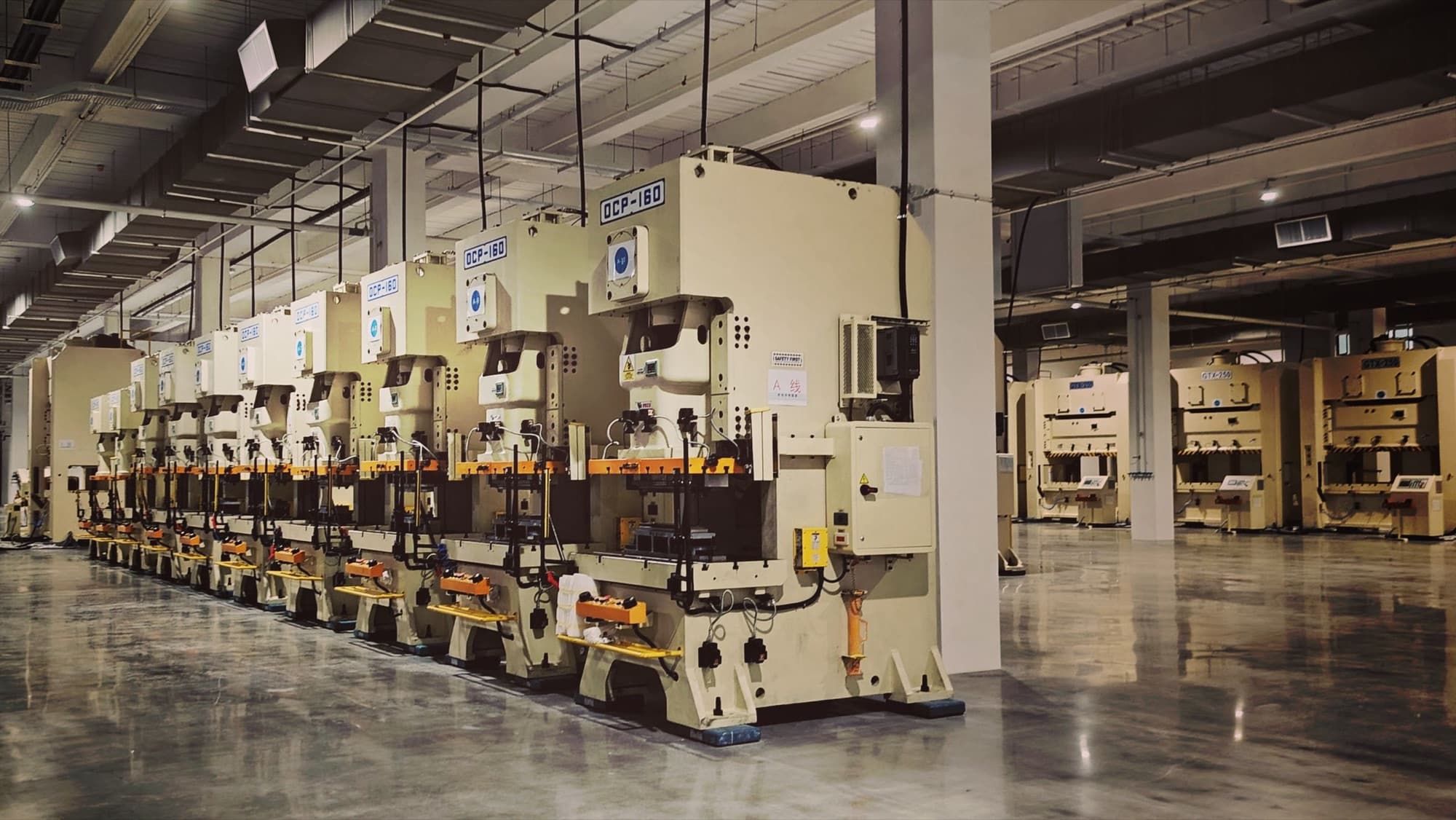 Stamping
Short- to medium-run stampings: brackets, clips, shields, and plates cut and formed from sheet or coil in a press.
 Sheet metal
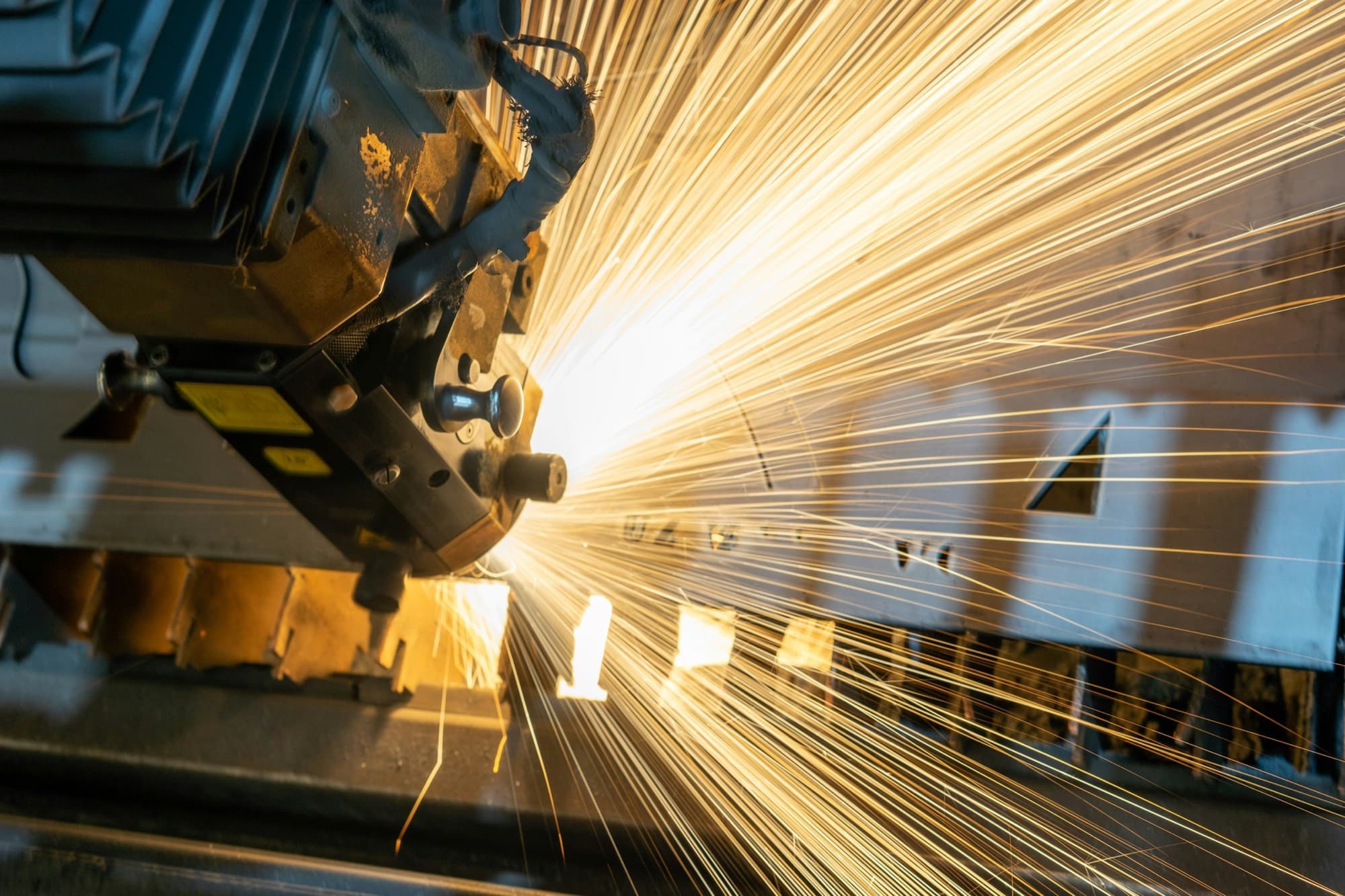
Laser-cut, punched, bent, and welded sheet metal enclosures, brackets, and chassis with no hard tooling.
 Springs & wire forms
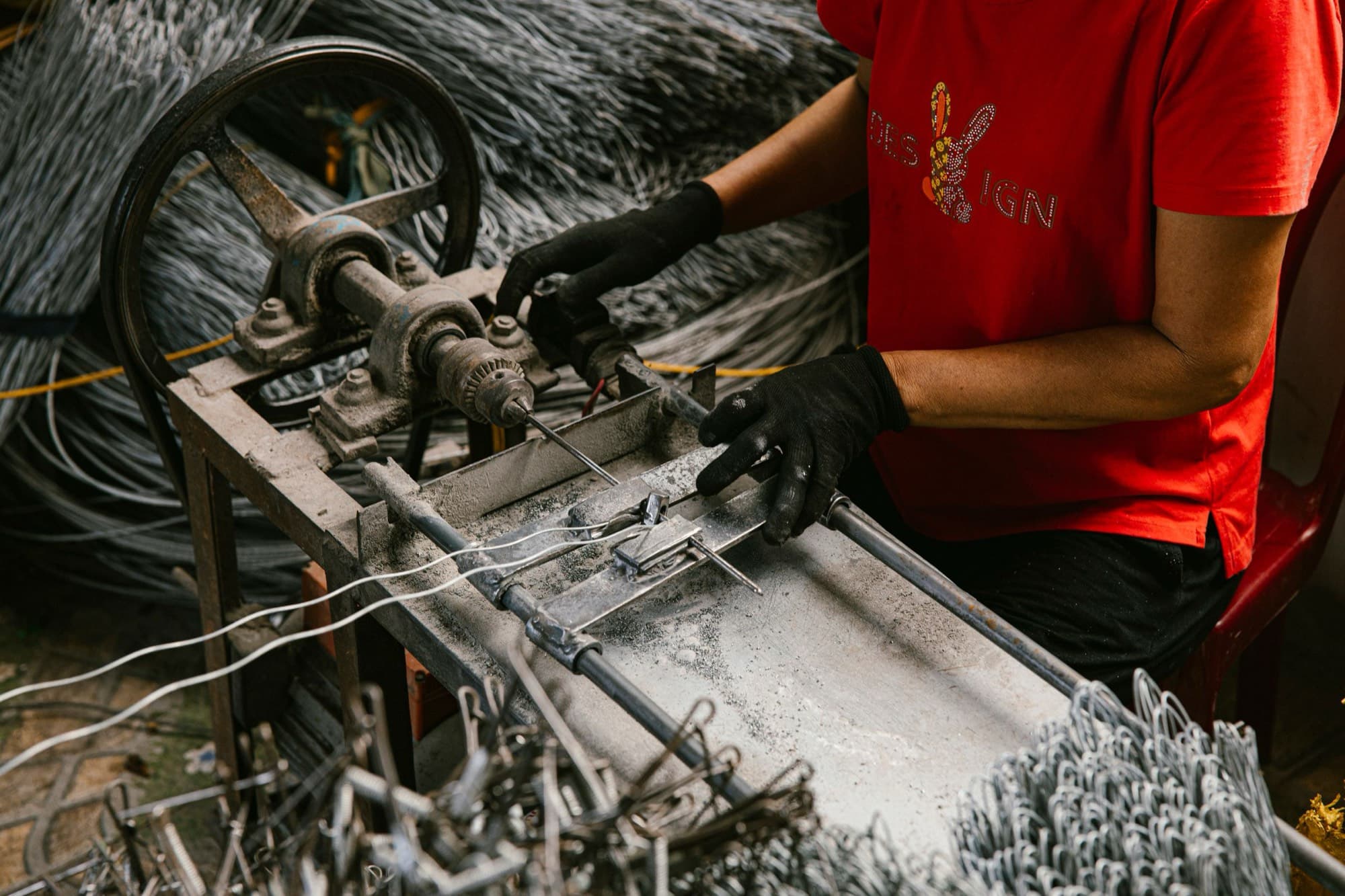
Compression, extension, and torsion springs, wire forms, and fourslide clips made from round wire and flat strip.
 Soft goods
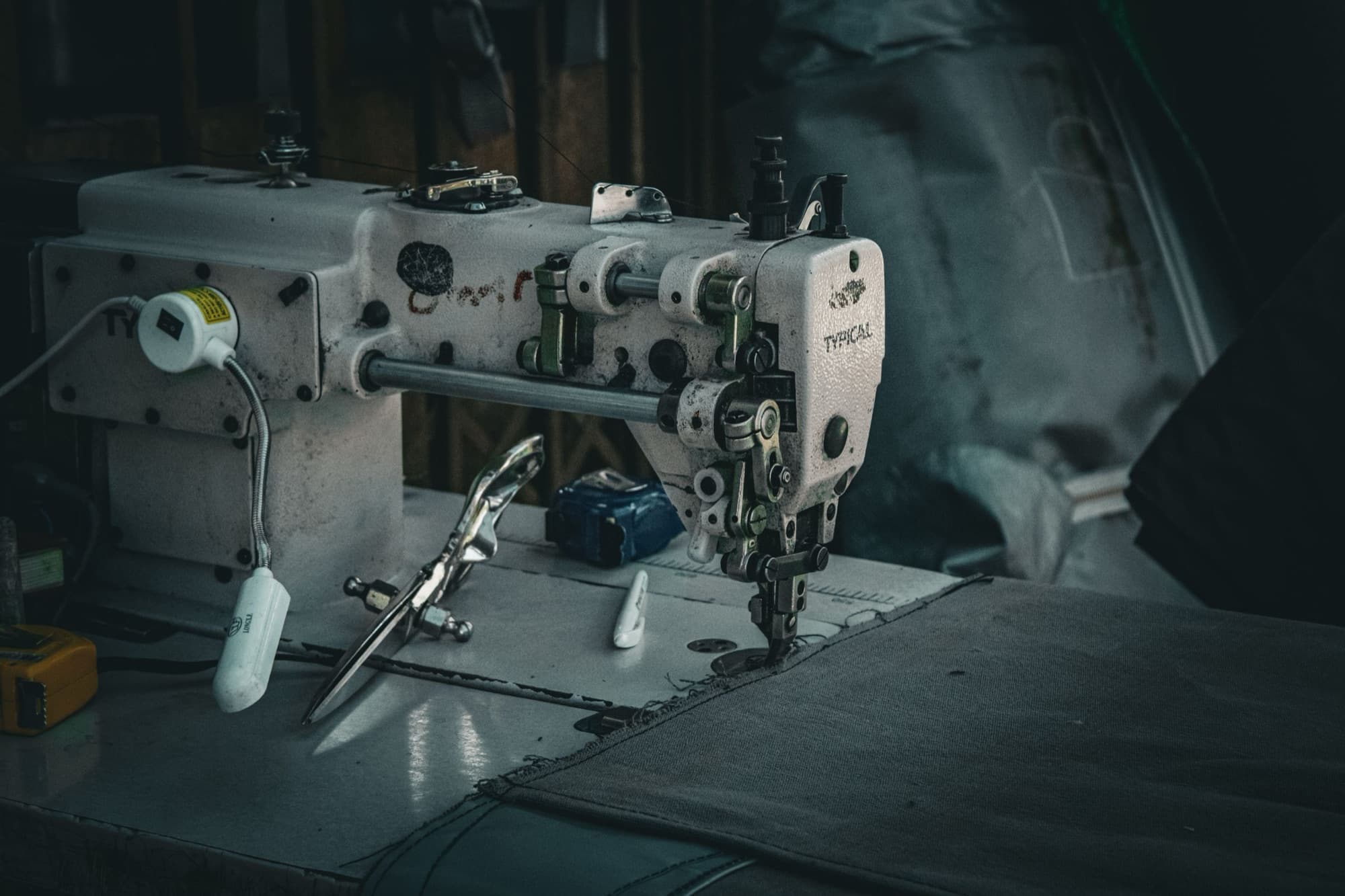
Cut-and-sewn covers, bags, cases, straps, cushions, and industrial textiles, from pattern development to production.
 Screw machining
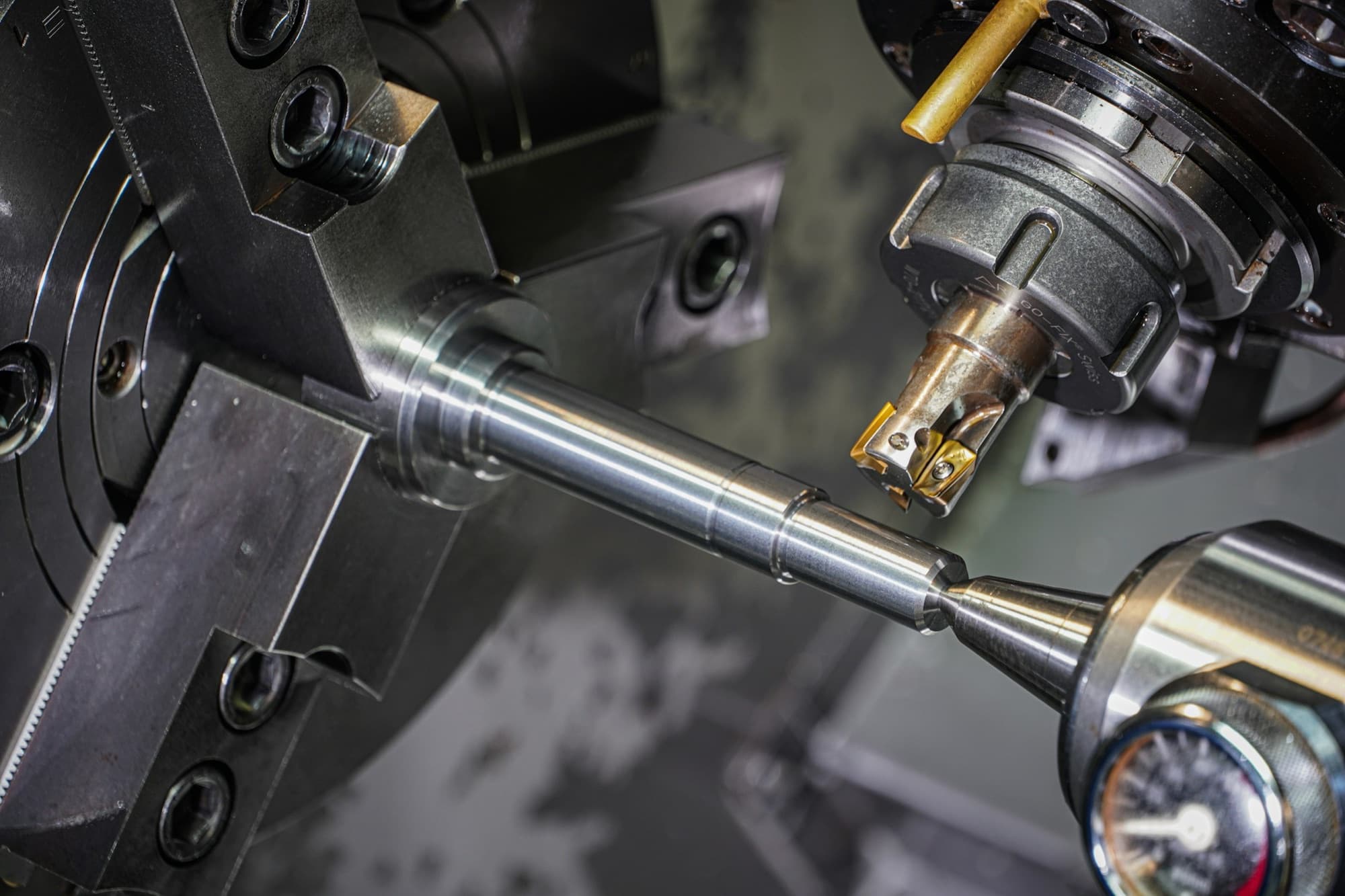
Turned pins, fittings, shafts, and bushings made from bar stock on multi-spindle and Swiss screw machines at volume.
 Offshore sourcing
Parts made by vetted overseas manufacturers, with landed-cost analysis, quality control, and logistics managed.
Which of these pays off at your quantity?
Parts per order
6 processes are at their best at this quantity, and 2 more can do it.
Drag to your quantity


What suppliers are held to
BIFMA performance
Office seating is tested to ANSI/BIFMA X5.1, desks and tables to X5.5, and storage to X5.9. Bases, mechanisms, and arms must pass static load, cycle, and drop tests, so material and wall thickness changes need retesting.
Upholstery flammability
Upholstered furniture sold in the US must meet 16 CFR Part 1640, which adopted California TB 117-2013 smolder resistance. Fabric, foam, and barrier suppliers provide test documentation.
Tip-over and residential safety
Clothing storage units fall under the CPSC tip-over standard in 16 CFR Part 1261, issued under the STURDY Act, which affects drawer slides, interlocks, and anti-tip hardware.
Sustainability programs
Contract furniture buyers often ask for BIFMA LEVEL certification and low-VOC compliance per ANSI/BIFMA M7.1, which pushes suppliers for recycled content data and finish chemistry.
Questions
Die cast aluminum or glass-filled nylon for chair bases?
Glass-filled nylon costs less and passes BIFMA for most task chairs. Die cast aluminum is stronger per section, can be polished or powder coated, and is the choice for premium and heavy-duty seating.
What does BIFMA X5.1 test?
Office chair strength and durability: seat and back static loads, drop tests, swivel and tilt cycle tests, caster durability, and base strength. Commercial furniture buyers expect it as a baseline.
Can upholstery and hard parts come from one RFQ?
Yes. SSG represents soft goods design and manufacturing alongside die casting, stamping, and molding, so the metal, molded, and sewn parts of a seating program can be quoted together.
Related industries


Send us the part.
Build it or upload a drawing. A rep routes it to principals already making parts for this industry.