Loading page
Core line, represented 25+ years
How do lawn and garden OEMs source production parts?
Lawn and garden OEMs source production parts by process: die cast aluminum and stamped steel for decks and brackets, molded plastics for housings and wheels, and springs and wire forms for controls. Builds peak ahead of spring retail, so tooling usually needs approval by late fall. SSG sends one RFQ to principals across these processes, nationwide and offshore.
- Part families
- 12
- Processes
- 8
- Materials
- 9
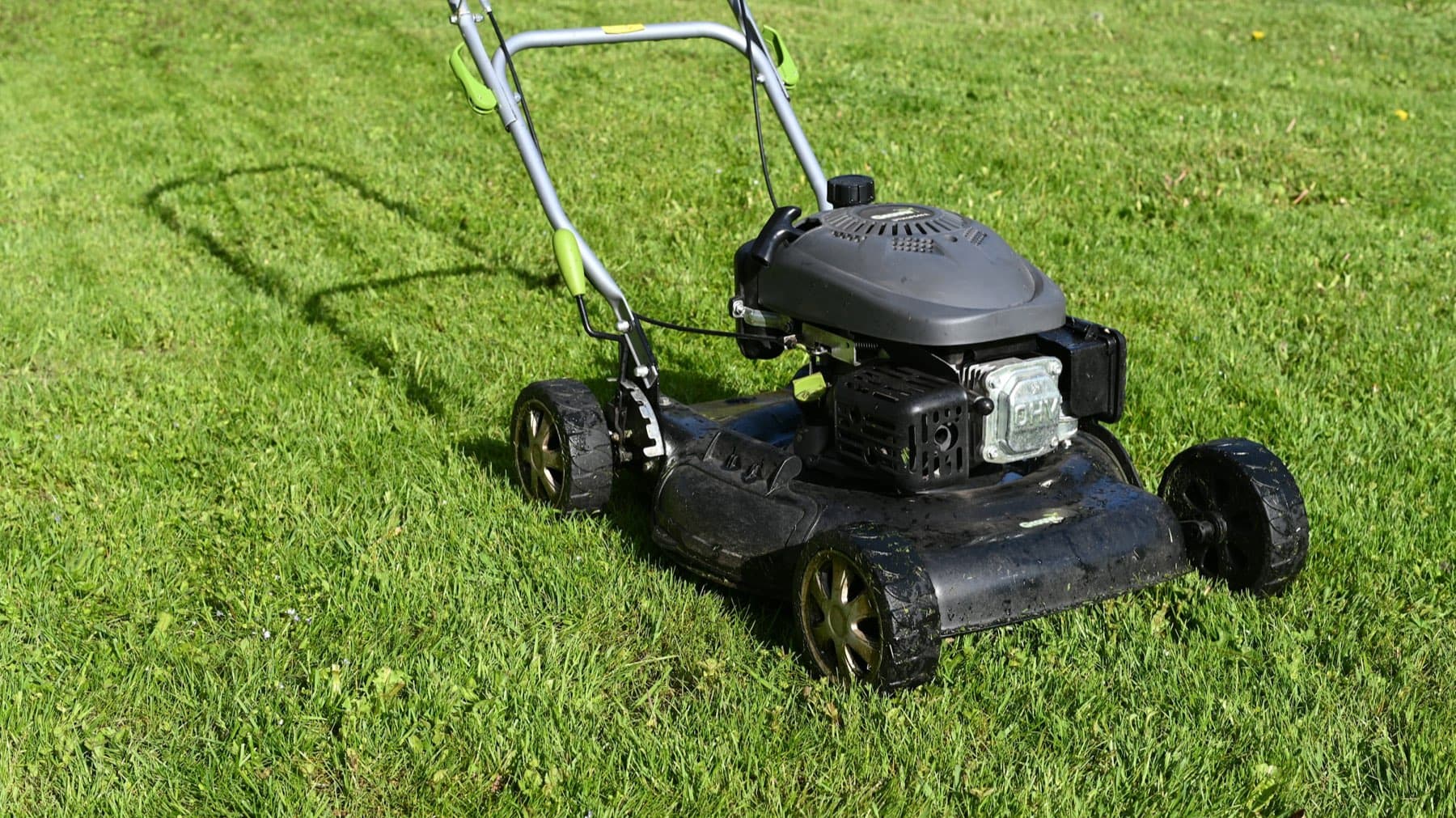
Parts we source for this industry
- 01Die cast aluminum deck and spindle housings
- 02Stamped steel deck brackets and height adjuster plates
- 03Powder metal blade adapters and drive gears
- 04Wheel height adjuster and chute door torsion springs
- 05Injection molded wheels, hubcaps, and engine shrouds
- 06Trimmer head spools and bump knobs
- 07Nitrile fuel tank grommets and seals
- 08Handle bail and control cable wire forms
- 09Screw machined blade bolts and axle spacers
- 10Forged steel tiller tines
- 11Deep drawn muffler shells and heat shields
- 12Machined aluminum transaxle covers
How these parts are made
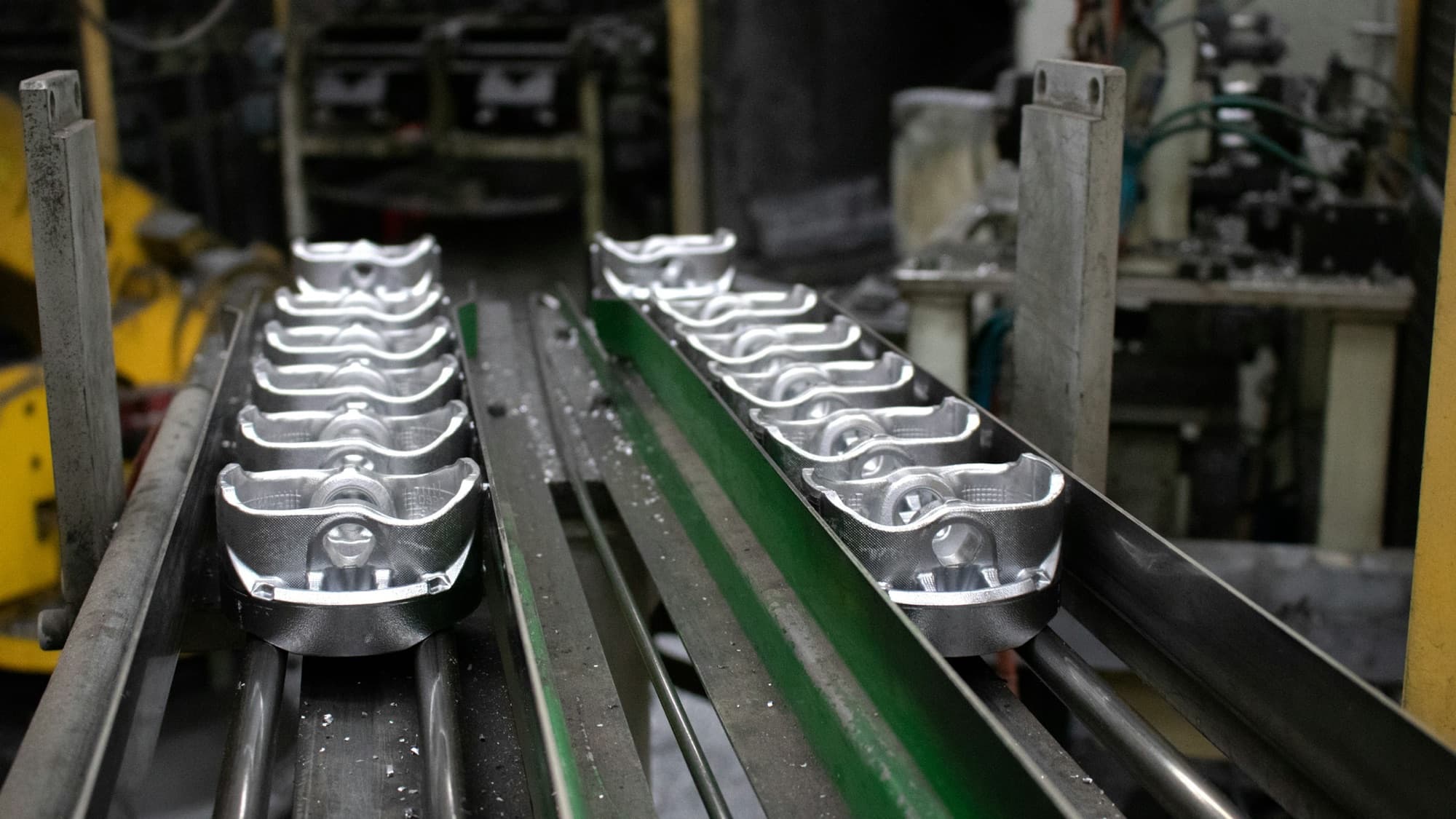 Die casting
Molten zinc or aluminum injected into steel dies at high pressure. Thin walls and net shape at 2,500+ parts a year.
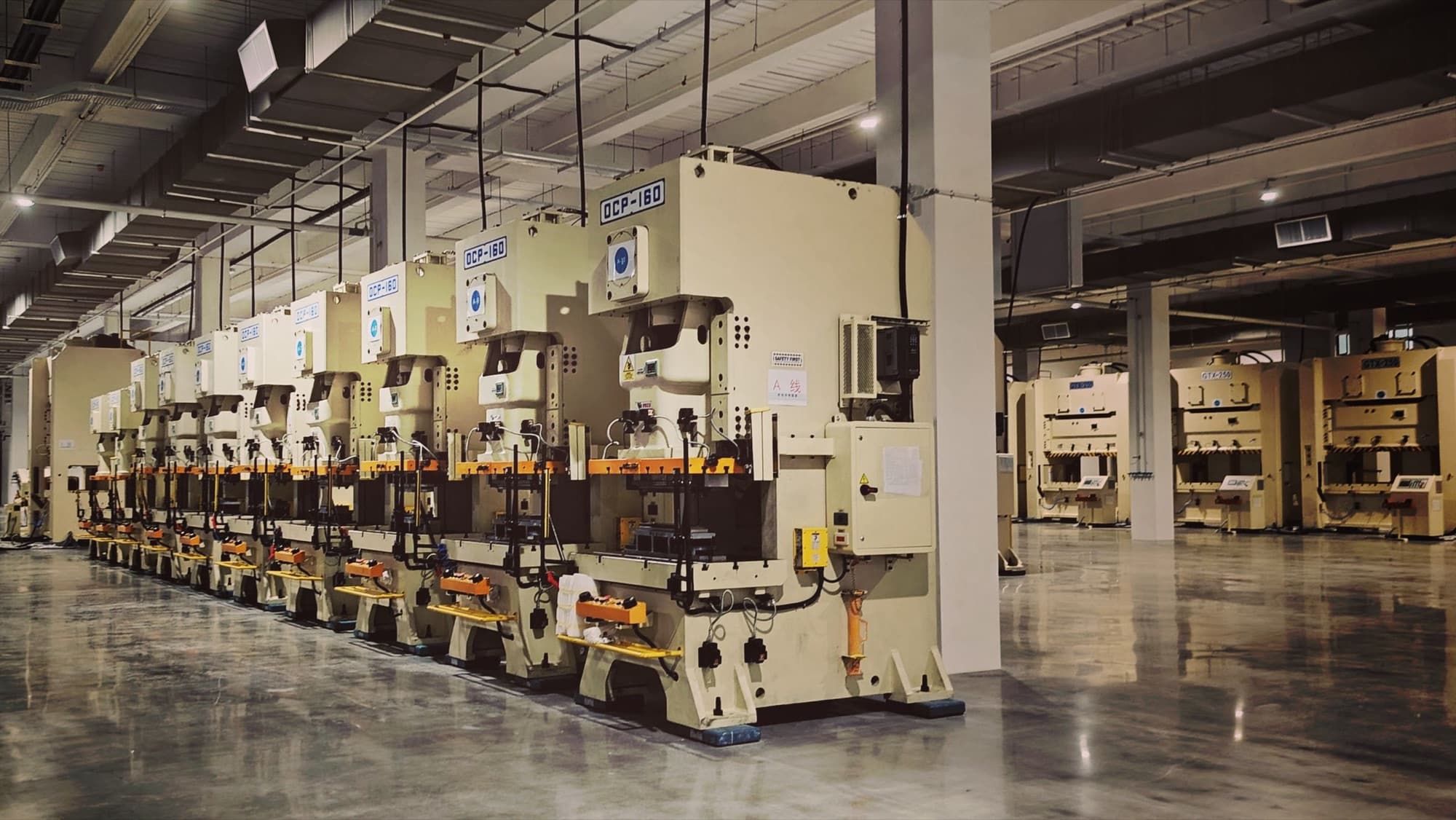 Stamping
Short- to medium-run stampings: brackets, clips, shields, and plates cut and formed from sheet or coil in a press.
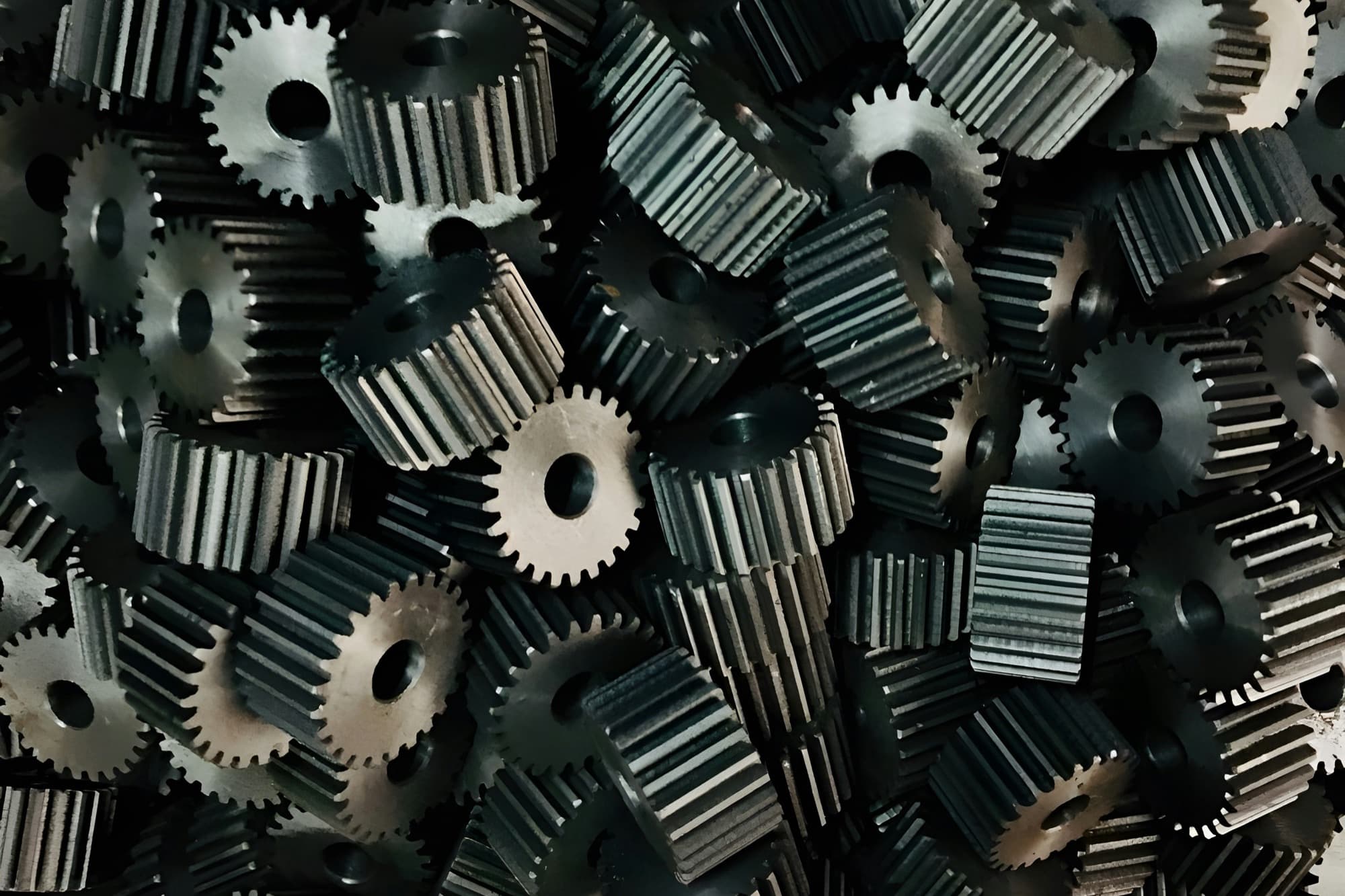 Powdered metal
Net-shape gears, bushings, and structural parts pressed from metal powder and sintered, with little or no machining.
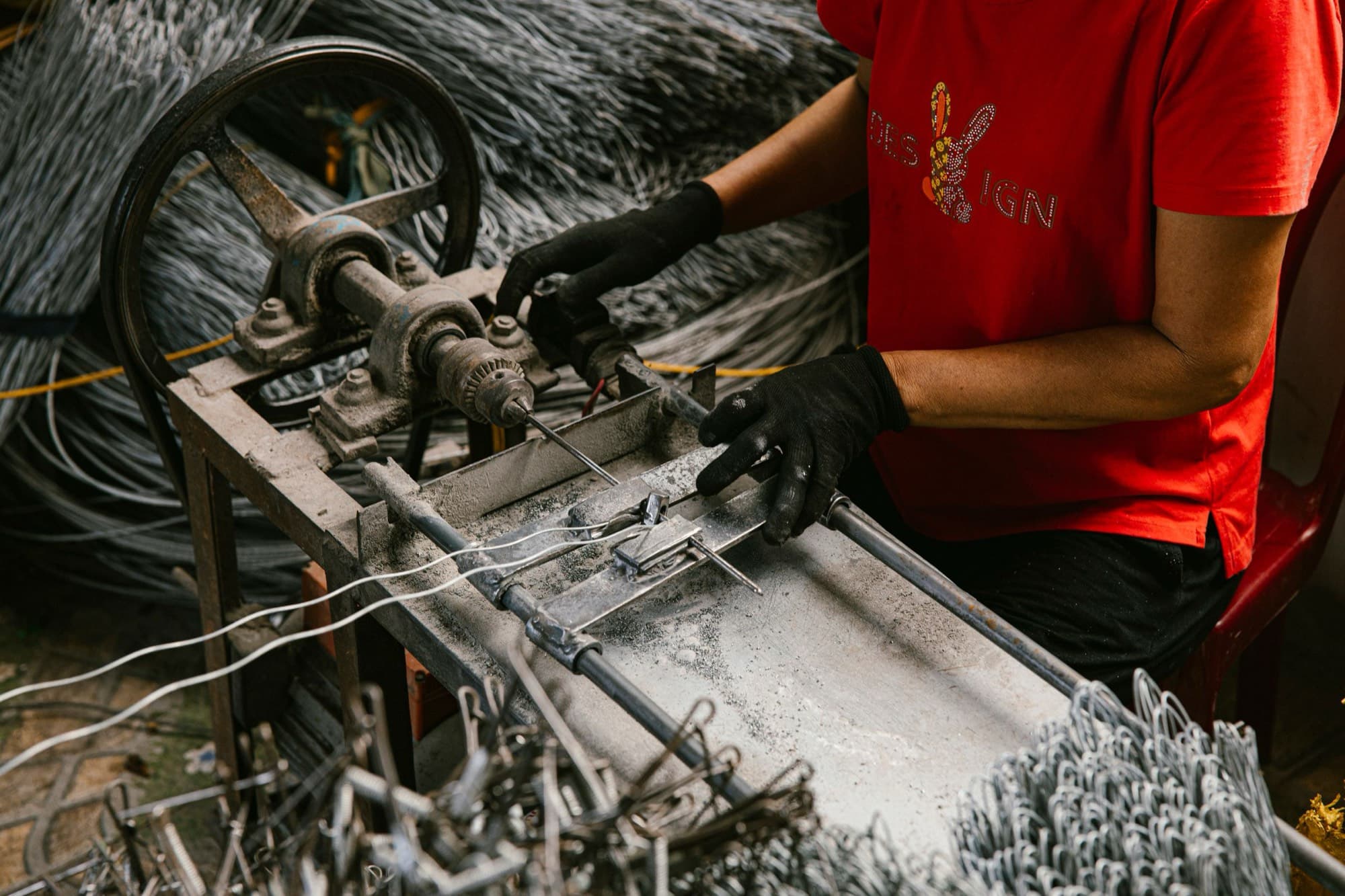 Springs & wire forms
Compression, extension, and torsion springs, wire forms, and fourslide clips made from round wire and flat strip.
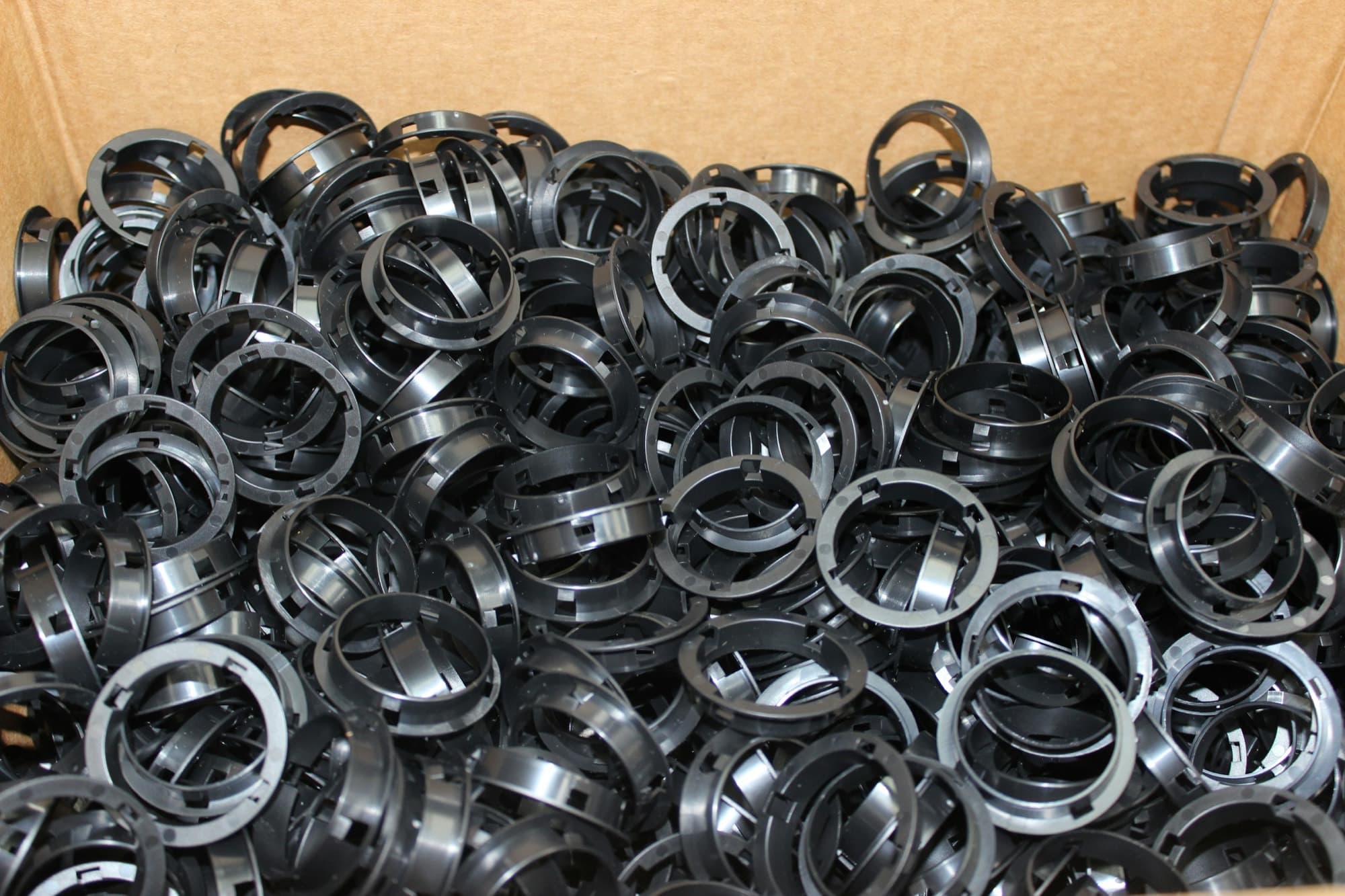 Injection molding
Molten thermoplastic injected into a steel or aluminum mold. Lowest piece price for plastic parts at 5,000+ a year.
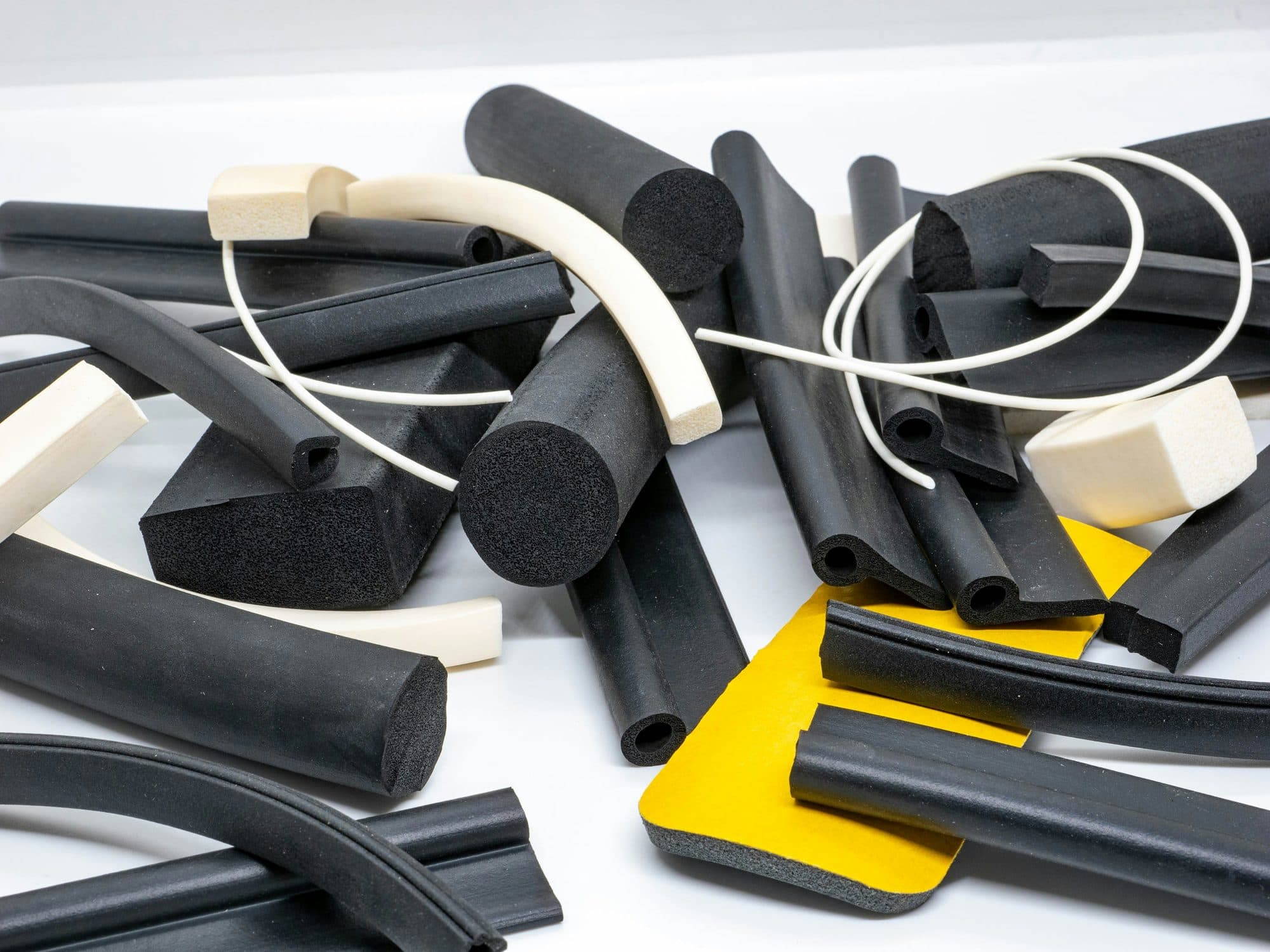 Rubber
Seals, gaskets, grommets, and profiles extruded or molded in EPDM, silicone, nitrile, neoprene, FKM, and TPE.
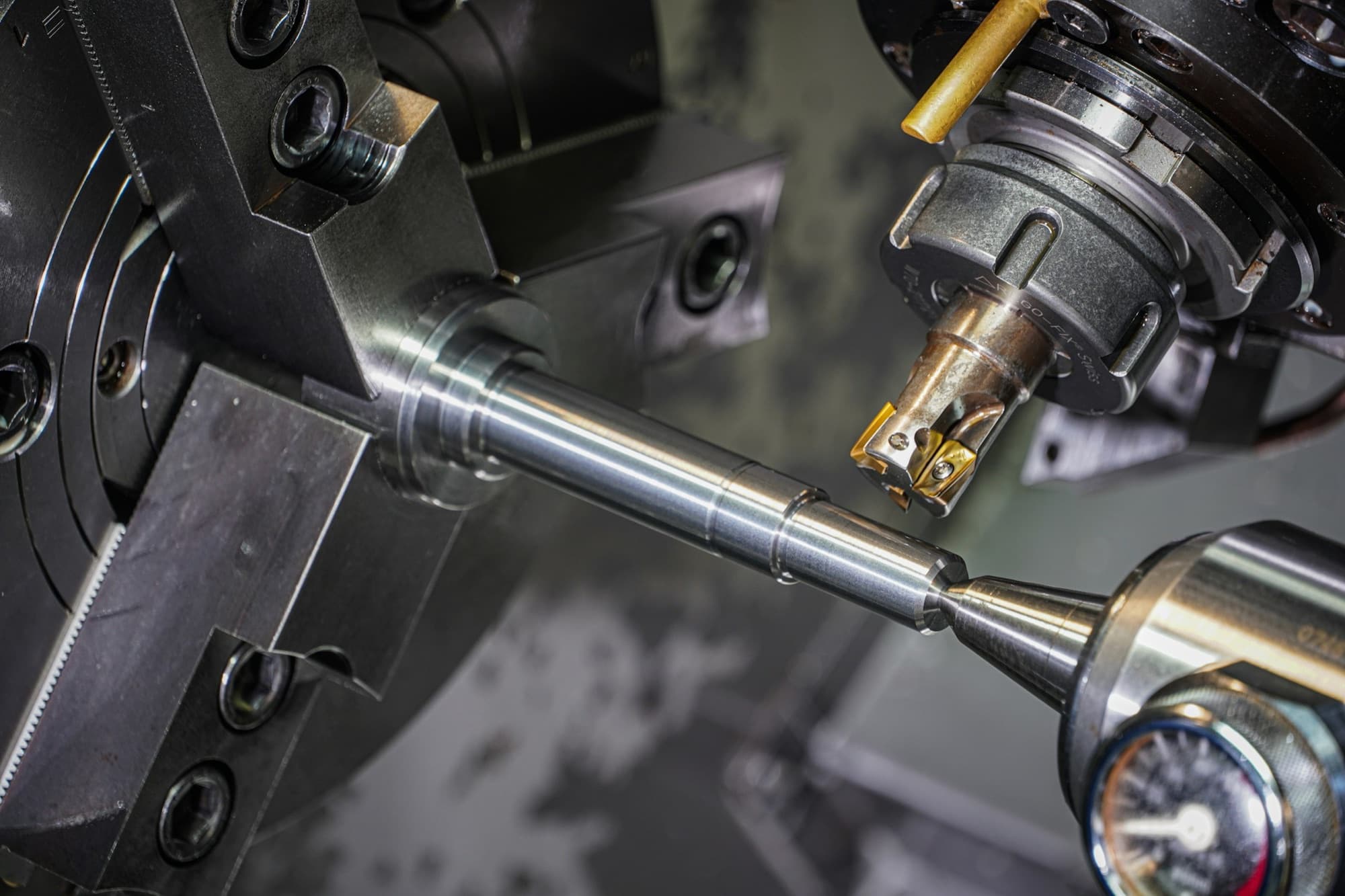 Screw machining
Turned pins, fittings, shafts, and bushings made from bar stock on multi-spindle and Swiss screw machines at volume.
 Offshore sourcing
Parts made by vetted overseas manufacturers, with landed-cost analysis, quality control, and logistics managed.
Which of these pays off at your quantity?
Parts per order
5 processes are at their best at this quantity, and 3 more can do it.
Drag to your quantity


What suppliers are held to
Mower safety standards
Walk-behind mowers sold in the US must meet CPSC 16 CFR Part 1205, and most OEMs design to ANSI/OPEI B71.1 for consumer mowers and B71.4 for commercial turf equipment. Blade adapters, blade brake parts, and guards are flagged as safety-critical on the drawing.
Emissions and fuel system rules
Gasoline equipment falls under EPA evaporative emission rules in 40 CFR Part 1060, so fuel tanks, lines, and grommets must use low-permeation materials. California's small off-road engine rules now push most new small equipment sold there toward battery power.
Outdoor durability
Parts see UV, fertilizer, and wet clippings. Buyers typically specify UV-stabilized resins, zinc plating or e-coat on steel, and a minimum number of ASTM B117 salt spray hours for coated parts.
Seasonal capacity
Production concentrates in the months before spring retail. Principals need capacity for peak releases, and many programs use blanket POs and safety stock to level the load.
Questions
When should lawn and garden tooling be ordered?
Work back from the spring build. Injection molds and progressive dies typically take 8–16 weeks, plus sampling and approval, so tooling for a new model year is usually released the prior summer.
Is cast aluminum or stamped steel better for mower decks?
Stamped or fabricated steel is standard for residential decks because it costs less. Cast aluminum decks resist rust and hold their shape, and they appear on premium walk-behind mowers. Molded composite decks are a third option for lighter mowers.
How does battery-powered equipment change the parts mix?
Battery equipment drops fuel tanks, carburetor parts, and recoil starters and adds motor housings, battery trays, contacts, and more molded plastic. Stamping and die casting stay, but flame-rated plastics and contact springs become a larger share of the buy.
Can SSG source both domestic and offshore lawn and garden parts?
Yes. One RFQ can go to domestic principals and offshore sourcing partners, so you can compare landed cost on high-volume commodity parts against domestic lead times on parts that change often.
Related industries
Send us the part.
Build it or upload a drawing. A rep routes it to principals already making parts for this industry.