Loading page
Core line, represented 25+ years
How do pump manufacturers source impellers, housings, and wetted parts?
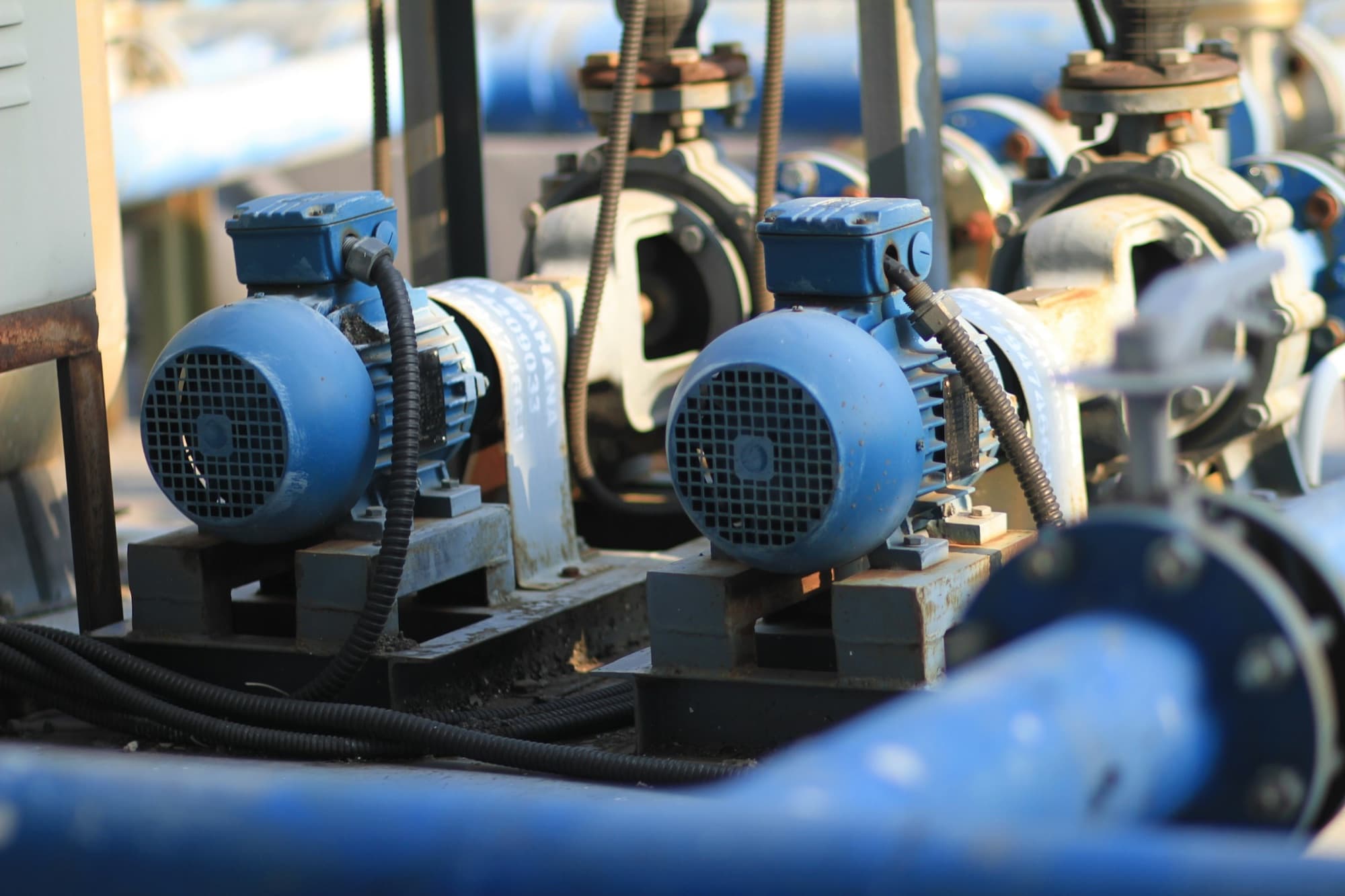
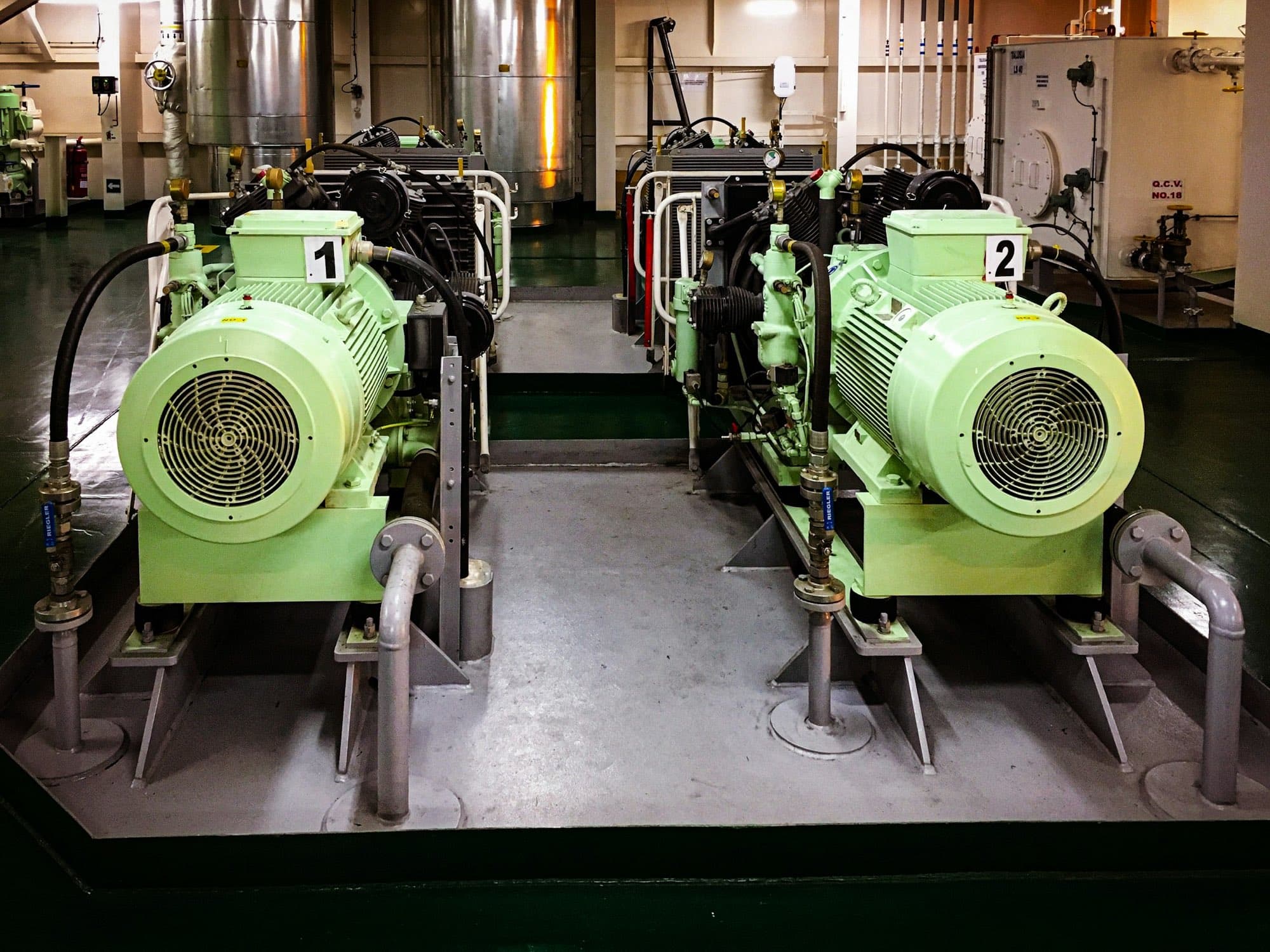
Pump manufacturers source impellers as glass-filled plastic moldings, die castings, or machined stainless, housings as die castings or machined castings, and shafts from screw machine and CNC principals. Wetted materials must suit the fluid, and potable water pumps need NSF-certified materials. SSG matches each pump component to principals that make that part family.
- Part families
- 12
- Processes
- 8
- Materials
- 10
Parts we source for this industry
- 01Molded and cast impellers
- 02Die cast aluminum pump housings and volutes
- 03Stainless pump shafts and sleeves
- 04Mechanical seal springs and retainers
- 05EPDM and nitrile diaphragms
- 06Check valve flappers and seats
- 07Sump pump float arms and switch housings
- 08Powder metal gear pump gears
- 09Stamped motor mounting brackets
- 10Investment cast stainless impellers
- 11Machined bronze bearing sleeves
- 12Molded pump strainer baskets
How these parts are made
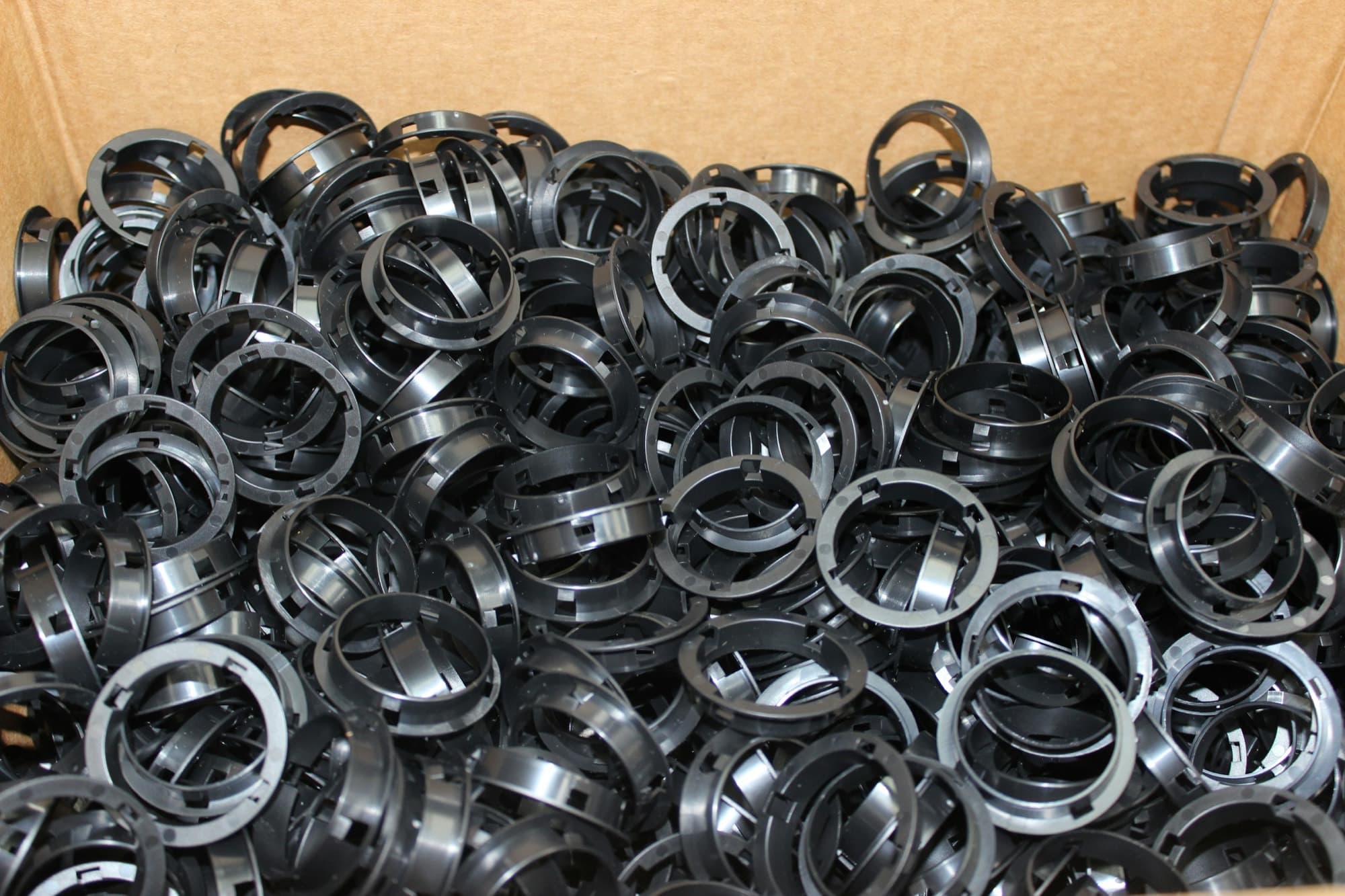 Injection molding
Molten thermoplastic injected into a steel or aluminum mold. Lowest piece price for plastic parts at 5,000+ a year.
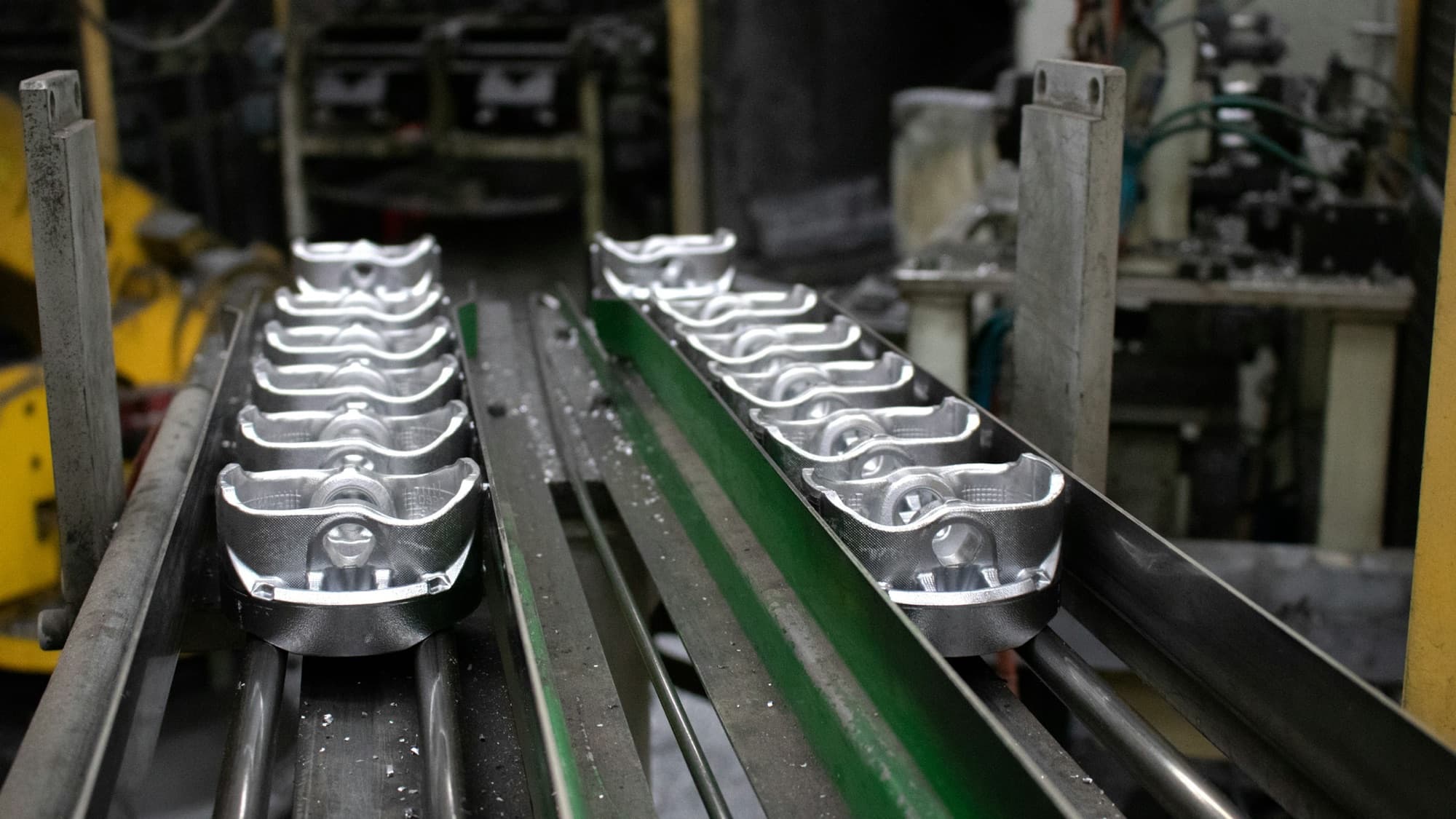 Die casting
Molten zinc or aluminum injected into steel dies at high pressure. Thin walls and net shape at 2,500+ parts a year.
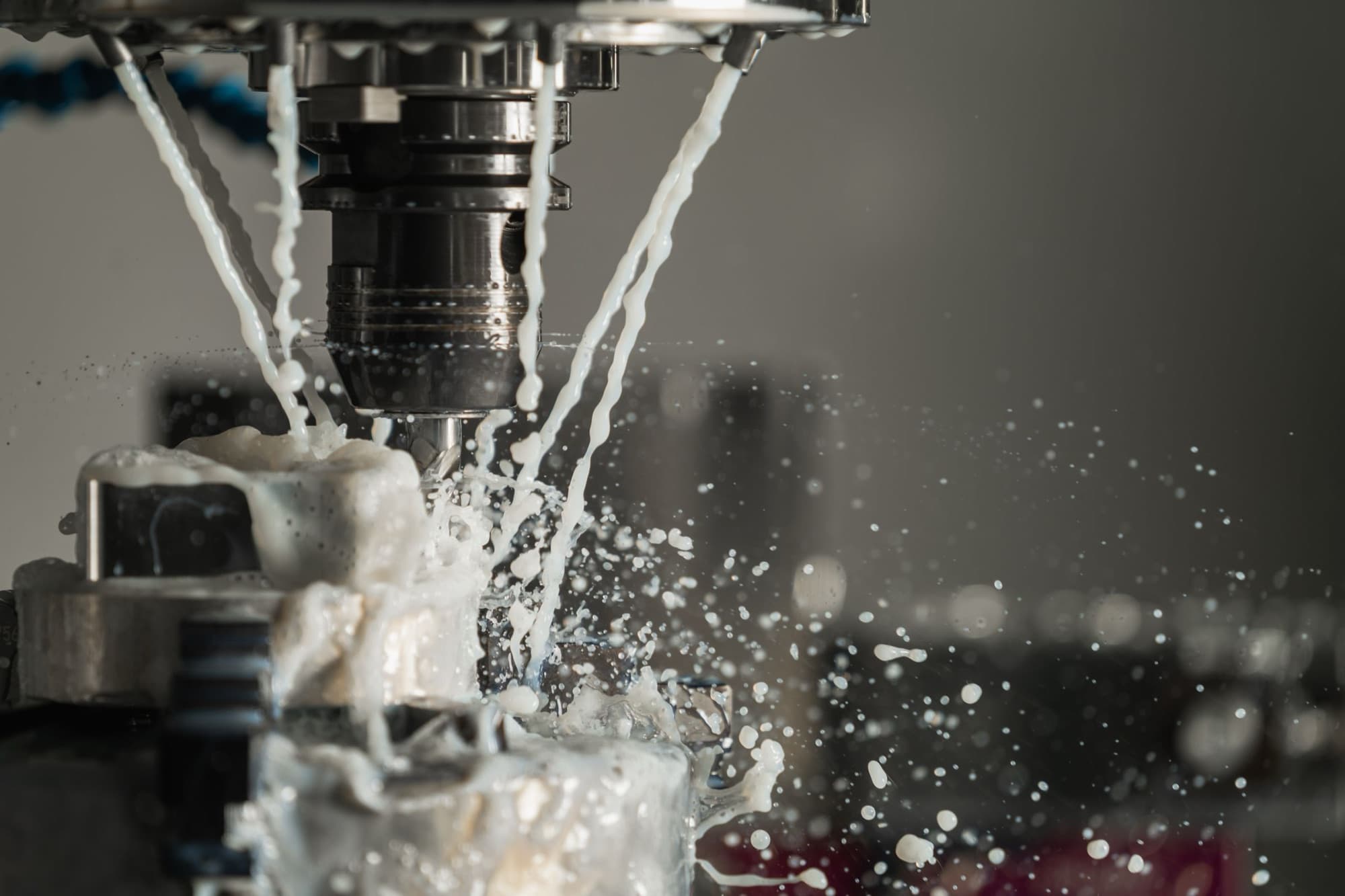 CNC machining
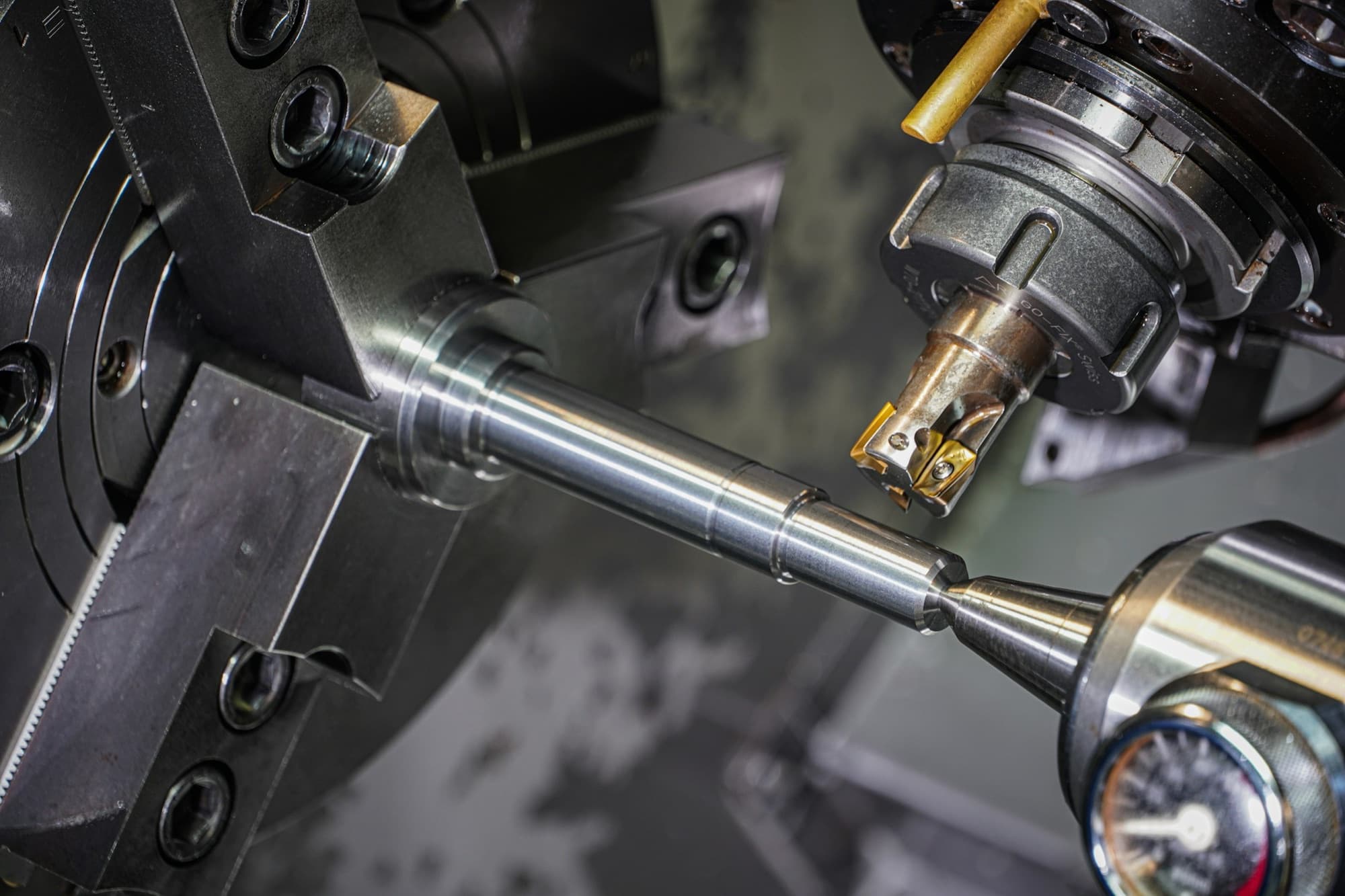
CNC milling, turning, and production sawing from bar, plate, castings, and forgings, from prototype to production.
 Screw machining
Turned pins, fittings, shafts, and bushings made from bar stock on multi-spindle and Swiss screw machines at volume.
 Rubber
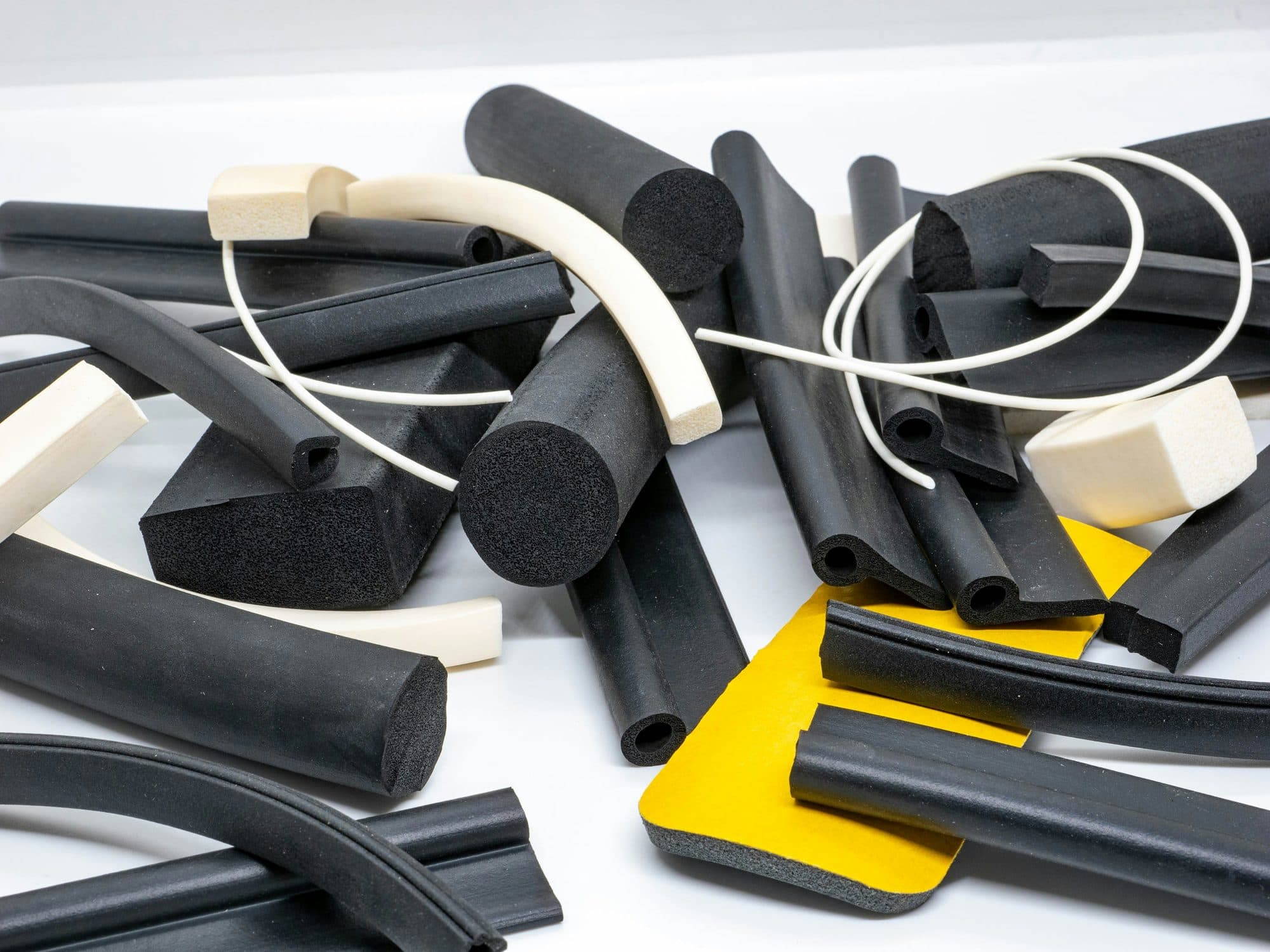
Seals, gaskets, grommets, and profiles extruded or molded in EPDM, silicone, nitrile, neoprene, FKM, and TPE.
 Springs & wire forms
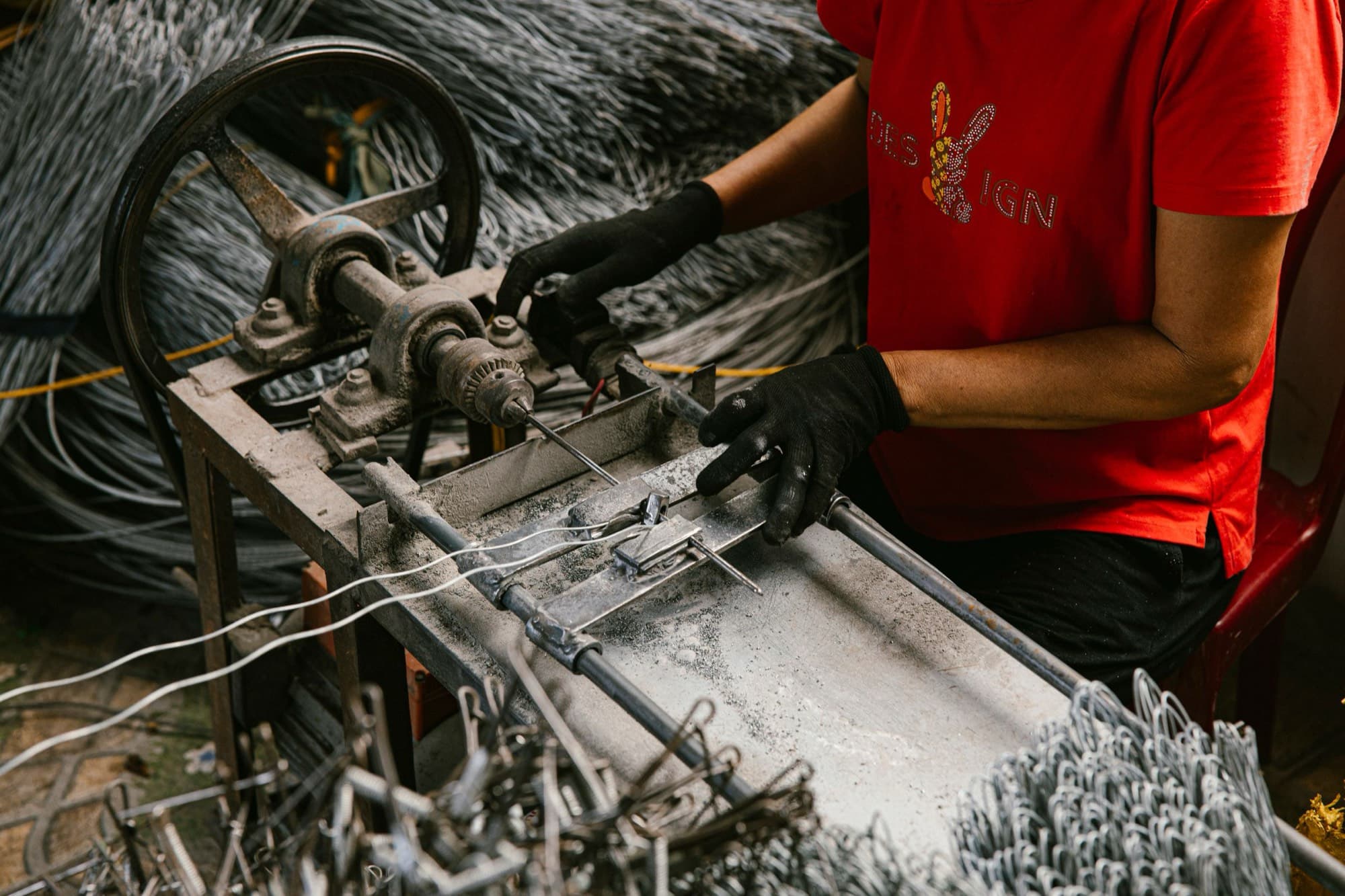
Compression, extension, and torsion springs, wire forms, and fourslide clips made from round wire and flat strip.
 Powdered metal
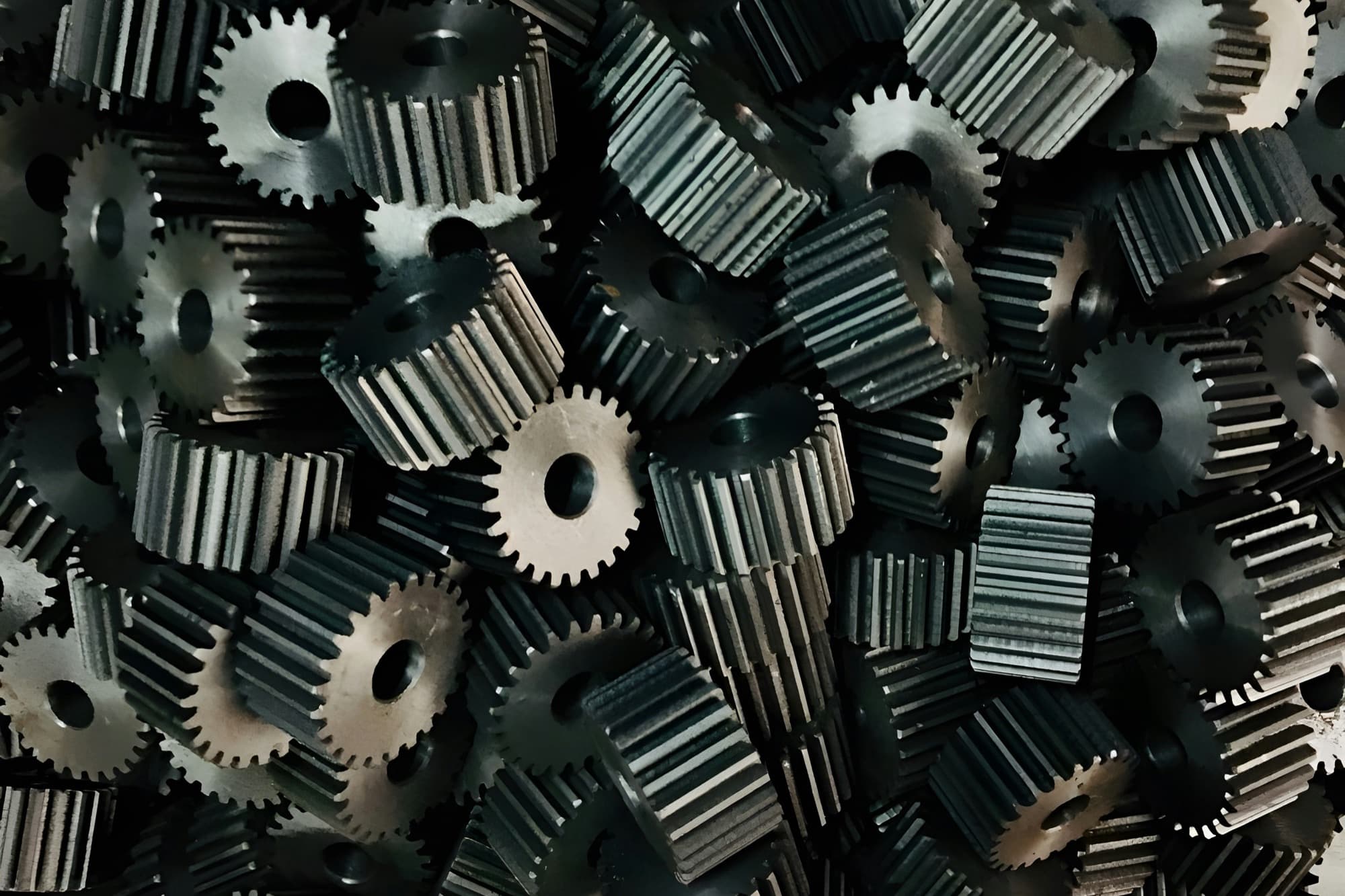
Net-shape gears, bushings, and structural parts pressed from metal powder and sintered, with little or no machining.
 Stamping
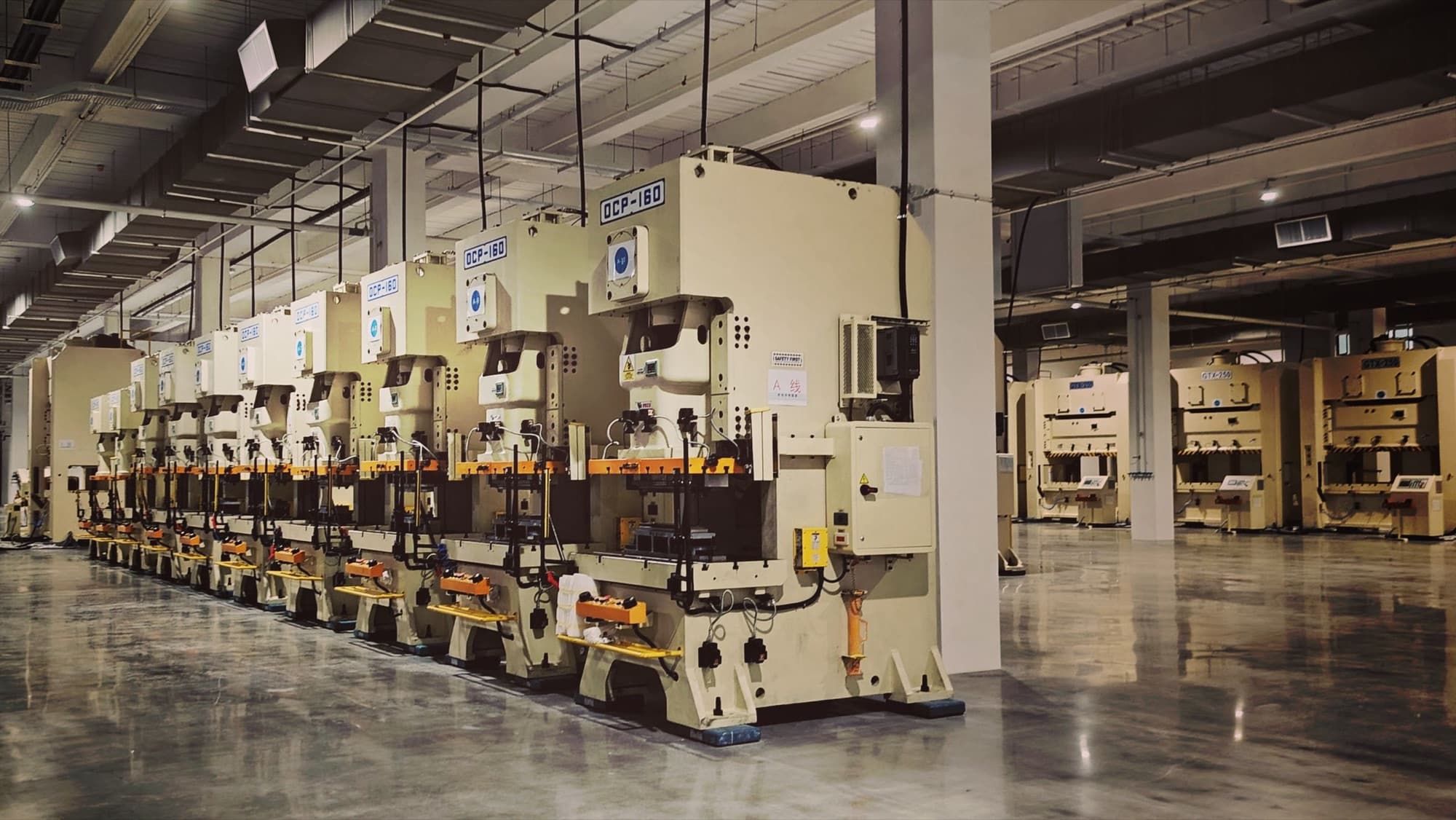
Short- to medium-run stampings: brackets, clips, shields, and plates cut and formed from sheet or coil in a press.
Which of these pays off at your quantity?
Parts per order
5 processes are at their best at this quantity, and 3 more can do it.
Drag to your quantity


What suppliers are held to
Pump test standards
Performance is tested to ANSI/HI 14.6 acceptance grades for flow, head, and efficiency. Chemical process pumps often follow ASME B73.1, and refinery pumps follow API 610, which sets stricter material and documentation rules.
Potable water
Pumps and wetted parts for drinking water are certified to NSF/ANSI/CAN 61 and must meet the lead limits of NSF/ANSI/CAN 372. That rules out leaded brass on wetted surfaces.
Electrical listing
Motor-operated water pumps are commonly listed to UL 778. Float switch housings, cords, and potting materials must fit that listing.
Balance and runout
Impellers are balanced, commonly to ISO 21940-11 grade G6.3, and shafts hold tight runout at seal and bearing journals to protect mechanical seals.
Questions
Molded plastic or metal impellers?
Glass-filled plastic impellers cost less at volume, resist corrosion, and are standard in residential water and sump pumps. Stainless or bronze impellers handle abrasives, higher temperatures, and solvents. Die cast aluminum sits between them for clean-water service.
Which elastomer should pump seals and diaphragms use?
EPDM for water, glycol, and many chemicals, nitrile for oils and fuels, and FKM for high temperatures and aggressive chemicals. Confirm against the fluid's chemical compatibility data at operating temperature.
Can pump shafts be screw machined?
Yes, for shafts within bar capacity, often in 303 or 416 stainless, with bearing and seal journals finished on a grinder. Longer or larger shafts go to CNC lathes, with grinding for tight journals.
Related industries

Send us the part.
Build it or upload a drawing. A rep routes it to principals already making parts for this industry.