Loading page
Stainless steel 304
304 is an austenitic stainless steel with about 18% chromium and 8% nickel and the most widely used stainless in the world. It resists rust in water, food and most atmospheres, welds easily, and deep draws well. Typical annealed tensile strength is 73 ksi (505 MPa). It cannot be hardened by heat treatment, and it pits in chlorides; use 316 there.
- UNS
- S30400
- ASTM
- A240 (plate, sheet) / A276 (bar)
- EN 10088
- 1.4301 (X5CrNi18-10)
- JIS
- SUS304

How does it compare?
Typical room-temperature values for 304 SS, against all 48 materials in the library.
- Tensile strength
- 505 MPa76th pct
- Yield strength
- 215 MPa20th pct
- Density
- 8 g/cm³89th pct
- Max service temp
- 925 °C97th pct
- Elongation
- 70 %78th pct
- Relative cost
- $$$$$
Bars are relative to the strongest, densest or hottest material in the SSG library. Percentile vs all 48 materials.
- Density
- 8 g/cm³ · 0.2890 lb/in³
- Tensile strength
- 505 MPa · 73.2 ksi
- Yield strength
- 215 MPa · 31.2 ksi
- Elongation
- 70%
- Elastic modulus
- 193 GPa · 28.0 Msi
- Hardness
- Rockwell B70 (123 HB)
- Max service temperature
- 925 °C · 1697 °F
- Melting point
- 1400 °C · 2552 °F
- Thermal conductivity
- 16.2 W/m·K
- Machinability
- 45% of 1212 steel
When should you use 304 SS?
Strengths
- Good corrosion resistance in fresh water, food, and most indoor and outdoor atmospheres
- Excellent weldability; use 304L for welded sections
- Deep draws and stretch-forms well when annealed
- Non-magnetic when annealed
- Available as sheet, plate, bar, tube, wire and pipe
Watch for
- Pits and crevice-corrodes in chlorides such as salt spray, pool water and de-icing salt; use 316
- Machines slowly and work-hardens: 45% machinability
- Cannot be hardened by heat treatment, only by cold work
- Galls against itself in threads and sliding fits; use anti-seize or dissimilar grades
Typical parts
- Food and beverage equipment
- Deep drawn sinks, cups and housings
- Sheet metal enclosures and panels
- Fasteners and hardware
- Medical carts and lab equipment
- Wire baskets and forms
How 304 SS is made into parts
Cost, finishes and design rules for each process in this material.
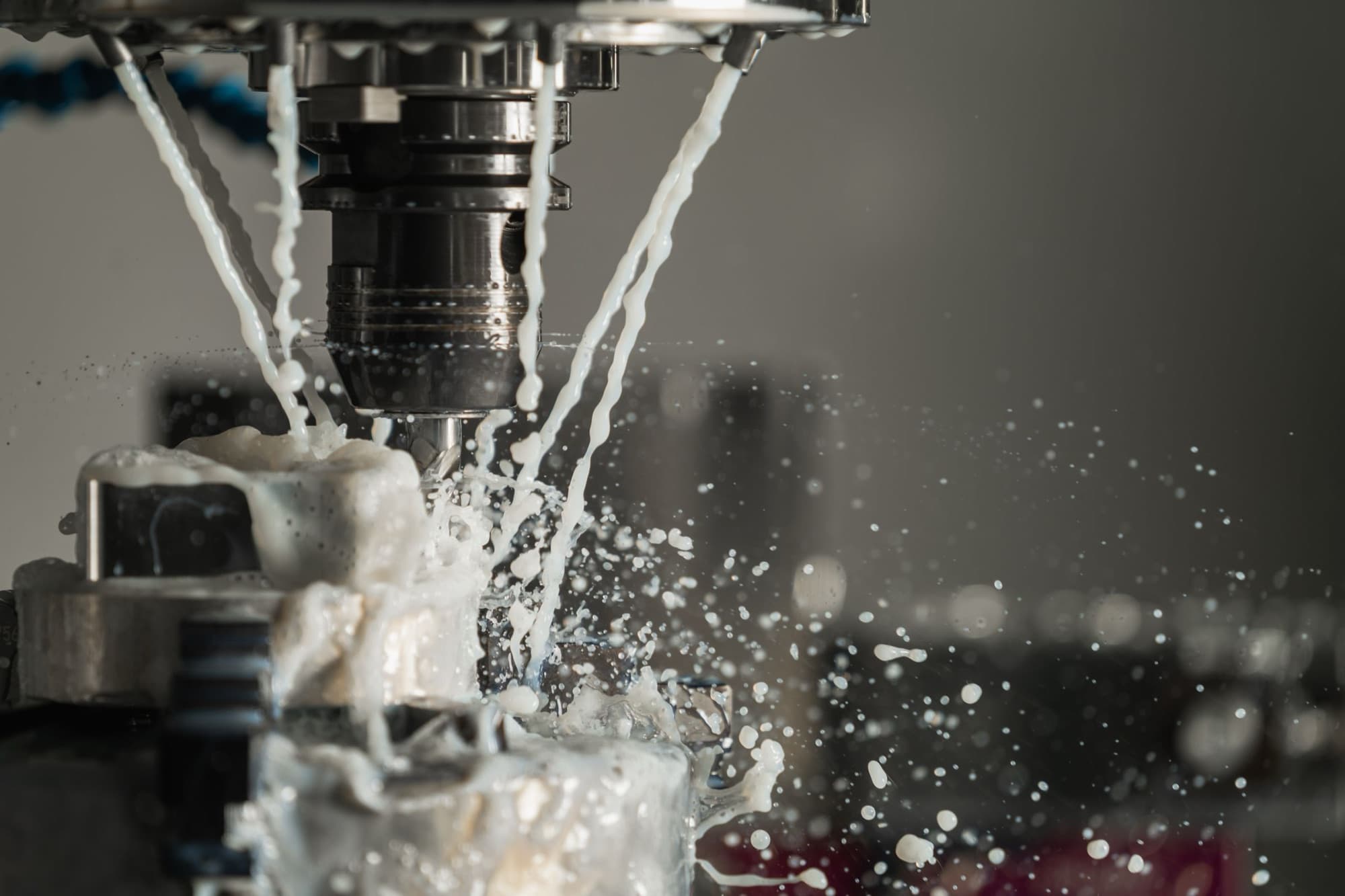 CNC machining in 304 SS
CNC milling, turning, and production sawing from bar, plate, castings, and forgings, from prototype to production.
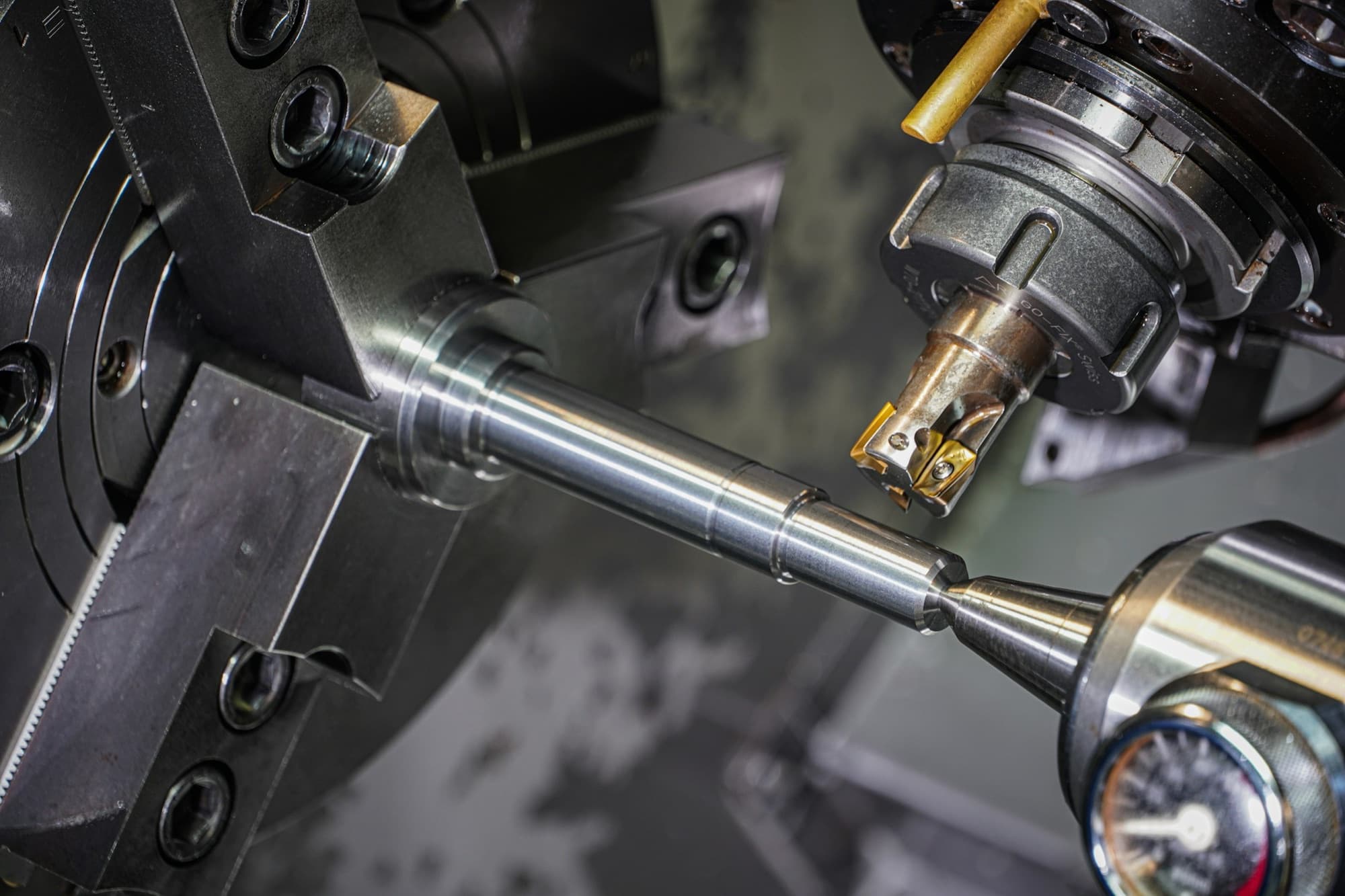 Screw machining in 304 SS
Turned pins, fittings, shafts, and bushings made from bar stock on multi-spindle and Swiss screw machines at volume.
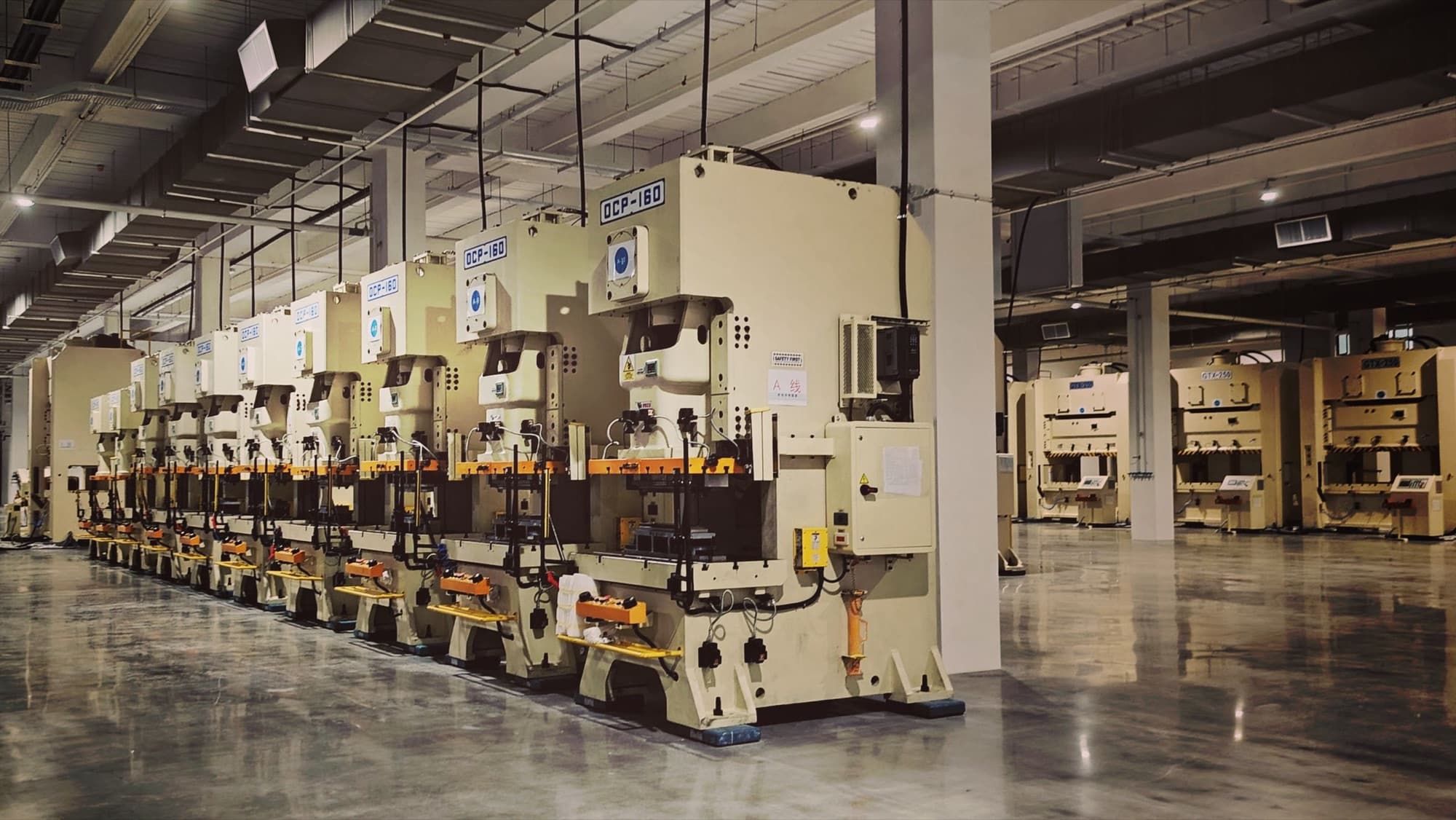 Stamping in 304 SS
Short- to medium-run stampings: brackets, clips, shields, and plates cut and formed from sheet or coil in a press.
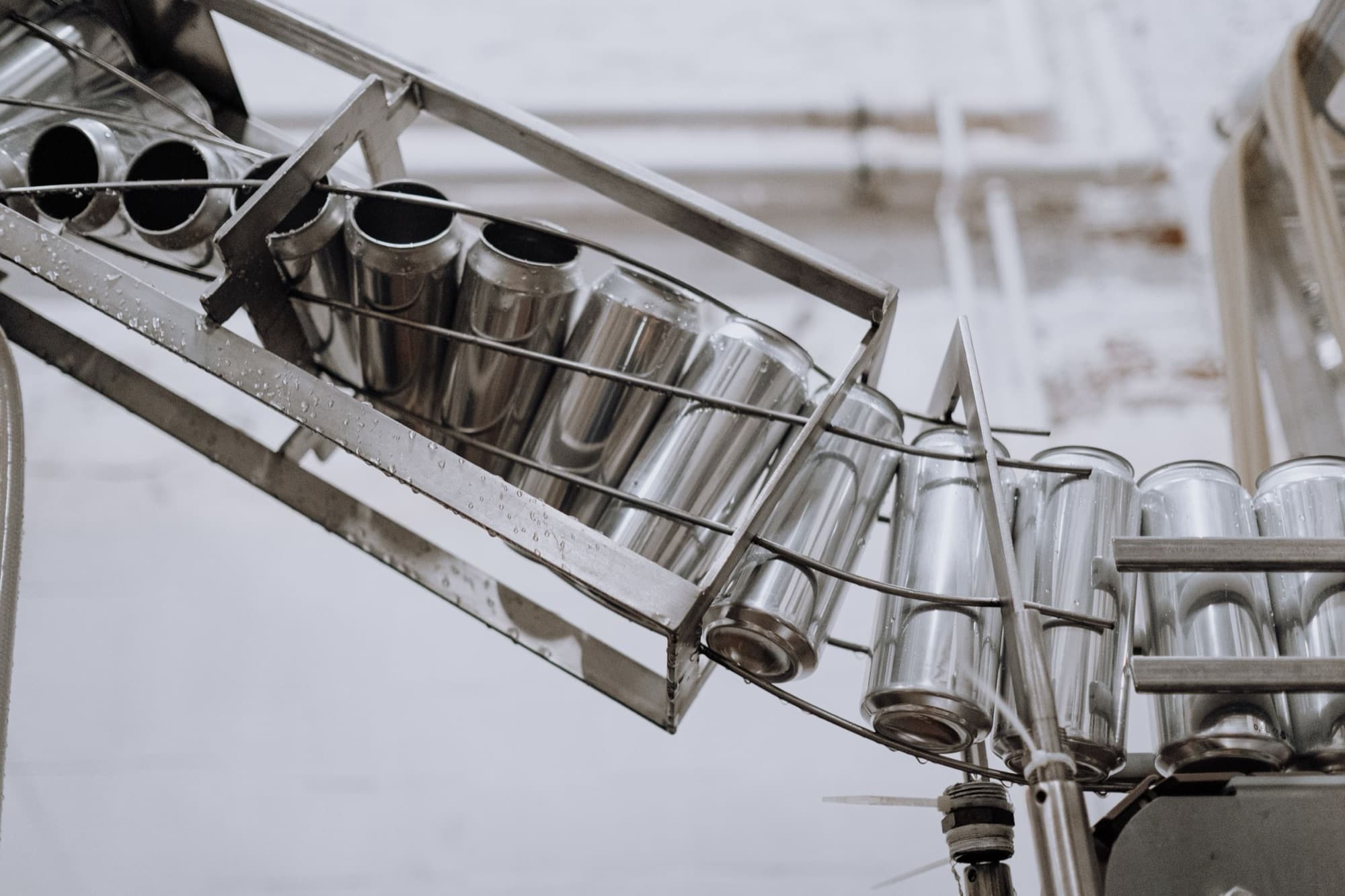 Deep draw in 304 SS
One-piece cups, cans, shells, and housings drawn from flat blanks, with depth that can exceed the diameter.
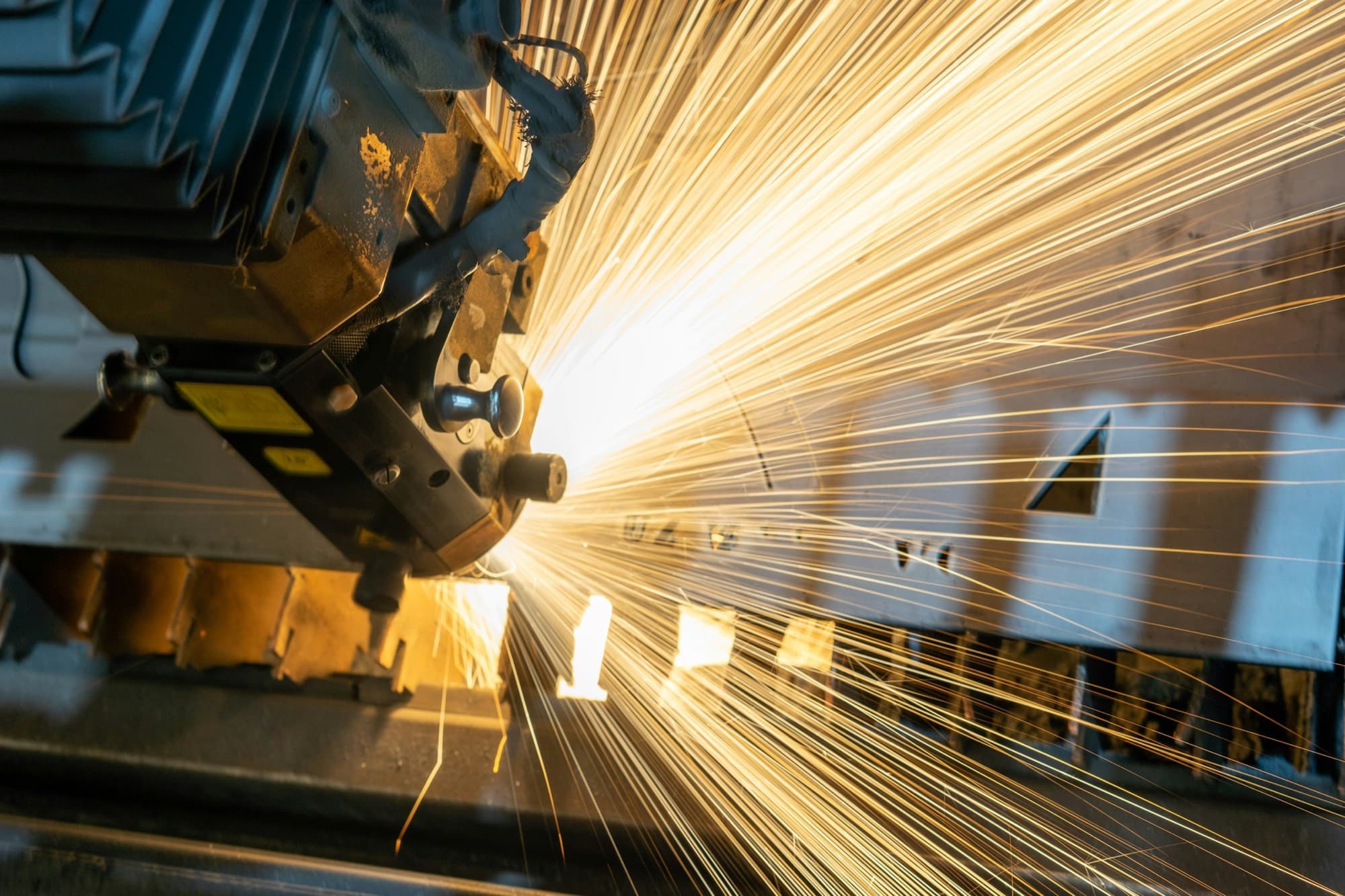 Sheet metal in 304 SS
Laser-cut, punched, bent, and welded sheet metal enclosures, brackets, and chassis with no hard tooling.
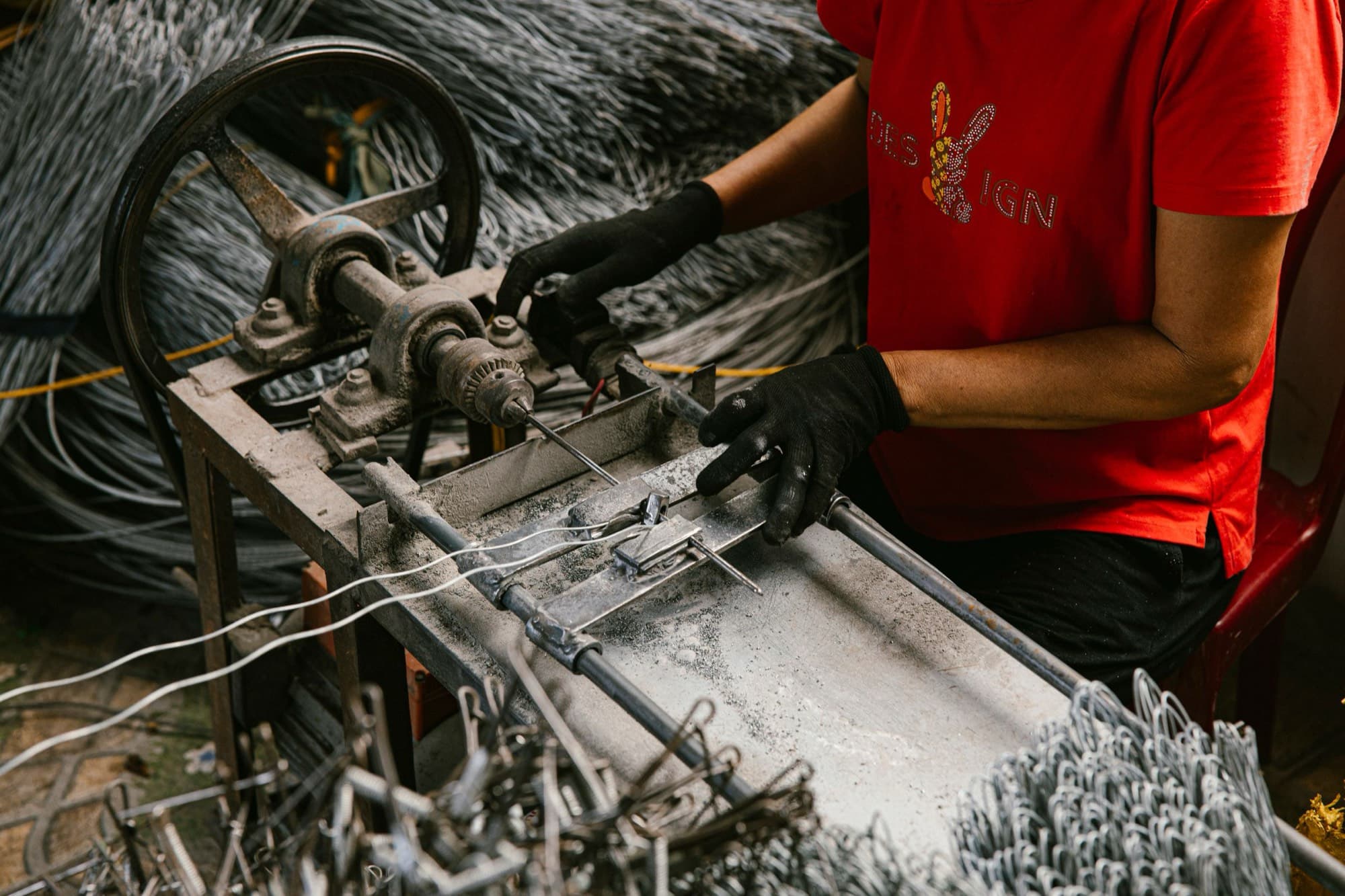 Springs & wire forms in 304 SS
Compression, extension, and torsion springs, wire forms, and fourslide clips made from round wire and flat strip.
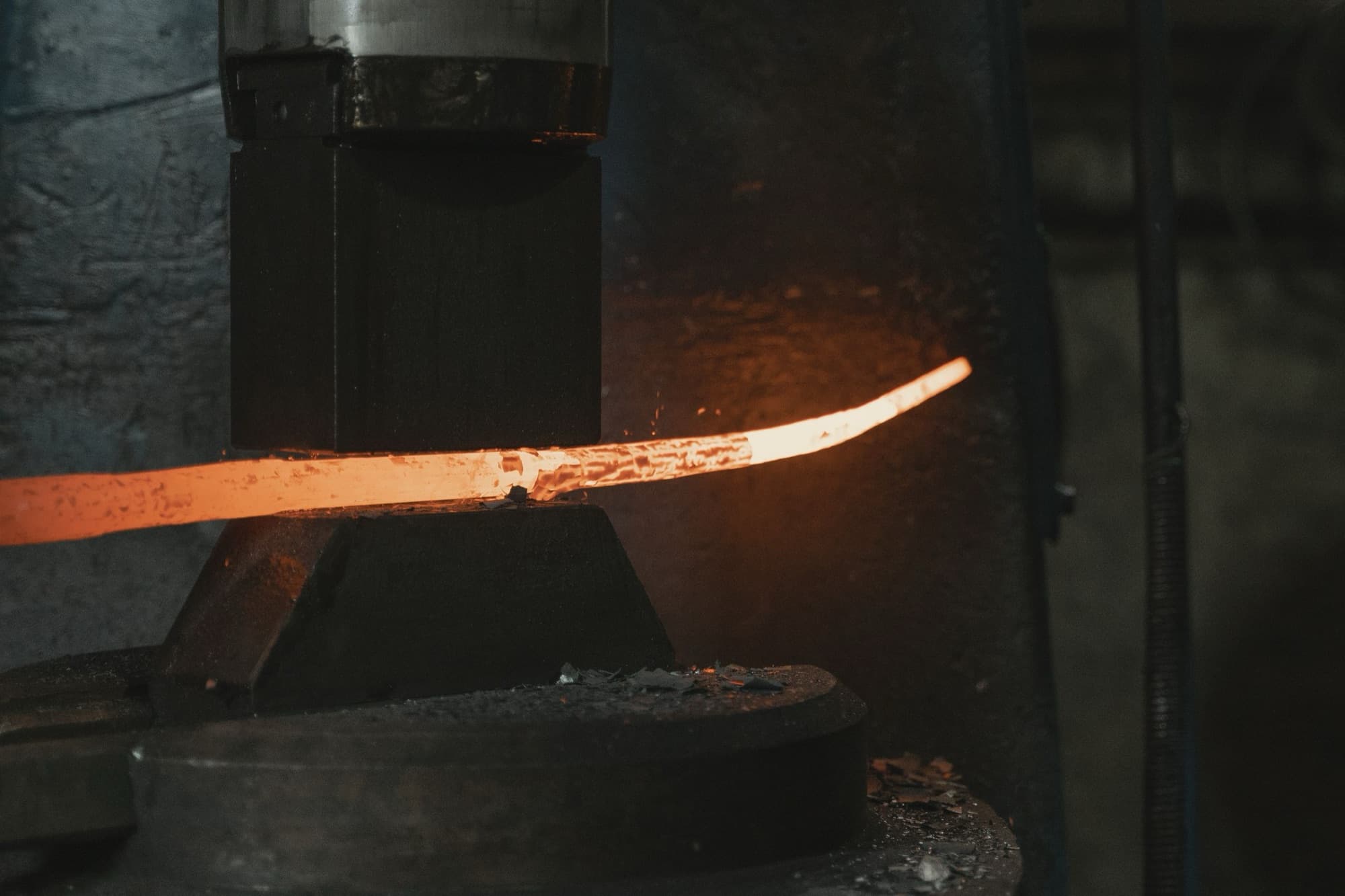 Forging in 304 SS
Closed-die and open-die forgings in carbon, alloy, and stainless steel and aluminum, with grain flow for strength.
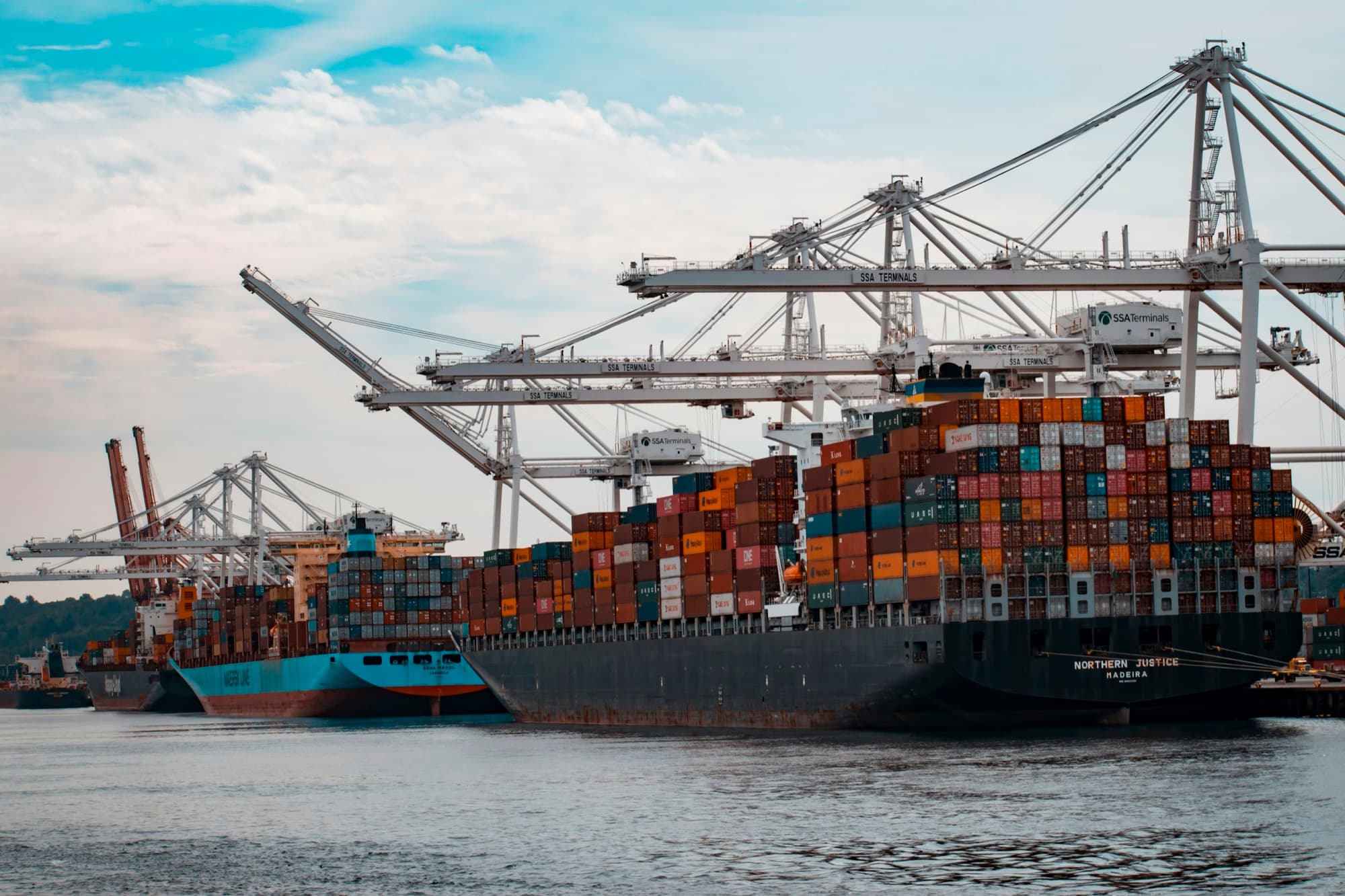 Offshore sourcing in 304 SS
Parts made by vetted overseas manufacturers, with landed-cost analysis, quality control, and logistics managed.
What does a part in 304 SS cost?
A representative part, cnc machining. Raw material at about $6.00/kg is one line of it; process time and tooling usually matter more.
Plate · CNC machining
Order total $3,564
- Tooling
- None
- no hard tooling
- Piece price
- $60.60
- before setup + tooling
- Lead time
- 5–10 days
- to first production
Size
Drag a row to adjust · click to type
Length120120 mm
Width80.080.0 mm
Thickness6.006.00 mm
Quantity
Price per part falls as volume rises
Exact quantity5050 pcs
Material
Design checks pass
Open in builderBudgetary estimate for a representative part. Firm quotes come from principals after drawing review.


304 SS questions
304 vs 316 stainless?
316 adds 2–3% molybdenum, which greatly improves resistance to pitting in chlorides such as salt water, de-icing salts and many chemicals. 304 costs about 25% less and is fine for indoor, food and fresh-water service. Choose 316 near the coast or anywhere salt is present.
Is 304 stainless magnetic?
Annealed 304 is non-magnetic. Cold working, such as bending, deep drawing or machining, converts some austenite to martensite and makes it slightly magnetic. That is normal and not a sign of the wrong grade.
What is the difference between 304 and 304L?
304L limits carbon to 0.03% maximum versus 0.08%, which prevents carbide precipitation and intergranular corrosion after welding. Strength is slightly lower. Most plate and sheet is dual-certified 304/304L, so specify 304L for welded parts at little or no cost penalty.
Can 304 stainless be hardened?
Not by heat treatment. It gains strength only from cold work, as in quarter-hard to full-hard strip or spring-temper wire. For a hardenable stainless, use 17-4 PH or martensitic grades such as 410 or 440C.
Similar materials


Quote it in 304 SS.
Upload CAD or start from a template. The builder prices it in this material and the alternatives.