Loading page
Core line, represented 25+ years
How do agricultural equipment manufacturers source durable components?
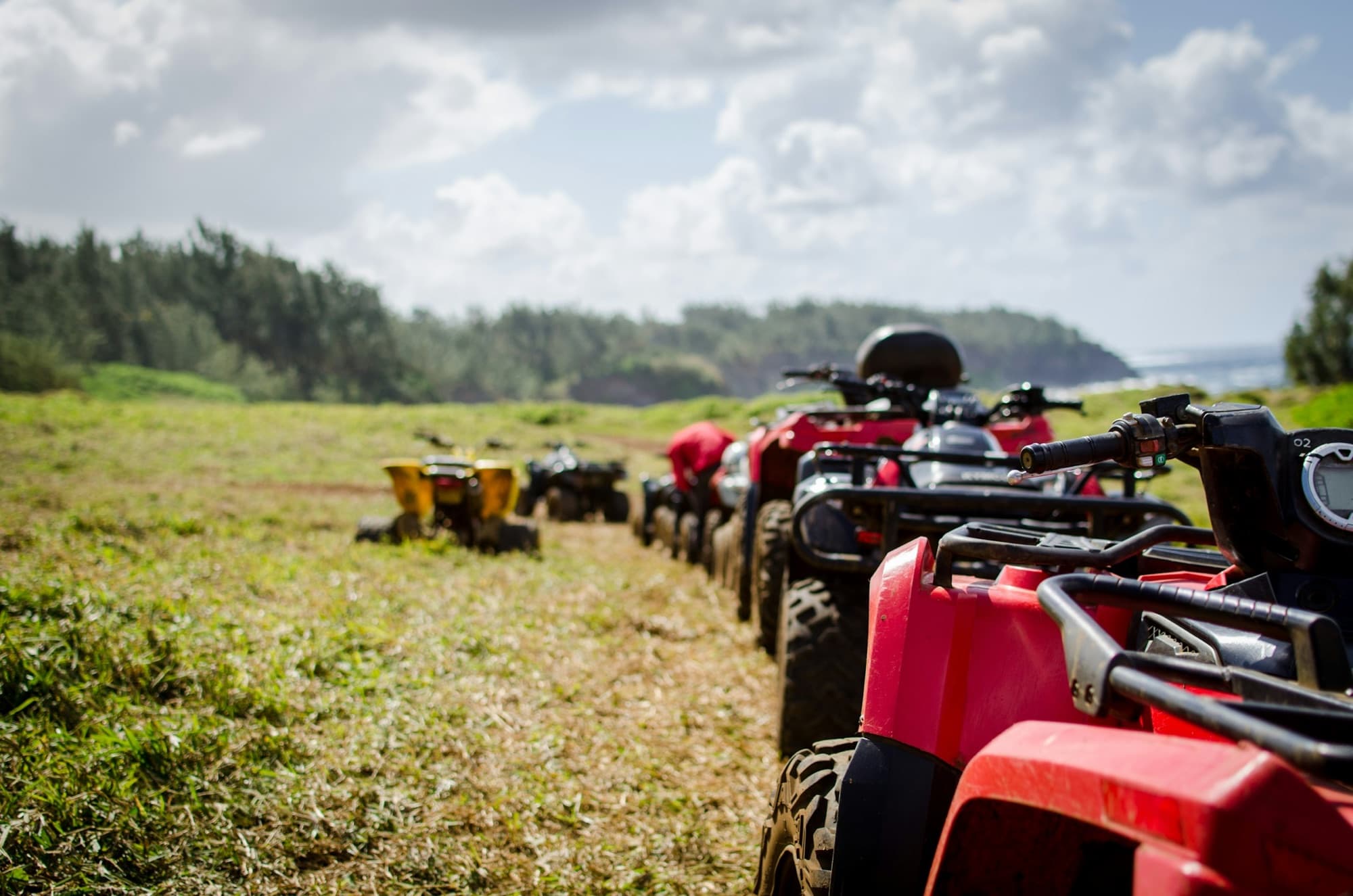
Agricultural equipment manufacturers source hitch and PTO parts as forgings, frames and shields as stampings and fabrications, pins and clips from wire form principals, and sprayer parts in chemical-resistant plastics and stainless. Parts must survive soil, fertilizer, and decades of service. SSG matches ag programs to principals set up for these volumes, with seasonal capacity.
- Part families
- 12
- Processes
- 8
- Materials
- 10
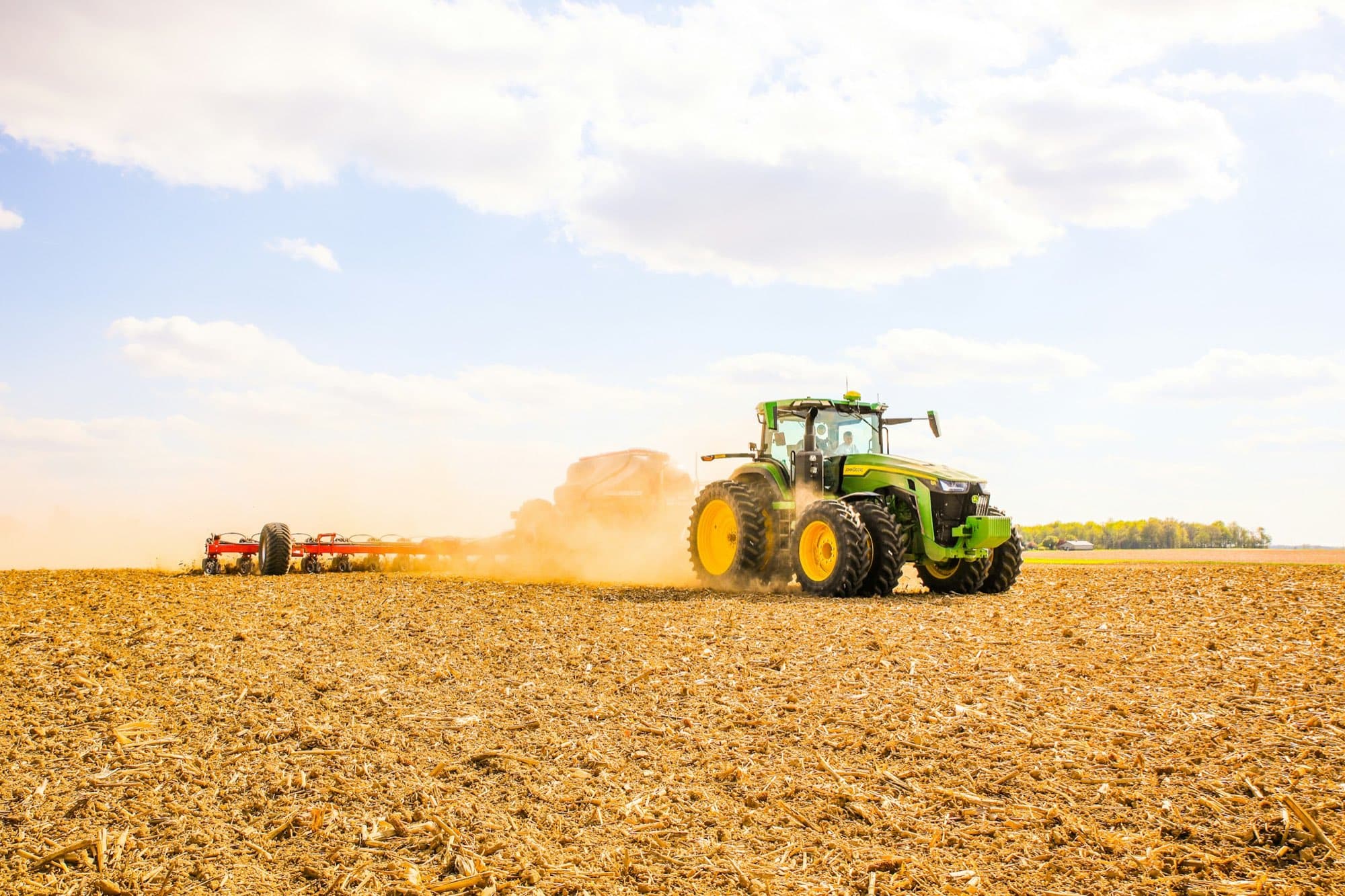
Parts we source for this industry
- 01Forged PTO yokes and hitch components
- 02Hydraulic cylinder clevises
- 03Stamped bearing flanges and brackets
- 04Fabricated shields and guards
- 05Lynch pins and hitch pin clips
- 06Tillage tines and spring shanks
- 07Sprayer nozzle bodies and fittings
- 08Stainless fertilizer fittings
- 09Rubber hose grommets and seals
- 10Powder metal planter drive sprockets
- 11Die cast gearbox housings
- 12Molded seed meter parts and hoppers
How these parts are made
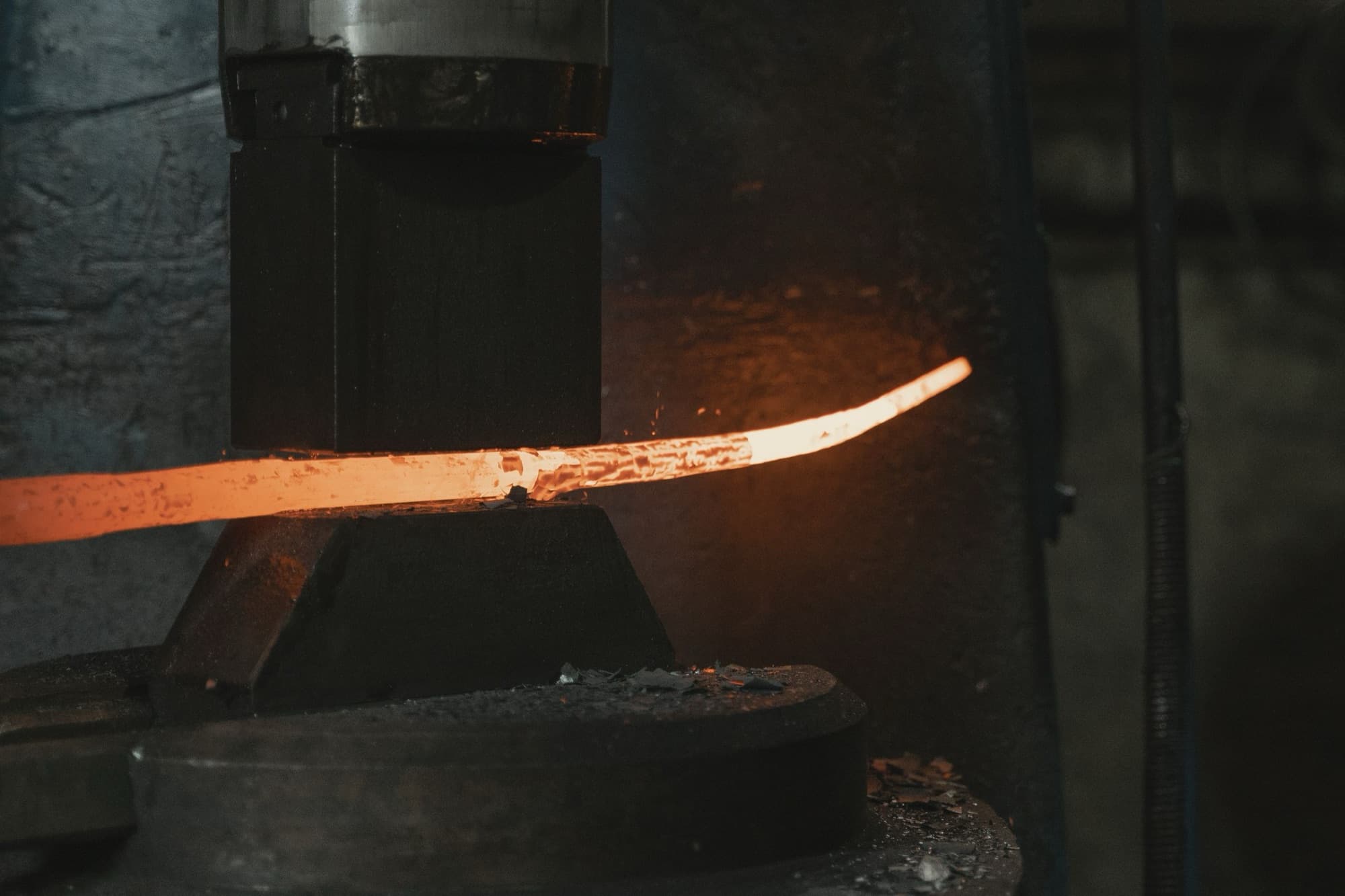 Forging
Closed-die and open-die forgings in carbon, alloy, and stainless steel and aluminum, with grain flow for strength.
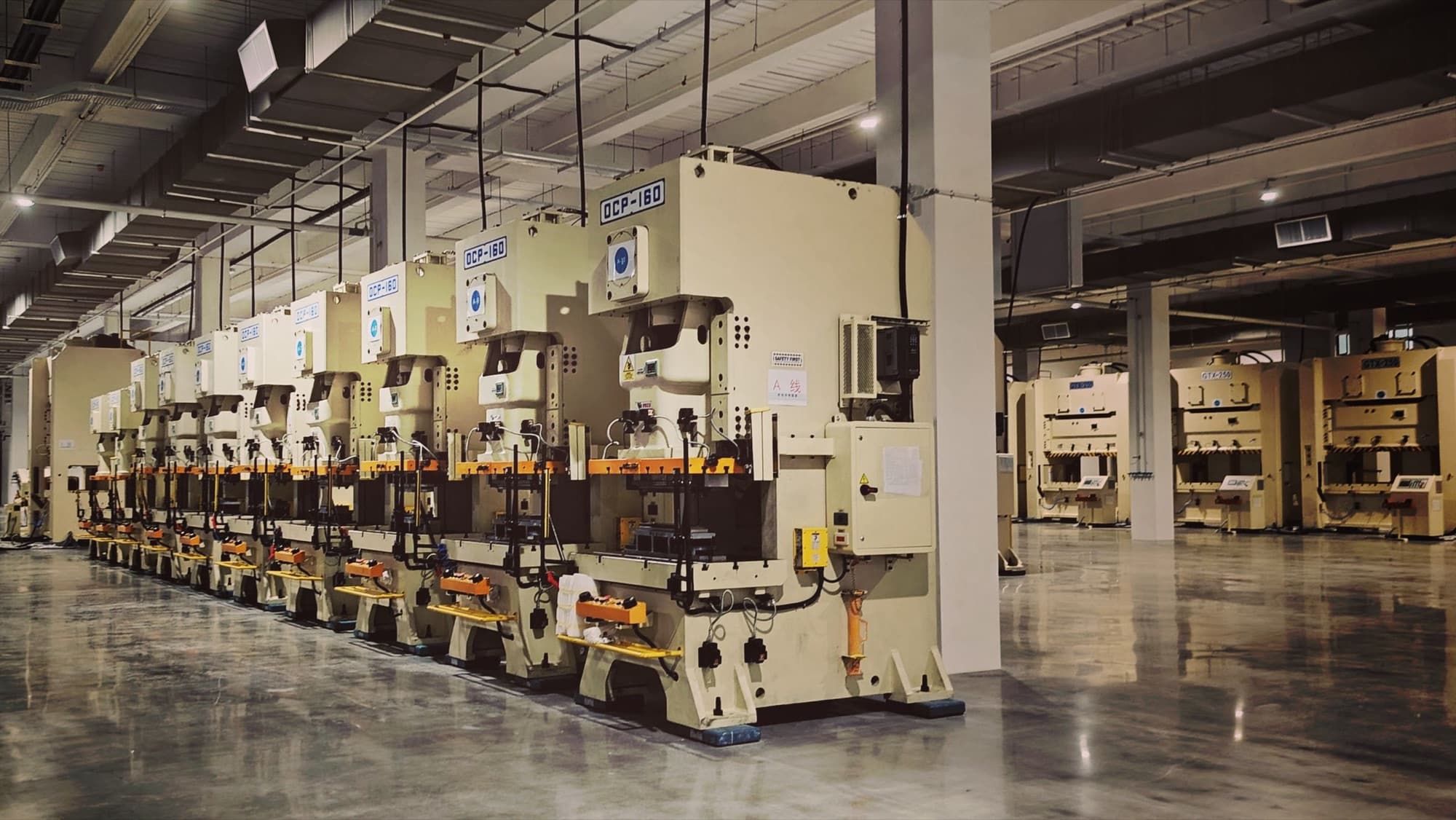 Stamping
Short- to medium-run stampings: brackets, clips, shields, and plates cut and formed from sheet or coil in a press.
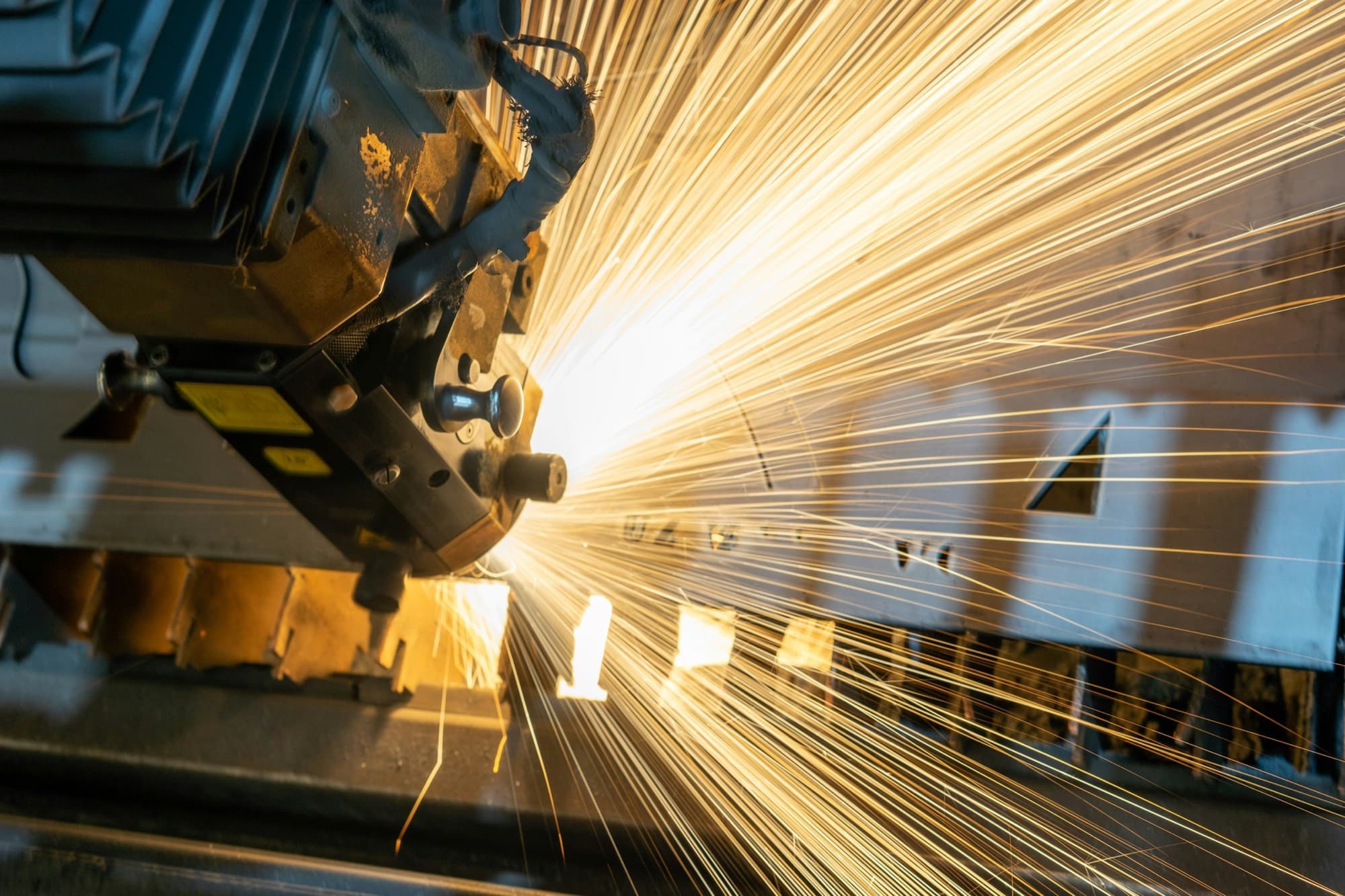 Sheet metal
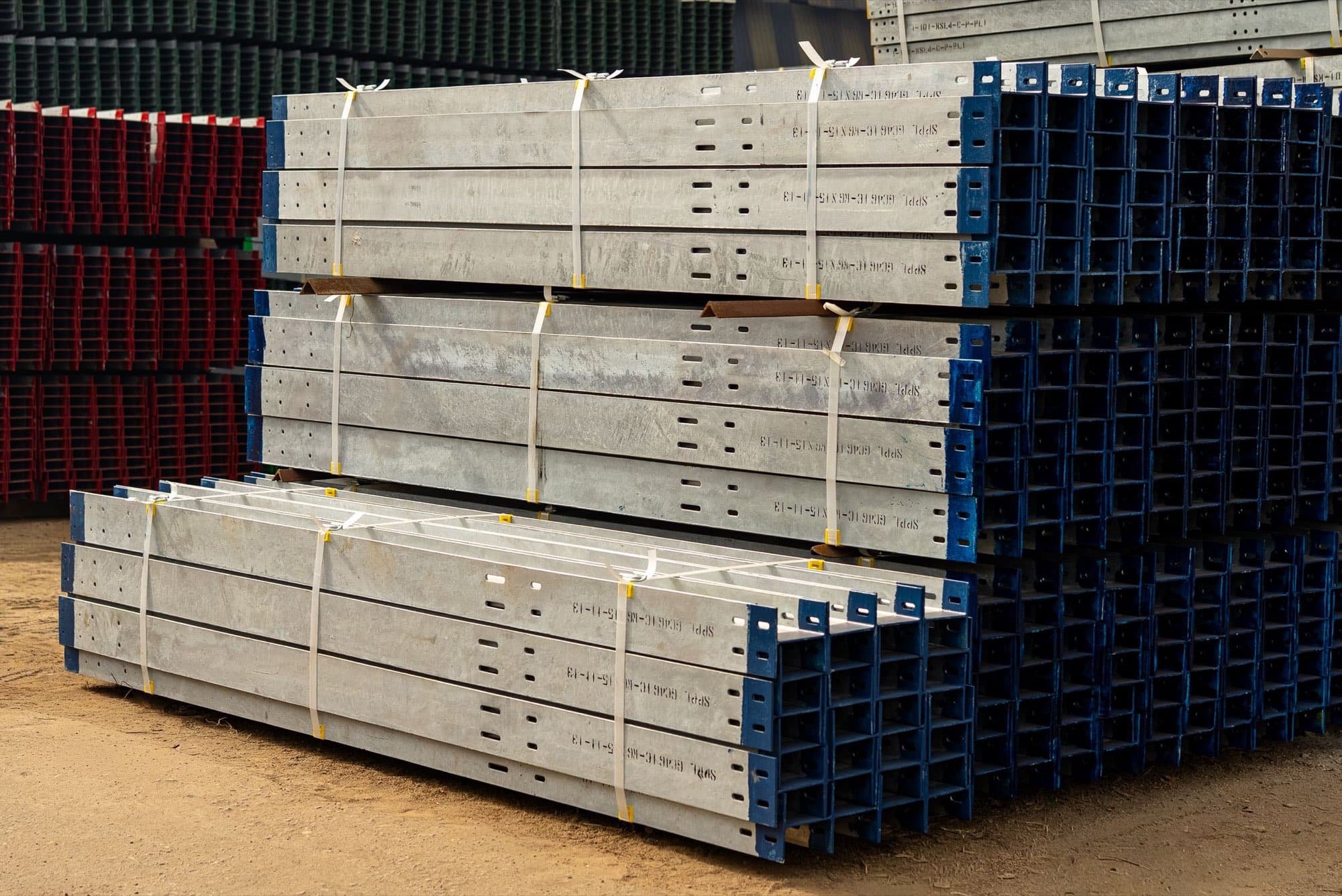
Laser-cut, punched, bent, and welded sheet metal enclosures, brackets, and chassis with no hard tooling.
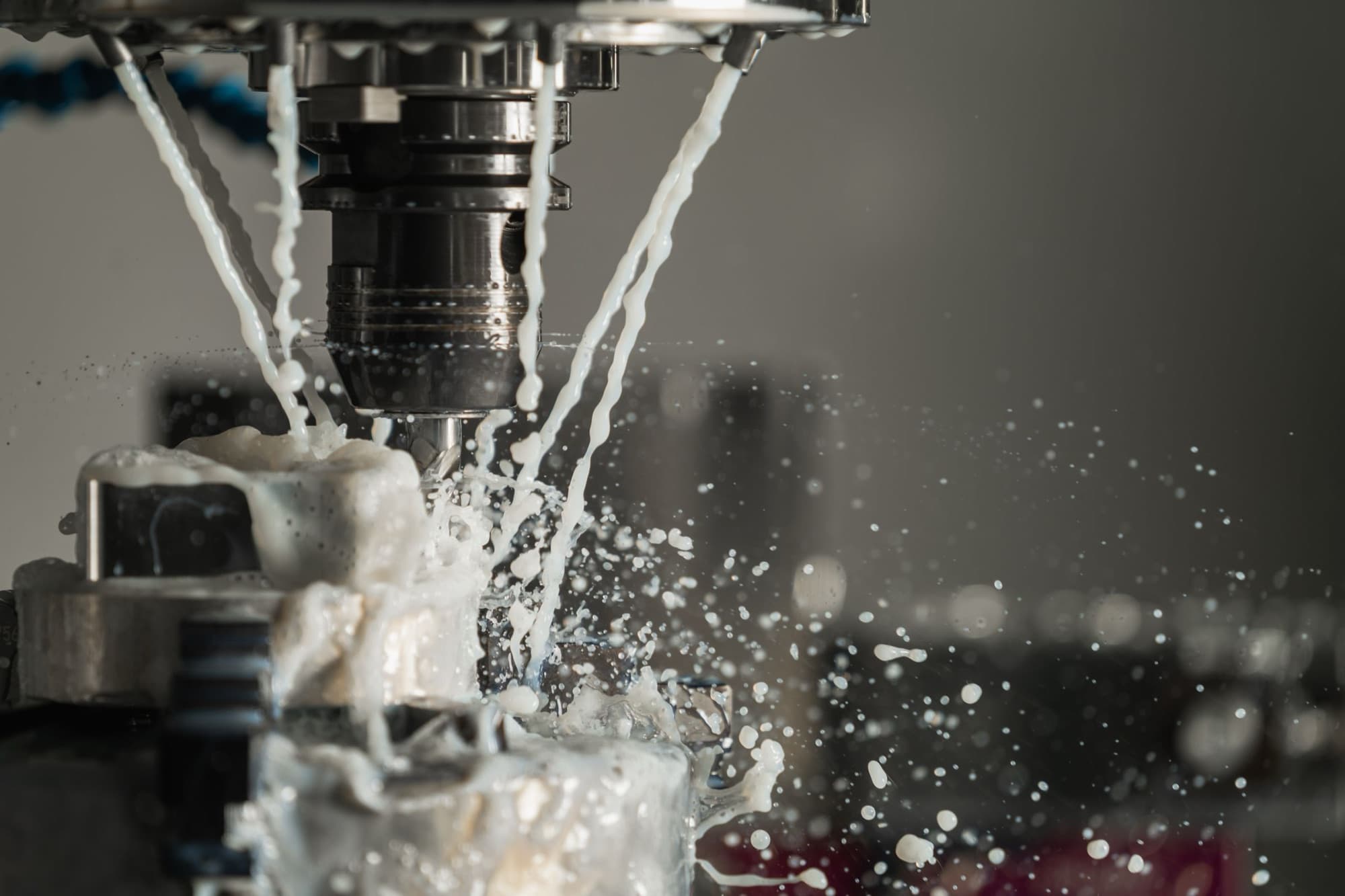 CNC machining
CNC milling, turning, and production sawing from bar, plate, castings, and forgings, from prototype to production.
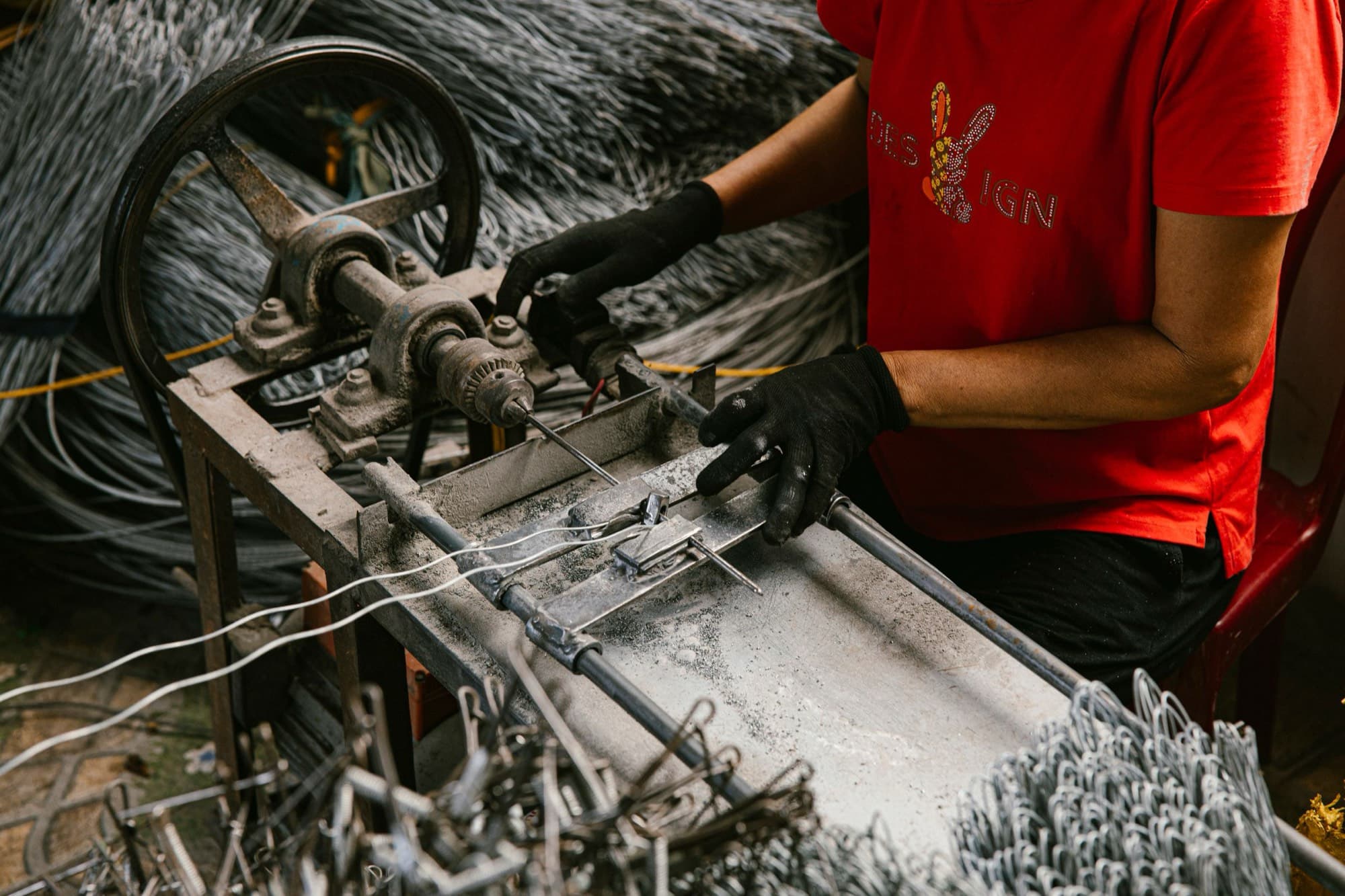 Springs & wire forms
Compression, extension, and torsion springs, wire forms, and fourslide clips made from round wire and flat strip.
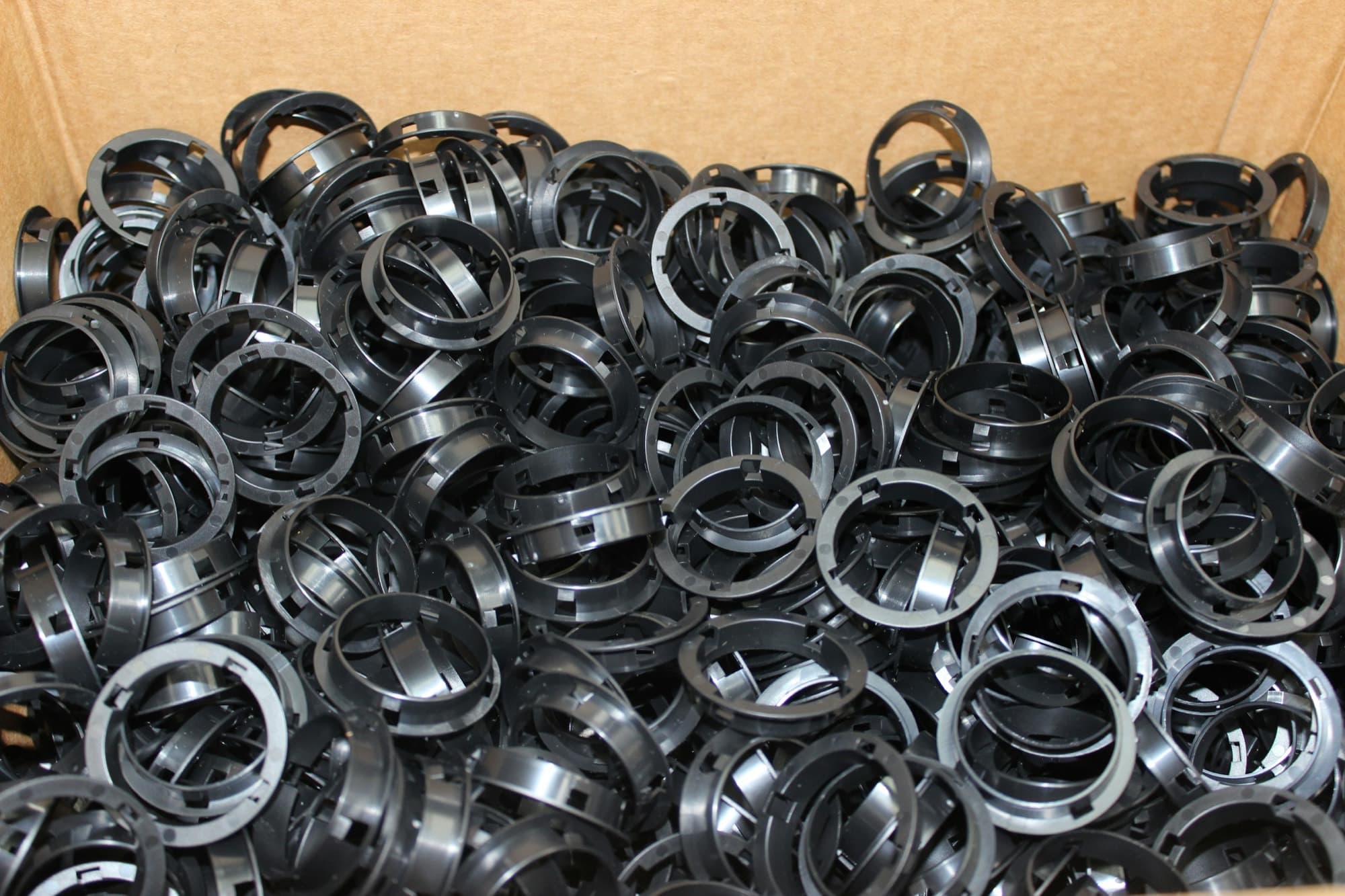 Injection molding
Molten thermoplastic injected into a steel or aluminum mold. Lowest piece price for plastic parts at 5,000+ a year.
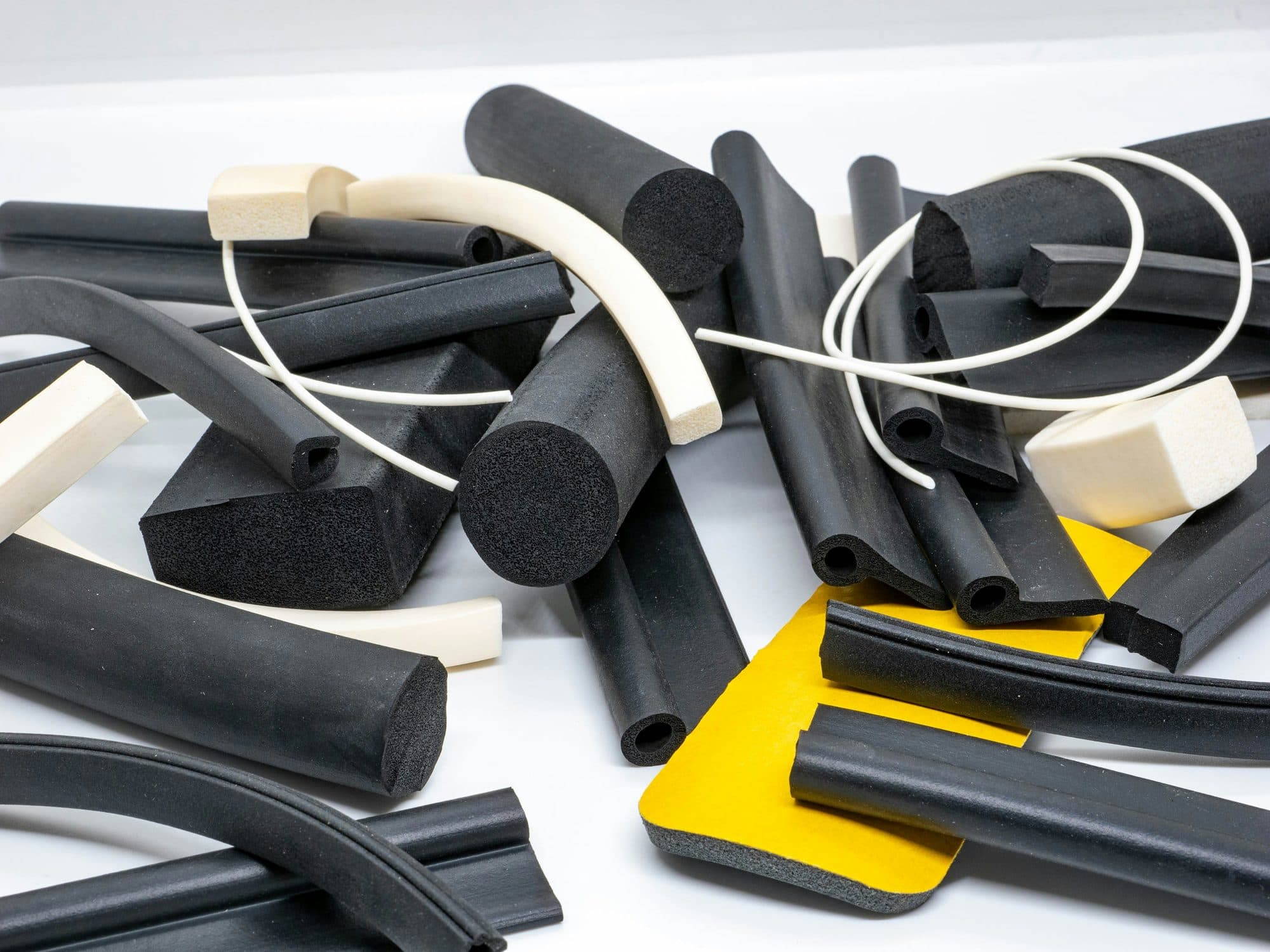 Rubber
Seals, gaskets, grommets, and profiles extruded or molded in EPDM, silicone, nitrile, neoprene, FKM, and TPE.
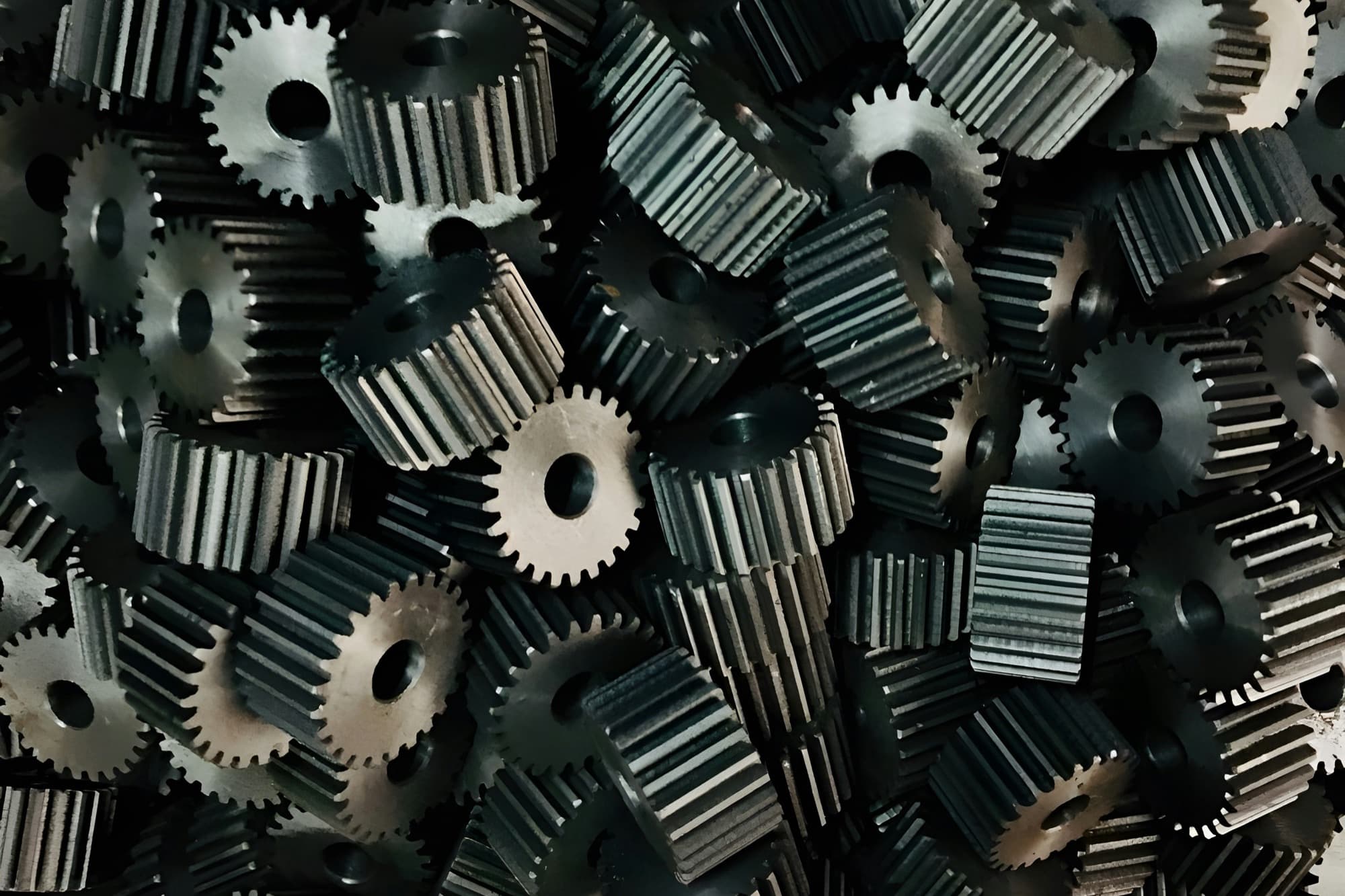 Powdered metal
Net-shape gears, bushings, and structural parts pressed from metal powder and sintered, with little or no machining.
Which of these pays off at your quantity?
Parts per order
6 processes are at their best at this quantity, and 2 more can do it.
Drag to your quantity


What suppliers are held to
Machinery safety
Equipment is designed to the ISO 4254 series for agricultural machinery safety and to ASABE standards such as ANSI/ASABE S318. Guards and shields are safety-critical parts.
PTO and hitch interfaces
Rear PTO shafts follow ISO 500 dimensions, and three-point hitches follow ISO 730 categories. Forgings and machined parts at these interfaces are held to those fits.
Corrosion and chemicals
Fertilizers and crop chemicals attack metal. Anhydrous ammonia is incompatible with copper, brass, and zinc, so ammonia systems use steel and stainless. Coated parts are held to salt spray hours, commonly with e-coat or powder coat.
Seasonal builds and long service
Builds run ahead of planting and harvest, and service parts are supported for many years. Principals need seasonal capacity and a plan for tooling storage and reruns.
Questions
Which materials hold up to anhydrous ammonia and liquid fertilizer?
Carbon steel and stainless for anhydrous ammonia, never copper, brass, or zinc. For liquid fertilizers such as UAN, 316 stainless, polypropylene, and EPDM are common. Check each fluid's compatibility data.
Forged or fabricated for hitch and PTO parts?
Forgings for yokes, clevises, and parts with cyclic loads, because grain flow resists fatigue. Fabrications suit large, lower-volume brackets and frames where forging dies would not pay back.
How far ahead should ag OEMs place tooling?
Plan tooling to finish before the preproduction build, often 6–9 months before the season's first shipments. Forging dies and progressive dies typically take 10–20 weeks, plus sampling.
Send us the part.
Build it or upload a drawing. A rep routes it to principals already making parts for this industry.