Loading page
Steel A36 (structural)
A36 is an ASTM structural carbon steel specification for plate, bars and shapes, defined by a minimum yield strength of 36 ksi (250 MPa) and 58–80 ksi (400–550 MPa) tensile. It welds easily without preheat in thinner sections, laser and plasma cuts cleanly, and bends well. It is the default for weldments, base plates, brackets and frames.
- UNS
- K02600
- ASTM
- A36/A36M
- EN 10025-2
- S275JR (similar)
- JIS
- SS400 (similar)

How does it compare?
Typical room-temperature values for A36, against all 48 materials in the library.
- Tensile strength
- 450 MPa71th pct
- Yield strength
- 250 MPa35th pct
- Density
- 7.85 g/cm³72th pct
- Elongation
- 23 %49th pct
- Relative cost
- $$$$$
Bars are relative to the strongest, densest or hottest material in the SSG library. Percentile vs all 48 materials.
- Density
- 7.85 g/cm³ · 0.2836 lb/in³
- Tensile strength
- 450 MPa · 65.3 ksi
- Yield strength
- 250 MPa · 36.3 ksi
- Elongation
- 23%
- Elastic modulus
- 200 GPa · 29.0 Msi
- Hardness
- 119–162 HB
- Machinability
- 70% of 1212 steel
When should you use A36?
Strengths
- Lowest-cost steel plate and structural shapes
- Welds with E70 filler; AWS D1.1 requires little or no preheat up to 3/4 in (19 mm)
- Laser, plasma and waterjet cut cleanly
- Available as plate, bar, beams, angles and channels
Watch for
- Loose chemistry and mill scale make it inconsistent for precision machining; use 1018 or 1045 bar
- Not heat-treatable for hardness
- Rusts bare; blast and coat for outdoor use
- Hot-rolled flatness and thickness tolerances are wider than cold-rolled
Typical parts
- Base plates and gussets
- Welded frames and skids
- Equipment brackets and mounting plates
- Trailer and truck components
- Machine bases and guards
- Agricultural equipment weldments
How A36 is made into parts
Cost, finishes and design rules for each process in this material.
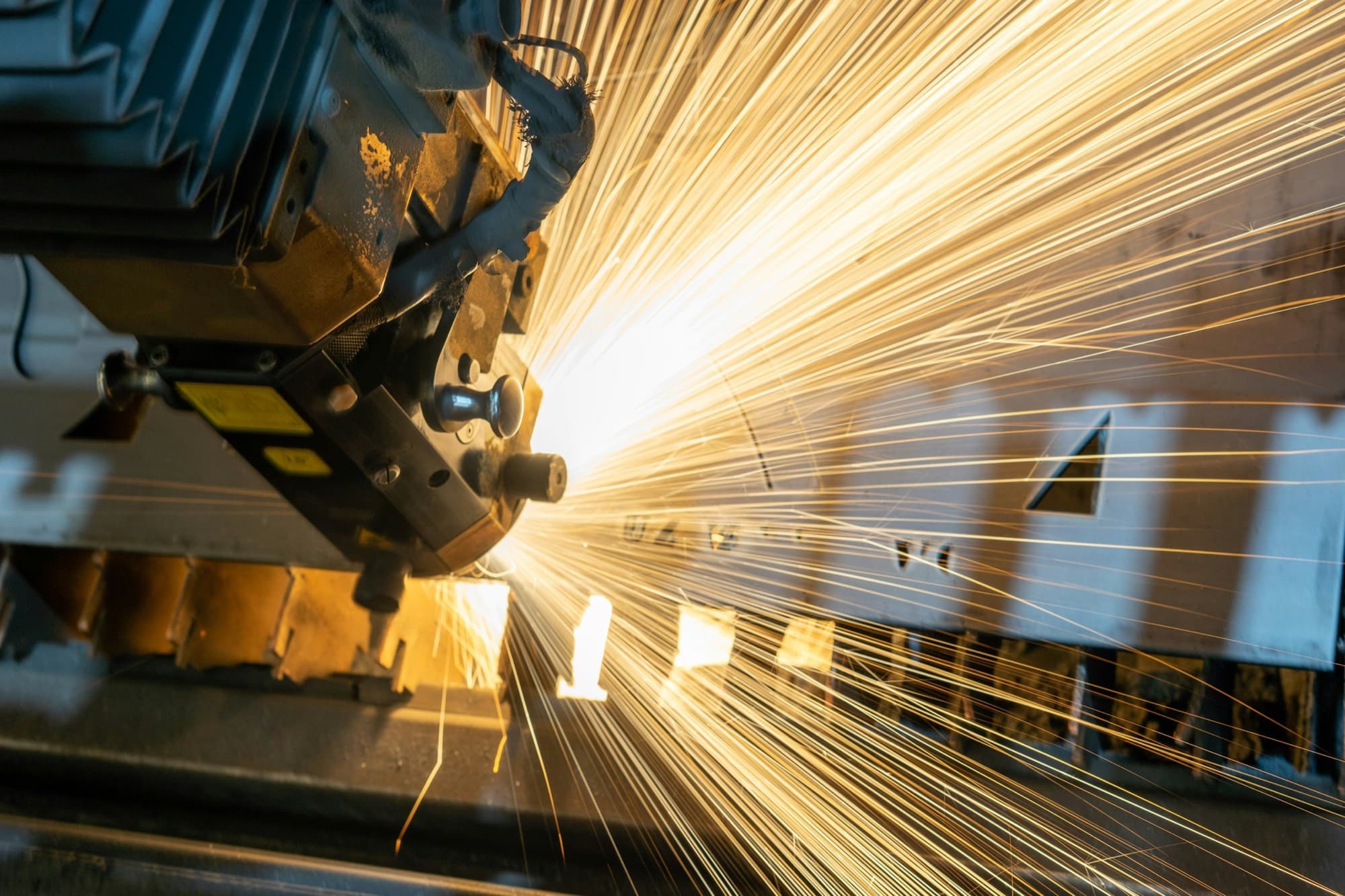 Sheet metal in A36
Laser-cut, punched, bent, and welded sheet metal enclosures, brackets, and chassis with no hard tooling.
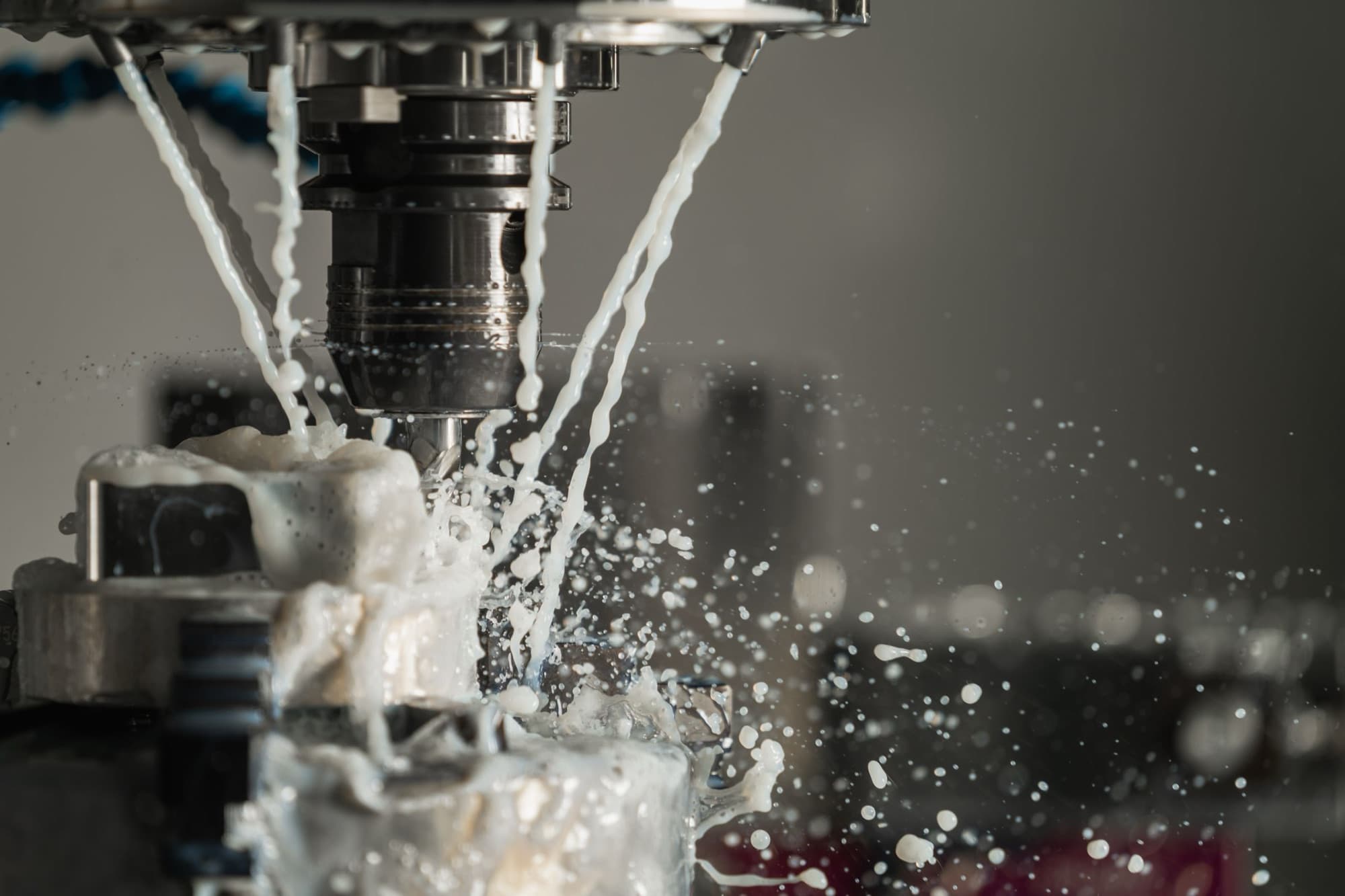 CNC machining in A36
CNC milling, turning, and production sawing from bar, plate, castings, and forgings, from prototype to production.
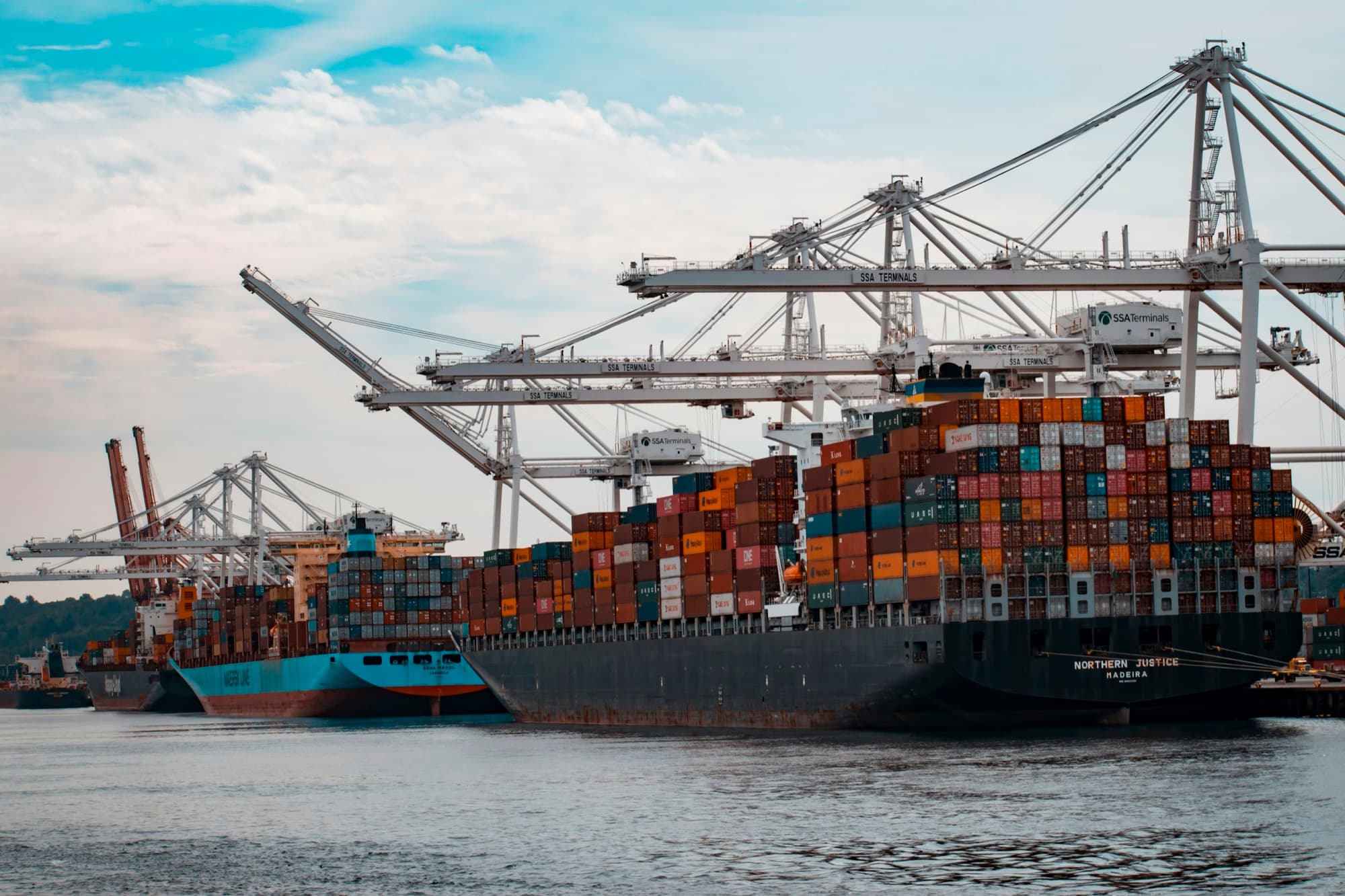 Offshore sourcing in A36
Parts made by vetted overseas manufacturers, with landed-cost analysis, quality control, and logistics managed.
What does a part in A36 cost?
A representative part, sheet metal. Raw material at about $1.40/kg is one line of it; process time and tooling usually matter more.
Bracket · Sheet metal
Order total $492
- Tooling
- None
- no hard tooling
- Piece price
- $3.72
- before setup + tooling
- Lead time
- 5–12 days
- to first production
Size
Drag a row to adjust · click to type
Width60.060.0 mm
Leg A (vertical)50.050.0 mm
Thickness2.002.00 mm
Quantity
Price per part falls as volume rises
Exact quantity100100 pcs
Material
Design checks pass
Open in builderBudgetary estimate for a representative part. Firm quotes come from principals after drawing review.


A36 questions
A36 vs 1018 steel?
A36 is a structural spec for plate and shapes with a 36 ksi (250 MPa) minimum yield and loose chemistry. 1018 is a chemistry-controlled bar grade, usually cold drawn, with better surface and size tolerance. Use A36 for weldments and plate, 1018 for machined parts.
A36 vs A572 Grade 50?
A572 Grade 50 is a high-strength low-alloy structural steel with 50 ksi (345 MPa) minimum yield, about 40% higher than A36, which lets you reduce plate thickness and weight. Cost is close, and many service centers stock dual-certified A36/A572-50.
Is A36 steel weldable?
Yes, it is one of the most weldable steels. Per AWS D1.1, sections up to 3/4 in (19 mm) need no preheat above freezing, and thicker plate needs modest preheat of about 50–225 °F (10–107 °C) depending on thickness.
Can A36 be hardened?
Not meaningfully. Its carbon, 0.25–0.29% maximum, is too low and variable for reliable quench hardening. Use AR400 plate for abrasion resistance or 4140 for heat-treated parts.
Similar materials


Quote it in A36.
Upload CAD or start from a template. The builder prices it in this material and the alternatives.