Loading page
Which process should make your part?
Quantity first, then geometry, material and tolerance. Machining and 3D printing win below a few hundred parts because there is no tooling. Molding, casting, stamping and powdered metal win at volume, where a tool spreads its cost across thousands of parts. The map shows where each pays off.


Which processes pay off at my quantity?
Tooling is a fixed cost and machine time is a per-part cost. The quantity decides which one dominates. Drag the marker to your order size.
Parts per order
9 processes are at their best at this quantity, and 4 more can do it.
Drag to your quantity
Molding and casting4 processes
A tool shapes molten or liquid material. Tooling up front, very low piece price after.
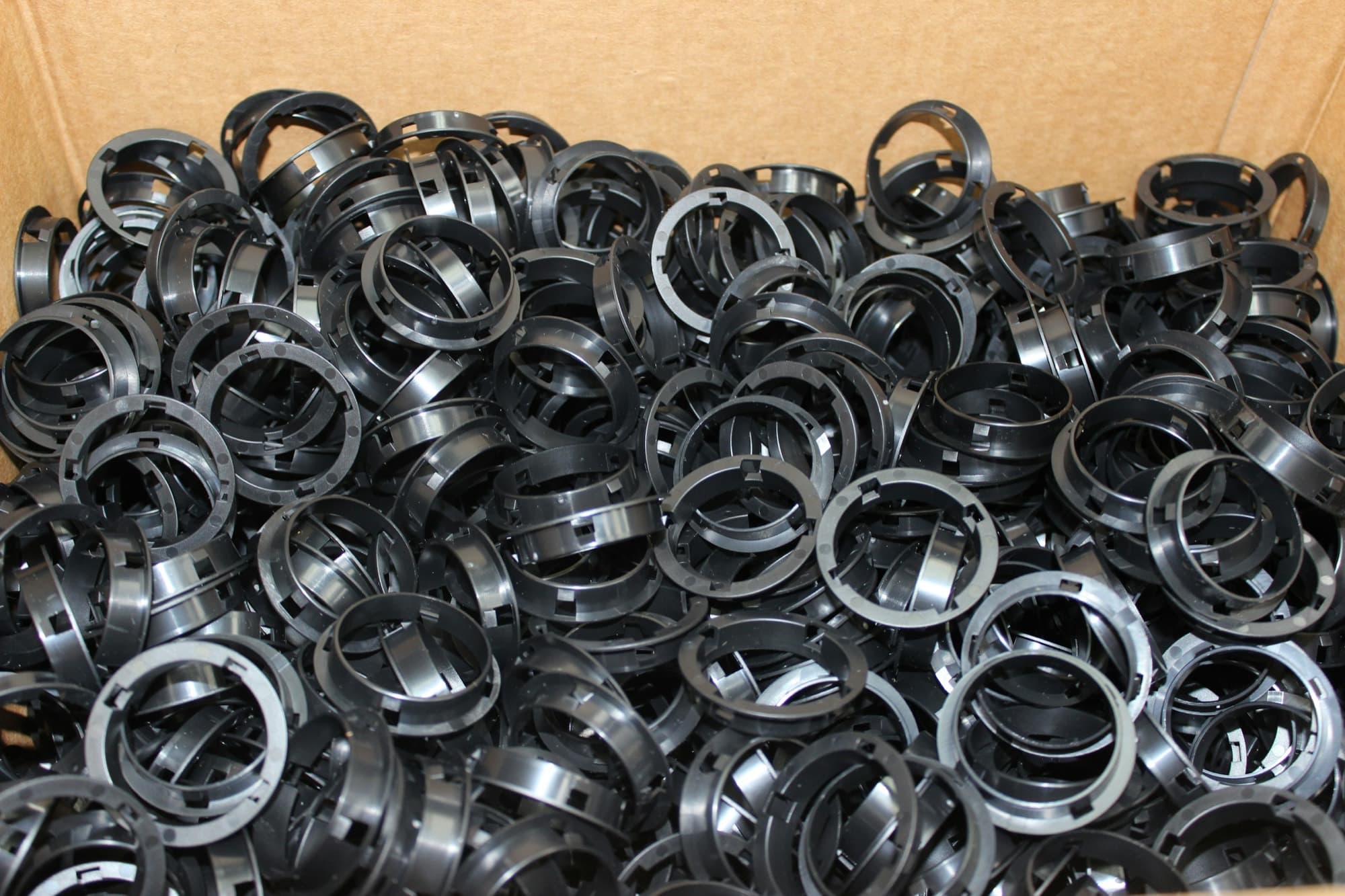 Plastic injection molding10k–1M pcs
Molten thermoplastic injected into a steel or aluminum mold. Lowest piece price for plastic parts at 5,000+ a year.
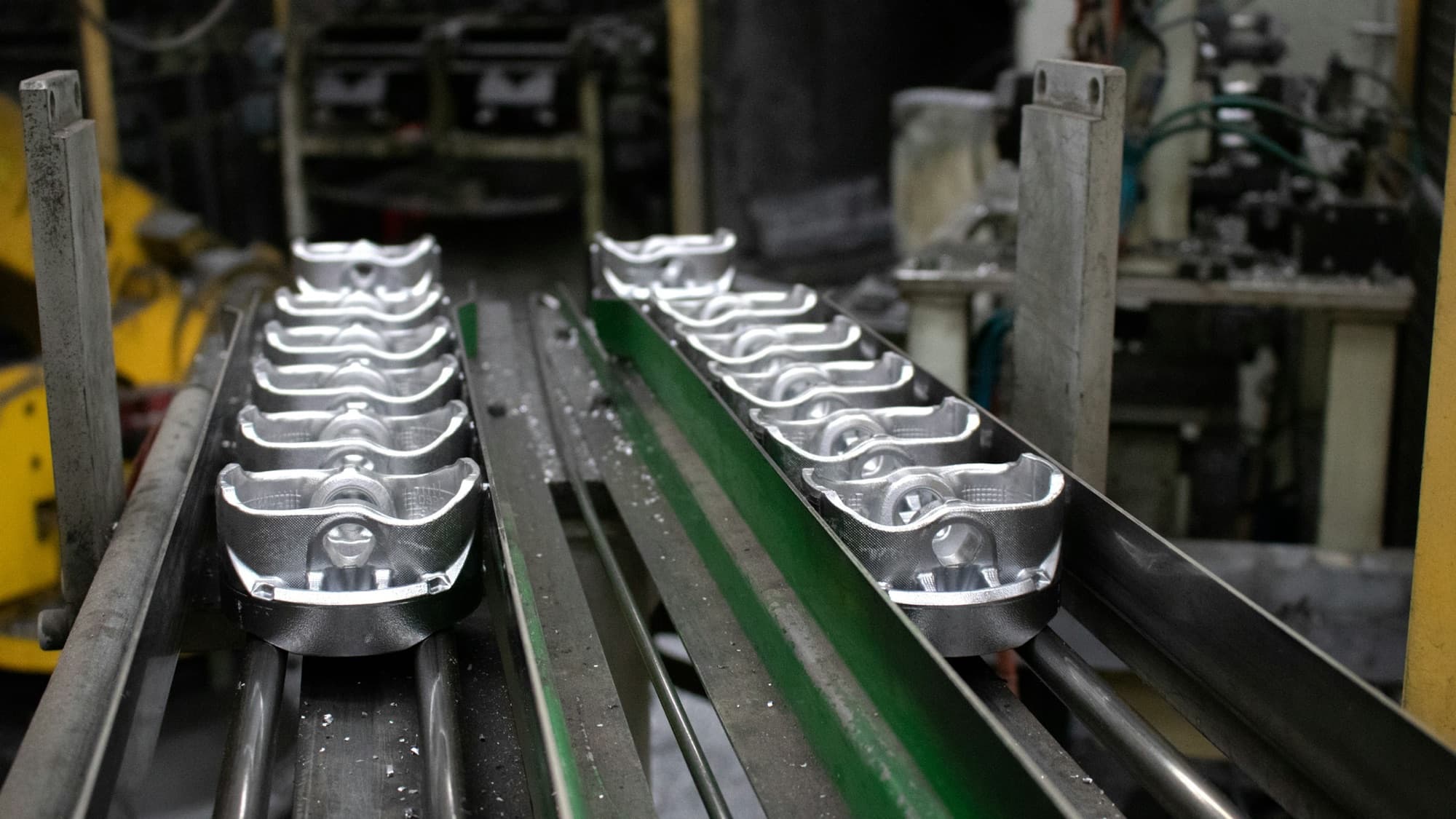 Zinc and aluminum die casting5k–250k pcs
Molten zinc or aluminum injected into steel dies at high pressure. Thin walls and net shape at 2,500+ parts a year.
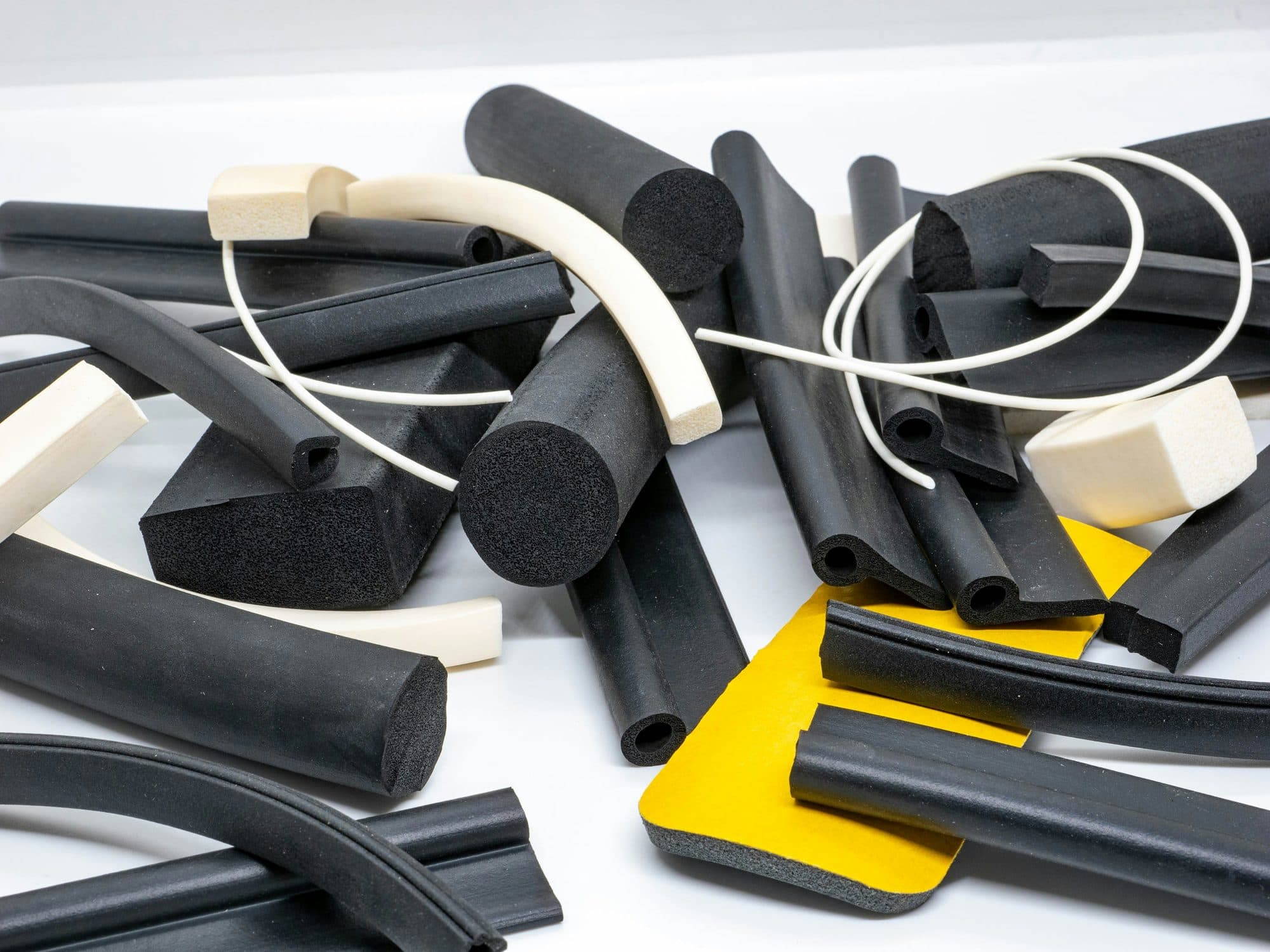 Rubber extrusion and molding5k–500k pcs
Seals, gaskets, grommets, and profiles extruded or molded in EPDM, silicone, nitrile, neoprene, FKM, and TPE.
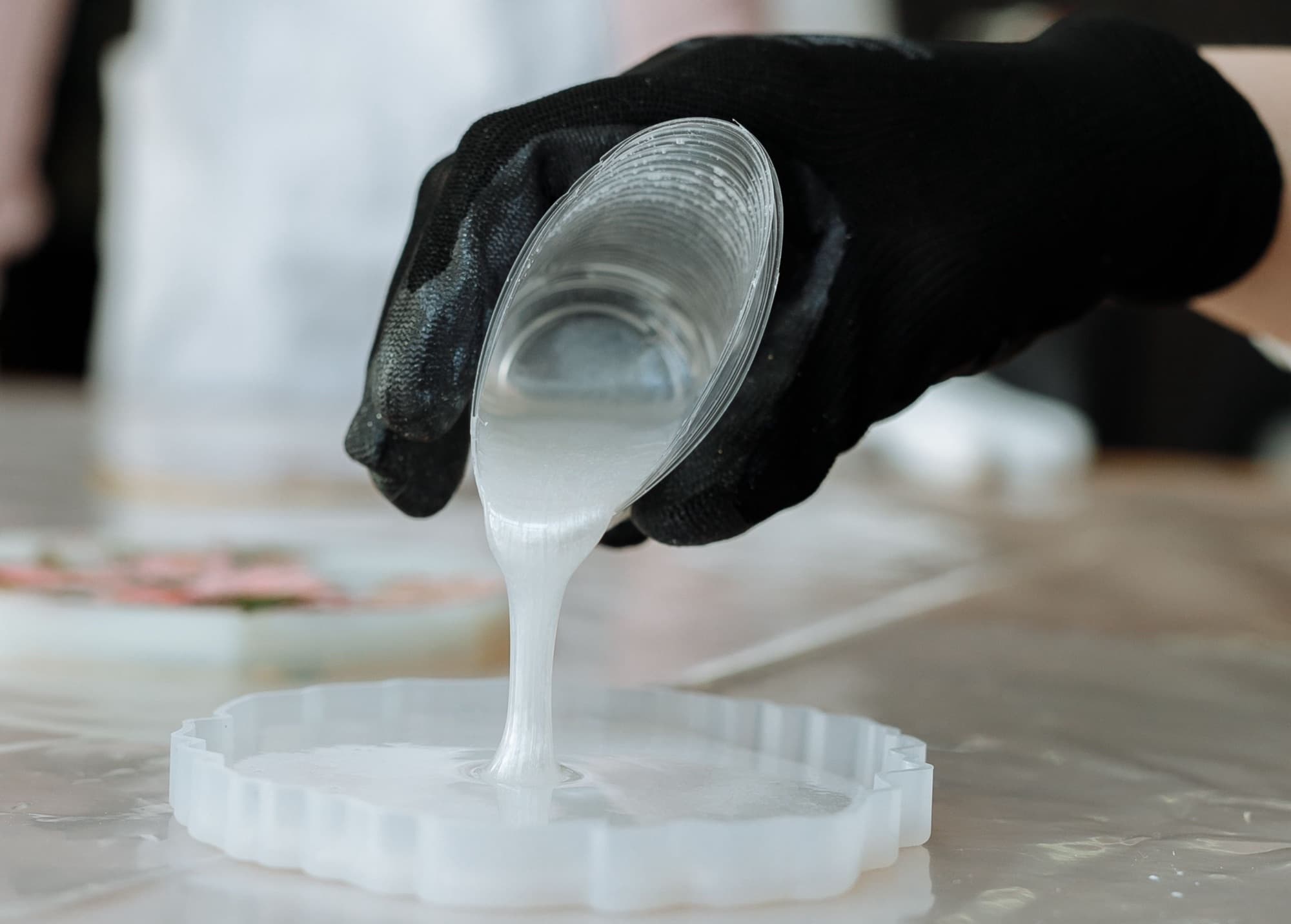 NetworkUrethane casting10–200 pcs
Production-like plastic and rubber parts cast in silicone molds, typically 10–200 parts in one to two weeks.
Forming5 processes
Force shapes solid metal: sheet, coil, bar or wire. Strong parts, fast cycles, dies to pay for.
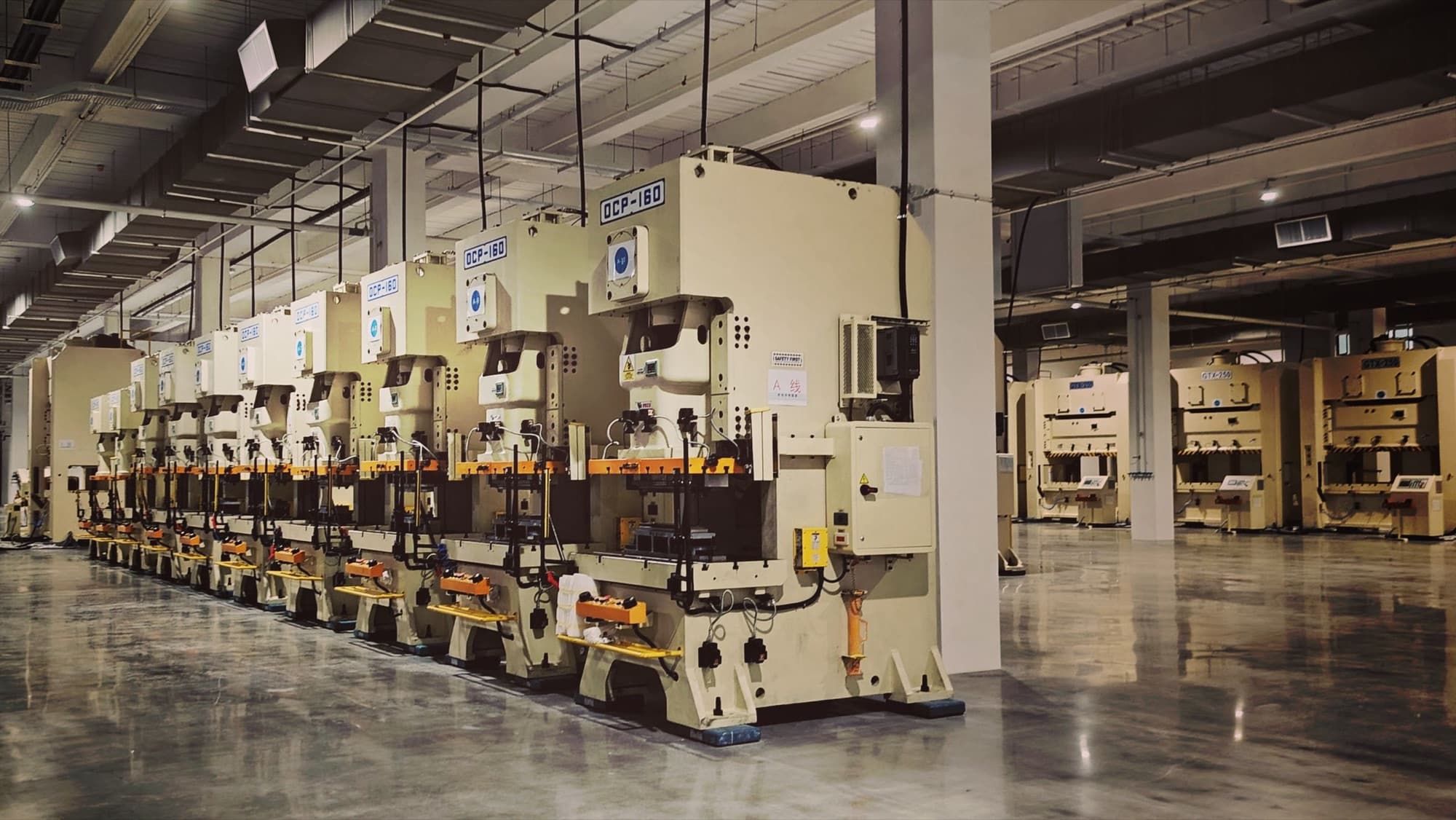 Metal stamping5k–500k pcs
Short- to medium-run stampings: brackets, clips, shields, and plates cut and formed from sheet or coil in a press.
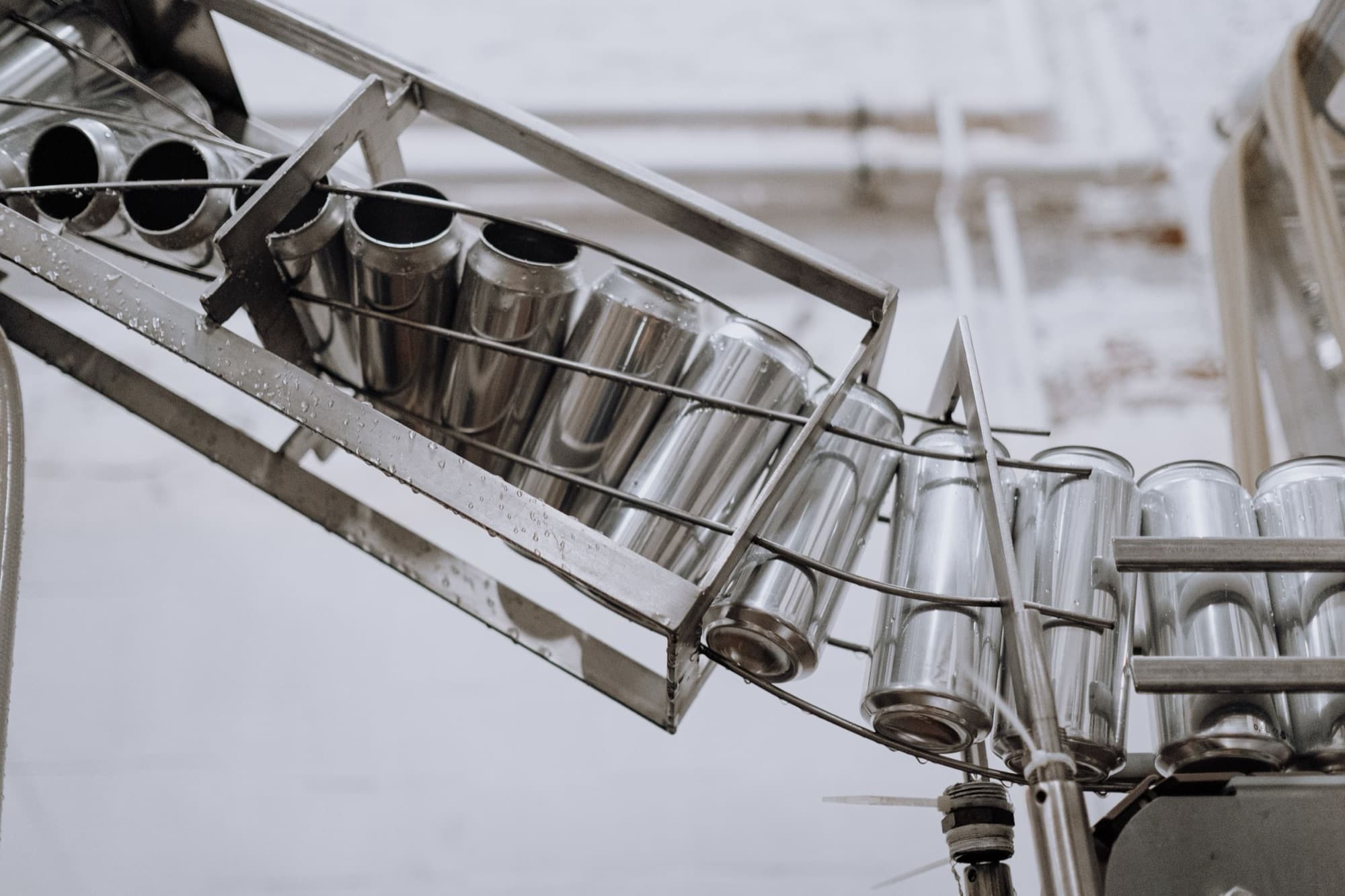 Deep drawn stamping25k–1M pcs
One-piece cups, cans, shells, and housings drawn from flat blanks, with depth that can exceed the diameter.
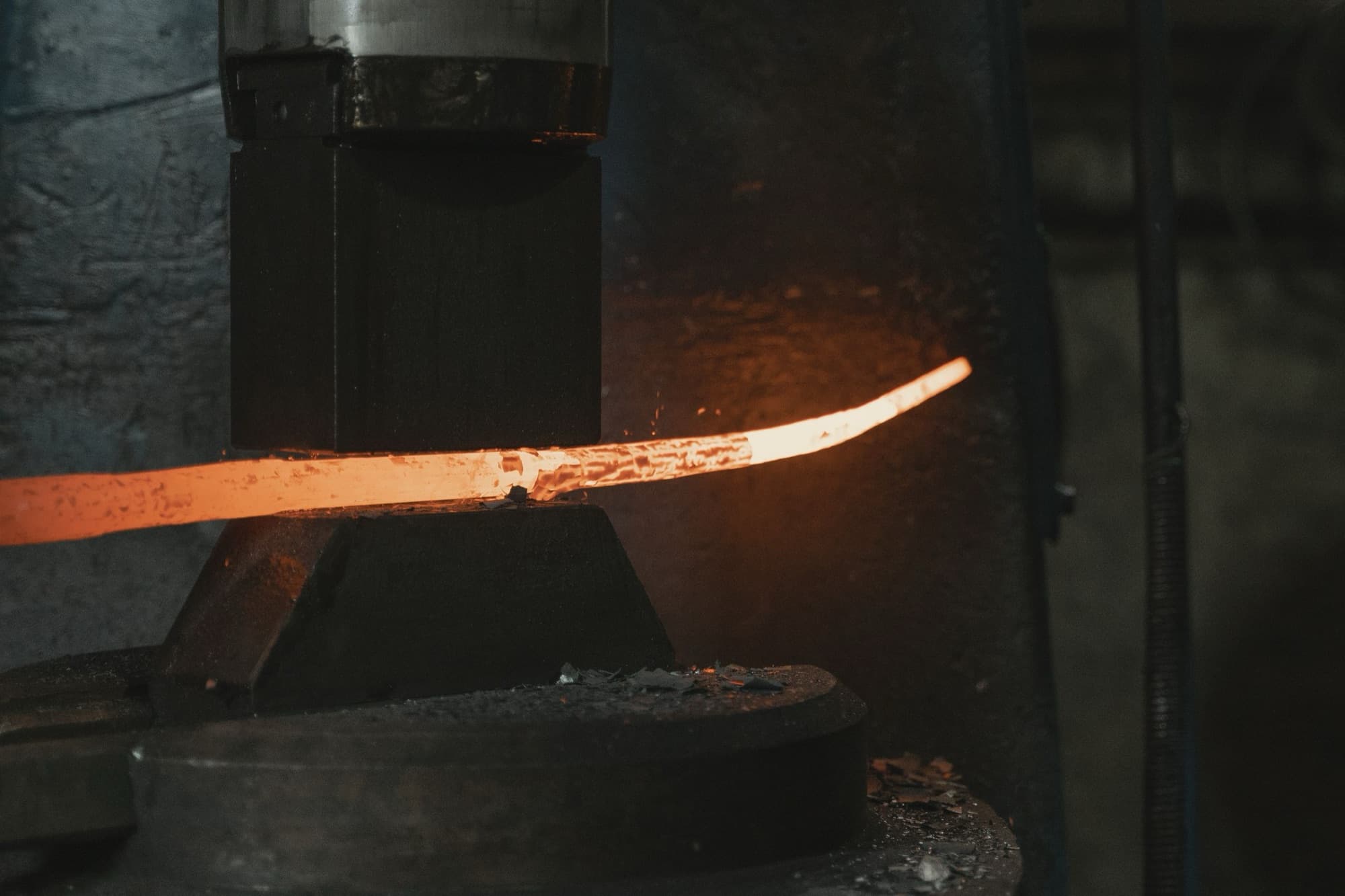 Forging2k–200k pcs
Closed-die and open-die forgings in carbon, alloy, and stainless steel and aluminum, with grain flow for strength.
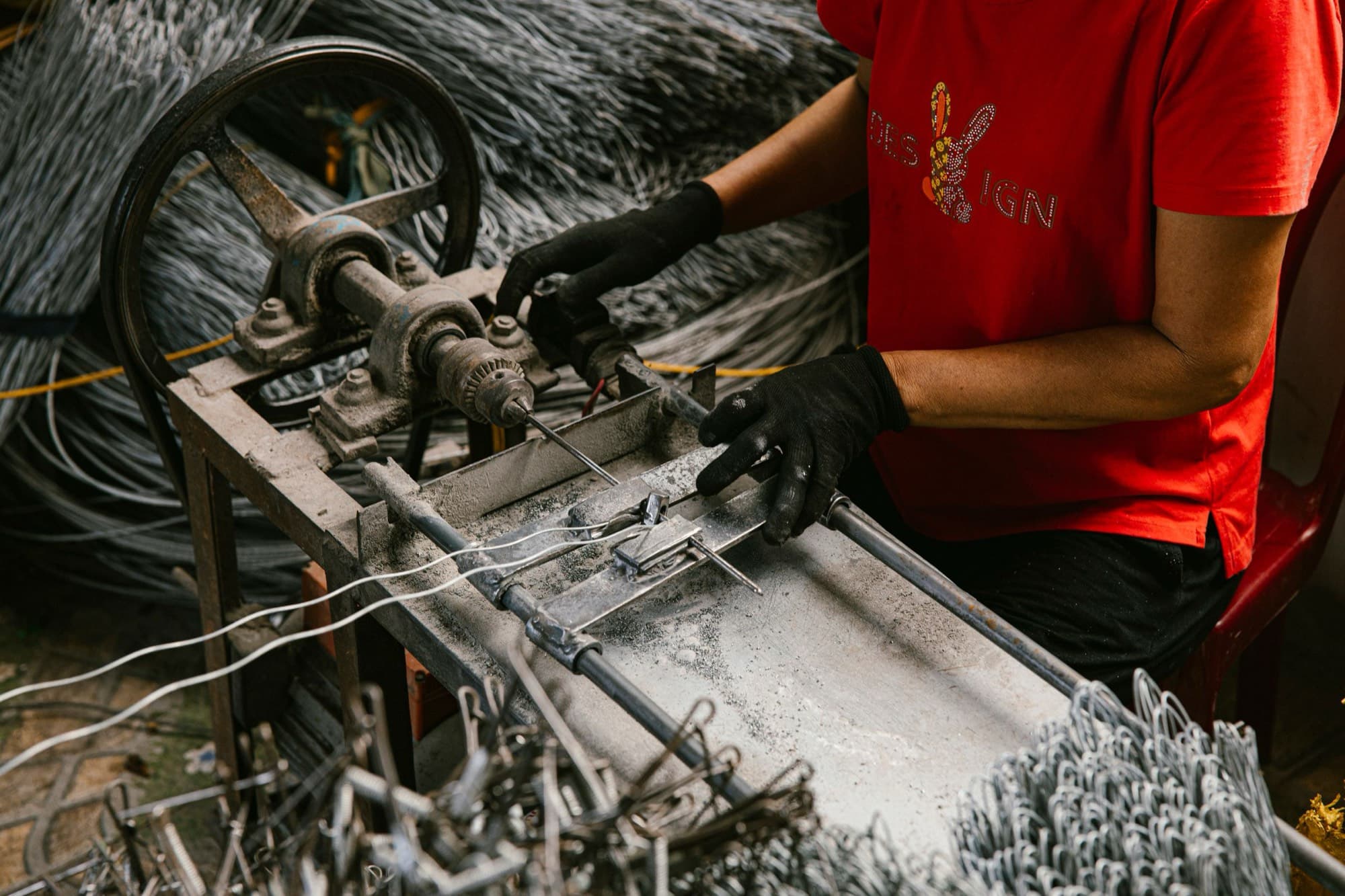 Springs, wire forms, and fourslide1k–1M pcs
Compression, extension, and torsion springs, wire forms, and fourslide clips made from round wire and flat strip.
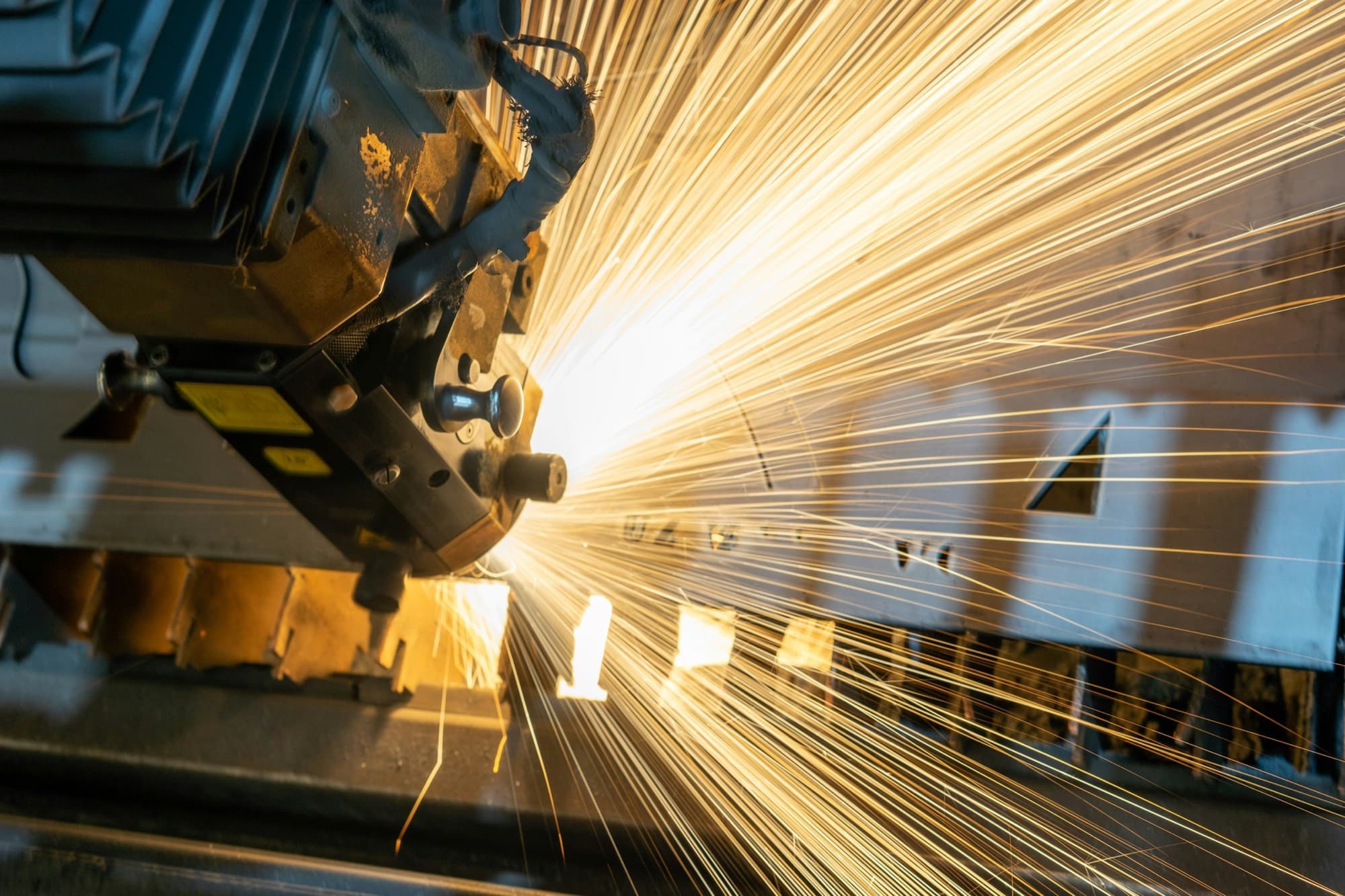 NetworkSheet metal fabrication10–5k pcs
Laser-cut, punched, bent, and welded sheet metal enclosures, brackets, and chassis with no hard tooling.
Machining and more6 processes
Cut from stock, built up in layers, sewn, or sourced abroad. Little or no tooling.
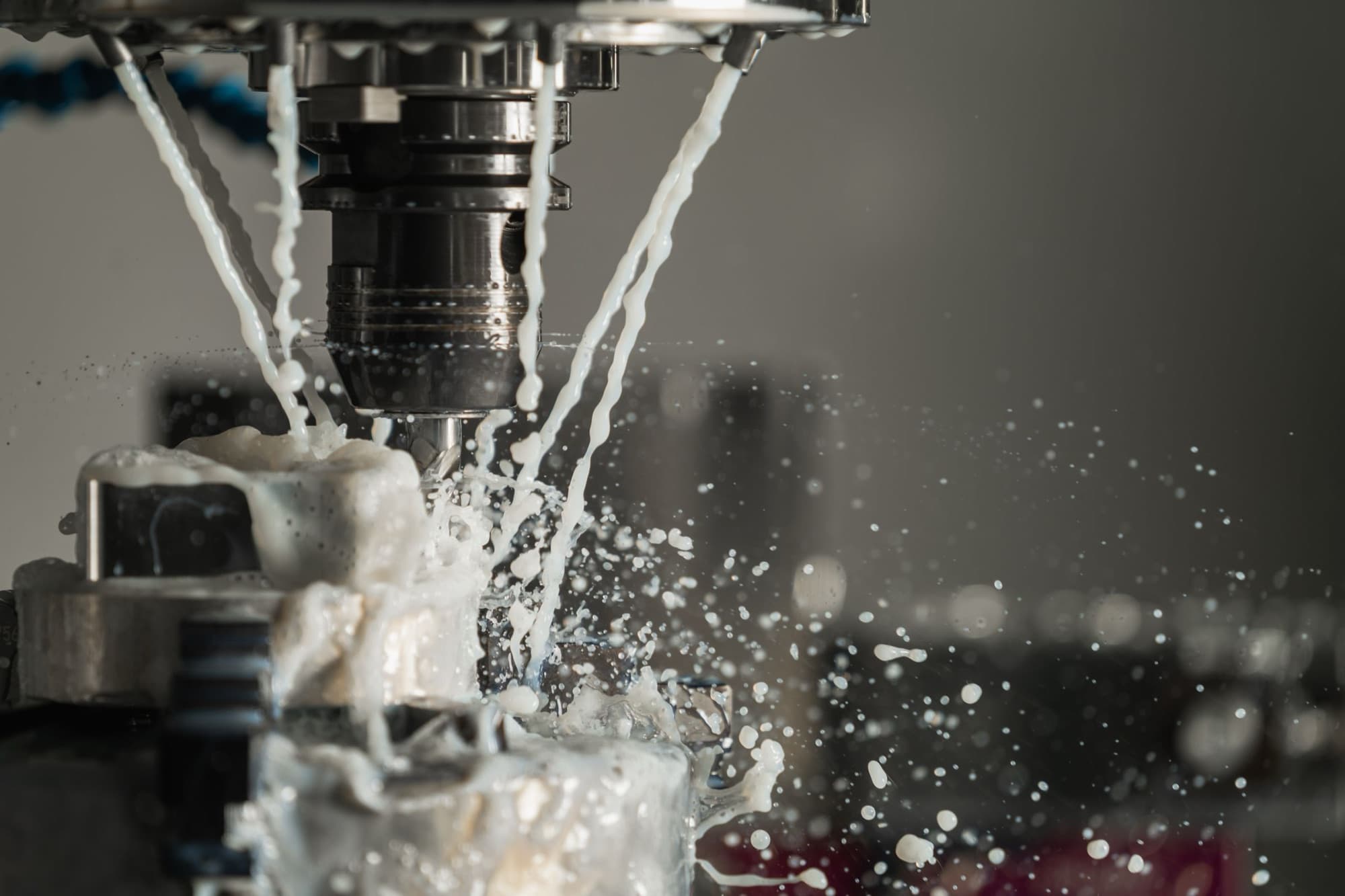 Production machining, turning, and sawing10–10k pcs
CNC milling, turning, and production sawing from bar, plate, castings, and forgings, from prototype to production.
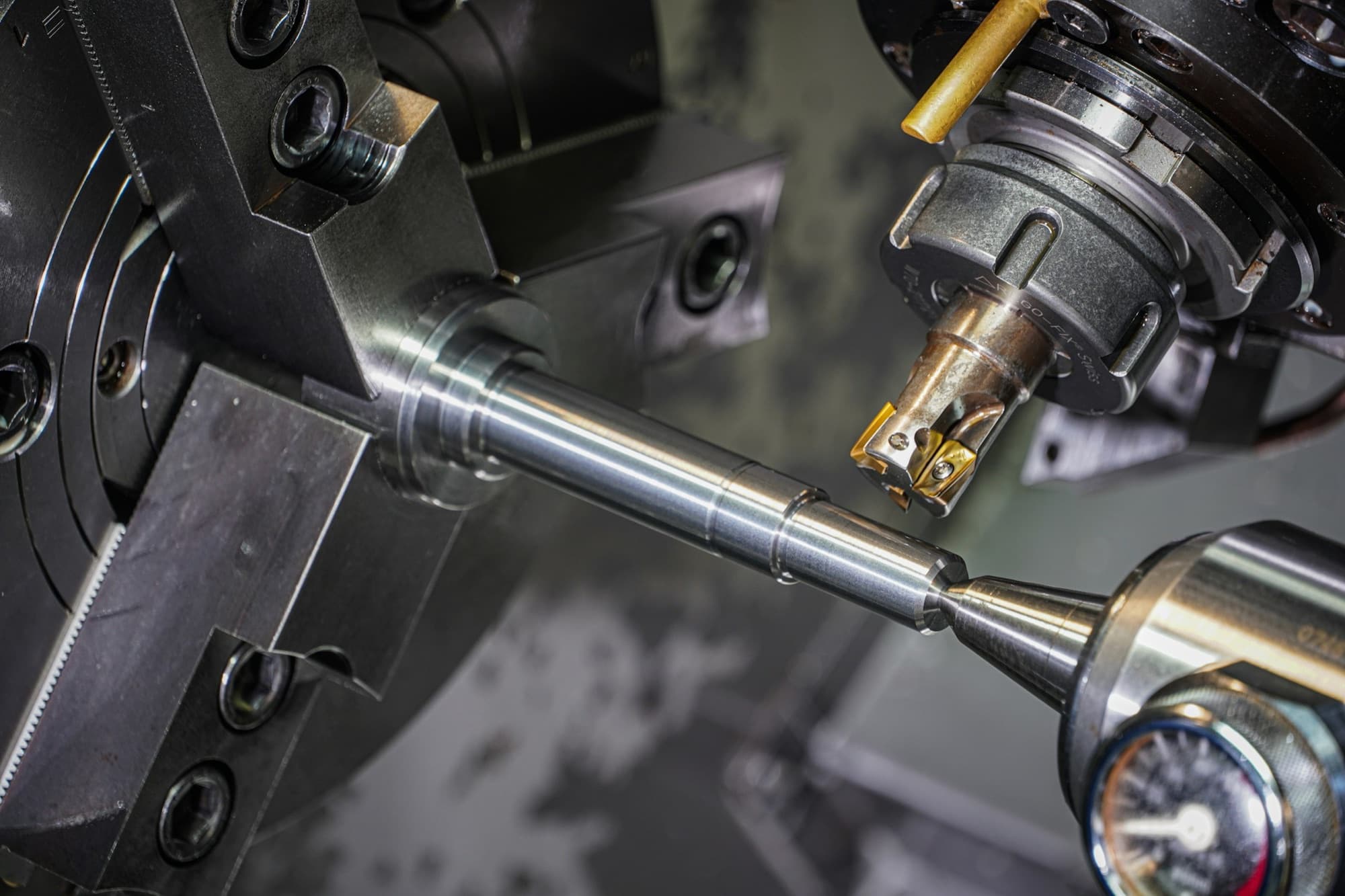 Screw machine products10k–5M pcs
Turned pins, fittings, shafts, and bushings made from bar stock on multi-spindle and Swiss screw machines at volume.
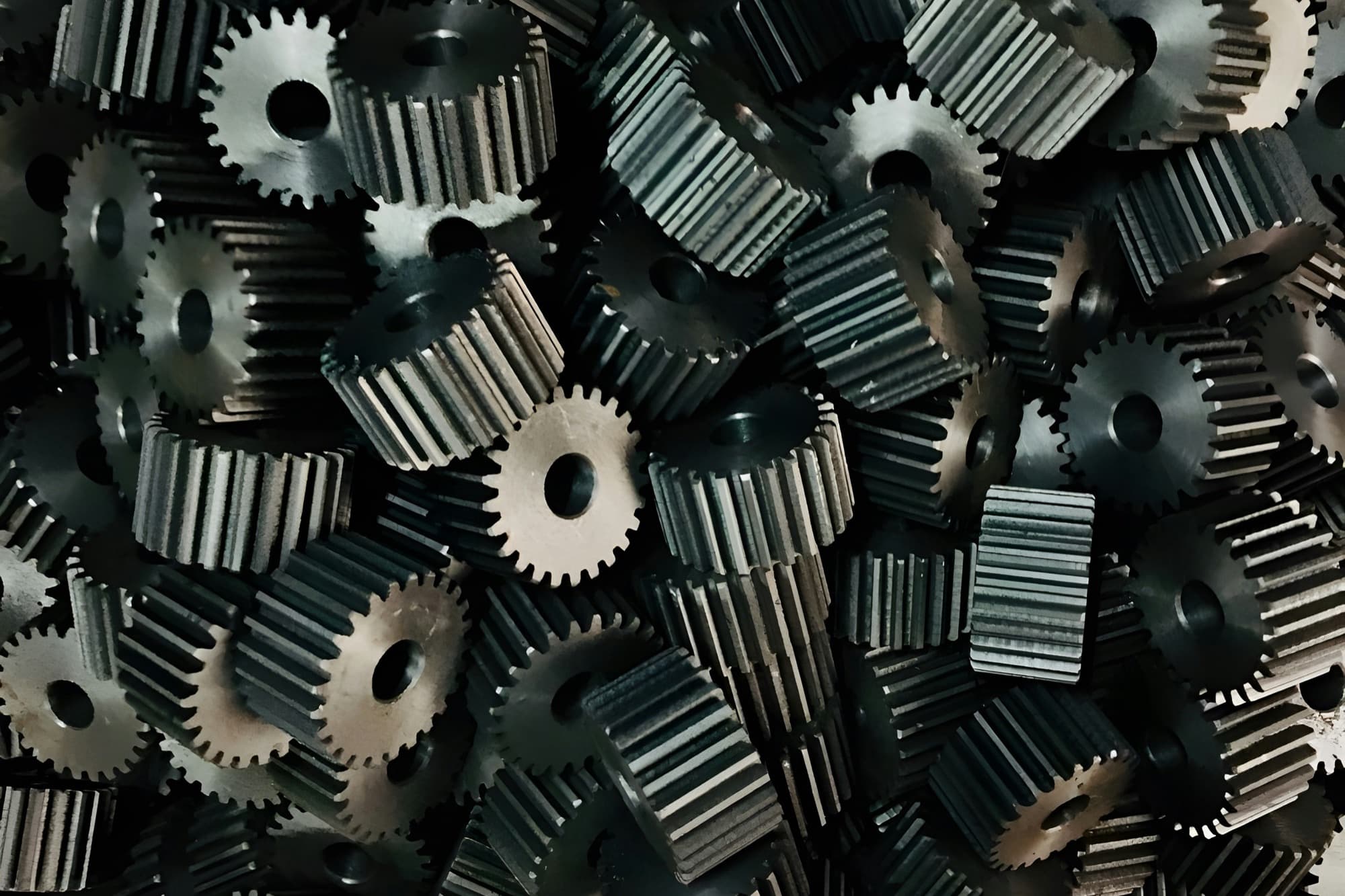 Powdered metal25k–2M pcs
Net-shape gears, bushings, and structural parts pressed from metal powder and sintered, with little or no machining.
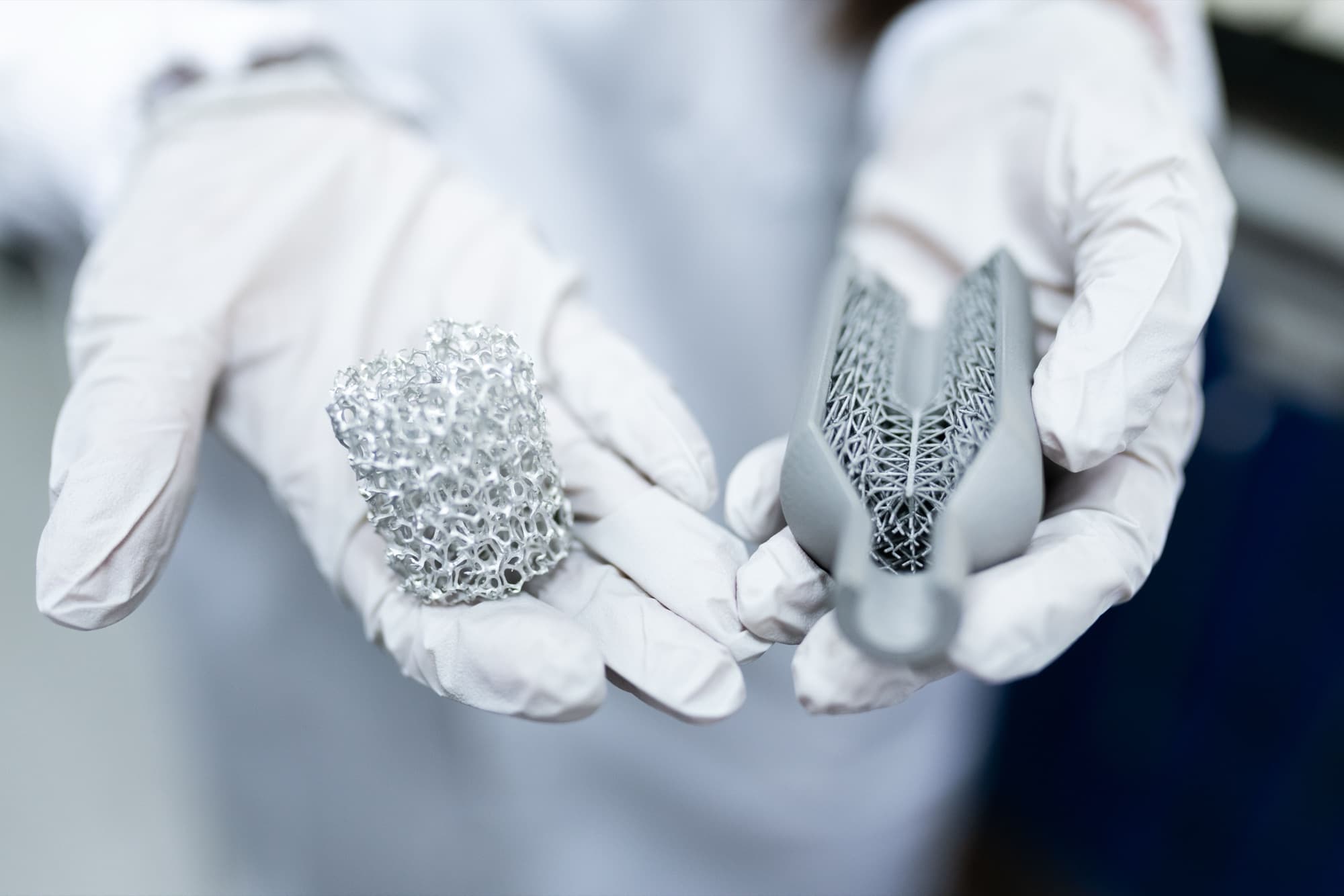 NetworkAdditive manufacturing1–1k pcs
SLS, MJF, SLA, FDM, and metal printing for prototypes, fixtures, and low-volume production parts.
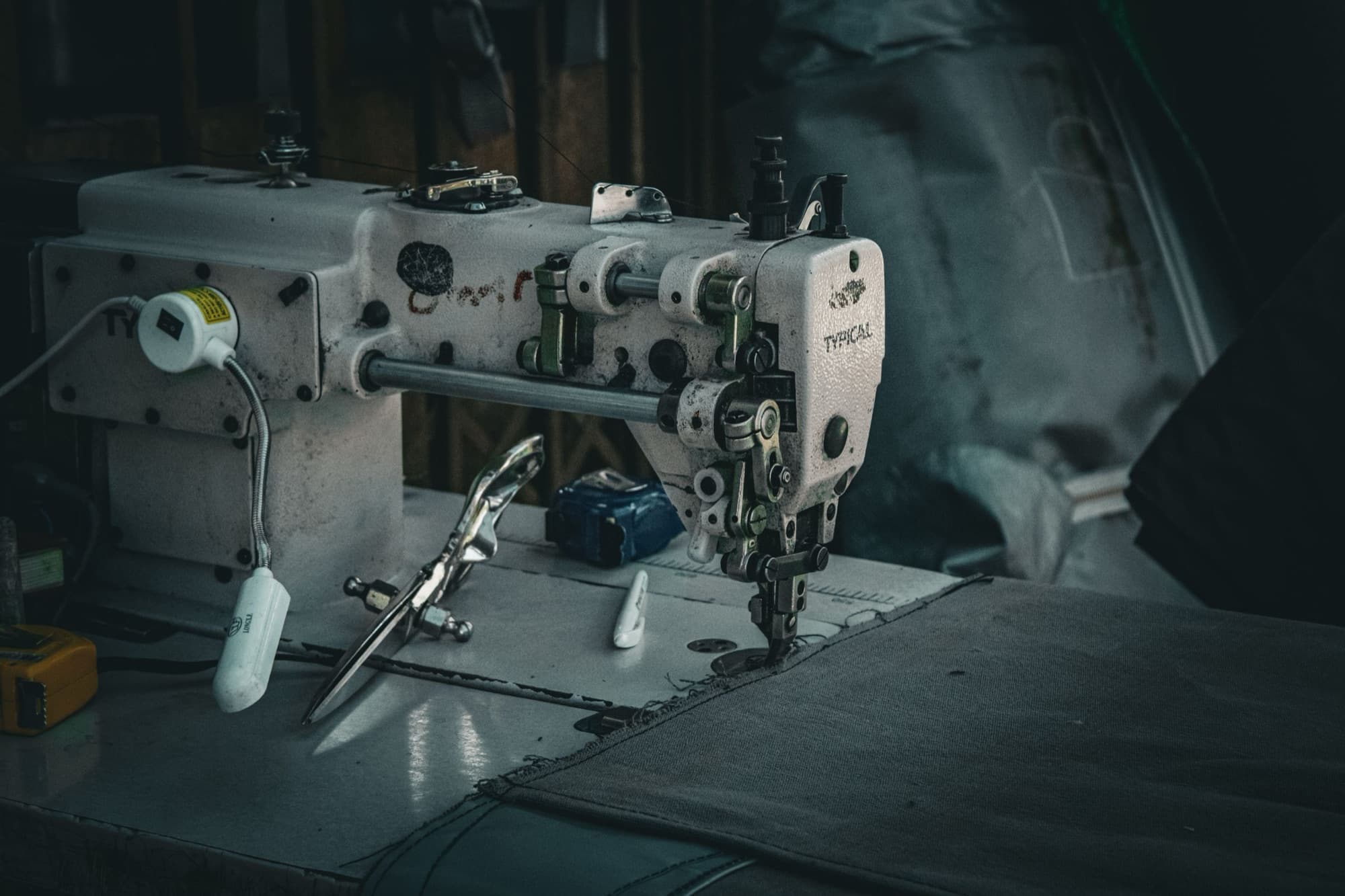 Soft goods design and manufacturing500–50k pcs
Cut-and-sewn covers, bags, cases, straps, cushions, and industrial textiles, from pattern development to production.
 Offshore sourcing5k–500k pcs
Parts made by vetted overseas manufacturers, with landed-cost analysis, quality control, and logistics managed.
How do they compare side by side?
Head-to-head comparisons| Process | Sweet spot, pcs | Tooling lead time | Production | Typical tolerance |
|---|---|---|---|---|
| Additive manufacturing | 1–1k | None | 1–3 weeks per release | SLS/MJF ±0.3% (±0.012 in / ±0.3 mm minimum); SLA about ±0.005 in (±0.13 mm) over the first inch; FDM about ±0.010 in (±0.25 mm) |
| Production machining, turning, and sawing | 10–10k | None | 2–6 weeks per release | ±0.005 in (±0.13 mm), or ISO 2768-m |
| Sheet metal fabrication | 10–5k | None | 2–4 weeks per release, including finishing | ±0.004–0.005 in (±0.10–0.13 mm) laser or punch |
| Urethane casting | 10–200 | 3–7 days for master and silicone mold | 2–3 weeks for up to about 200 parts | About ±0.010 in (±0.25 mm) on features under a few inches; about 0.15% shrink |
| Soft goods design and manufacturing | 500–50k | 1–2 weeks for steel-rule dies, if used | 4–8 weeks per release | ±0.125–0.25 in (±3–6 mm) typical |
| Springs, wire forms, and fourslide | 1k–1M | None for most CNC-coiled springs; 3–6 weeks for fourslide tooling | 2–5 weeks per release | ±10% commercial; ±5% achievable with added testing or sorting |
| Forging | 2k–200k | 6–12 weeks | 4–10 weeks per release, including heat treat and machining | ±0.010–0.030 in (±0.25–0.8 mm), plus die wear and mismatch allowances |
| Metal stamping | 5k–500k | 3–12 weeks (short-run to progressive) | 2–4 weeks per release | ±0.002–0.005 in (±0.05–0.13 mm) on pierced features; ±0.010 in (±0.25 mm) across bends |
| Rubber extrusion and molding | 5k–500k | 2–6 weeks | 3–6 weeks per release | ISO 3302-1 class E2 typical: ±0.010–0.020 in (±0.25–0.50 mm) on sections under 0.25 in (6 mm) |
| Zinc and aluminum die casting | 5k–250k | 8–14 weeks | 3–6 weeks per release | ±0.002–0.010 in (±0.05–0.25 mm) on the first inch, plus about ±0.001 in per added inch (NADCA precision to standard) |
| Offshore sourcing | 5k–500k | 4–8 weeks offshore | 8–12 weeks per release including ocean freight | — |
| Plastic injection molding | 10k–1M | 3–14 weeks (aluminum to hardened steel) | 2–4 weeks per release | ±0.005 in (±0.13 mm); ±0.002 in (±0.05 mm) on small critical features |
| Screw machine products | 10k–5M | 1–4 weeks for form tools and cams | 3–6 weeks per release | ±0.001 in (±0.025 mm) standard; ±0.0002–0.0005 in (±0.005–0.013 mm) on critical diameters |
| Deep drawn stamping | 25k–1M | 8–14 weeks | 3–6 weeks per release | ±0.002–0.005 in (±0.05–0.13 mm) typical |
| Powdered metal | 25k–2M | 6–12 weeks | 4–8 weeks per release | About ±0.001 in per in (±0.1%) as sintered; about ±0.0005 in (±0.013 mm) after sizing |
Bars run 1 to 1M parts on a log scale. Typical industry figures; a rep confirms against your drawing.
Not sure which process?
Start the part in the builder. It prices the same geometry in every suitable process and shows which one is cheapest at your quantity.