How to choose a manufacturing process
SSG MFG engineering5 min read
How do you choose the right manufacturing process for a part?
Choose by annual volume first, then geometry, material, tolerance, and budget. Volume decides whether tooling pays off: under about 1,000 parts a year, machining, fabrication, and 3D printing usually win. Above 10,000, tooled processes such as injection molding, stamping, and die casting drop piece price sharply. Geometry and material then narrow the list to two or three candidates worth quoting.
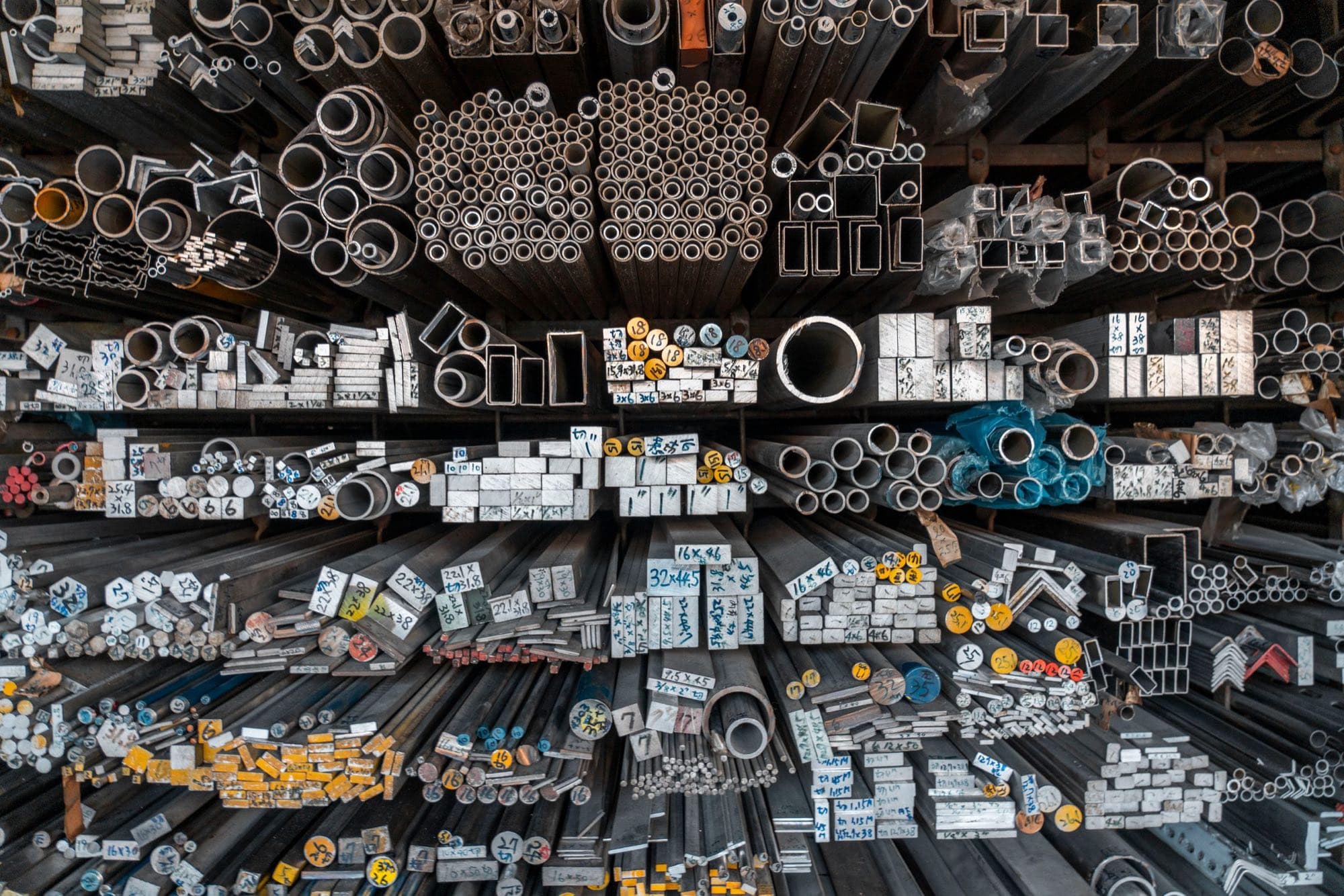
What decides the manufacturing process?
- Volume: annual quantity and program life decide whether tooling can be paid back.
- Geometry: shape, wall thickness, and features rule processes in or out.
- Material: the required alloy or resin limits which processes can form it.
- Tolerance: what the part needs, as opposed to what the drawing asks for, decides whether secondary machining is required.
- Budget and timing: how much tooling capital is available and how soon parts are needed.
How does volume change the answer?
Tooling is a fixed cost spread over every part; piece price is paid on each one. A tooled process wins when the tooling cost is less than the piece price saving times the volume. A $30,000 die casting tool that cuts piece price from $18 machined to $6 cast pays back at 2,500 parts.
| Annual volume | Usually best | Why |
|---|---|---|
| 1–100 | CNC machining, sheet metal fabrication, 3D printing, urethane casting | No hard tooling to pay back |
| 100–1,000 | Machining, fabrication, urethane casting, short-run stamping, aluminum molds | Low-cost tooling only |
| 1,000–10,000 | Aluminum or P20 molds, die casting, short-run stamping, screw machining | Tooling pays back within a year |
| 10,000–100,000 | Injection molding, progressive stamping, die casting, powdered metal | Piece price dominates total cost |
| 100,000+ | Multi-cavity molds, progressive and transfer dies, powdered metal, multi-spindle screw machines, cold heading | Cycle time and automation dominate |
Which process fits which volume, tooling budget, and tolerance?
| Process | Volume sweet spot (parts/yr) | Tooling cost (typical) | Typical tolerance |
|---|---|---|---|
| CNC machining | 1–10,000 | $0; fixtures $500–$5,000 | ±0.005 in (±0.13 mm); ±0.001 in with care |
| Screw machining (Swiss, multi-spindle) | 5,000–1,000,000+ | $0–$5,000 for form tools and cams | ±0.0005–0.002 in (±0.013–0.05 mm) |
| Plastic injection molding | 1,000–1,000,000+ | $5,000–$250,000+ | ±0.003–0.005 in (±0.08–0.13 mm) |
| Metal stamping, progressive die | 10,000–millions | $10,000–$150,000+ | ±0.002–0.005 in (±0.05–0.13 mm) |
| Short-run stamping | 500–25,000 | $1,000–$15,000 | ±0.005 in (±0.13 mm) |
| Deep drawn stamping | 10,000–millions | $15,000–$150,000+ | ±0.002–0.005 in on diameter |
| Die casting, aluminum or zinc | 2,000–500,000+ | $10,000–$100,000+ | ±0.010 in first inch, NADCA standard; tighter with precision tooling |
| Powdered metal | 10,000–millions | $5,000–$50,000 | ±0.001–0.002 in per inch radial |
| Closed-die forging | 1,000–100,000+ | $10,000–$50,000+ | ±0.015–0.030 in (±0.4–0.8 mm) |
| Investment casting | 100–10,000 | $3,000–$25,000 | ±0.005 in per inch |
| Sheet metal fabrication | 1–5,000 | $0–$5,000 | ±0.005 in cut; ±0.010 in formed |
| Springs and wire forms | 1,000–millions | $0–$15,000 | Spring load ±5–10% |
| Rubber extrusion | 500 ft to millions of feet | $500–$5,000 per die | ARPM class E1–E3 |
| Urethane casting | 10–200 | $1,000–$5,000 silicone mold | ±0.010 in (±0.25 mm) |
| 3D printing (SLS, MJF) | 1–1,000 | $0 | ±0.010 in or ±0.3% |
How does part geometry narrow the choice?
- Thin-walled plastic parts with ribs, bosses, and snaps: injection molding, with walls typically 0.040–0.150 in (1.0–3.8 mm).
- Flat or formed parts from sheet, such as brackets and clips: stamping at volume, sheet metal fabrication at low volume.
- Cups, cans, and housings deeper than they are wide: deep drawing.
- Complex metal housings with thin walls and bosses: die casting, with walls around 0.060–0.160 in (1.5–4 mm).
- Small turned parts such as pins, shafts, and fittings: screw machining.
- Small, dense parts with a flat profile, such as gears, cams, and bushings: powdered metal, if features can be pressed along one axis.
- High-strength parts in the main load path: forging.
- Coiled and formed wire, clips, and flat springs: springs, wire forms, and fourslide.
- Continuous profiles such as seals and gaskets: rubber extrusion.
How do material and tolerance narrow it further?
Each process has a material window. Die casting runs mostly aluminum, zinc, and magnesium alloys. Powdered metal covers iron, steel, stainless, and bronze. Injection molding covers thermoplastics. Forging covers steels, aluminum, copper alloys, and titanium. If the material is fixed, such as 316 stainless or heat-treated 4140, that alone removes several options.
Tolerance works the same way. Most tooled processes hold ±0.002–0.010 in as produced, and anything tighter is machined afterward. A near-net process with one or two machined features often costs less than machining the whole part.
What budget and timing constraints matter?
Tooling capital, time to first parts, and design stability often matter as much as piece price. Machined parts can ship in days; a production mold or die takes 8–16 weeks. When the design is still moving, bridge tooling buys time without committing to production tooling.
| Stage | Quantity | Common process | Why |
|---|---|---|---|
| Prototype | 1–25 | CNC machining or 3D printing | Days, no tooling |
| Pilot | 25–500 | Urethane casting, aluminum mold, short-run stamping | Low tooling, production-like parts |
| Launch | 500–10,000 | Single-cavity P20 mold, single-cavity die cast tool | Production process, moderate tooling |
| Run rate | 10,000+ | Multi-cavity hardened tools, progressive dies | Lowest piece price |
When is the obvious process the wrong one?
- Molding 500 parts a year: tool cost dominates. Urethane casting or machining usually costs less in total.
- Machining 50,000 brackets a year from plate: a progressive die stamps them for a fraction of the cost.
- Die casting a part that must be welded or pressure-tight at high pressure: conventional die castings carry porosity. Consider permanent mold casting, forging, or machining.
- Forging a part with internal passages: cast it.
- 3D printing at production volume: piece price stays nearly flat with quantity, so tooled processes overtake it.
How can SSG help you choose a process?
Upload a STEP file in the builder at /build, pick a process and quantity, and get an instant budgetary estimate with DFM feedback. Run it again with a second process or quantity to compare. When a choice is close, an SSG rep routes the RFQ to principals in both processes for firm quotes. Independent reps can join the network at /network to do the same for their customers.