Loading page
Core line, represented 25+ years
Powdered metal
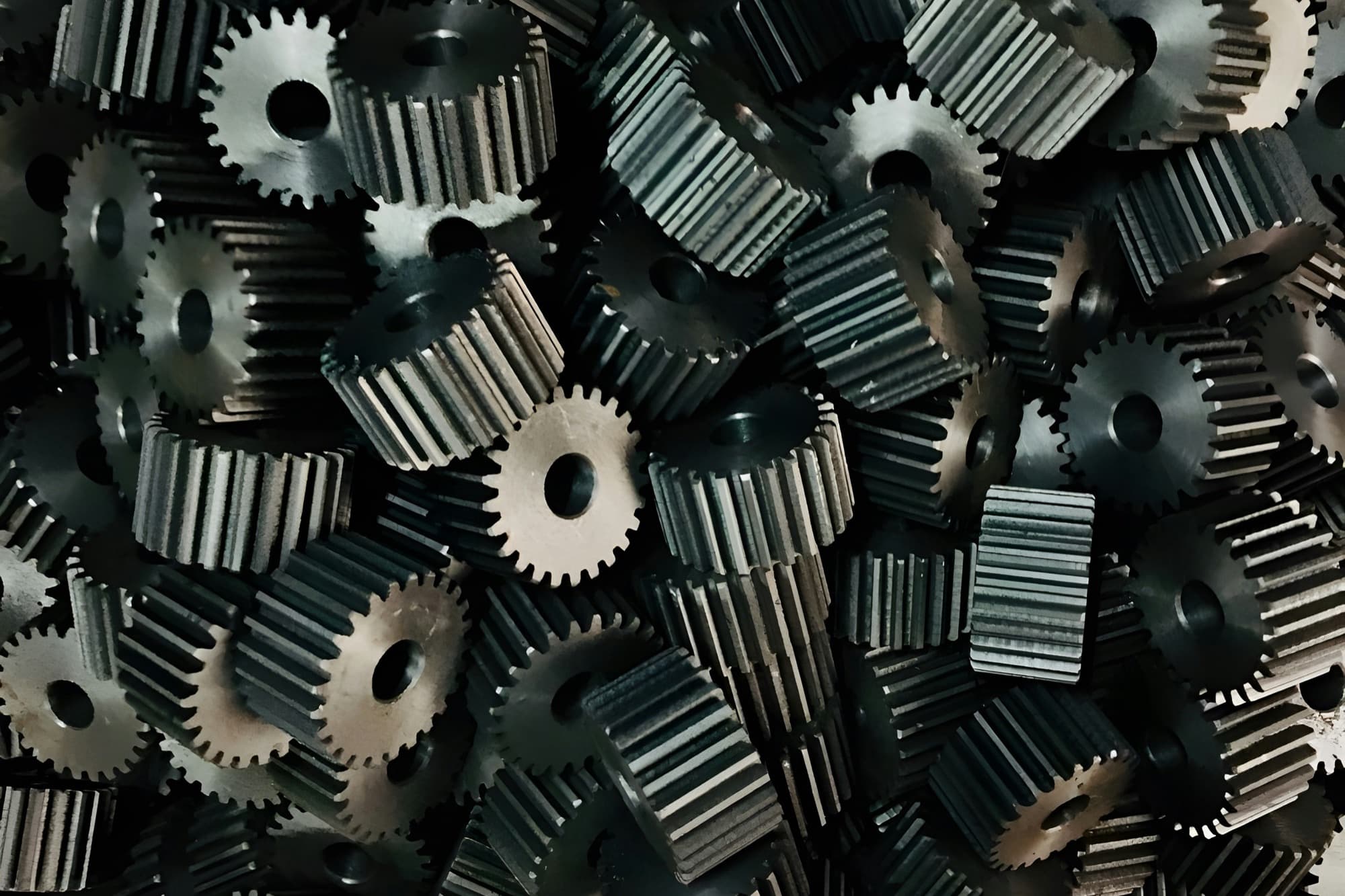
Powdered metal (PM) manufacturing is a process that presses metal powder in a precision die and sinters it in a furnace below its melting point to make net-shape parts. It uses about 97% of the starting material and often needs no machining, making it the lowest-cost route for gears, bushings, cams, and structural parts at 10,000+ pieces a year.
Where it pays off
1101001k10k100k1M+
At a glance
Hard tooling and press setup make PM uneconomical under a few thousand parts. It wins on cost at high annual volume.
- Radial tolerance
- About ±0.001 in per in (±0.1%) as sintered; about ±0.0005 in (±0.013 mm) after sizing
- Height tolerance
- ±0.003–0.005 in (±0.08–0.13 mm) in the pressing direction
- Density
- 0.231–0.260 lb/in³ (6.4–7.2 g/cm³) for iron-based parts, about 82–92% of wrought steel
- Minimum wall
- 0.060 in (1.5 mm)
- Length-to-diameter ratio
- About 3:1 maximum in the pressing direction
- Part size
- Typically up to about 6 in (150 mm) across; most parts under 2 lb (0.9 kg)
- Material utilization
- About 97%
- Tooling cost
- $5,000–$50,000 depending on levels and sizing tools
Lead time
- Tooling
- 6–12 weeks
- First article
- 2–3 weeks after tooling
- Production
- 4–8 weeks per release
What would it cost?
The builder's estimator on a representative spur gear. Change a size, the quantity or the material and the price updates.
Spur gear · Powdered metal
Order total $21,026
- Tooling
- $7,938
- one-time, spread over the order
- Piece price
- $0.50
- before setup + tooling
- Lead time
- 6–9 weeks
- to first production
Size
Drag a row to adjust · click to type
Teeth2424
Module1.501.50
Face width10.010.0 mm
Quantity
Price per part falls as volume rises
Exact quantity2500025000 pcs
Material
Design checks pass
Open in builderBudgetary estimate for a representative part. Firm quotes come from principals after drawing review.
How does it work?
5 steps from drawing to production parts.
- 1
Powder blending
Iron, steel, or stainless powder is blended with alloy additions such as copper, nickel, or graphite and a pressing lubricant.
- 2
Compaction
Powder fills a die and is pressed from top and bottom at about 30–60 tsi (415–830 MPa) to form a fragile green part.
- 3
Sintering
Green parts pass through a controlled-atmosphere furnace, about 2,050 °F (1,120 °C) for iron-based alloys, where the particles bond into a solid part.
- 4
Sizing or coining
An optional repress in a sizing die tightens dimensions and improves surface finish.
- 5
Secondary operations
Parts may be oil impregnated, steam treated, heat treated, resin impregnated, or machined for cross holes and threads.
When is powdered metal the right call?
Best for
- Spur gears, sprockets, cams, and clutch plates
- Self-lubricating, oil-impregnated bushings and bearings
- Complex flat profiles that would need heavy machining
- Annual volumes from 10,000 to millions of parts
- Controlled porosity for oil retention and filtration
Pick something else when
- Volumes under about 5,000 parts: CNC machining or screw machining is usually cheaper
- Parts that need full-density fatigue and impact strength: use forging or machined wrought steel
- Threads, cross holes, and side undercuts: these need secondary machining, so screw machining may be simpler
Materials
4 materials principals run in powdered metal. Pick one for design rules, finishes and an estimate in that material.


Design rules that keep the price down
0.060 in (1.5 mm)
Minimum wall thickness
Thin die sections fill unevenly and make fragile tooling.
Length-to-diameter ratio of about 3:1 or less
Limit height to diameter
Density drops toward the middle of tall parts pressed from both ends.
No side undercuts, cross holes, or threads as pressed
Keep features on the pressing axis
Anything perpendicular to the press stroke must be machined after sintering.
45° chamfers with a flat of about 0.010 in (0.25 mm)
Chamfer rather than radius edges
Full radii leave feather edges on punches that chip.
Three or fewer levels where possible
Limit pressing levels
Each level needs a separate punch and adds tooling cost and density variation.
0° on walls parallel to the pressing direction
Skip draft on straight walls
Parts eject straight out of a polished die.
For example FC-0208-50
Specify an MPIF Standard 35 grade
MPIF 35 sets minimum strength by grade, so quotes compare like for like.
What drives the cost?
In order of impact.
- 1
Part weight
Powder is bought by the pound and press time rises with fill depth, so cost tracks weight closely.
- 2
Tooling levels
Each separate level in the pressing direction needs its own punch. Multi-level parts need more complex tooling and presses.
- 3
Density target
Higher density gives higher strength but needs more tonnage, double pressing, or sinter hardening. Cost climbs quickly above about 7.2 g/cm³.
- 4
Tolerance and sizing
Sizing, coining, or machining to hold tighter tolerances adds an operation per part.
- 5
Secondary operations
Heat treating, impregnation, plating, and machining each add a step. Cross holes and threads always need machining.
Variants
- Press and sinter
- Conventional single-press, single-sinter parts at about 6.4–7.0 g/cm³. Lowest cost for gears, bushings, and structural parts.
- Double press, double sinter
- A second pressing and sintering raises density to about 7.2–7.4 g/cm³ for higher strength and fatigue life.
- Oil-impregnated bearings
- Porous bronze or iron bearings are vacuum filled with oil, typically 18–25% by volume, for self-lubricating service.
- Sinter hardening
- Hardenable alloys are cooled rapidly as they leave the furnace, hardening the part without a separate quench.
- Metal injection molding (MIM)
- Fine powder mixed with binder is injection molded, debound, and sintered to 95% density or higher. Suits small, complex parts under about 0.25 lb (100 g), often in 17-4PH or 316L.
- Powder forging
- A sintered preform is hot forged to near full density for connecting rods and high-load gears.
Powdered metal questions
How strong are powdered metal parts?
Strength depends on alloy and density. Common FC-0208 grades reach minimum yield strengths of about 50–70 ksi (345–480 MPa) as sintered, and heat-treated grades reach ultimate tensile strengths above 100 ksi (690 MPa). Fatigue and impact strength are lower than wrought steel because of residual porosity.
What tolerances can powdered metal hold?
As-sintered radial dimensions typically hold about ±0.001 in per inch (±0.1%). Sizing can tighten critical diameters to about ±0.0005 in (±0.013 mm). Heights in the pressing direction are looser, typically ±0.003–0.005 in (±0.08–0.13 mm).
What is the minimum order for powdered metal parts?
Most PM programs need about 5,000–10,000 parts a year to pay back tooling and setup. Below that, machining from bar or screw machining is usually cheaper.
How much does powdered metal tooling cost?
Compaction tooling typically costs $5,000–$50,000, depending on the number of levels, part size, and whether sizing tools are needed. Tooling usually lasts hundreds of thousands to millions of parts.
Can powdered metal parts be heat treated or plated?
Yes. Iron-copper-carbon and nickel steel grades are commonly quenched and tempered, and parts can be steam treated for corrosion and wear resistance. Plating requires resin impregnation first to seal the pores so plating solution is not trapped.
Is powdered metal cheaper than machining?
At 10,000 or more parts a year, PM is often much cheaper for gears and complex flat profiles because it needs little machining and wastes about 3% of the material. At low volumes, or for tight features in every direction, machining wins.
Related processes
 CNC machining
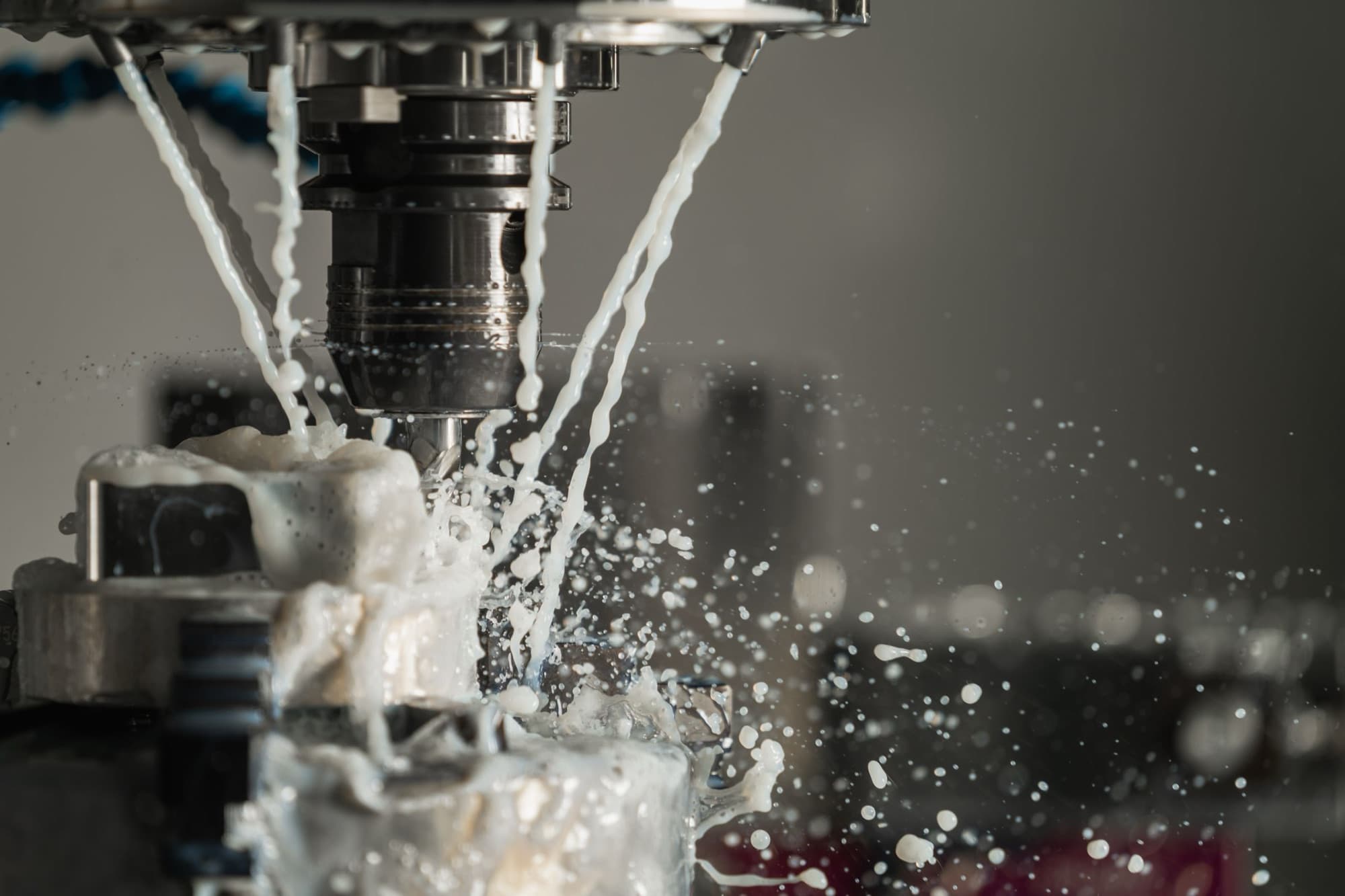
CNC milling, turning, and production sawing from bar, plate, castings, and forgings, from prototype to production.
 Screw machining
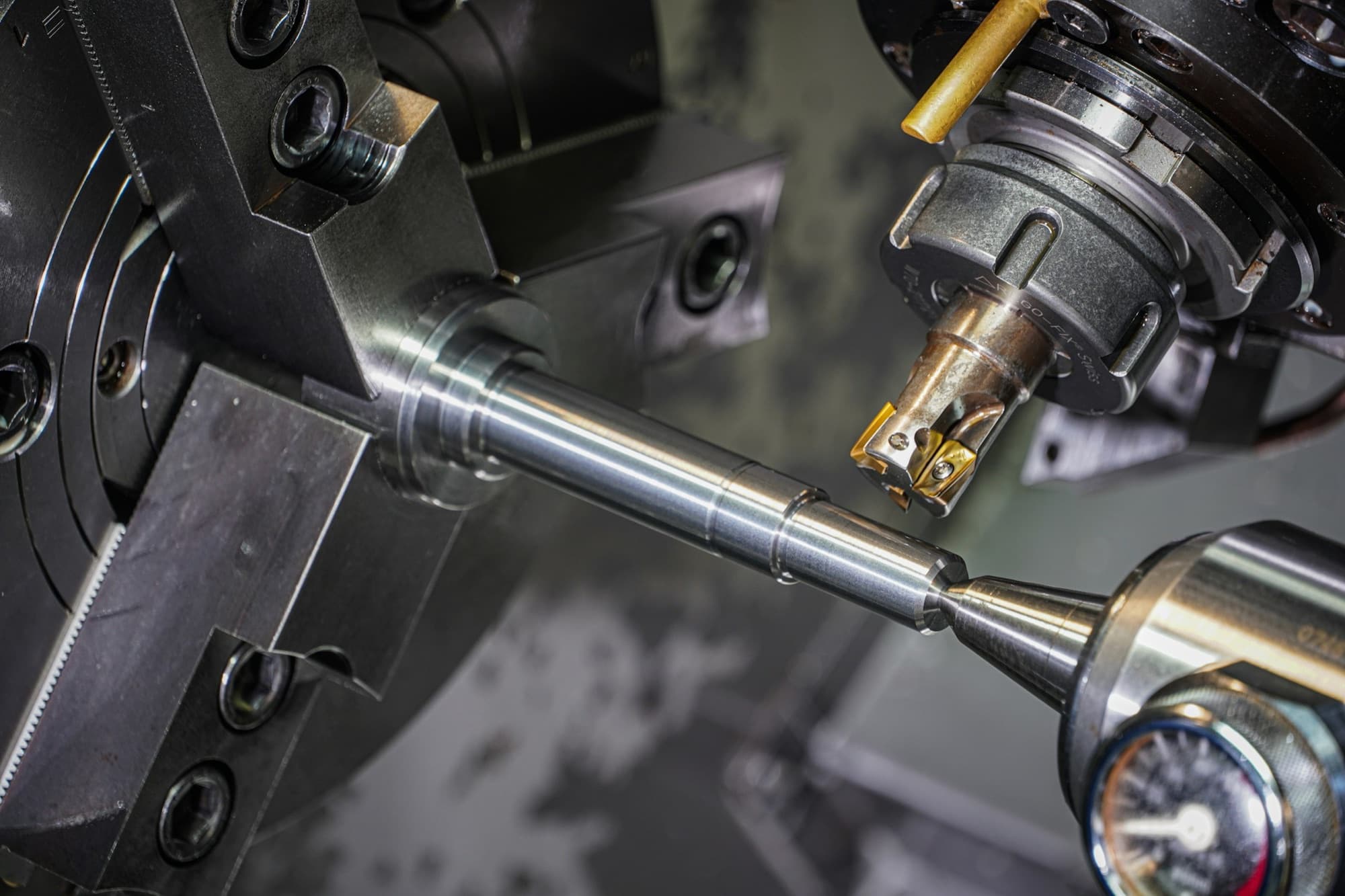
Turned pins, fittings, shafts, and bushings made from bar stock on multi-spindle and Swiss screw machines at volume.
 Forging
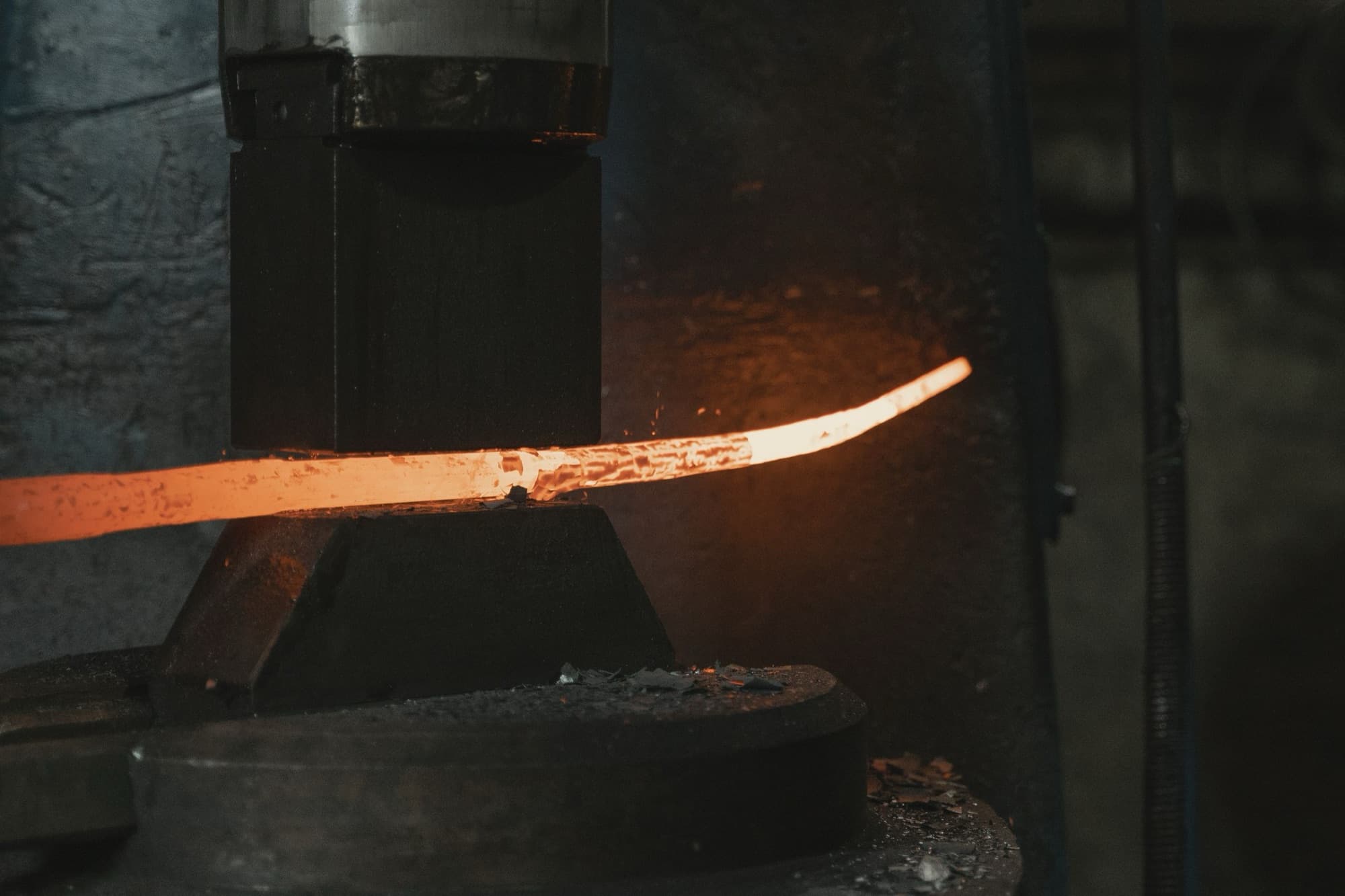
Closed-die and open-die forgings in carbon, alloy, and stainless steel and aluminum, with grain flow for strength.
 Die casting
Molten zinc or aluminum injected into steel dies at high pressure. Thin walls and net shape at 2,500+ parts a year.
Quote powdered metal today.
Drop a STEP file for an instant estimate and DFM check. A rep routes the RFQ to principals who run this process every day.