Loading page
Core line, represented 25+ years
How do fluid power manufacturers source precision hydraulic and pneumatic components?
Fluid power manufacturers source manifolds and valve spools from CNC principals, fittings from screw machine and forging principals, and seals, springs, and cylinder end caps from specialists. Drawings carry tight bores, fine sealing finishes, and standard port threads, and parts must arrive clean. SSG routes each part to principals set up for that work.
- Part families
- 12
- Processes
- 8
- Materials
- 10
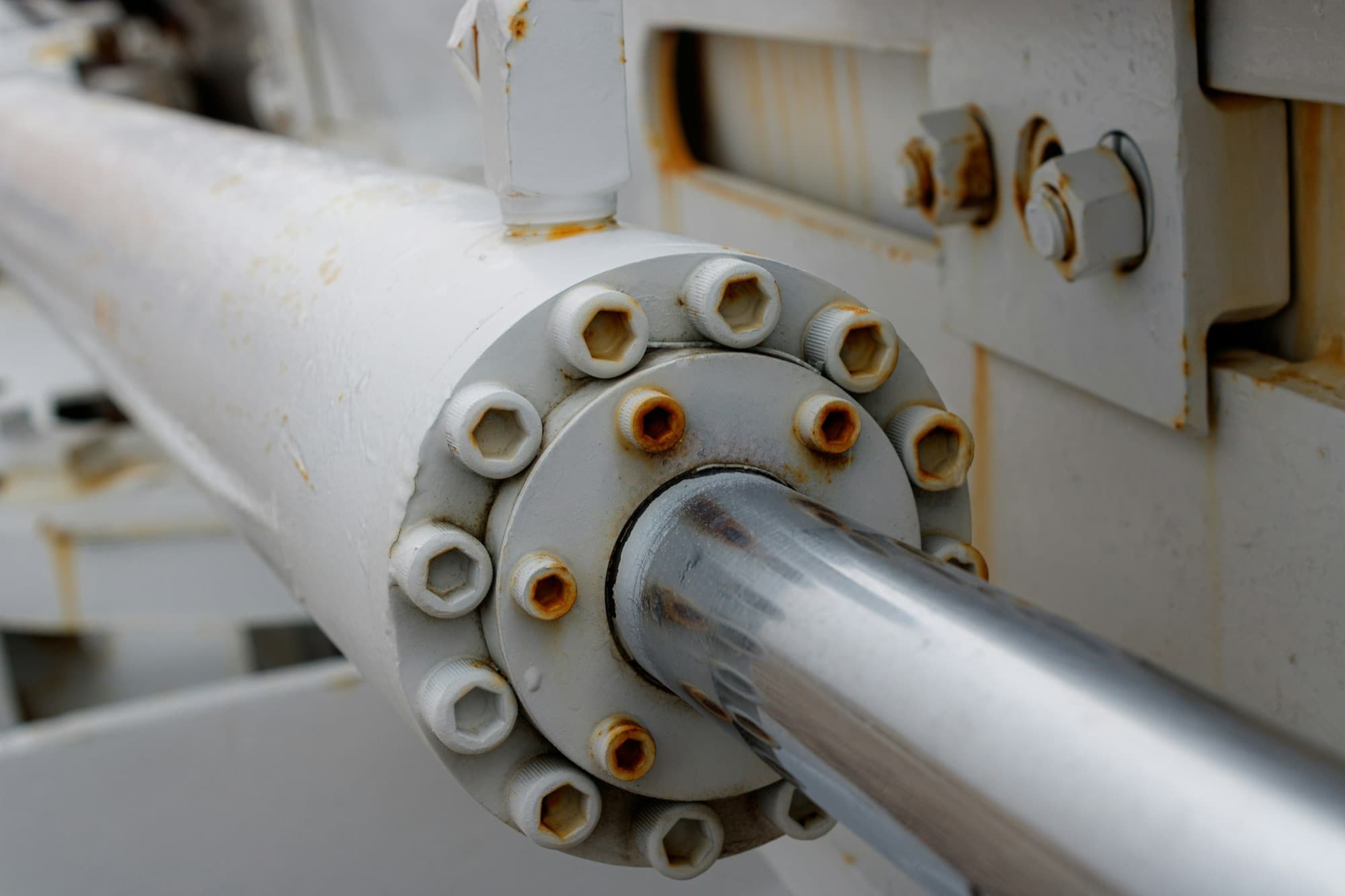
Parts we source for this industry
- 01Hydraulic manifold blocks
- 02Valve spools and sleeves
- 03Forged cylinder clevises and rod eyes
- 04Die cast pneumatic cylinder end caps
- 05Hose crimp ferrules
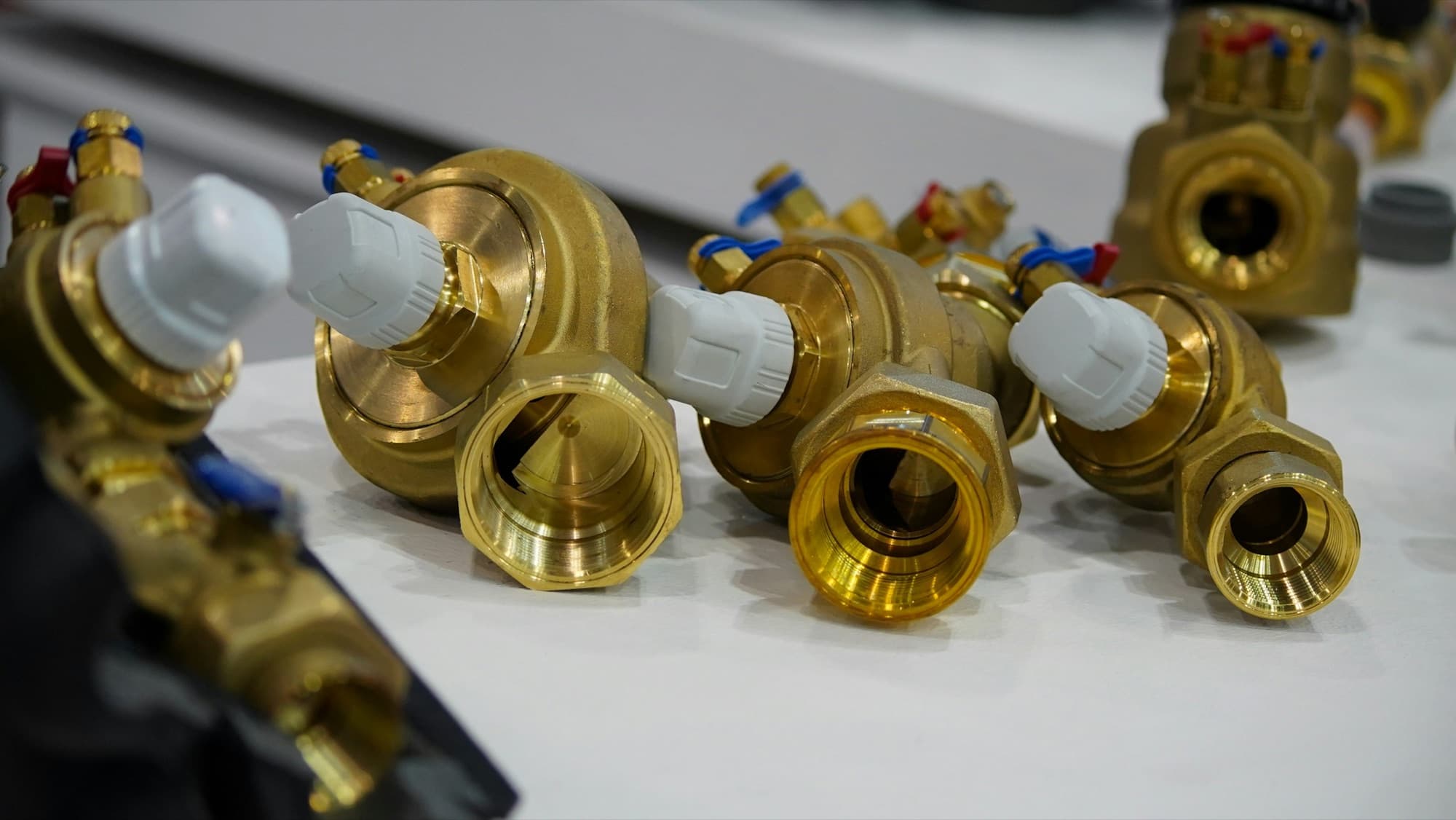
- 06Brass and steel fitting bodies
- 07Poppet and relief valve springs
- 08O-rings, rod seals, and wipers
- 09Powder metal pump gears
- 10Machined cylinder rods and pistons
- 11Stamped valve mounting brackets
- 12Investment cast valve bodies
How these parts are made
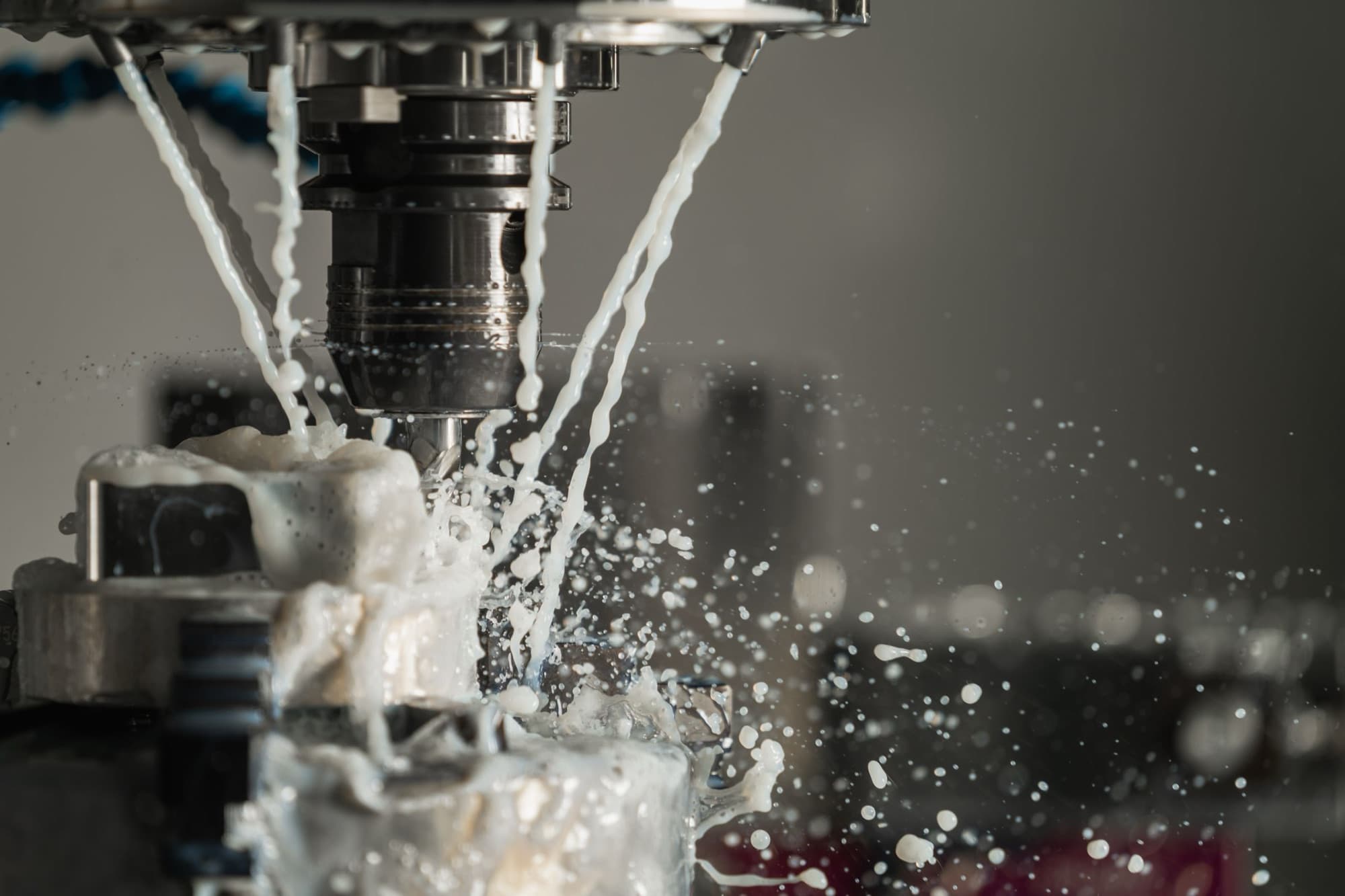 CNC machining
CNC milling, turning, and production sawing from bar, plate, castings, and forgings, from prototype to production.
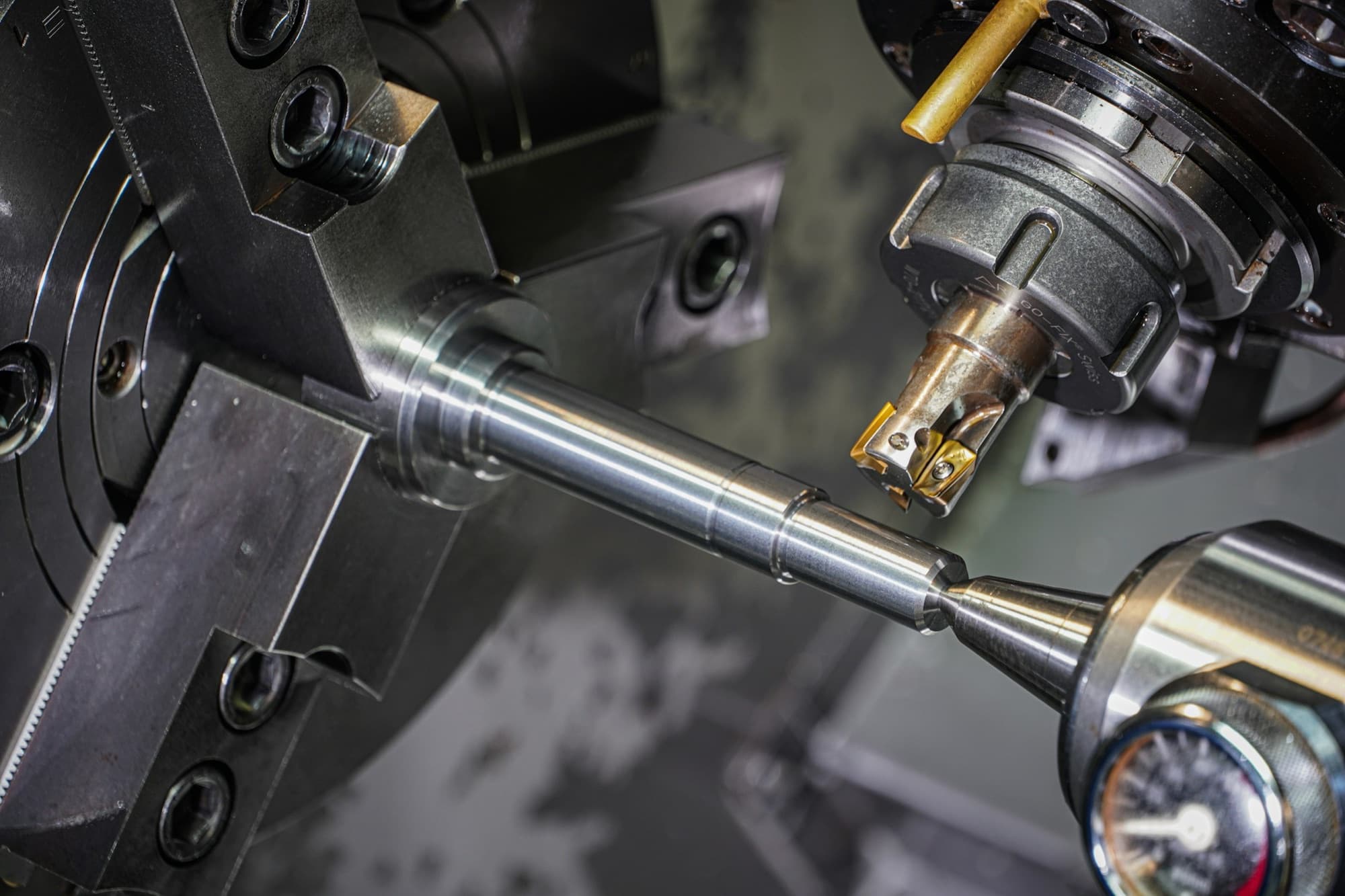 Screw machining
Turned pins, fittings, shafts, and bushings made from bar stock on multi-spindle and Swiss screw machines at volume.
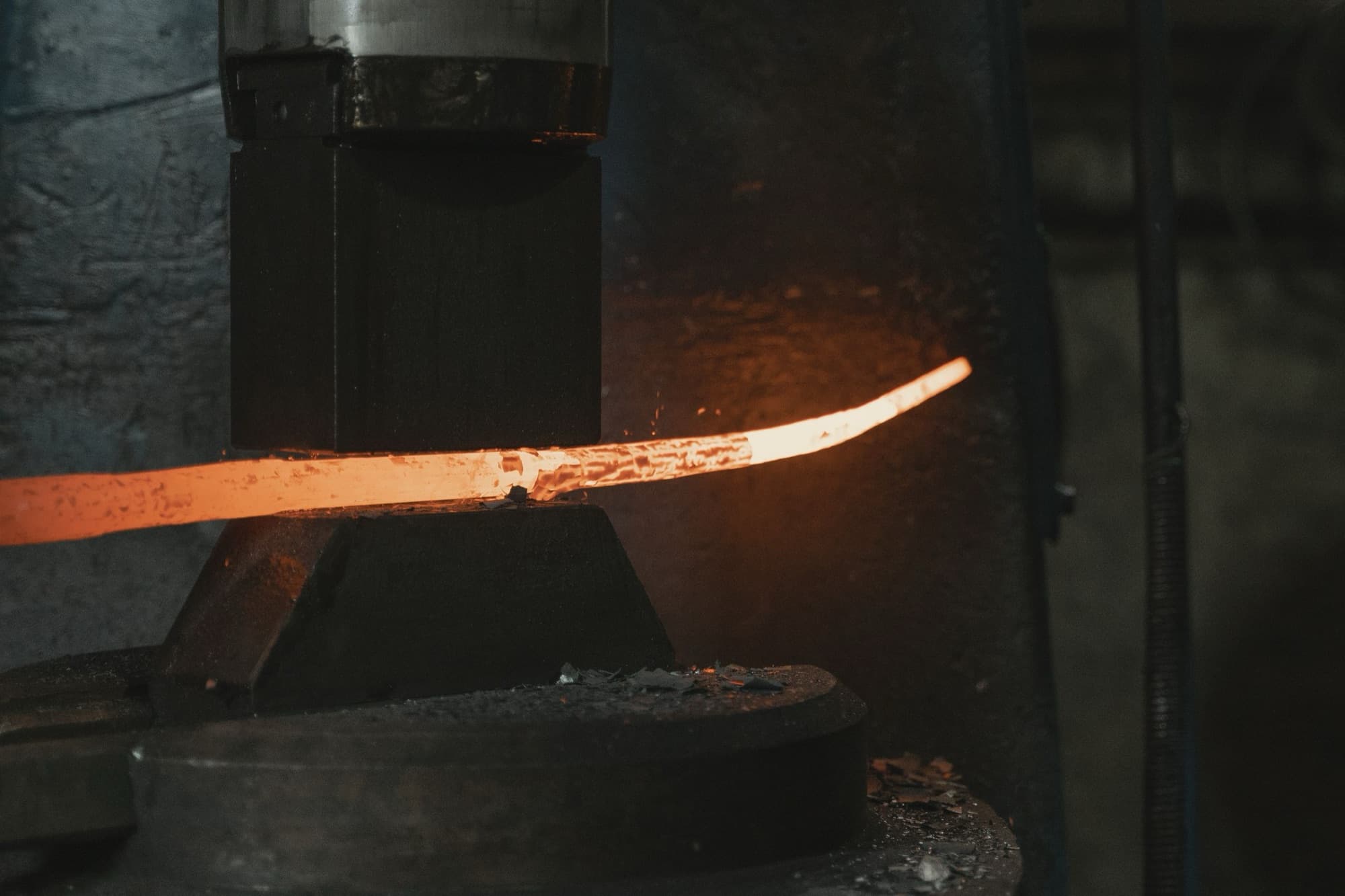 Forging
Closed-die and open-die forgings in carbon, alloy, and stainless steel and aluminum, with grain flow for strength.
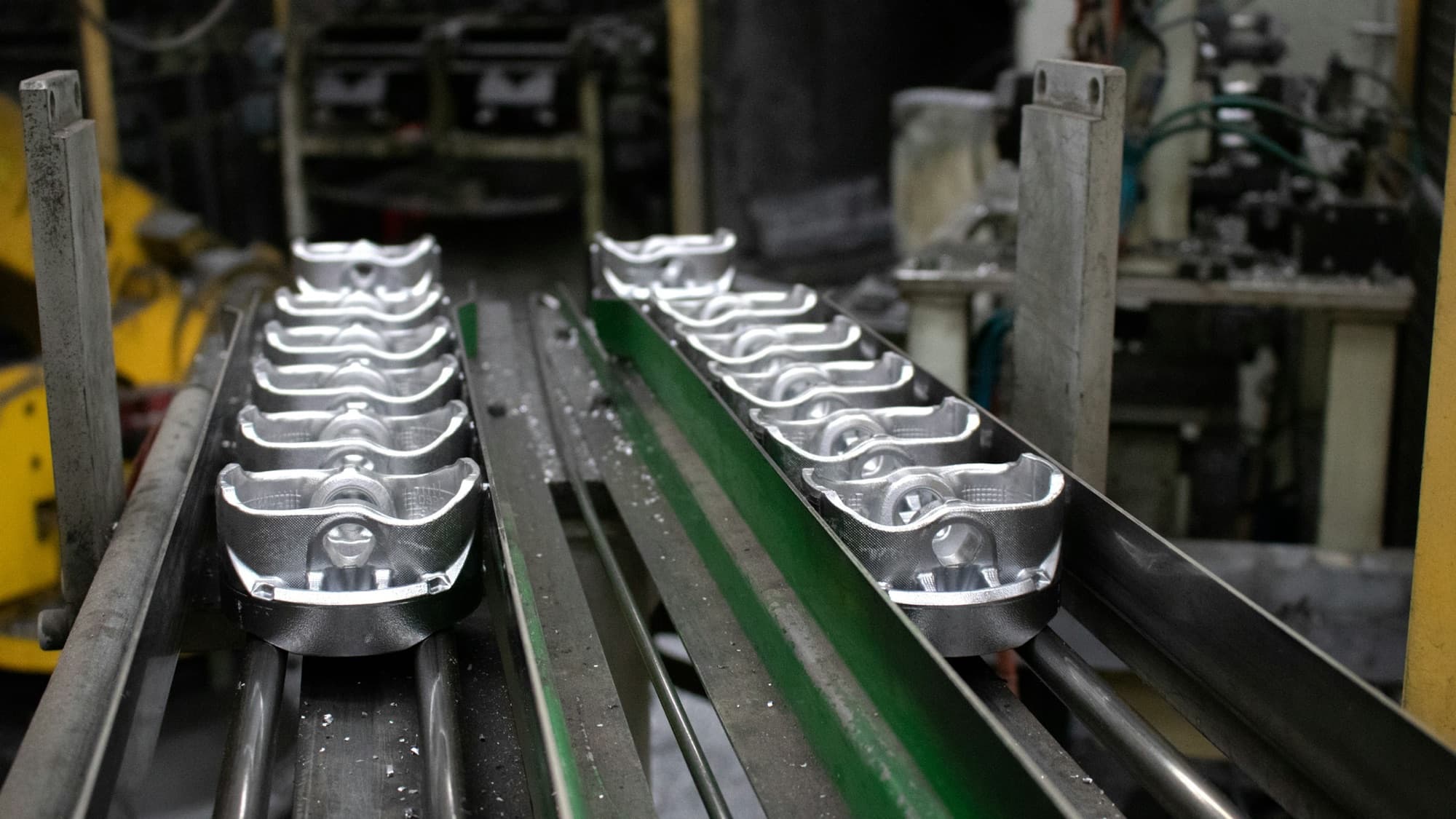 Die casting
Molten zinc or aluminum injected into steel dies at high pressure. Thin walls and net shape at 2,500+ parts a year.
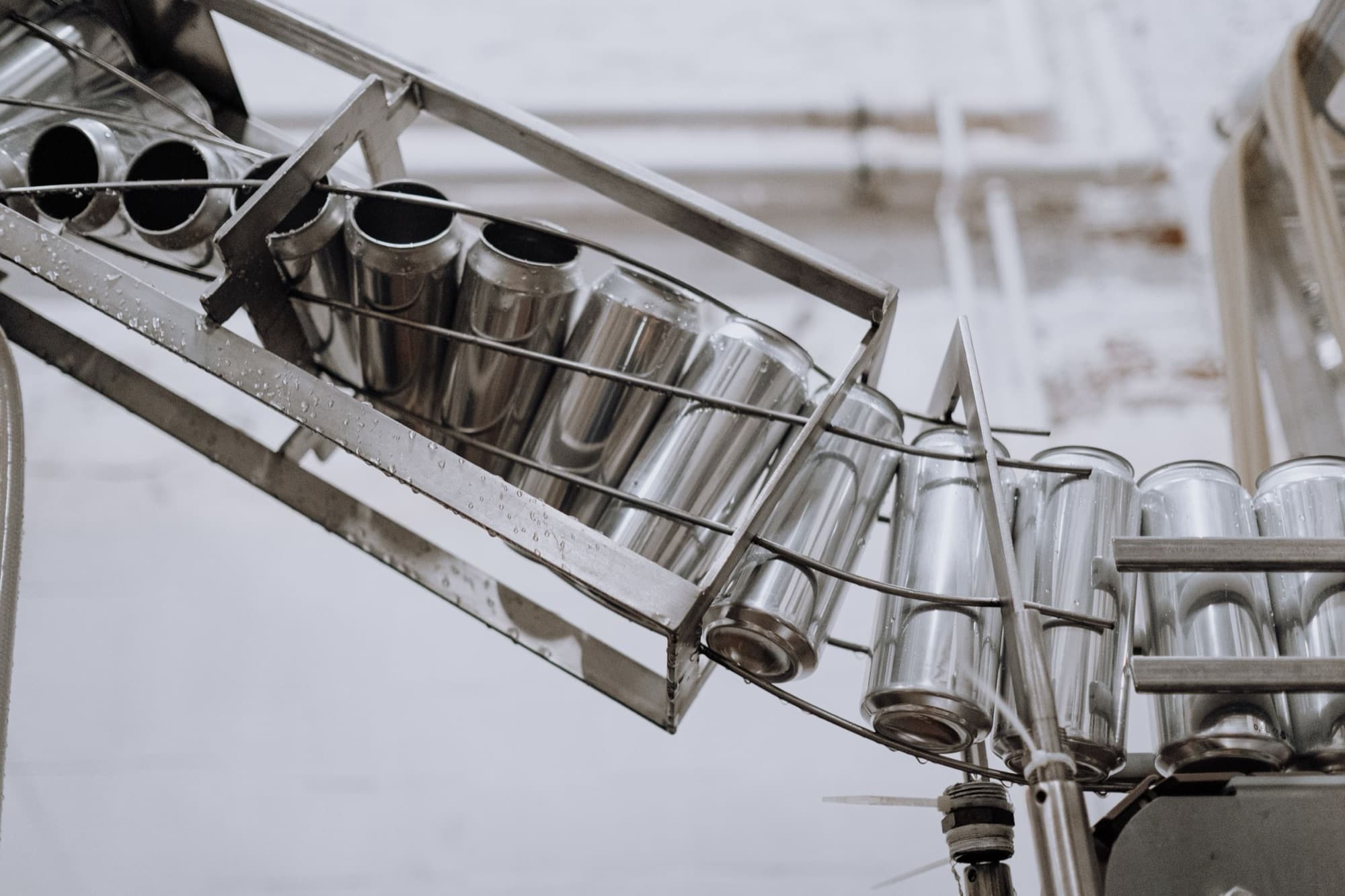 Deep draw
One-piece cups, cans, shells, and housings drawn from flat blanks, with depth that can exceed the diameter.
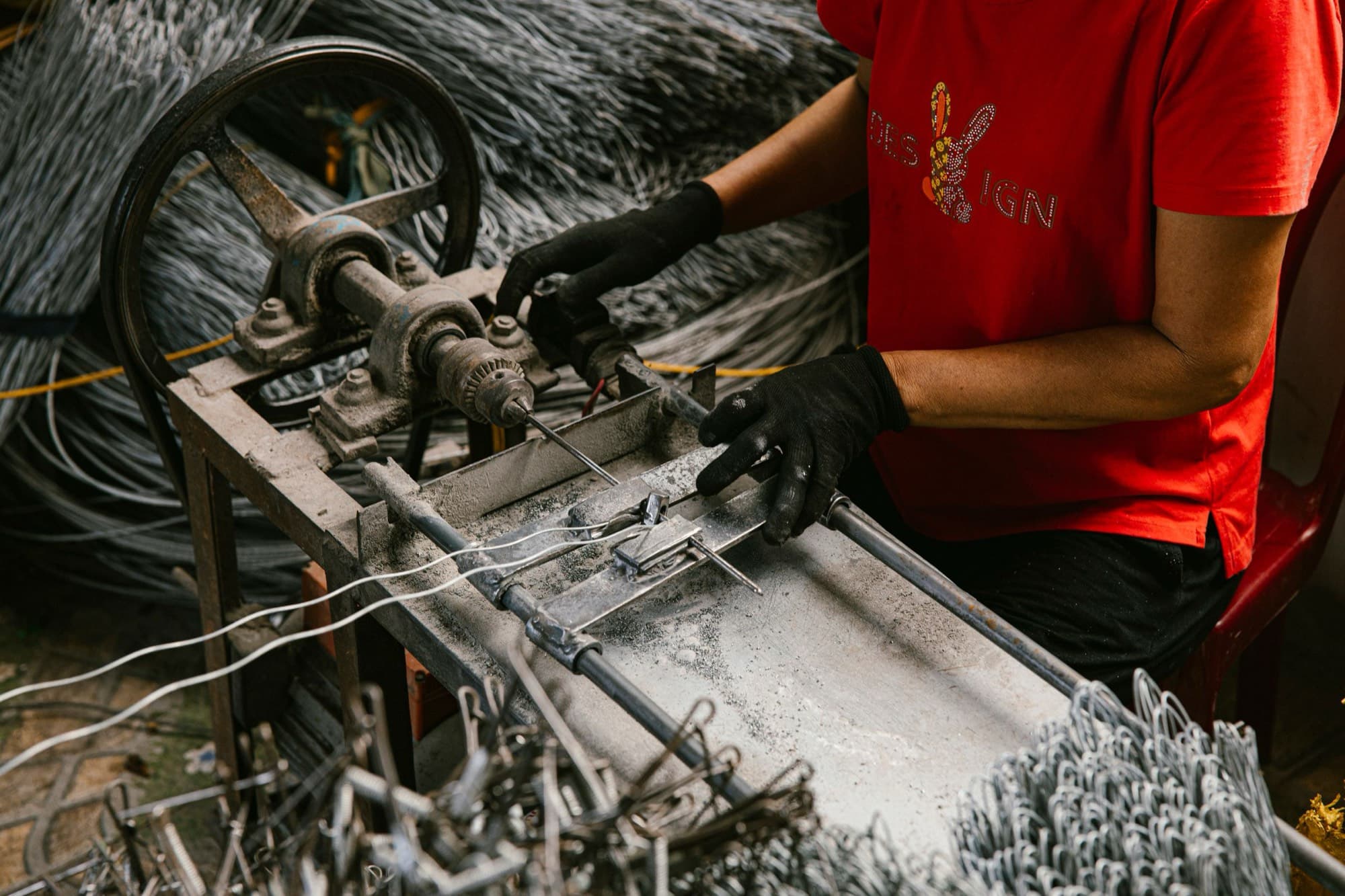 Springs & wire forms
Compression, extension, and torsion springs, wire forms, and fourslide clips made from round wire and flat strip.
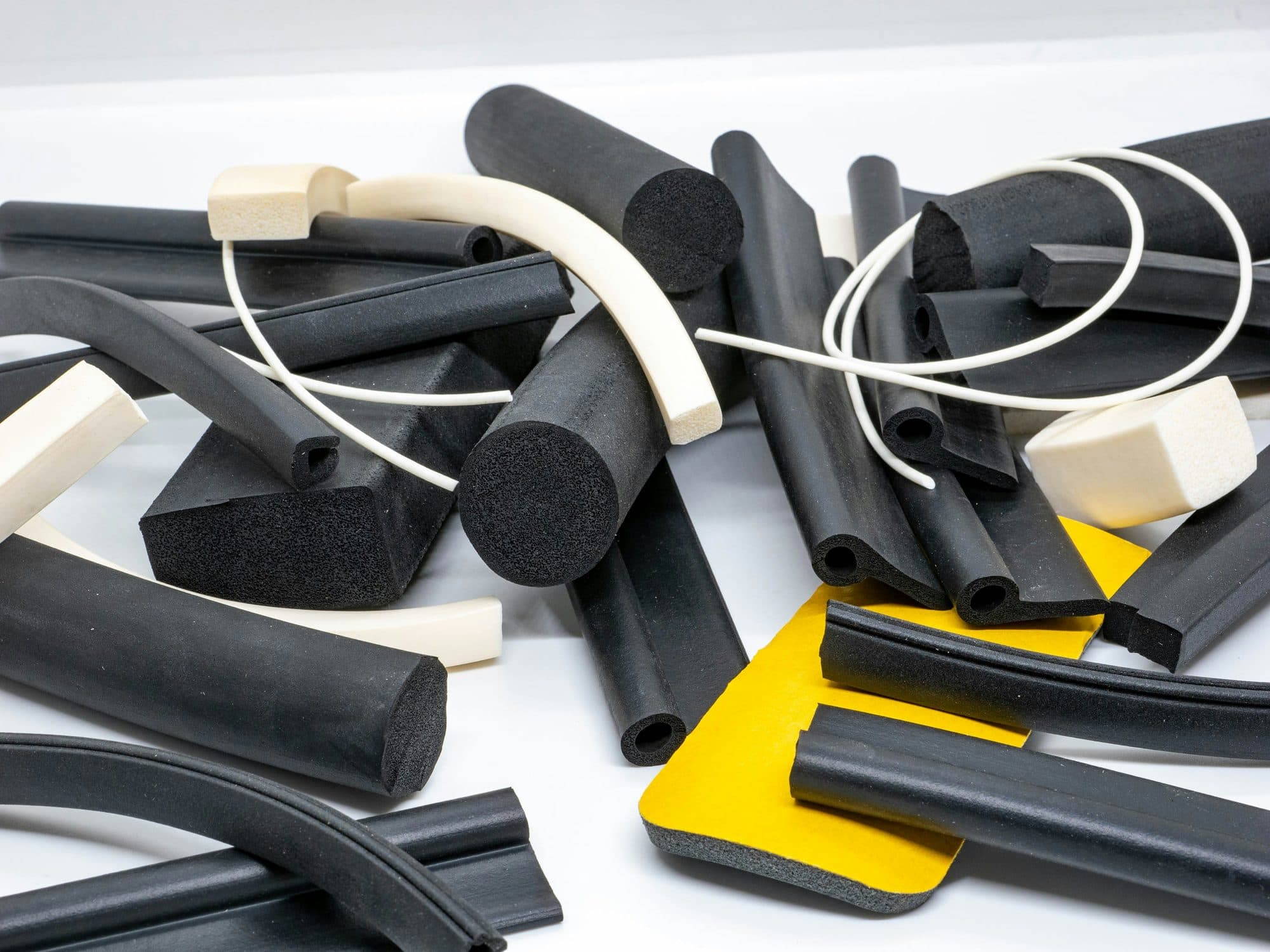 Rubber
Seals, gaskets, grommets, and profiles extruded or molded in EPDM, silicone, nitrile, neoprene, FKM, and TPE.
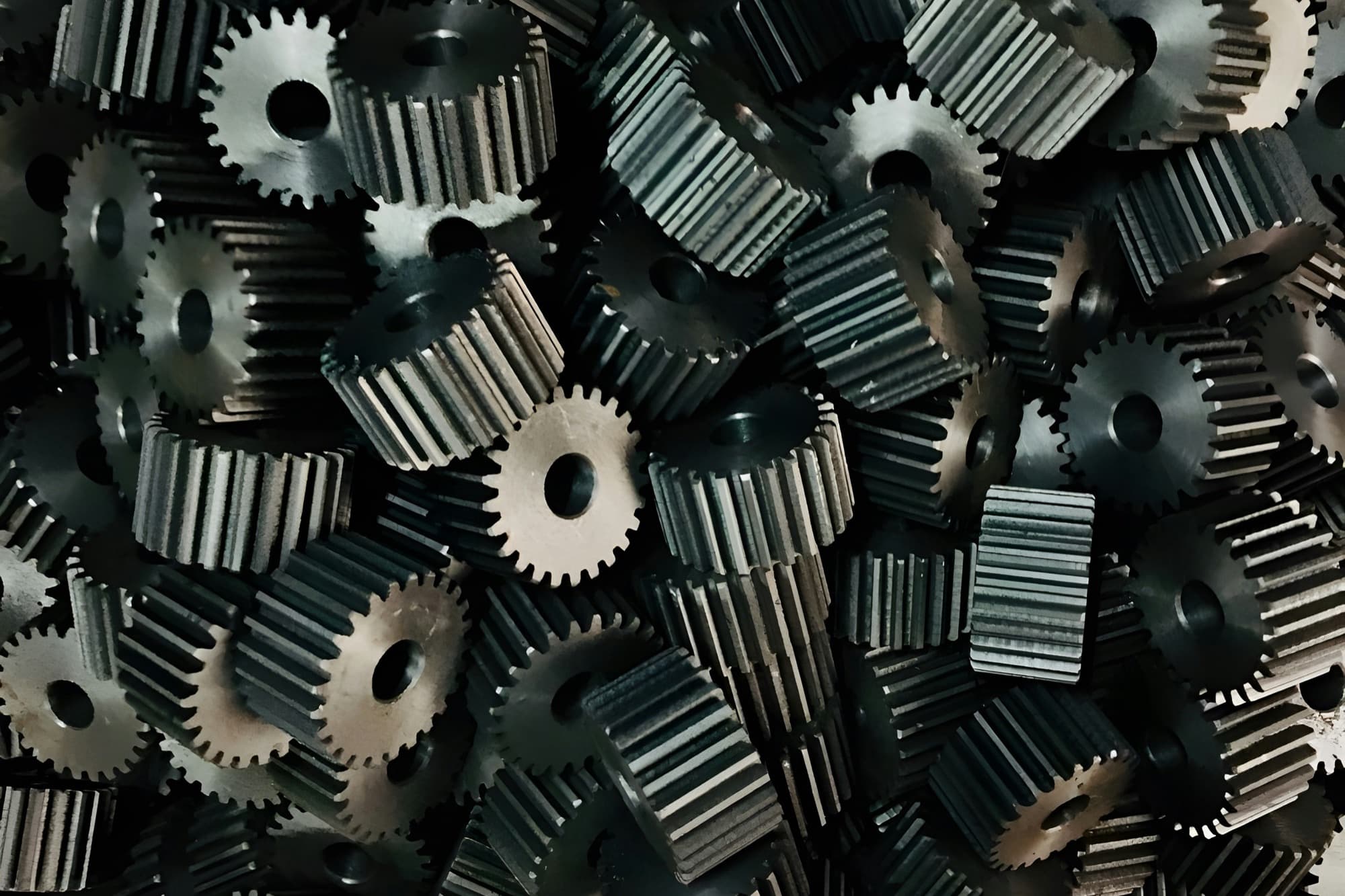 Powdered metal
Net-shape gears, bushings, and structural parts pressed from metal powder and sintered, with little or no machining.
Which of these pays off at your quantity?
Parts per order
5 processes are at their best at this quantity, and 3 more can do it.
Drag to your quantity


What suppliers are held to
Port and fitting standards
Ports and connectors follow SAE J1926 (ISO 11926) straight-thread O-ring ports, SAE J514 37° flare fittings, SAE J1453 (ISO 8434-3) O-ring face seal fittings, and SAE J518 (ISO 6162) flanges. Thread and seat geometry are inspected with standard gauges.
Component cleanliness
Contamination causes most hydraulic failures, so buyers specify part cleanliness per ISO 18413 or a customer particle limit. Deburring, washing, and capped packaging are part of the process, not extras.
Sealing surfaces
Rod and bore sealing surfaces typically call for 16 µin (0.4 µm) Ra or finer, with tight roundness and no spiral tool marks. Spools and bores are often held or matched to a few ten-thousandths of an inch.
Pressure testing and seal compatibility
Assemblies are proof and leak tested. Seal compounds are matched to the fluid: nitrile for mineral oil, FKM for high heat and many synthetics, and EPDM for phosphate ester fluids.
Questions
Should hydraulic manifolds be aluminum or steel?
Aluminum 6061-T6 is common up to about 3,000 psi (207 bar) and machines fast. Above that, or under high cyclic loads, steel or ductile iron is the safer choice.
Which seal material works with my hydraulic fluid?
Nitrile for petroleum-based oils at normal temperatures, FKM above about 250 °F (121 °C) and for many synthetic fluids, and EPDM for phosphate ester fluids. EPDM swells in mineral oil, so it is never a default.
Screw machine or CNC for hydraulic fittings?
Screw machines win on round fittings at volume, often at seconds per part. CNC lathes and mills suit lower volumes, larger bodies, and cross-drilled ports. Shaped bodies such as tees and elbows are usually forged, then machined.
Send us the part.
Build it or upload a drawing. A rep routes it to principals already making parts for this industry.