Loading page
Guides from the shop floor
20 guides on designing parts that are cheap to make and sourcing them well: walls, draft and gates for molding, draw ratios for deep drawing, when powdered metal beats machining, what a mold really costs, and how to write an RFQ that gets quoted fast.
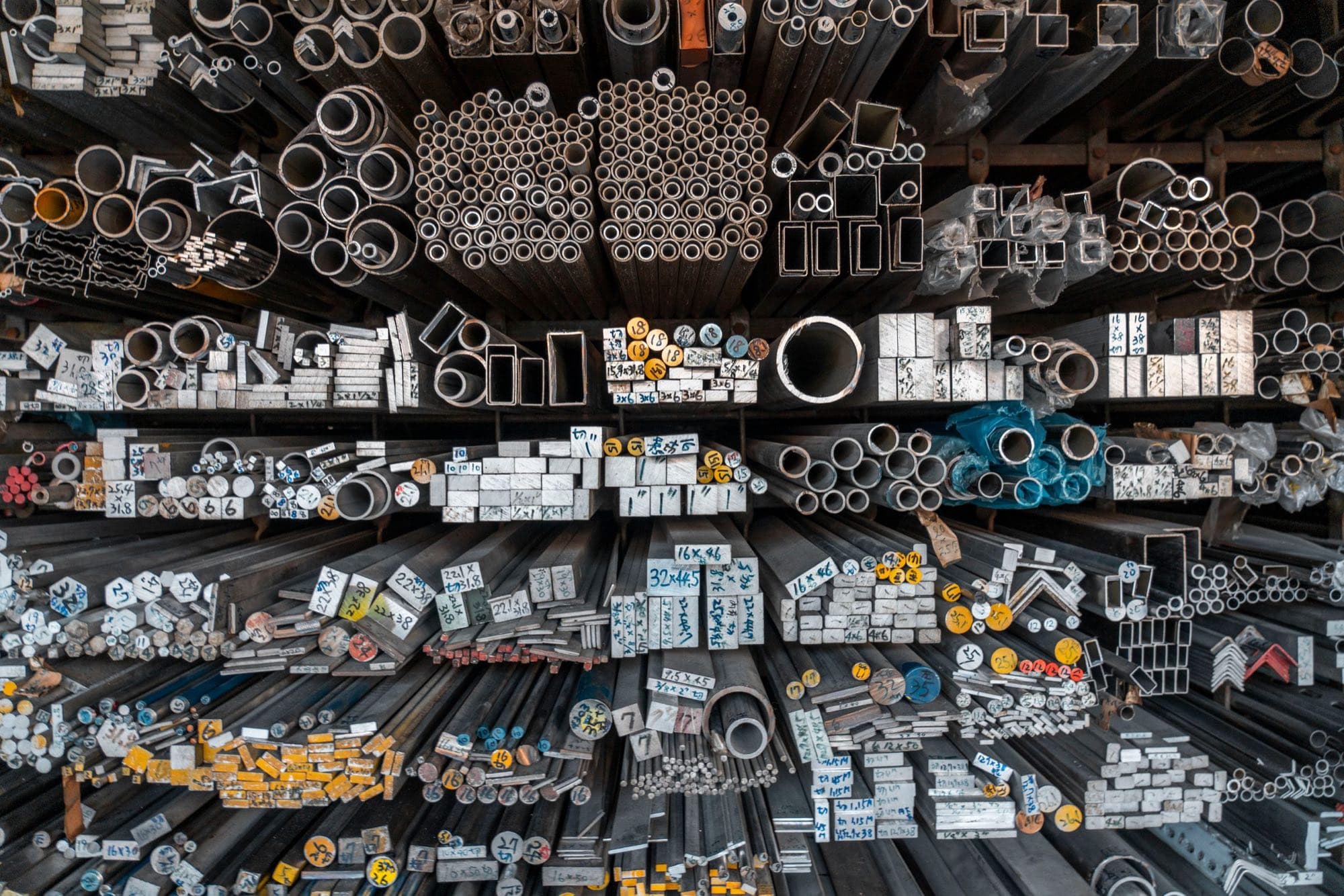
Start here · 5 min
How to choose a manufacturing process
A decision framework for choosing a manufacturing process by volume, geometry, material, tolerance, and budget, plus typical tooling costs and tolerances.
Design
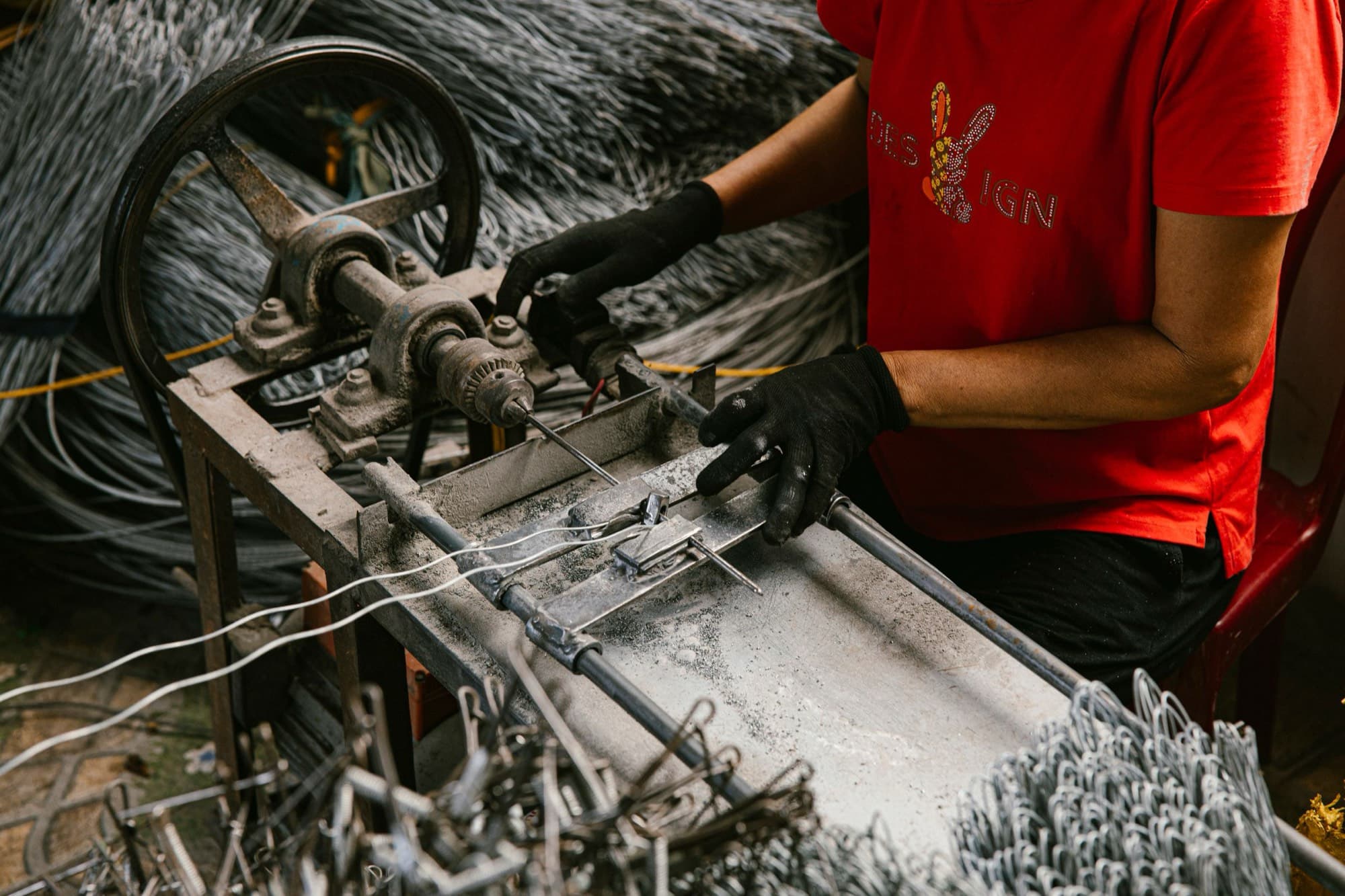 Custom springs and wire forms: types, rate, and design6 min
Compression, extension, and torsion springs and wire forms: the spring rate formula, spring index, common wire specs, fourslide forming, and how to specify.
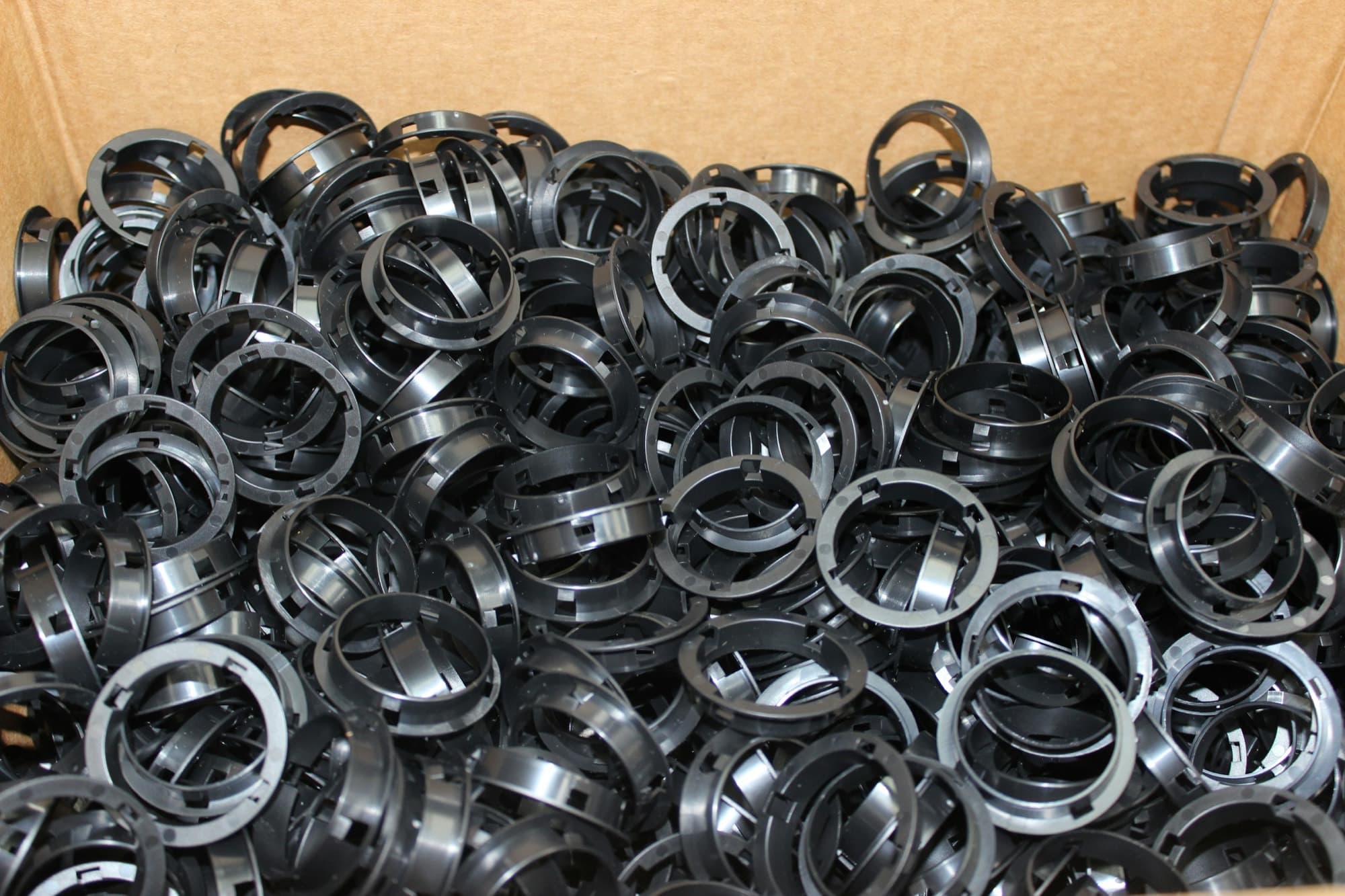 Injection molding design guide: walls, draft, ribs, gates6 min
Wall thickness by resin, draft angles, rib and boss ratios, gate placement, and tolerances for injection molded parts, with the numbers molders design to.
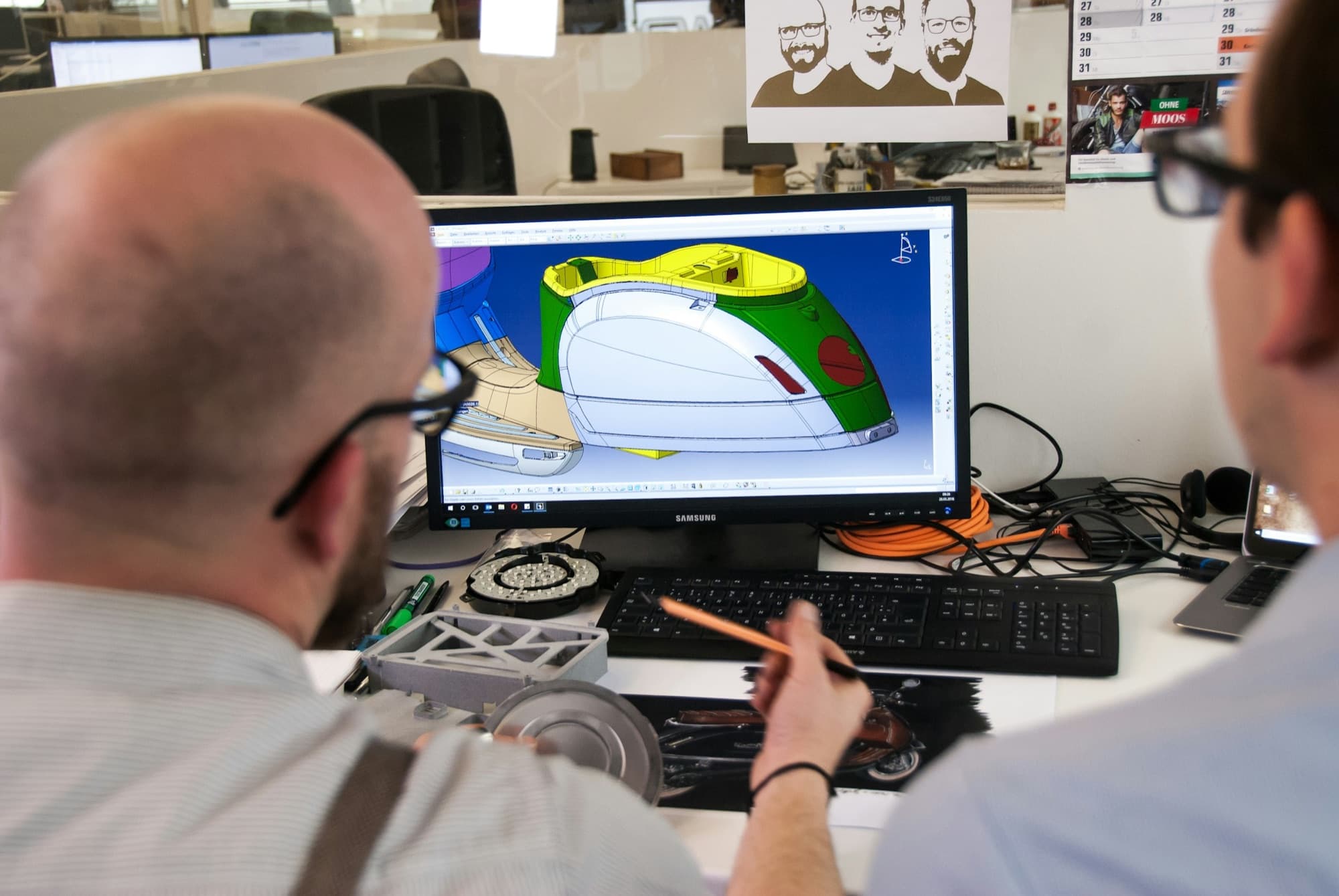 Injection molding design review: resin and DFM checklist6 min
A pre-tooling checklist for injection molded parts: resin selection, wall and draft review, gates and knit lines, tolerances, mold flow, and the RFQ package.
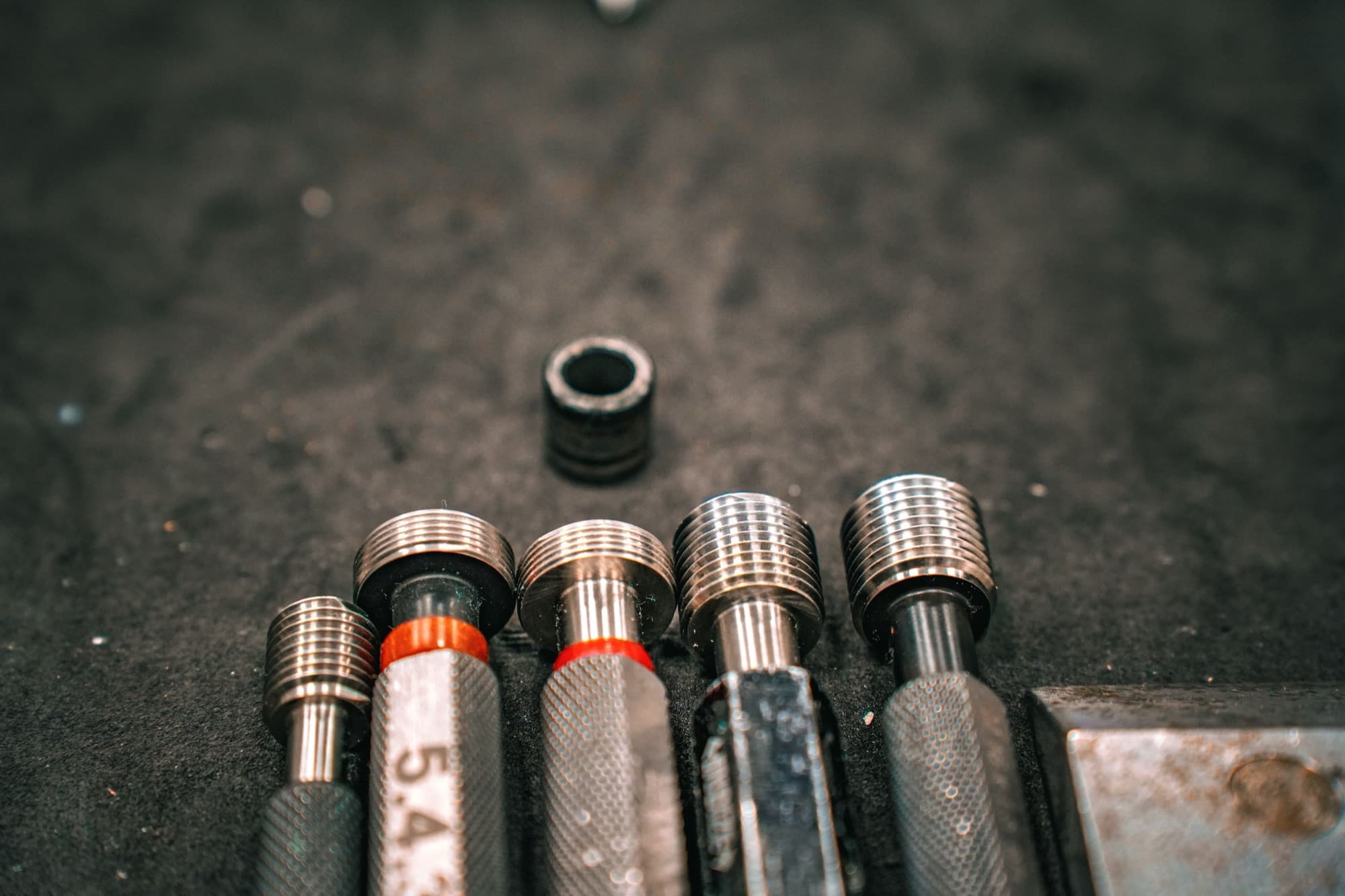 Manufacturing tolerances: standard vs precision7 min
Standard and precision tolerances by process, the ISO 2768 f, m, c, and v table, what tight tolerances cost, GD&T basics, and how to tolerance a drawing.
Processes
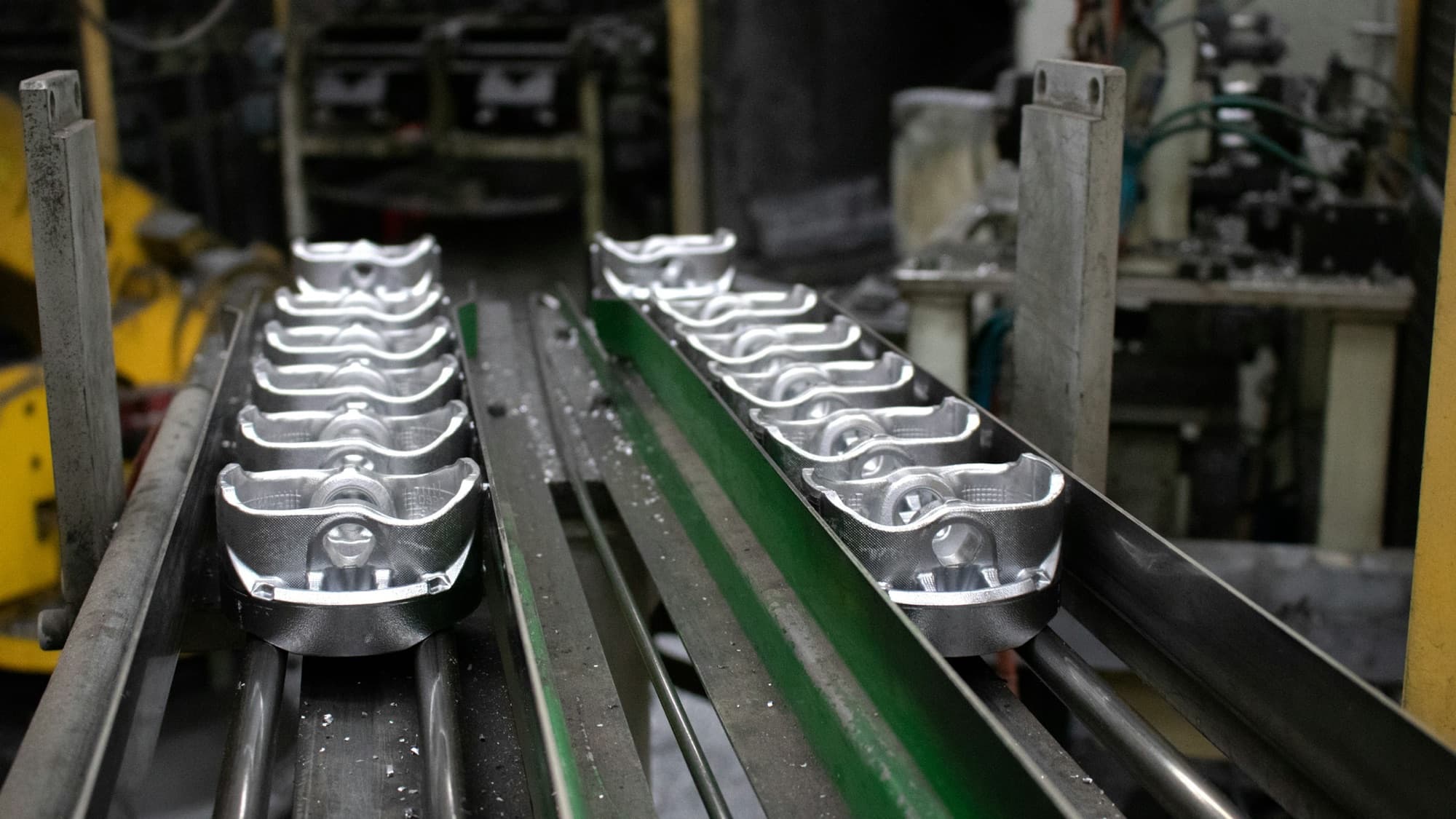 Aluminum die casting guide: A380 vs zinc, draft, walls5 min
A380 aluminum vs Zamak zinc die casting: properties, draft and wall thickness, NADCA tolerances, porosity control, die life, and low-volume alternatives.
 CNC production machining: cost, fixturing, cycle time5 min
How production CNC machining differs from prototype work: cost per part by quantity, fixturing, cycle time drivers, ISO 2768 tolerances, and RFQ contents.
 Deep drawn stampings: draw ratios, materials, and cost5 min
How deep drawing works, limiting draw ratios and reductions per stage, the steels and alloys that draw best, typical tolerances, and what drives tooling cost.
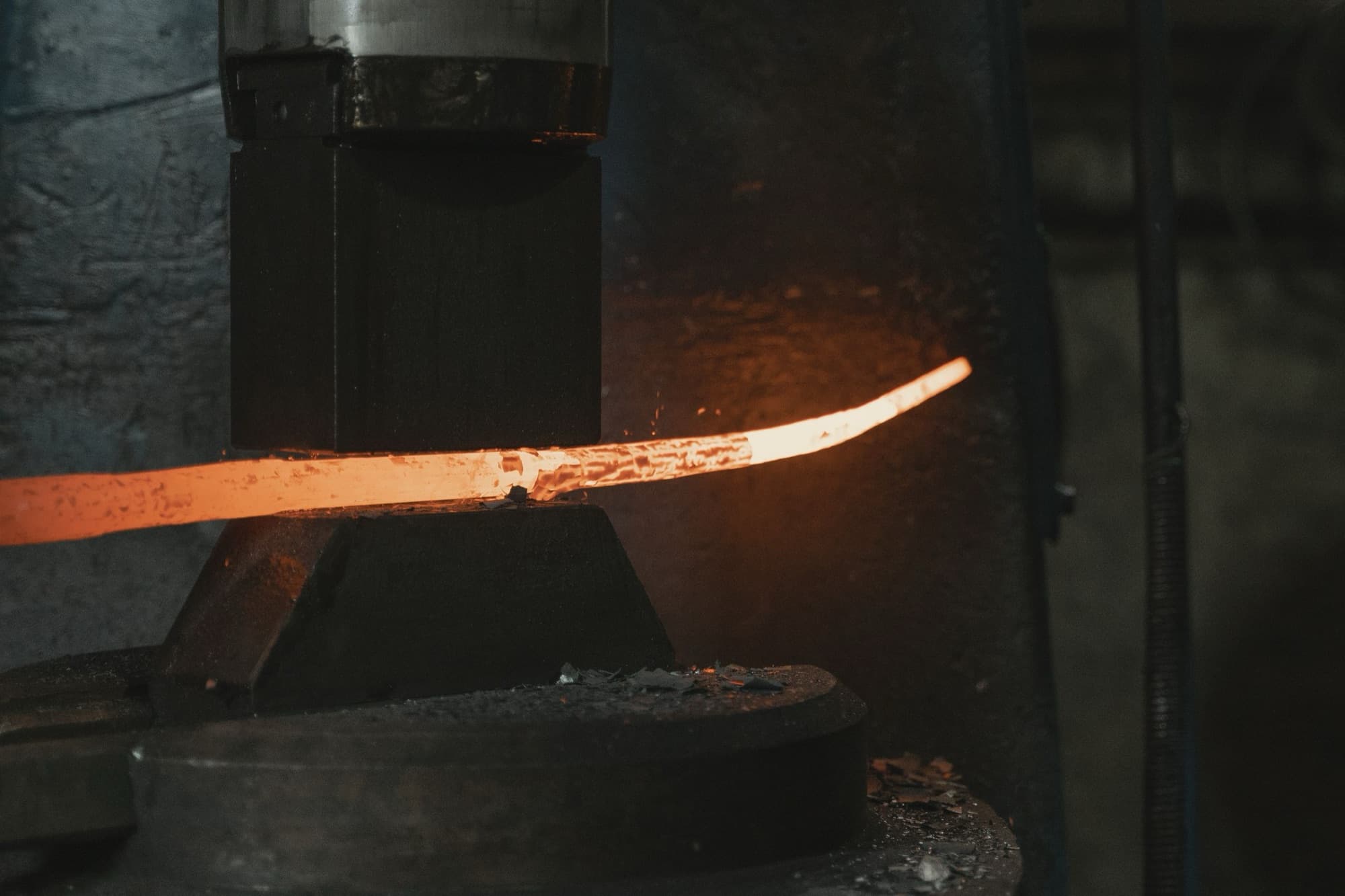 Forging guide: closed die, open die, and grain flow7 min
How forging works, closed die vs open die, why grain flow matters, and when a forging beats a casting or bar stock. Tolerances, die costs, and standards.
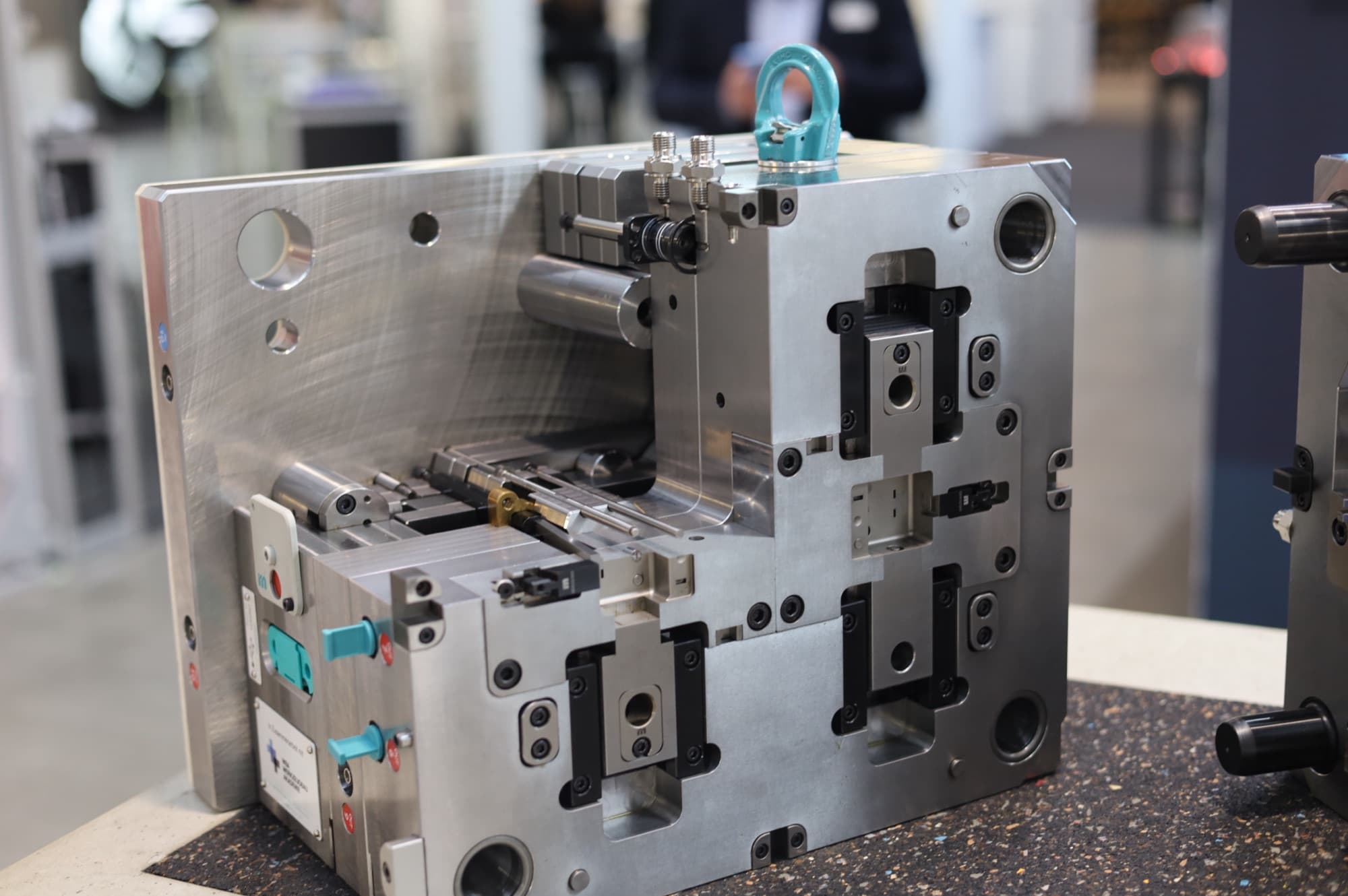 How much does an injection mold cost?6 min
Injection mold cost by SPI class 101–105, cavitation, steel (P20, H13, S7, 7075 aluminum), hot vs cold runner, amortization math, and what drives piece price.
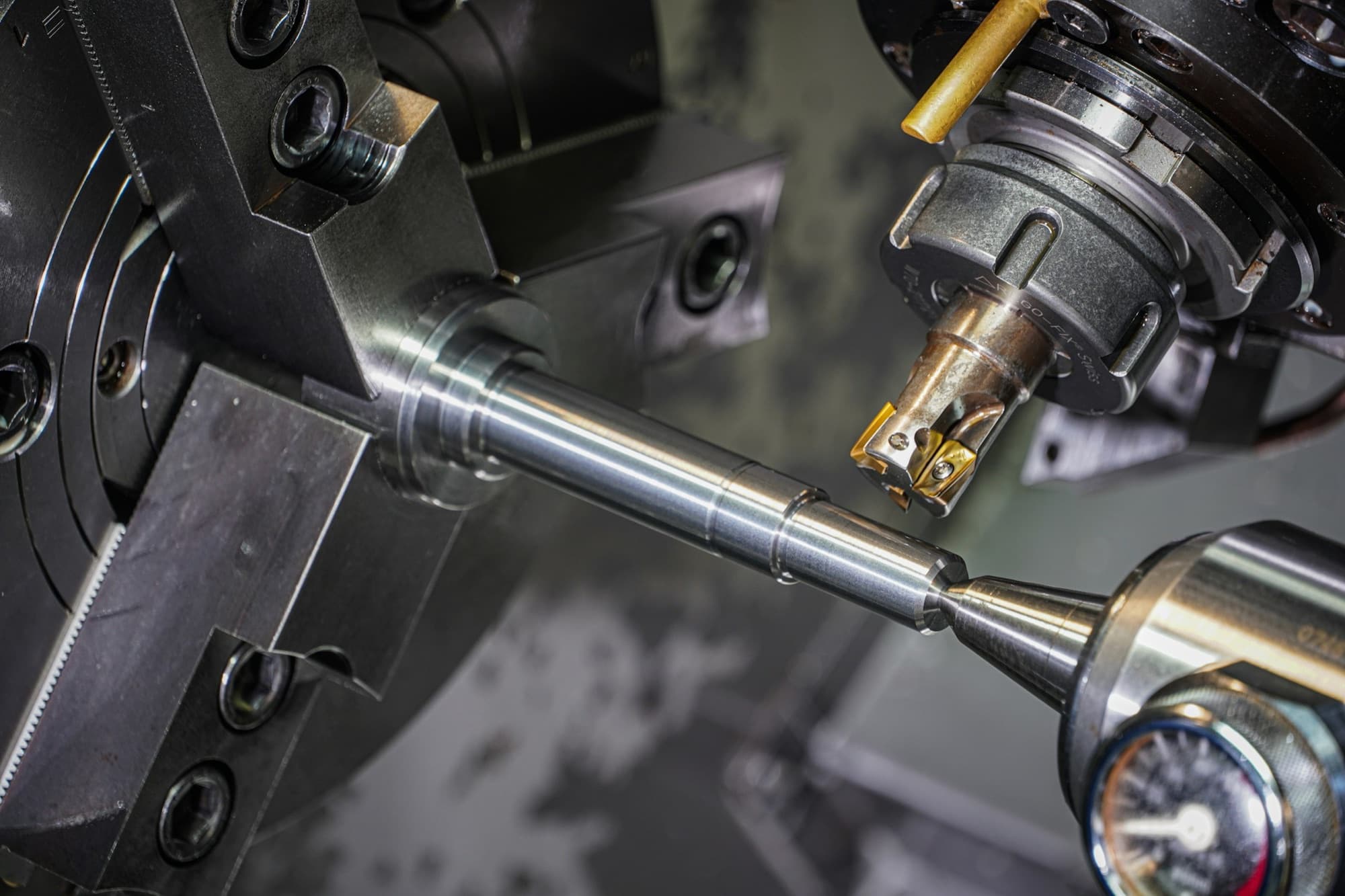 Screw machining: multi-spindle vs Swiss vs CNC lathe5 min
How multi-spindle, Swiss-type, and CNC turret lathes compare on volume, tolerance, and setup, plus the materials, tolerances, and design choices that set cost.
 Soft goods manufacturing: fabrics, patterns, sewing6 min
How sewn soft goods are made: fabric denier and coatings, test methods, patterns and cutting, stitch types, thread sizes, and what drives cost and MOQ.
Materials
 Powdered metal parts: MPIF 35 materials, density, cost5 min
How powdered metal parts are made, what MPIF Standard 35 material codes mean, how density sets strength, key design rules, and when PM beats machining on cost.
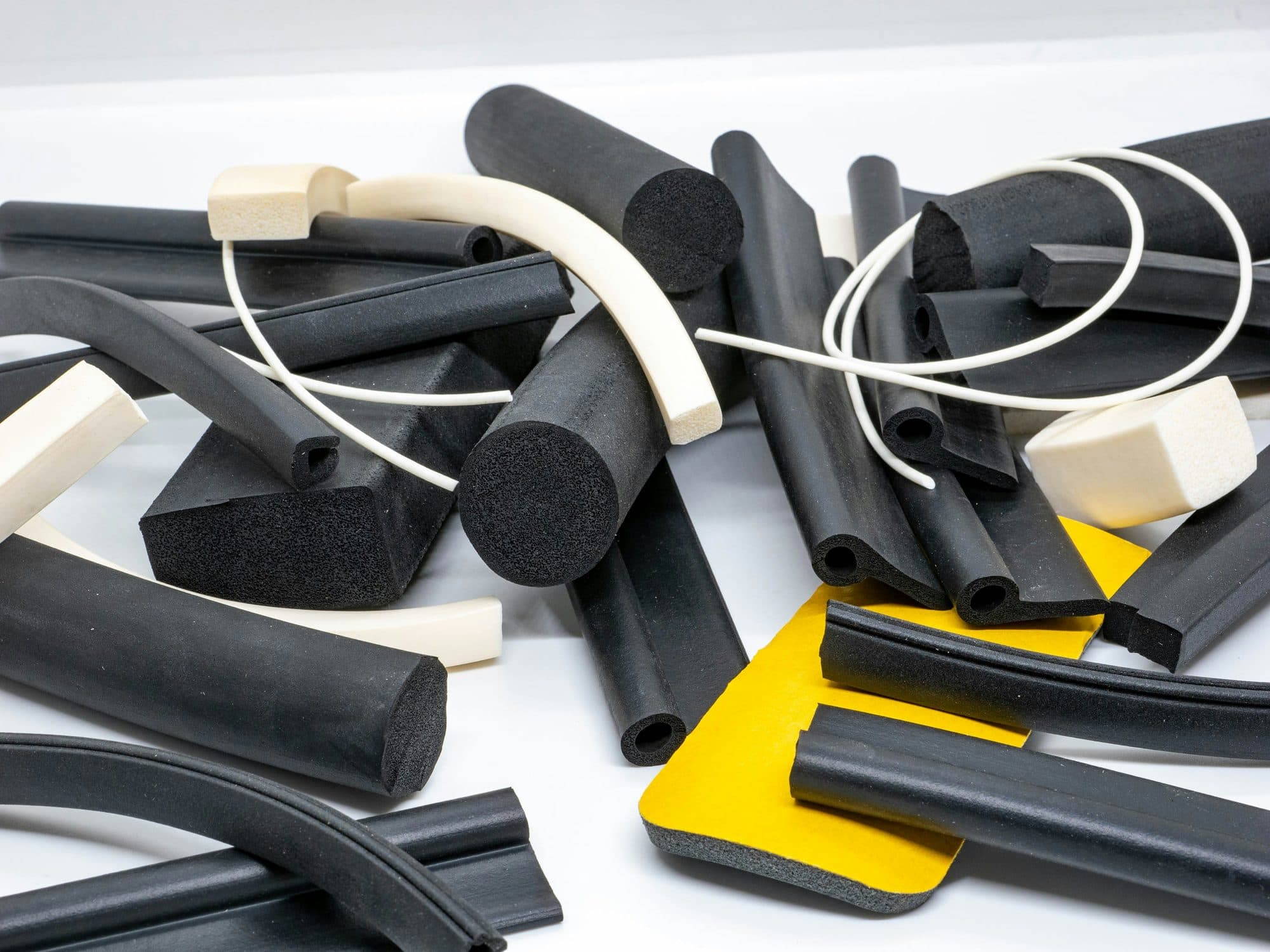 Rubber extrusion guide: compounds, durometer, tolerances6 min
How to specify custom rubber extrusions: EPDM, silicone, neoprene, nitrile, and FKM compounds, Shore A durometer, RMA E1–E3 tolerance classes, and splicing.
Sourcing
 Domestic vs offshore landed cost: a worked example5 min
Illustrative landed cost comparison for an aluminum die-cast part at 10,000 EAU: unit price, tooling, freight, duty, inventory, risk, and duty sensitivity.
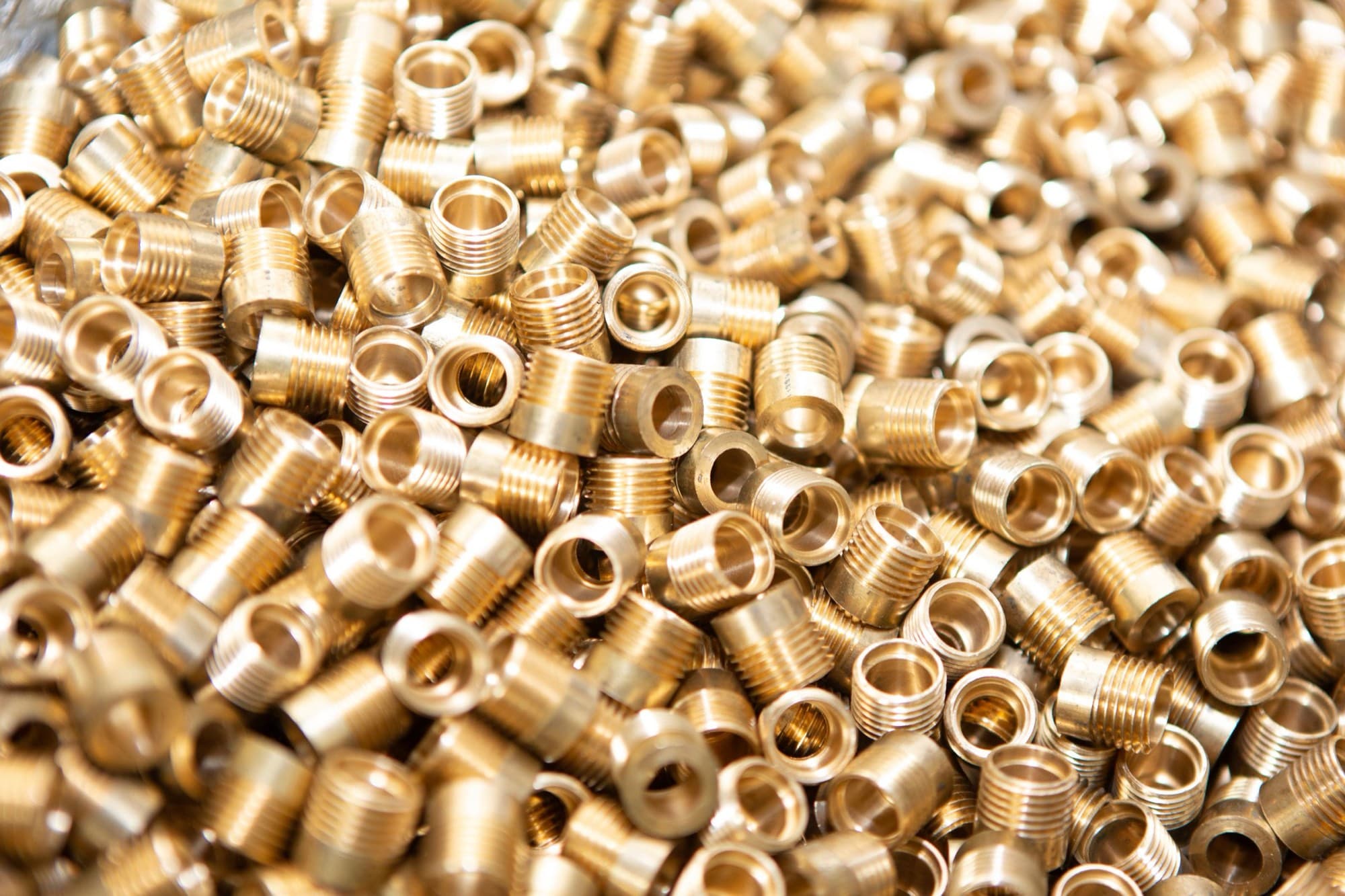 How OEMs qualify suppliers: RFQ to production6 min
How OEMs qualify a new supplier for production parts: RFQ, evaluation and audit, samples, PPAP or first article inspection, run at rate, and production release.
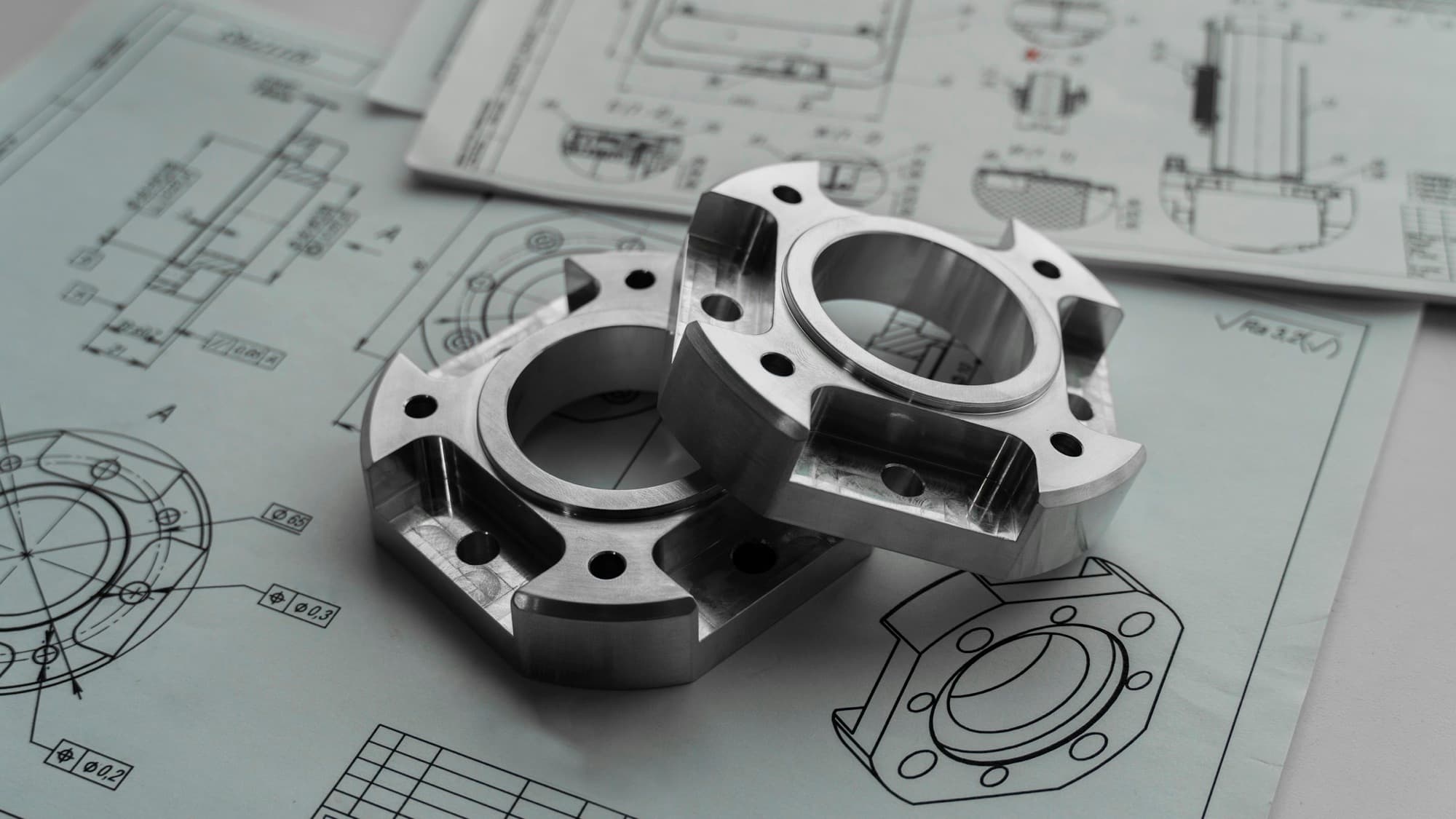 How to write an RFQ for manufactured parts6 min
What to put in an RFQ for custom parts: drawing and STEP file, material, finish, quantities and EAU, tolerances, certs, packaging, and what AI agents send.
 Offshore sourcing strategy: total landed cost6 min
Total landed cost framework for offshore sourcing: unit price, tooling, freight, duty and Section 301 risk, inventory, quality escapes, and when domestic wins.
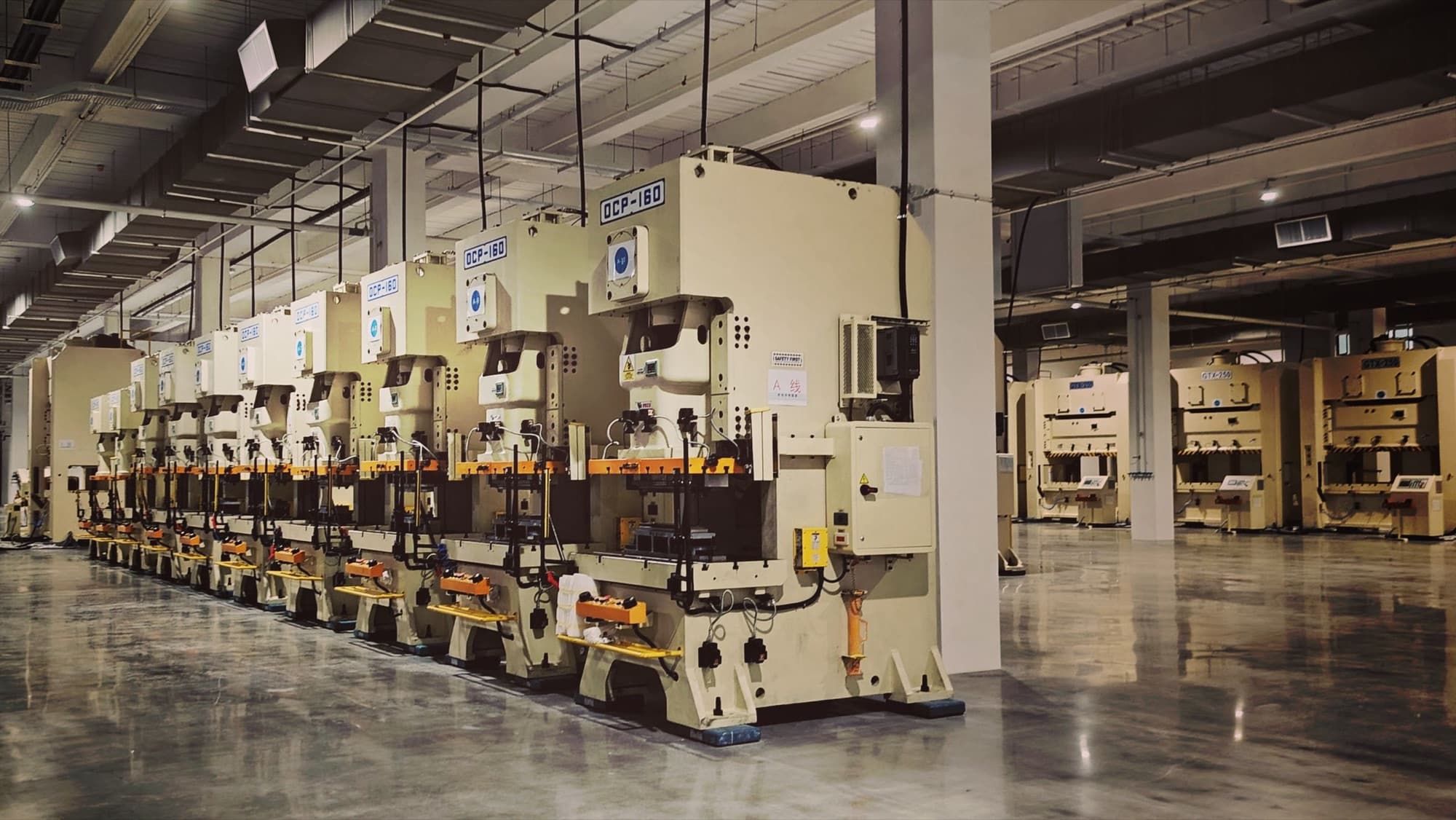 Short-run metal stamping vs progressive dies: break-even5 min
When short-run stamping beats a progressive die: tooling costs, lead times, a break-even formula with a worked example, DFM rules, and when to switch tooling.

Put the guide to work.
Open the builder and the DFM check applies these rules to your part as you design it.