Loading page
Core line, represented 25+ years
How do Tier 1 and Tier 2 automotive suppliers source production parts?
Tier 1 and Tier 2 automotive suppliers source production parts from principals that can run APQP, submit PPAP, and hold capability at quoted volume, usually under IATF 16949. Parts are quoted on multi-year programs with annual price reductions. SSG matches automotive RFQs to principals that hold the certification and capacity the customer requires.
- Part families
- 12
- Processes
- 8
- Materials
- 10
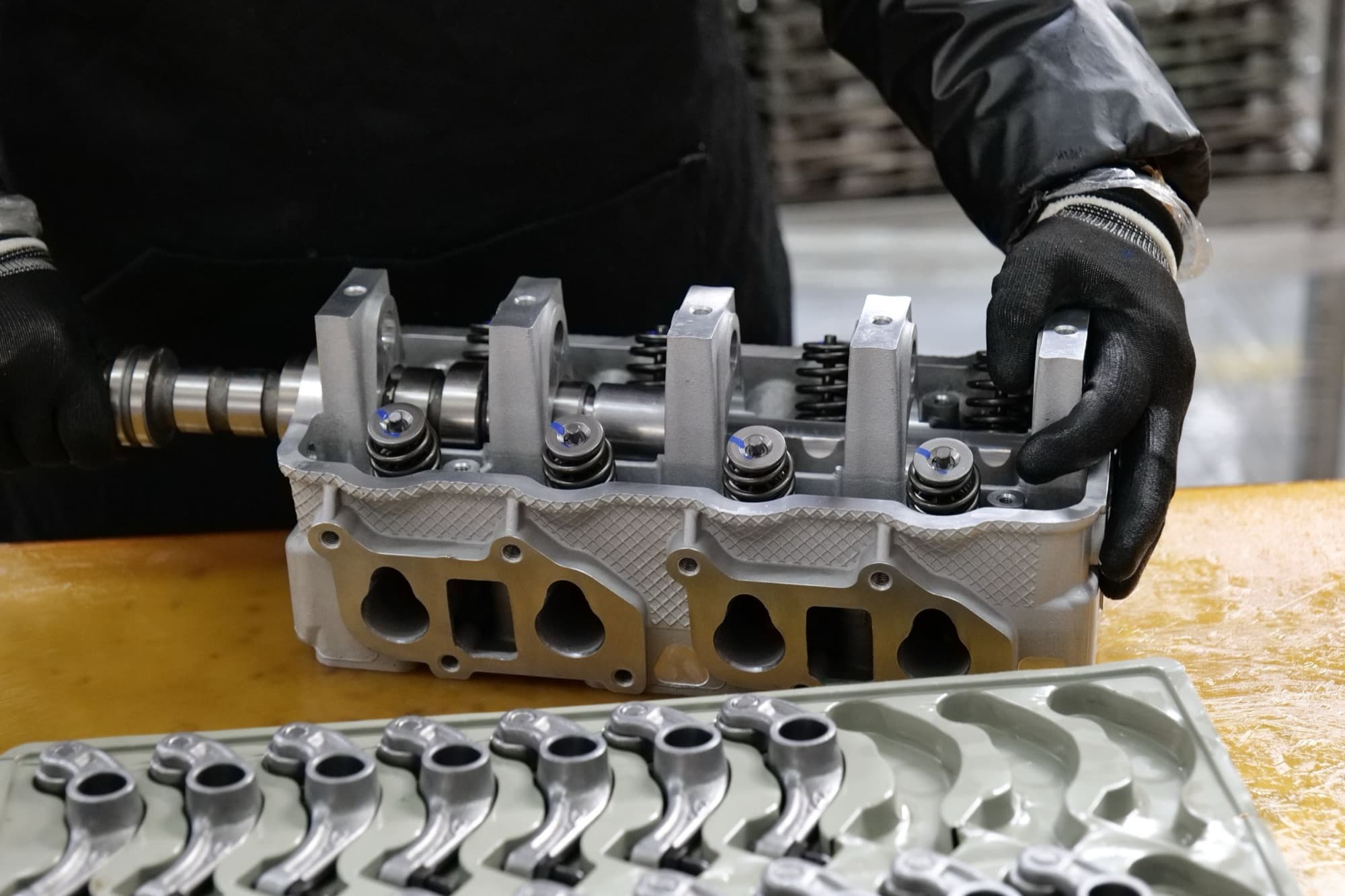
Parts we source for this industry
- 01Powder metal oil pump rotors and VVT sprockets
- 02Die cast aluminum sensor and actuator housings
- 03Deep drawn solenoid cans and sensor cups
- 04Seat recliner and track springs
- 05Brake and fuel line retaining clips
- 06Screw machined fuel and brake fittings
- 07Glass-filled nylon connector housings
- 08EPDM grommets and seals
- 09Stamped brackets and heat shields
- 10Forged steering and suspension components
- 11Molded interior clips and trim fasteners
- 12Machined transmission valve body components
How these parts are made
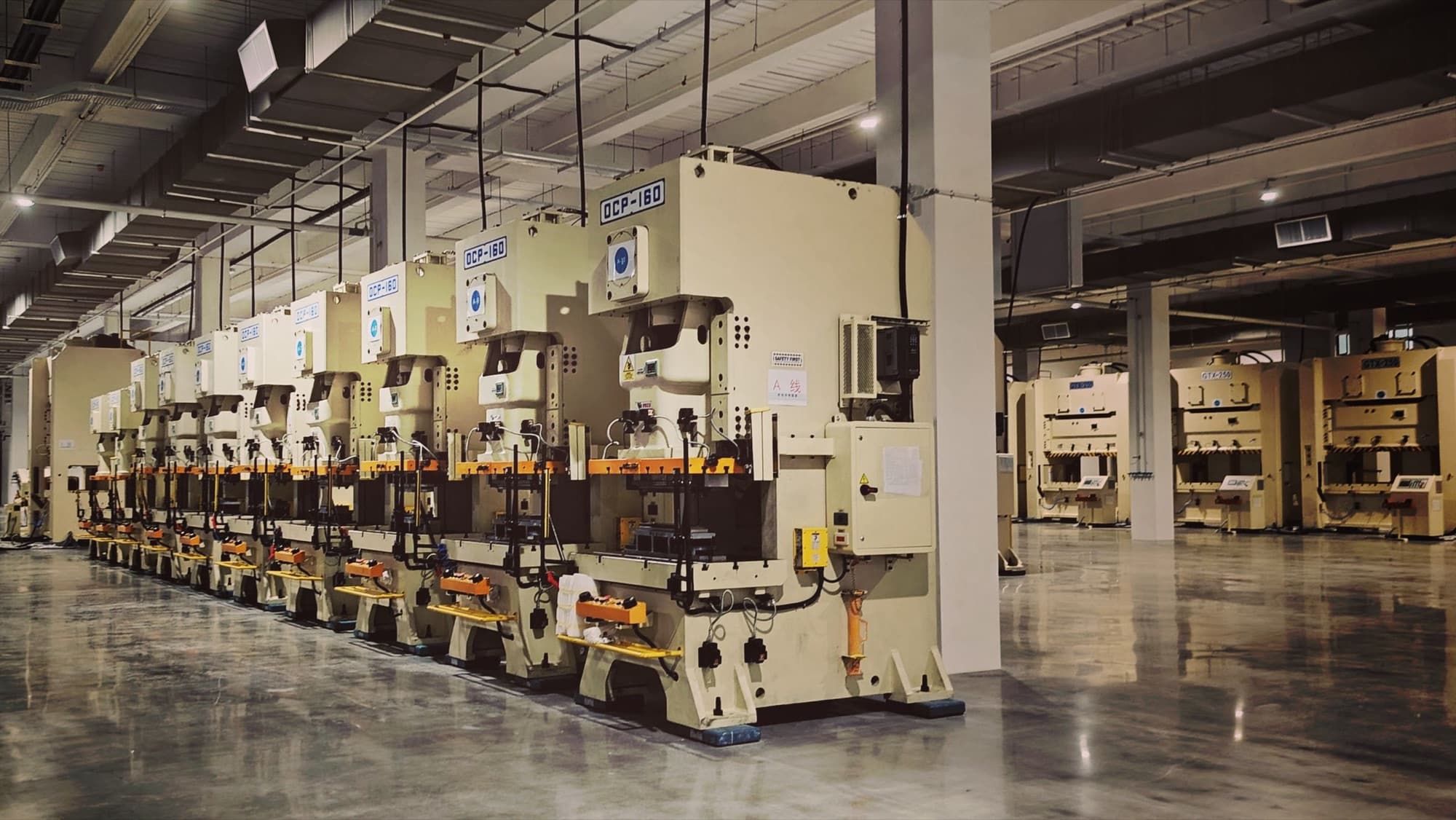 Stamping
Short- to medium-run stampings: brackets, clips, shields, and plates cut and formed from sheet or coil in a press.
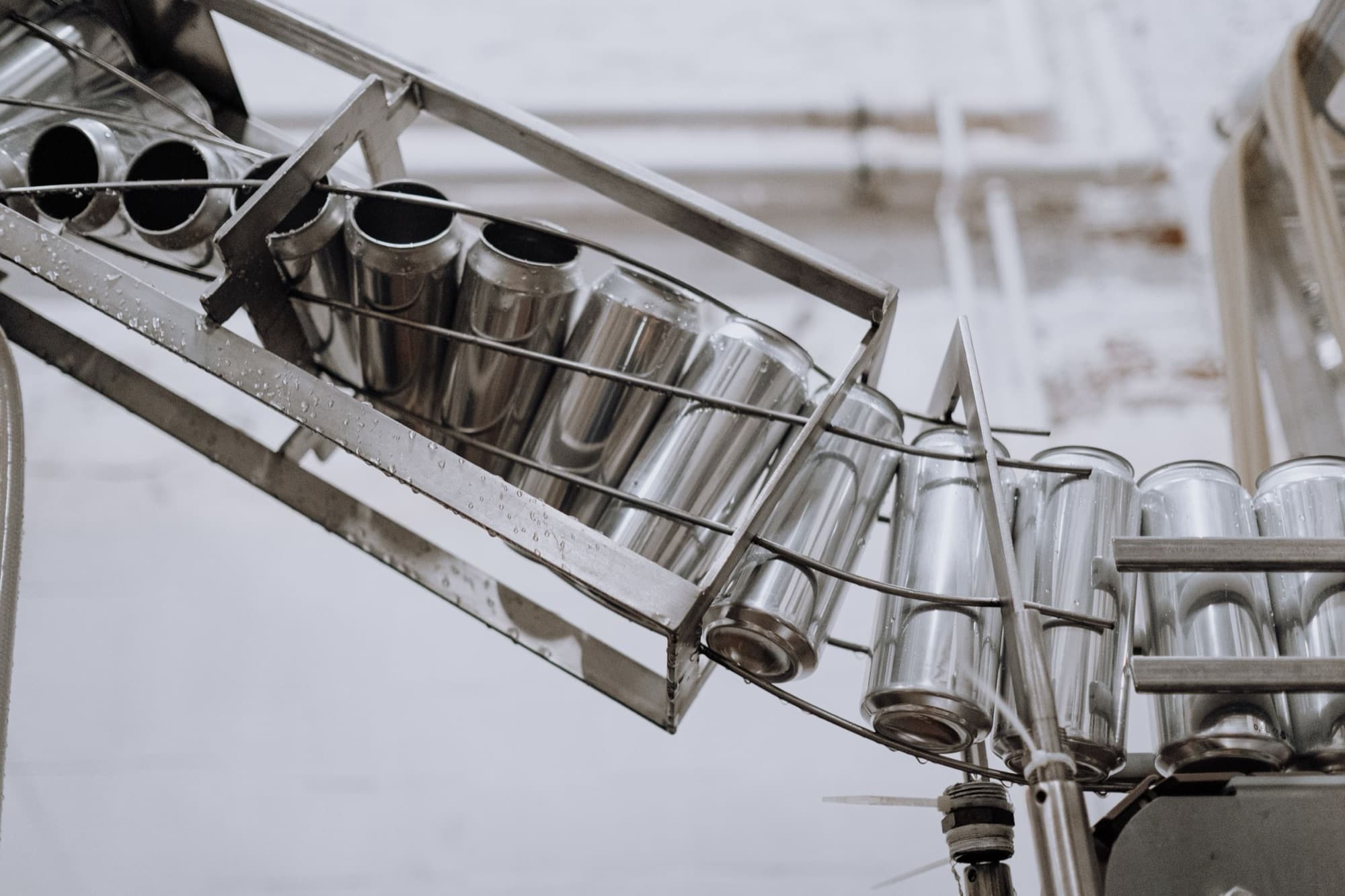 Deep draw
One-piece cups, cans, shells, and housings drawn from flat blanks, with depth that can exceed the diameter.
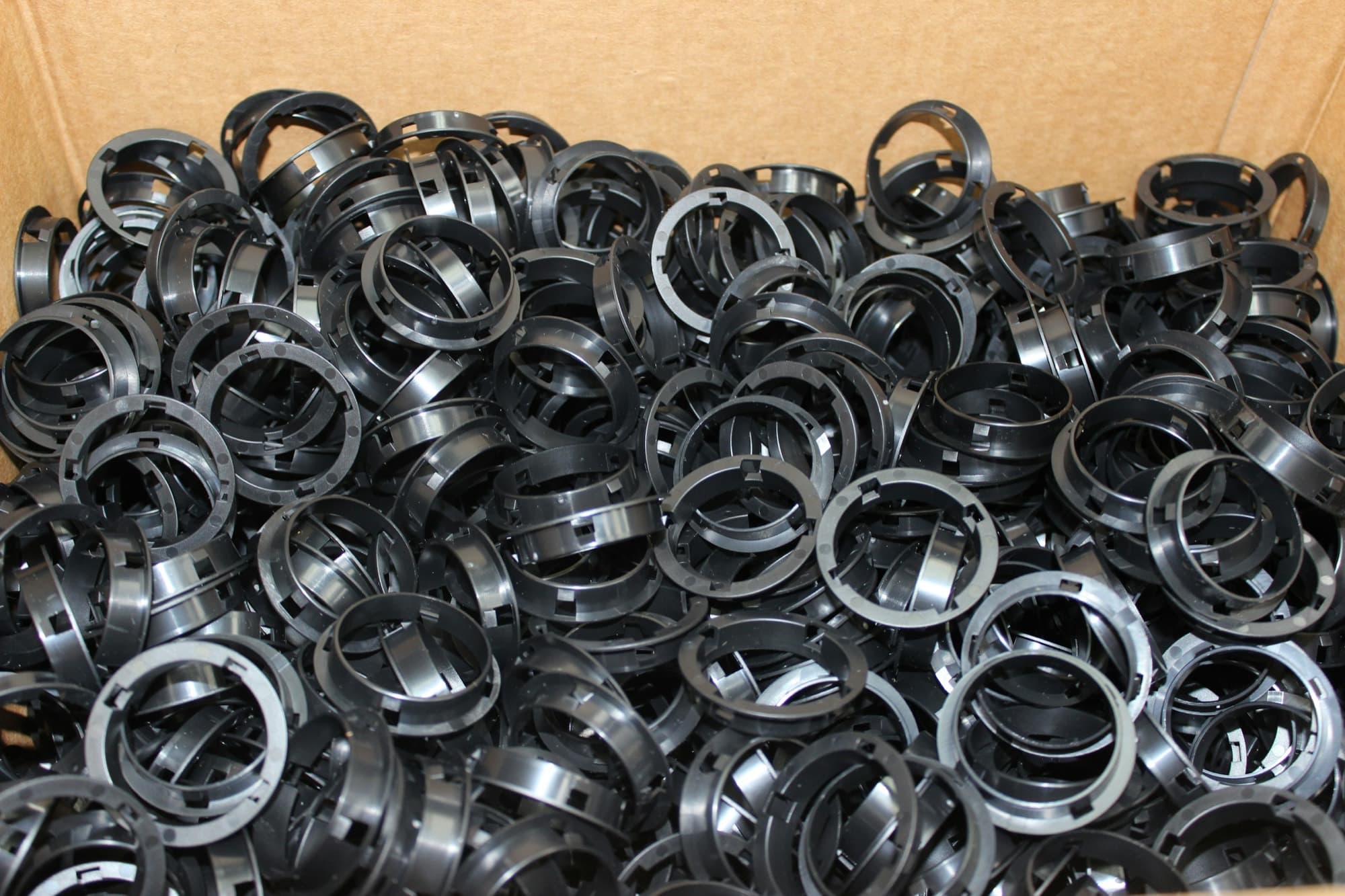 Injection molding
Molten thermoplastic injected into a steel or aluminum mold. Lowest piece price for plastic parts at 5,000+ a year.
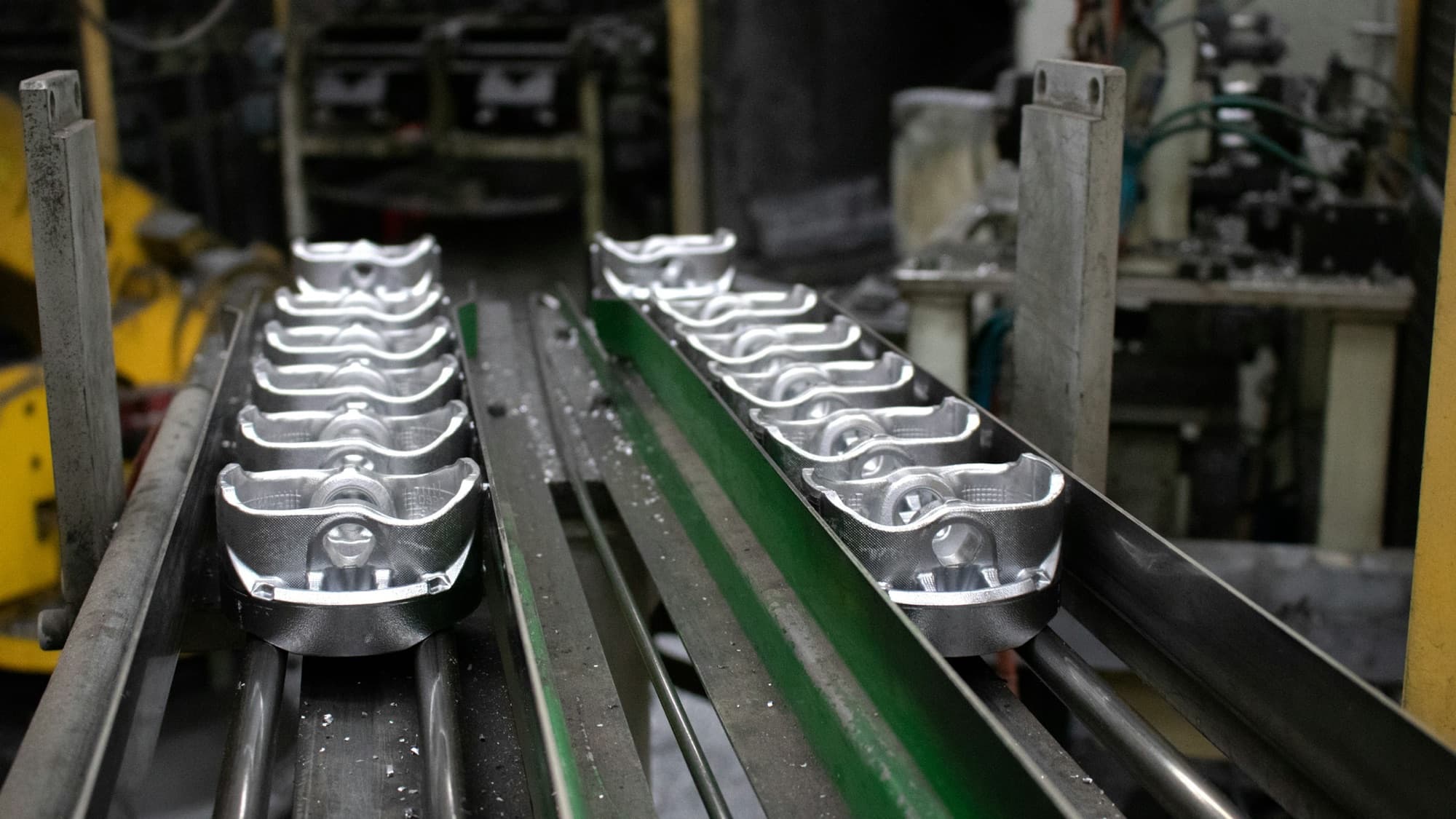 Die casting
Molten zinc or aluminum injected into steel dies at high pressure. Thin walls and net shape at 2,500+ parts a year.
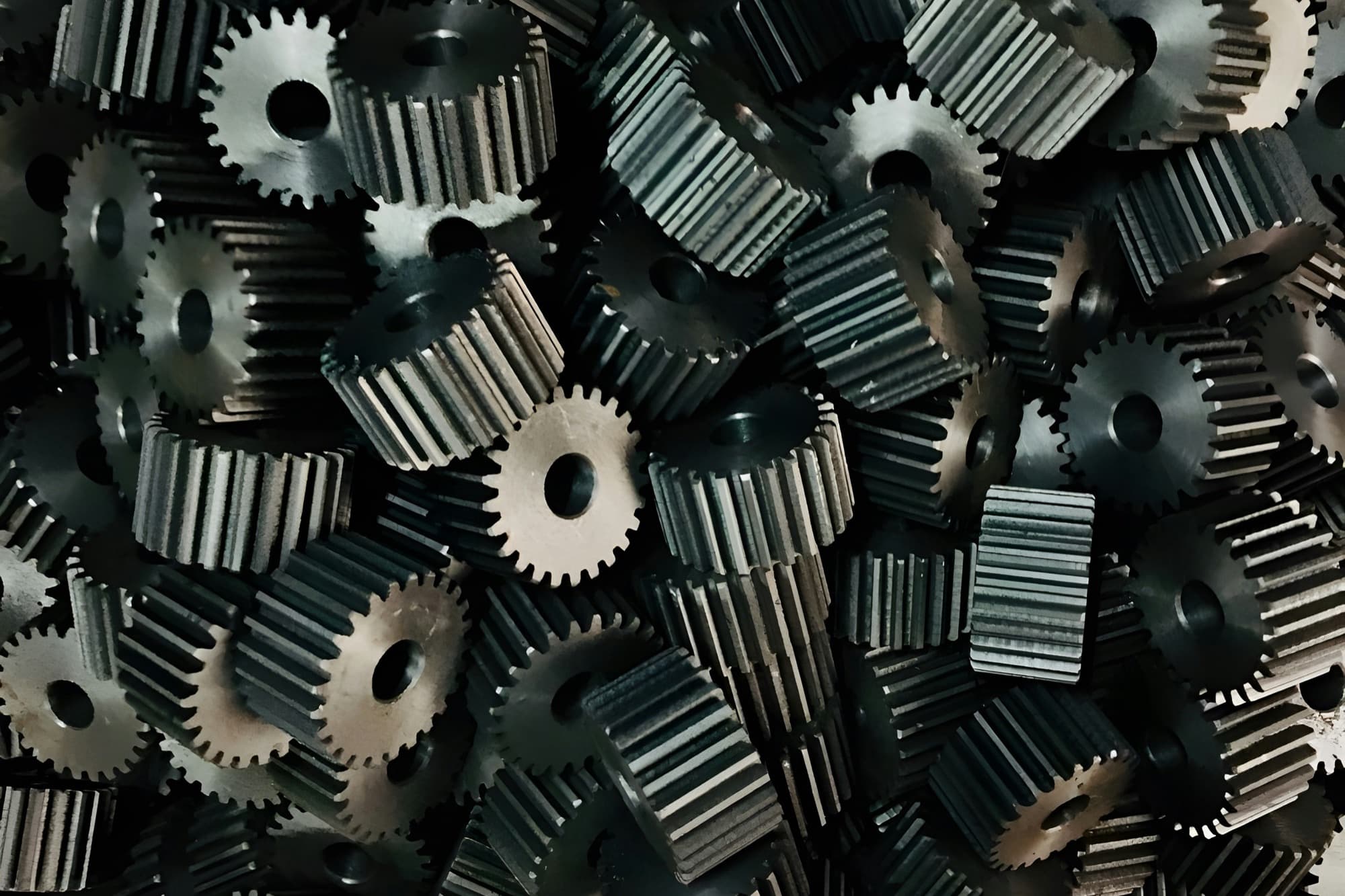 Powdered metal
Net-shape gears, bushings, and structural parts pressed from metal powder and sintered, with little or no machining.
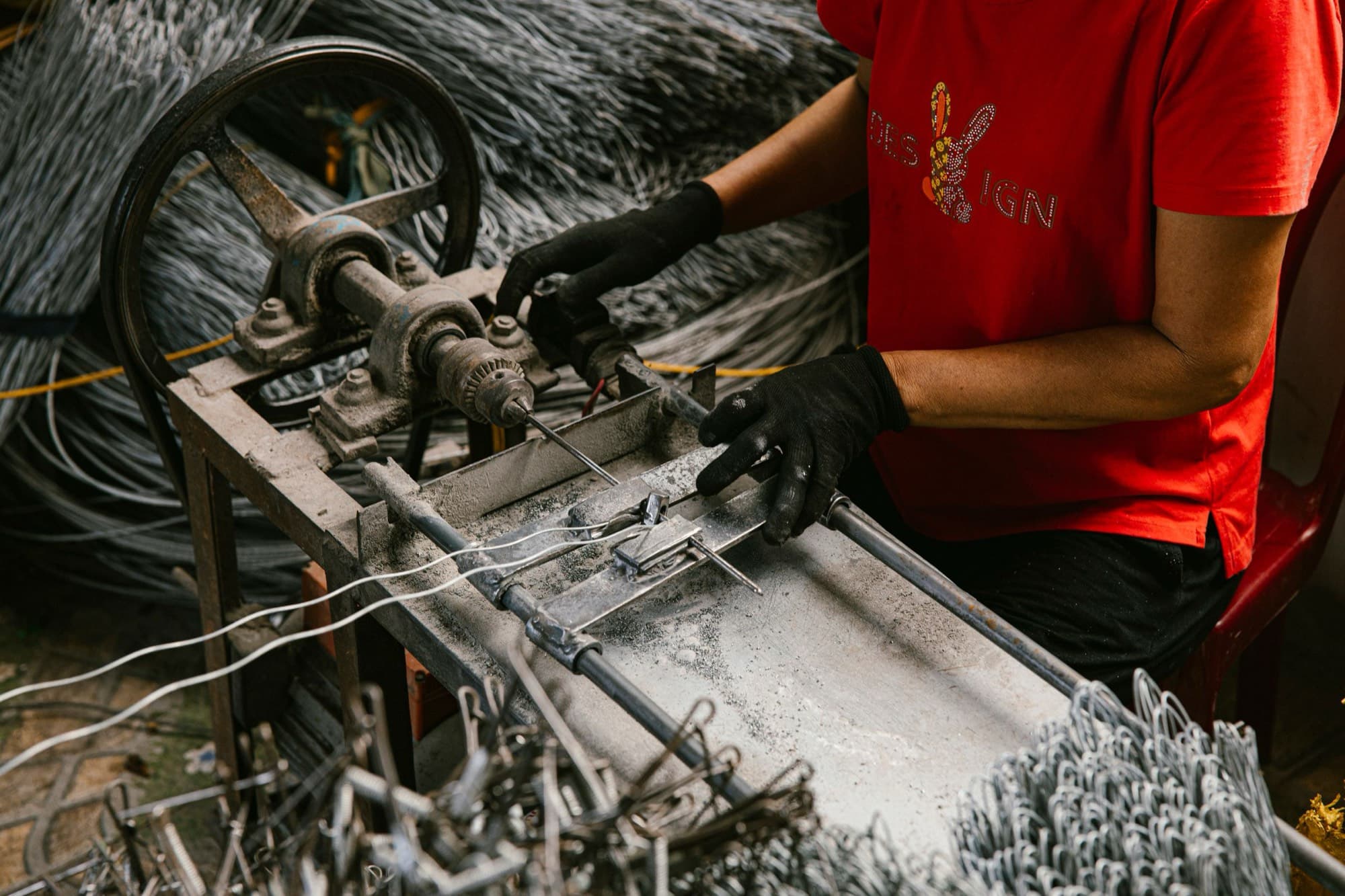 Springs & wire forms
Compression, extension, and torsion springs, wire forms, and fourslide clips made from round wire and flat strip.
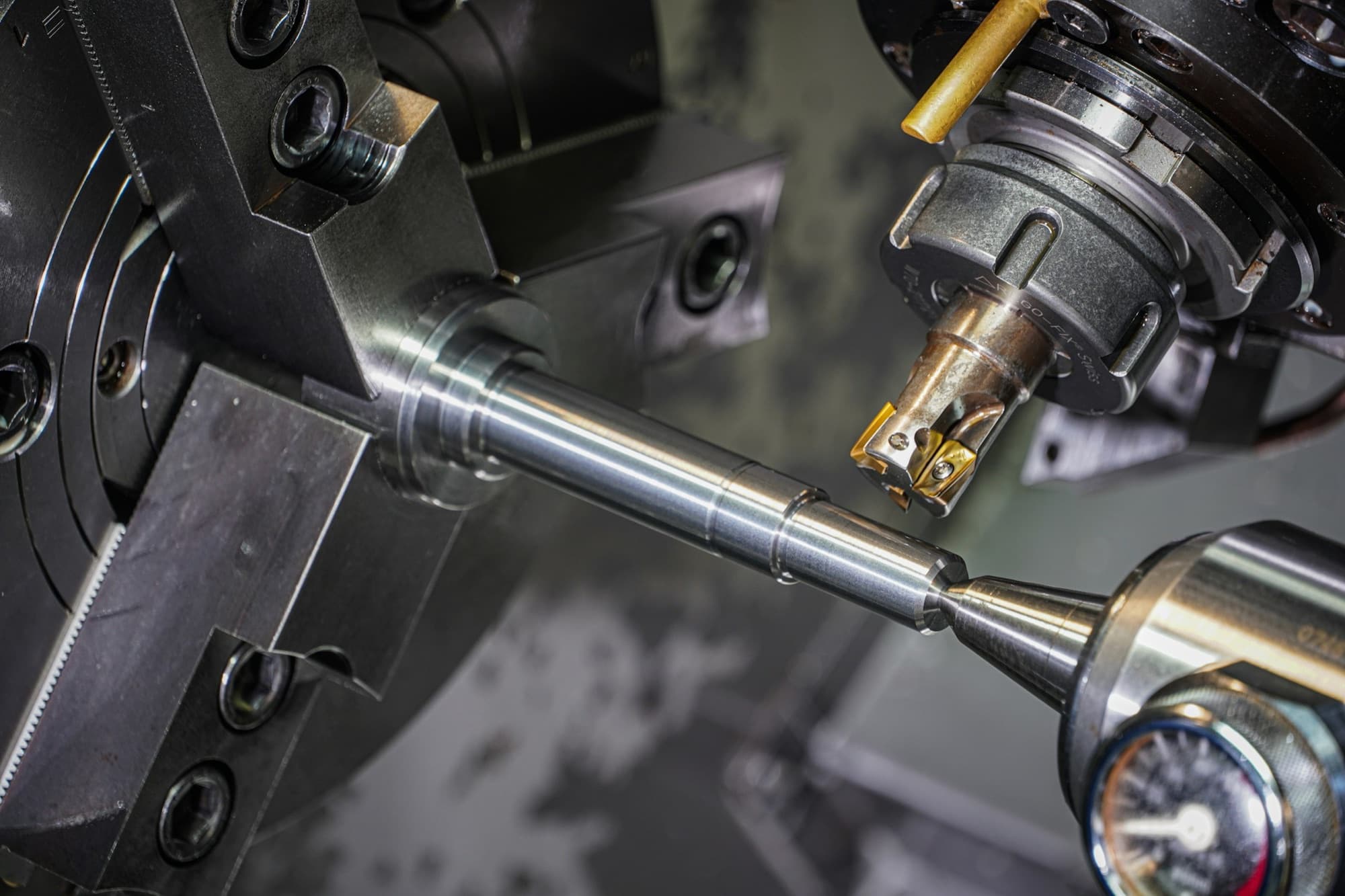 Screw machining
Turned pins, fittings, shafts, and bushings made from bar stock on multi-spindle and Swiss screw machines at volume.
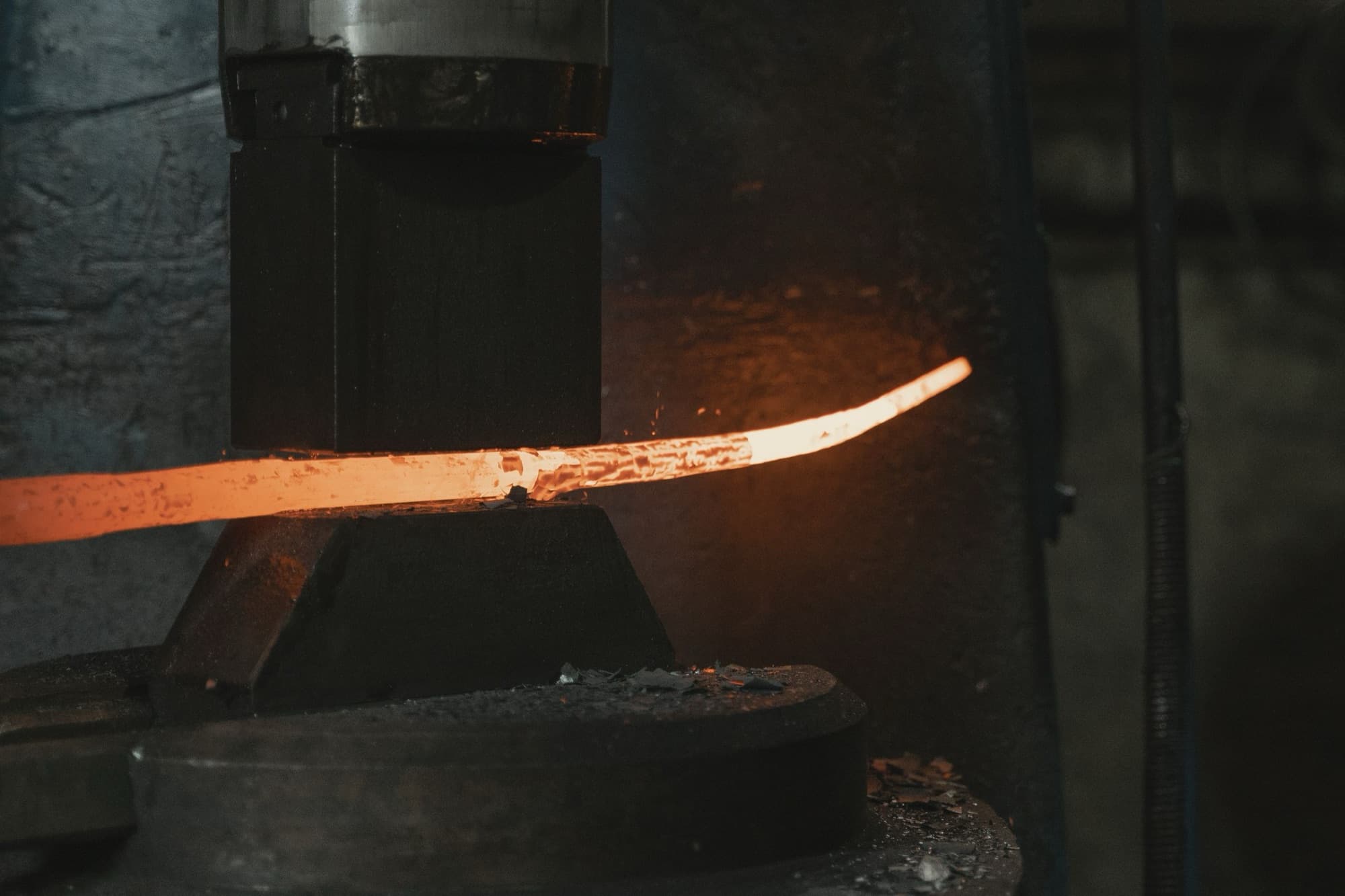 Forging
Closed-die and open-die forgings in carbon, alloy, and stainless steel and aluminum, with grain flow for strength.
Which of these pays off at your quantity?
Parts per order
4 processes are at their best at this quantity, and 4 more can do it.
Drag to your quantity


What suppliers are held to
IATF 16949
Most automakers require IATF 16949 certification of Tier 1 suppliers, and many Tier 1s require it of Tier 2s, with ISO 9001 as the minimum. SSG matches programs to principals that hold IATF 16949 when the customer requires it.
PPAP and APQP
New parts go through APQP and a PPAP submission, Level 3 by default: part submission warrant, samples, dimensional results, material certs, PFMEA, control plan, MSA, and capability studies. Initial Ppk of 1.67 and ongoing Cpk of 1.33 are common targets.
Capacity verification
Customers verify capacity before launch with run-at-rate or capacity studies, running the full process at quoted daily volume. Principals must show capacity for peak volume, not average.
Material data and compliance
Suppliers submit material composition to IMDS, and parts must meet REACH, the EU End-of-Life Vehicles directive, and each customer's restricted substance list.
Traceability and containment
Lot traceability from raw material to shipment is expected. A quality escape triggers containment, 8D problem solving, and possibly controlled shipping at the supplier's cost.
Questions
What PPAP level do automotive customers usually require?
Level 3 is the default: a part submission warrant, product samples, and full supporting data. Some customers ask for Level 4 or 5, and some accept Level 1 for low-risk parts. The purchase order or supplier quality manual sets it.
Does a Tier 2 supplier need IATF 16949?
It depends on the Tier 1. Many require IATF 16949. Others accept ISO 9001 plus the IATF Minimum Automotive Quality Management System Requirements for Sub-Tier Suppliers. Check the Tier 1's supplier manual and customer-specific requirements.
What is IMDS and who submits it?
IMDS is the International Material Data System, the database automakers use to track part materials and restricted substances. Each supplier submits data for its parts, and the Tier 1 rolls sub-tier entries into its own submission to the OEM.
How long does an automotive part take from award to PPAP?
Typically 16–30 weeks: 8–20 weeks for tooling, then tool tryout, capability runs, and PPAP documentation. Complex parts, customer gate reviews, and engineering changes extend that.
Send us the part.
Build it or upload a drawing. A rep routes it to principals already making parts for this industry.