Loading page
Steel 12L14 (leaded free-machining)
12L14 is a resulfurized and leaded low-carbon steel made for high-speed screw machines. Lead, 0.15–0.35%, acts as an internal lubricant, so it machines at about 170% of the 1212 baseline with fine chips and smooth finishes. Typical cold drawn tensile strength is 78 ksi (540 MPa). Use it for high-volume turned parts that see modest loads and no welding.
- UNS
- G12144
- ASTM
- A108 12L14
- EN 10087
- 11SMnPb30 (1.0718)
- JIS
- SUM24L

How does it compare?
Typical room-temperature values for 12L14, against all 48 materials in the library.
- Tensile strength
- 540 MPa78th pct
- Yield strength
- 415 MPa75th pct
- Density
- 7.87 g/cm³79th pct
- Elongation
- 10 %14th pct
- Relative cost
- $$$$$
Bars are relative to the strongest, densest or hottest material in the SSG library. Percentile vs all 48 materials.
- Density
- 7.87 g/cm³ · 0.2843 lb/in³
- Tensile strength
- 540 MPa · 78.3 ksi
- Yield strength
- 415 MPa · 60.2 ksi
- Elongation
- 10%
- Elastic modulus
- 200 GPa · 29.0 Msi
- Hardness
- 163 HB
- Thermal conductivity
- 51.9 W/m·K
- Machinability
- 170% of 1212 steel
When should you use 12L14?
Strengths
- About 170% machinability rating, more than twice 1018
- Short, broken chips suit unattended screw machine and Swiss runs
- Fine surface finish off the tool and long tool life
- Plates and black oxides well
- Carburizes for a wear-resistant case
Watch for
- Not weldable; lead and sulfur cause porosity, cracking and toxic fumes
- Lower fatigue strength and toughness; avoid for highly stressed or impact parts
- Contains lead: check RoHS exemption status and California Prop 65 labeling
- Poor for cold forming such as crimping, flaring or heading
Typical parts
- Fittings, adapters and couplings
- Bushings and spacers
- Hydraulic and pneumatic fittings
- Non-critical inserts and fasteners
- Shafts and pins for appliances and office equipment
- Screw machine hardware
How 12L14 is made into parts
Cost, finishes and design rules for each process in this material.
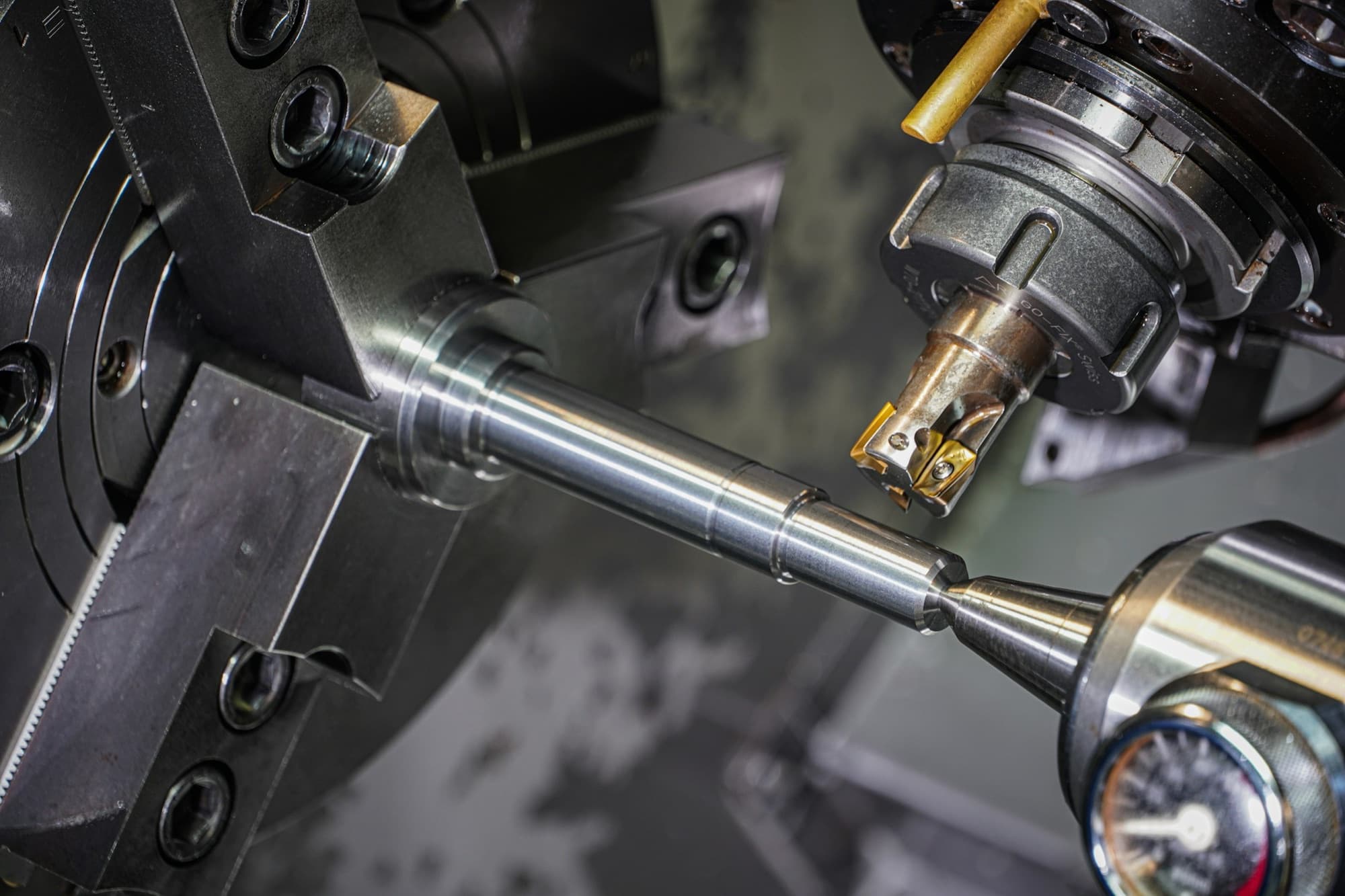 Screw machining in 12L14
Turned pins, fittings, shafts, and bushings made from bar stock on multi-spindle and Swiss screw machines at volume.
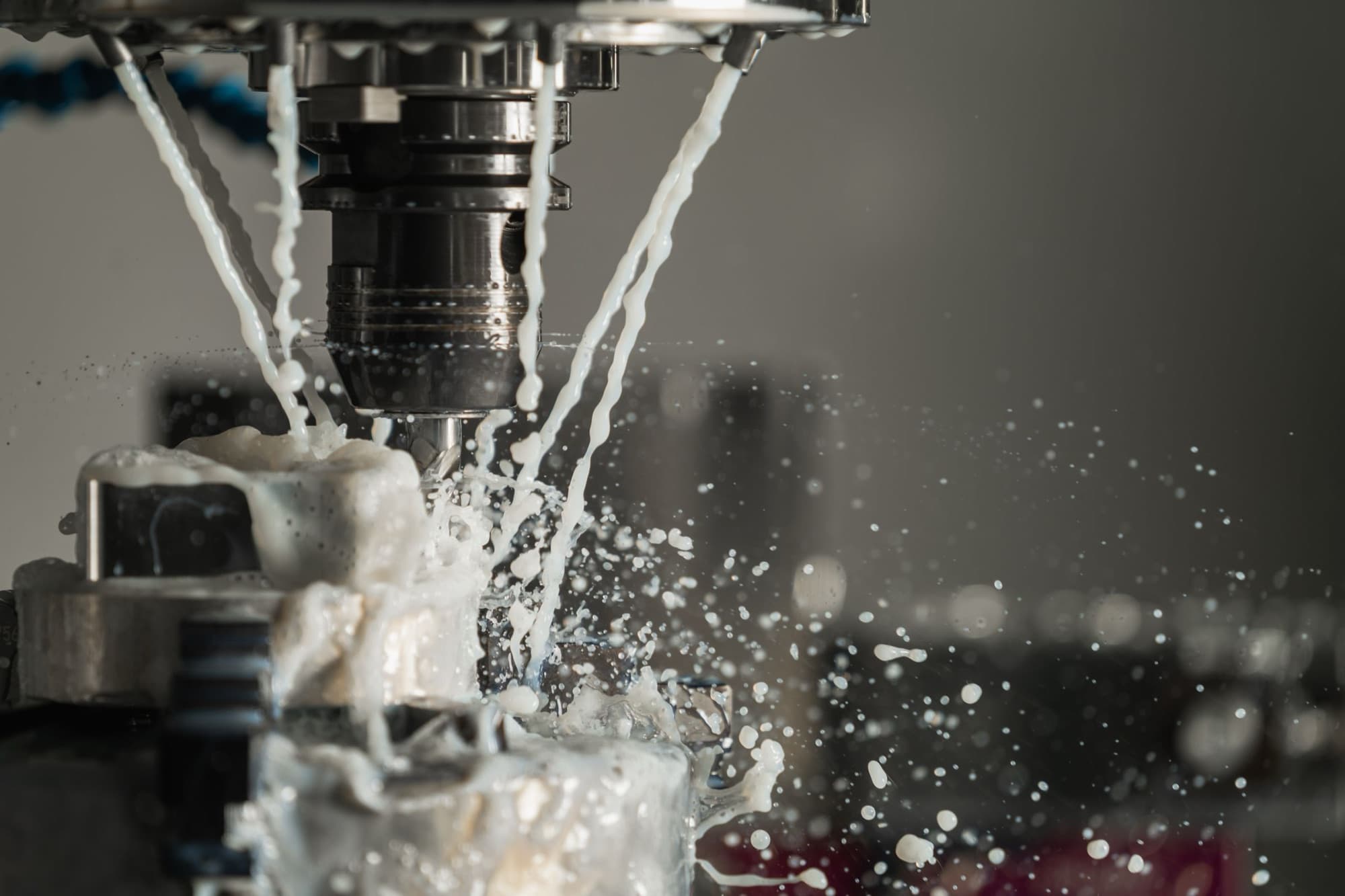 CNC machining in 12L14
CNC milling, turning, and production sawing from bar, plate, castings, and forgings, from prototype to production.
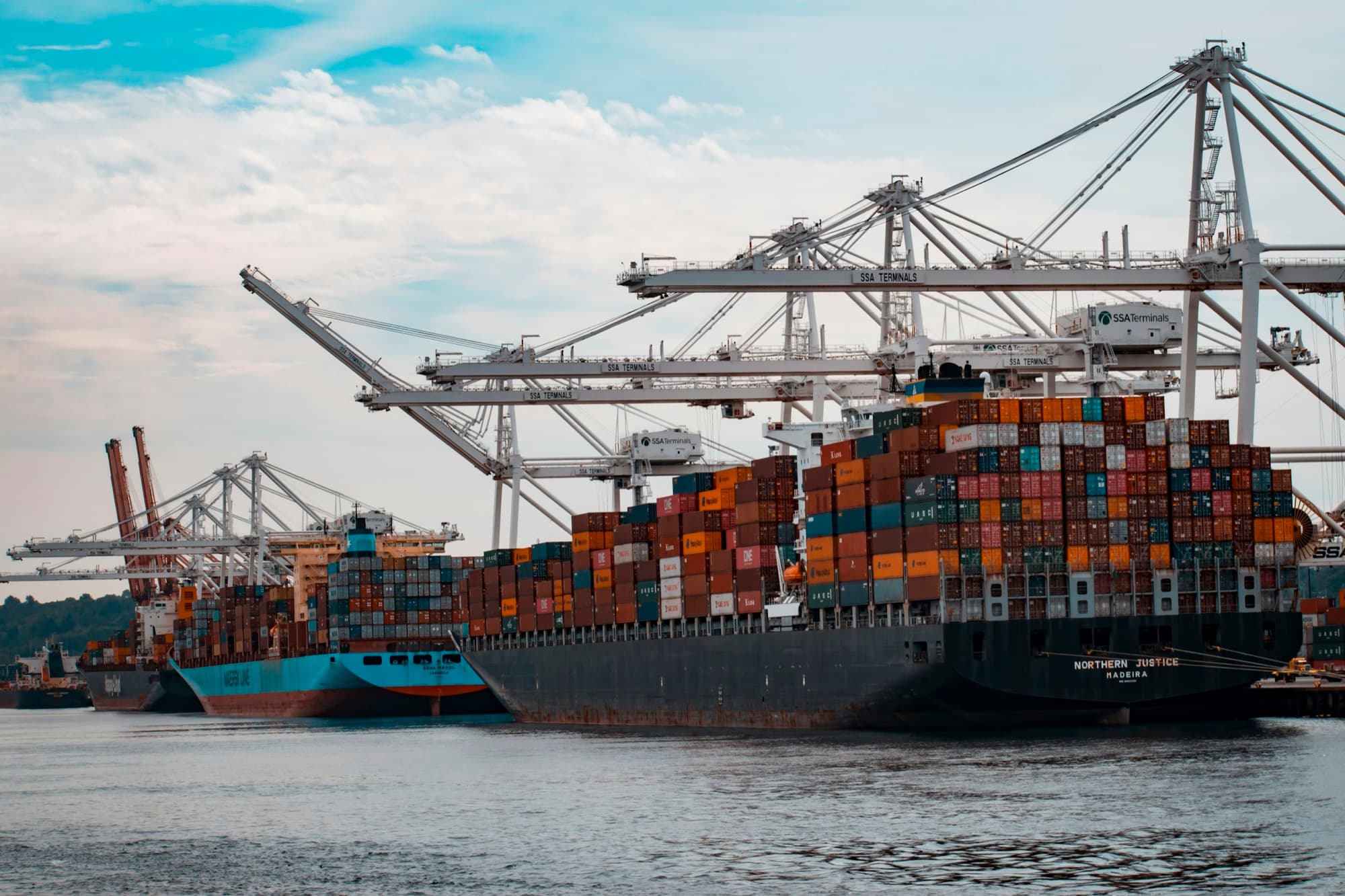 Offshore sourcing in 12L14
Parts made by vetted overseas manufacturers, with landed-cost analysis, quality control, and logistics managed.
What does a part in 12L14 cost?
A representative part, screw machining. Raw material at about $2.60/kg is one line of it; process time and tooling usually matter more.
Turned shaft · Screw machining
Order total $14,757
- Tooling
- $1,800
- one-time, spread over the order
- Piece price
- $1.17
- before setup + tooling
- Lead time
- 4–6 weeks
- to first production
Size
Drag a row to adjust · click to type
Major diameter16.016.0 mm
Overall length60.060.0 mm
Step diameter10.010.0 mm
Quantity
Price per part falls as volume rises
Exact quantity1000010000 pcs
Material
Steel 12L14 (leaded free-machining)
Design checks pass
Open in builderBudgetary estimate for a representative part. Firm quotes come from principals after drawing review.


Compared head to head
12L14 questions
Can you weld 12L14 steel?
Not reliably. The lead and sulfur cause porosity, hot cracking and toxic fumes. If a machined part must be welded, use 1018 or 1117 instead.
Is 12L14 RoHS compliant?
RoHS limits lead to 0.1% in homogeneous materials, and 12L14 carries 0.15–0.35%. It has relied on the RoHS Annex III exemption 6(a) for machining steel with up to 0.35% lead. Exemptions are reviewed periodically, so confirm current status for your product category. 1215 is the unleaded alternative.
12L14 vs 1215 steel?
1215 is resulfurized without lead. It machines somewhat slower, about 136% versus 170%, but avoids lead restrictions. Choose 1215 when RoHS, Prop 65 or a customer ban on lead applies.
Can 12L14 be heat treated?
It can be carburized or carbonitrided for a hard case, commonly 0.005–0.020 in (0.13–0.5 mm) deep. It does not through-harden. Specify case depth and surface hardness on the drawing.
Similar materials


Quote it in 12L14.
Upload CAD or start from a template. The builder prices it in this material and the alternatives.