Loading page
Core line, represented 25+ years
Offshore sourcing
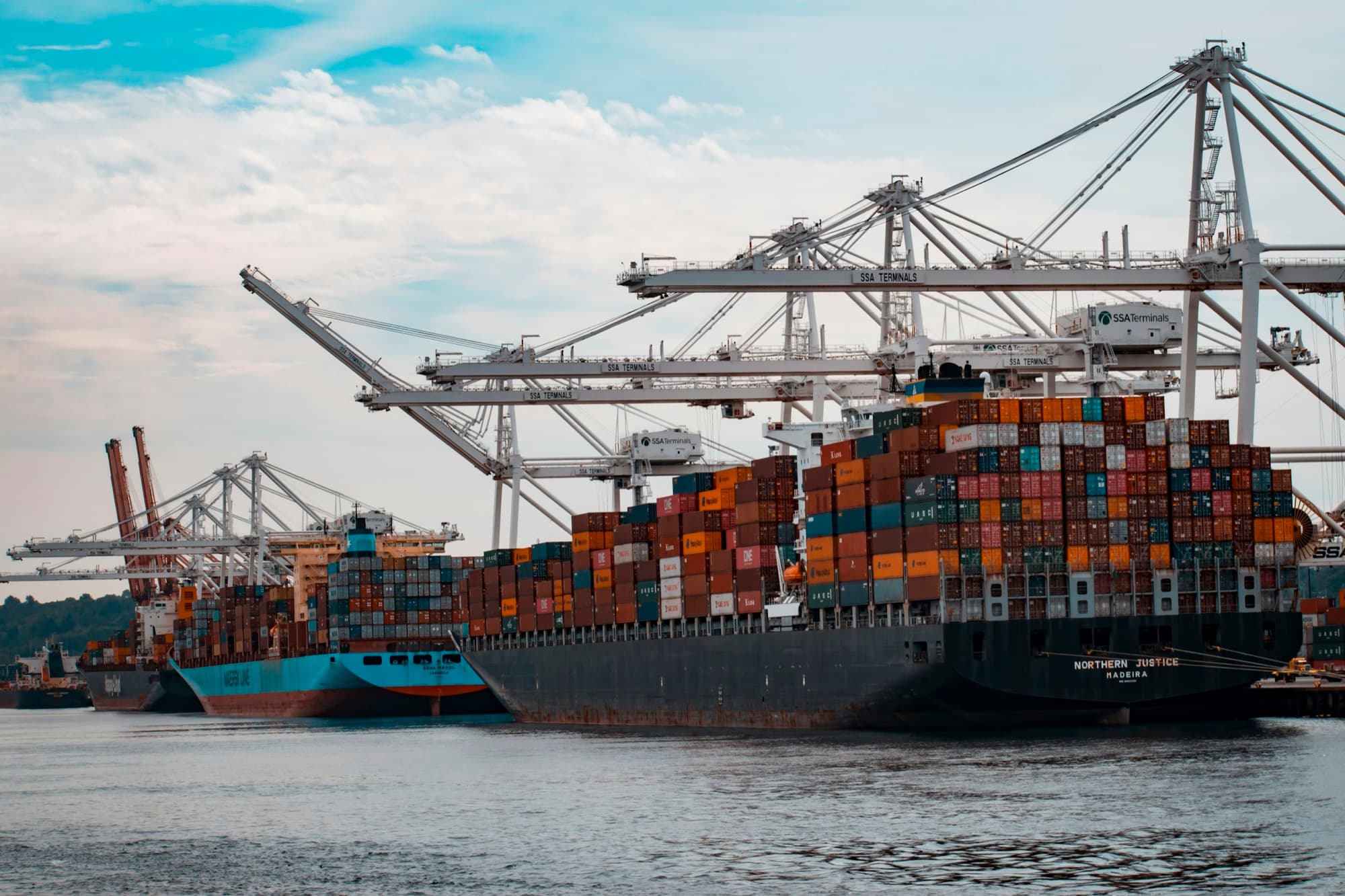
Offshore sourcing is buying manufactured parts from overseas suppliers, most often in China, Taiwan, India, and Southeast Asia, to lower piece price or tooling cost. It works best for stable designs at steady volume, because ocean freight adds 4–8 weeks door to door and landed cost includes duties, tariffs, freight, and inventory. Domestic supply often wins on small or changing orders.
Where it pays off
1101001k10k100k1M+
At a glance
Offshore pays off on steady, repeat demand. Below a few thousand parts, freight, inspection, and management overhead usually erase the piece-price gap.
- Landed-cost components
- Piece price, amortized tooling, freight, insurance, duties and tariffs, customs brokerage, inspection, and inventory carrying cost
- Ocean transit (Asia to US)
- About 2–3 weeks port to port to the West Coast; 4–6 weeks to the East Coast
- Door-to-door ocean
- About 4–8 weeks including customs and inland delivery
- Air freight
- About 3–7 days door to door; usually reserved for samples and urgent lots
- Typical MOQs
- Molded, cast, and stamped parts 1,000–5,000 per order; soft goods 500–1,000 per style
- Inventory carrying cost
- Commonly estimated at 20–30% of inventory value per year
- Quality approach
- Supplier audit, first article or PPAP (AIAG), and third-party pre-shipment inspection to ANSI/ASQ Z1.4
- Tariffs
- Set by HTS code and country of origin; rates change often and must be verified at order time
- First delivery with new tooling
- About 12–20 weeks from PO
Lead time
- Tooling
- 4–8 weeks offshore
- First article
- 1–2 weeks after tooling, shipped by air
- Production
- 8–12 weeks per release including ocean freight
What would it cost?
The builder's estimator on a representative housing. Change a size, the quantity or the material and the price updates.
Housing · Offshore sourcing
Order total $42,018
- Tooling
- $15,428
- one-time, spread over the order
- Piece price
- $1.28
- before setup + tooling
- Lead time
- 11–16 weeks
- to first production
Size
Drag a row to adjust · click to type
Length140140 mm
Width90.090.0 mm
Wall2.202.20 mm
Quantity
Price per part falls as volume rises
Exact quantity2000020000 pcs
Duty + tariff25.025.0 %
Material
Design checks pass
Open in builderBudgetary estimate for a representative part. Firm quotes come from principals after drawing review.
How does it work?
6 steps from drawing to production parts.
- 1
Landed-cost analysis
Piece price, tooling, freight, duties, tariffs, brokerage, inspection, and inventory carrying cost are compared against a domestic quote.
- 2
Supplier selection and audit
Candidate suppliers are vetted for capability, certifications, and capacity, often with an on-site or third-party audit.
- 3
Tooling and first article
Tools are built offshore, and first article samples are air-shipped for measurement and approval, with PPAP documents where required.
- 4
Pre-shipment inspection
Each production lot is inspected at the factory to an AQL sampling plan before it ships.
- 5
Freight and customs
Goods move by ocean or air, clear US customs through a licensed broker, and deliver to the warehouse or line.
- 6
Ongoing quality and cost review
Corrective actions, periodic re-audits, and tariff and freight changes are tracked so the offshore decision stays current.
When is offshore sourcing the right call?
Best for
- Stable, released designs with steady annual demand
- Labor-heavy parts such as soft goods, assemblies, and castings
- Tooling-heavy programs, since offshore molds and dies often cost less
- High-volume parts where piece price dominates total cost
- Dual sourcing alongside a domestic supplier
Pick something else when
- Designs still changing: every revision costs weeks in transit, so stay with a domestic principal
- Low volumes or urgent needs: domestic production usually wins on landed cost and lead time
- ITAR, defense, or sensitive-IP programs: keep production domestic
- Heavy, low-value parts or parts with high tariff exposure: freight and duty erase the savings
Materials
34 materials principals run in offshore sourcing. Pick one for design rules, finishes and an estimate in that material.
 Structural aluminum6061-T6310 MPa
 Extrusion aluminum6063-T5186 MPa
 Marine aluminum5052-H32228 MPa
 Die-cast aluminumA380324 MPa
 Die-cast zincZamak 3283 MPa
 High-strength zincZamak 5331 MPa
 Cold-rolled steel1008 CRS330 MPa
 Mild steel1018440 MPa
 Carbon steel1045625 MPa
 Machining steel12L14540 MPa
 Alloy steel4140655 MPa
 Structural steelA36450 MPa
 Machining stainless303 SS620 MPa
 Everyday stainless304 SS505 MPa
 Marine stainless316 SS580 MPa
 Magnetic stainless430 SS483 MPa
 Machining brassC360 brass400 MPa
 ABS43 MPa
 PolycarbonatePC65 MPa
 PC/ABS55 MPa
 NylonPA6683 MPa
 Glass-filled nylonPA66-GF30190 MPa
 PolypropylenePP33 MPa
 PolyethyleneHDPE26 MPa
 AcetalPOM62 MPa
 Polyester (PBT)PBT55 MPa
 AcrylicPMMA70 MPa
 Soft-touch rubberTPE7 MPa
 Weatherproof rubberEPDM12 MPa
 Silicone8 MPa
 Oil-resistant rubberNBR14 MPa
 Neoprene14 MPa
 Cordura nylon1000D Cordura1.14 g/cm³
 Polyester fabric600D polyester1.38 g/cm³
Design rules that keep the price down
Move offshore only after first article approval of a stable revision
Freeze the design first
Each change costs tooling rework plus a 4–8 week freight cycle.
Include freight, duty, tariffs, brokerage, inspection, and 20–30% annual carrying cost
Compare total landed cost, not piece price
Piece price alone overstates offshore savings.
Plan about 4–8 weeks of safety stock beyond transit time
Hold safety stock
Port delays, holidays, and quality holds can interrupt supply.
Expect 2–4 weeks of reduced output in late January to February
Plan around Lunar New Year
Many Chinese factories slow or close, and late orders miss the window.
ANSI/ASQ Z1.4 with AQL 0 critical, 2.5 major, and 4.0 minor is common
Write inspection criteria down
A written sampling plan makes pass or fail objective before goods leave the factory.
Full GD&T, material spec (ASTM or UNS), finish spec, and packaging requirements
Put everything on the drawing
Anything left unstated will be interpreted locally.
Write ownership, tool markings, and removal rights into the contract; pay tooling in milestones
Protect tooling ownership
Tools held offshore are hard to recover without written terms.
Keep a qualified domestic or second offshore source for A-items
Dual source critical parts
One disrupted supplier should not stop the line.
What drives the cost?
In order of impact.
- 1
Piece price and tooling
Offshore piece prices and tooling are often lower because of labor and overhead rates. This is the only reason to go offshore, so it must survive the rest of the math.
- 2
Duties and tariffs
Duty depends on HTS classification and country of origin. Added tariffs on many Chinese-origin goods have ranged from 7.5% to well over 25% in recent years and change often.
- 3
Freight
Ocean container rates swing widely with demand, and air freight costs many times more. Heavy, low-value parts are hit hardest.
- 4
Inventory carrying cost
Long lead times mean larger lots and more safety stock, commonly costed at 20–30% of inventory value per year.
- 5
Quality and management overhead
Audits, pre-shipment inspection, travel, communication, and the cost of a bad lot discovered weeks after it ships all belong in the comparison.
Variants
- Landed-cost analysis
- A side-by-side comparison of domestic and offshore total cost for a part or part family, including tariffs, freight, and carrying cost, before anything moves.
- Full offshore production
- Tooling and production move to a vetted overseas supplier, with inspection and logistics managed through delivery.
- Dual sourcing
- Volume is split between a domestic and an offshore source to balance cost against supply risk.
- Offshore tooling, domestic production
- Molds or dies are built offshore at lower cost, then shipped to a domestic supplier for production.
- Bridge to domestic
- Parts move from offshore back to a domestic principal when tariffs, lead time, or quality tip total cost, with overlap stock to avoid a gap.




Go deeper
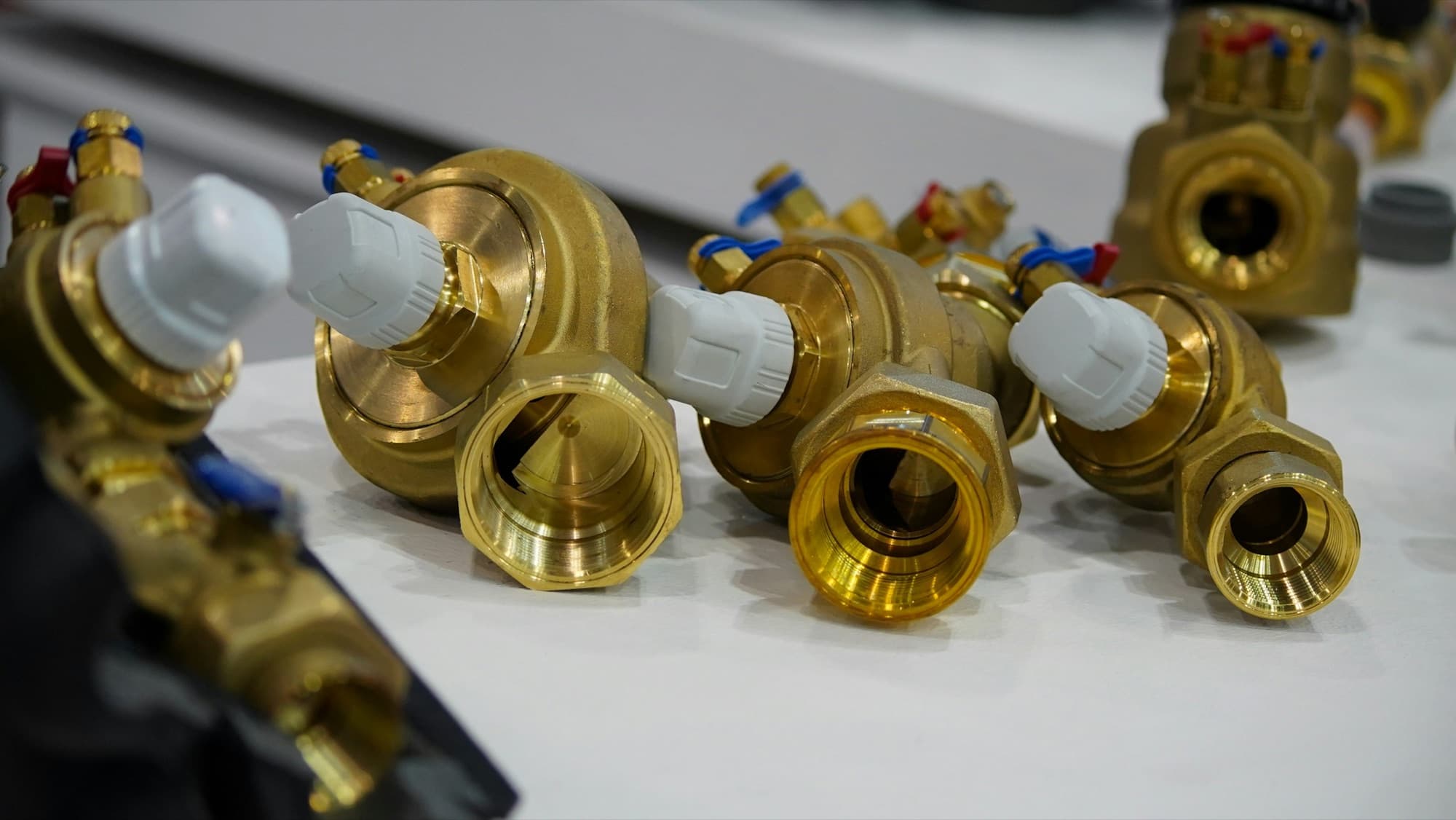
- Offshore sourcing strategy: total landed cost6 min
Total landed cost framework for offshore sourcing: unit price, tooling, freight, duty and Section 301 risk, inventory, quality escapes, and when domestic wins.
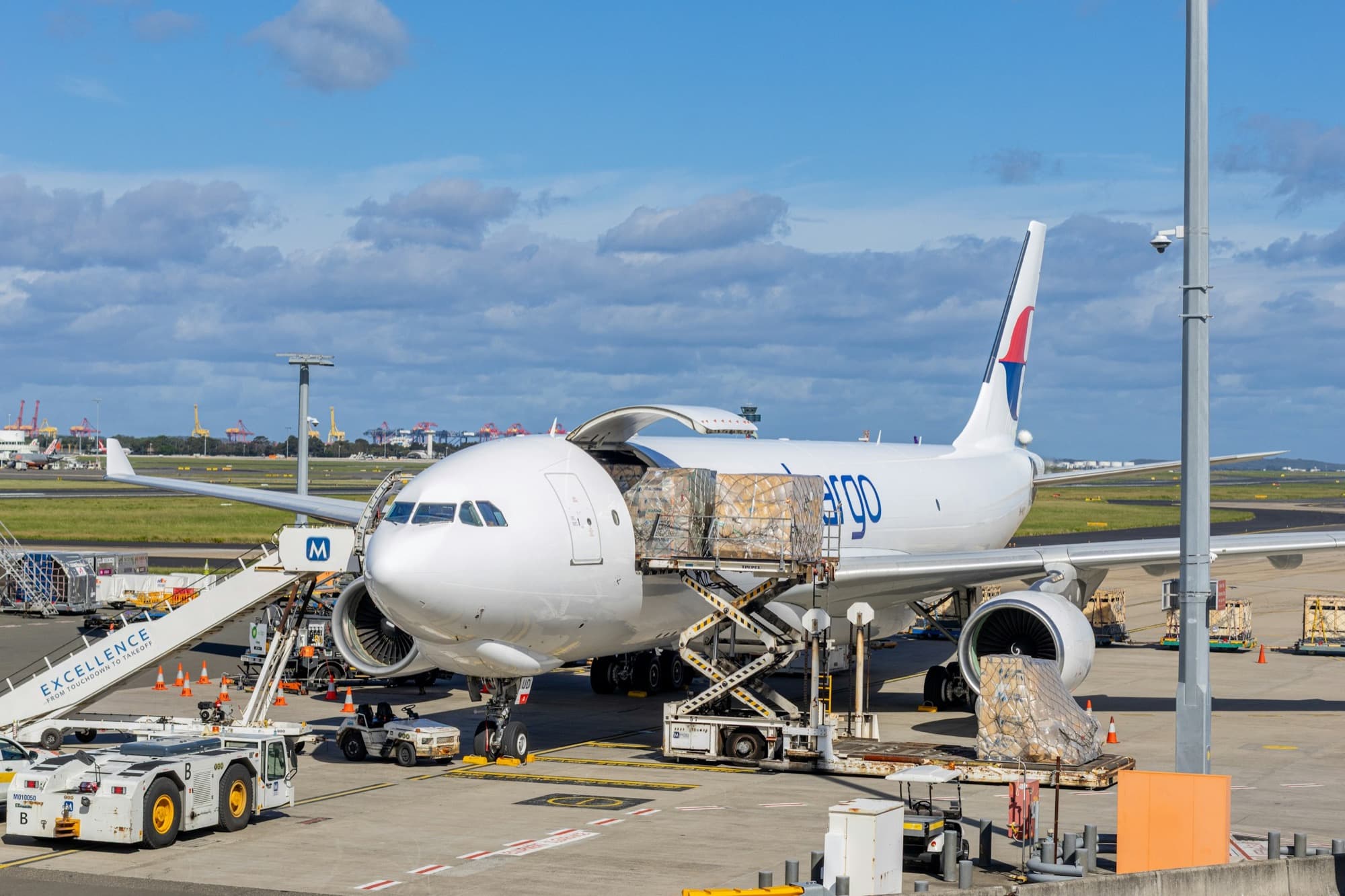 Domestic vs offshore landed cost: a worked example5 min
Illustrative landed cost comparison for an aluminum die-cast part at 10,000 EAU: unit price, tooling, freight, duty, inventory, risk, and duty sensitivity.
Offshore sourcing questions
Is offshore sourcing still cheaper than domestic manufacturing?
Often for labor-heavy parts at steady volume, but not always. Once tariffs, freight, inspection, and 20–30% annual inventory carrying cost are counted, domestic suppliers frequently win on small, heavy, or changing parts. A landed-cost comparison answers it part by part.
What is landed cost?
Landed cost is the total cost of a part delivered to your dock. It includes piece price, amortized tooling, freight, insurance, duties, tariffs, customs brokerage, inspection, and the cost of carrying inventory in transit and in stock.
How long does it take to ship parts from Asia?
Ocean freight to the US West Coast takes about 2–3 weeks port to port, and about 4–6 weeks to the East Coast. With customs and inland delivery, plan 4–8 weeks door to door. Air freight takes about 3–7 days at much higher cost.
How do you control quality with an overseas supplier?
Start with a supplier audit and first article or PPAP approval before production. Then inspect every lot before it ships, using a third-party inspector and an AQL sampling plan per ANSI/ASQ Z1.4. Corrective actions follow the same process as with a domestic supplier.
What are typical minimum order quantities offshore?
Molded, cast, and stamped parts commonly start at 1,000–5,000 pieces per order, and soft goods at 500–1,000 per style. MOQs are negotiable, but smaller orders raise the piece price.
Who owns tooling built offshore?
The buyer does, if the purchase agreement says so. Put ownership, tool markings, maintenance, and the right to remove tools in writing, and pay for tooling in milestones tied to sample approval.
When should I bring production back to the US?
Consider reshoring when tariffs, freight, quality escapes, or lead time push total landed cost above a domestic quote, or when designs change often. Moving with overlap stock avoids a supply gap during the transition.
Related processes
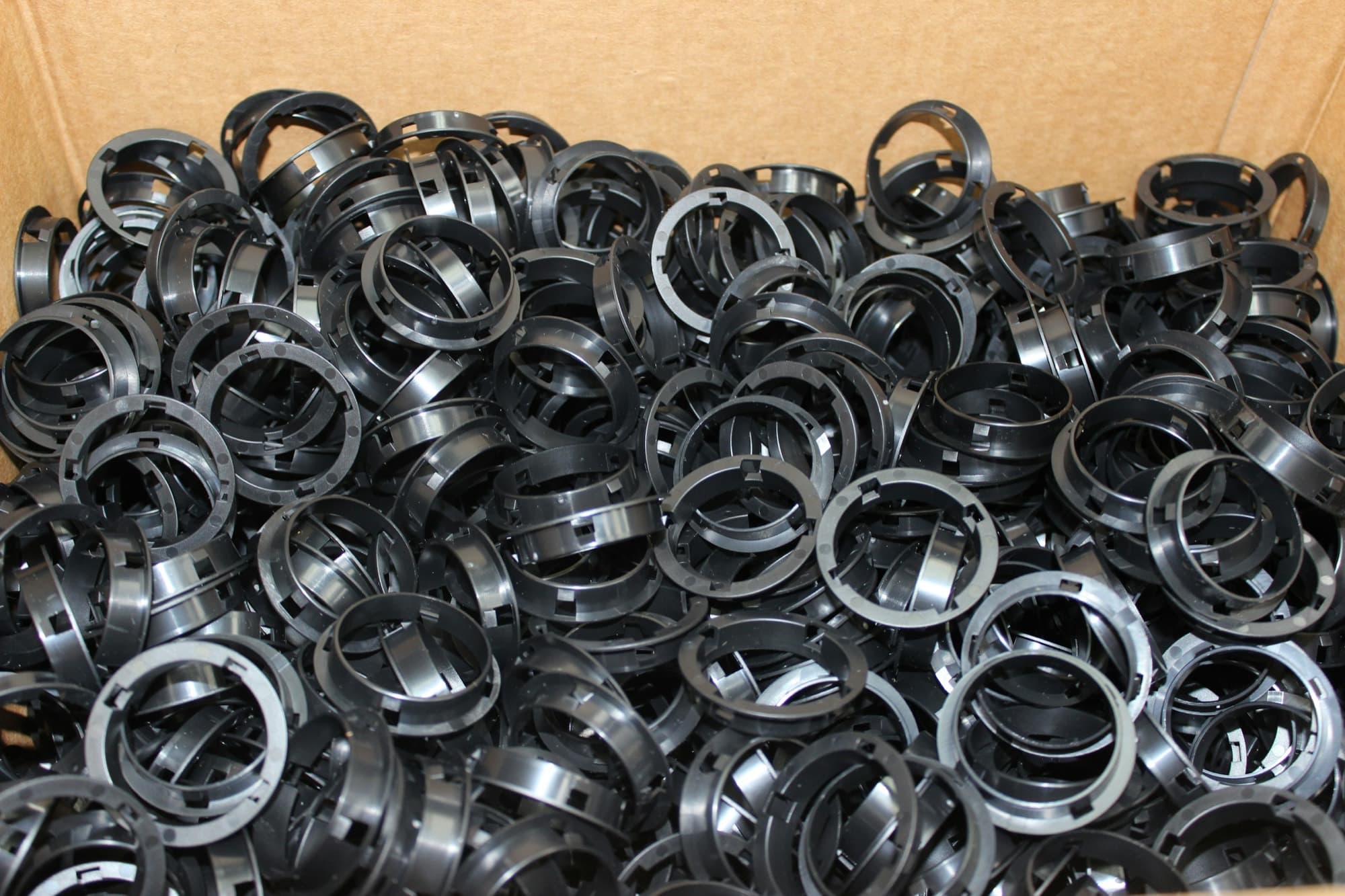 Injection molding
Molten thermoplastic injected into a steel or aluminum mold. Lowest piece price for plastic parts at 5,000+ a year.
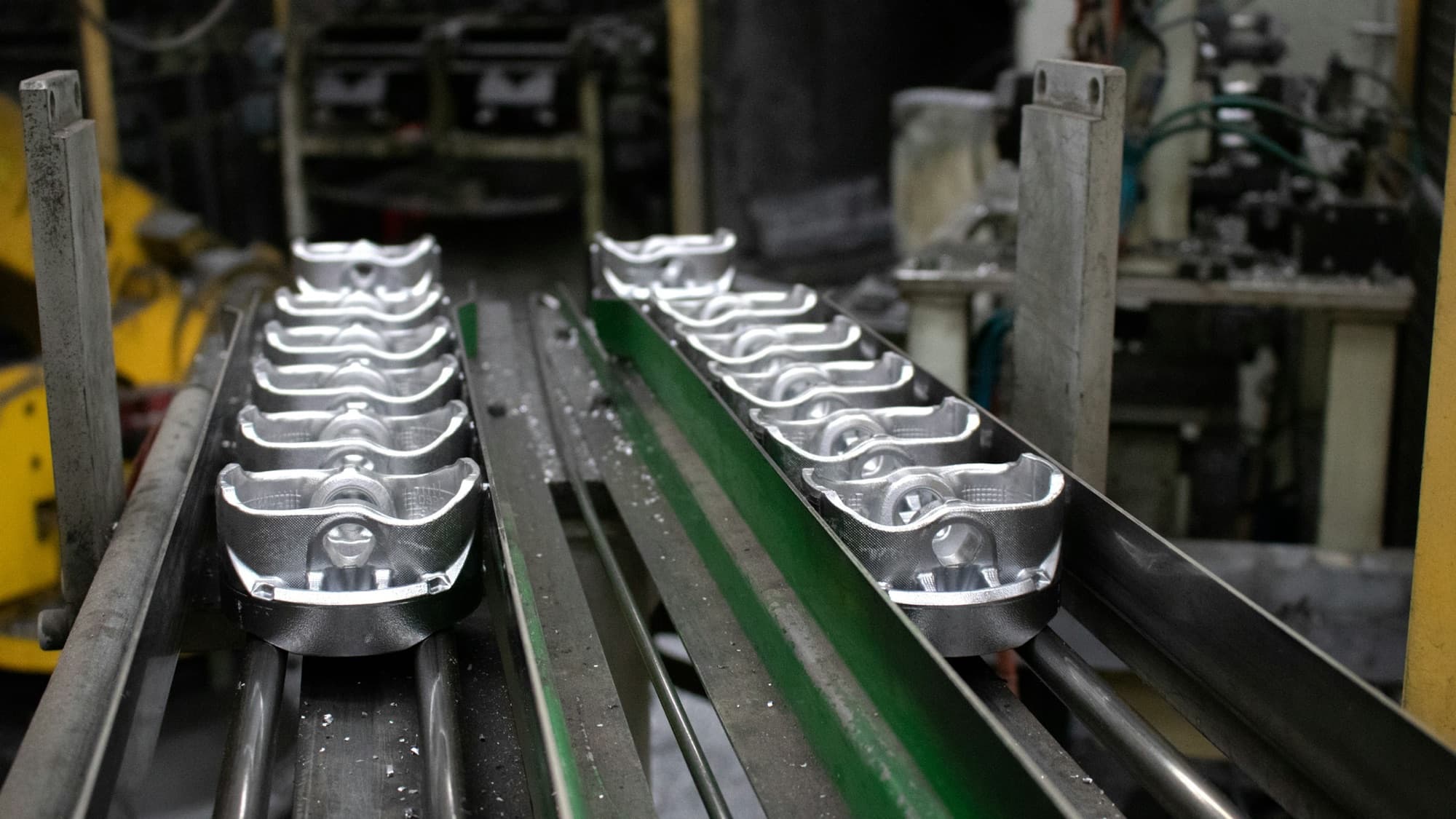 Die casting
Molten zinc or aluminum injected into steel dies at high pressure. Thin walls and net shape at 2,500+ parts a year.
 Soft goods
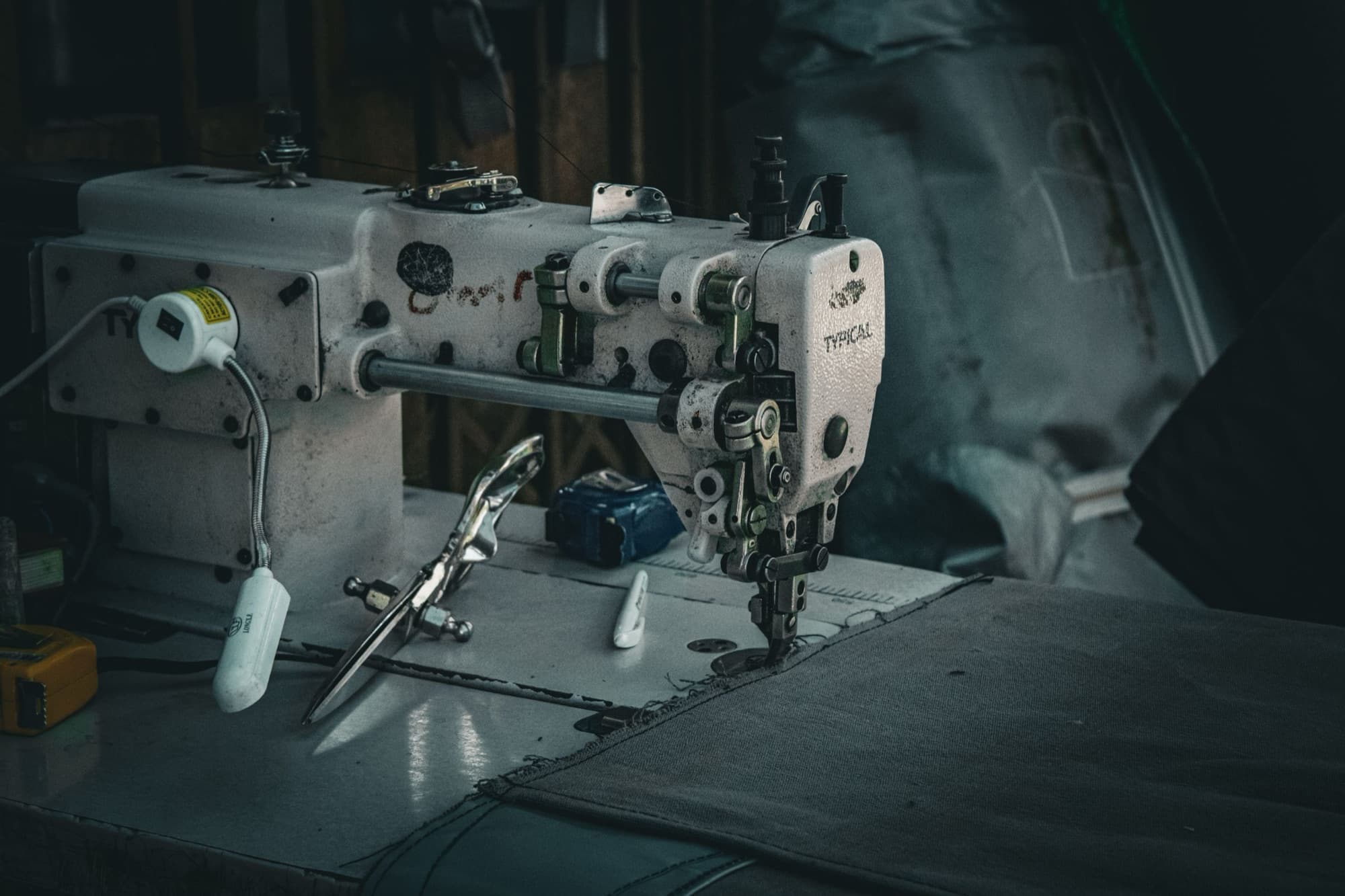
Cut-and-sewn covers, bags, cases, straps, cushions, and industrial textiles, from pattern development to production.
 Stamping
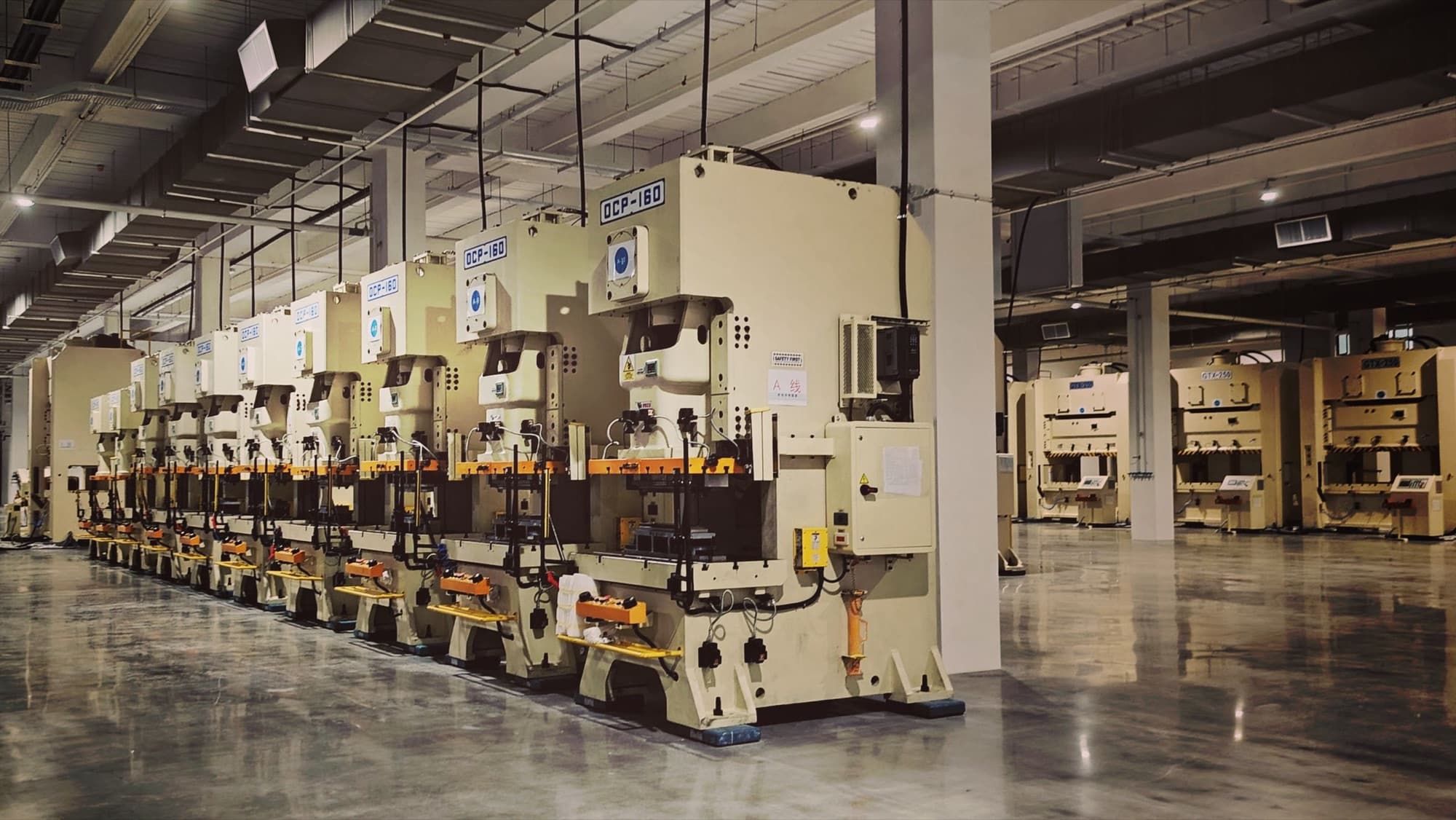
Short- to medium-run stampings: brackets, clips, shields, and plates cut and formed from sheet or coil in a press.
Quote offshore sourcing today.
Drop a STEP file for an instant estimate and DFM check. A rep routes the RFQ to principals who run this process every day.