Loading page
Wet paint (liquid coating)
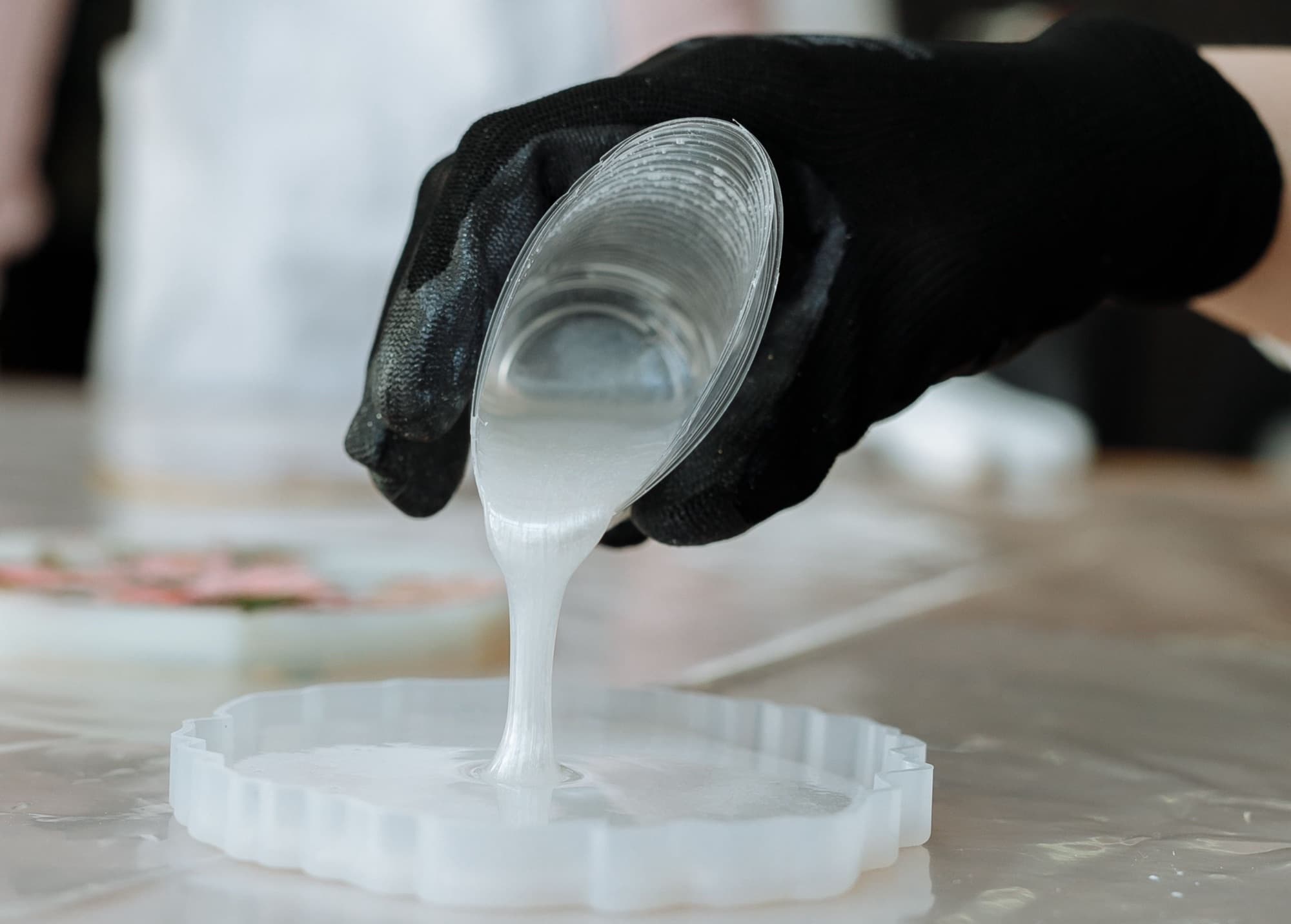
Wet paint is a liquid coating, typically a primer plus a urethane, epoxy or acrylic topcoat, sprayed and then air-dried or low-bake cured. It suits heat-sensitive substrates such as molded plastics and urethane castings, large weldments, and small-batch exact color matches to Pantone, RAL or AMS-STD-595. Typical film is 1–3 mil (25–75 µm) per coat. Soft-touch, metallic and CARC finishes are available.
- Applies to
- Plastics, cast urethane, 3D-printed parts, steel, aluminum and die castings
- Adds
- 5 days
- Cost
- Moderate

Colors
- Custom Pantone, RAL or AMS-STD-595 match
- Gloss, satin or flat
- Soft-touch
- Metallic
Specs
| Film thickness | 1–3 mil (25–75 µm) per coat |
|---|---|
| Systems | Epoxy primer, 2K polyurethane topcoat, acrylic, soft-touch |
| Cure | Air dry or low bake, about 140–180 °F (60–80 °C) |
| Color match | Pantone, RAL or AMS-STD-595 number with an agreed ΔE tolerance |
| Gloss | Measured per ASTM D523 in gloss units |
| Adhesion | ASTM D3359; PP and PE need adhesion promoter or flame treatment |
Call out on the drawing
- ASTM D3359 (adhesion)
- ASTM D523 (gloss)
- ASTM D2244 (color difference)
- AMS-STD-595 (colors, formerly FED-STD-595)
- MIL-DTL-53039 (CARC topcoat)
Materials it suits
 Structural aluminum6061-T6
 Extrusion aluminum6063-T5
 Aerospace aluminum7075-T6
 Marine aluminum5052-H32
 Die-cast aluminumA380
 Die-cast zincZamak 3
 High-strength zincZamak 5
 Cold-rolled steel1008 CRS
 Mild steel1018
 Carbon steel1045
 Alloy steel4140
 Structural steelA36
 ABS
ABS PolycarbonatePC
 PC/ABS
 3D-print nylonPA12
 Cast urethane
Questions
When should I paint instead of powder coat?
Paint when the part cannot take a 350–400 °F (180–200 °C) cure, as with plastics and urethane castings; when parts are too large for a powder oven; or when you need a thin film, soft-touch feel or a small-batch exact color. For production metal parts, powder usually costs less and lasts longer.
How is paint color tolerance specified?
Name the standard color (Pantone, RAL or AMS-STD-595 number), supply a physical master sample, and state a color difference limit such as ΔE ≤ 1.0 under a defined light source, measured per ASTM D2244.
Can polypropylene or nylon parts be painted?
Nylon, ABS and PC paint readily. Polypropylene and polyethylene need flame, plasma or chemical adhesion promoters first because of their low surface energy.


Price it with this finish.
The builder adds lot charges, per-part cost and lead time for the finish you pick.