Loading page
Polycarbonate (PC)
Polycarbonate is a tough, transparent amorphous thermoplastic. It has very high impact strength, heat deflection near 270 °F (130 °C) at 264 psi, and about 88–90% light transmission in clear grades. Typical tensile strength is 9,400 psi (65 MPa). It is used for lenses, guards, housings and light covers. It scratches easily and stress-cracks with some solvents and oils.
- ISO 1043
- PC
- ASTM
- D3935 (PC molding materials)
- Trade names
- Lexan, Makrolon, Panlite

How does it compare?
Typical room-temperature values for PC, against all 48 materials in the library.
- Tensile strength
- 65 MPa31th pct
- Density
- 1.2 g/cm³26th pct
- Max service temp
- 115 °C38th pct
- Elongation
- 110 %81th pct
- Relative cost
- $$$$$
Bars are relative to the strongest, densest or hottest material in the SSG library. Percentile vs all 48 materials.
- Density
- 1.2 g/cm³ · 0.0434 lb/in³
- Tensile strength
- 65 MPa · 9.4 ksi
- Elongation
- 110%
- Elastic modulus
- 2.35 GPa · 0.3 Msi
- Hardness
- Rockwell R118
- Max service temperature
- 115 °C · 239 °F
- Thermal conductivity
- 0.2 W/m·K
When should you use PC?
Strengths
- Very high impact strength, including at low temperature
- Transparent grades with about 88–90% light transmission
- Heat deflection near 270 °F (130 °C) at 264 psi
- Dimensionally stable with low shrink of 0.5–0.7%
- UL 94 V-0 and V-2 flame-rated grades
Watch for
- Scratches easily; hard-coat lenses and windows
- Stress-cracks with some solvents, oils and cleaners
- Must be dried to 0.02% moisture or less before molding
- Notch sensitive, and yellows in UV without stabilization or coating
Typical parts
- Lenses and light covers
- Machine guards and safety shields
- Electronics housings
- Medical device housings
- Appliance windows and water bottles
- Battery and connector housings
How PC is made into parts
Cost, finishes and design rules for each process in this material.
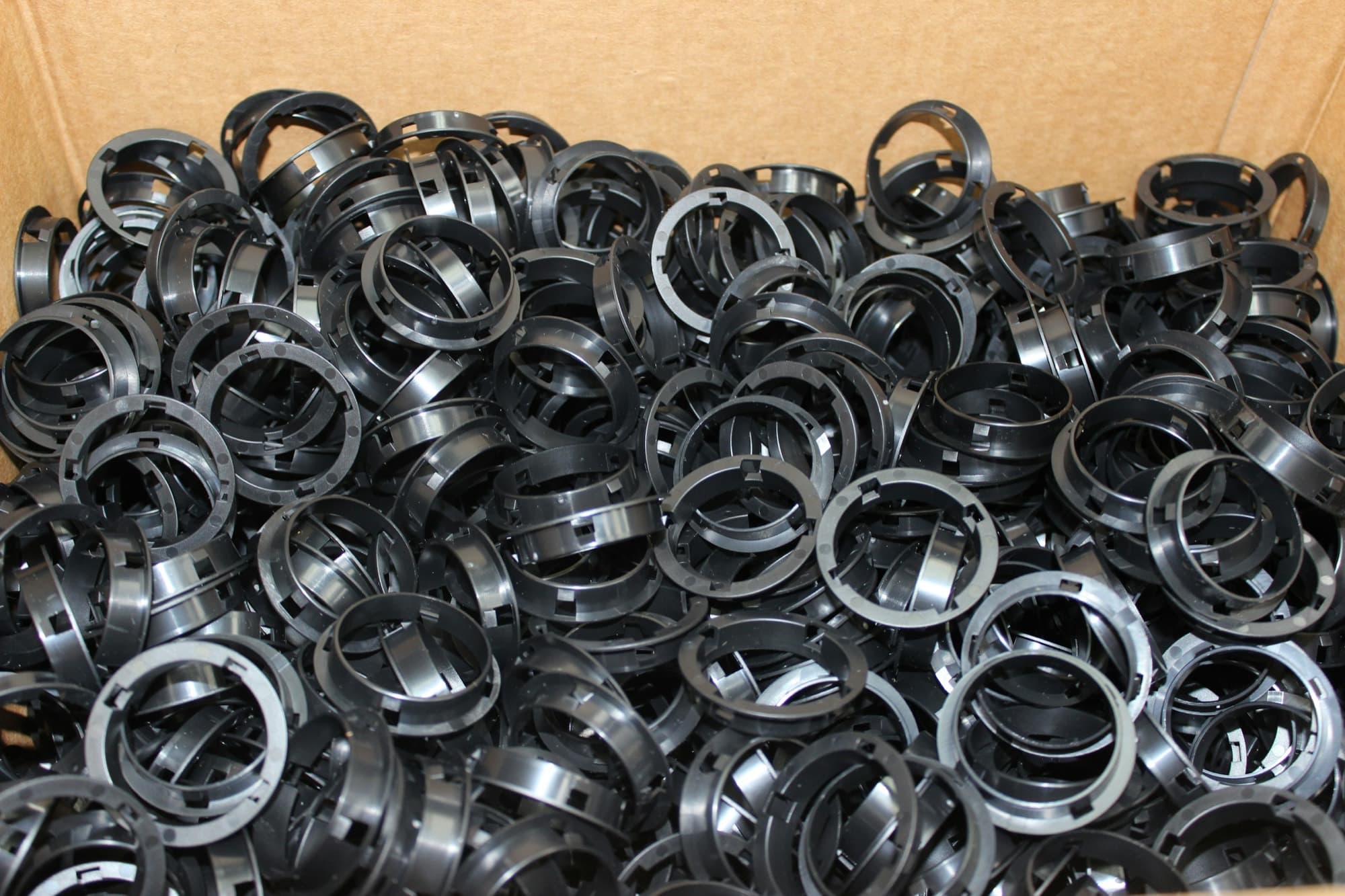 Injection molding in PC
Molten thermoplastic injected into a steel or aluminum mold. Lowest piece price for plastic parts at 5,000+ a year.
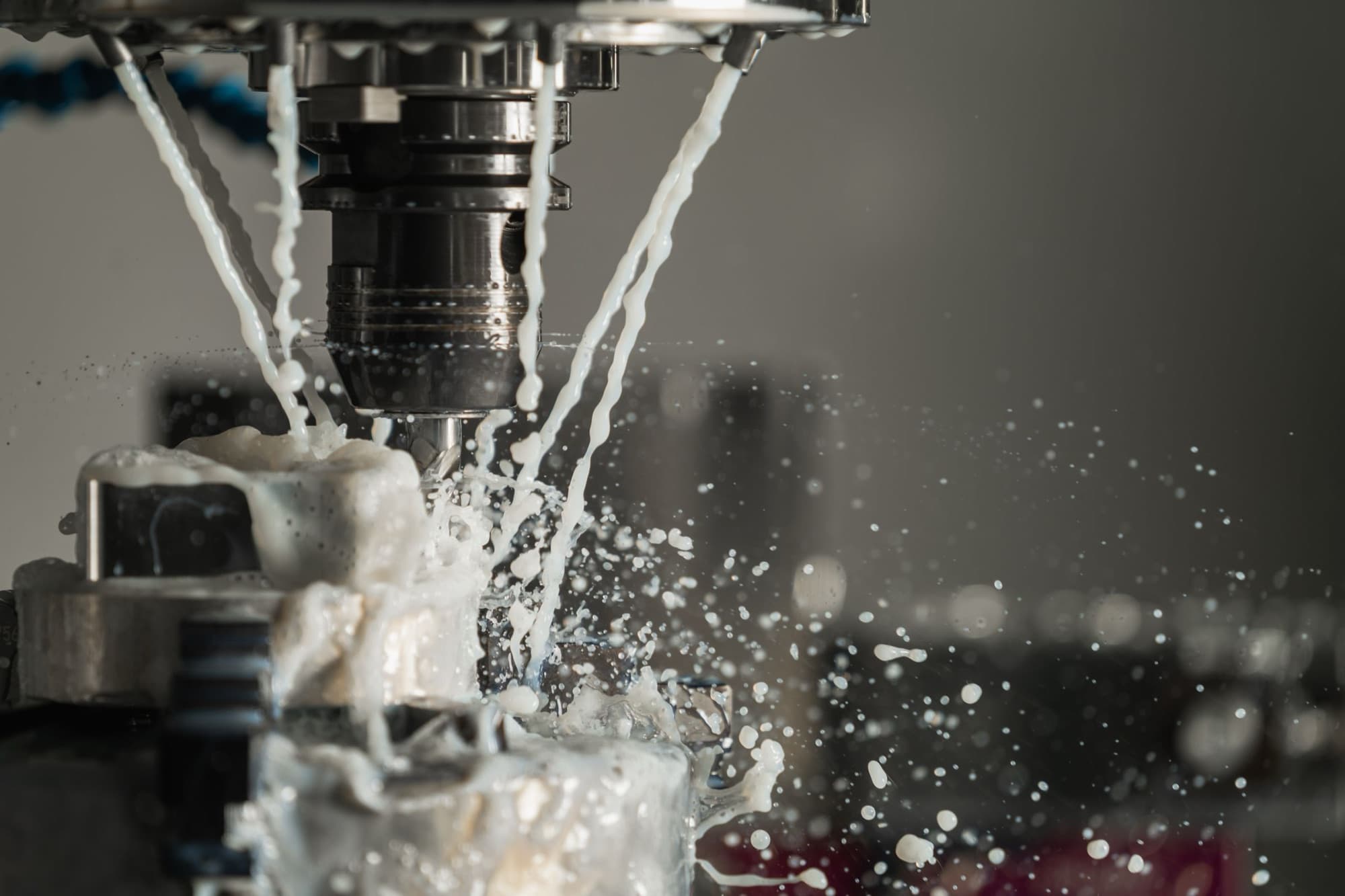 CNC machining in PC
CNC milling, turning, and production sawing from bar, plate, castings, and forgings, from prototype to production.
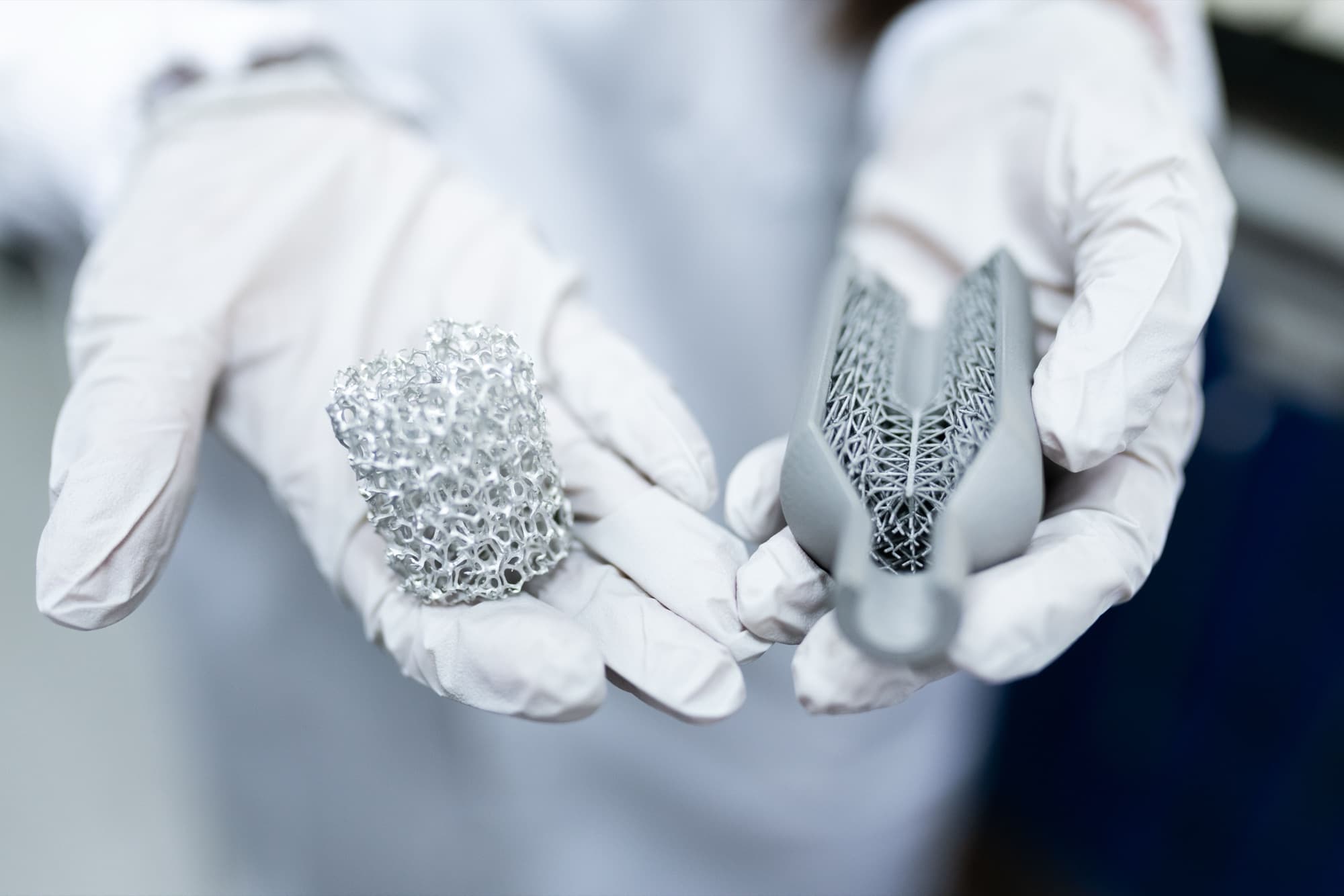 3D printing in PC
SLS, MJF, SLA, FDM, and metal printing for prototypes, fixtures, and low-volume production parts.
 Offshore sourcing in PC
Parts made by vetted overseas manufacturers, with landed-cost analysis, quality control, and logistics managed.
What does a part in PC cost?
A representative part, injection molding. Raw material at about $3.80/kg is one line of it; process time and tooling usually matter more.
Housing · Injection molding
Order total $24,973
- Tooling
- $17,029
- one-time, spread over the order
- Piece price
- $0.76
- before setup + tooling
- Lead time
- 6–9 weeks
- to first production
Size
Drag a row to adjust · click to type
Length140140 mm
Width90.090.0 mm
Wall2.202.20 mm
Quantity
Price per part falls as volume rises
Exact quantity1000010000 pcs
Material
Design checks pass
Open in builderBudgetary estimate for a representative part. Firm quotes come from principals after drawing review.


Compared head to head
PC questions
Is polycarbonate stronger than acrylic?
In impact, by a wide margin: polycarbonate is roughly 30× tougher in notched impact. Acrylic is stiffer, more scratch resistant, clearer (about 92% transmission) and cheaper. Use PC for impact, acrylic for optics and display.
Is polycarbonate UV resistant?
Standard PC yellows and embrittles outdoors. UV-stabilized grades, UV-coated sheet or a hard coat extend outdoor life. For long outdoor exposure with clarity, acrylic weathers better.
What temperature can polycarbonate handle?
Continuous use to about 240 °F (115 °C) for most grades, with heat deflection around 270 °F (130 °C) at 264 psi. It softens near its glass transition of about 297 °F (147 °C).
Does polycarbonate need to be dried before molding?
Yes. It hydrolyzes when molded wet, which causes splay and brittle parts. Dry at about 250 °F (120 °C) for 3–4 hours to 0.02% moisture or less.


Quote it in PC.
Upload CAD or start from a template. The builder prices it in this material and the alternatives.