Loading page
Acetal (POM)
Acetal, or polyoxymethylene (POM), is a semi-crystalline engineering plastic known for stiffness, low friction and dimensional stability. It absorbs almost no moisture, about 0.2% at 50% humidity, so it holds tight tolerances in molded and machined parts. Copolymer grades run about 9,000 psi (62 MPa) tensile; Delrin homopolymer is stronger. It is the default for plastic gears, bushings and snap-fit mechanisms.
- ISO 1043
- POM
- ASTM
- D6778 (POM molding and extrusion materials)
- Trade names
- Delrin (homopolymer); Celcon, Hostaform, Kepital (copolymer)

How does it compare?
Typical room-temperature values for POM, against all 48 materials in the library.
- Tensile strength
- 62 MPa29th pct
- Density
- 1.41 g/cm³40th pct
- Max service temp
- 100 °C10th pct
- Elongation
- 40 %65th pct
- Relative cost
- $$$$$
Bars are relative to the strongest, densest or hottest material in the SSG library. Percentile vs all 48 materials.
- Density
- 1.41 g/cm³ · 0.0509 lb/in³
- Tensile strength
- 62 MPa · 9.0 ksi
- Elongation
- 40%
- Elastic modulus
- 2.7 GPa · 0.4 Msi
- Hardness
- Rockwell M80
- Max service temperature
- 100 °C · 212 °F
- Melting point
- 166 °C · 331 °F
- Thermal conductivity
- 0.31 W/m·K
When should you use POM?
Strengths
- Low friction and wear against steel and against itself
- Very low moisture absorption, so dimensions stay stable
- High stiffness and fatigue resistance for springs and snap fits
- Machines cleanly to tight tolerances, including on screw machines
- Resists fuels, solvents and many chemicals
Watch for
- Degraded by strong acids and oxidizers, including sustained exposure to chlorinated water
- Difficult to bond or paint
- Shrink of about 2% needs careful tooling and uniform walls
- Not flame-rated in standard grades (UL 94 HB)
Typical parts
- Gears, cams and sprockets
- Bushings, bearings and wear pads
- Clips, buckles and snap-fit fasteners
- Conveyor components
- Pump and valve parts
- Medical device mechanisms
How POM is made into parts
Cost, finishes and design rules for each process in this material.
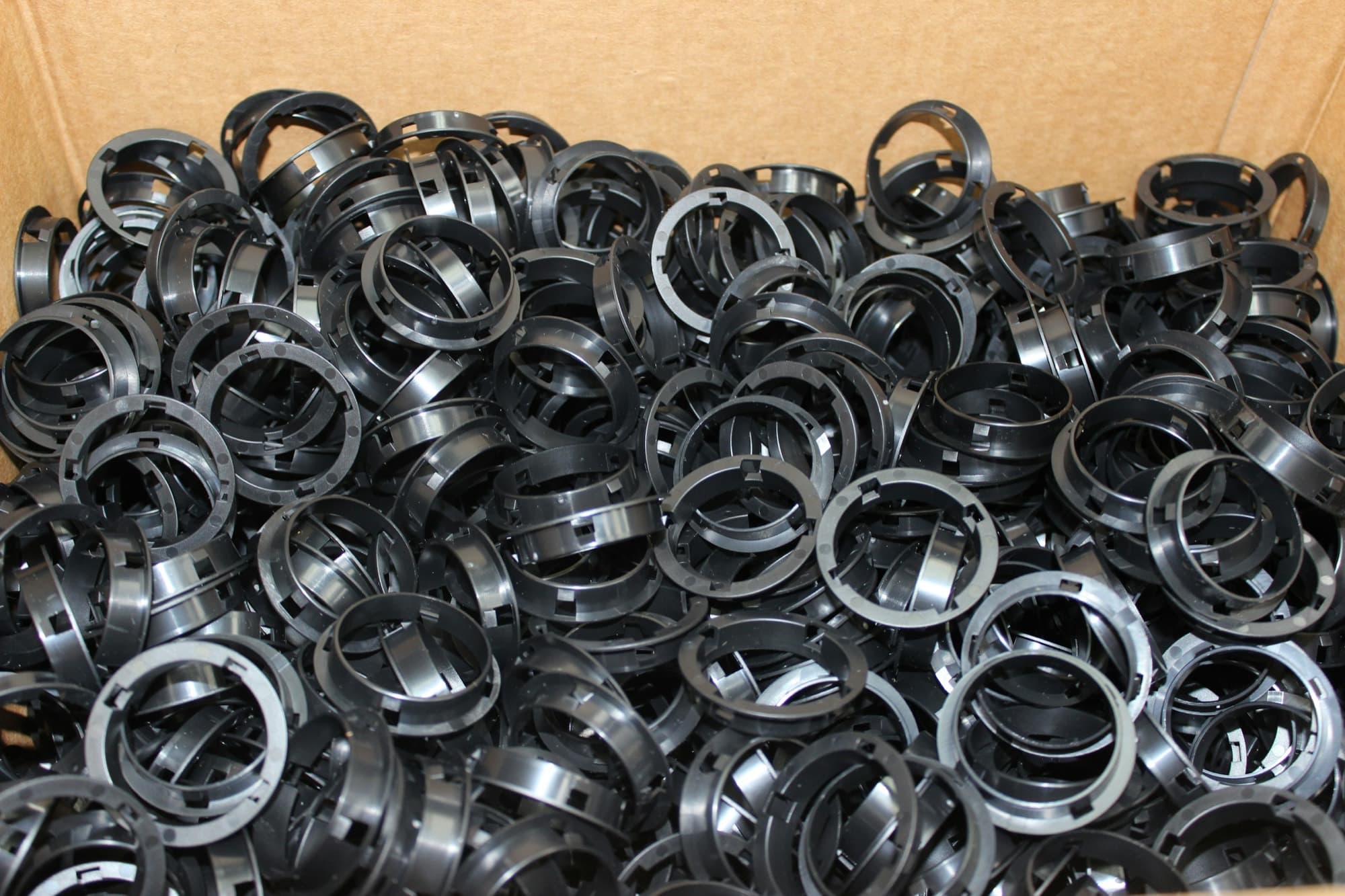 Injection molding in POM
Molten thermoplastic injected into a steel or aluminum mold. Lowest piece price for plastic parts at 5,000+ a year.
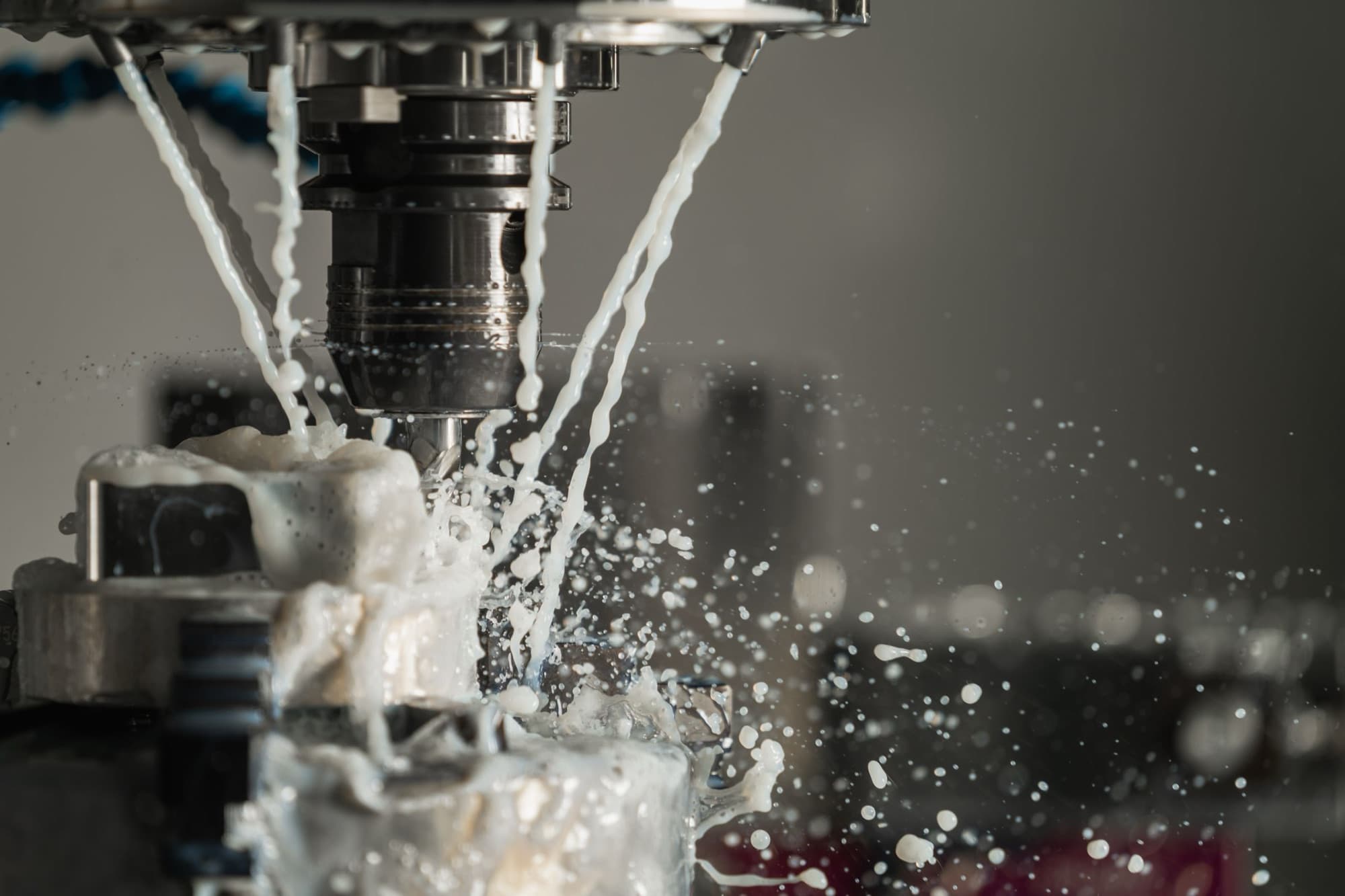 CNC machining in POM
CNC milling, turning, and production sawing from bar, plate, castings, and forgings, from prototype to production.
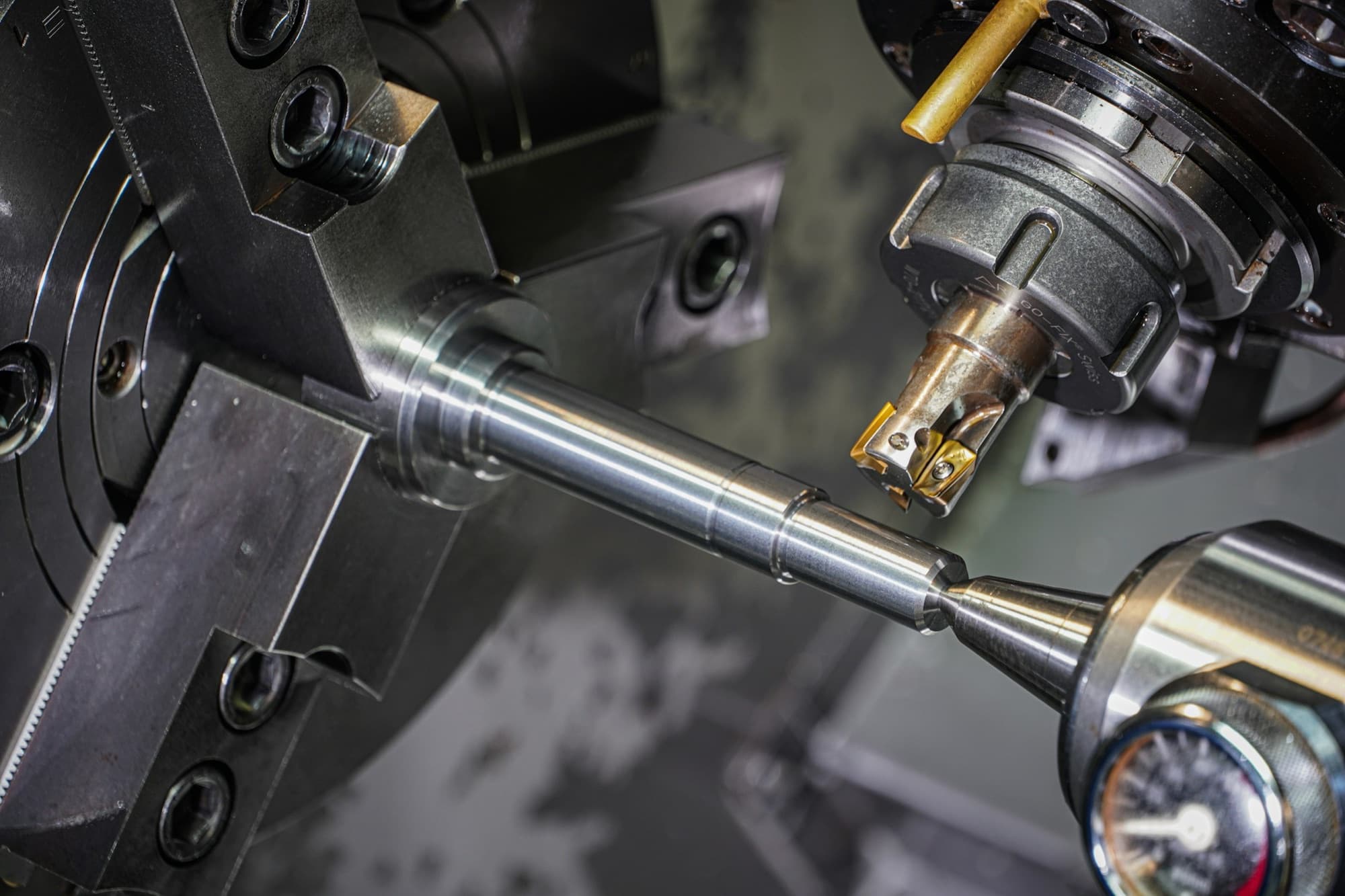 Screw machining in POM
Turned pins, fittings, shafts, and bushings made from bar stock on multi-spindle and Swiss screw machines at volume.
 Offshore sourcing in POM
Parts made by vetted overseas manufacturers, with landed-cost analysis, quality control, and logistics managed.
What does a part in POM cost?
A representative part, injection molding. Raw material at about $3.00/kg is one line of it; process time and tooling usually matter more.
Housing · Injection molding
Order total $25,109
- Tooling
- $17,029
- one-time, spread over the order
- Piece price
- $0.77
- before setup + tooling
- Lead time
- 6–9 weeks
- to first production
Size
Drag a row to adjust · click to type
Length140140 mm
Width90.090.0 mm
Wall2.202.20 mm
Quantity
Price per part falls as volume rises
Exact quantity1000010000 pcs
Material
Design checks pass
Open in builderBudgetary estimate for a representative part. Firm quotes come from principals after drawing review.


POM questions
What is the difference between Delrin and acetal?
Delrin is a brand of acetal homopolymer. Homopolymer is about 10–15% stronger and stiffer with a higher melt point, about 350 °F (178 °C). Copolymers such as Celcon and Hostaform have better resistance to hot water and bases and less centerline porosity in thick stock. Both are called acetal or POM.
Acetal vs nylon for gears?
Acetal holds dimensions in humid environments and has lower friction. Nylon is tougher, handles higher temperatures and absorbs shock better. For precision gear trains in varying humidity, use acetal.
Is acetal food safe?
Many natural grades comply with FDA 21 CFR 177.2470 (copolymer) or 177.2480 (homopolymer) and are common in food equipment. Confirm the grade and colorant with the supplier.
Can acetal be glued?
Poorly. Its low surface energy and chemical resistance defeat most adhesives. Design for snap fits, press fits, ultrasonic welding or screws instead.


Quote it in POM.
Upload CAD or start from a template. The builder prices it in this material and the alternatives.