Loading page
Cast urethane (polyurethane)
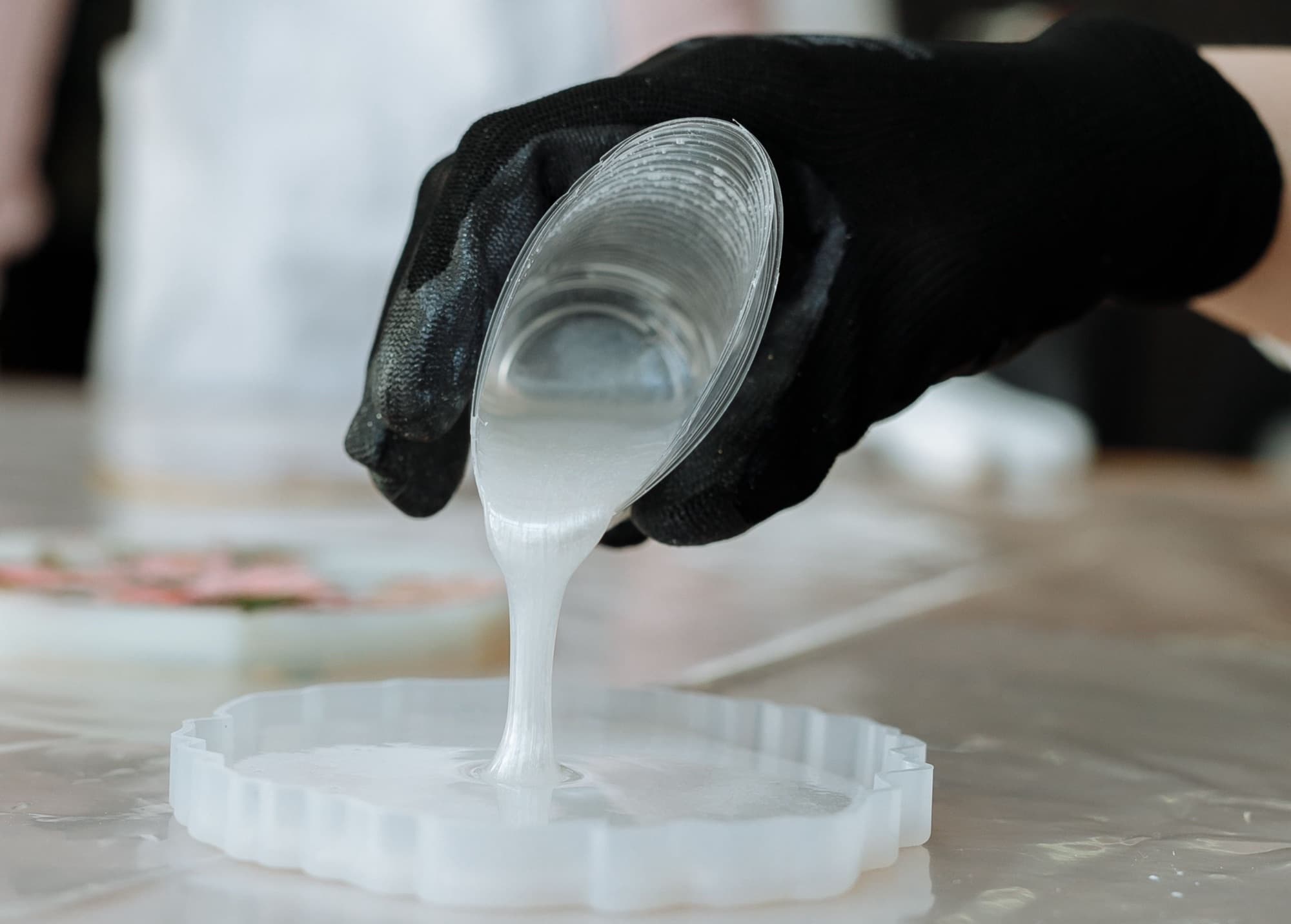
Cast urethane is a two-part thermoset polyurethane poured or vacuum cast into silicone molds made from a 3D-printed or machined master. Grades simulate ABS, polypropylene, polycarbonate and rubber, spanning roughly 40 Shore A to 85 Shore D. Rigid ABS-like grades run about 7,000 psi (48 MPa) tensile. Each silicone mold yields about 20–25 parts, bridging prototypes and injection molding.
- ISO 1043
- PUR
- Simulant grades
- ABS-like (80–85 Shore D), PP-like, clear PC-like, elastomeric (Shore 40–90A)

How does it compare?
Typical room-temperature values for Cast urethane, against all 48 materials in the library.
- Tensile strength
- 50 MPa22th pct
- Density
- 1.15 g/cm³17th pct
- Elongation
- 15 %41th pct
- Relative cost
- $$$$$
Bars are relative to the strongest, densest or hottest material in the SSG library. Percentile vs all 48 materials.
- Density
- 1.15 g/cm³ · 0.0415 lb/in³
- Tensile strength
- 50 MPa · 7.3 ksi
- Elongation
- 15%
- Elastic modulus
- 2 GPa · 0.3 Msi
- Hardness
- Shore 40A–85D (rigid ABS-like grades 80–85D)
When should you use Cast urethane?
Strengths
- Low tooling cost: a silicone mold costs a fraction of an aluminum injection mold
- Rigid, clear, flexible and flame-retardant grades
- Pigmented in the pour or painted to match
- Captures fine texture and detail from the master
- Inserts and overmolding are possible
Watch for
- About 20–25 parts per silicone mold; volumes above a few hundred favor aluminum tooling
- Properties simulate but do not match production thermoplastics; validate critical tests
- Typical heat deflection of about 140–200 °F (60–95 °C), lower than most engineering thermoplastics
- Tolerances of about ±0.010 in (±0.25 mm) for the first inch, looser beyond
Typical parts
- Pre-production and marketing samples
- Bridge-to-tooling production runs
- Soft-touch and overmolded prototypes
- Enclosures for pilot builds
- Medical device verification units
- Gaskets and flexible parts
How Cast urethane is made into parts
Cost, finishes and design rules for each process in this material.
What does a part in Cast urethane cost?
A representative part, urethane casting. Raw material at about $25.00/kg is one line of it; process time and tooling usually matter more.
Housing · Urethane casting
Order total $7,138
- Tooling
- $3,644
- one-time, spread over the order
- Piece price
- $34.90
- before setup + tooling
- Lead time
- 1–2 weeks
- to first production
Size
Drag a row to adjust · click to type
Length140140 mm
Width90.090.0 mm
Wall2.202.20 mm
Quantity
Price per part falls as volume rises
Exact quantity100100 pcs
Material
Cast urethane (polyurethane)
Design checks pass
Open in builderBudgetary estimate for a representative part. Firm quotes come from principals after drawing review.


Cast urethane questions
How many parts can a silicone mold make?
Typically 20–25 parts before tearing and surface wear show, fewer for complex geometry or aggressive resins. Runs of 50–200 parts use multiple molds. Above a few hundred, an aluminum injection mold usually costs less per part.
Is cast urethane as strong as injection molded plastic?
Close for many rigid grades, but not identical. ABS-like urethanes match ABS on tensile strength and hardness but differ in impact, heat and chemical resistance. Use cast parts for fit, form and most function checks, and validate critical tests in the production resin.
How long does urethane casting take?
Typically 1–3 weeks: a few days to build or print the master, a day or two to make the silicone mold, then casting at a few parts per mold per day plus finishing.


Quote it in Cast urethane.
Upload CAD or start from a template. The builder prices it in this material and the alternatives.