Loading page
Nylon 66 (PA66)
Nylon 66 (PA66) is a semi-crystalline polyamide and one of the most used engineering plastics. Dry as molded and unfilled, it runs about 12,000 psi (83 MPa) tensile, melts at 500 °F (262 °C), and resists wear, oils and fuels. It absorbs about 2.5% water at 50% humidity, which lowers stiffness, so design with conditioned properties.
- ISO 1043
- PA66
- ASTM
- D4066 / D6779 (polyamide molding materials)
- Trade names
- Zytel 101, Ultramid A3K, Vydyne

How does it compare?
Typical room-temperature values for PA66, against all 48 materials in the library.
- Tensile strength
- 83 MPa36th pct
- Density
- 1.14 g/cm³11th pct
- Max service temp
- 100 °C10th pct
- Relative cost
- $$$$$
Bars are relative to the strongest, densest or hottest material in the SSG library. Percentile vs all 48 materials.
- Density
- 1.14 g/cm³ · 0.0412 lb/in³
- Tensile strength
- 83 MPa · 12.0 ksi
- Elastic modulus
- 3.1 GPa · 0.4 Msi
- Hardness
- Rockwell R120
- Max service temperature
- 100 °C · 212 °F
- Melting point
- 262 °C · 504 °F
- Thermal conductivity
- 0.25 W/m·K
When should you use PA66?
Strengths
- High strength and toughness for an unfilled plastic
- Good wear resistance and low friction for gears, bushings and slides
- Resists oils, greases, fuels and most solvents
- High melt point of 500 °F (262 °C) tolerates solder and under-hood heat
- Fast-cycling semi-crystalline molding
Watch for
- Absorbs about 2.5% moisture at 50% RH and up to about 8% saturated, changing size and stiffness
- Attacked by strong acids, phenols and zinc chloride
- Higher shrink than amorphous plastics, about 1.5–2% unfilled; warps with uneven walls
- Must be molded dry, below about 0.2% moisture
Typical parts
- Gears and bushings
- Cable ties and clips
- Rollers and wear pads
- Power tool components
- Fasteners and spacers
- Electrical connectors
How PA66 is made into parts
Cost, finishes and design rules for each process in this material.
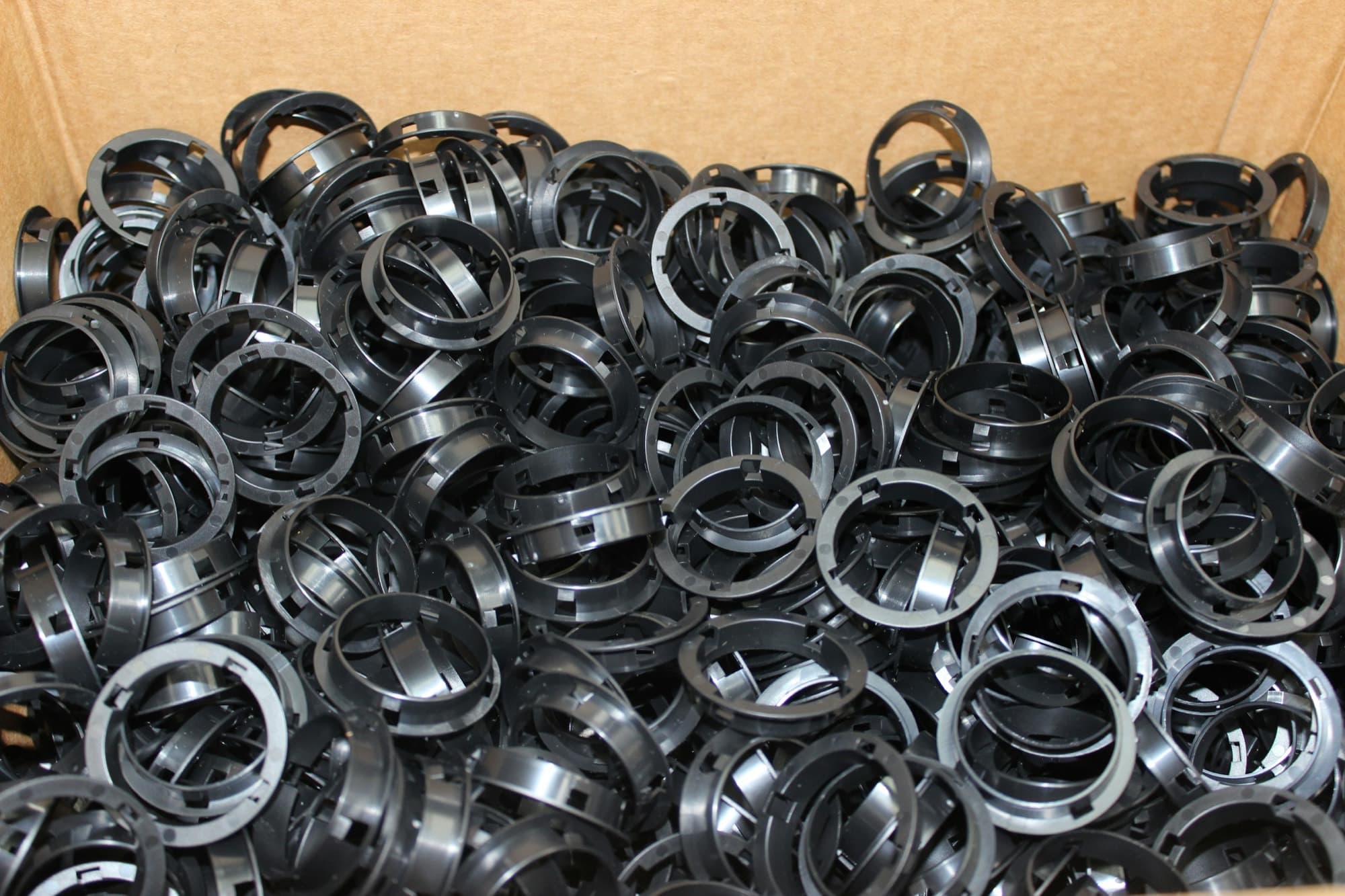 Injection molding in PA66
Molten thermoplastic injected into a steel or aluminum mold. Lowest piece price for plastic parts at 5,000+ a year.
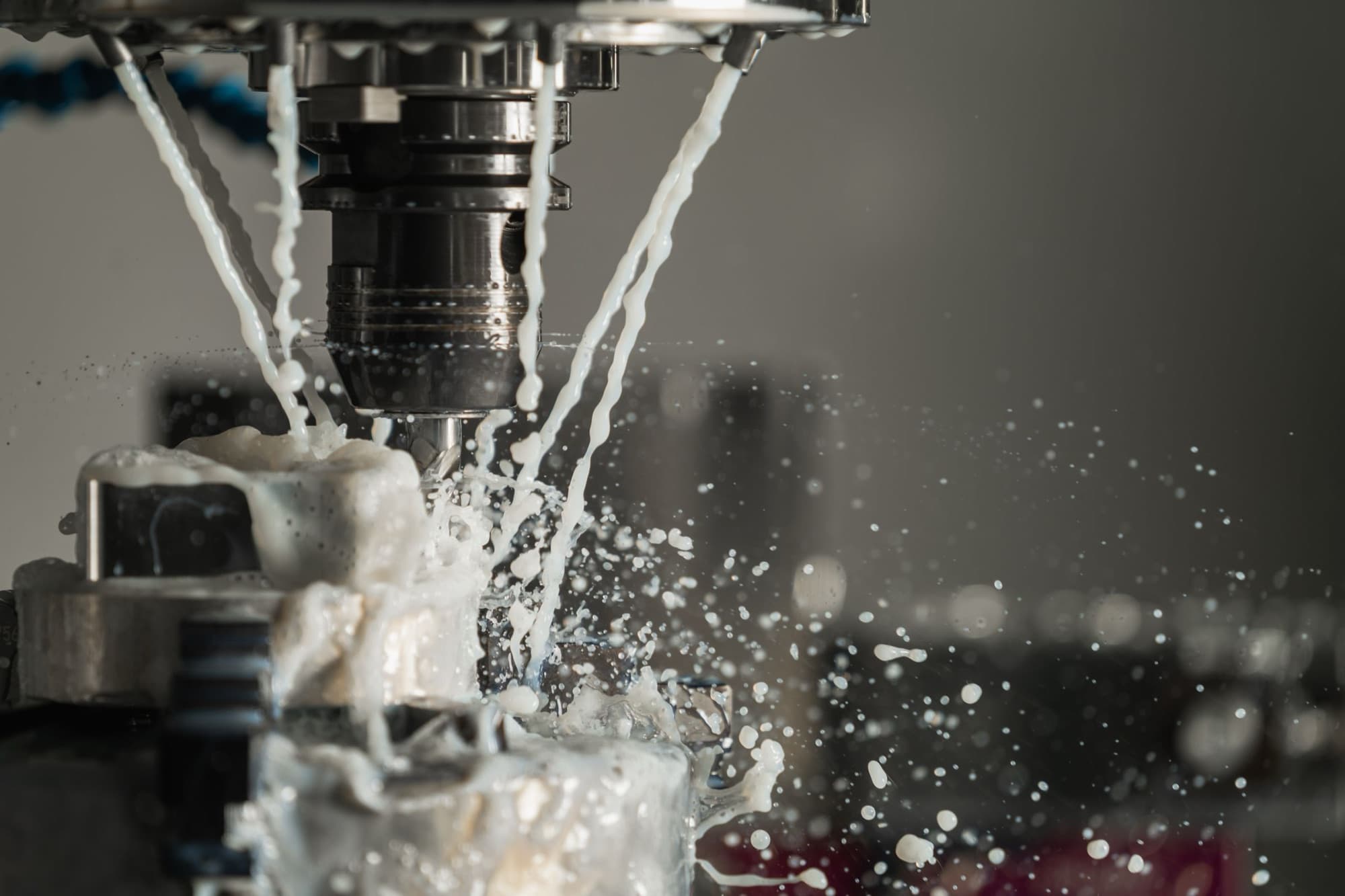 CNC machining in PA66
CNC milling, turning, and production sawing from bar, plate, castings, and forgings, from prototype to production.
 Offshore sourcing in PA66
Parts made by vetted overseas manufacturers, with landed-cost analysis, quality control, and logistics managed.
What does a part in PA66 cost?
A representative part, injection molding. Raw material at about $3.80/kg is one line of it; process time and tooling usually matter more.
Housing · Injection molding
Order total $25,207
- Tooling
- $17,029
- one-time, spread over the order
- Piece price
- $0.78
- before setup + tooling
- Lead time
- 6–9 weeks
- to first production
Size
Drag a row to adjust · click to type
Length140140 mm
Width90.090.0 mm
Wall2.202.20 mm
Quantity
Price per part falls as volume rises
Exact quantity1000010000 pcs
Material
Design checks pass
Open in builderBudgetary estimate for a representative part. Firm quotes come from principals after drawing review.


PA66 questions
Does nylon absorb water?
Yes. PA66 absorbs about 2.5% water at 50% relative humidity and up to about 8% when saturated. Moisture makes it tougher but can cut stiffness by more than half and grows parts roughly 0.5–0.7%. Design with conditioned data, not dry-as-molded values.
Nylon 6 vs nylon 66?
PA66 melts higher (500 °F / 262 °C vs about 428 °F / 220 °C), is slightly stiffer and absorbs a little less moisture. PA6 is tougher, molds with a better surface and costs slightly less. Both are common; PA66 is preferred for heat.
Is nylon good for gears?
Yes, for light to moderate loads and quiet running. Nylon gears can run without lubrication, dampen noise and mate well with steel. Acetal is the better call where moisture would change tooth dimensions.
Nylon vs acetal (Delrin)?
Acetal is stiffer, absorbs almost no moisture and holds tighter tolerances. Nylon is tougher, handles higher temperatures and resists abrasion better. Use acetal for precision parts, nylon for impact and heat.


Quote it in PA66.
Upload CAD or start from a template. The builder prices it in this material and the alternatives.