Loading page
Core line, represented 25+ years
How do appliance manufacturers source high-volume components?
Appliance manufacturers source high-volume components through multi-cavity injection molds, progressive dies, and rubber extrusions, with annual volumes often in the hundreds of thousands. Price, color match, and flammability ratings drive supplier choice. SSG sends appliance RFQs to domestic and offshore principals that run these volumes and can supply UL component documentation.
- Part families
- 12
- Processes
- 8
- Materials
- 10
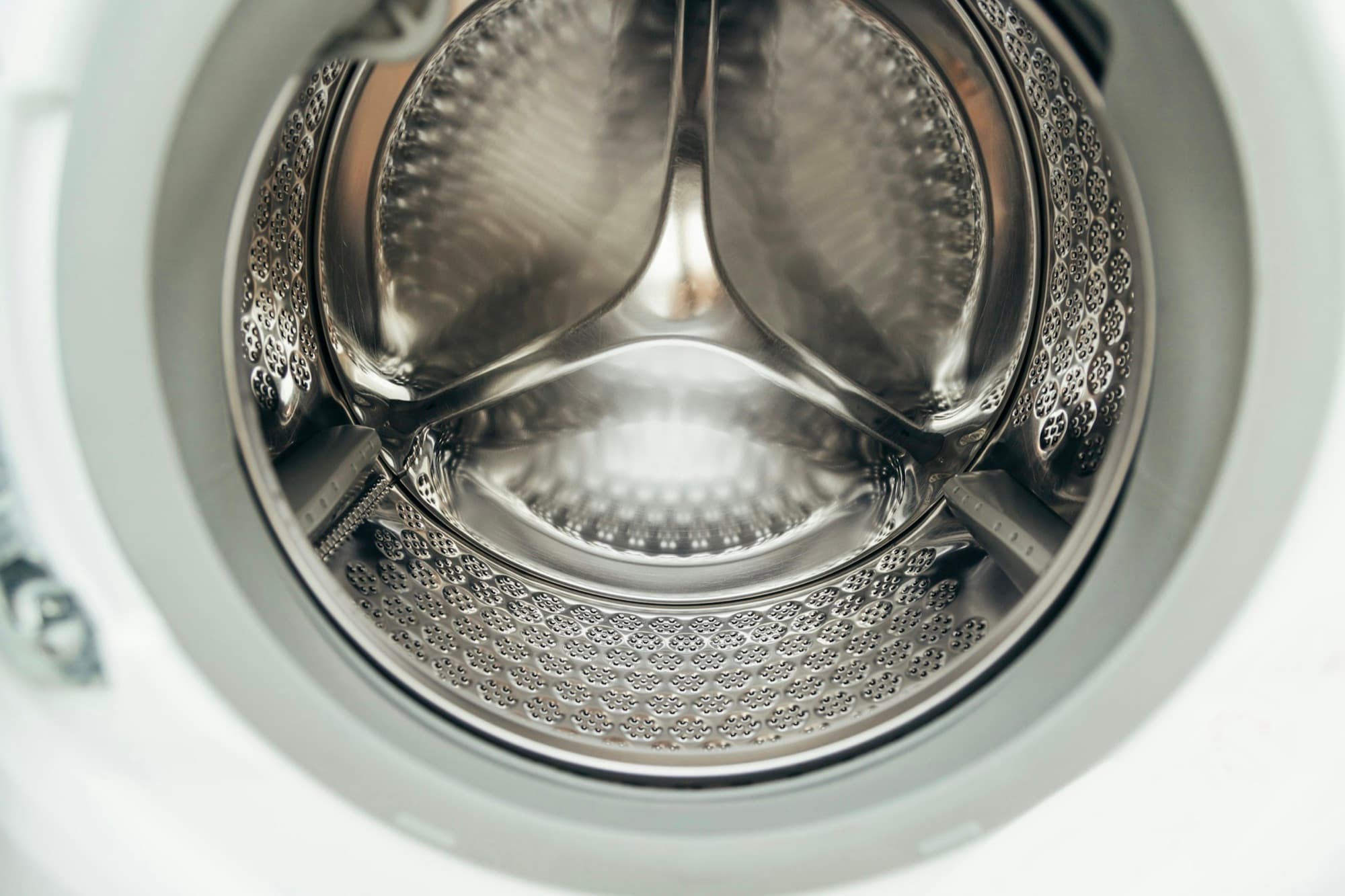
Parts we source for this industry
- 01Knobs, bezels, and control panel frames
- 02Dishwasher spray arm hubs and rack clips
- 03Front-load washer door hinges
- 04Refrigerator crisper drawer slides
- 05EPDM door and tub gaskets
- 06Oven door hinge springs
- 07Deep drawn motor and pump housings
- 08Die cast aluminum washer tub spiders
- 09Stamped heating element brackets
- 10Dryer drum rollers and idler pulleys
- 11Stamped stainless door panels and trim
- 12Molded detergent dispenser assemblies
How these parts are made
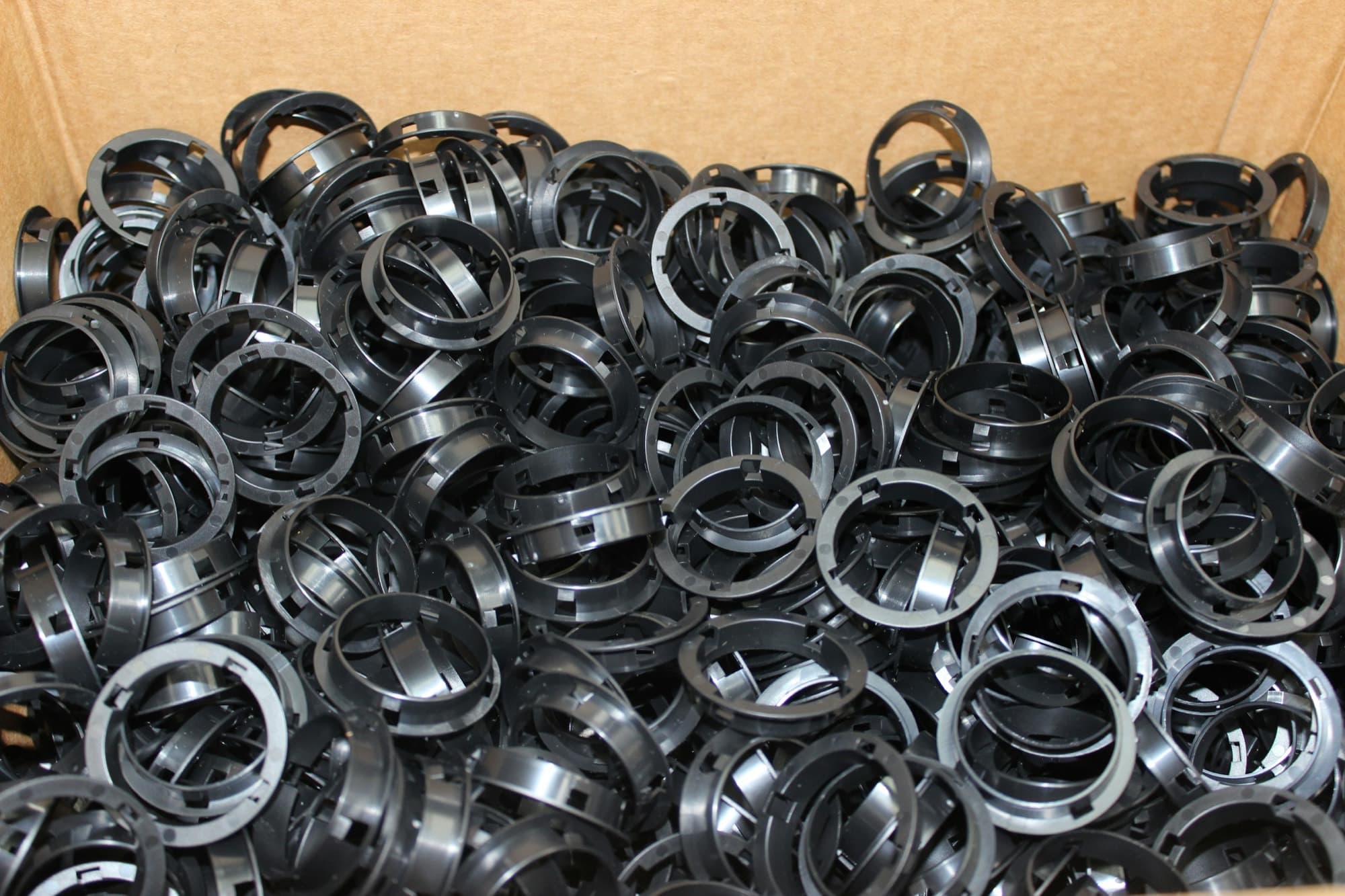 Injection molding
Molten thermoplastic injected into a steel or aluminum mold. Lowest piece price for plastic parts at 5,000+ a year.
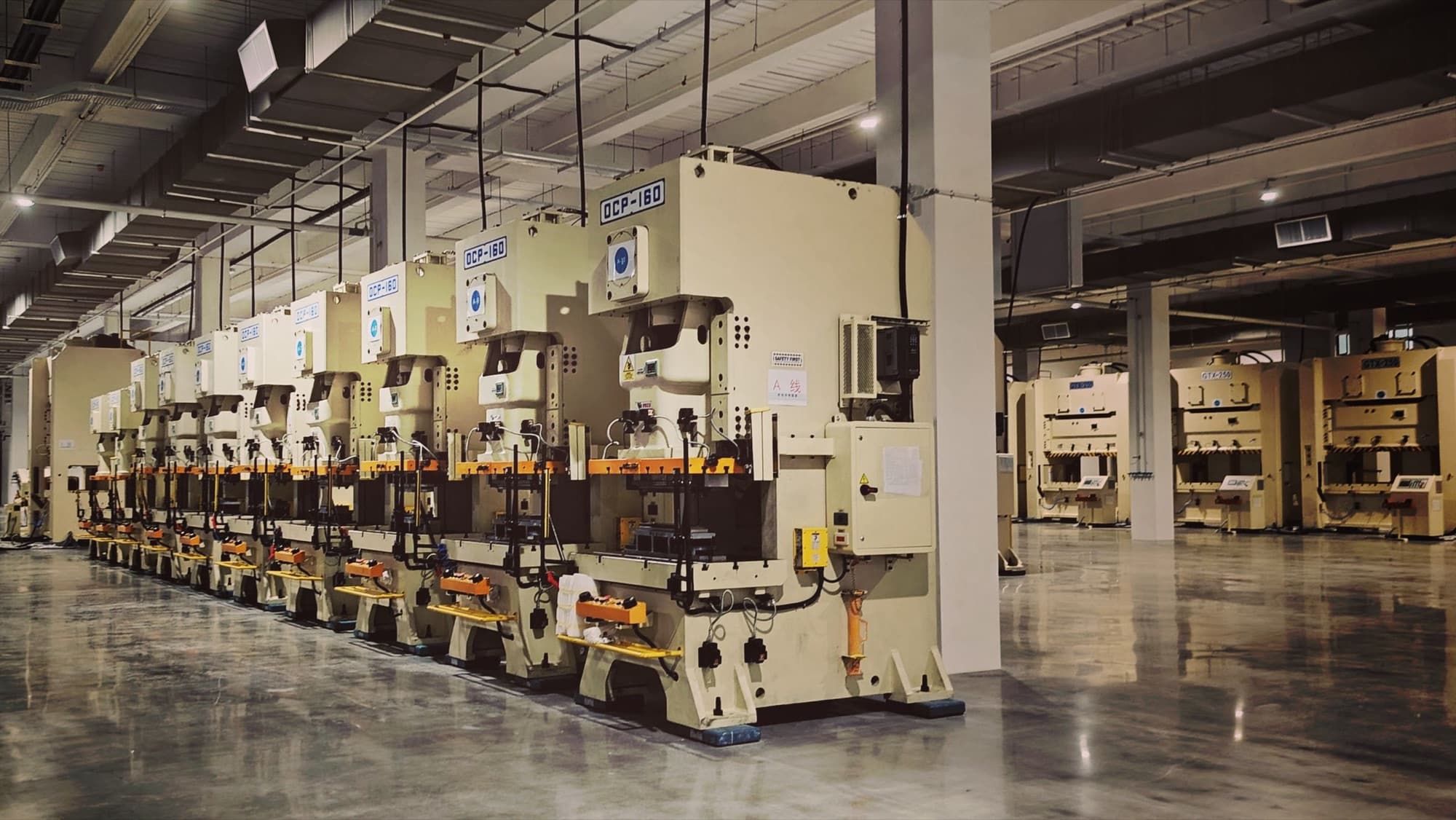 Stamping
Short- to medium-run stampings: brackets, clips, shields, and plates cut and formed from sheet or coil in a press.
 Deep draw
One-piece cups, cans, shells, and housings drawn from flat blanks, with depth that can exceed the diameter.
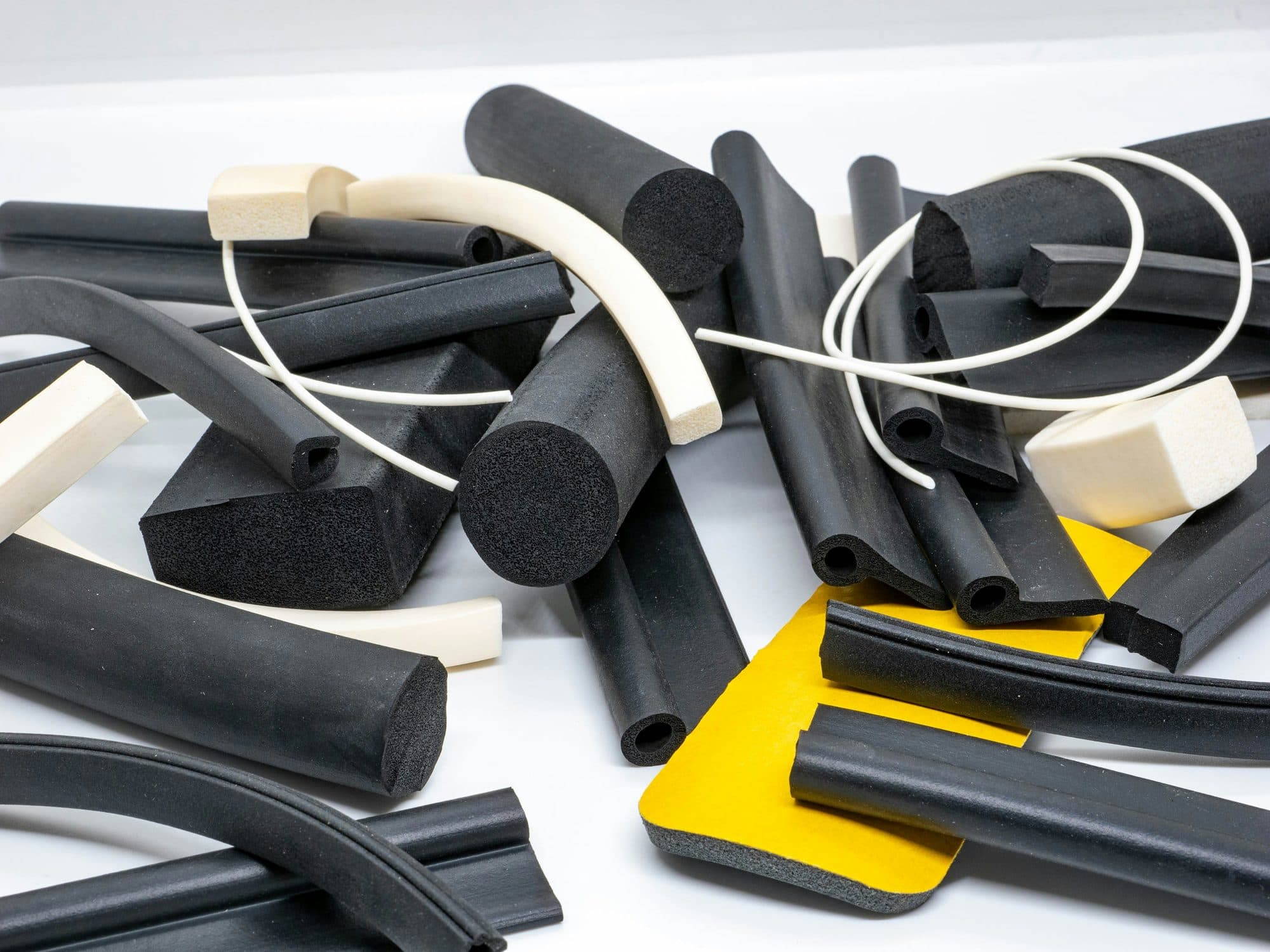 Rubber
Seals, gaskets, grommets, and profiles extruded or molded in EPDM, silicone, nitrile, neoprene, FKM, and TPE.
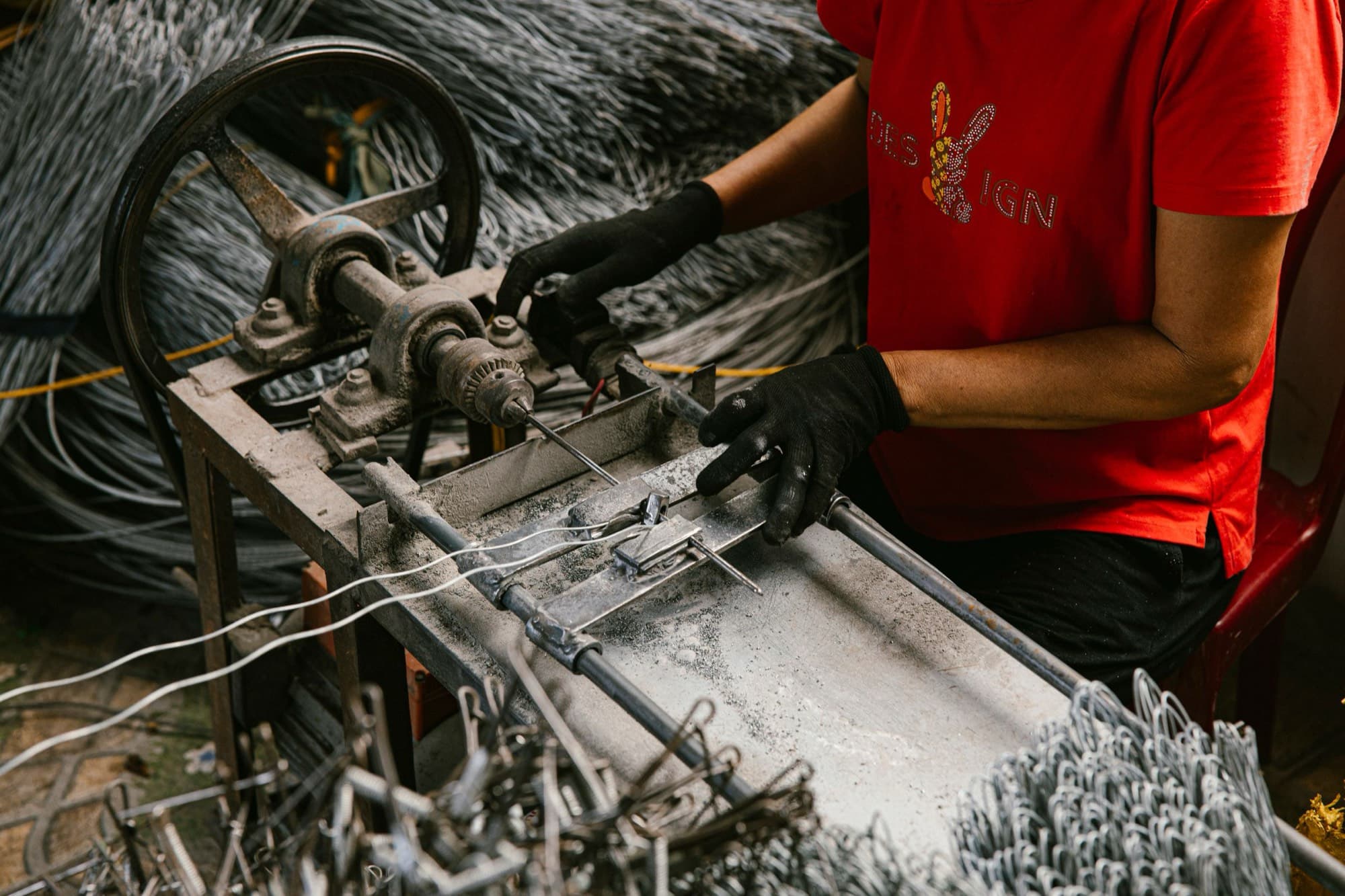 Springs & wire forms
Compression, extension, and torsion springs, wire forms, and fourslide clips made from round wire and flat strip.
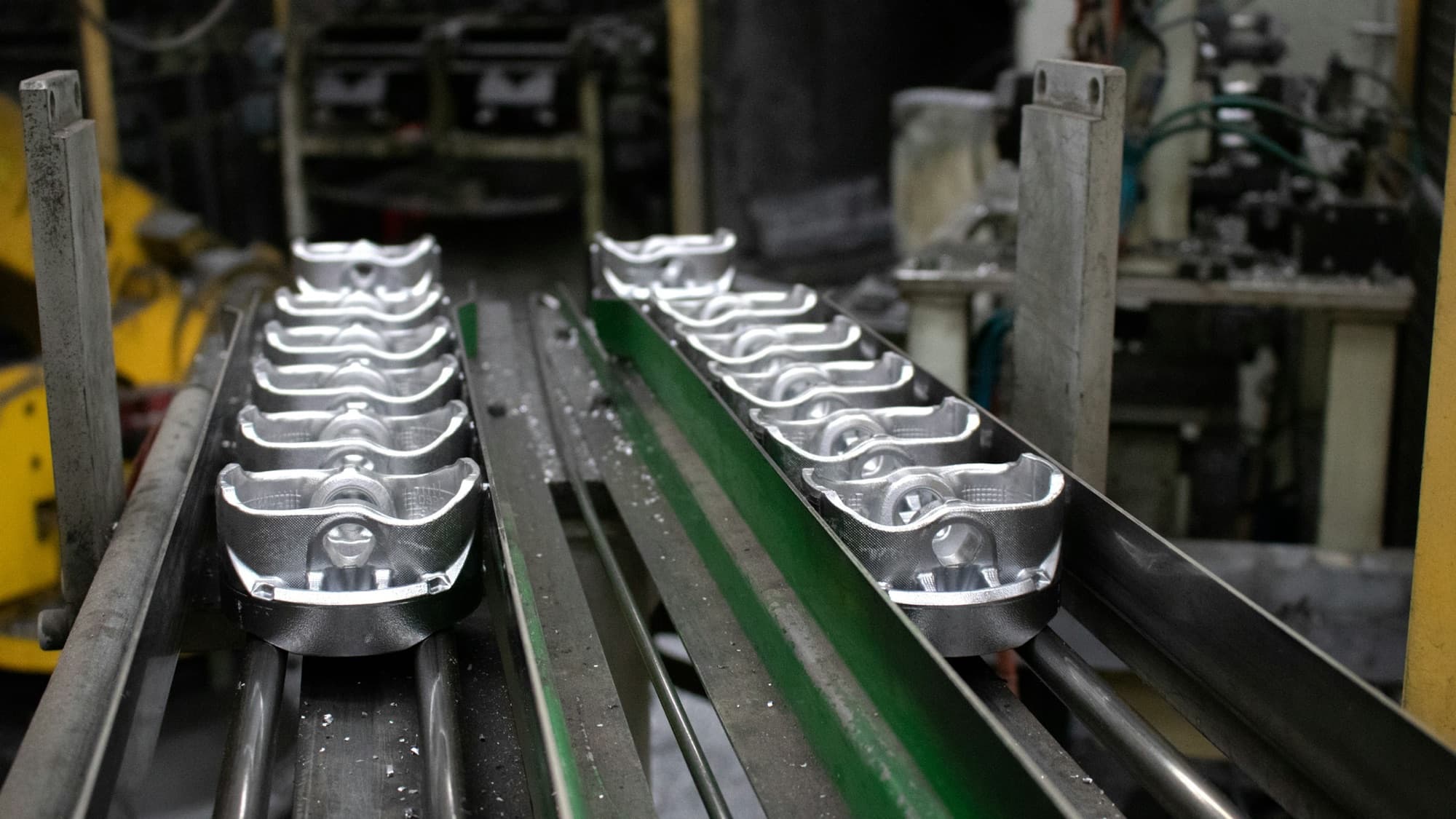 Die casting
Molten zinc or aluminum injected into steel dies at high pressure. Thin walls and net shape at 2,500+ parts a year.
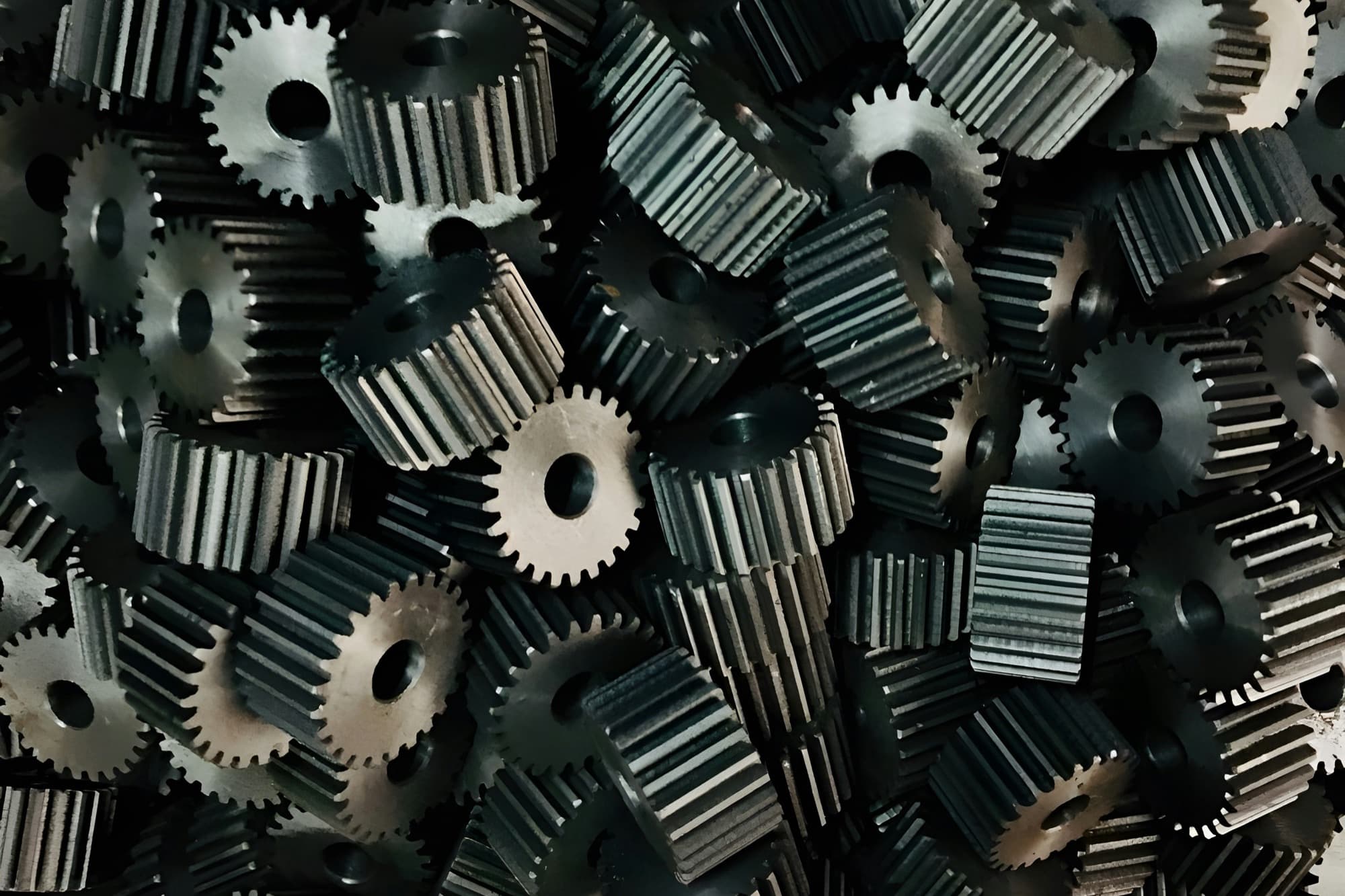 Powdered metal
Net-shape gears, bushings, and structural parts pressed from metal powder and sintered, with little or no machining.
 Offshore sourcing
Parts made by vetted overseas manufacturers, with landed-cost analysis, quality control, and logistics managed.
Which of these pays off at your quantity?
Parts per order
5 processes are at their best at this quantity, and 3 more can do it.
Drag to your quantity


What suppliers are held to
Appliance safety listings
Household appliances are listed to UL 60335-1 with the matching part 2 standard, such as UL 60335-2-24 for refrigerators, or to legacy standards such as UL 858 for ranges. Components near live parts need material ratings the listing accepts, and suppliers provide UL file numbers for resins.
Flammability and glow-wire
Enclosures and parts supporting current-carrying connections typically need UL 94 ratings and, in appliances that run unattended, glow-wire performance under IEC 60335-1 clause 30. A resin grade change requires requalification.
Food contact and sanitation
Parts that touch food or dishwasher water use resins compliant with FDA 21 CFR Part 177. Dishwashers that claim sanitization are certified to NSF/ANSI 184.
Appearance and cost-down
Color is held to a master plaque, commonly within ΔE 1.0 on a spectrophotometer, and gloss and texture must match on every cavity. Annual price-down requests are common, so should-cost transparency matters.
Questions
Should appliance trim use 304 or 430 stainless?
430 is the standard for appliance panels and trim. It is ferritic, magnetic, and cheaper, and it takes a brushed finish well. 304 costs more but resists corrosion better, so it is used for dishwasher tubs and parts that stay wet.
How is color matched across multiple molds and suppliers?
Every supplier molds to the same master color plaque and resin color code, and parts are measured on a spectrophotometer against a ΔE limit. Pre-colored compounds hold color more consistently than natural resin blended with color concentrate at the press.
Are appliance parts better sourced offshore?
Stable, high-volume parts that ship densely, such as knobs and small molded parts, often land cheaper offshore. Large, bulky parts and parts that change every model year usually favor domestic or nearshore molders because freight and inventory eat the savings.
What does an appliance RFQ need beyond the drawing?
Annual volume by color, resin and UL rating requirements, color and texture standards, packaging method, and a target price if one exists. Without volume by color, cavity count and setup costs cannot be quoted accurately.


Send us the part.
Build it or upload a drawing. A rep routes it to principals already making parts for this industry.