Loading page
Aluminum A380 (die cast)
A380 is an aluminum-silicon-copper alloy and the most widely used aluminum for high-pressure die casting. It fills thin walls, resists hot cracking, and delivers about 47 ksi (324 MPa) tensile strength as cast. It machines well and suits housings, brackets and covers from a few thousand to millions of parts. It does not anodize cleanly; use powder coat or chem film.
- UNS
- A13800 (A380.0)
- ASTM
- B85 (aluminum die castings)
- JIS
- ADC10 (close equivalent)
- EN 1706
- EN AC-46500 AlSi9Cu3(Fe)(Zn) (similar)

How does it compare?
Typical room-temperature values for A380, against all 48 materials in the library.
- Tensile strength
- 324 MPa53th pct
- Yield strength
- 159 MPa5th pct
- Density
- 2.71 g/cm³51th pct
- Max service temp
- 150 °C55th pct
- Elongation
- 3.5 %5th pct
- Relative cost
- $$$$$
Bars are relative to the strongest, densest or hottest material in the SSG library. Percentile vs all 48 materials.
- Density
- 2.71 g/cm³ · 0.0979 lb/in³
- Tensile strength
- 324 MPa · 47.0 ksi
- Yield strength
- 159 MPa · 23.1 ksi
- Elongation
- 3.5%
- Elastic modulus
- 71 GPa · 10.3 Msi
- Hardness
- 80 HB
- Max service temperature
- 150 °C · 302 °F
- Melting point
- 538 °C · 1000 °F
- Thermal conductivity
- 96 W/m·K
- Machinability
- 250% of 1212 steel
When should you use A380?
Strengths
- Fills walls of 0.060–0.120 in (1.5–3.0 mm) routinely, thinner on small parts
- Good pressure tightness and hot-crack resistance
- Tensile strength of 47 ksi (324 MPa) as cast with no heat treatment
- Machines well for tapped holes, bores and sealing faces
Watch for
- Low ductility, about 3.5% elongation; not for parts that must bend or absorb impact
- Gas porosity rules out conventional heat treatment and welding
- Anodizes gray and blotchy because of 7.5–9.5% silicon and 3–4% copper
- Moderate corrosion resistance because of the copper; coat parts for outdoor use
Typical parts
- Power tool and small engine housings
- Gearbox and pump covers
- Lighting fixture housings
- Electronics enclosures and heat-sinking chassis
- Compressor and motor end bells
- Brackets and mounting castings
How A380 is made into parts
Cost, finishes and design rules for each process in this material.
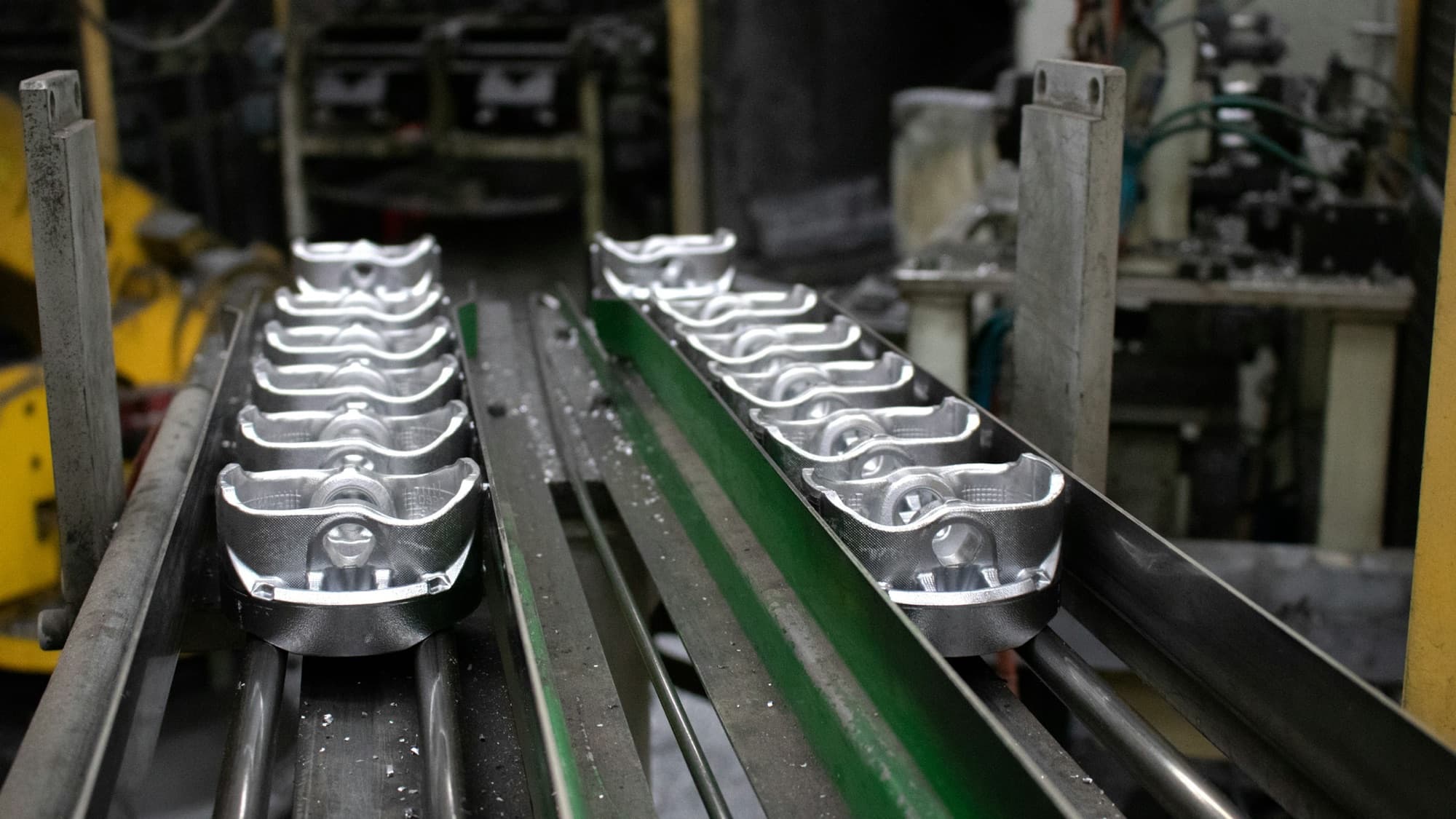 Die casting in A380
Molten zinc or aluminum injected into steel dies at high pressure. Thin walls and net shape at 2,500+ parts a year.
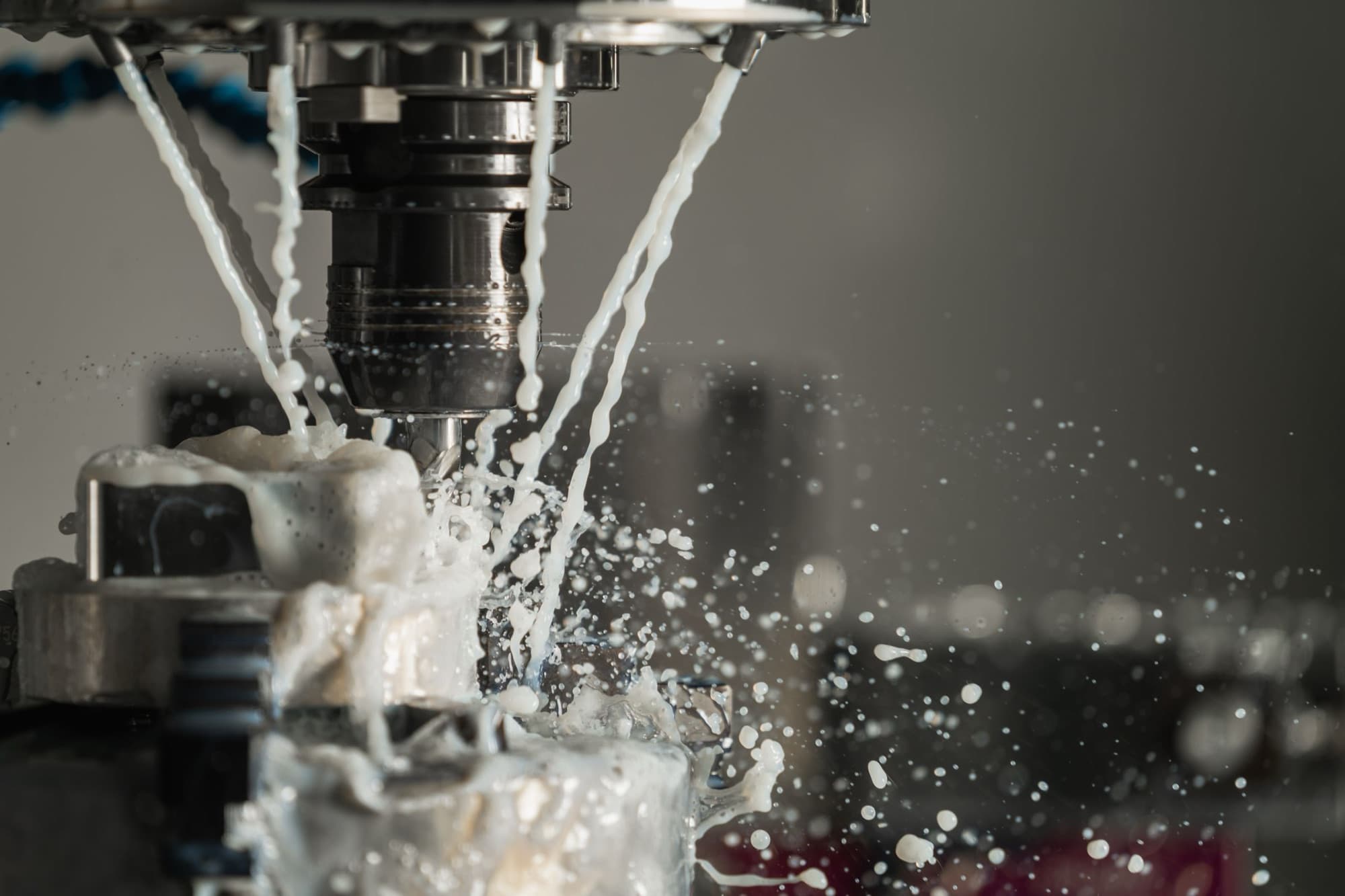 CNC machining in A380
CNC milling, turning, and production sawing from bar, plate, castings, and forgings, from prototype to production.
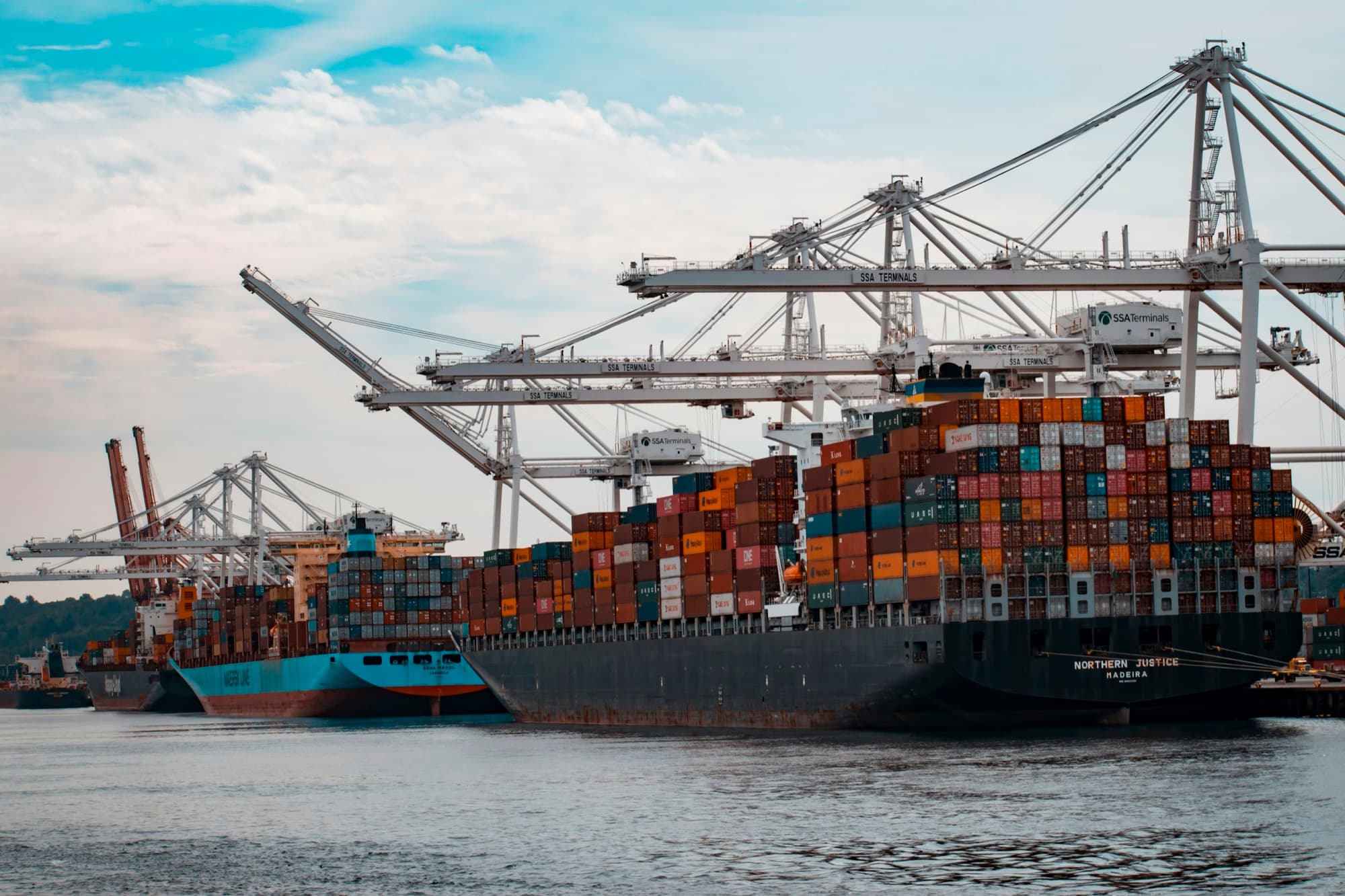 Offshore sourcing in A380
Parts made by vetted overseas manufacturers, with landed-cost analysis, quality control, and logistics managed.
What does a part in A380 cost?
A representative part, die casting. Raw material at about $3.00/kg is one line of it; process time and tooling usually matter more.
Housing · Die casting
Order total $34,062
- Tooling
- $21,823
- one-time, spread over the order
- Piece price
- $2.33
- before setup + tooling
- Lead time
- 8–12 weeks
- to first production
Size
Drag a row to adjust · click to type
Length140140 mm
Width90.090.0 mm
Wall2.202.20 mm
Quantity
Price per part falls as volume rises
Exact quantity50005000 pcs
Material
Aluminum A380 (die cast)
Design checks pass
Open in builderBudgetary estimate for a representative part. Firm quotes come from principals after drawing review.


Compared head to head
A380 questions
Can A380 aluminum be anodized?
Not well. Its high silicon and copper produce a thin, gray, uneven coating. For cosmetic parts, powder coat or paint. If anodize is required, ask about lower-silicon casting alloys or machine the part from 6061.
A380 vs A383 (ADC12)?
A383, close to JIS ADC12, has more silicon for better fluidity in very thin or complex castings, with slightly lower strength and ductility. A380 is the default; move to A383 when fill is the problem.
Can aluminum die castings be heat-treated or welded?
Generally no. Trapped gas porosity expands and blisters at solution temperatures and in weld pools. Low-temperature stress relief is possible. Vacuum or other high-integrity die casting processes are needed when heat treatment or welding is required.
How strong is A380 die cast aluminum?
Typical as-cast values are 47 ksi (324 MPa) tensile, 23 ksi (159 MPa) yield and 3.5% elongation, per NADCA data. Thick sections run lower because of porosity and slower cooling.
Similar materials


Quote it in A380.
Upload CAD or start from a template. The builder prices it in this material and the alternatives.