Loading page
Aluminum 6061-T6
6061-T6 is a precipitation-hardened aluminum-magnesium-silicon alloy and the most common general-purpose aluminum for machined parts. Typical tensile strength is 45 ksi (310 MPa) with 40 ksi (276 MPa) yield at one-third the density of steel. It machines fast, welds, and takes Type II and Type III anodize well. Choose 7075-T6 when you need higher strength.
- UNS
- A96061
- EN 573-3
- EN AW-6061 (AlMg1SiCu)
- ASTM
- B209 (sheet, plate), B211 (bar), B221 (extrusions)
- ISO 209
- AlMg1SiCu

How does it compare?
Typical room-temperature values for 6061-T6, against all 48 materials in the library.
- Tensile strength
- 310 MPa51th pct
- Yield strength
- 276 MPa50th pct
- Density
- 2.7 g/cm³47th pct
- Max service temp
- 150 °C55th pct
- Elongation
- 12 %22th pct
- Relative cost
- $$$$$
Bars are relative to the strongest, densest or hottest material in the SSG library. Percentile vs all 48 materials.
- Density
- 2.7 g/cm³ · 0.0975 lb/in³
- Tensile strength
- 310 MPa · 45.0 ksi
- Yield strength
- 276 MPa · 40.0 ksi
- Elongation
- 12%
- Elastic modulus
- 68.9 GPa · 10.0 Msi
- Hardness
- 95 HB
- Max service temperature
- 150 °C · 302 °F
- Melting point
- 582 °C · 1080 °F
- Thermal conductivity
- 167 W/m·K
- Machinability
- 300% of 1212 steel
When should you use 6061-T6?
Strengths
- Good strength-to-weight: 45 ksi (310 MPa) tensile at 0.098 lb/in³ (2.70 g/cm³)
- Machines fast with good chip control and finishes to 32 µin Ra (0.8 µm)
- Weldable by TIG and MIG with 4043 or 5356 filler
- Anodizes cleanly in clear, black and dyed colors
- Stocked in bar, plate, sheet, tube and extruded shapes
Watch for
- As-welded strength drops to about 24 ksi (165 MPa) tensile in the heat-affected zone
- Cracks on tight bends in T6; allow an inside radius of 1.5–3× thickness or use 5052-H32
- Strength falls off above about 300 °F (150 °C)
- No true fatigue endurance limit; design cyclic parts to a stated cycle life
Typical parts
- Brackets and mounting plates
- Machined enclosures and heat sinks
- Fixture and jig plates
- Pneumatic cylinder end caps
- Robot arm links and motor mounts
- Bicycle and recreation equipment frames
How 6061-T6 is made into parts
Cost, finishes and design rules for each process in this material.
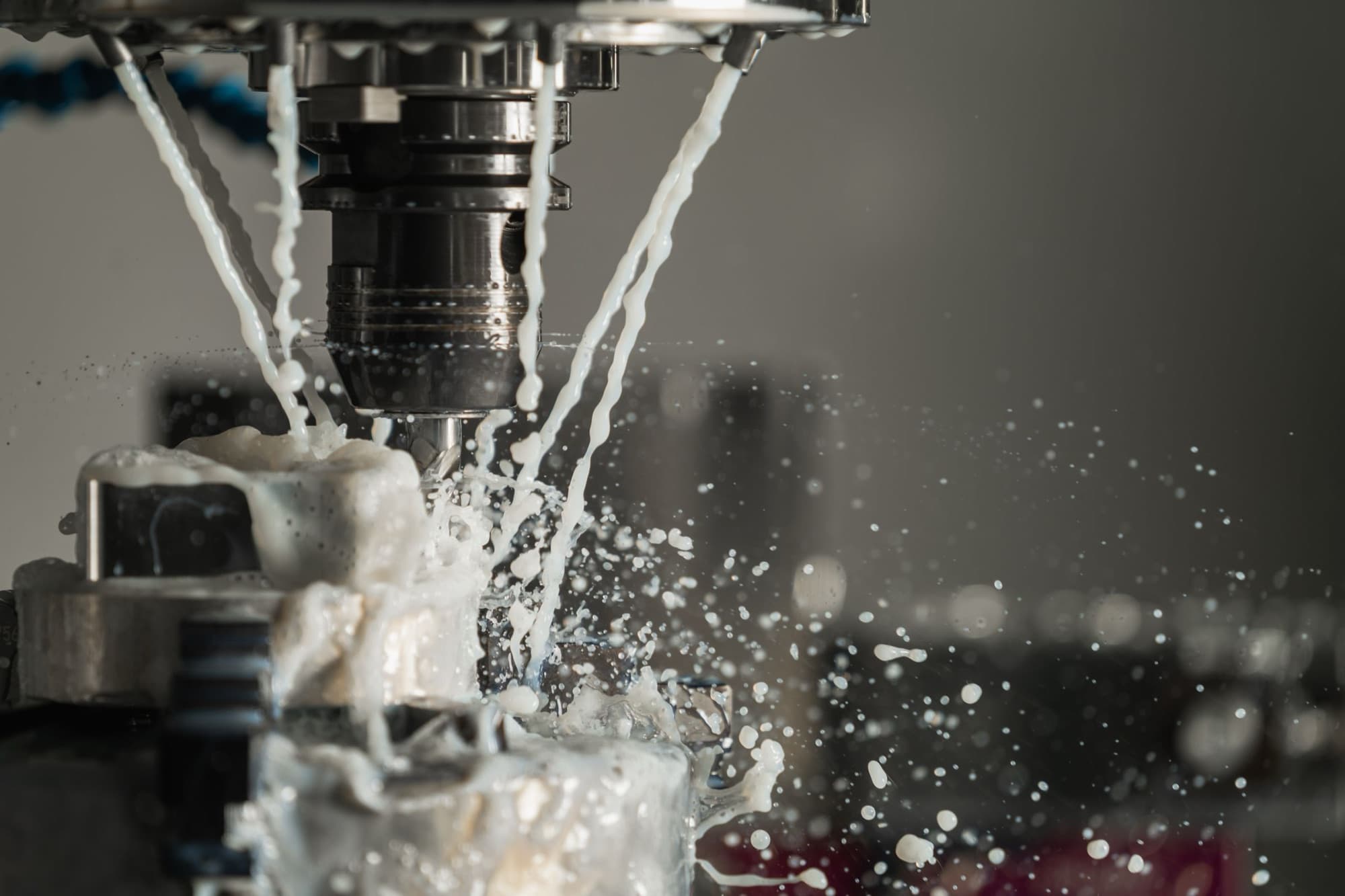 CNC machining in 6061-T6
CNC milling, turning, and production sawing from bar, plate, castings, and forgings, from prototype to production.
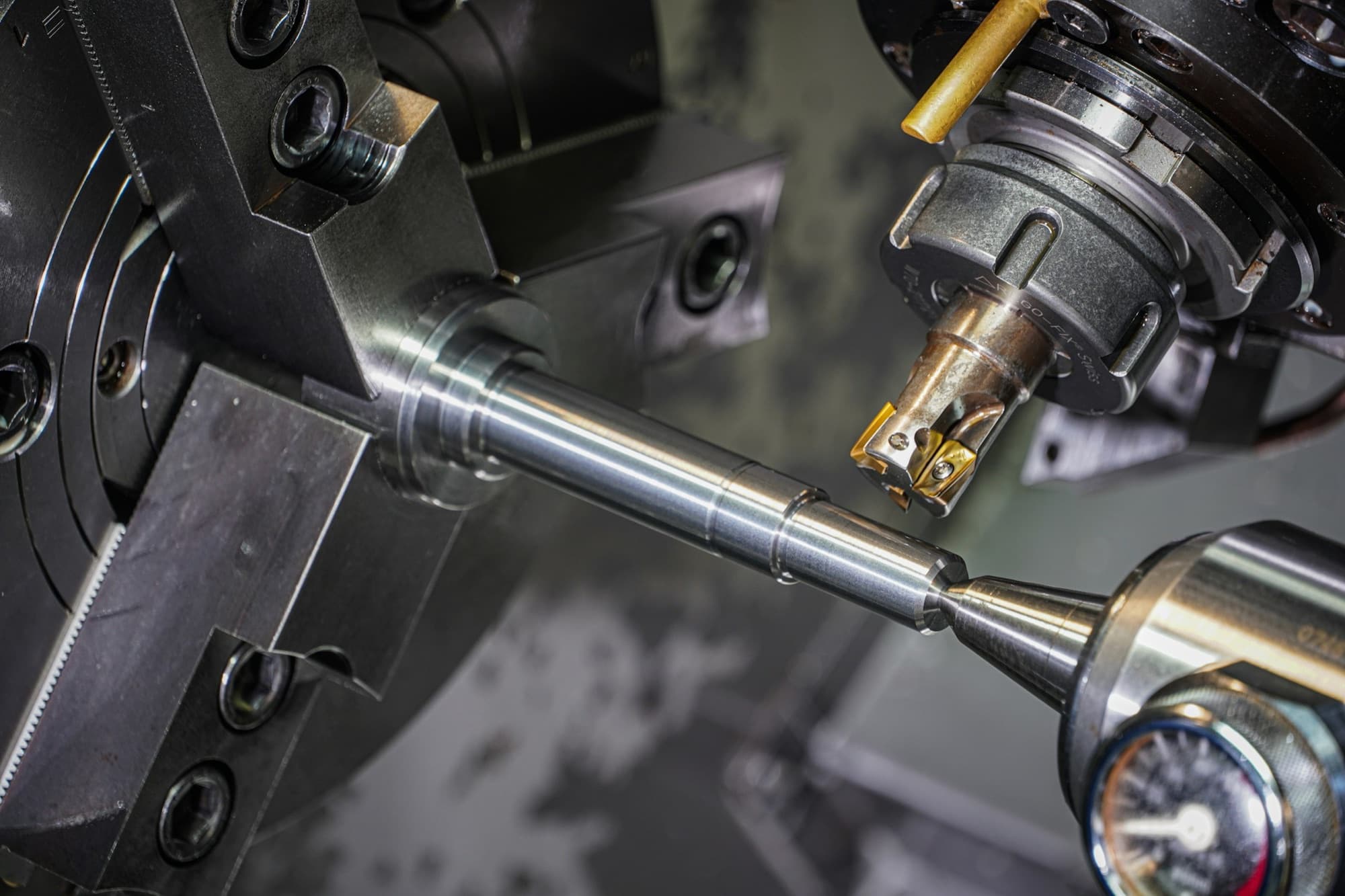 Screw machining in 6061-T6
Turned pins, fittings, shafts, and bushings made from bar stock on multi-spindle and Swiss screw machines at volume.
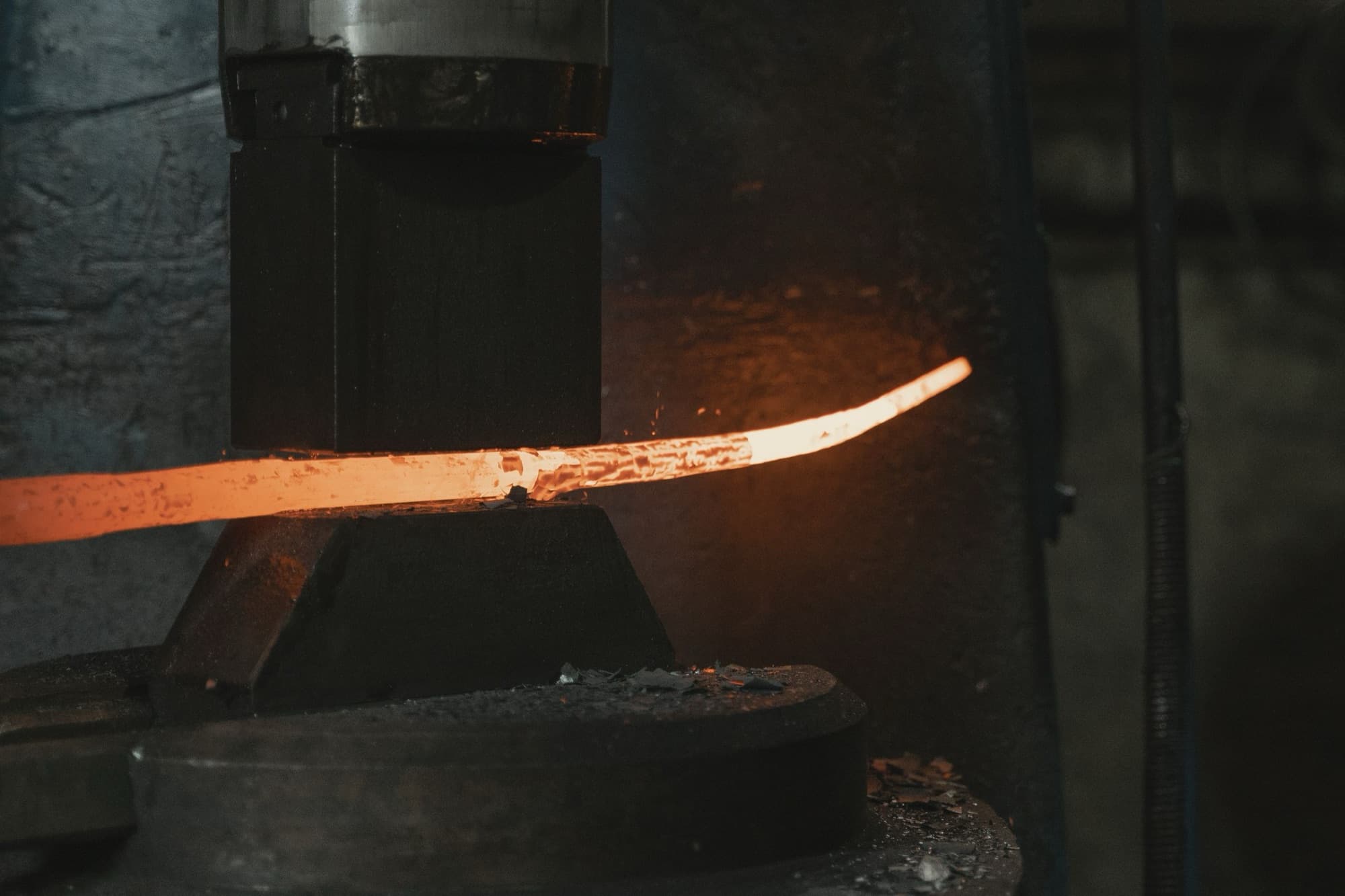 Forging in 6061-T6
Closed-die and open-die forgings in carbon, alloy, and stainless steel and aluminum, with grain flow for strength.
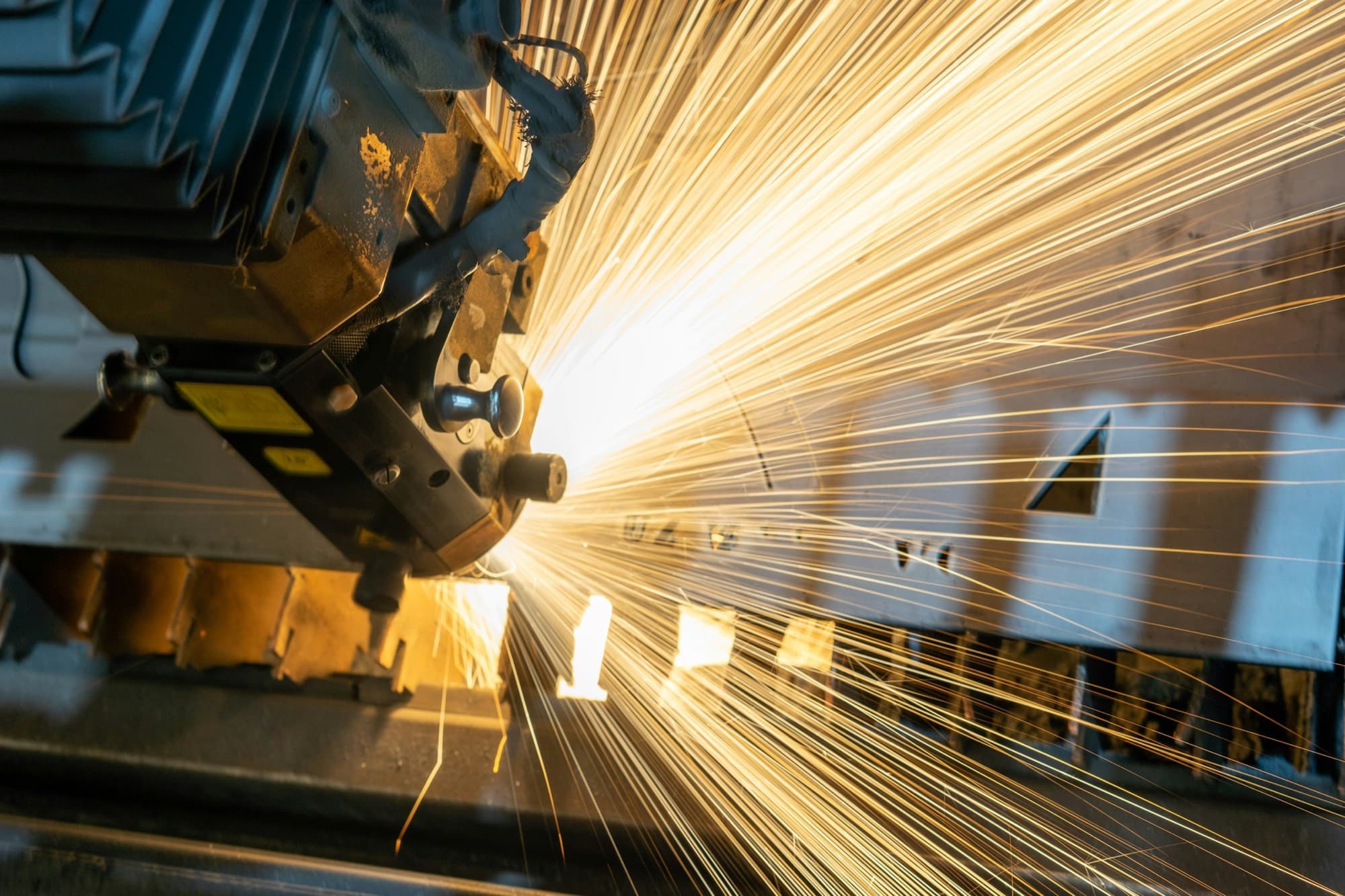 Sheet metal in 6061-T6
Laser-cut, punched, bent, and welded sheet metal enclosures, brackets, and chassis with no hard tooling.
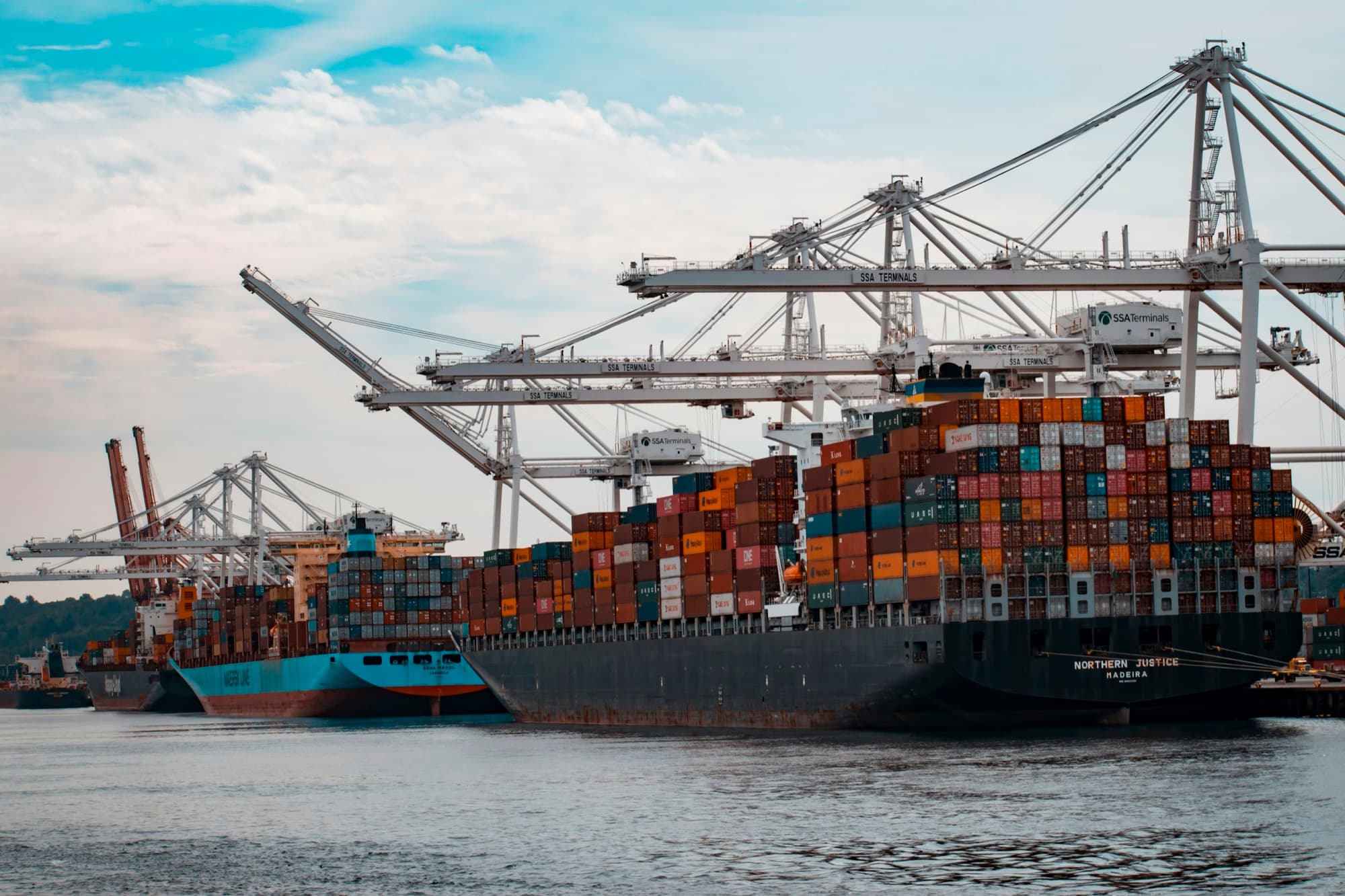 Offshore sourcing in 6061-T6
Parts made by vetted overseas manufacturers, with landed-cost analysis, quality control, and logistics managed.
What does a part in 6061-T6 cost?
A representative part, cnc machining. Raw material at about $7.00/kg is one line of it; process time and tooling usually matter more.
Plate · CNC machining
Order total $2,193
- Tooling
- None
- no hard tooling
- Piece price
- $33.10
- before setup + tooling
- Lead time
- 5–10 days
- to first production
Size
Drag a row to adjust · click to type
Length120120 mm
Width80.080.0 mm
Thickness6.006.00 mm
Quantity
Price per part falls as volume rises
Exact quantity5050 pcs
Material
Aluminum 6061-T6
Design checks pass
Open in builderBudgetary estimate for a representative part. Firm quotes come from principals after drawing review.


6061-T6 questions
Is 6061 aluminum weldable?
Yes. 6061 welds well by TIG or MIG with 4043 or 5356 filler. Welding anneals the heat-affected zone, so as-welded tensile strength drops to about 24 ksi (165 MPa) per AWS D1.2. Re-solution-treat and age after welding to restore T6 properties, or design the joint for the lower value.
6061 vs 7075 aluminum: which should I use?
Use 6061-T6 for general parts that need welding, anodizing and low cost. Use 7075-T6 when strength drives the design: it runs about 83 ksi (572 MPa) tensile versus 45 ksi (310 MPa), but costs roughly twice as much, is not fusion weldable, and has lower corrosion resistance.
What does the T6 temper mean?
T6 means solution heat-treated, quenched, then artificially aged. For 6061 that is a solution treatment near 985 °F (530 °C), then aging at 320–350 °F (160–177 °C). T651 adds a controlled stretch to relieve residual stress, which reduces warping when machining plate.
Is 6061 aluminum good for bending?
Only with generous radii. In T6, plan an inside bend radius of 1.5–3× material thickness depending on gauge. For tight sheet metal bends, specify 5052-H32, or form 6061 in the O or T4 temper and age afterward.
Does 6061 aluminum rust?
Aluminum does not rust; it forms a thin protective oxide. Bare 6061 holds up indoors and in mild outdoor exposure. For salt, outdoor or electrical grounding needs, add chem film (MIL-DTL-5541) or anodize (MIL-A-8625).
Similar materials


Quote it in 6061-T6.
Upload CAD or start from a template. The builder prices it in this material and the alternatives.