Loading page
Core line, represented 25+ years
How do air compressor manufacturers source pump and tank components?
Air compressor manufacturers source pump heads, crankcases, and connecting rods as aluminum die castings, tank end caps as deep drawn steel heads, and valves, fittings, and springs from screw machine and spring principals. Castings must hold pressure without porosity leaks, and tanks must meet ASME pressure vessel rules. SSG routes each part family to principals set up for that process.
- Part families
- 12
- Processes
- 8
- Materials
- 9
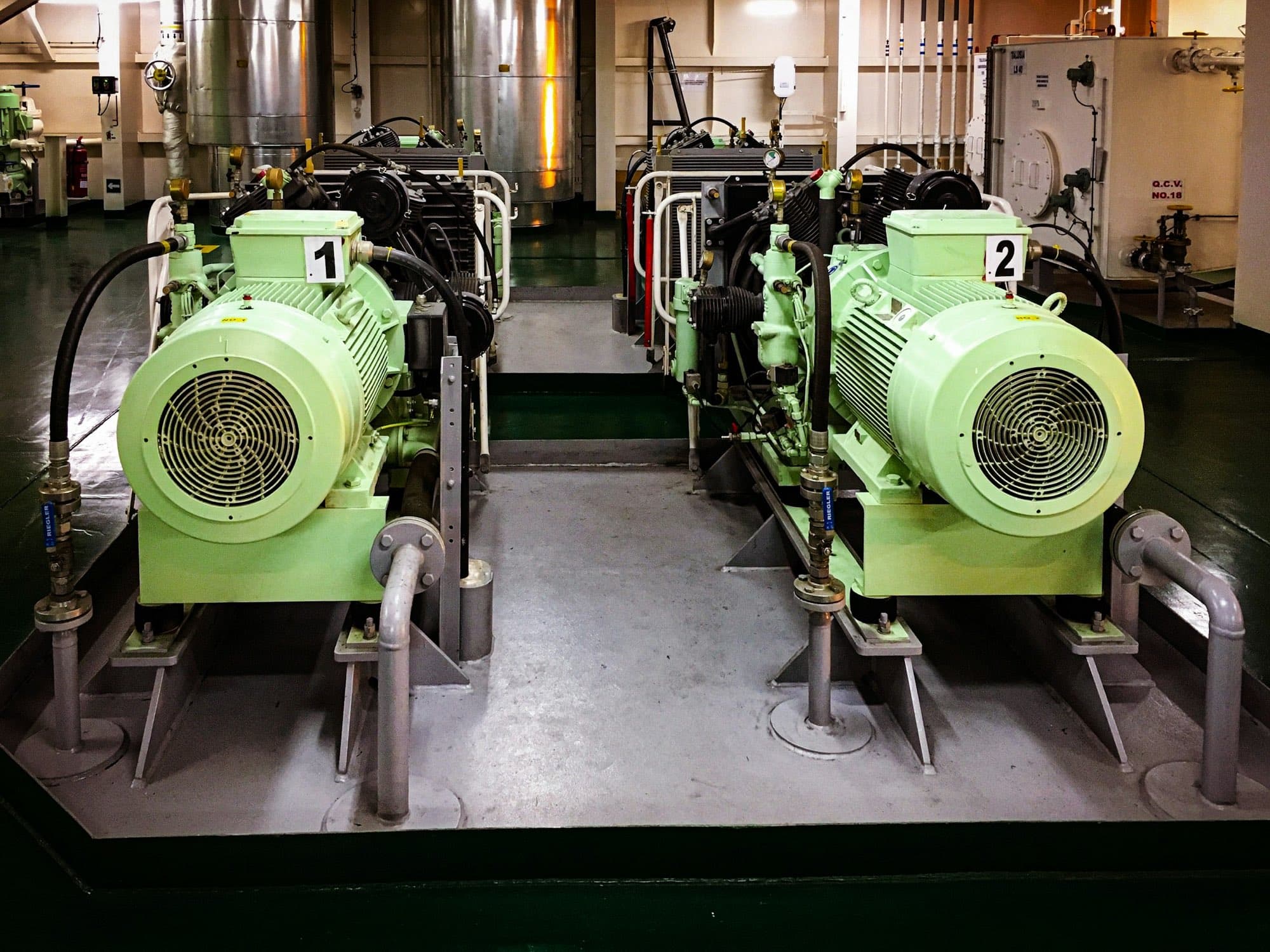
Parts we source for this industry
- 01Cast aluminum pump heads
- 02Die cast crankcases and connecting rods
- 03Deep drawn tank end caps
- 04Valve plates
- 05Stainless reed and flapper valves
- 06Check valve springs
- 07Unloader valve bodies
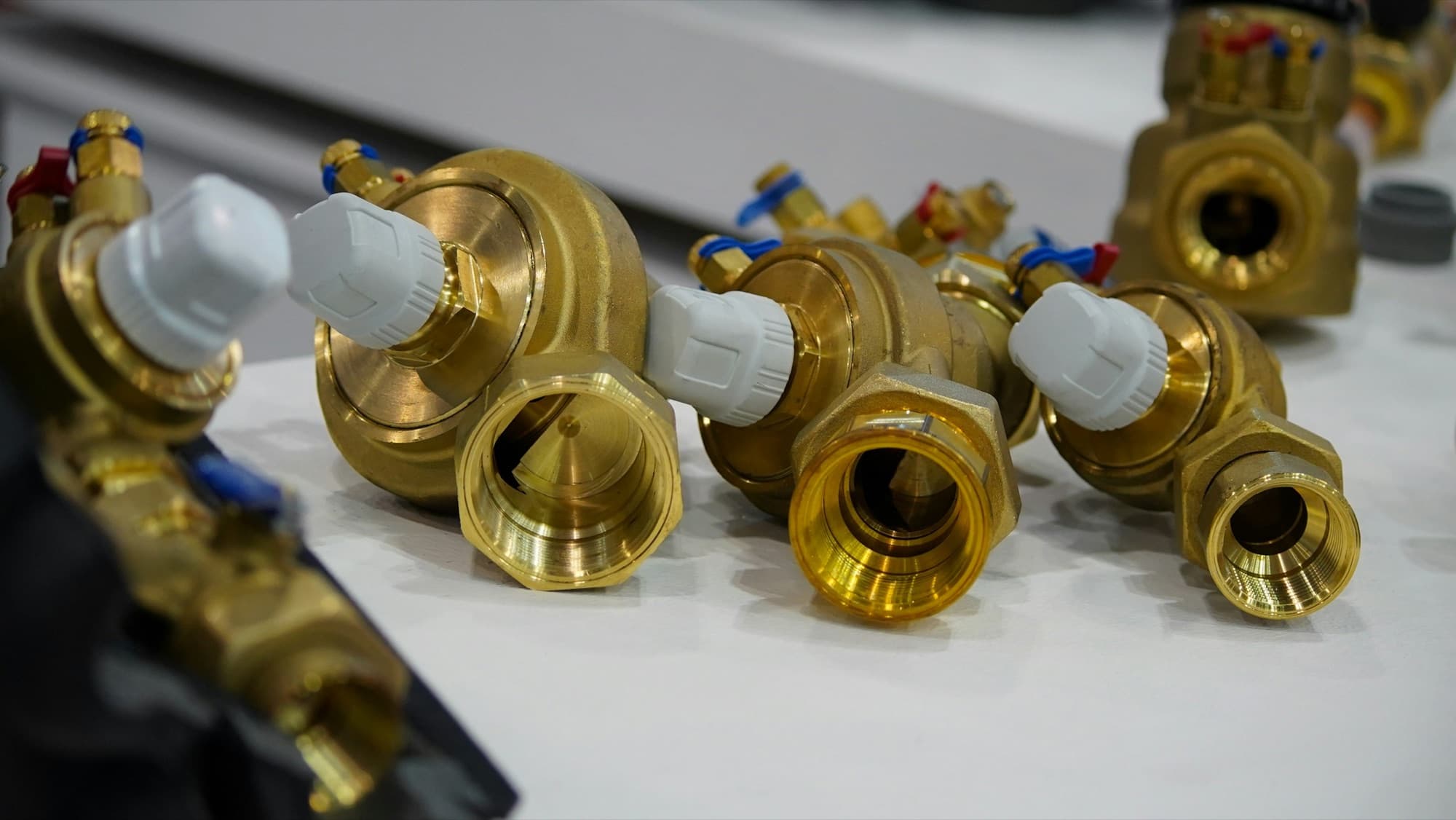
- 08Brass fittings and manifolds
- 09Molded shrouds and belt guards
- 10Rubber isolator feet
- 11Machined pistons and wrist pins
- 12Pressure switch housings
How these parts are made
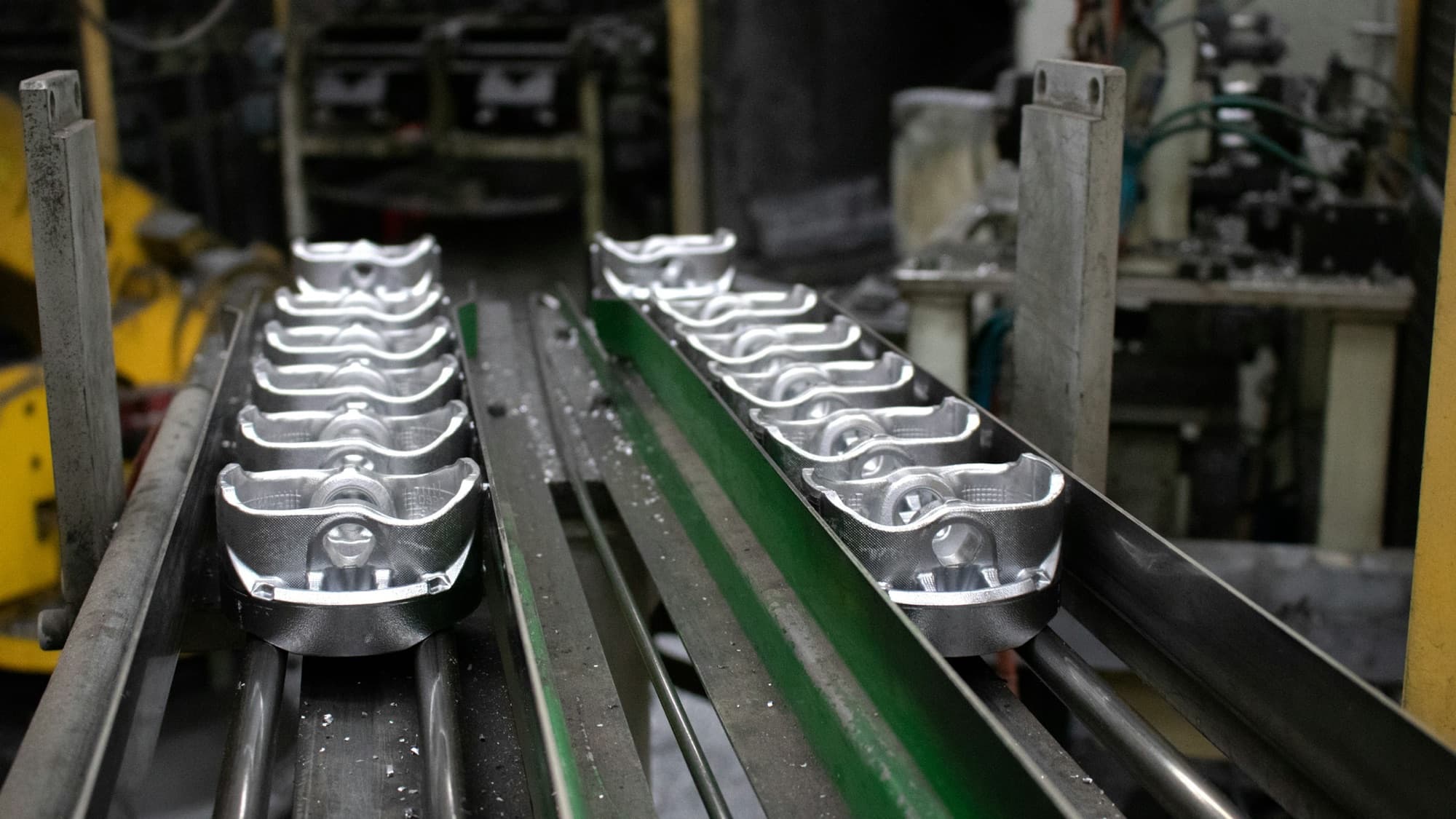 Die casting
Molten zinc or aluminum injected into steel dies at high pressure. Thin walls and net shape at 2,500+ parts a year.
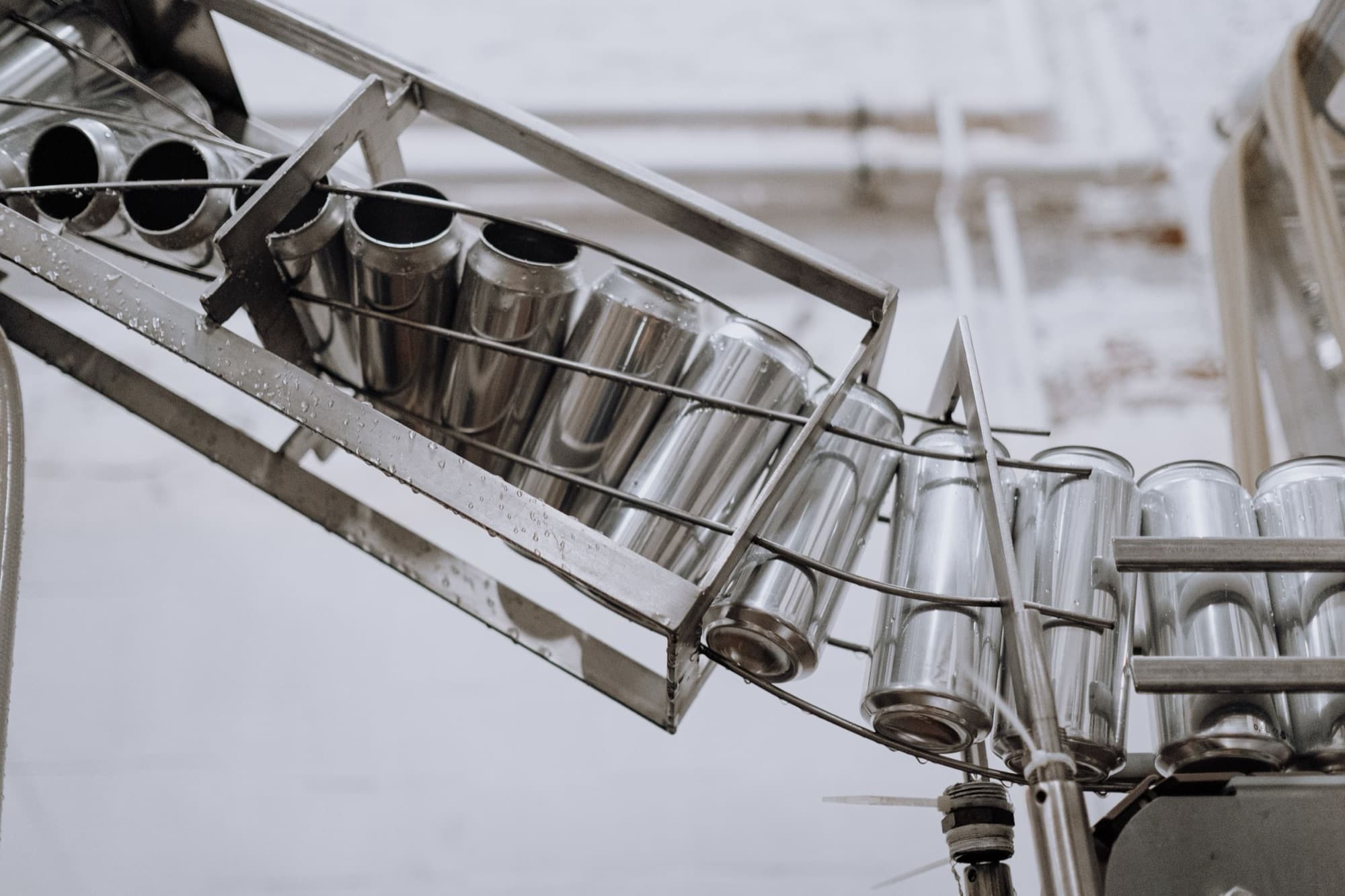 Deep draw
One-piece cups, cans, shells, and housings drawn from flat blanks, with depth that can exceed the diameter.
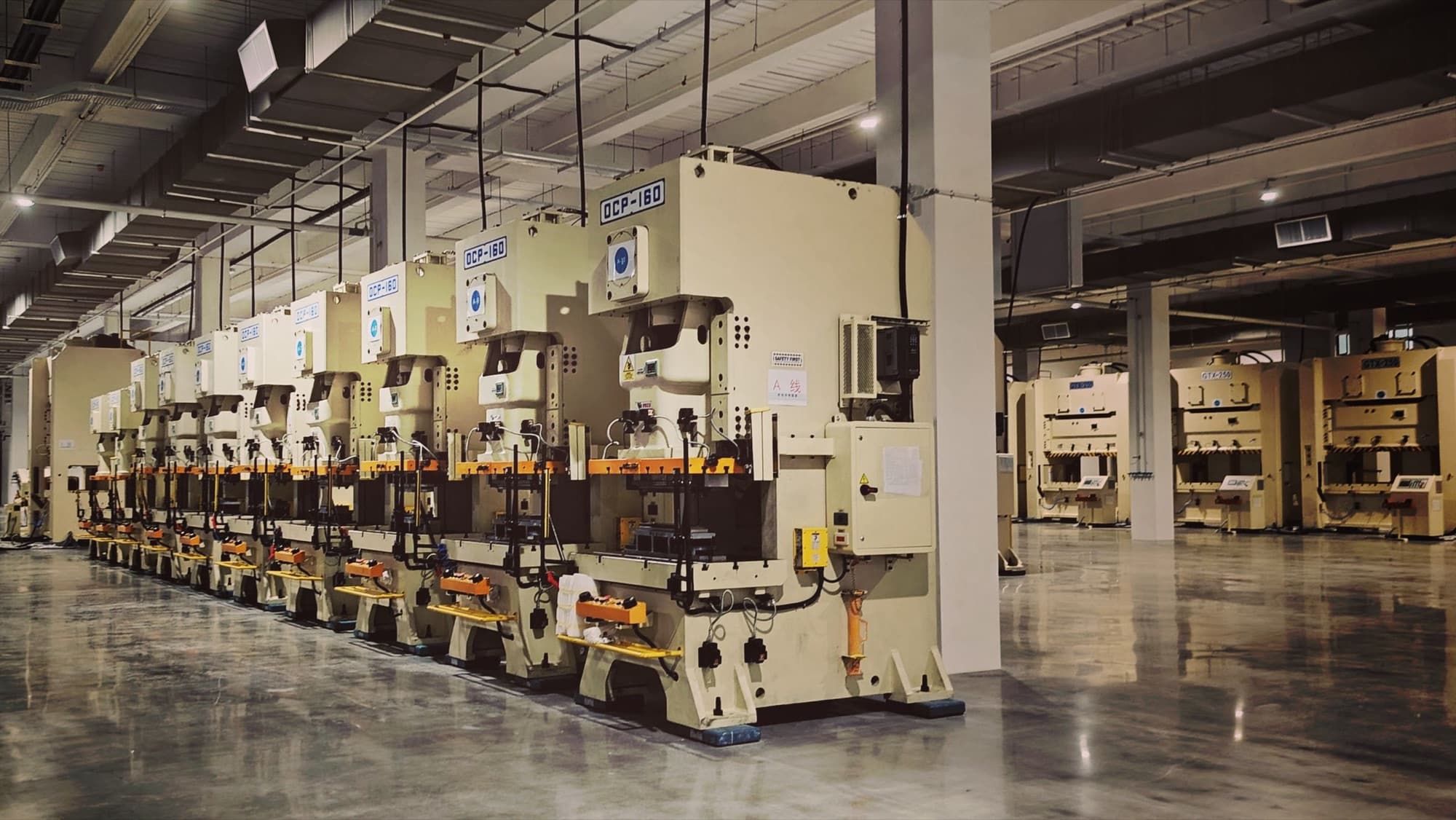 Stamping
Short- to medium-run stampings: brackets, clips, shields, and plates cut and formed from sheet or coil in a press.
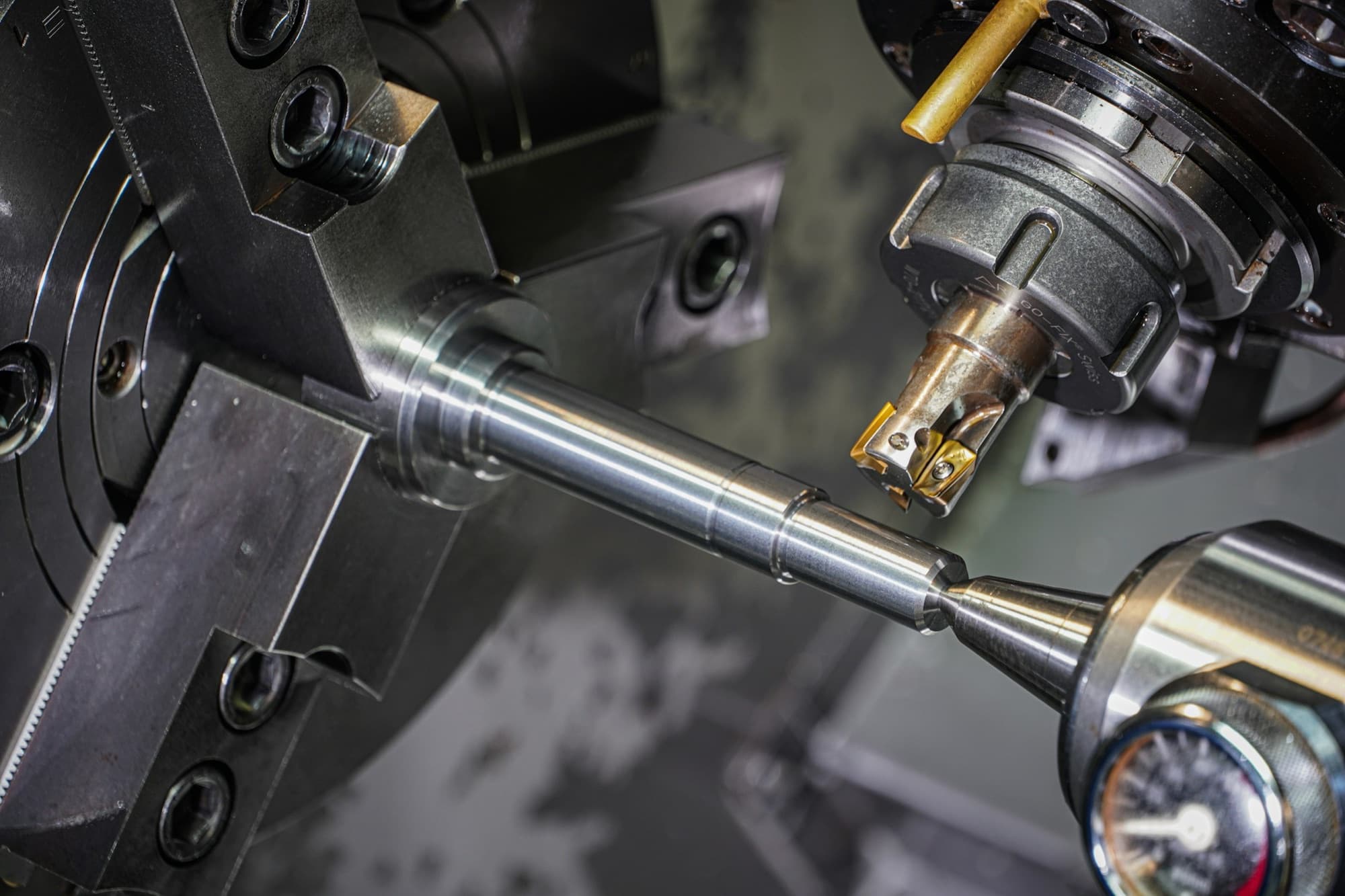 Screw machining
Turned pins, fittings, shafts, and bushings made from bar stock on multi-spindle and Swiss screw machines at volume.
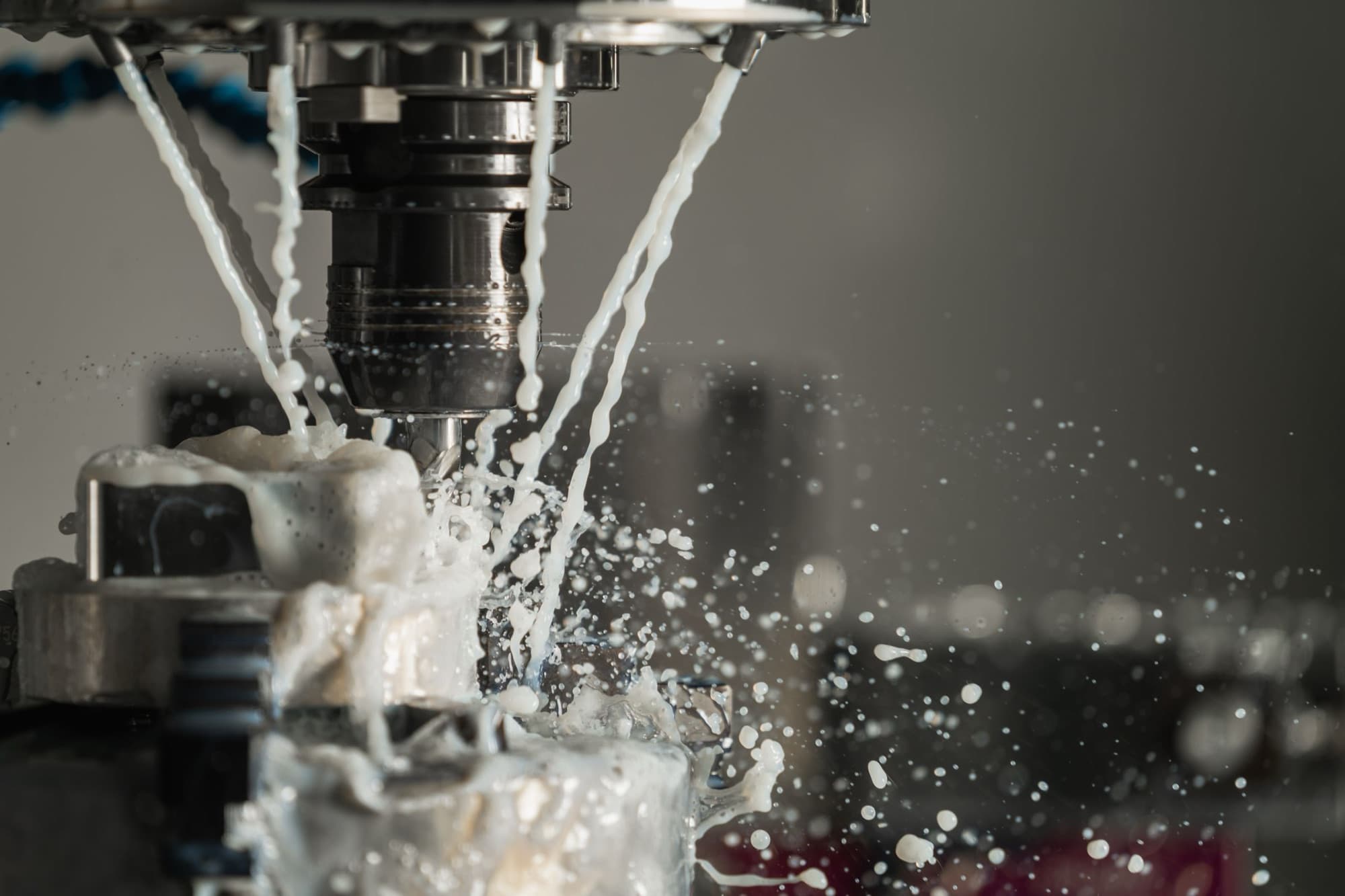 CNC machining
CNC milling, turning, and production sawing from bar, plate, castings, and forgings, from prototype to production.
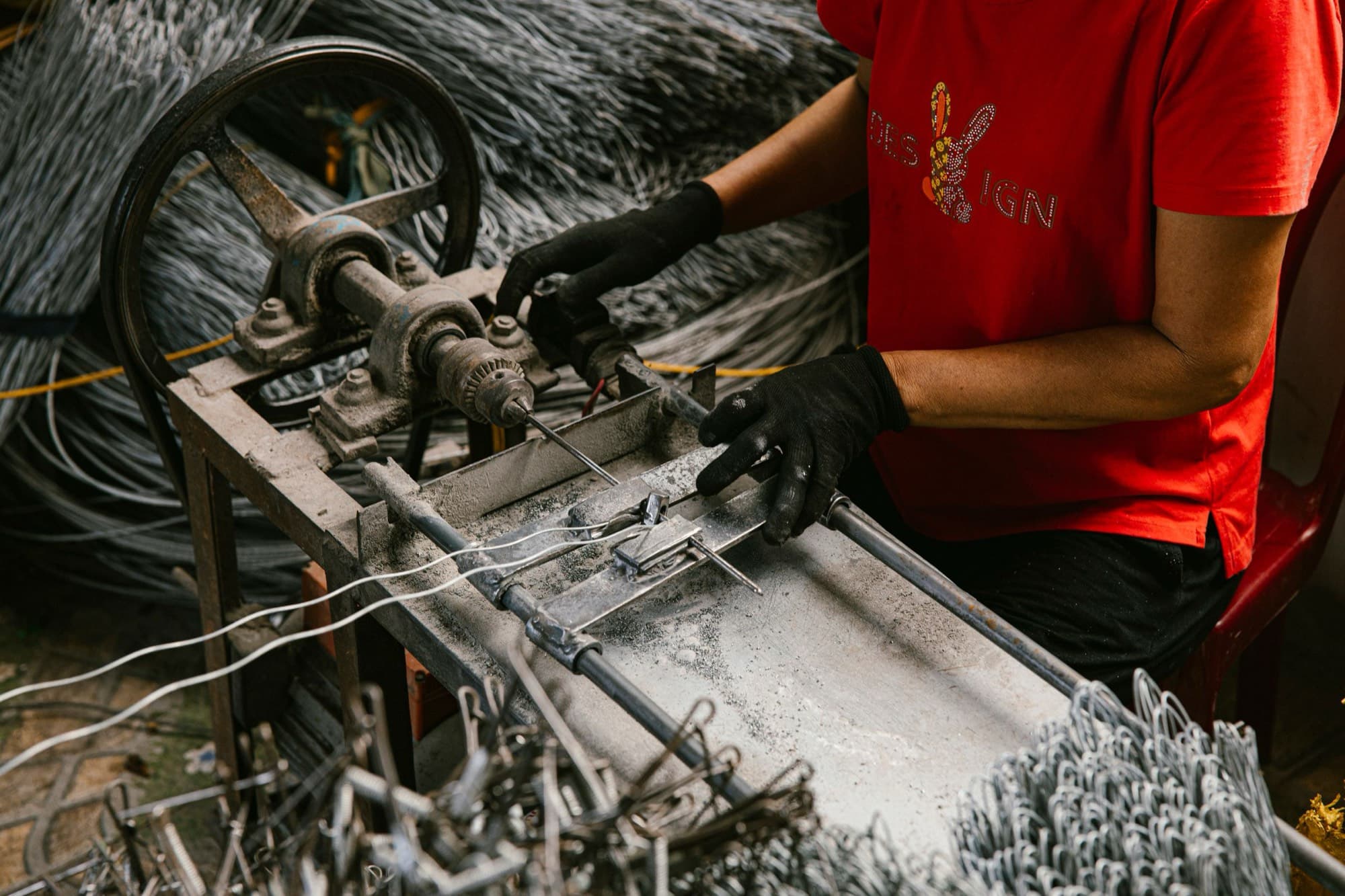 Springs & wire forms
Compression, extension, and torsion springs, wire forms, and fourslide clips made from round wire and flat strip.
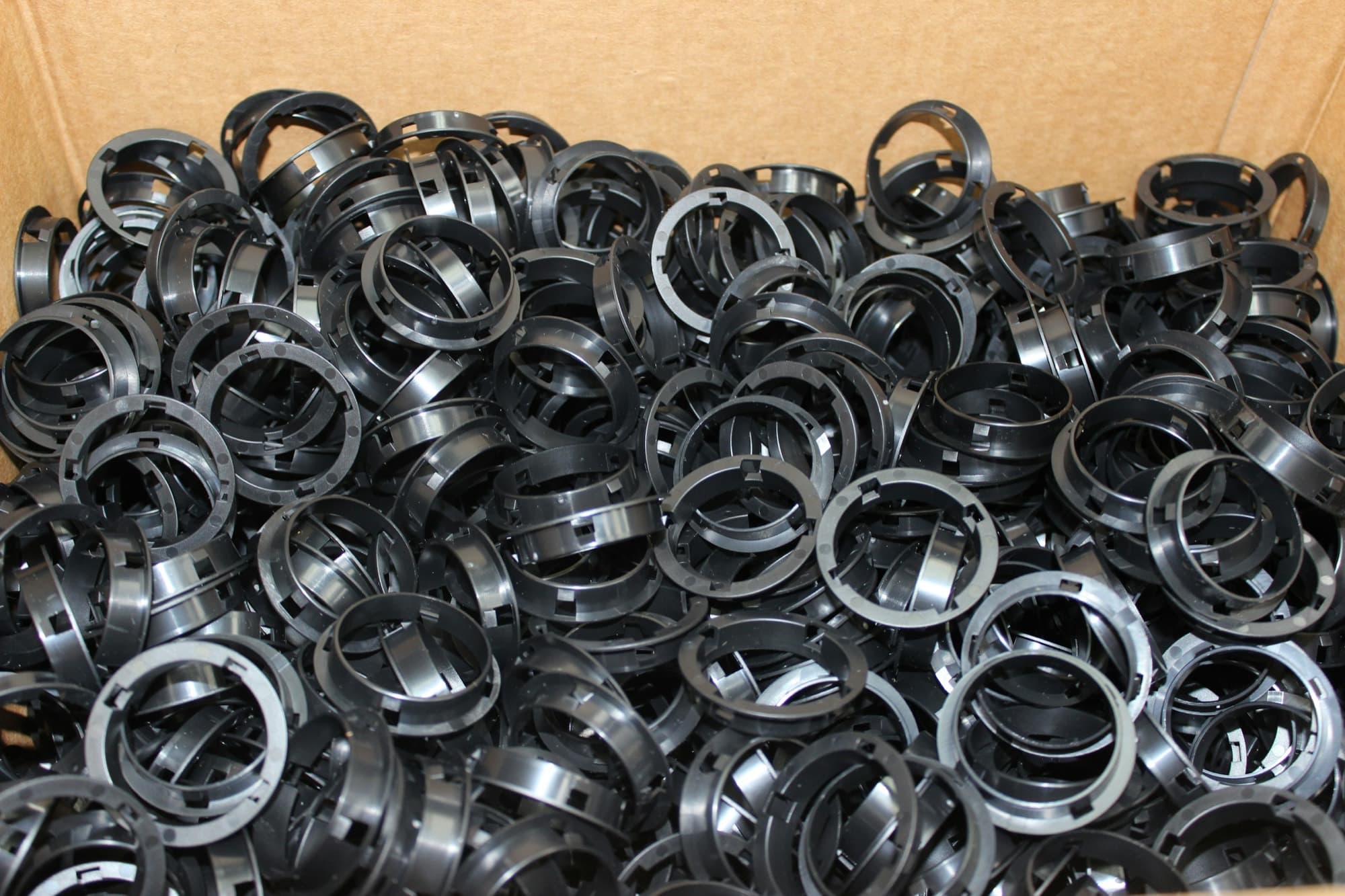 Injection molding
Molten thermoplastic injected into a steel or aluminum mold. Lowest piece price for plastic parts at 5,000+ a year.
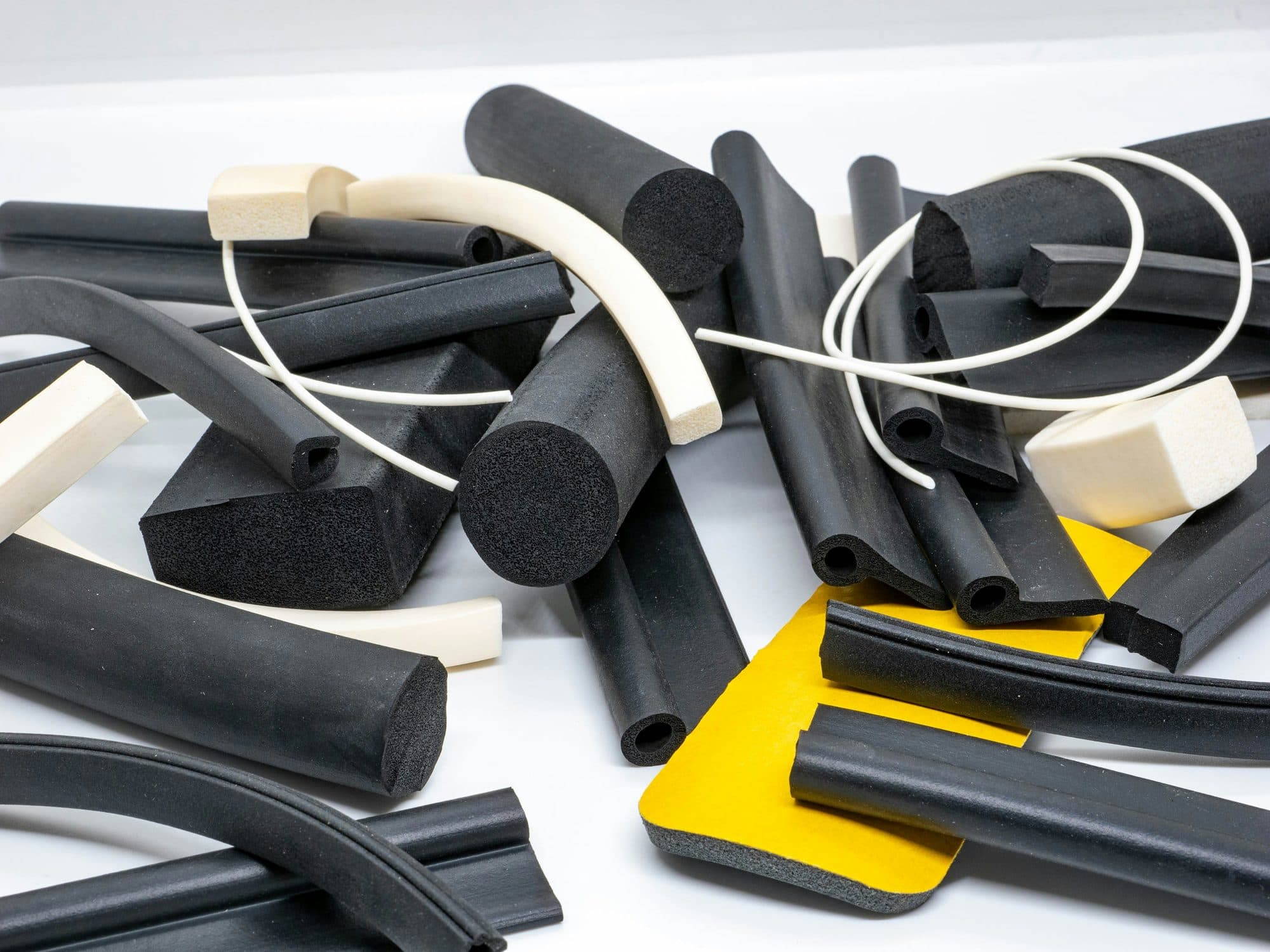 Rubber
Seals, gaskets, grommets, and profiles extruded or molded in EPDM, silicone, nitrile, neoprene, FKM, and TPE.
Which of these pays off at your quantity?
Parts per order
5 processes are at their best at this quantity, and 3 more can do it.
Drag to your quantity


What suppliers are held to
Pressure vessel code
Air receivers are generally built to ASME Boiler and Pressure Vessel Code Section VIII, Division 1, apart from small vessels the code exempts. Tank heads need certified material and must hold minimum wall thickness after the draw. The tank builder holds the ASME stamp, and SSG matches head and shell work to principals that supply those builders.
Leak-tight castings
Pump heads and valve bodies are pressure tested. Die castings carry porosity limits in sealing areas, vacuum-assisted casting where needed, and vacuum impregnation per MIL-STD-276 for parts that must seal after machining.
Electrical safety
Motor-driven compressors sold in North America are typically listed to UL 1450. Pressure switch housings, cord strain reliefs, and guards must use materials and flammability ratings that fit the listing.
Valve flatness and fatigue
Reed valves flex millions of times over their life. Drawings typically control flatness, edge condition, and burr direction on valve plates and reeds, and hardened stainless or carbon valve strip is standard.
Questions
What causes leaks in die cast compressor heads?
Porosity from trapped gas or shrinkage, usually exposed when sealing faces are machined. The fixes are better gating and venting, vacuum-assisted die casting, and vacuum impregnation after machining. Leak testing at a set pressure catches the rest.
Can compressor tank heads be deep drawn?
Yes. Dished and elliptical heads for small and mid-size tanks are drawn from heavy-gauge steel, then trimmed and flanged for welding. Wall thinning at the knuckle radius is the dimension to watch.
Should compressor fittings be screw machined or forged?
Small, round fittings are cheapest screw machined from brass or 12L14 bar. Fittings with side ports, tees, or bodies larger than the bar stock are usually hot forged brass, then machined, which saves material and machine time.
Which elastomers work for compressor seals and isolators?
Nitrile is the default for oil-lubricated pumps. FKM covers higher temperatures near the head and discharge line. EPDM and neoprene suit isolator feet and mounts that see no oil.

Send us the part.
Build it or upload a drawing. A rep routes it to principals already making parts for this industry.