Loading page
Core line, represented 25+ years
How do switch and electronics manufacturers source contacts, terminals, and housings?
Switch and electronics manufacturers source contacts and terminals from precision progressive-die stampers running copper alloys, often plated on the reel, and housings from molders running flame-rated PBT or nylon. Springs, pins, and actuators come from wire form, screw machine, and molding principals. SSG matches each part to principals with the tolerance and plating control required.
- Part families
- 12
- Processes
- 7
- Materials
- 10
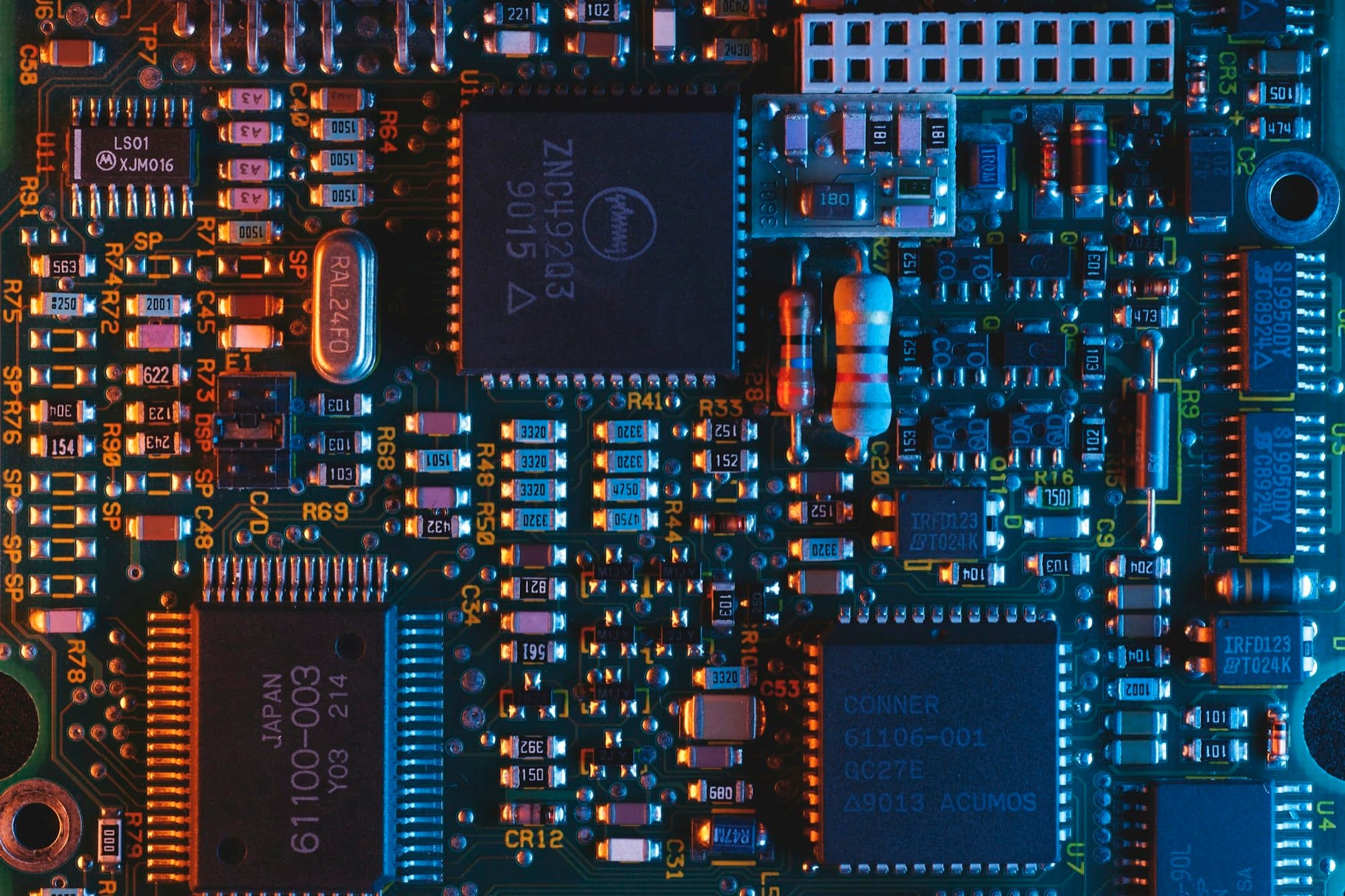
Parts we source for this industry
- 01Phosphor bronze contact springs and blades
- 02Stamped copper and brass terminals
- 03Glass-filled PBT and nylon switch housings
- 04Acetal actuators and plungers
- 05Stamped EMI shield cans
- 06Battery contact springs
- 07Screw machined brass connector pins
- 08Die cast aluminum heat sinks
- 09Silicone keypads and boots
- 10Deep drawn connector shells
- 11Molded relay and terminal block bases
- 12Torsion and detent springs
How these parts are made
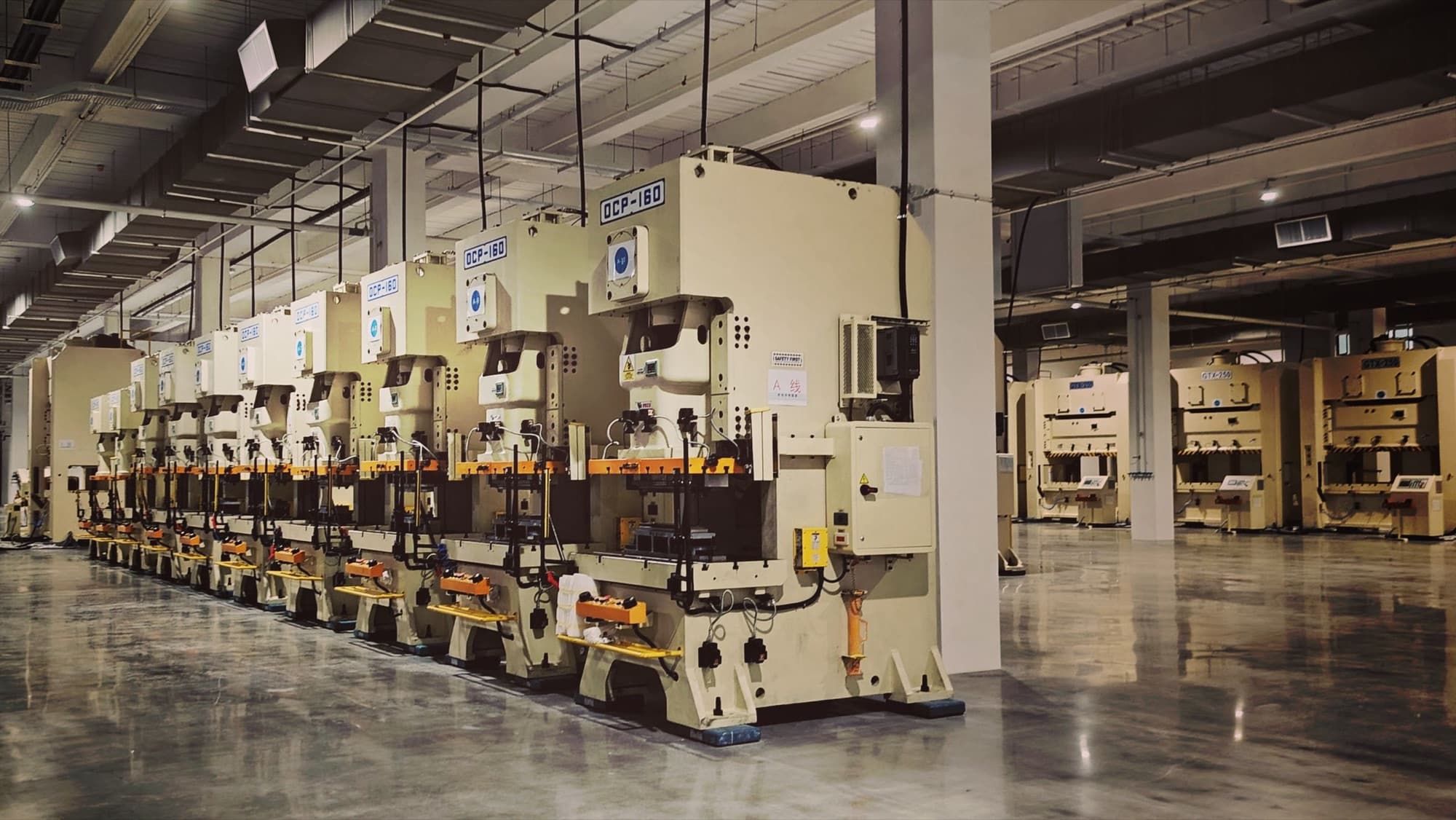 Stamping
Short- to medium-run stampings: brackets, clips, shields, and plates cut and formed from sheet or coil in a press.
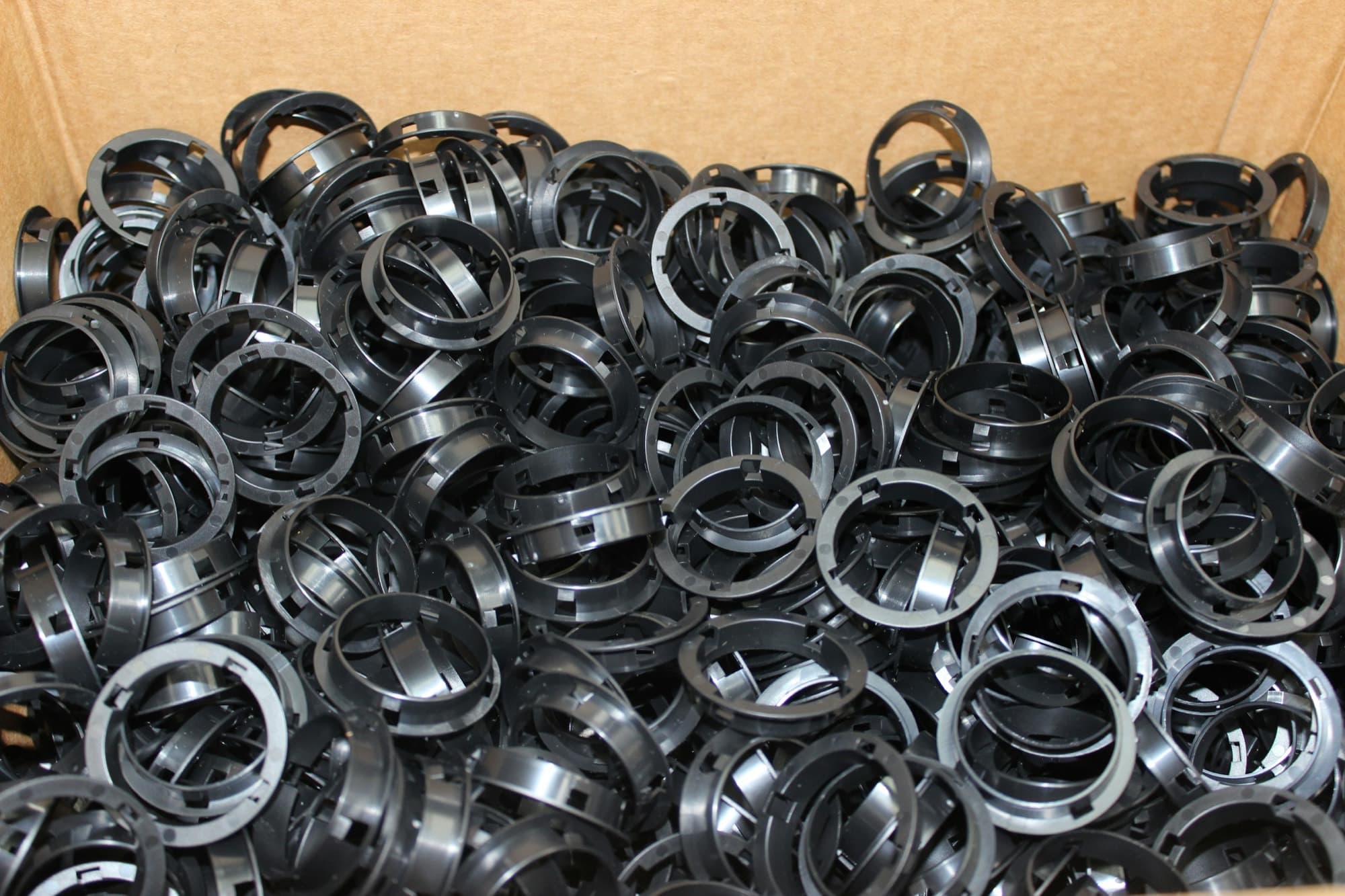 Injection molding
Molten thermoplastic injected into a steel or aluminum mold. Lowest piece price for plastic parts at 5,000+ a year.
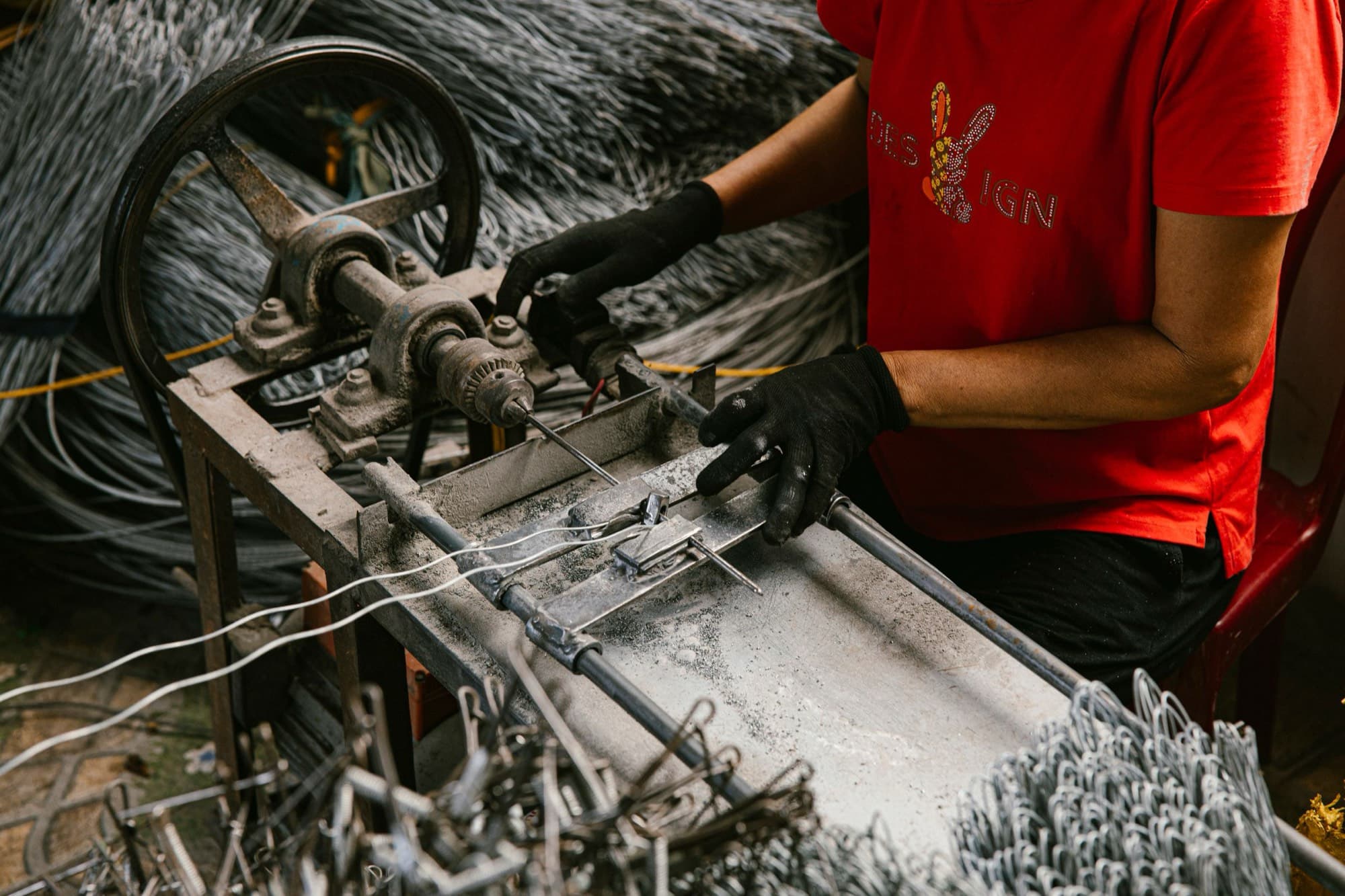 Springs & wire forms
Compression, extension, and torsion springs, wire forms, and fourslide clips made from round wire and flat strip.
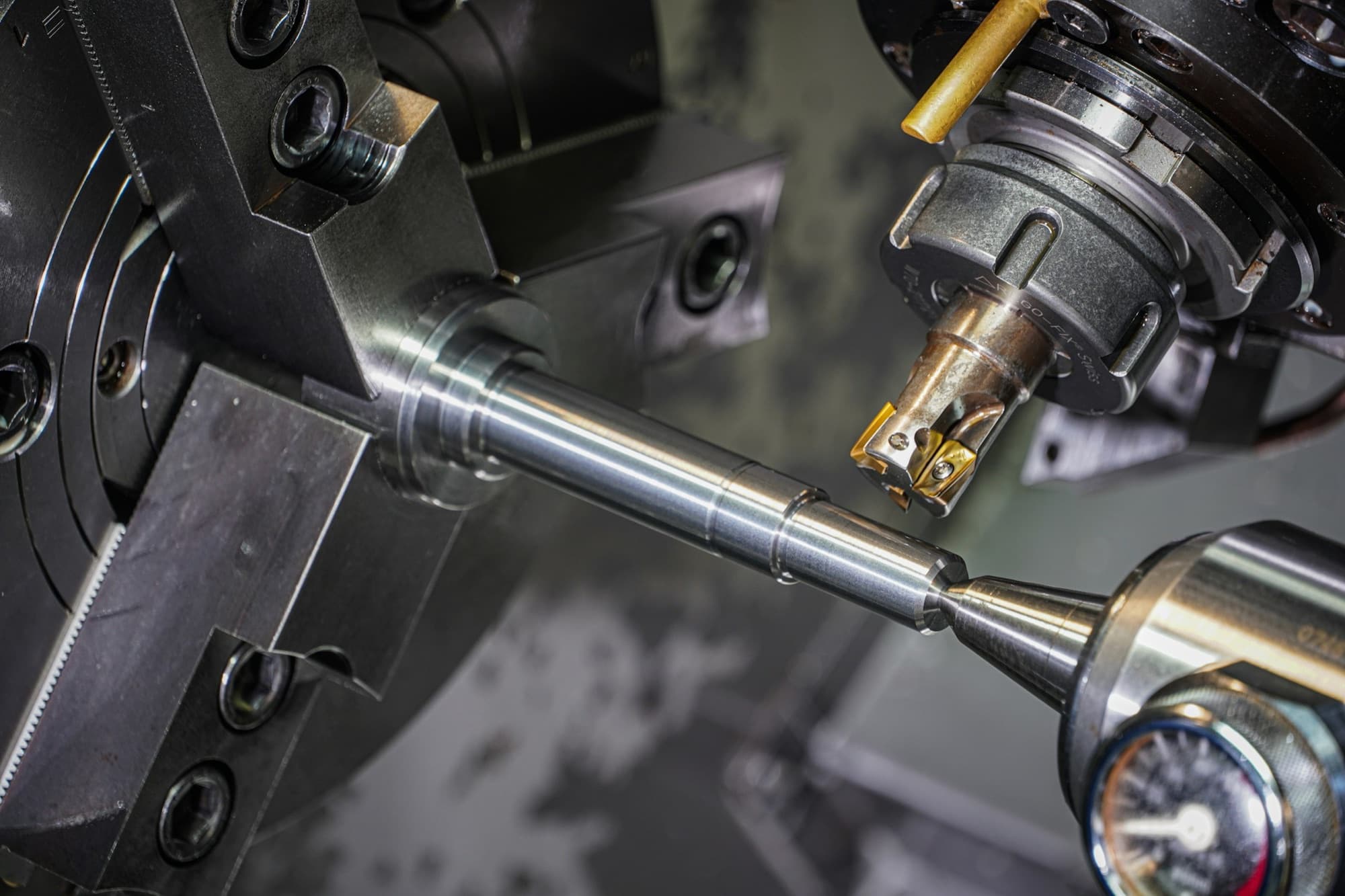 Screw machining
Turned pins, fittings, shafts, and bushings made from bar stock on multi-spindle and Swiss screw machines at volume.
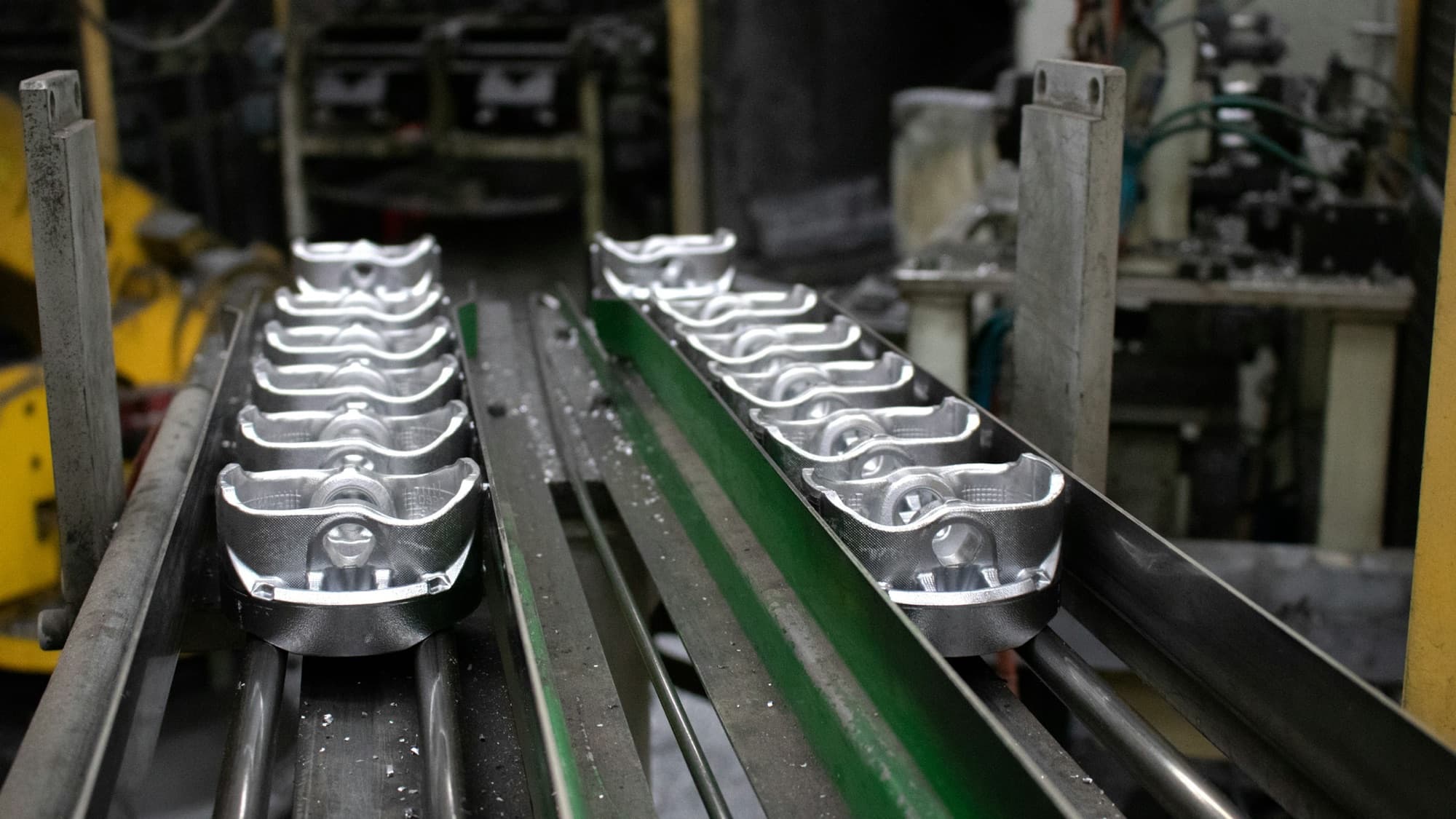 Die casting
Molten zinc or aluminum injected into steel dies at high pressure. Thin walls and net shape at 2,500+ parts a year.
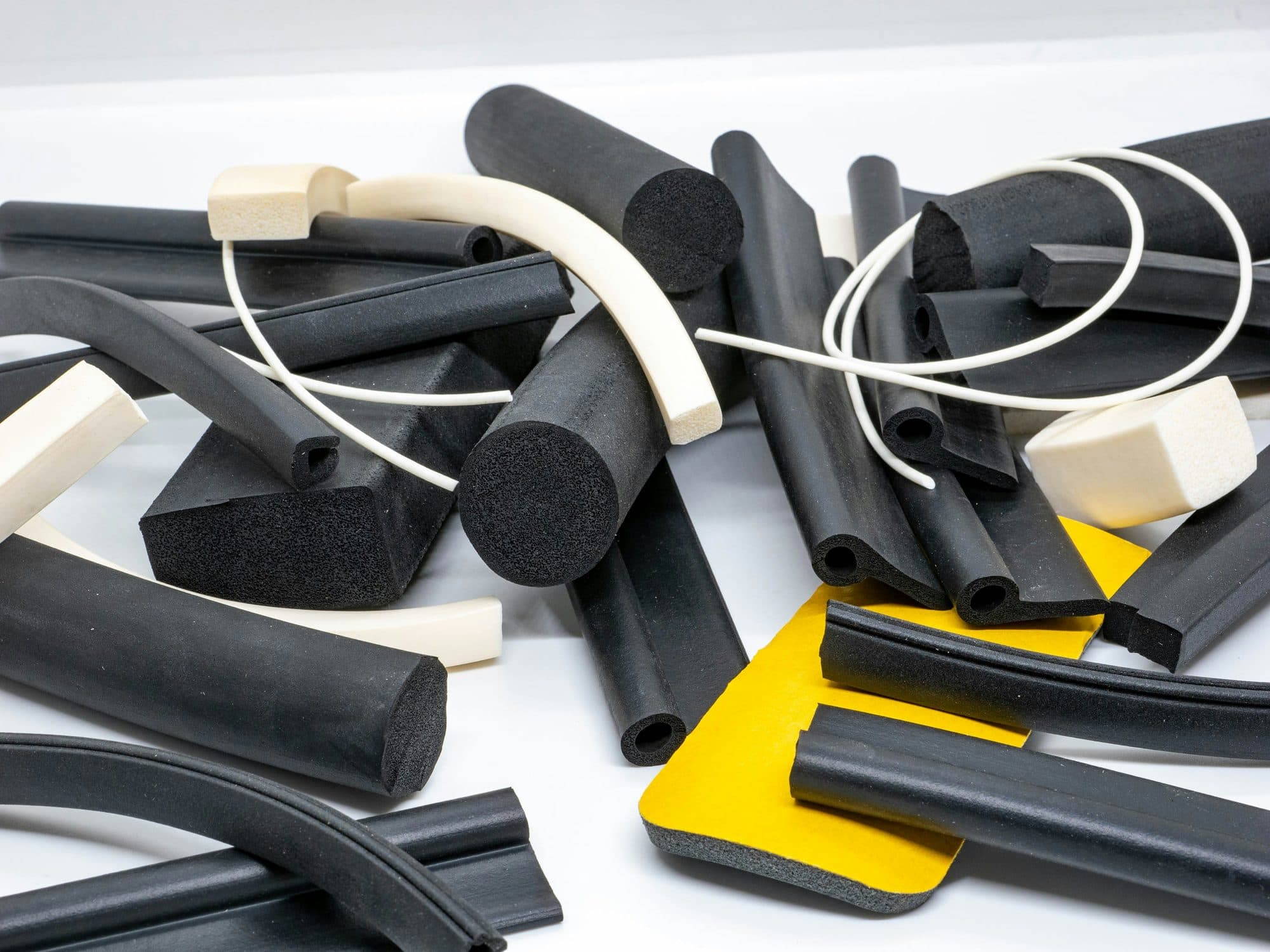 Rubber
Seals, gaskets, grommets, and profiles extruded or molded in EPDM, silicone, nitrile, neoprene, FKM, and TPE.
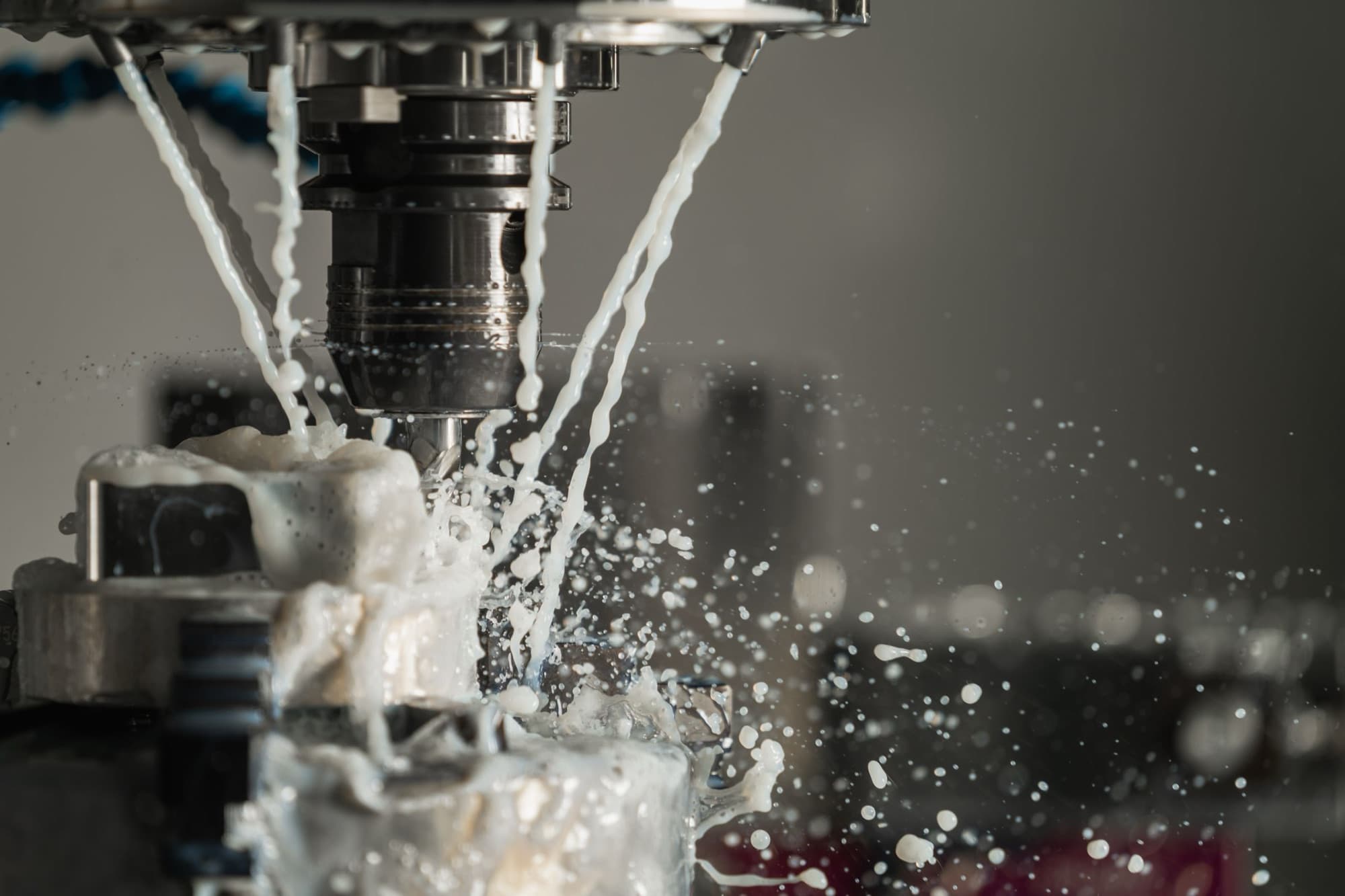 CNC machining
CNC milling, turning, and production sawing from bar, plate, castings, and forgings, from prototype to production.
Which of these pays off at your quantity?
Parts per order
5 processes are at their best at this quantity, and 2 more can do it.
Drag to your quantity


What suppliers are held to
Switch and device standards
Switches are commonly evaluated to UL 61058-1 for appliance switches, UL 20 for general-use snap switches, or UL 1054 for special-use switches. Endurance cycles and temperature rise are tested on the finished switch.
Insulating materials
Housings need UL 94 flammability ratings, a relative thermal index under UL 746B, and a comparative tracking index per IEC 60112. Resin grades are locked by UL file number and cannot be swapped without review.
Plating and solderability
Contacts are specified with tin per ASTM B545, gold per ASTM B488, or silver per ASTM B700, often selectively plated. Solder terminals are tested to J-STD-002.
Material reporting
Customers expect RoHS and REACH declarations and conflict minerals reporting for tin, tantalum, tungsten, and gold. Principals must trace alloys and platings to their source.
Questions
Which alloy is best for switch contacts and springs?
Phosphor bronze C510 is the common spring contact alloy, with good fatigue life and moderate conductivity. C110 copper is used where conductivity matters more than spring force. Beryllium copper handles the highest cycle counts and temperatures at higher cost.
Pre-plated strip or post-plating for terminals?
Pre-plated strip costs less and suits parts where bare sheared edges are acceptable. Post-plating or selective reel plating covers the edges and puts gold only where contact is made, which matters for corrosion and solderability.
What does CTI mean for a switch housing?
CTI, the comparative tracking index, is the voltage at which a contaminated plastic surface starts to conduct. A higher CTI allows smaller creepage distances between live parts, which can shrink the housing design.

Send us the part.
Build it or upload a drawing. A rep routes it to principals already making parts for this industry.