Loading page
Silicone rubber (VMQ)
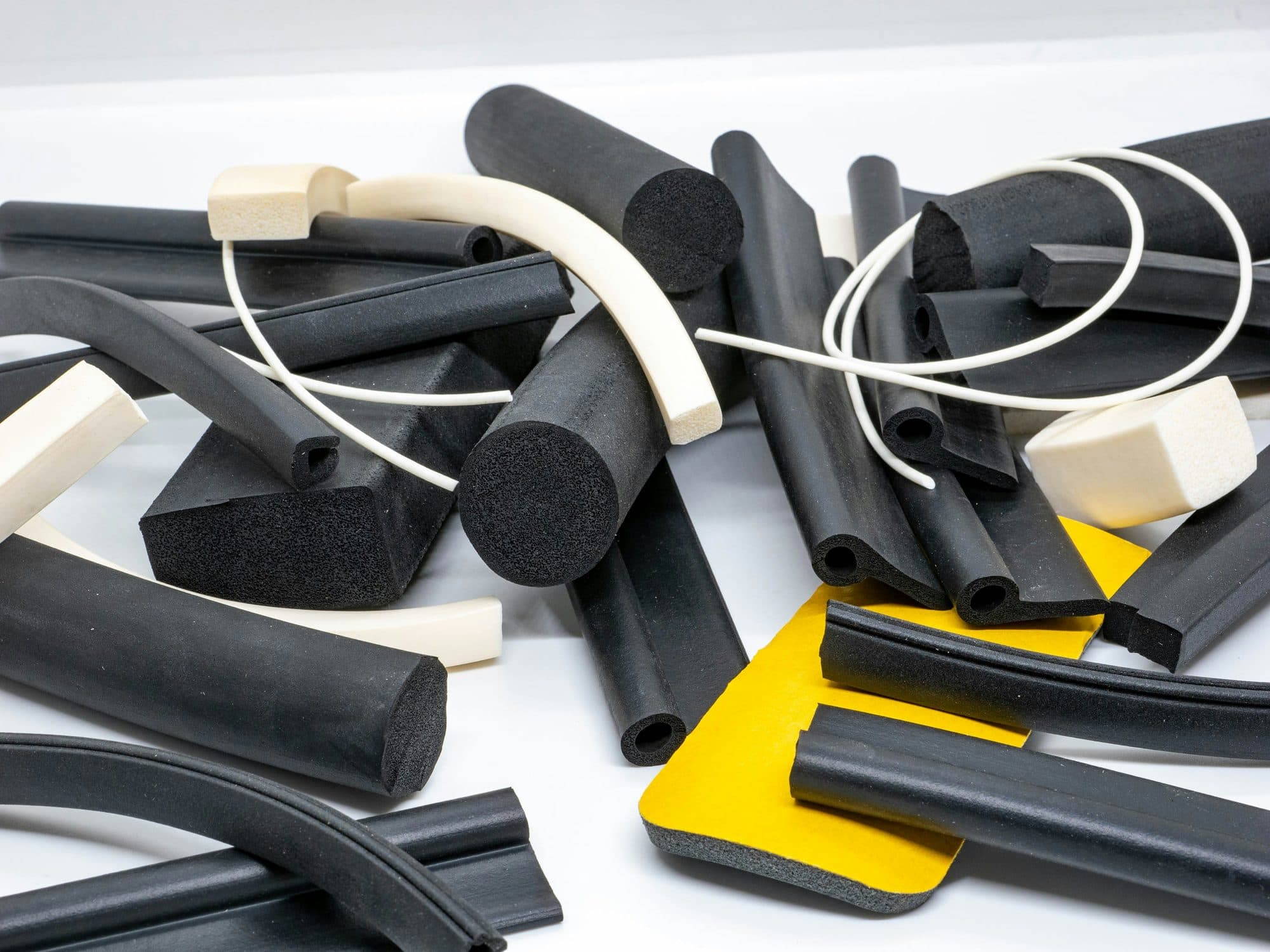
Silicone rubber (VMQ) is a synthetic elastomer with a silicon-oxygen backbone and the widest service range of the common rubbers, about −75 to 400 °F (−60 to 200 °C), with high-temperature grades to 450 °F (230 °C). It is inert, low odor, and available in food and medical grades. It molds as high-consistency rubber (HCR) or liquid silicone rubber (LSR). Tear strength is low.
- ISO 1629
- VMQ
- ASTM D2000
- FC, FE or GE classes (e.g., M2GE 505)
- Commercial Item Description
- A-A-59588 (replaces ZZ-R-765)

How does it compare?
Typical room-temperature values for Silicone, against all 48 materials in the library.
- Tensile strength
- 8 MPa2th pct
- Density
- 1.15 g/cm³17th pct
- Max service temp
- 200 °C72th pct
- Elongation
- 400 %97th pct
- Relative cost
- $$$$$
Bars are relative to the strongest, densest or hottest material in the SSG library. Percentile vs all 48 materials.
- Density
- 1.15 g/cm³ · 0.0415 lb/in³
- Tensile strength
- 8 MPa · 1.2 ksi
- Elongation
- 400%
- Hardness
- Shore 20–80A
- Max service temperature
- 200 °C · 392 °F
When should you use Silicone?
Strengths
- Service from about −75 to 400 °F (−60 to 200 °C)
- Food-contact grades to FDA 21 CFR 177.2600 and medical grades
- Excellent ozone, UV and weather resistance
- LSR molds precise, nearly flash-free parts in automated cells
- Colorable, translucent and low odor
Watch for
- Low tear and abrasion strength; poor for rubbing dynamic seals
- Swells in fuels, oils and many solvents; use fluorosilicone (FVMQ) for fuel
- Higher cost than EPDM or NBR
- High gas permeability
Typical parts
- Food equipment and appliance gaskets
- Medical tubing and seals
- Keypads and button membranes
- LED and lighting seals
- Oven and high-temperature door seals
- Kitchenware and baby products
How Silicone is made into parts
Cost, finishes and design rules for each process in this material.

What does a part in Silicone cost?
A representative part, rubber. Raw material at about $12.00/kg is one line of it; process time and tooling usually matter more.
Extruded seal · Rubber
Order total $12,435
- Tooling
- $750
- one-time, spread over the order
- Piece price
- $2.28
- before setup + tooling
- Lead time
- 3–4 weeks
- to first production
Size
Drag a row to adjust · click to type
Profile width / OD12.012.0 mm
Hollow / ID7.007.00 mm
Cut length900900 mm
Quantity
Price per part falls as volume rises
Exact quantity50005000 pcs
Material
Design checks pass
Open in builderBudgetary estimate for a representative part. Firm quotes come from principals after drawing review.
Compared head to head
Silicone questions
What temperature can silicone rubber handle?
General grades run continuously from about −75 to 400 °F (−60 to 200 °C). Heat-stabilized grades reach about 450 °F (230 °C), and phenyl silicones stay flexible to about −150 °F (−100 °C).
LSR vs HCR silicone?
Liquid silicone rubber (LSR) is a pumpable two-part material injection molded in hot tools with short cycles and little flash, suited to high volumes and precise parts. High-consistency rubber (HCR) is a gum that is compression or transfer molded or extruded, with lower tooling cost for low volumes and profiles.
Is silicone rubber food safe?
Food-grade silicone compounds comply with FDA 21 CFR 177.2600 and are post-cured to drive off volatiles. Confirm compliance with the compounder for each formulation and color.
Similar materials


Quote it in Silicone.
Upload CAD or start from a template. The builder prices it in this material and the alternatives.