Loading page
Phosphor bronze C510 (spring temper)
C510 is a phosphor bronze with about 5% tin and a small phosphorus addition. In spring temper it reaches about 105 ksi (720 MPa) tensile with good fatigue resistance, conducts at about 15% IACS, and is non-magnetic. It is a standard material for electrical contacts, terminals, and springs that must resist corrosion or avoid magnetism. Beryllium copper is the step up for higher stress.
- UNS
- C51000
- ASTM
- B103 (strip) / B159 (wire)
- EN
- CW451K (CuSn5)
- JIS
- C5102

How does it compare?
Typical room-temperature values for C510, against all 48 materials in the library.
- Tensile strength
- 720 MPa91th pct
- Density
- 8.86 g/cm³98th pct
- Relative cost
- $$$$$
Bars are relative to the strongest, densest or hottest material in the SSG library. Percentile vs all 48 materials.
- Density
- 8.86 g/cm³ · 0.3201 lb/in³
- Tensile strength
- 720 MPa · 104.4 ksi
- Elastic modulus
- 110 GPa · 16.0 Msi
- Hardness
- Rockwell B90–95
- Melting point
- 954 °C · 1749 °F
- Thermal conductivity
- 69 W/m·K
When should you use C510?
Strengths
- Good fatigue strength for cycled contacts and springs
- Non-magnetic, for sensor and instrument springs
- Resists corrosion and stress corrosion better than brass
- Solders and plates easily with tin, nickel, silver or gold
Watch for
- Conductivity of about 15% IACS; use C110 or a high-conductivity alloy for current-carrying parts
- Costs more than brass and much more than steel
- Spring temper limits bend radius; bend across the rolling direction or use a softer temper
- Relaxes faster than beryllium copper when hot; use BeCu for hot or high-stress contacts
Typical parts
- Electrical contacts and terminals
- Battery contacts
- Flat springs and spring clips
- Switch blades and relay springs
- Bellows and diaphragms
- Non-magnetic instrument springs
How C510 is made into parts
Cost, finishes and design rules for each process in this material.
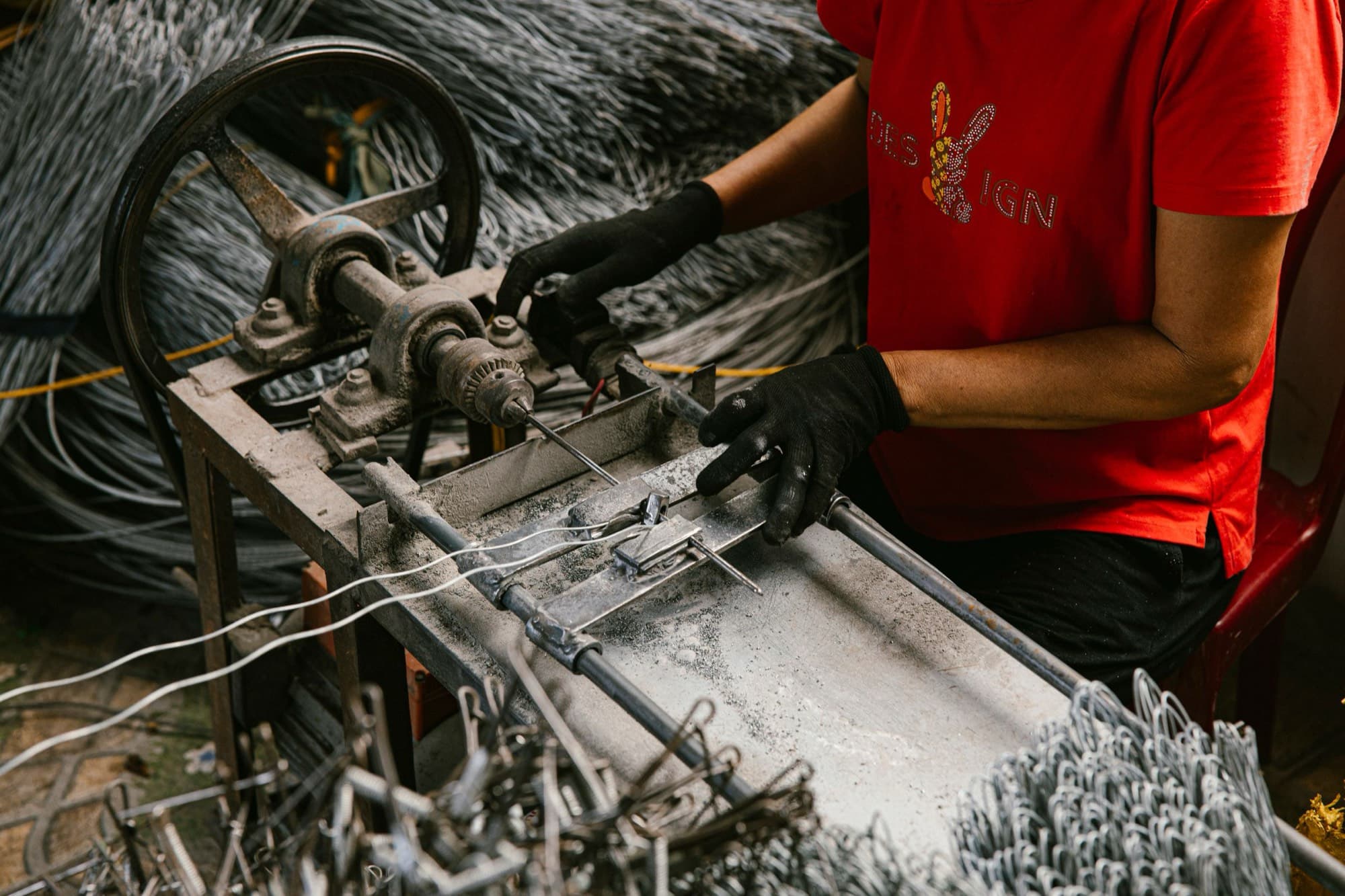
What does a part in C510 cost?
A representative part, springs & wire forms. Raw material at about $18.00/kg is one line of it; process time and tooling usually matter more.
Compression spring · Springs & wire forms
Order total $1,890
- Tooling
- None
- no hard tooling
- Piece price
- $0.17
- before setup + tooling
- Lead time
- 1–3 weeks
- to first production
Size
Drag a row to adjust · click to type
Wire diameter1.201.20 mm
Outside diameter12.012.0 mm
Free length40.040.0 mm
Quantity
Price per part falls as volume rises
Exact quantity1000010000 pcs
Material
Design checks pass
Open in builderBudgetary estimate for a representative part. Firm quotes come from principals after drawing review.


C510 questions
Phosphor bronze vs beryllium copper?
Beryllium copper C17200 is age-hardened to about 165–200 ksi (1,140–1,380 MPa), with better relaxation resistance at temperature and higher conductivity, about 22% IACS. Phosphor bronze costs much less and needs no heat treatment or beryllium handling controls. Use phosphor bronze unless stress or temperature demands BeCu.
Is phosphor bronze magnetic?
No. It is non-magnetic, which is why it is used for springs in instruments and sensors.
Phosphor bronze vs brass for springs?
Phosphor bronze has much better fatigue life, spring properties and stress corrosion resistance. Brass such as C260 is cheaper and fine for static contacts and low-cycle parts.
What tempers does C510 come in?
Common tempers run from annealed through half hard (H02), hard (H04), spring (H08) and extra spring (H10). Harder tempers give more spring force but allow tighter bends only across the rolling direction.
Similar materials


Quote it in C510.
Upload CAD or start from a template. The builder prices it in this material and the alternatives.