Loading page
Brass C360 (free-cutting)
C360 is a free-cutting brass of about 61.5% copper, 35.5% zinc and 3% lead. It is the reference material for copper alloy machinability, rated 100, and runs faster on screw machines than almost any other metal. Half-hard rod is about 58 ksi (400 MPa) tensile. It resists corrosion, conducts well and plates easily. Its lead content rules it out for potable water parts.
- UNS
- C36000
- ASTM
- B16 (free-cutting brass rod)
- EN 12164
- CW603N (CuZn36Pb3)
- JIS
- C3604 (similar)

How does it compare?
Typical room-temperature values for C360 brass, against all 48 materials in the library.
- Tensile strength
- 400 MPa64th pct
- Yield strength
- 310 MPa60th pct
- Density
- 8.49 g/cm³96th pct
- Elongation
- 25 %51th pct
- Relative cost
- $$$$$
Bars are relative to the strongest, densest or hottest material in the SSG library. Percentile vs all 48 materials.
- Density
- 8.49 g/cm³ · 0.3067 lb/in³
- Tensile strength
- 400 MPa · 58.0 ksi
- Yield strength
- 310 MPa · 45.0 ksi
- Elongation
- 25%
- Elastic modulus
- 97 GPa · 14.1 Msi
- Hardness
- Rockwell B78 (half hard)
- Melting point
- 885 °C · 1625 °F
- Thermal conductivity
- 115 W/m·K
- Machinability
- 300% of 1212 steel
When should you use C360 brass?
Strengths
- Machines at the highest practical speeds with small broken chips
- Excellent surface finish and thread quality off the tool
- Good corrosion resistance in water and air
- Plates easily with nickel, chrome and tin
- High scrap value offsets material cost
Watch for
- Contains 2.5–3.0% lead: not for potable water parts under NSF/ANSI 372
- Limited cold formability; not for crimping or heavy bending
- Can dezincify in aggressive waters; use dezincification-resistant brass there
- About three times the density of aluminum
Typical parts
- Fittings for non-potable plumbing, gas and air
- Electrical connectors and terminals
- Valve stems and bodies
- Threaded inserts for molded plastics
- Fasteners, nuts and standoffs
- Gauge and instrument parts
How C360 brass is made into parts
Cost, finishes and design rules for each process in this material.
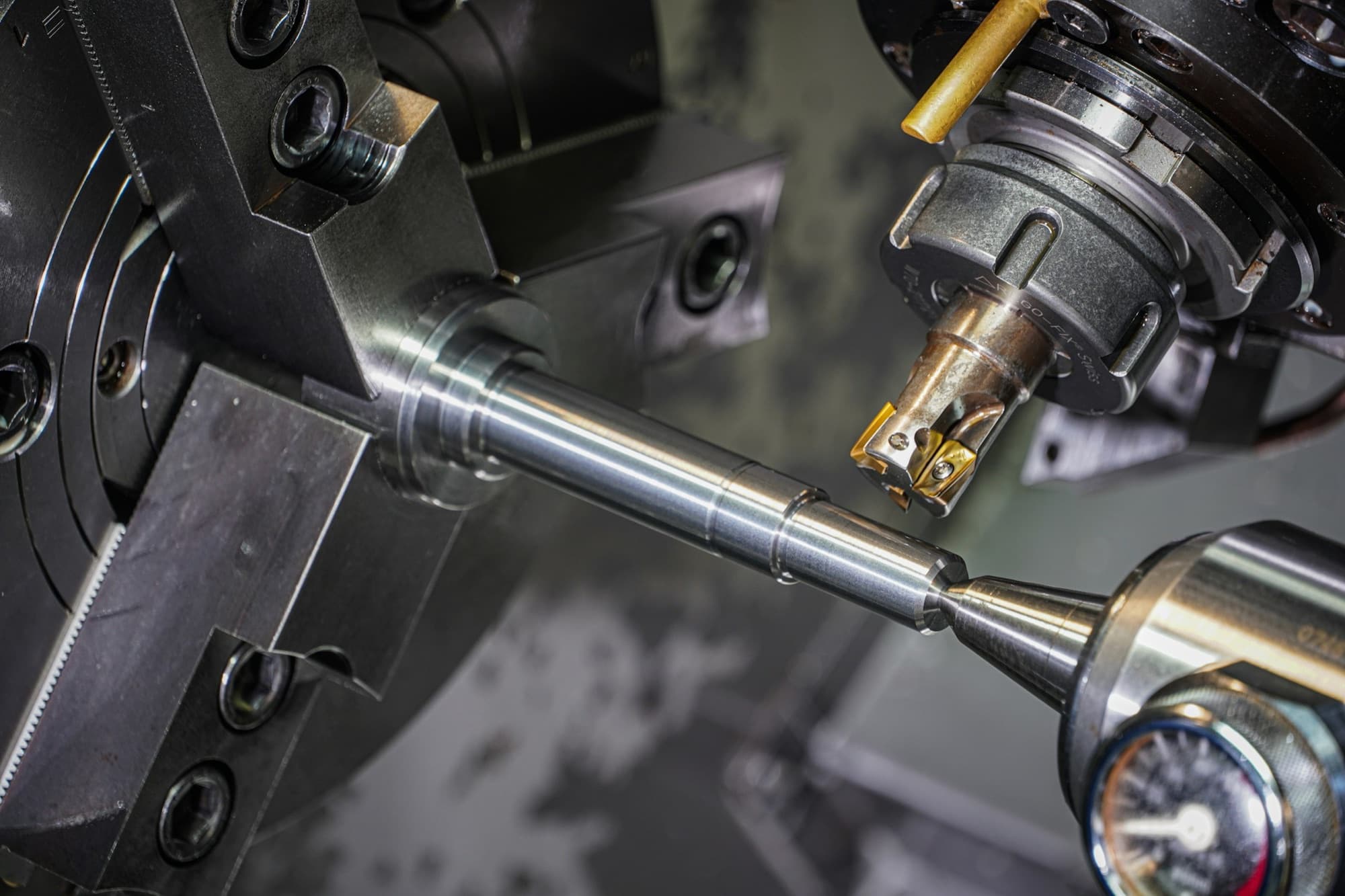 Screw machining in C360 brass
Turned pins, fittings, shafts, and bushings made from bar stock on multi-spindle and Swiss screw machines at volume.
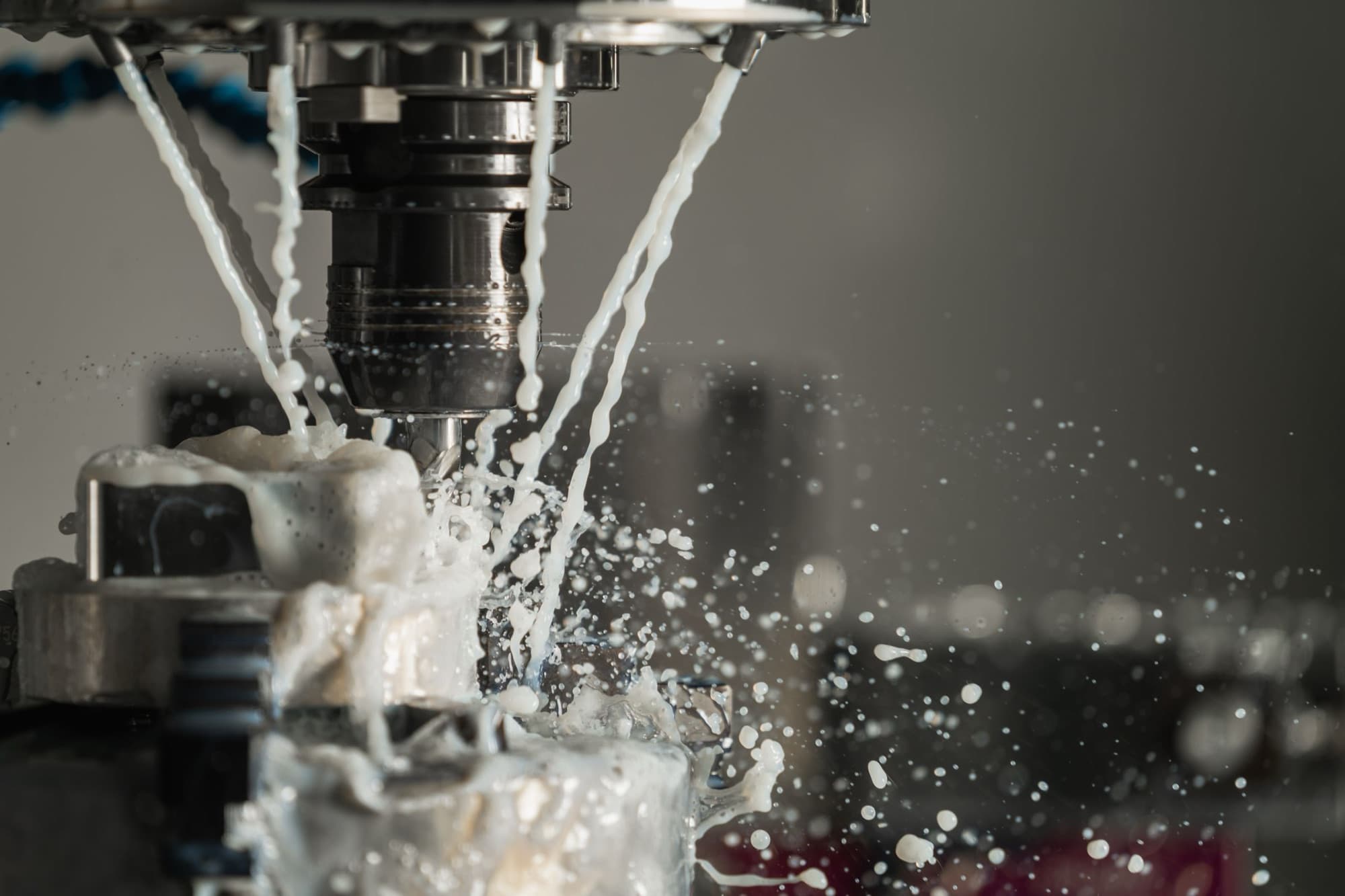 CNC machining in C360 brass
CNC milling, turning, and production sawing from bar, plate, castings, and forgings, from prototype to production.
 Offshore sourcing in C360 brass
Parts made by vetted overseas manufacturers, with landed-cost analysis, quality control, and logistics managed.
What does a part in C360 brass cost?
A representative part, screw machining. Raw material at about $10.00/kg is one line of it; process time and tooling usually matter more.
Turned shaft · Screw machining
Order total $24,116
- Tooling
- $1,800
- one-time, spread over the order
- Piece price
- $2.11
- before setup + tooling
- Lead time
- 4–6 weeks
- to first production
Size
Drag a row to adjust · click to type
Major diameter16.016.0 mm
Overall length60.060.0 mm
Step diameter10.010.0 mm
Quantity
Price per part falls as volume rises
Exact quantity1000010000 pcs
Material
Design checks pass
Open in builderBudgetary estimate for a representative part. Firm quotes come from principals after drawing review.


Compared head to head
C360 brass questions
Is C360 brass lead-free?
No. It contains about 2.5–3.0% lead, which is what makes it free-machining. For drinking water parts that must meet the 0.25% weighted-average lead limit of NSF/ANSI 372, use a low-lead alloy such as C69300 or C27450. RoHS currently exempts copper alloys up to 4% lead under Annex III 6(c); confirm status for your product.
What is the machinability rating of C360 brass?
C360 is the 100 reference on the copper alloy scale. Against 1212 steel it cuts roughly three times faster in practice, limited mostly by spindle speed and chip handling rather than tool wear.
Brass C360 vs C260?
C260 (cartridge brass, 70/30) has no lead and excellent cold formability for stamping, drawing and crimping, but machines poorly. C360 is for machined parts; C260 is for formed and drawn parts.
Is brass C360 corrosion resistant?
Yes, in fresh water, air and most non-acidic environments. In water with high chlorides or low pH it can dezincify. Dezincification-resistant brasses such as C69300 or CW602N are the better call there.
Similar materials


Quote it in C360 brass.
Upload CAD or start from a template. The builder prices it in this material and the alternatives.