Loading page
Core line, represented 25+ years
How do lighting manufacturers source fixture housings and components?
Lighting manufacturers source LED fixture housings and heat sinks as aluminum die castings or extrusions, reflectors and downlight cans as deep drawn or spun aluminum, lenses as polycarbonate or acrylic moldings, and gaskets in silicone. Thermal performance and ingress protection drive the specs. SSG matches lighting programs to principals set up for these processes.
- Part families
- 12
- Processes
- 8
- Materials
- 10
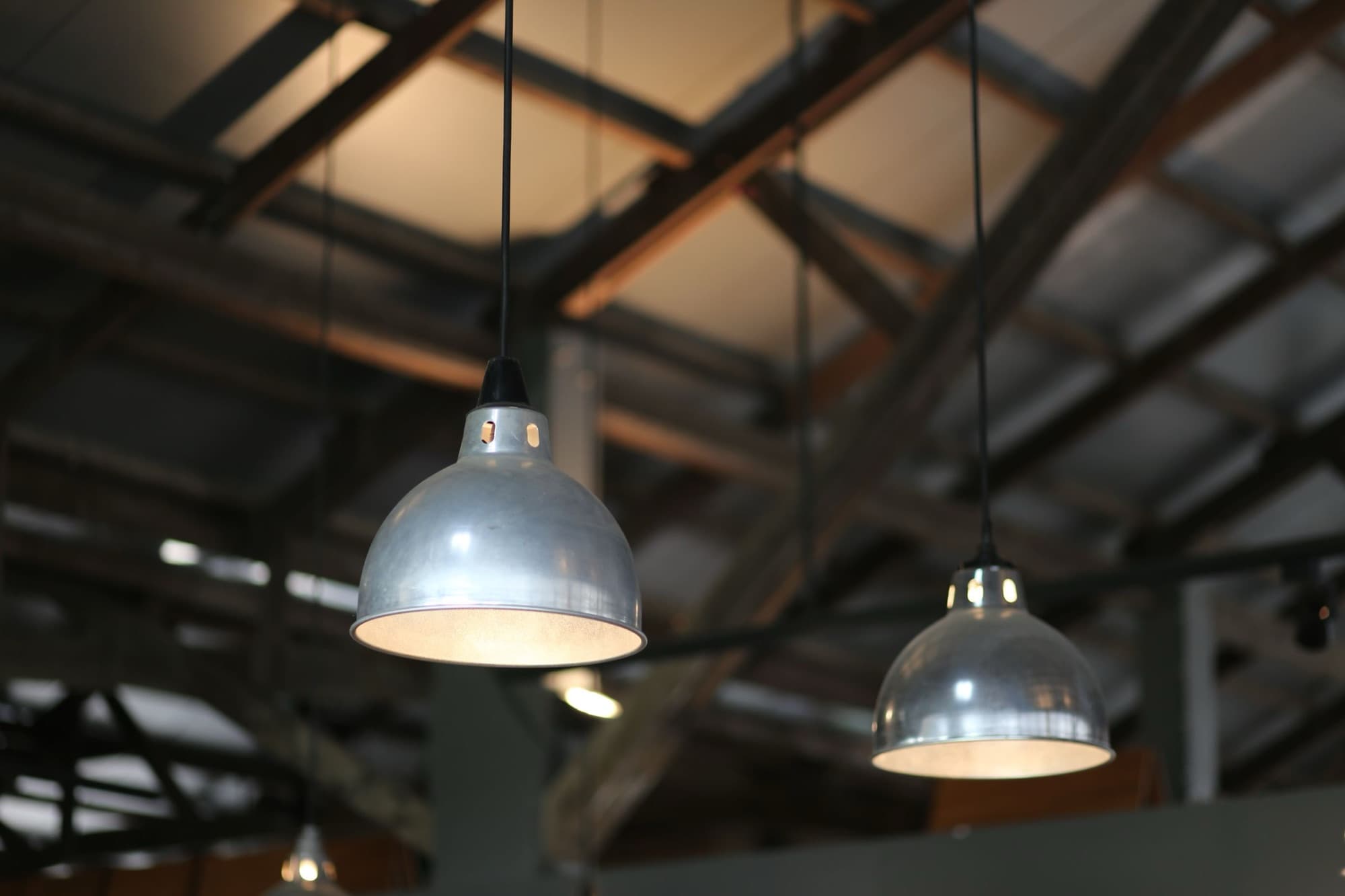
Parts we source for this industry
- 01Die cast aluminum LED housings and heat sinks
- 02Deep drawn reflectors and downlight cans
- 03Stamped mounting brackets and yokes
- 04Polycarbonate and acrylic lenses
- 05Silicone and EPDM gaskets
- 06Recessed trim torsion springs
- 07Die cast pole mount adapters
- 08Wire guards and cages
- 09Screw machined lamp nipples and fittings
- 10Molded LED driver enclosures
- 11Machined track and spot heads
- 12Stamped junction box covers
How these parts are made
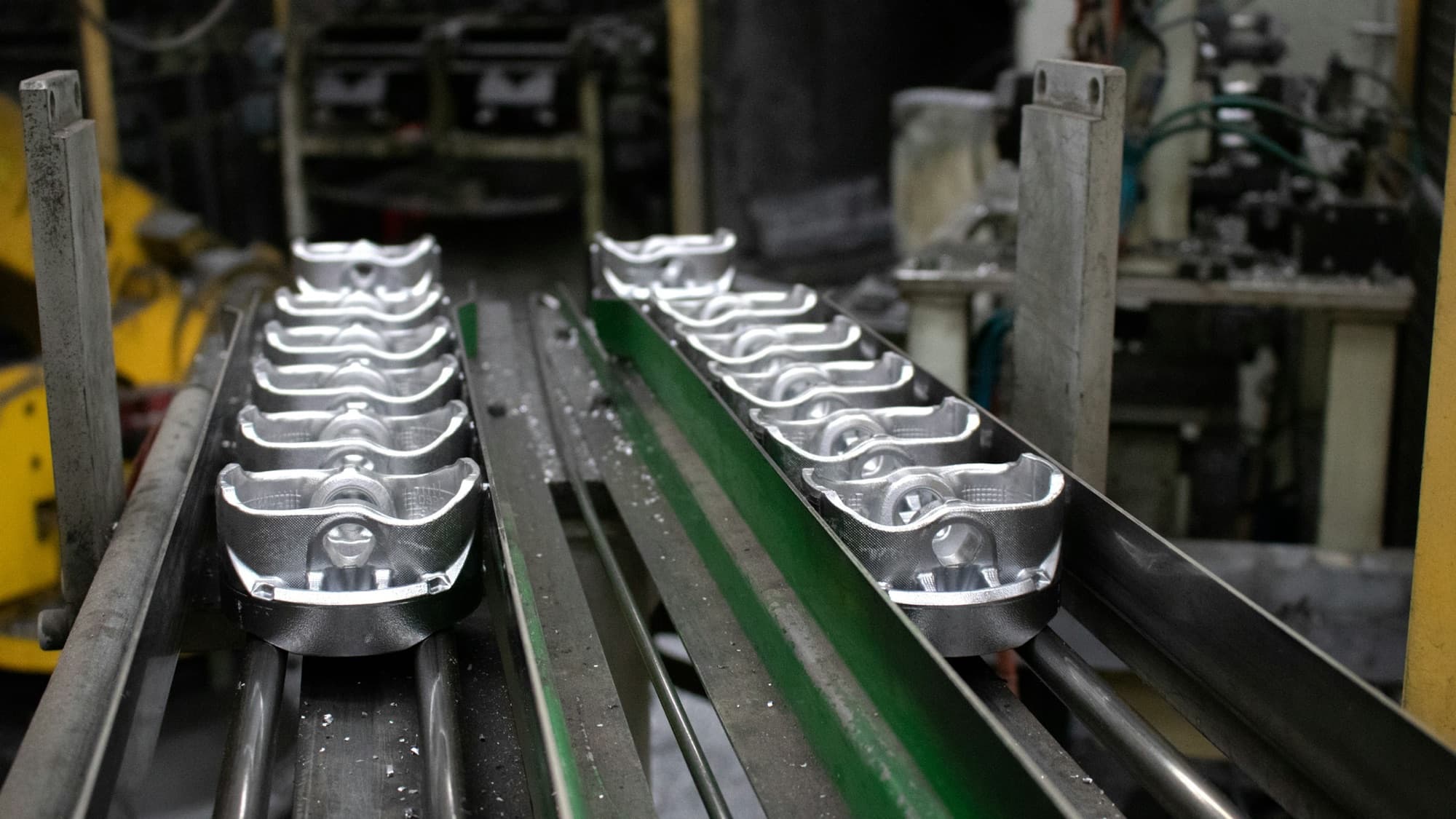 Die casting
Molten zinc or aluminum injected into steel dies at high pressure. Thin walls and net shape at 2,500+ parts a year.
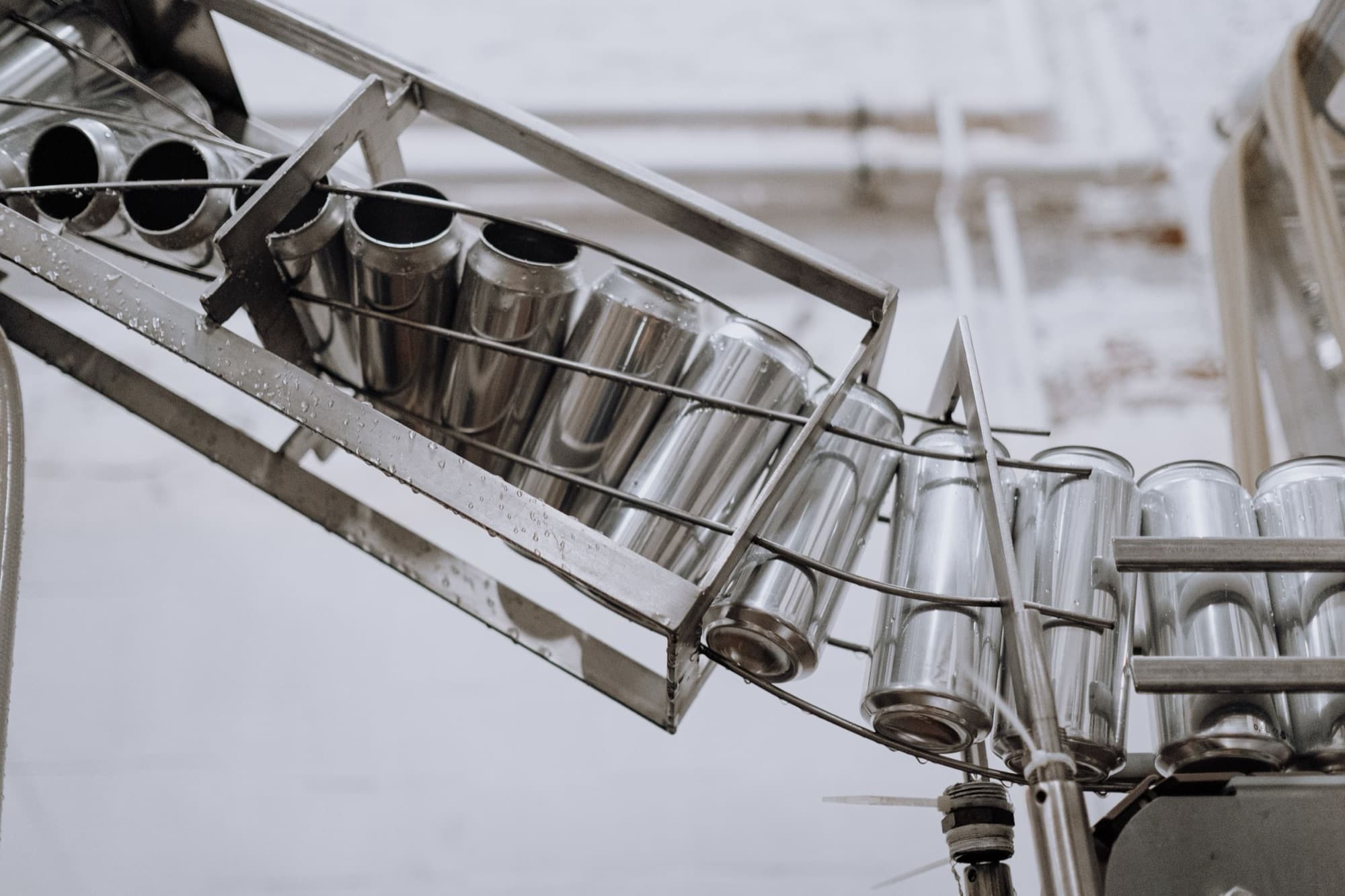 Deep draw
One-piece cups, cans, shells, and housings drawn from flat blanks, with depth that can exceed the diameter.
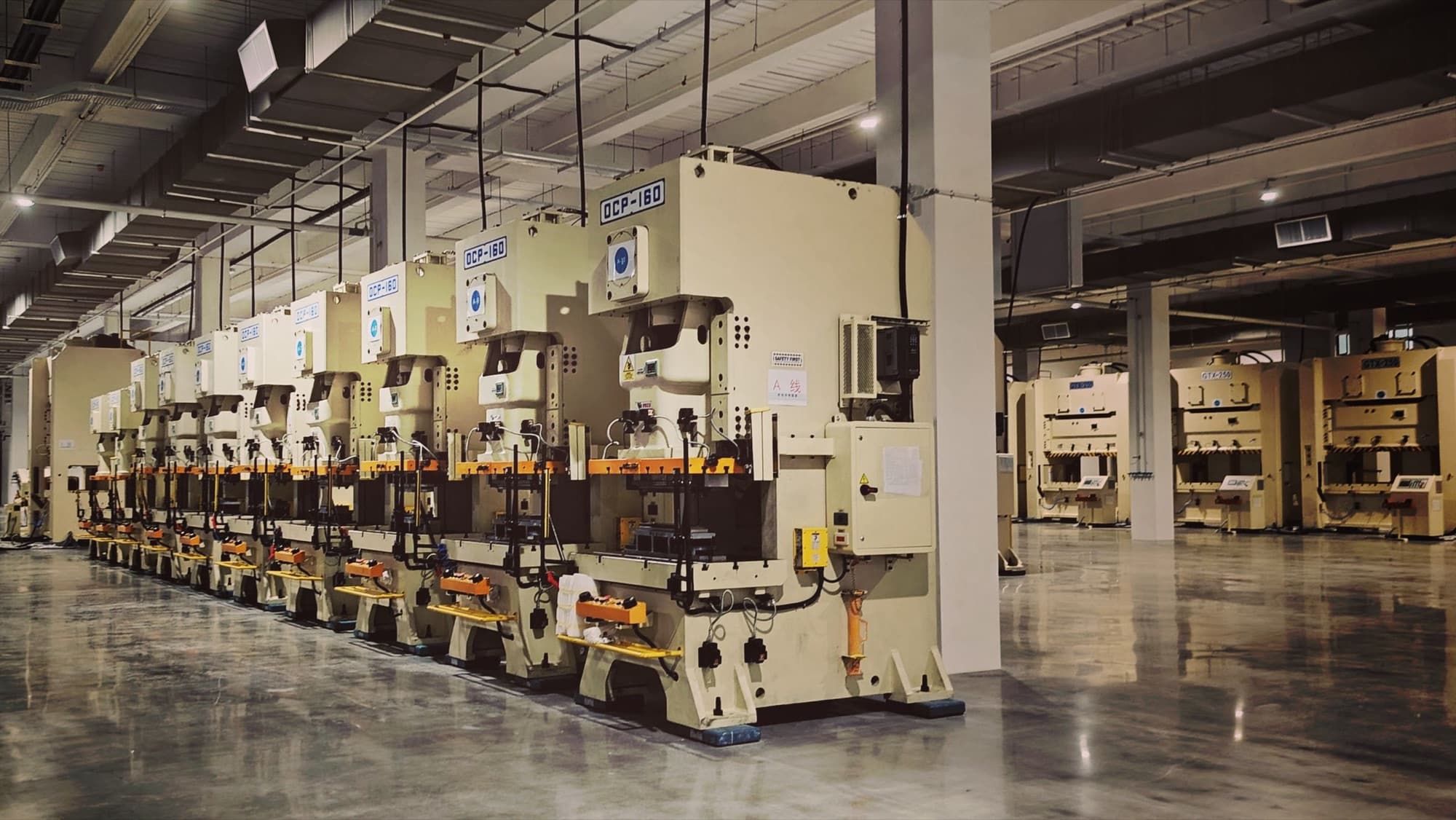 Stamping
Short- to medium-run stampings: brackets, clips, shields, and plates cut and formed from sheet or coil in a press.
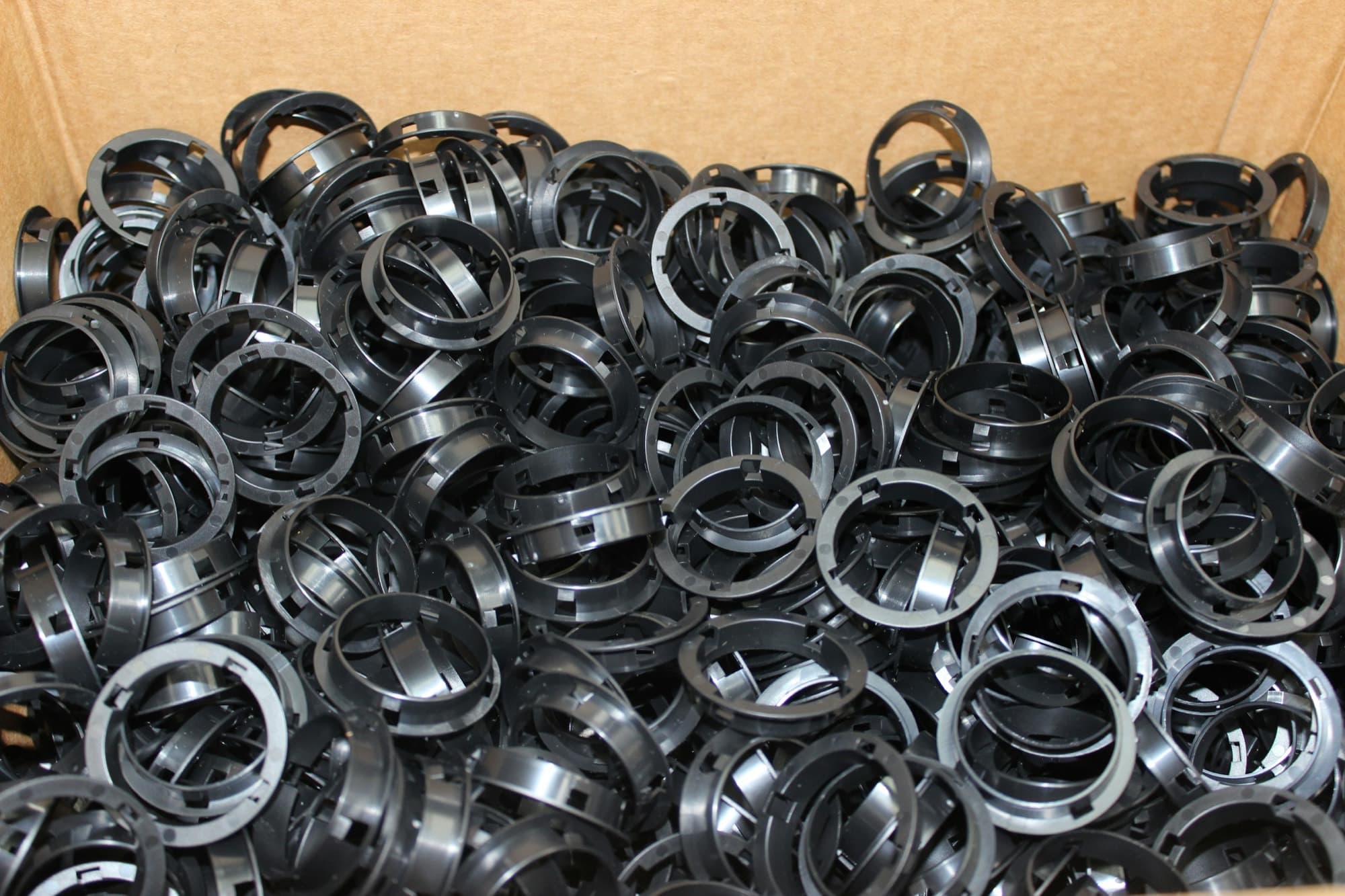 Injection molding
Molten thermoplastic injected into a steel or aluminum mold. Lowest piece price for plastic parts at 5,000+ a year.
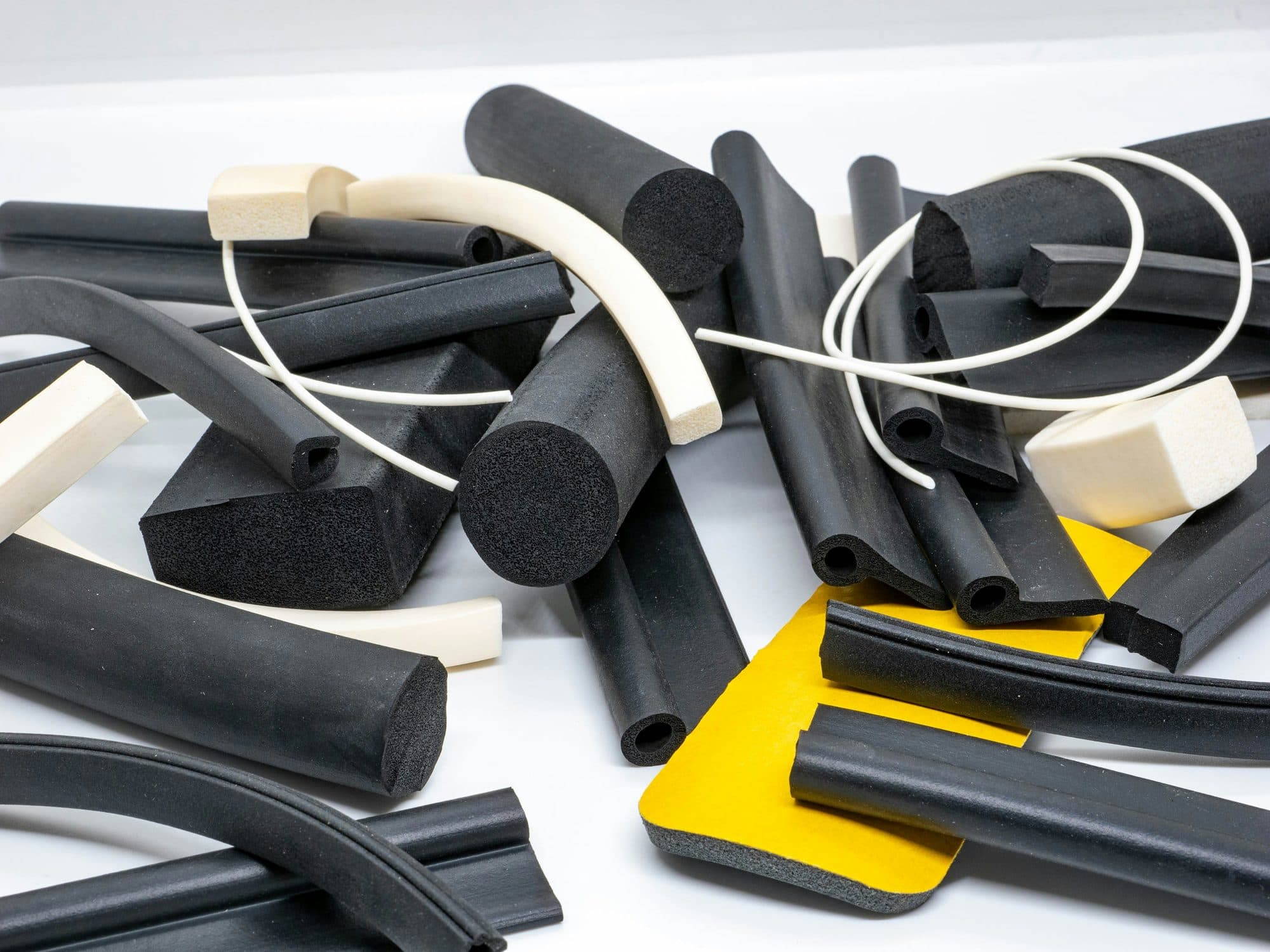 Rubber
Seals, gaskets, grommets, and profiles extruded or molded in EPDM, silicone, nitrile, neoprene, FKM, and TPE.
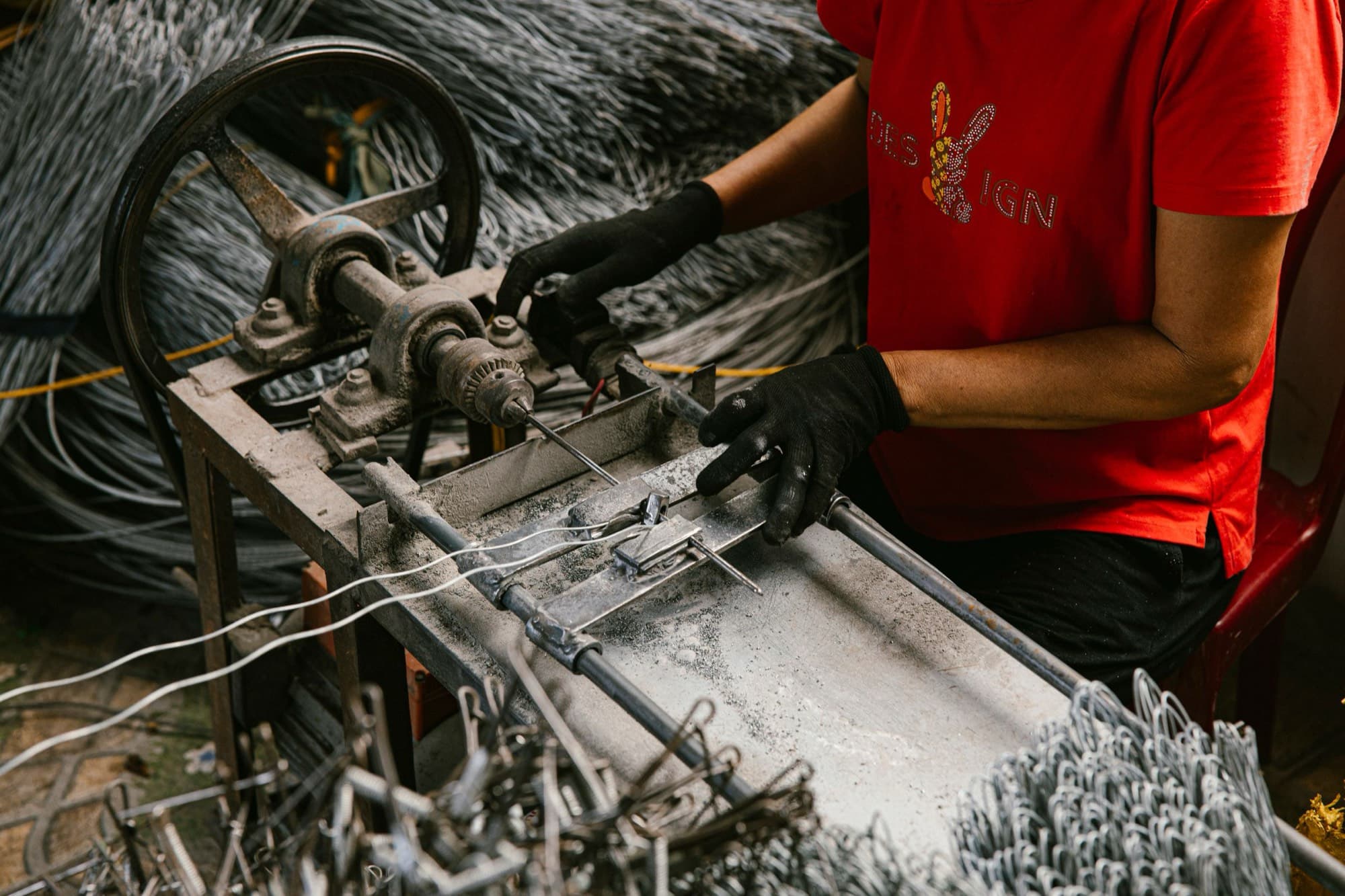 Springs & wire forms
Compression, extension, and torsion springs, wire forms, and fourslide clips made from round wire and flat strip.
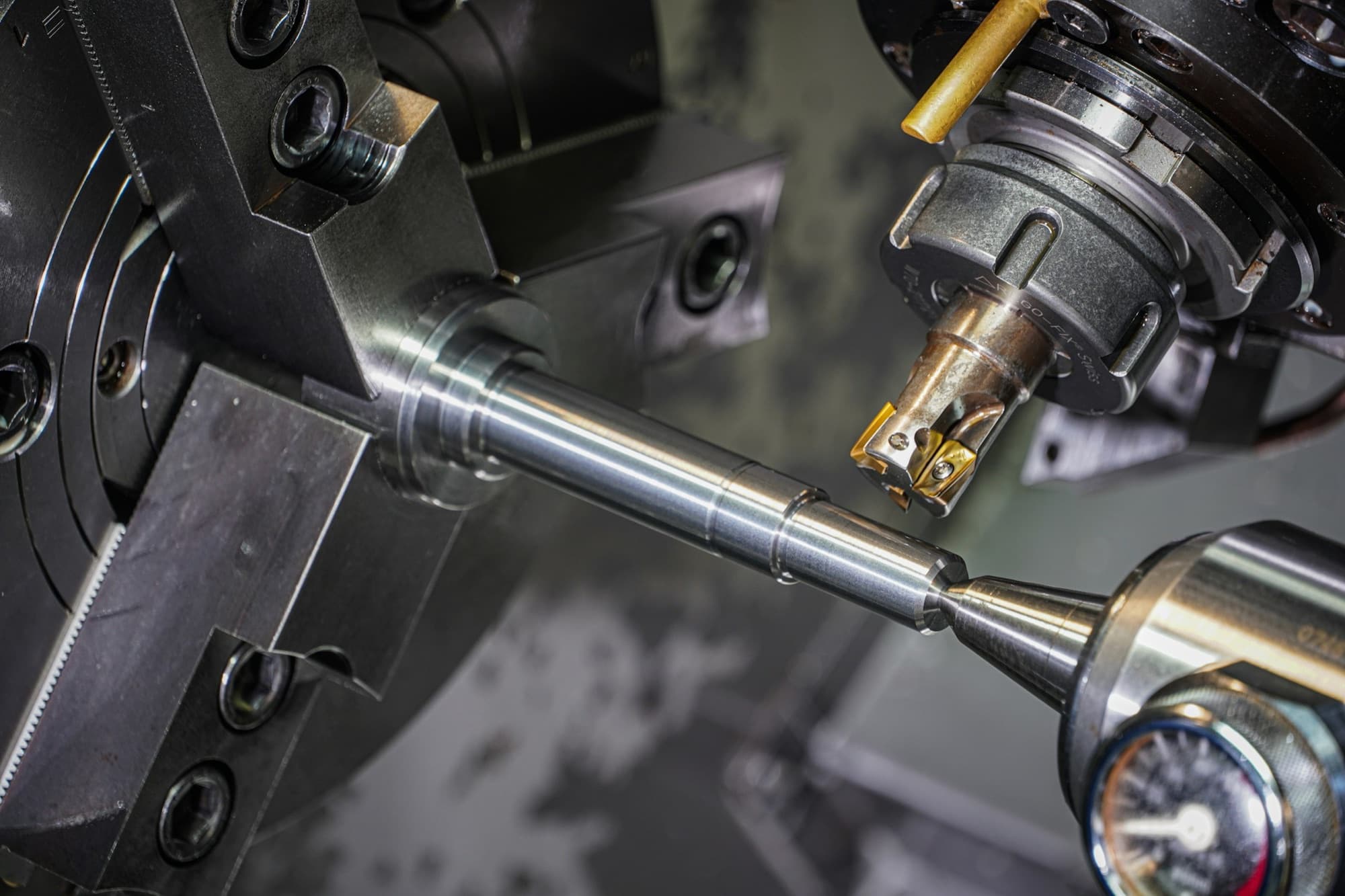 Screw machining
Turned pins, fittings, shafts, and bushings made from bar stock on multi-spindle and Swiss screw machines at volume.
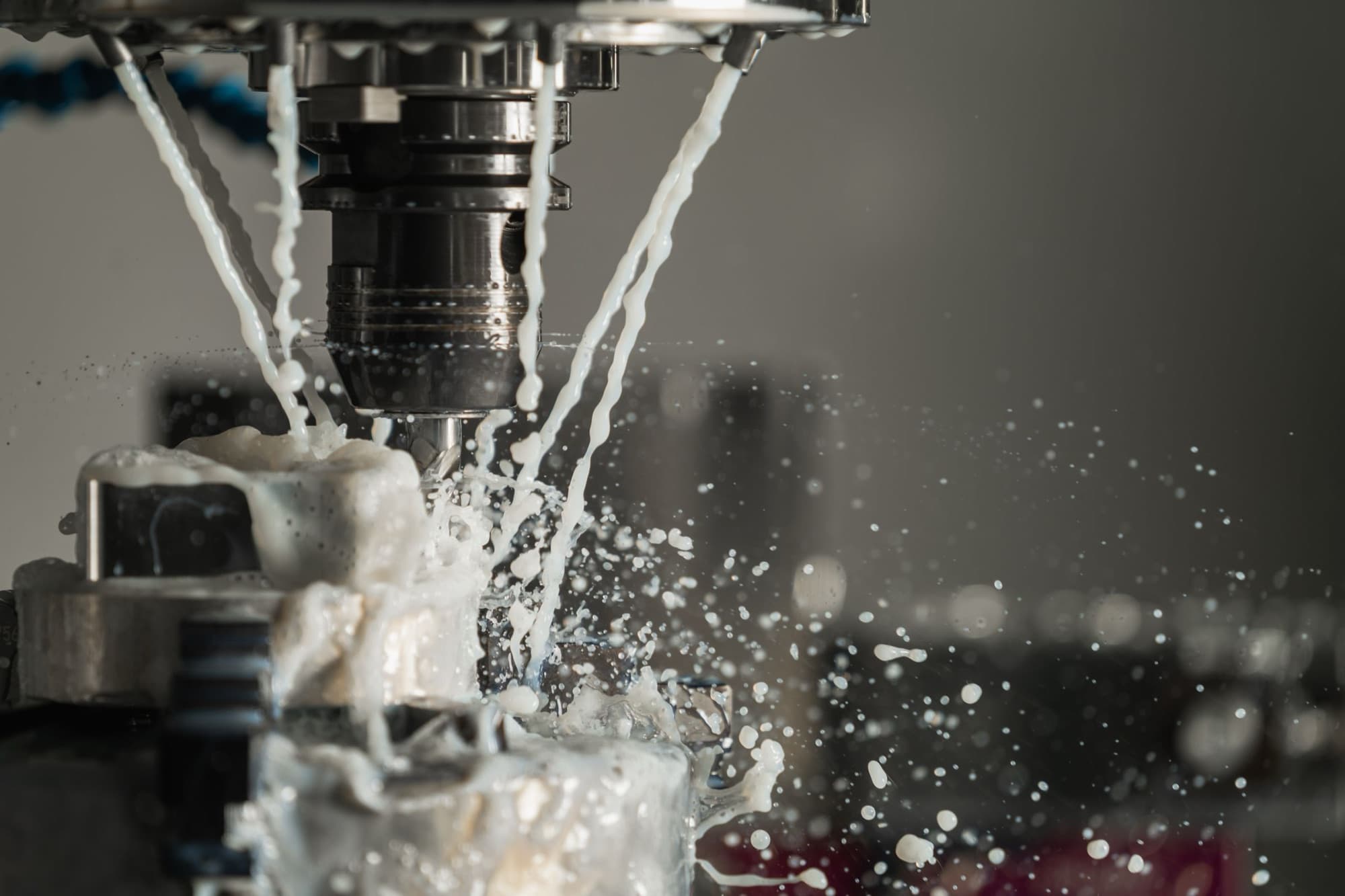 CNC machining
CNC milling, turning, and production sawing from bar, plate, castings, and forgings, from prototype to production.
Which of these pays off at your quantity?
Parts per order
5 processes are at their best at this quantity, and 3 more can do it.
Drag to your quantity


What suppliers are held to
Luminaire safety
Fixtures are listed to UL 1598, with LED drivers and modules under UL 8750. Wet and damp location ratings affect gasket design, drain paths, and material choices.
Ingress protection
Outdoor fixtures are commonly rated IP65, IP66, or IP67 per IEC 60529. Gasket compression, flatness of sealing faces, and fastener spacing are designed around the target rating.
Thermal and UV performance
LED life depends on heat. A380 conducts about 96 W/m·K and 6063 about 200 W/m·K, which drives housing design. Outdoor lenses need UV-stabilized grades with a UL 746C f1 rating.
Qualification and origin
DLC and ENERGY STAR listings rely on LM-79 and LM-80 test data, so component changes can trigger retesting. Public projects may require Build America, Buy America compliance.
Questions
Die cast or extruded aluminum for LED heat sinks?
Extruded 6063 conducts about twice as well as A380 and suits linear fixtures. Die casting wins when the housing, fins, and mounting features must be one part, as in area lights and high bays.
What IP rating do outdoor fixtures need?
IP65 is a common minimum for wet locations, IP66 for fixtures exposed to hose-down or driving rain, and IP67 for temporary immersion, such as in-grade lights. Match the rating to the installation.
Polycarbonate or acrylic lenses?
Acrylic transmits more light and resists UV yellowing, so it suits optics and outdoor lenses without impact risk. Polycarbonate is far tougher and is used, in UV-stabilized grades, for vandal-resistant and high-impact fixtures.
Send us the part.
Build it or upload a drawing. A rep routes it to principals already making parts for this industry.