Loading page
Core line, represented 25+ years
How do motor manufacturers source housings, end bells, and shafts?
Motor manufacturers source fractional horsepower housings as deep drawn steel cans, end bells and frames as aluminum die castings, laminations from high-speed stamping presses, and bushings as sintered powder metal. Shafts come from screw machine and grinding principals. Concentricity and bearing-bore fits drive the drawings. SSG routes each part to principals set up for that process.
- Part families
- 12
- Processes
- 8
- Materials
- 10
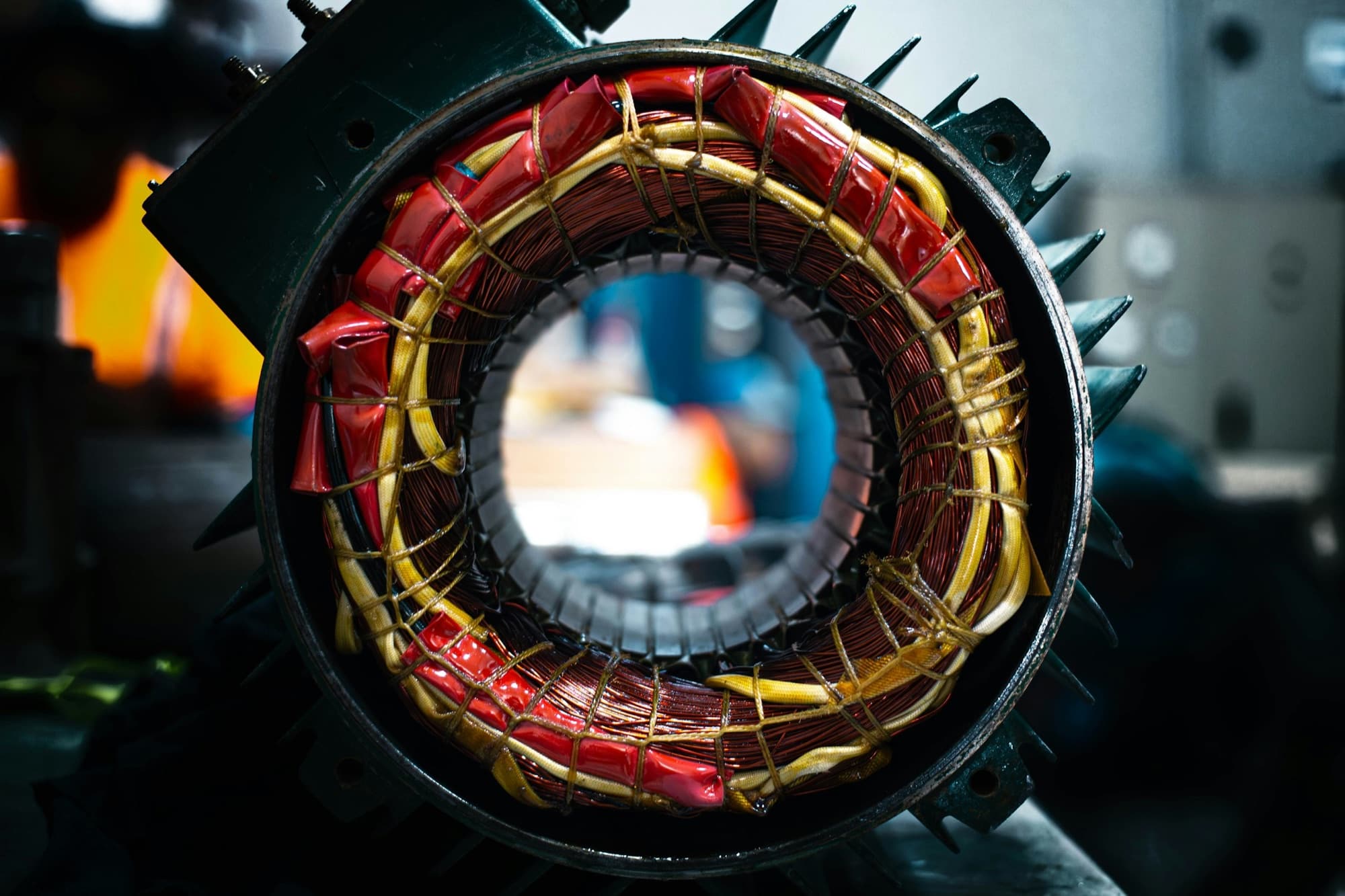
Parts we source for this industry
- 01Deep drawn motor housings and cans
- 02Die cast aluminum end bells and end shields
- 03Stamped rotor and stator laminations
- 04Oil-impregnated sintered bushings
- 05Ground motor shafts
- 06Brush holder springs and clips
- 07Molded fan blades and terminal boxes
- 08Stamped mounting brackets and base plates
- 09Brass terminals and thrust washers
- 10Molded brush cards and end caps
- 11Wave and preload springs
- 12Powder metal gearmotor gears
How these parts are made
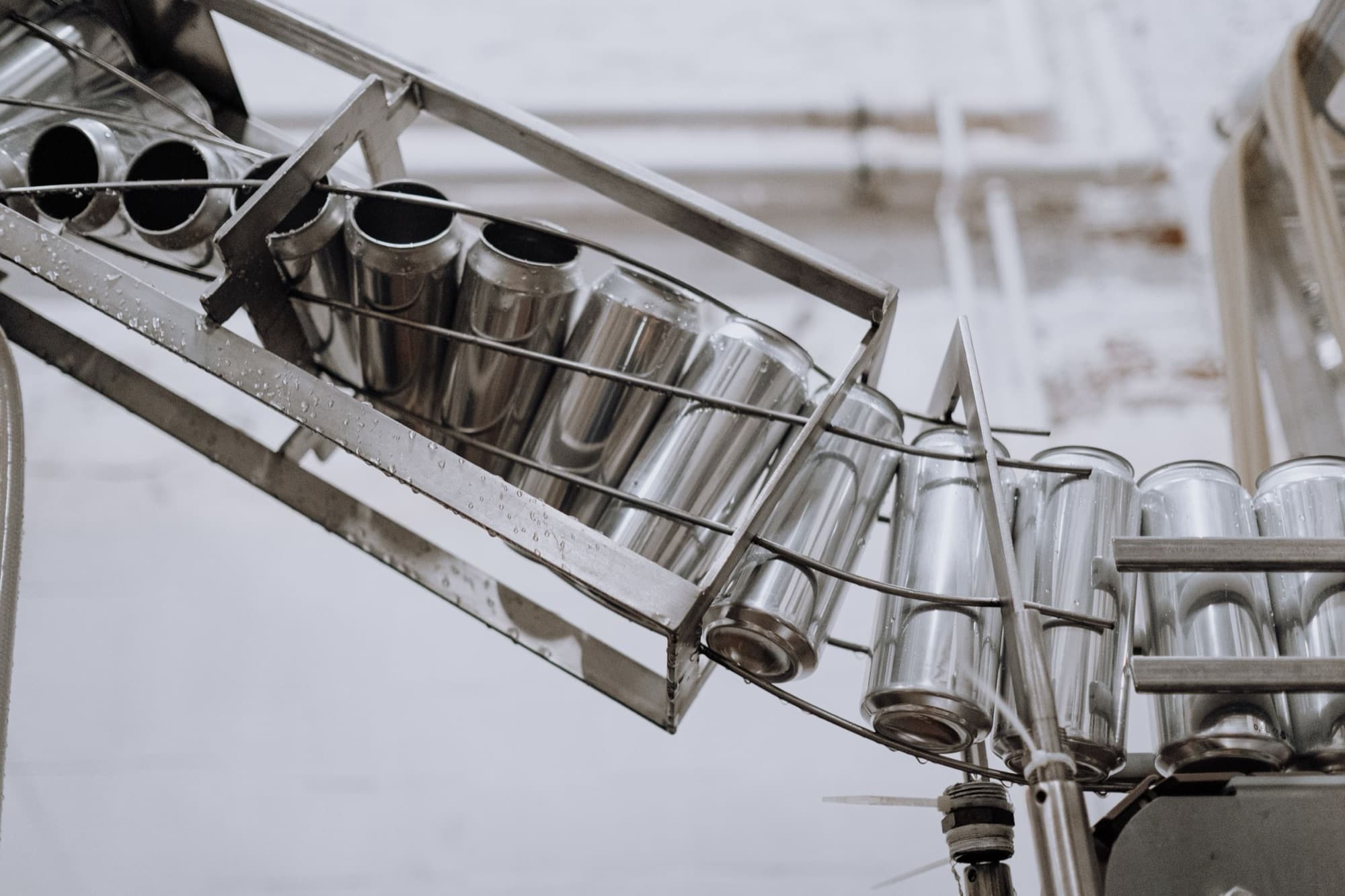 Deep draw
One-piece cups, cans, shells, and housings drawn from flat blanks, with depth that can exceed the diameter.
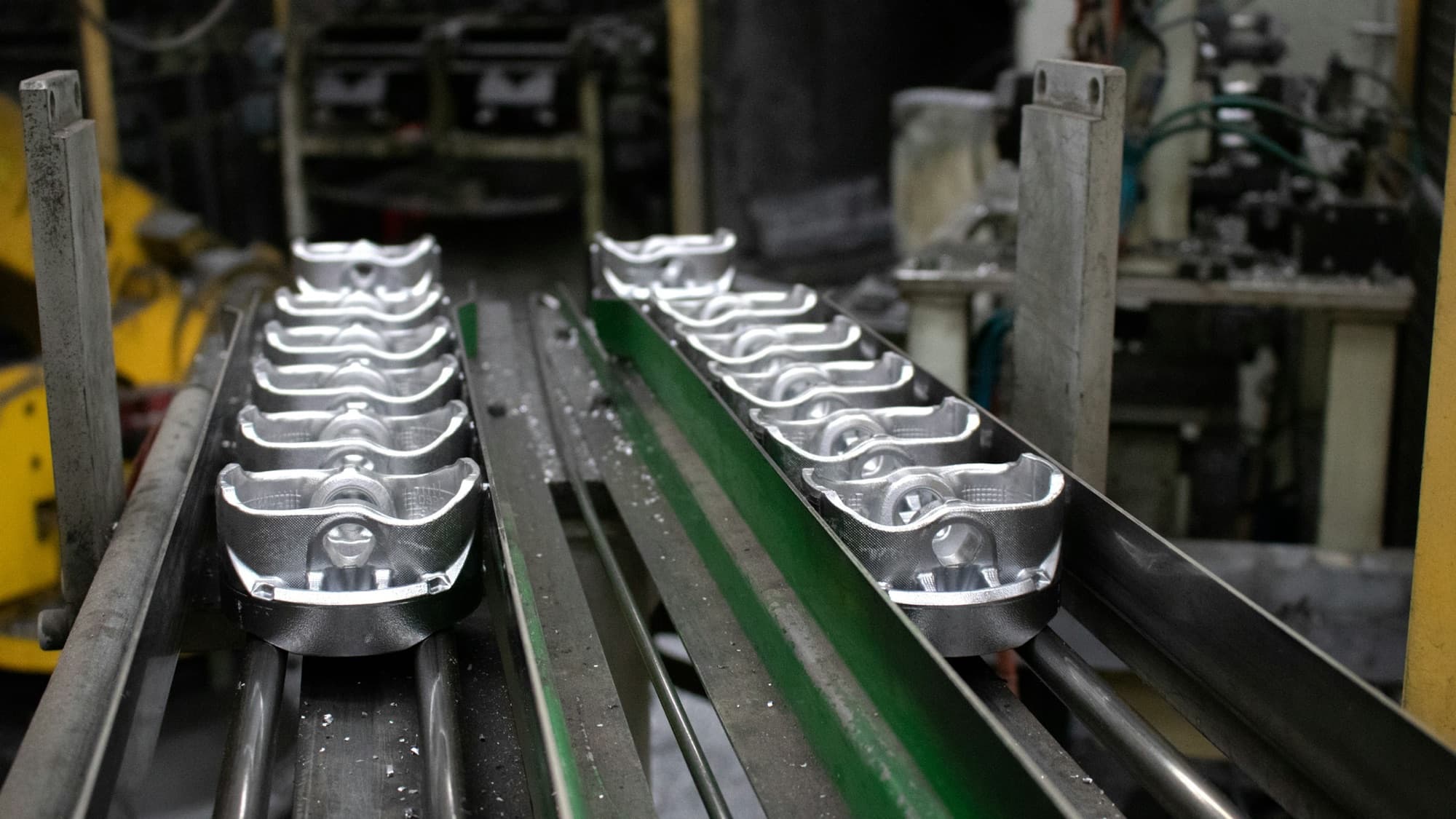 Die casting
Molten zinc or aluminum injected into steel dies at high pressure. Thin walls and net shape at 2,500+ parts a year.
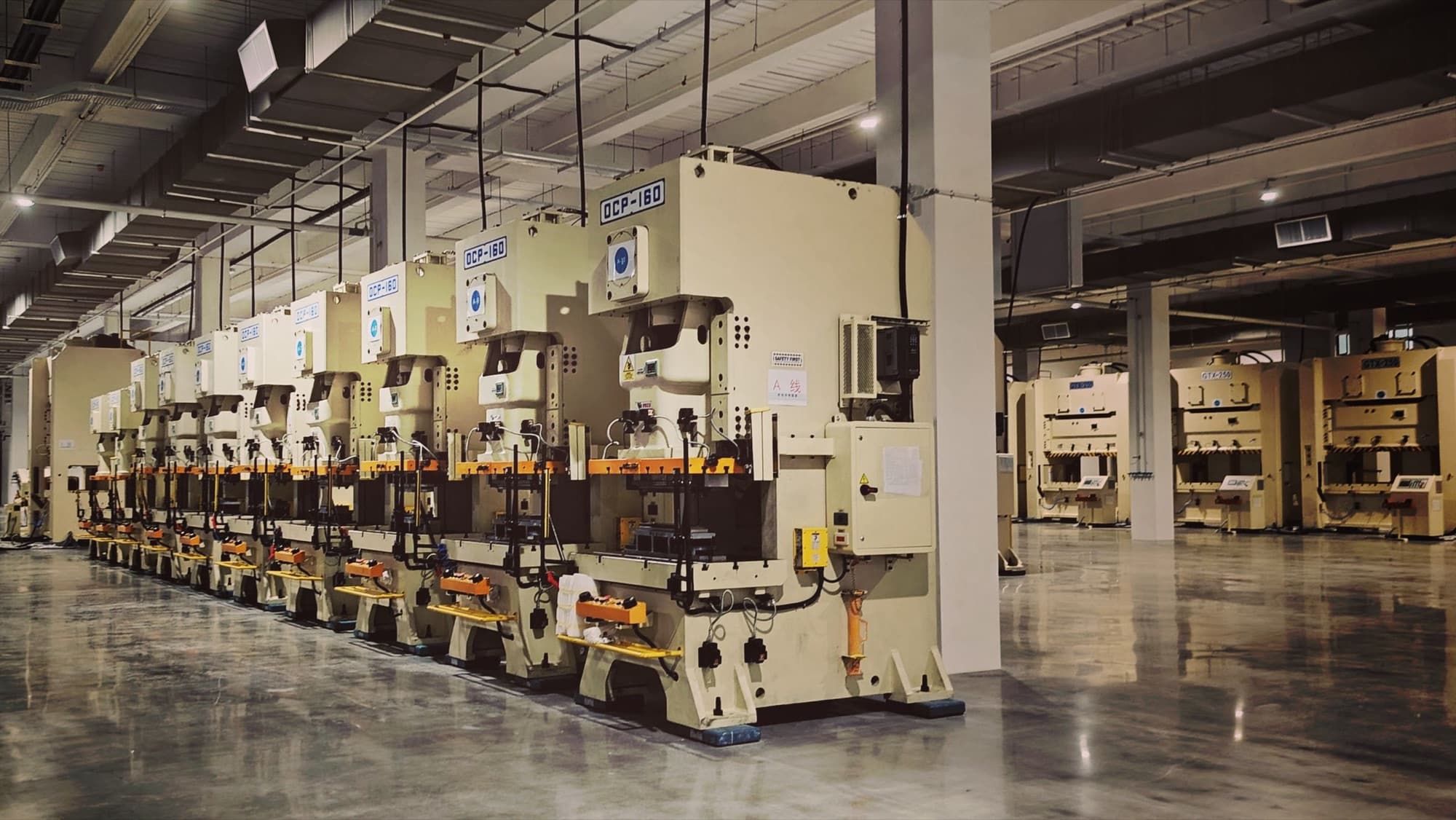 Stamping
Short- to medium-run stampings: brackets, clips, shields, and plates cut and formed from sheet or coil in a press.
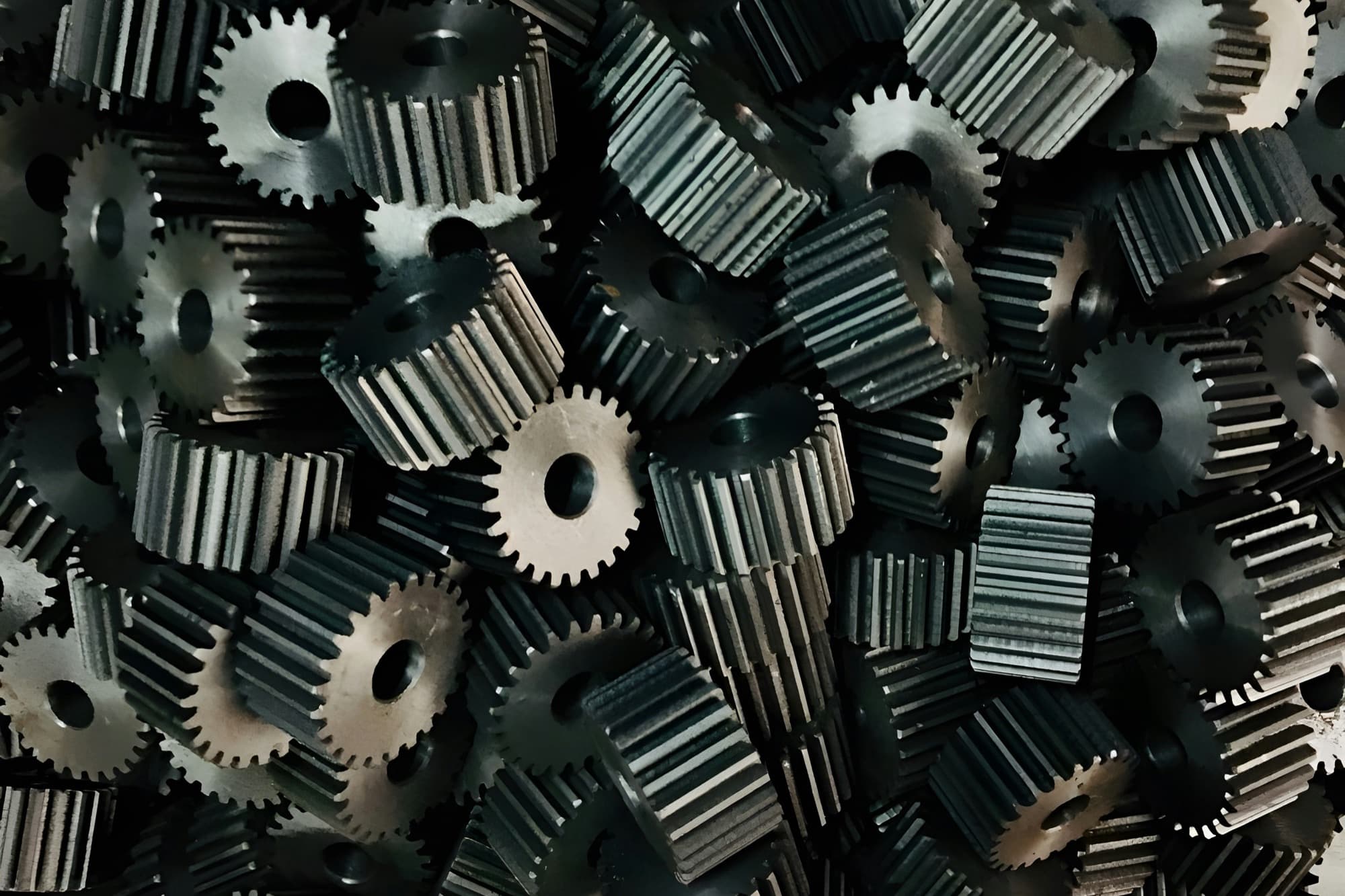 Powdered metal
Net-shape gears, bushings, and structural parts pressed from metal powder and sintered, with little or no machining.
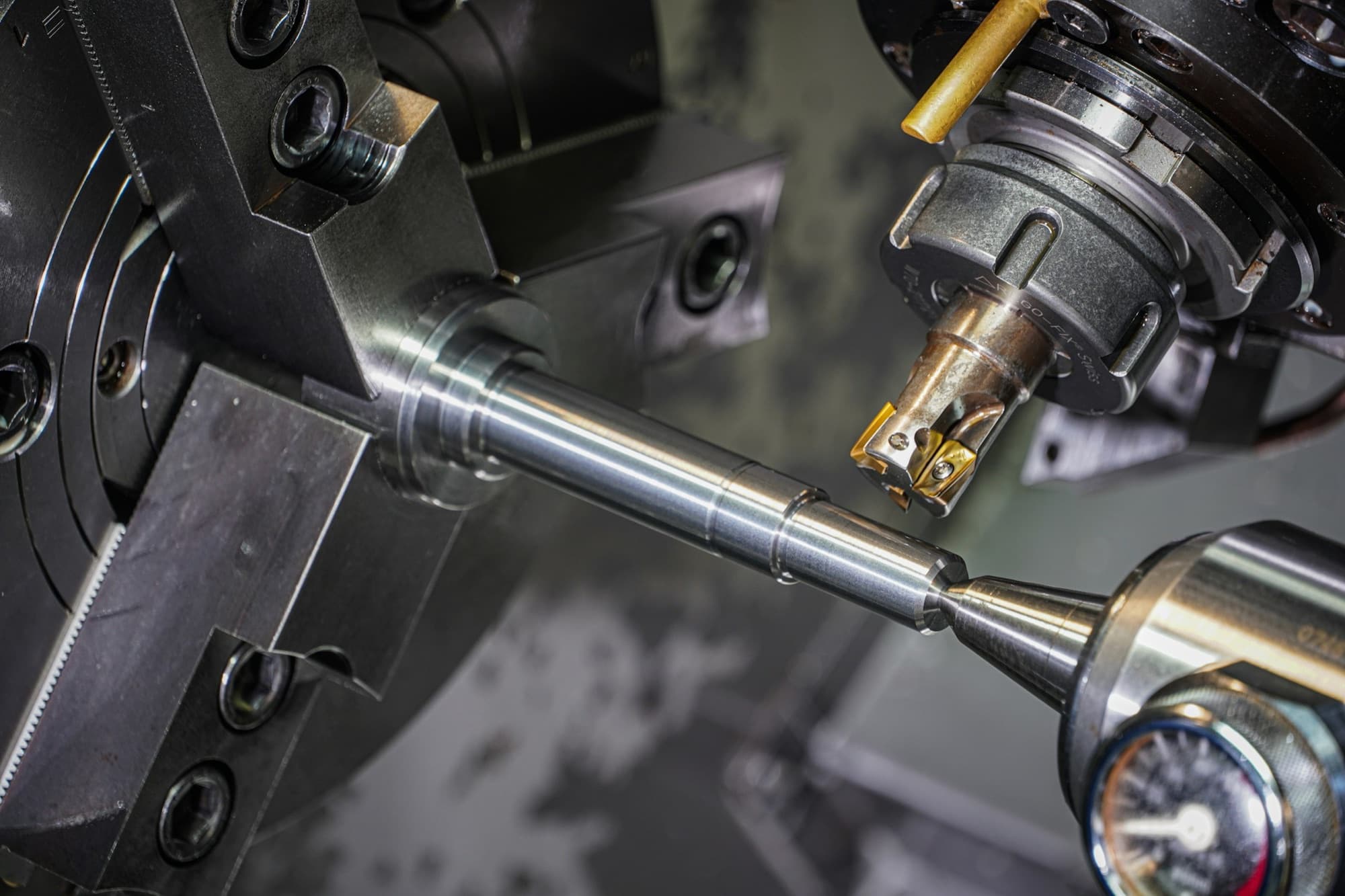 Screw machining
Turned pins, fittings, shafts, and bushings made from bar stock on multi-spindle and Swiss screw machines at volume.
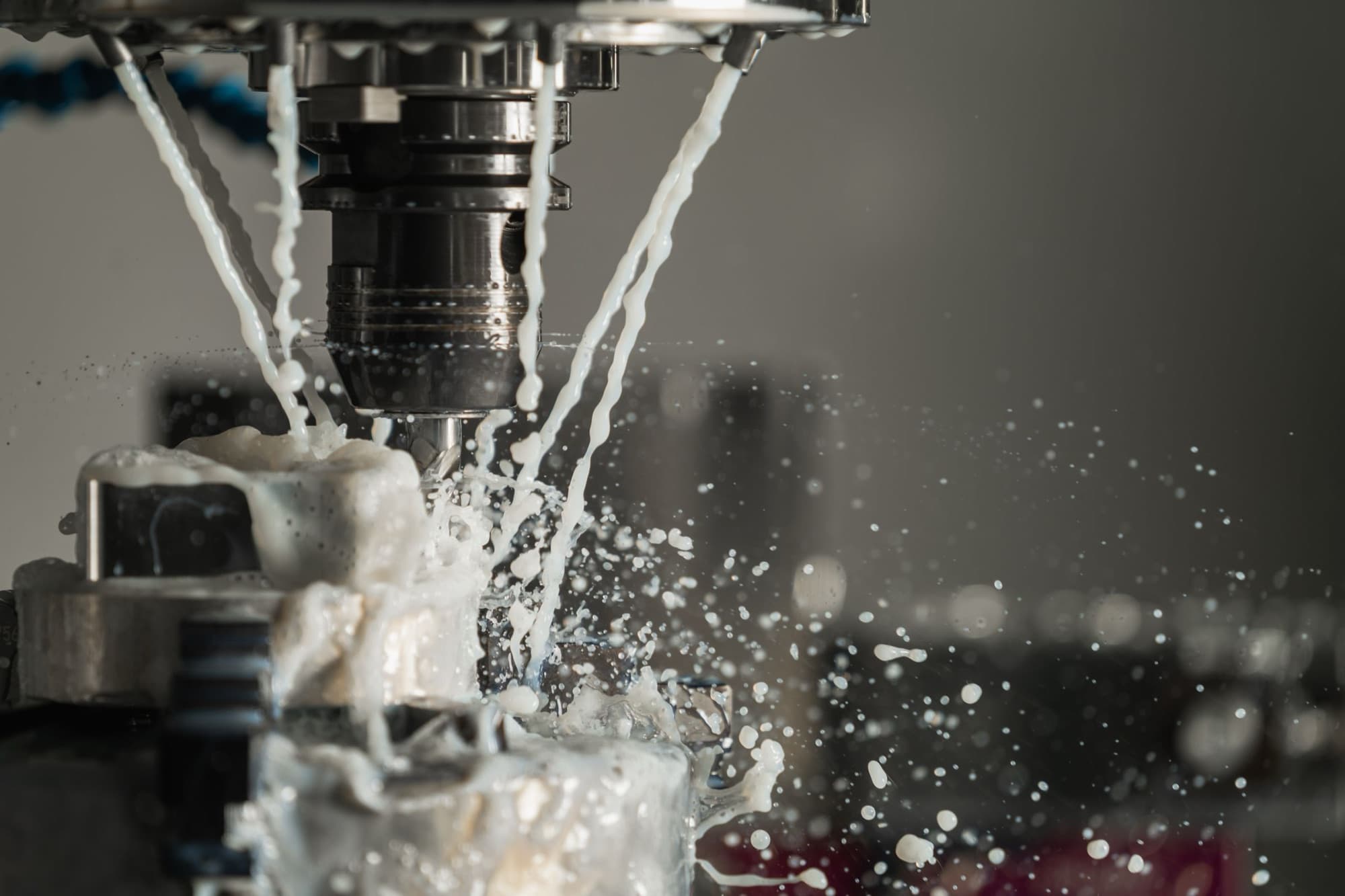 CNC machining
CNC milling, turning, and production sawing from bar, plate, castings, and forgings, from prototype to production.
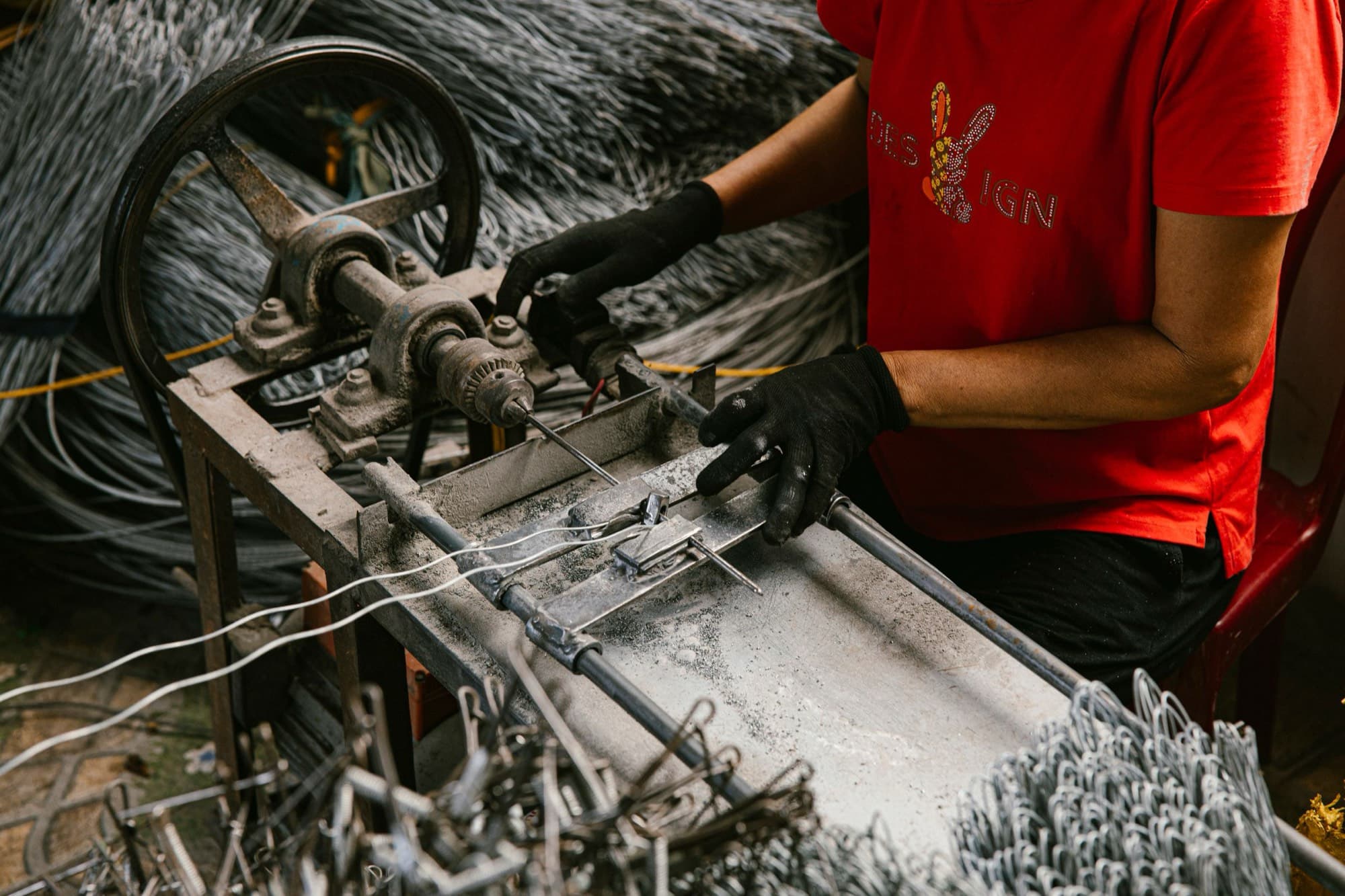 Springs & wire forms
Compression, extension, and torsion springs, wire forms, and fourslide clips made from round wire and flat strip.
 Injection molding
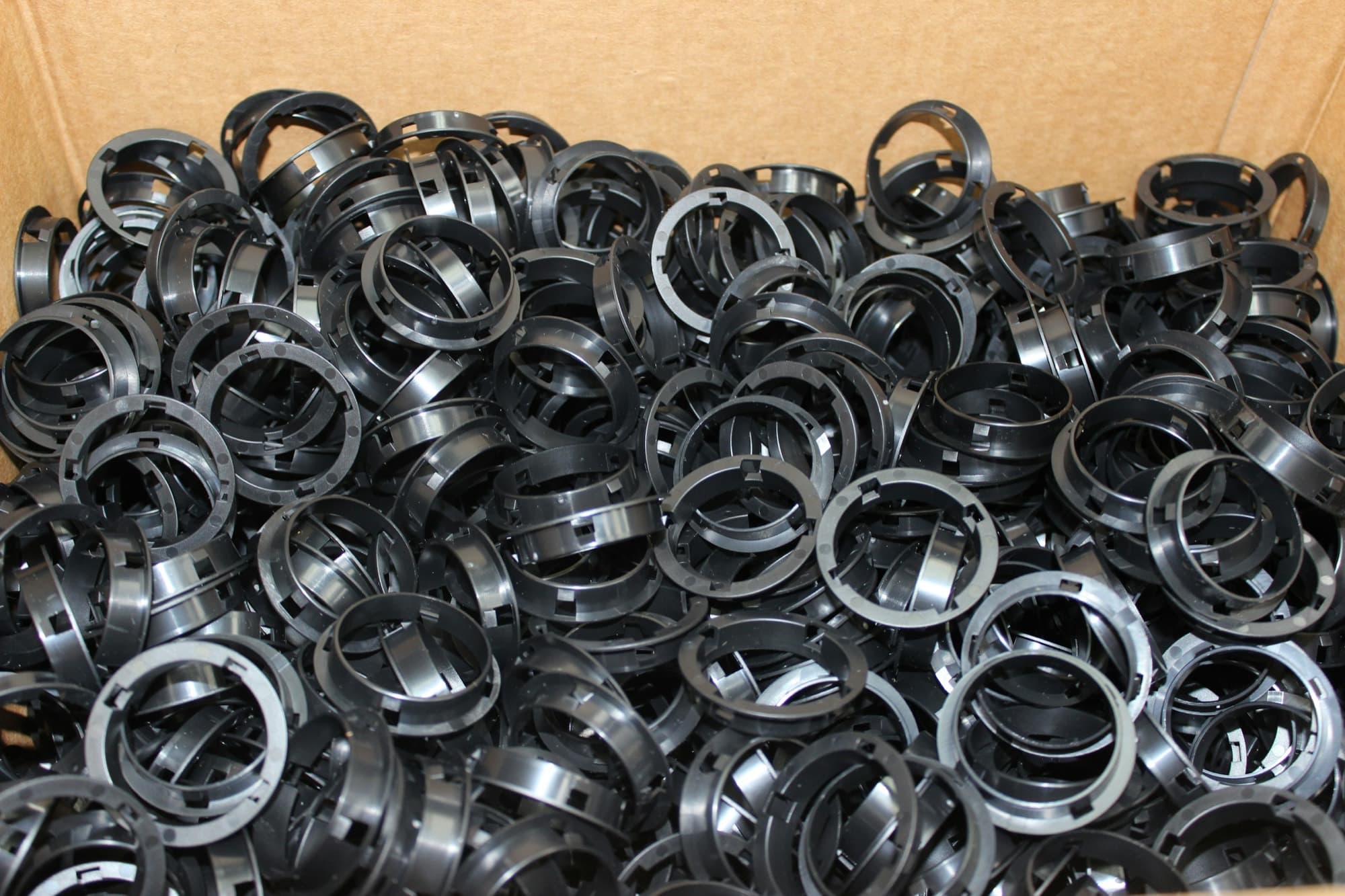
Molten thermoplastic injected into a steel or aluminum mold. Lowest piece price for plastic parts at 5,000+ a year.
Which of these pays off at your quantity?
Parts per order
4 processes are at their best at this quantity, and 4 more can do it.
Drag to your quantity
Materials


What suppliers are held to
Frame and performance standards
Motors built for North America follow NEMA MG 1 for frame dimensions, mounting, and performance, and IEC 60034 applies for export. Shaft height, bolt pattern, and pilot diameter must match the frame designation.
Safety and insulation
Motors are commonly recognized to UL 1004-1, with insulation systems evaluated to UL 1446 by thermal class, such as Class B 130 °C, Class F 155 °C, or Class H 180 °C. Molded parts near windings need resins rated for that class.
Efficiency regulations
The DOE sets minimum efficiency for many electric motors under 10 CFR Part 431. Lamination steel grade, burr height, and stack quality affect core loss and whether a design meets its efficiency target.
Concentricity and fits
Bearing bores in end bells typically hold 0.0005–0.001 in (0.013–0.025 mm) on size plus concentricity to the pilot, because misalignment shows up as noise, heat, and bearing wear.
Questions
Should motor housings be deep drawn or die cast?
Fractional horsepower motors usually use deep drawn steel housings, which are thin, strong, carry magnetic flux, and cost little at volume. Larger and totally enclosed motors use die cast aluminum or cast iron frames with cooling fins.
Why do fractional motors use sintered bushings?
Sintered bronze or iron bushings are vacuum impregnated with oil, typically 18–25% by volume, and feed it to the shaft as they warm. They need no maintenance and cost far less than ball bearings in light-duty motors.
How is lamination burr controlled?
Carbide dies, scheduled sharpening, and die maintenance keep lamination burrs low, commonly under 0.002 in (0.05 mm). Burrs short adjacent laminations and raise core loss, so burr height is checked through each sharpening cycle.
Send us the part.
Build it or upload a drawing. A rep routes it to principals already making parts for this industry.