Loading page
Stainless steel 430
430 is a ferritic stainless steel with about 17% chromium and no significant nickel. It is magnetic, costs noticeably less than 304, and polishes to a bright finish, which makes it the standard for appliance panels, trim and dishwasher parts. Typical annealed tensile strength is 70 ksi (483 MPa). Corrosion resistance is lower than 304, and welds lose toughness.
- UNS
- S43000
- ASTM
- A240 Type 430
- EN 10088
- 1.4016 (X6Cr17)
- JIS
- SUS430

How does it compare?
Typical room-temperature values for 430 SS, against all 48 materials in the library.
- Tensile strength
- 483 MPa73th pct
- Yield strength
- 310 MPa60th pct
- Density
- 7.75 g/cm³68th pct
- Max service temp
- 815 °C93th pct
- Elongation
- 30 %59th pct
- Relative cost
- $$$$$
Bars are relative to the strongest, densest or hottest material in the SSG library. Percentile vs all 48 materials.
- Density
- 7.75 g/cm³ · 0.2800 lb/in³
- Tensile strength
- 483 MPa · 70.1 ksi
- Yield strength
- 310 MPa · 45.0 ksi
- Elongation
- 30%
- Elastic modulus
- 200 GPa · 29.0 Msi
- Hardness
- Rockwell B85
- Max service temperature
- 815 °C · 1499 °F
- Melting point
- 1425 °C · 2597 °F
- Thermal conductivity
- 26.1 W/m·K
- Machinability
- 54% of 1212 steel
When should you use 430 SS?
Strengths
- No nickel, so a lower and more stable price than 304
- Magnetic: works with magnetic latches, induction cooktops and magnetic mounting
- Good resistance to chloride stress corrosion cracking
- Polishes well for bright appliance finishes
- Lower thermal expansion than austenitic grades
Watch for
- Lower corrosion resistance than 304; not for chlorides or coastal outdoor use
- Welds and heat-affected zones become brittle from grain growth
- Less formable than 304 for deep draws; ridging can appear on stretched surfaces
- Cannot be hardened by heat treatment
Typical parts
- Appliance panels and trim
- Dishwasher and range components
- Range hoods and backsplashes
- Automotive interior and exterior trim
- Induction-compatible cookware bases
- Magnetic mounting plates
How 430 SS is made into parts
Cost, finishes and design rules for each process in this material.
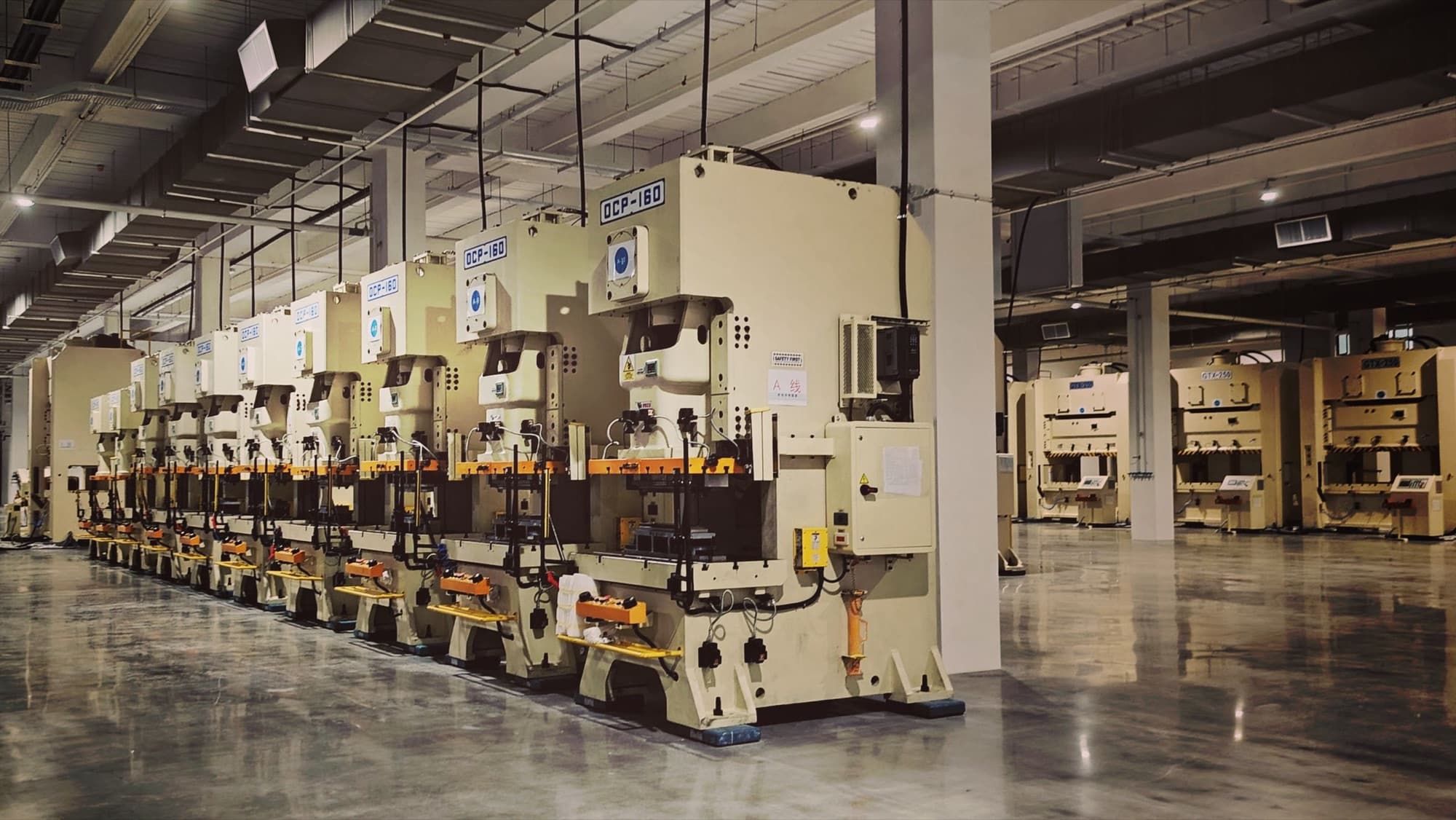 Stamping in 430 SS
Short- to medium-run stampings: brackets, clips, shields, and plates cut and formed from sheet or coil in a press.
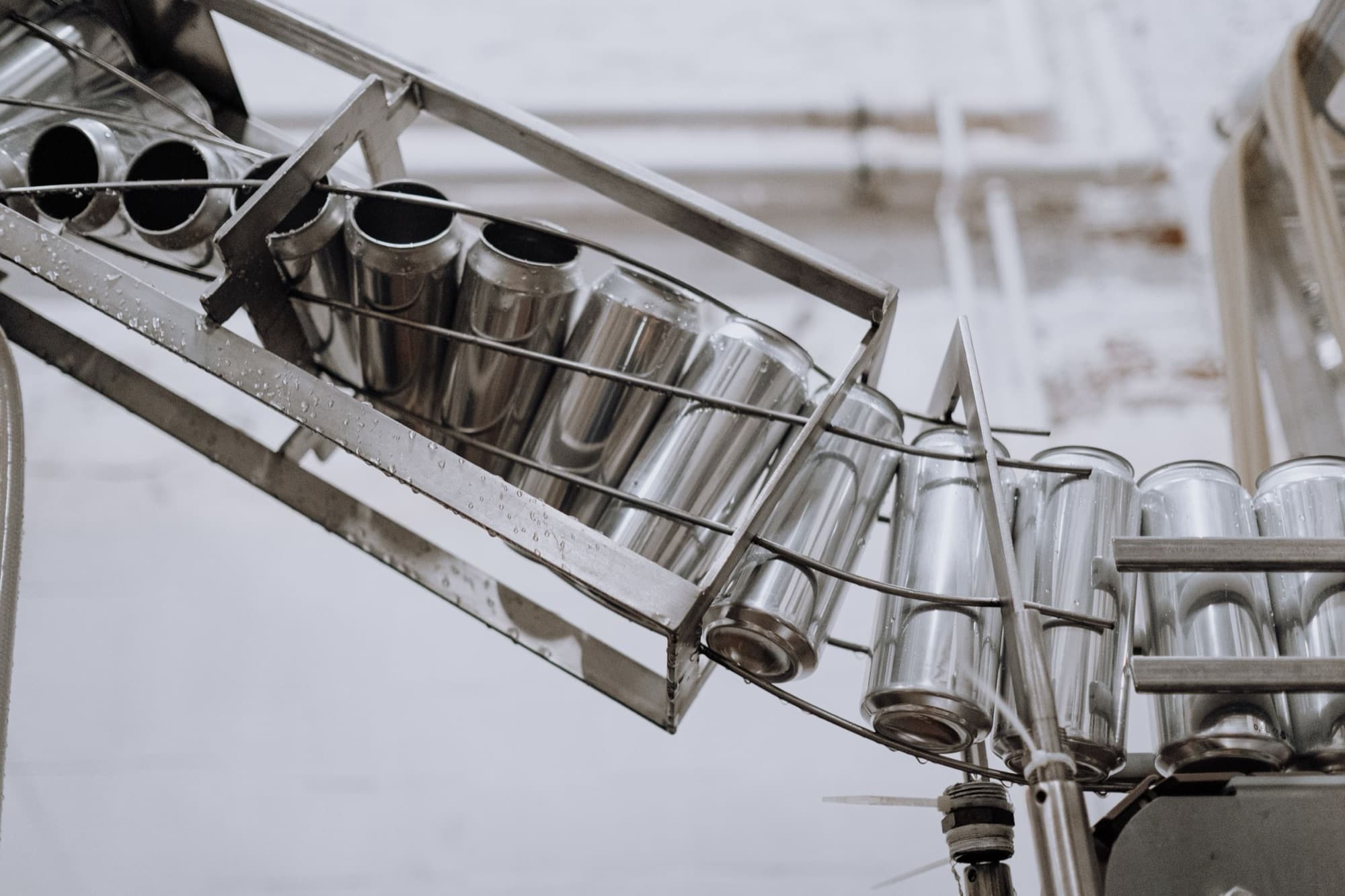 Deep draw in 430 SS
One-piece cups, cans, shells, and housings drawn from flat blanks, with depth that can exceed the diameter.
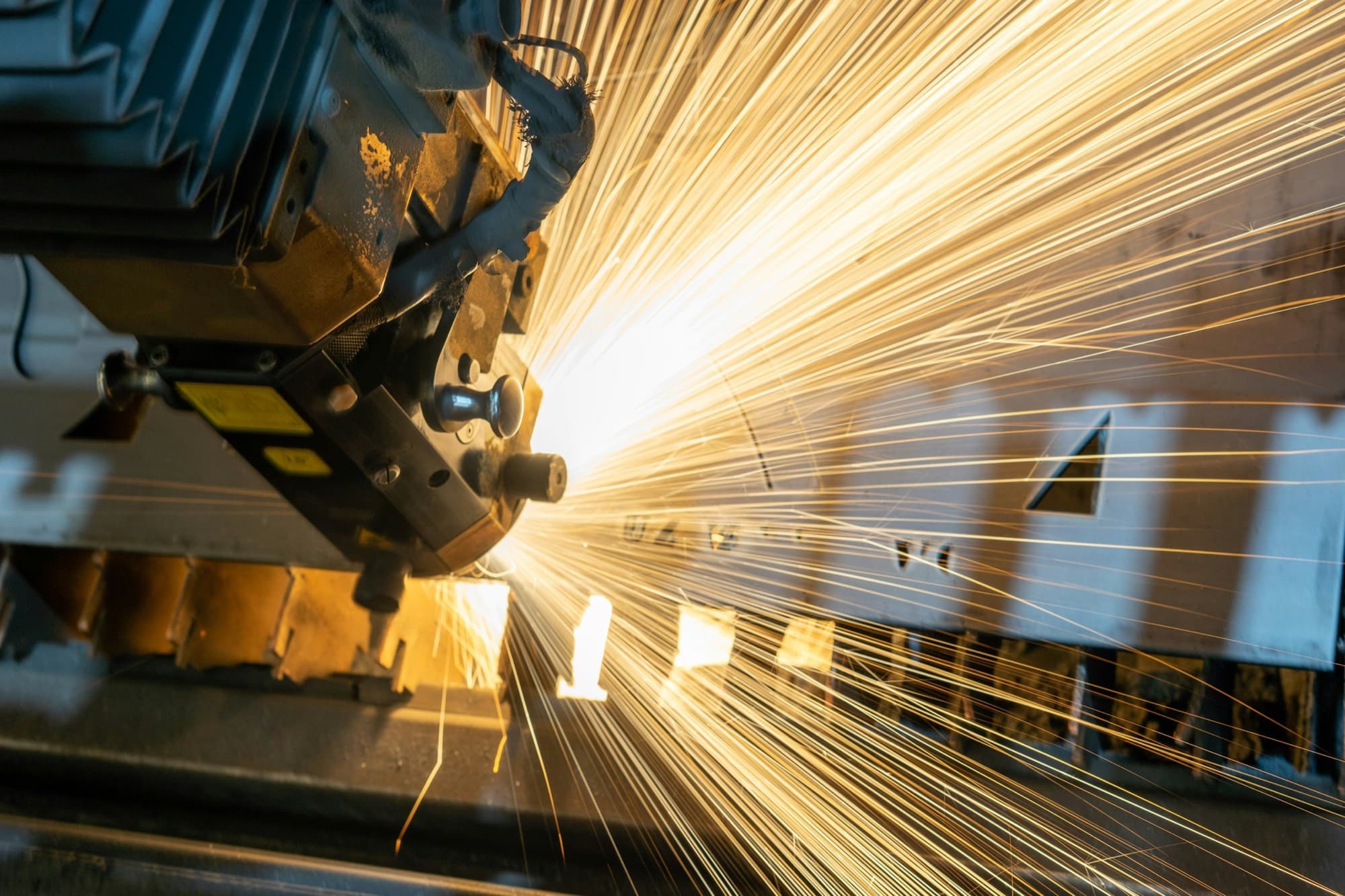 Sheet metal in 430 SS
Laser-cut, punched, bent, and welded sheet metal enclosures, brackets, and chassis with no hard tooling.
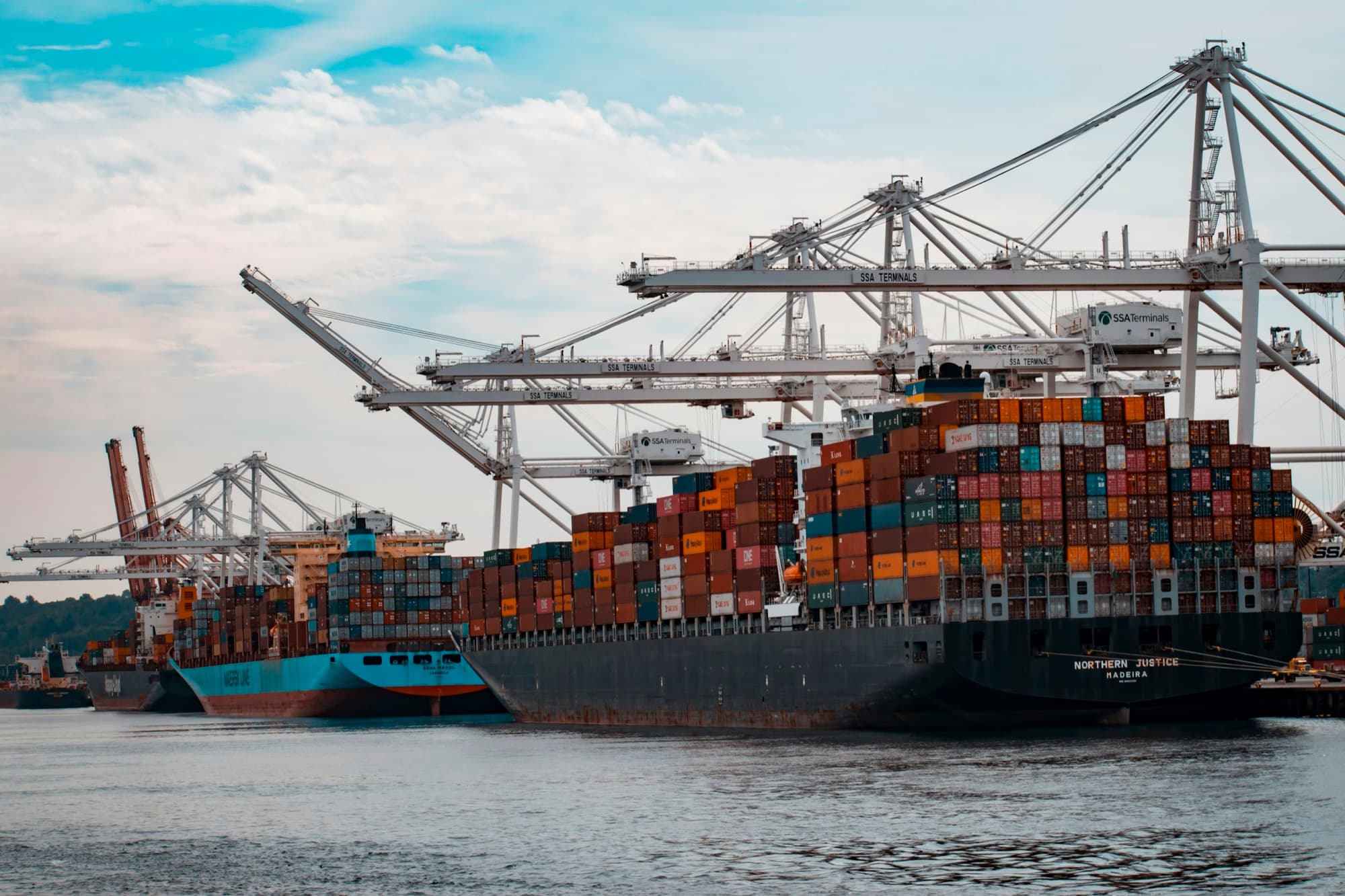 Offshore sourcing in 430 SS
Parts made by vetted overseas manufacturers, with landed-cost analysis, quality control, and logistics managed.
What does a part in 430 SS cost?
A representative part, stamping. Raw material at about $3.50/kg is one line of it; process time and tooling usually matter more.
Bracket · Stamping
Order total $51,453
- Tooling
- $32,890
- one-time, spread over the order
- Piece price
- $0.73
- before setup + tooling
- Lead time
- 6–10 weeks
- to first production
Size
Drag a row to adjust · click to type
Width60.060.0 mm
Leg A (vertical)50.050.0 mm
Thickness2.002.00 mm
Quantity
Price per part falls as volume rises
Exact quantity2500025000 pcs
Material
R2 mm bend risks cracking 430 SS
Open in builderBudgetary estimate for a representative part. Firm quotes come from principals after drawing review.


430 SS questions
Is 430 stainless magnetic?
Yes. It is ferritic, so it is strongly magnetic in every condition. That suits induction cooktops and magnetic mounting, and it is a quick way to tell it from 304.
430 vs 304 stainless?
304 has better corrosion resistance, weldability and deep-draw formability. 430 is cheaper because it has no nickel, is magnetic, and suits indoor appliance and trim parts. Outdoors or near salt, use 304 or 316.
Does 430 stainless rust?
It can show surface rust in humid, salty or chlorinated environments and around embedded iron from fabrication. Indoors it performs well. Passivation after fabrication helps.
Can 430 stainless be welded?
Yes, but the weld and heat-affected zone grow coarse ferrite grains and lose toughness. Keep heat input low and use 309L or matching 430 filler. For welded assemblies, 439 or 304 is often the better call.
Similar materials


Quote it in 430 SS.
Upload CAD or start from a template. The builder prices it in this material and the alternatives.